

Interior wall insulation can improve comfort, reduce noise, and slow heat loss, but the right method depends on the wall’s job. An outside-facing wall needs a continuous thermal and moisture plan. A partition between two heated rooms may need insulation mainly for privacy. This guide explains how to choose materials and plan installation safely.
Quick Answer: How to Insulate an Interior Wall
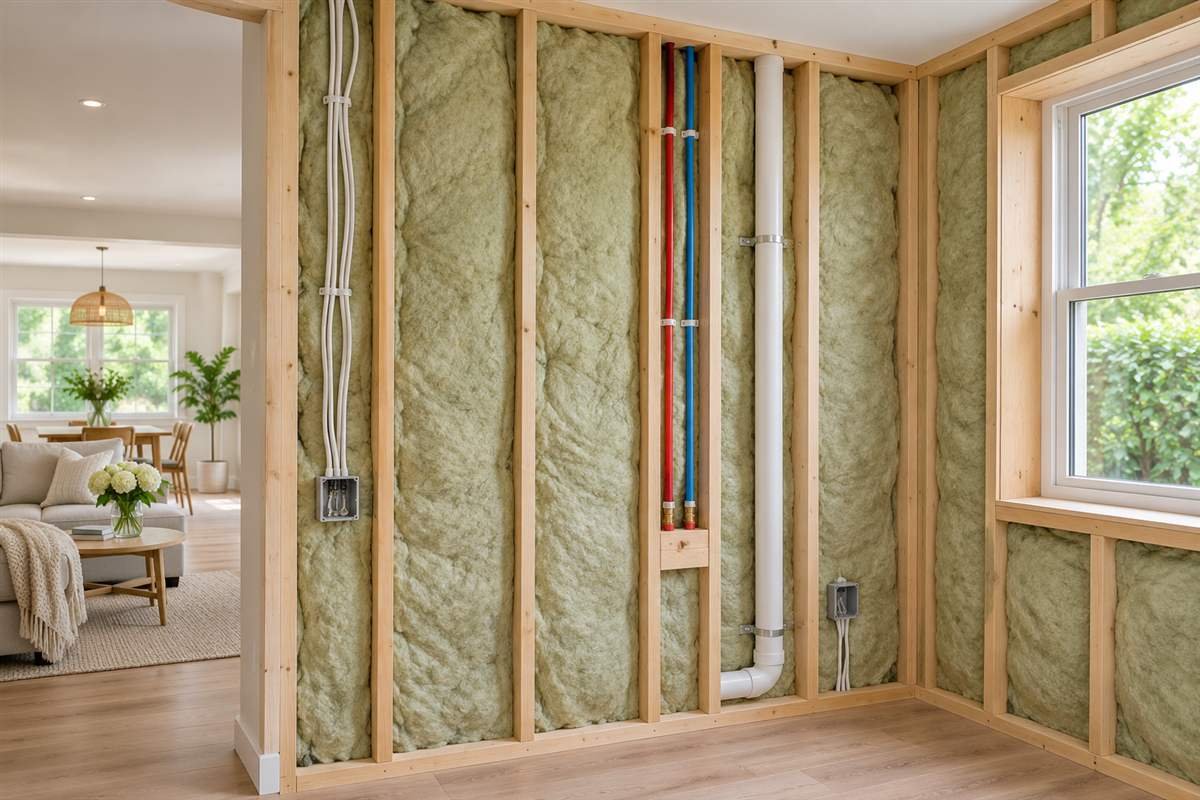
First identify whether the wall separates a heated room from outdoors or another conditioned room. For warmth, treat the full thermal boundary and address air leaks before adding insulation. For sound, insulation in the cavity can help, but the complete wall—drywall, edges, doors, outlets, and connected floors and ceilings—determines the result. If the wall is already closed, have a qualified installer confirm its construction before drilling or blowing in material.
If you need a broad comparison of wall types and insulation methods, start with our complete wall insulation guide.
What Interior Wall Insulation Does
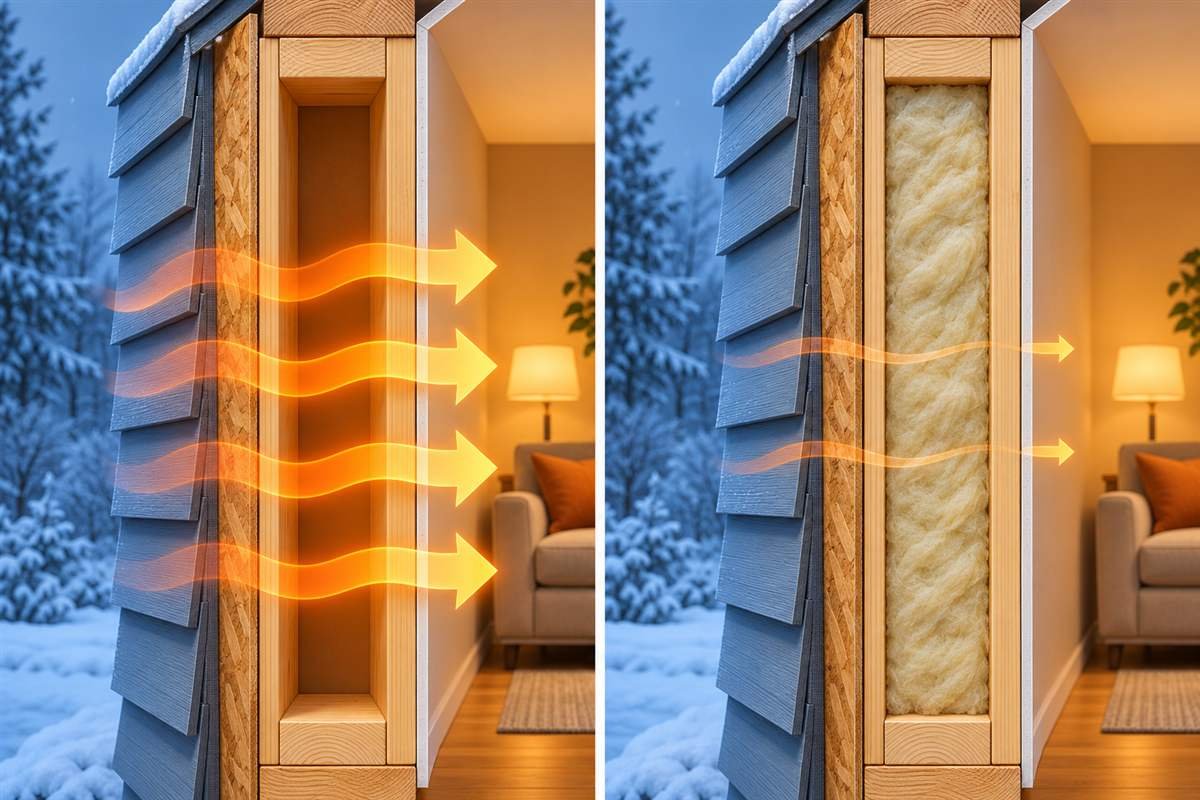
People use “interior wall insulation” to mean two different projects. One is insulating from inside a room against an exterior wall. The other is filling a partition between rooms. The first can reduce heat flow through the home’s envelope when the assembly is designed correctly. The second usually does little for energy use when both spaces stay at similar temperatures, although it can make speech less noticeable.
Insulation slows heat moving through a surface. Air sealing limits uncontrolled air movement through gaps. They work together, but most batt and loose-fill products do not stop drafts by themselves. The U.S. Department of Energy’s insulation guide for homeowners and contractors discusses air sealing before insulation and recommends looking at the whole building assembly.
Identify the Wall Before You Choose a Material
Check what lies beyond the wall. It may face outdoor air, an unheated garage, a stairwell, or another heated room. Also note whether it is wood-framed, metal-framed, masonry, or a mix of materials. Building plans, an unfinished section, or a small inspection by a professional can reveal the cavity depth, existing insulation, fire blocking, pipes, and electrical runs.
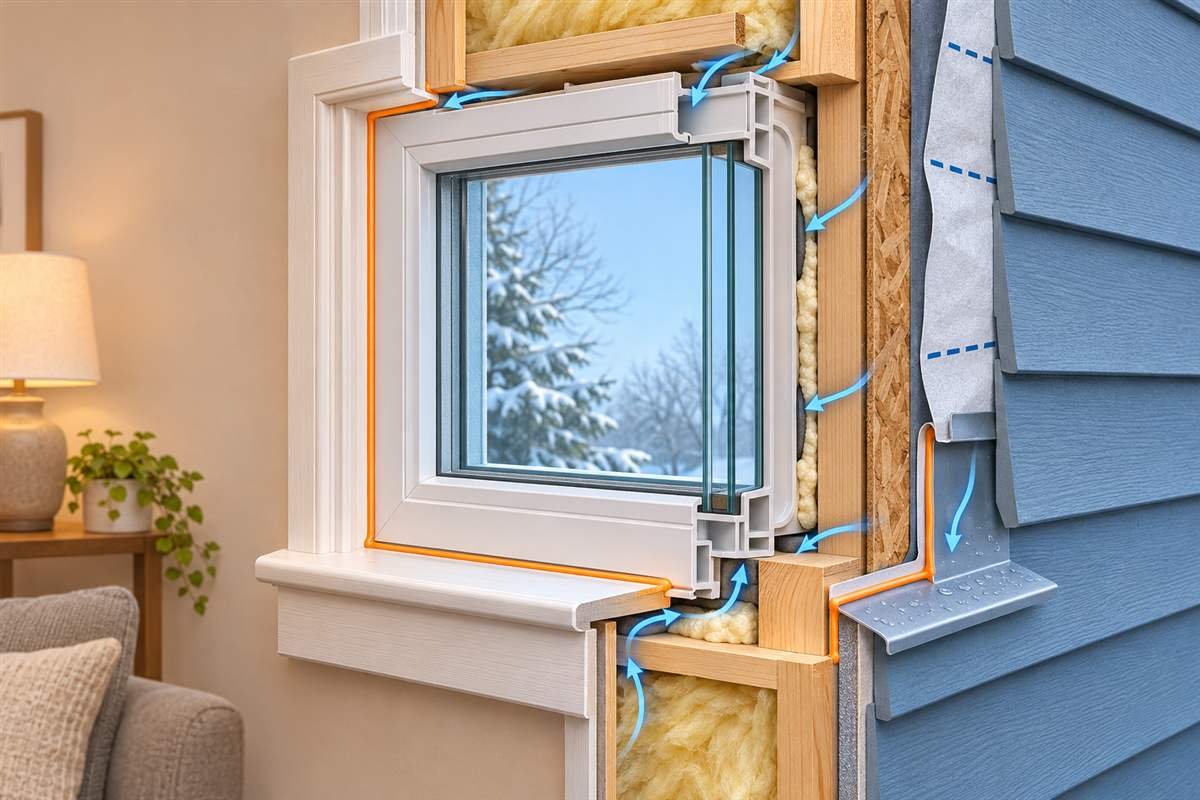
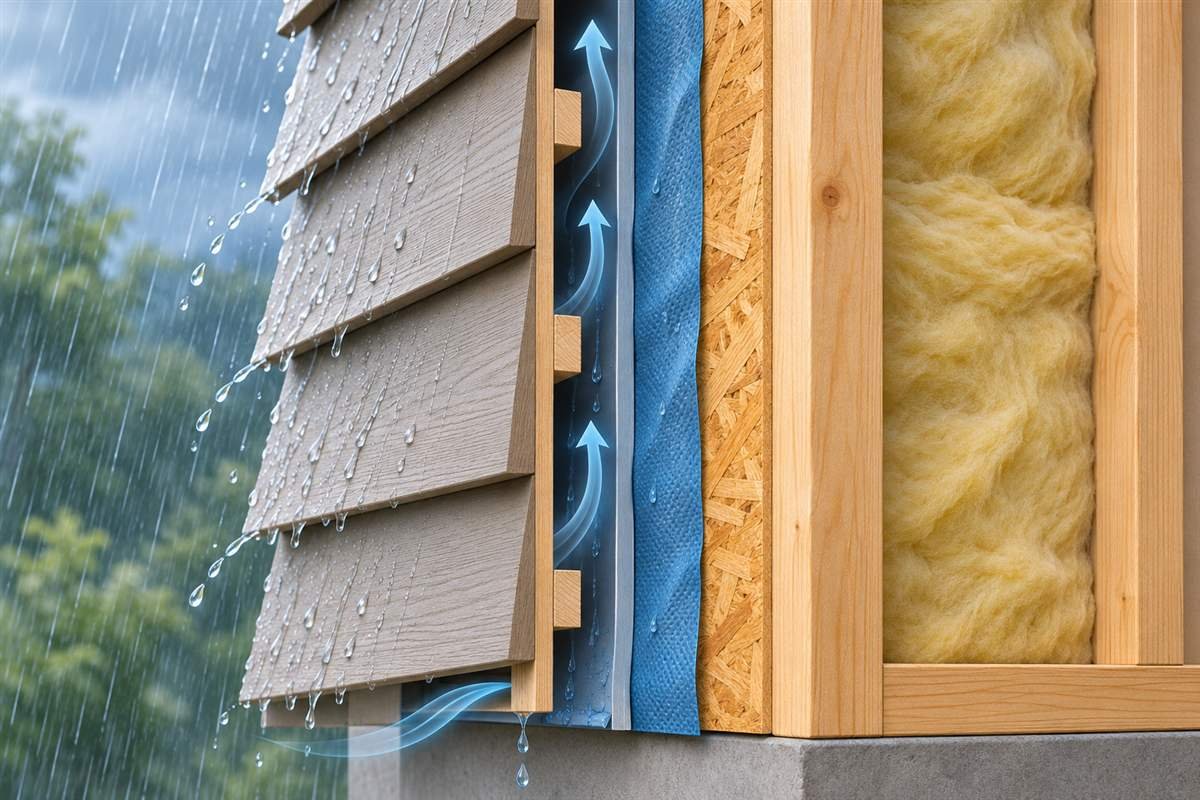
Look for water stains, damp framing, peeling paint, mold, cold drafts, and damaged exterior flashing. Repair leaks and dry the assembly before closing it. Insulation does not fix water entry. If the wall separates a garage, apartment, or other fire-rated area, do not remove or alter layers until you know the required fire protection and local building rules.
Best Materials for Insulation Inside Walls
There is no single best product for every wall. Compare cavity depth, climate, moisture exposure, sound goals, installation access, fire requirements, and product instructions. A product’s R-value describes resistance to heat flow under specified conditions; it does not promise a particular room temperature or sound result.
Fiberglass batts
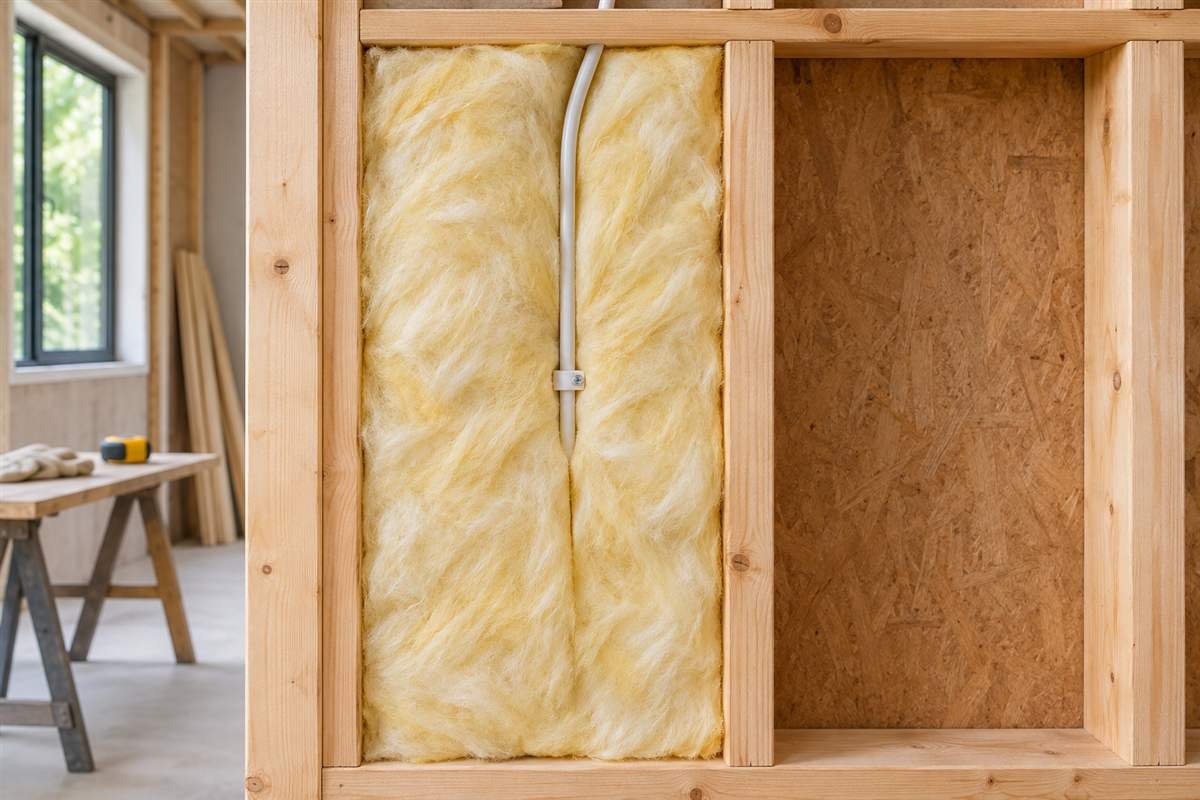
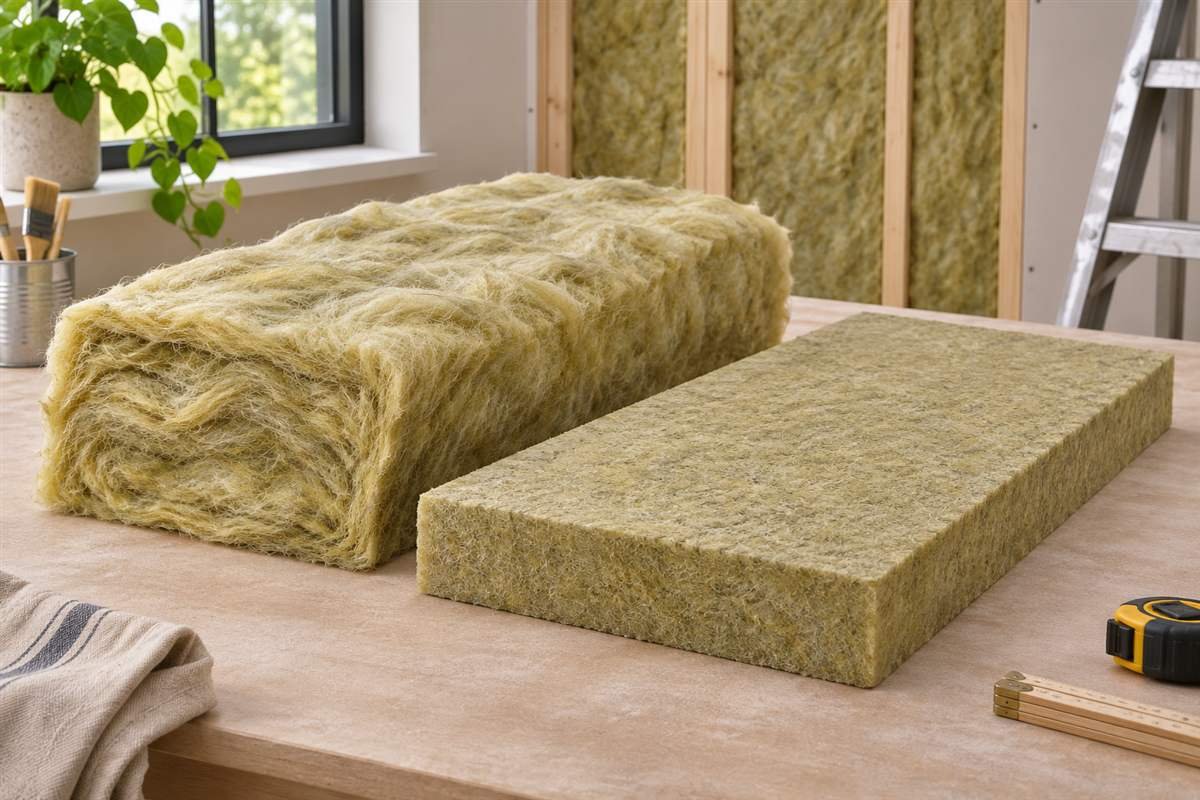
Fiberglass batts are common for open framed walls. Select a batt sized for the stud spacing and cavity depth. Cut it to fit around wires and pipes without leaving large gaps or packing it tightly. Compression and voids reduce the intended coverage. Wear the protective equipment listed by the manufacturer, and keep the material clear of fixtures or equipment where instructions require space.
Mineral wool
Mineral wool batts also fit between framing and may be useful when sound absorption or fire performance matters. Product performance varies, so check the technical sheet and the tested wall assembly. It still needs an even fit and compatible layers. Do not assume that a material marketed for acoustics will soundproof the finished room.
Cellulose and other blown-in insulation
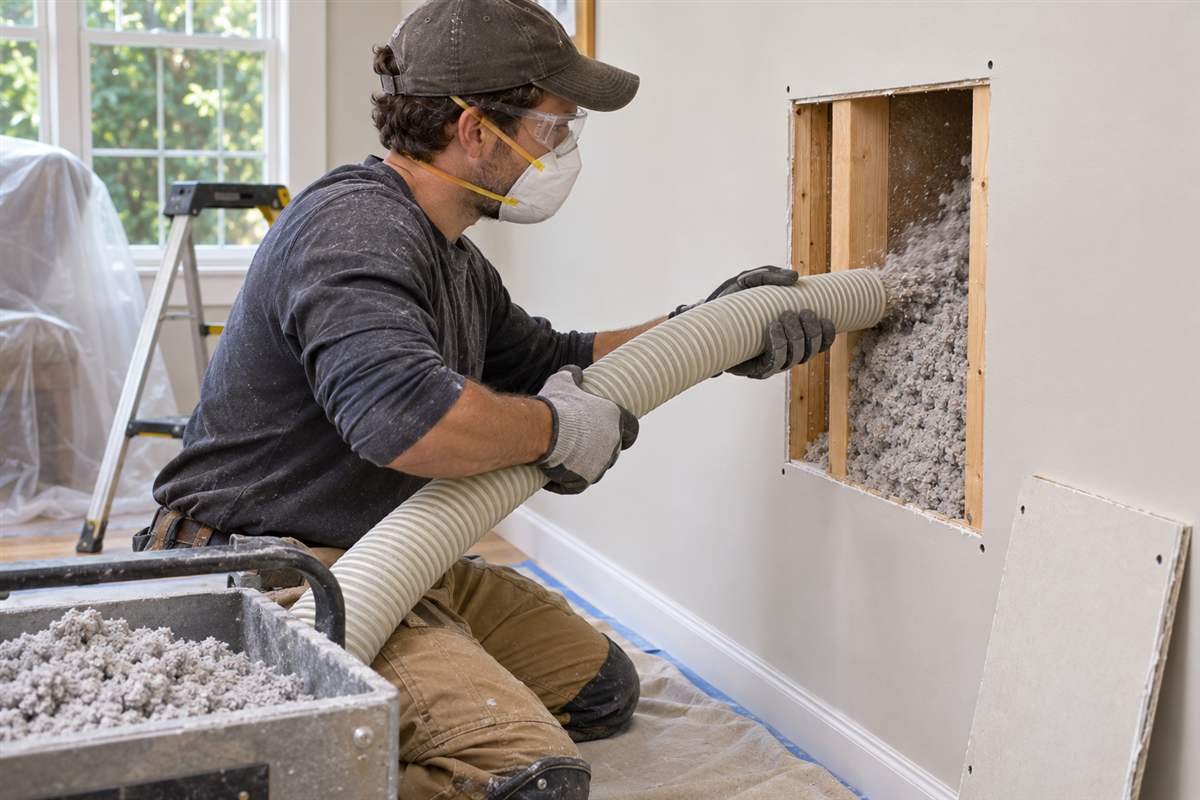
Dense-pack cellulose or blown fiberglass can sometimes be installed in an existing framed wall through planned access holes. A trained installer first checks stud locations, fire stops, wiring, plumbing, and obstructions, then follows the product’s specified density and fill method. Ask how the crew will confirm coverage and patch the wall. Blowing material into an unknown cavity can leave voids or create other problems.
Spray foam and rigid boards
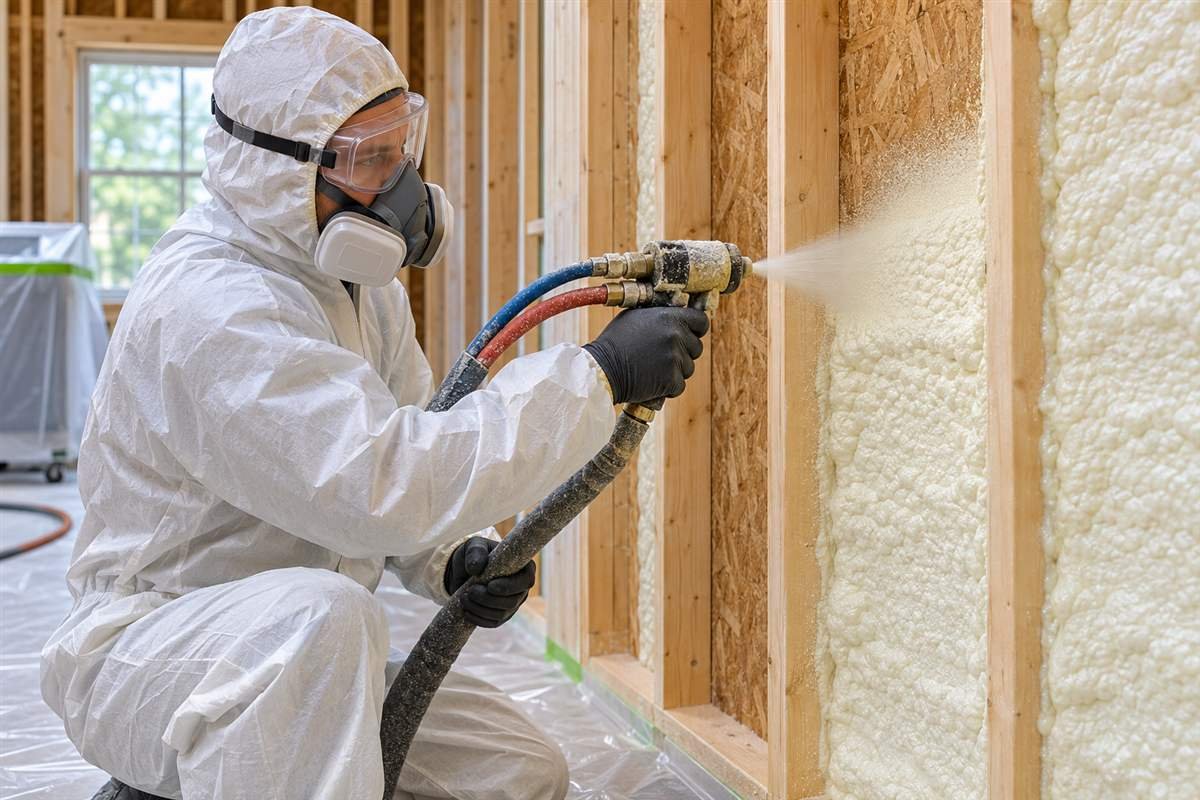
Spray foam can add insulation and reduce some air leakage, but it changes how air and moisture move through a wall. Some products also need specific fire-protective coverings and trained handling. Rigid boards may be used as part of a designed continuous layer, but joints, edges, and finishes must match the assembly. Ask a qualified contractor to explain compatibility, ventilation, curing, fire protection, and repair options before choosing foam.
How to Insulate an Interior Wall: Step by Step
For an open, dry, accessible framed wall, use this planning sequence. Follow the insulation manufacturer’s directions and local code; hire a qualified professional when the assembly is complex or hidden services are uncertain.
- Set the goal: lower heat loss through an exterior wall, improve sound privacy, or both.
- Confirm what is on the other side and identify framing, cavity depth, existing layers, and any fire rating.
- Repair water entry, damp materials, and visible mold before installing insulation.
- Locate wiring, pipes, junction boxes, fire stops, vents, and fixtures before cutting, drilling, or fastening.
- Choose a product and wall assembly suited to the climate, framing, moisture path, fire requirements, and target.
- Air-seal suitable gaps with compatible materials while keeping required ventilation and service access clear.
- Fit insulation evenly, without voids or compression, and follow protective-equipment instructions.
- Photograph the work and check coverage, air-barrier connections, moisture details, and fire protection before closing the wall.
Can You Insulate a Finished Wall Without Removing Drywall?
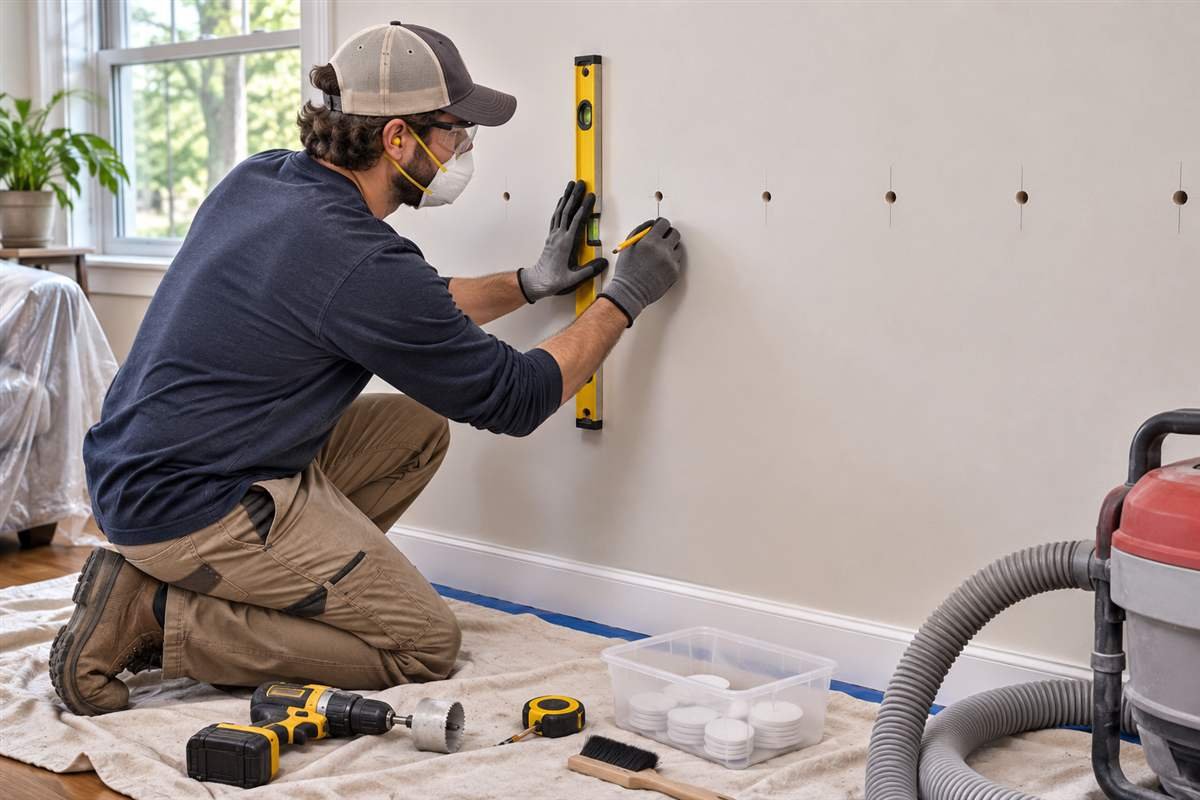
Sometimes. A professional may be able to dense-pack a suitable framed cavity through access holes, so the full wall does not need to come down. The method is not appropriate for every assembly. Metal studs, masonry, narrow cavities, fire stops, existing foam, wiring, dampness, and unusual wall layers can change the plan. Ask the installer how they will find obstructions, prevent incomplete fills, and restore the finish.
If the wall is part of a major remodel, opening it can make inspection and fitting easier. That also brings demolition, dust control, drywall repair, painting, and possible electrical or plumbing work. Compare the total scope rather than only the price of the insulation material.
Moisture, Air Sealing, and Fire Safety
A wall needs a safe way to manage incidental moisture and dry. Adding insulation can make some surfaces colder, which may change where condensation forms. Do not cover active leaks, wet framing, or mold. The U.S. Environmental Protection Agency’s guide to mold, moisture, and the home recommends fixing moisture sources and drying wet materials.
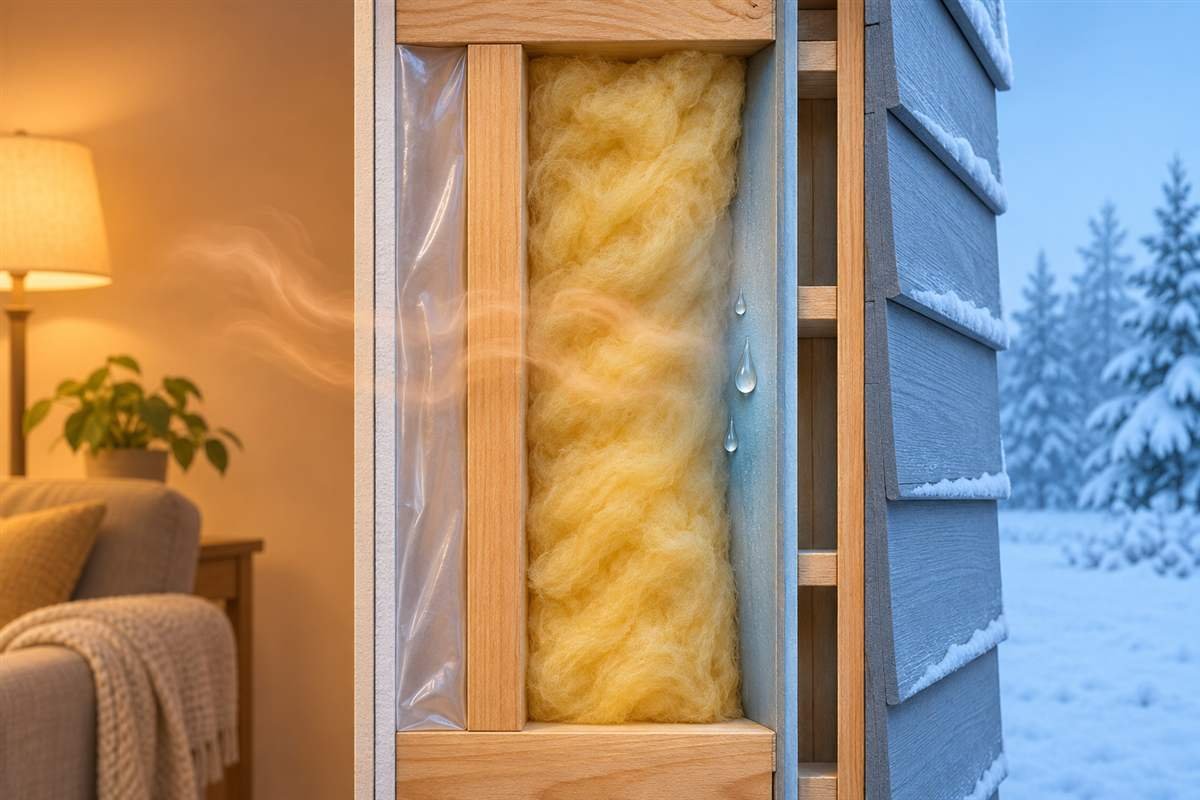
Do not automatically add plastic sheeting or a vapor barrier to every interior wall. The correct vapor-control layer depends on climate, wall construction, and local code. A poorly placed barrier can trap moisture. Likewise, insulation does not replace required drywall, fire blocking, rated doors, or fire-stopping around penetrations. Keep electrical boxes and service panels accessible, and do not block vents.
Sound, Cost, and When to Hire a Professional
For sound control, cavity insulation can absorb some airborne sound, but noise may still travel through drywall, door gaps, outlets, ceiling spaces, floors, and framing. If sound privacy is the main goal, compare tested wall assemblies that include the right drywall layers, seals, and attachment details. Our related guide explains whether interior wall insulation helps with sound.
Costs vary with wall length and height, access, material, demolition, wiring changes, drywall, paint, and the amount of air sealing. Request an itemized estimate that identifies the exact product, coverage checks, repairs, and finish work. Our wall insulation installation overview can help you compare the steps.
A straightforward batt installation may suit a competent DIYer when an open, dry wall has no uncertain services or special fire rating. Hire a qualified insulation or building professional for closed walls, moisture damage, masonry, spray foam, complex wiring, or a wall that separates a garage or dwelling. Get local guidance before changing a fire-rated assembly or adding insulation to the inside face of an exterior wall.
Frequently Asked Questions
Does interior wall insulation save energy?
It can when the wall is part of the boundary between heated space and outdoors or another unconditioned area. Insulating a partition between two similarly heated rooms usually brings little direct energy saving.
What is the best insulation for an interior wall?
Fiberglass and mineral wool batts work in many open framed cavities. Dense-pack fill may suit some closed walls when installed by a qualified crew. The right choice depends on the wall, climate, moisture, sound needs, and required fire protection.
Can I add insulation to the inside of an exterior wall?
Possibly, but the existing wall and local climate must be assessed first. Interior insulation can change temperatures and moisture behavior inside the assembly. Get professional guidance if you cannot confirm the wall’s layers and drying path.
Conclusion: Plan the Whole Wall
Interior wall insulation works best when the material and installation match the wall’s purpose. Check whether the goal is warmth, sound privacy, or both; inspect for moisture and hidden services; and plan air sealing, insulation, fire safety, and drying together. For complex or closed-wall projects, a qualified assessment can prevent costly surprises.