
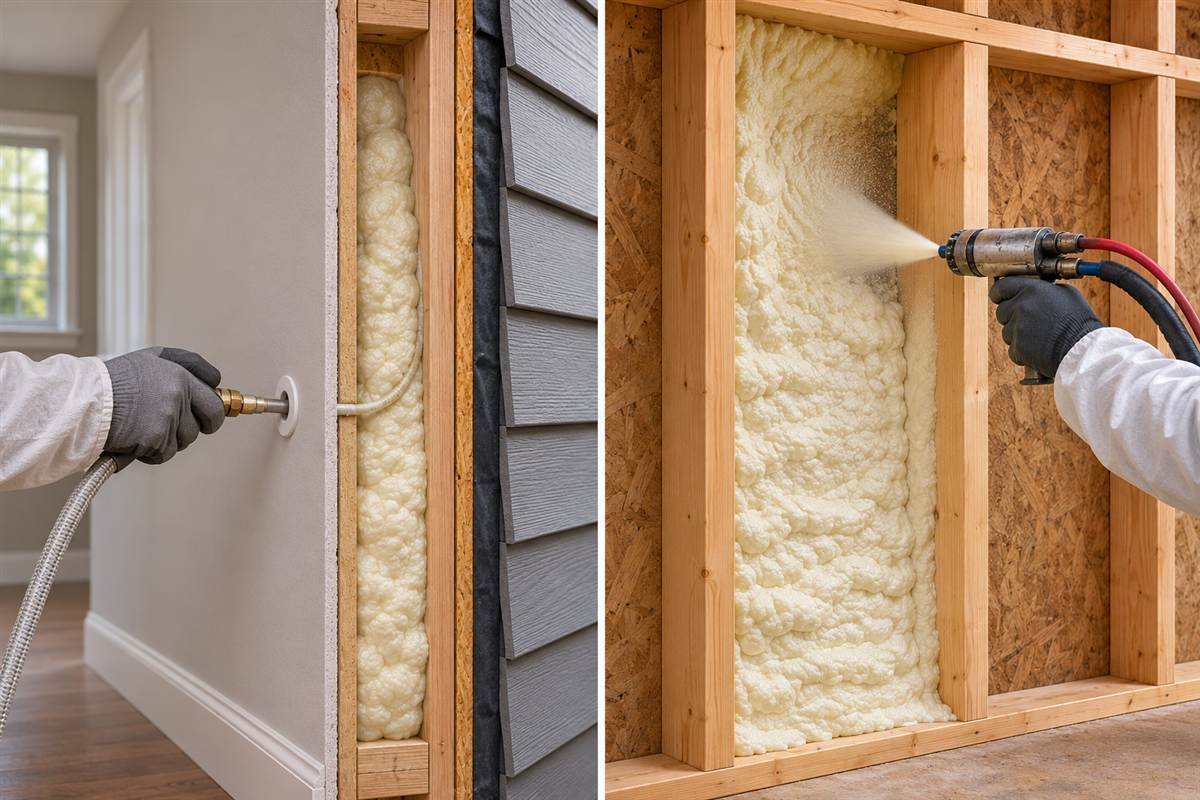
Spray foam insulation for existing walls can mean two very different projects: injecting a special foam into a closed cavity through access holes, or removing the wall finish and spraying foam onto exposed framing. The right choice depends on wall construction, moisture exposure, renovation plans, product instructions, and installer skill. A small can of gap-filling foam is not the same as either whole-wall system.
Quick answer: Can you spray foam insulation into existing walls?
You can add foam to some existing walls, but the method matters. Injection-grade foam may be installed into selected closed cavities by a trained or approved installer after inspection. Spray polyurethane foam is more commonly applied to open framing when the drywall or sheathing is removed. Do not assume a DIY spray can or low-pressure kit can fill a sealed wall evenly. First confirm the wall is dry, suitable, and free of blocking or hazards, then compare a professional injection proposal with open-wall and non-foam alternatives.
For a broader overview of insulation choices, visit our main wall insulation guide.
Injection foam vs. spray foam for existing walls
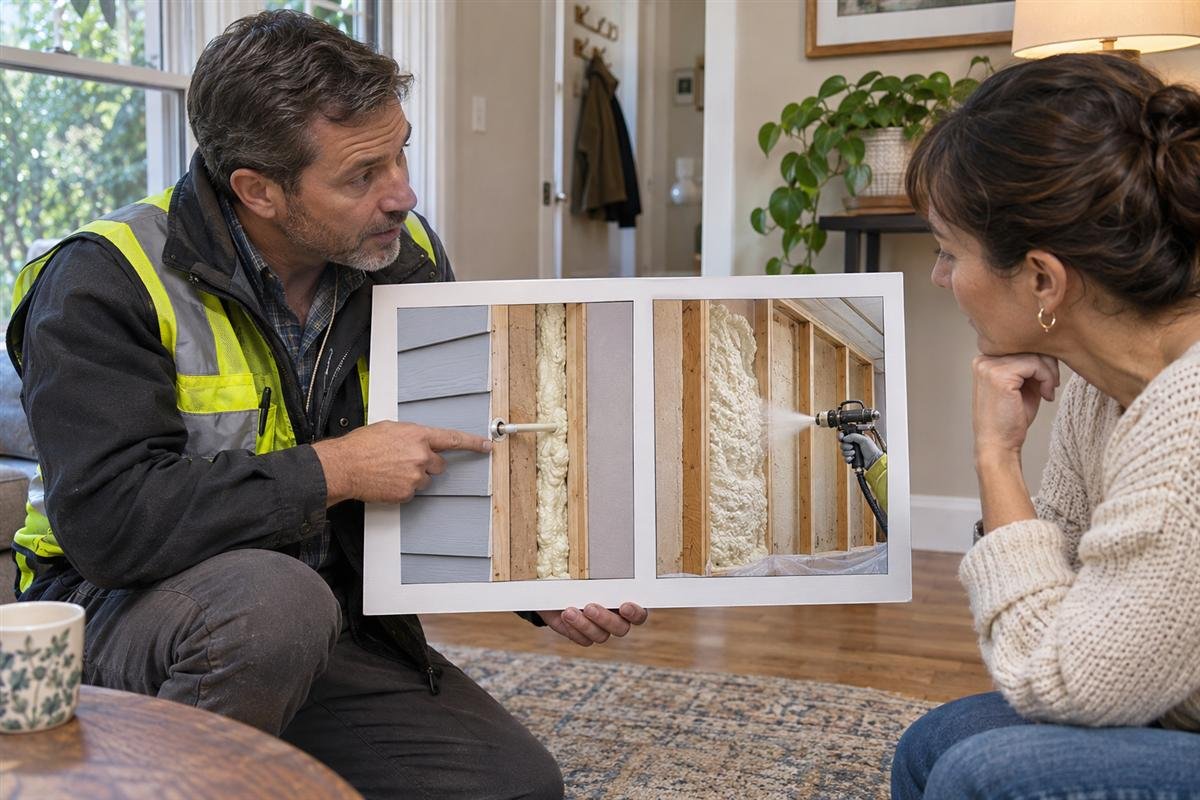
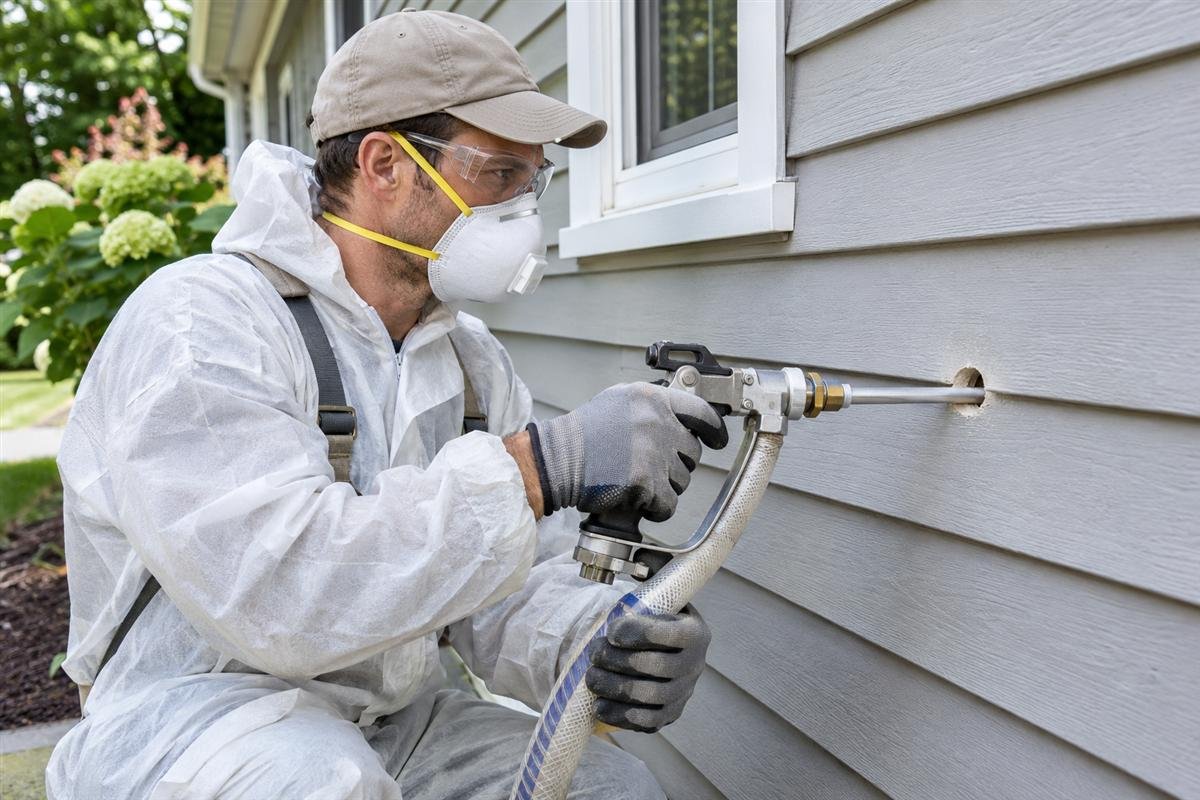
Injection foam is a product category designed for delivery into an existing enclosed cavity. The installer surveys the wall, drills product-sized access holes, and injects material using a system designed to control how it spreads and cures. Some products are available only through manufacturer-approved companies. As one example, BASF states that its injection-grade WALLTITE CV 100 is installed by approved Foam Master companies. Requirements vary by product and country.
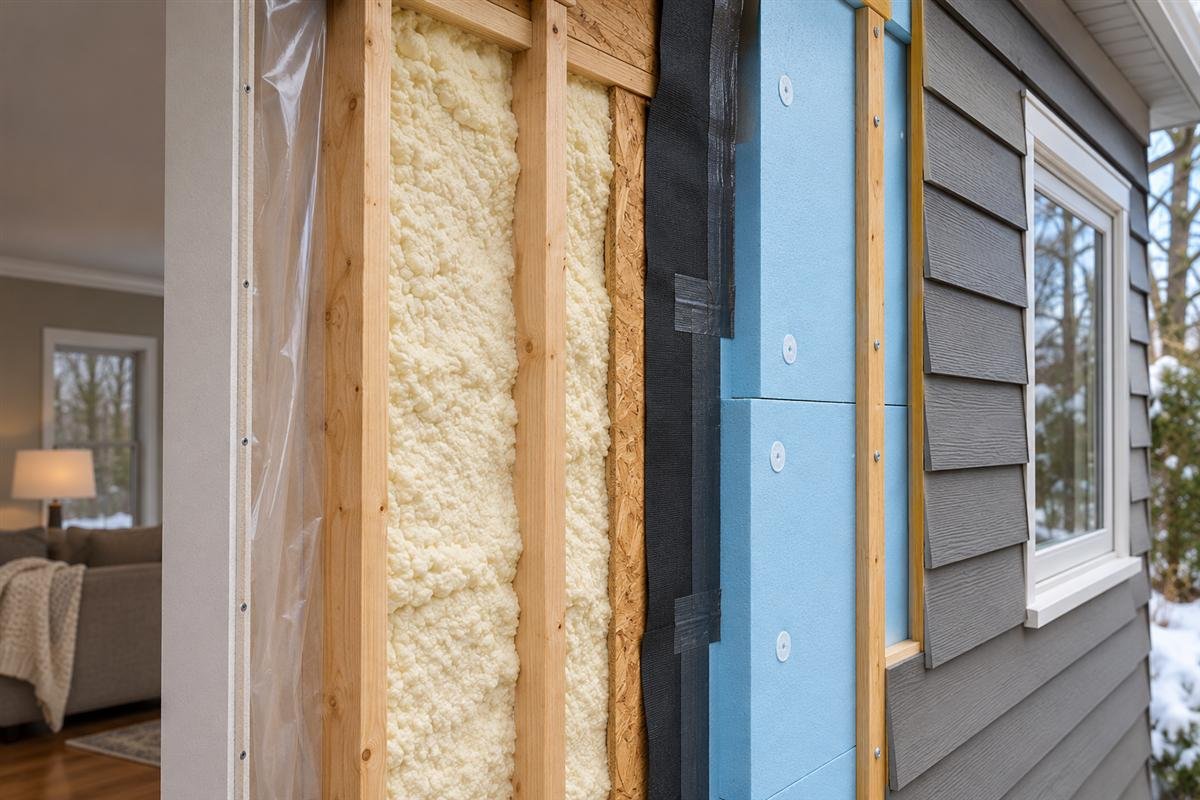
Open-wall spray foam is applied to visible framing or sheathing after the finish is removed. This gives the crew a chance to inspect the cavity, deal with old insulation, seal framing joints, and apply the foam to the specified thickness. The work is more disruptive because walls need repair afterward, but it offers direct visual access during installation.
| Question | Injection foam | Open-wall spray foam |
|---|---|---|
| Wall finish | Usually retained; small access ports are used | Interior finish is removed for access |
| Where applied | Into a surveyed, closed cavity | Directly onto exposed framing or sheathing |
| Typical installer | Often a trained or approved injection installer | Usually a professional SPF crew for whole-wall work |
| Main checks | Cavity continuity, moisture, obstructions, fill verification | Substrate condition, thickness, coverage, ventilation, fire protection |
What does spray foam installation in an open wall involve?
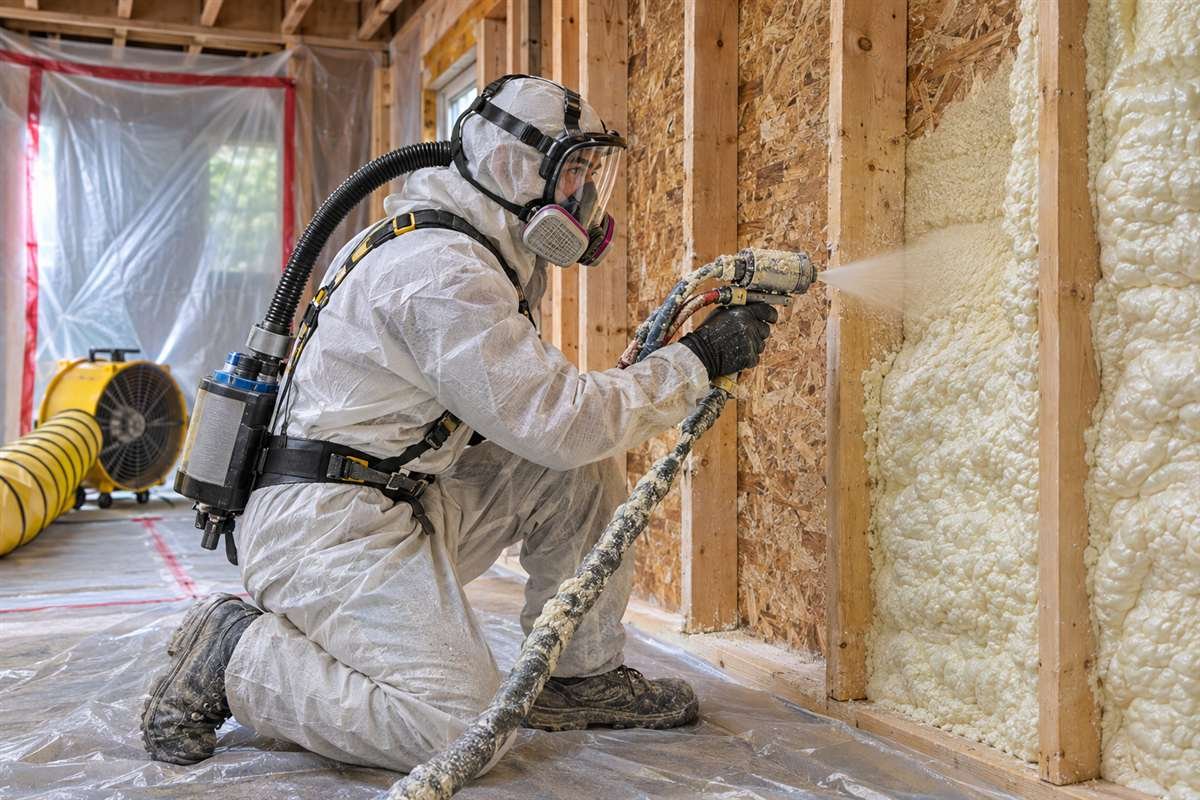
When a renovation exposes the studs, a professional can inspect the wall and apply a specified open-cell or closed-cell spray polyurethane foam system to the substrate. The crew protects the area, confirms temperature and surface conditions, applies the product in approved lifts, checks thickness and coverage, and trims it only as directed after curing. The assembly may also require air sealing at framing joints and an ignition or thermal barrier under local code.
This is different from spraying a can through drywall holes. An ordinary can is designed for the small gaps listed on its label. It does not provide a reliable way to see, meter, or verify full cavity coverage. If the wall remains closed, ask whether a specifically designed injection product is suitable instead.
How to decide which existing-wall foam method fits
1. Identify the wall and the cladding
Find out whether the wall is wood-framed, masonry cavity, solid masonry, or another assembly. Foam cannot be injected into a wall that has no suitable cavity. The exterior cladding matters too. A wall must manage rain and dry safely after retrofit. PNNL notes that spray-foam cavity retrofits in stucco-clad wood-frame walls are not recommended in its guide because water that enters the wall may remain trapped longer. This does not mean every stucco wall fails, but it does mean the assembly needs careful review.

2. Inspect the cavity before choosing foam
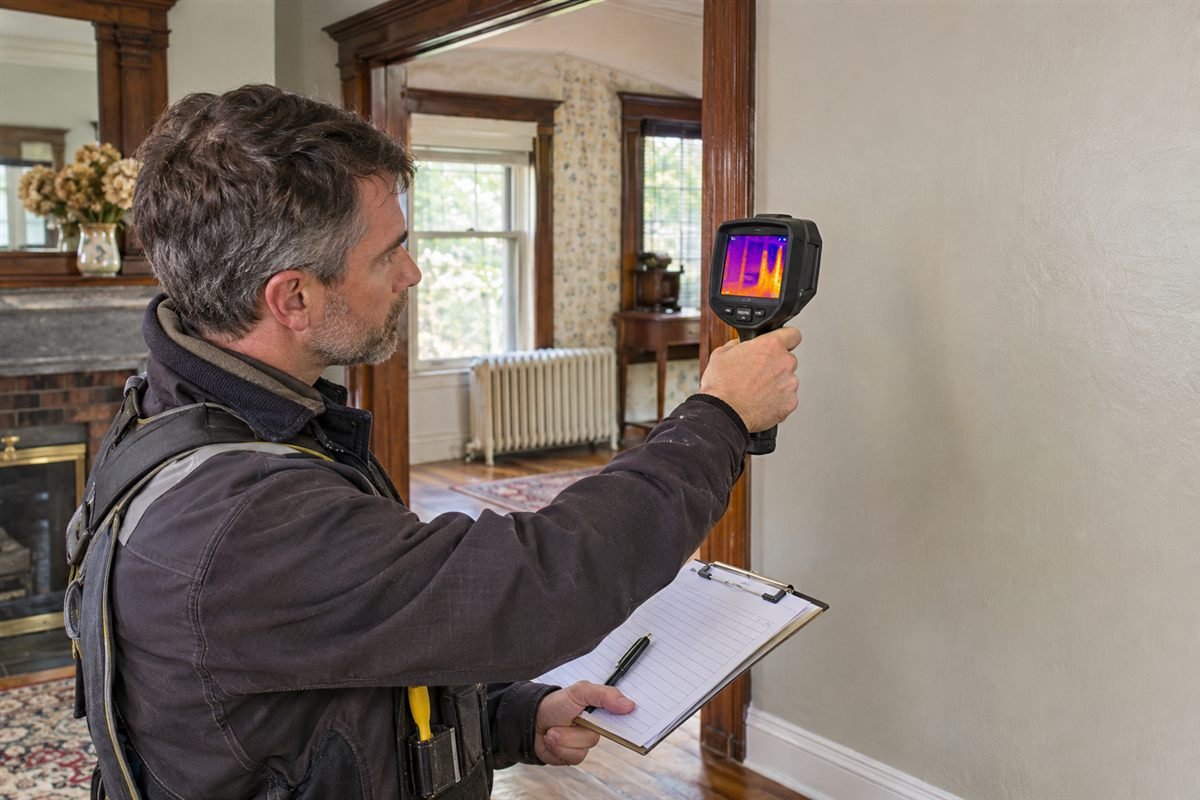
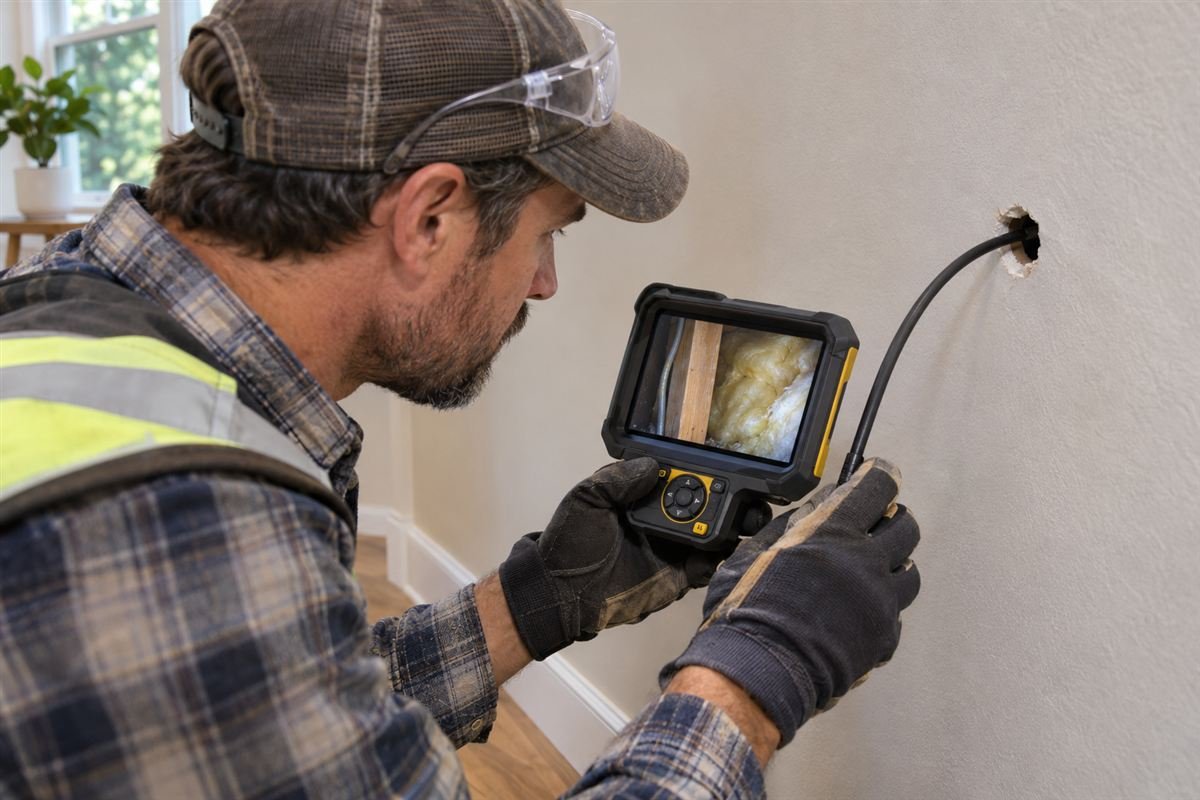
A borescope, test opening, or other qualified assessment can reveal existing batts, debris, fire blocking, wires, pipes, or water damage. Existing insulation may stop injection foam from spreading. If the cavity is segmented or too narrow, coverage can be incomplete. A thermal camera may help find unusual patterns, but it cannot by itself identify the material or confirm the whole cavity is empty.

3. Resolve leaks and moisture risks
Repair leaking roofs, plumbing, flashing, siding, or drainage before insulating. Adding foam to a damp wall can hide the symptom and alter how the assembly dries. Closed-cell foam, in particular, can reduce drying through the insulated surface, so the right choice depends on climate, sheathing, and rain control. Ask the installer to explain the moisture strategy, not only the product’s R-value.
Spray foam safety and occupant protection
Spray polyurethane foam contains reactive chemicals during application and curing. The U.S. Environmental Protection Agency says exposure can irritate the skin, eyes, and lungs and may lead to respiratory sensitization. A safe project follows the product label and safety data sheet for work-area isolation, ventilation, protective equipment, and re-entry. Curing and re-occupancy times vary by product and conditions; there is no single safe waiting period for every job.
Ask how the installer will seal HVAC openings, control access to the work zone, ventilate to a safe location, and tell occupants when they may return. Keep children, pets, and people not wearing the specified protective equipment away during application and the required cure/ventilation period. If anyone has breathing problems or another adverse reaction after exposure, leave the area and seek appropriate medical help.

Questions to ask before adding foam insulation to existing walls
A good quote should identify the exact foam, the wall assembly, the access method, and the work needed to finish the job. Compare written proposals on scope and verification, not on the word “foam” alone. If the contractor recommends injection, ask how they confirm every bay is filled and how they handle an unexpected obstruction or leak.
- Is the proposed product designed for closed-cavity injection or open-wall spraying?
- Does the manufacturer require an approved installer or specific certification?
- How will the wall be checked for existing insulation, moisture, wiring, pipes, and fire blocking?
- What ventilation, PPE, cure, and re-entry instructions apply to this exact product?
- How will access holes, drywall, siding, or the exterior water-control layer be repaired?
- What non-foam alternatives would work if the inspection finds a problem?

Alternatives to foam insulation in existing walls
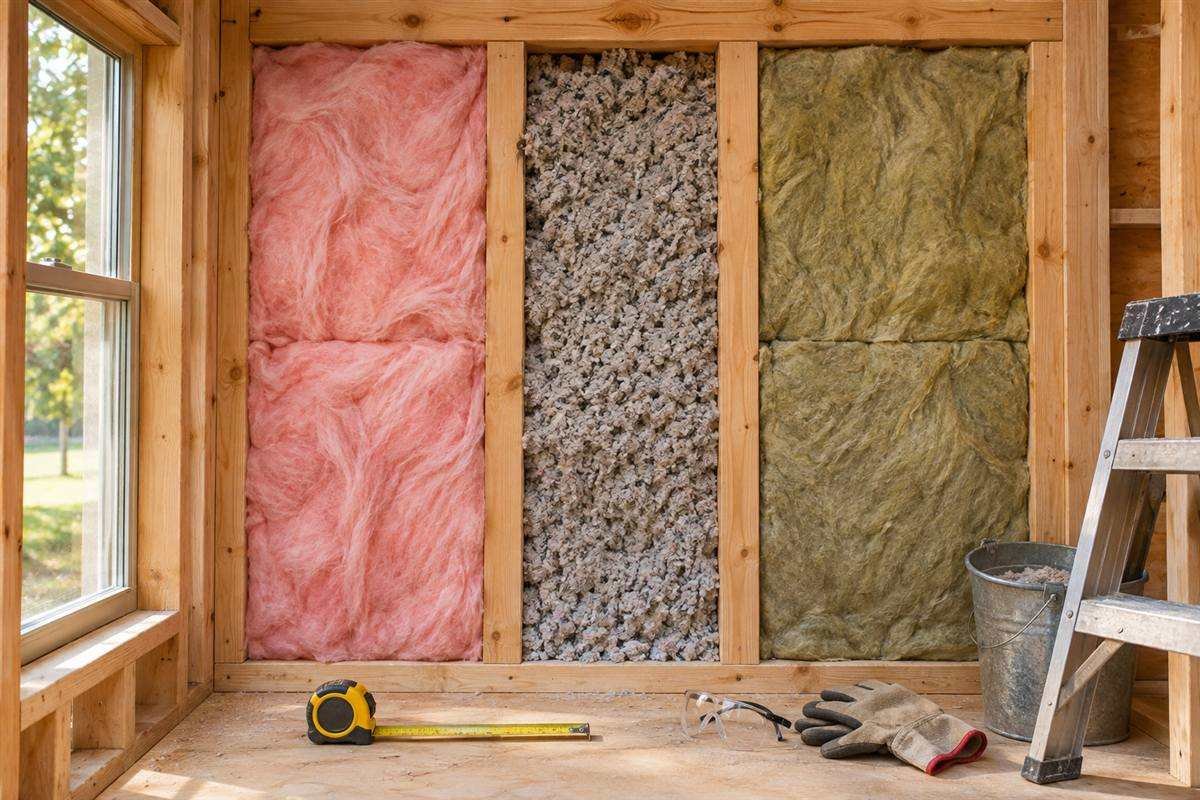
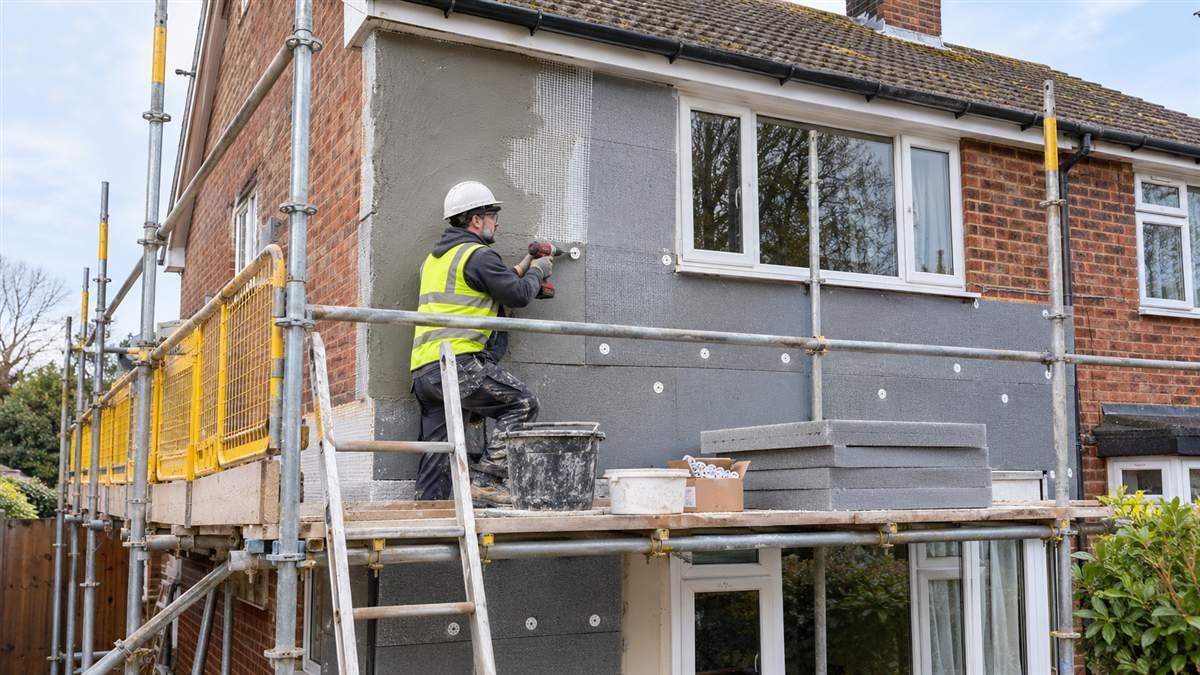
If the wall is empty and framed, dense-pack cellulose or fiberglass may be options through a properly planned drill-and-fill retrofit. If you are already removing drywall, fiberglass or mineral-wool batts may cost less and are easy to inspect before closing the wall. Exterior rigid insulation may be worth comparing during a siding project because it can add a continuous layer beyond the studs. The best choice depends on the wall, climate, budget, available access, and moisture control.
See our wall insulation methods and installation guide for a comparison of common materials. The wall insulation hub also links to more specific guides.
Frequently asked questions
Can you add spray foam insulation to existing walls without removing drywall?
Sometimes, but only with a product and method specifically designed for injection into a closed cavity. Regular spray foam cans are not a reliable substitute. A contractor should inspect the wall and follow the injection system’s instructions.
Is injection foam better than spray foam?
Neither is automatically better. Injection foam may reduce finish removal in suitable cavities, while open-wall spray foam offers visible access during application. Moisture behavior, the wall condition, cost, installation quality, and repair scope determine which option makes sense.
How do you install spray foam insulation in existing walls safely?
First decide whether the wall will be opened or whether a specific injection-grade product is being considered. Inspect the assembly, repair moisture problems, and use an installer who follows the product’s equipment, ventilation, PPE, curing, and verification instructions.
Conclusion
Foam insulation for existing walls is not one single method. Injection foam is designed for selected closed cavities; spray foam is commonly applied to exposed framing during renovation. DIY cans should not be treated as whole-wall insulation. Confirm the wall assembly, moisture risks, product requirements, and safety plan before choosing either route. For more context on materials and project planning, read the main wall insulation guide.
Sources: PNNL guidance on spray foam in existing exterior walls; EPA safer-use guidance for spray polyurethane foam; BASF’s injection-grade foam installation information.