
People searching for “DIY injection foam insulation existing walls” are usually asking whether a homeowner can fill a finished cavity safely. The answer depends on the product: injection-grade foam designed for closed wall cavities is not the same as a one-component spray can or a small two-component DIY kit. The wall construction, product instructions, moisture exposure, and installer requirements all matter before anyone drills or sprays.
Quick answer: Can you install injection foam in existing walls yourself?
Usually, homeowners should not inject a full wall cavity themselves. Some injection-grade foam systems are designed for existing walls, but their manufacturers may require approved installers, controlled equipment, and a cavity survey. Consumer spray foam cans are generally meant for small gaps and penetrations; they are not a substitute for a tested wall-cavity injection system. If you are considering foam, first identify the product and wall type, inspect for moisture and obstructions, then ask a qualified installer whether the assembly is suitable.
For a wider comparison of wall insulation methods, see our complete wall insulation guide.
Injection foam vs. spray foam: what is the difference?
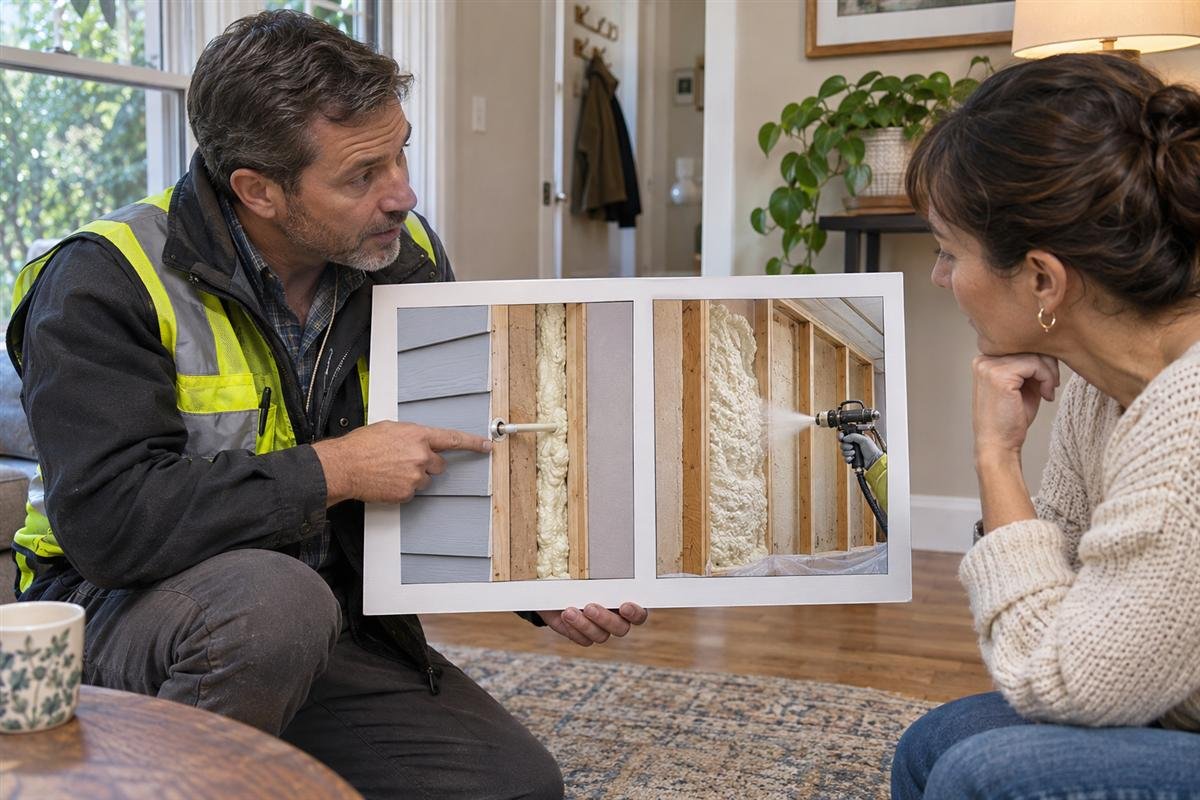
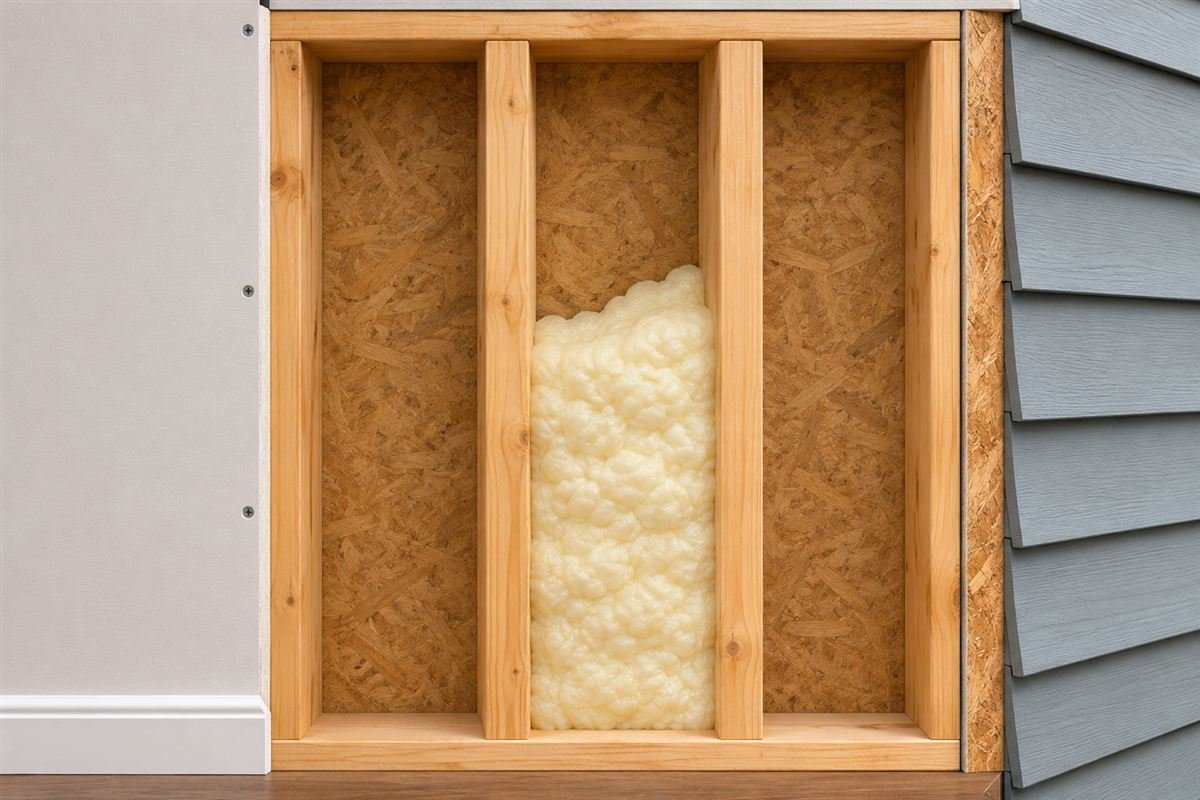
“Injection foam” usually refers to a product formulated to enter a closed cavity through small access holes and expand or cure in a controlled way. A contractor may inject it into a surveyed wall cavity using system-specific equipment. Some products are limited to trained or approved installers. For example, BASF describes its injection-grade WALLTITE CV 100 as a specialist product and says only approved companies can install it. Always check the rules for the exact product in your region.
Spray polyurethane foam (SPF) is a broad product family. One-component cans, low-pressure two-component kits, and professional high-pressure systems have different uses, expansion behavior, and safety requirements. A can of window-and-door foam can seal a narrow gap around a frame when its label allows that use. That does not mean you can spray it through a hole to fill a whole closed wall. The foam may not spread evenly, can expand against finishes, and can leave hidden voids.

When can foam insulation for existing walls be suitable?
Foam may be considered when a professional confirms that the wall has a continuous cavity, the cavity is dry and accessible, the selected product is approved for the assembly, and the moisture behavior of the whole wall remains acceptable. Injection foam can be useful in some hard-to-treat cavities, but it is not a universal fix and does not suit every climate, cladding, or wall construction.
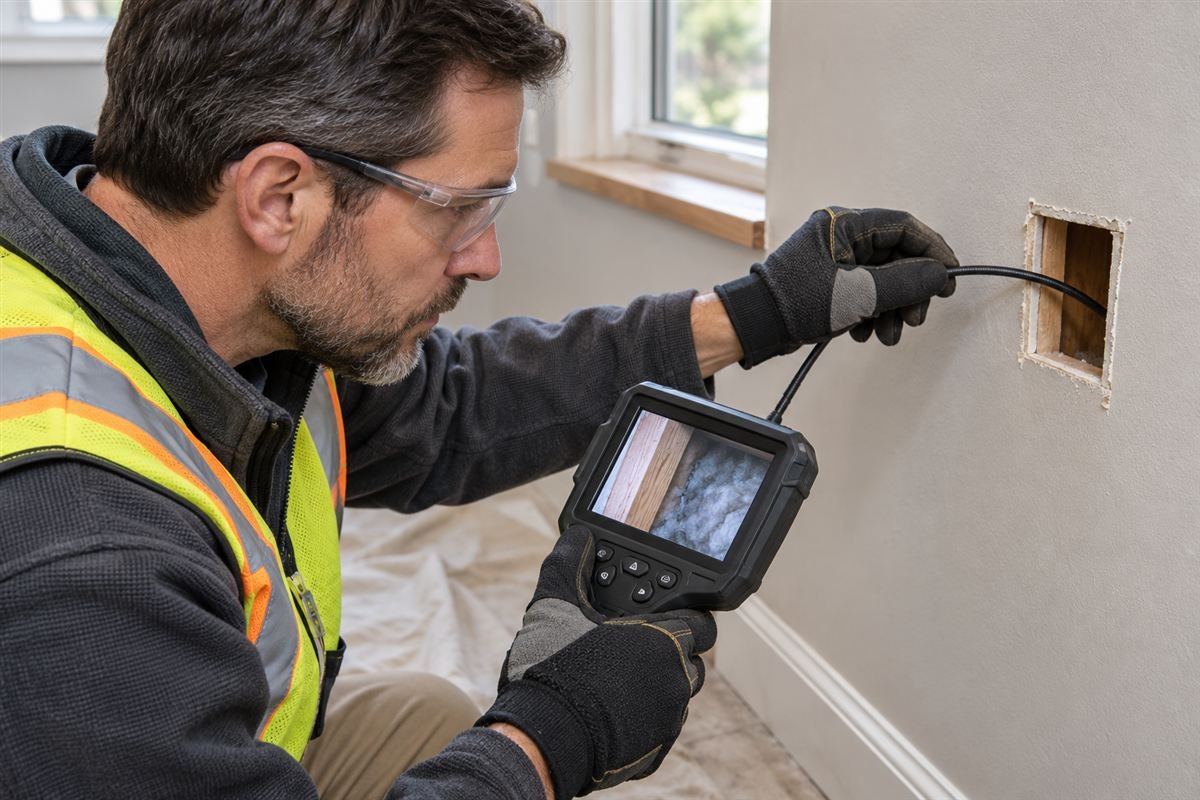
Existing walls can contain blocking, old batt insulation, wiring, plumbing, debris, narrow sections, or cavities separated by fire stops. The foam may not reach behind an obstruction. Before adding foam, an installer should establish where the studs and cavities are, inspect representative areas, and explain how they will check coverage. A small borescope inspection can reveal conditions that a surface-only estimate misses.
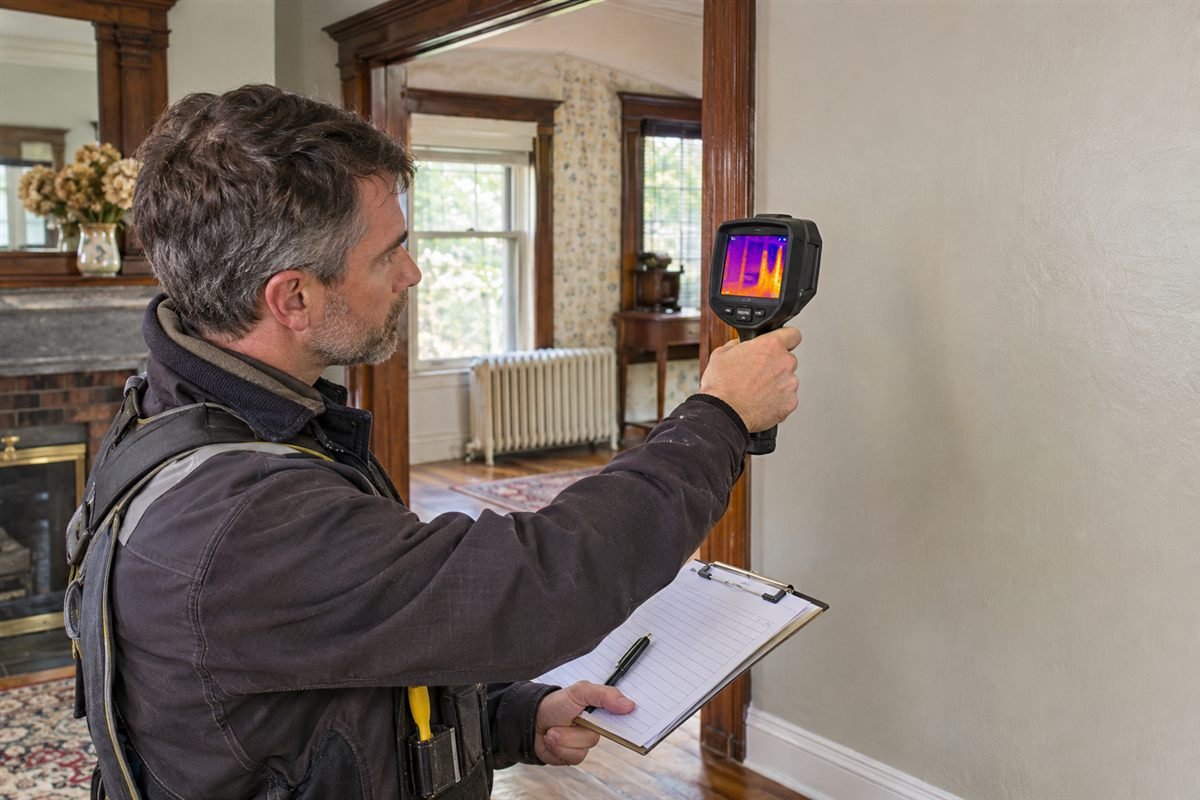
A thermal camera can help an auditor spot temperature patterns, but it cannot identify the exact material or prove that every cavity is empty. Use it as one part of an assessment, then confirm suspicious areas through a safe inspection opening.
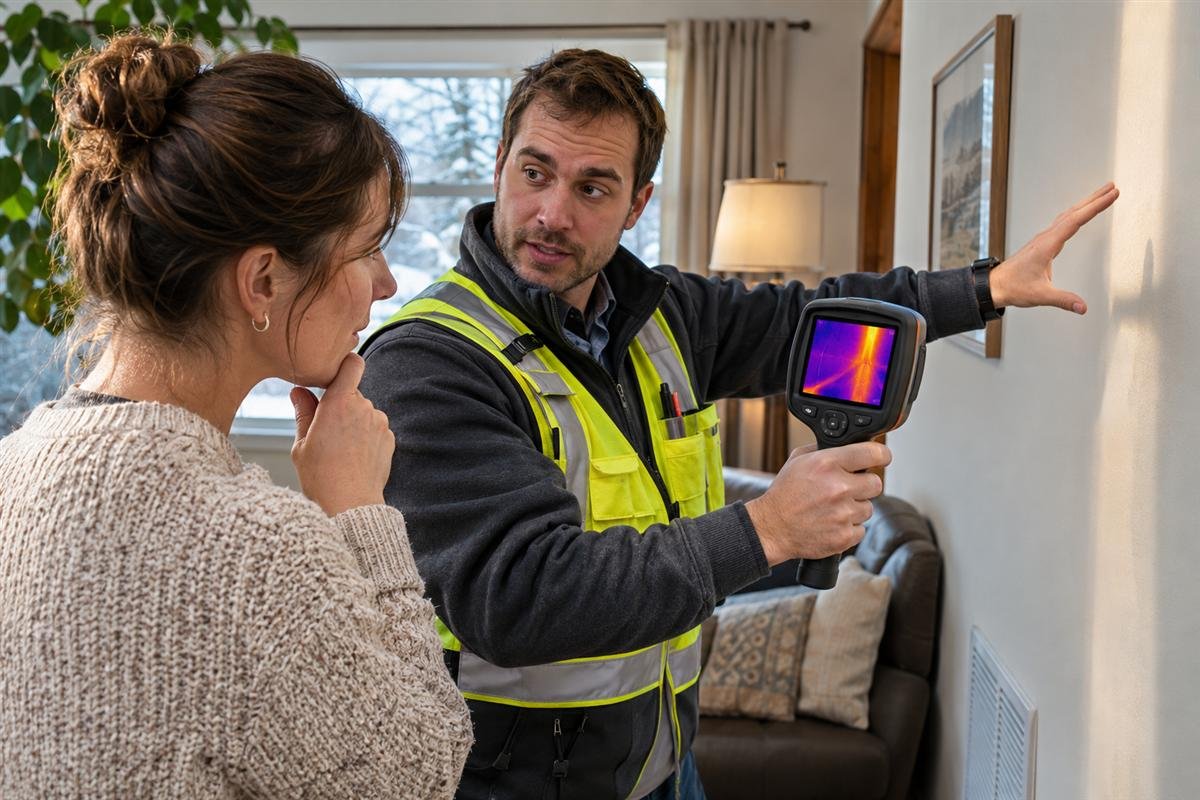
Do not foam over a moisture problem
Repair roof, plumbing, flashing, grading, or siding leaks first. Insulation cannot stop water from entering the wall. Adding a low-permeance foam can also reduce the wall’s ability to dry in one direction, depending on the foam, sheathing, cladding, and climate. PNNL warns that spray-foam cavity retrofits in stucco-clad wood-frame walls are not recommended in its guidance because water entering the assembly may remain trapped longer. That is a wall-assembly issue, not a blanket rule that all foam is unsuitable.

Why DIY foam in a finished wall can go wrong
Closed walls hide the details that control a good installation. The installer cannot see a cavity while filling it, so they must manage injection points, flow, pressure, expansion, and curing using a method designed for that product. A poor fill may leave gaps; too much pressure or expansion may damage drywall, plaster, trim, or sheathing. Foam can also bond to surfaces and make later wiring or plumbing repairs harder.
Some spray foam applications involve isocyanates and other reactive chemicals. The U.S. Environmental Protection Agency warns that exposure during application and curing can irritate skin, eyes, and lungs and may cause respiratory sensitization. Work-area isolation, ventilation, personal protective equipment, and re-entry timing depend on the product and conditions. Follow the label and safety data sheet; do not assume a dust mask or an open window is enough.

Stop and get professional help if you find old or damaged wiring, knob-and-tube wiring, wet insulation, mold, a strong persistent odor, uncertain wall layers, or an older plaster-and-lath wall. Do not drill until you know where electrical cables and pipes run. People with asthma, respiratory allergies, or prior isocyanate sensitization should be especially cautious and review product safety information before exposure.

How to decide whether to hire a foam installer
You can assess the project without applying foam yourself. Ask an insulation contractor to document the wall type, existing insulation, moisture condition, product name, installation method, and any required certification. Compare more than the quoted price: a good proposal should describe how the installer will locate cavities, avoid services, handle obstructions, protect occupants, verify filling, patch access holes, and explain warranty terms.
- Is this product specifically designed for injection into existing closed wall cavities?
- Does the manufacturer require an approved or certified installer?
- How will the installer inspect for existing insulation, wiring, pipes, fire blocks, and moisture?
- What are the product’s expansion, curing, ventilation, and re-entry instructions?
- How will they verify coverage and repair the interior or exterior access points?
- What alternatives are suitable if the wall or cladding fails the inspection?
Alternatives when foam is not the right choice
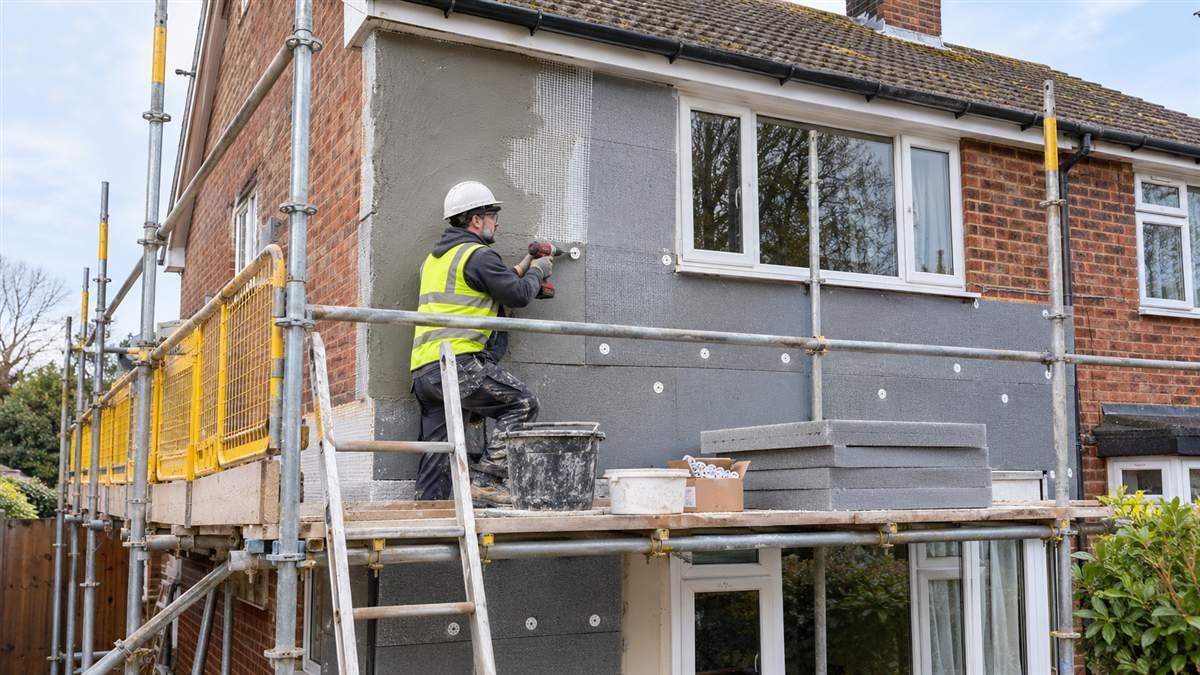
If the goal is to insulate an empty framed exterior wall, dense-pack cellulose or fiberglass may be possible through a drill-and-fill method, subject to cavity access and product instructions. If the wall finish will be removed during renovation, batts or spray foam can be installed into open cavities with direct access and inspection. Exterior rigid insulation may be worth comparing during siding replacement. For solid masonry or moisture-sensitive older walls, a building professional should assess the whole assembly before selecting a material.
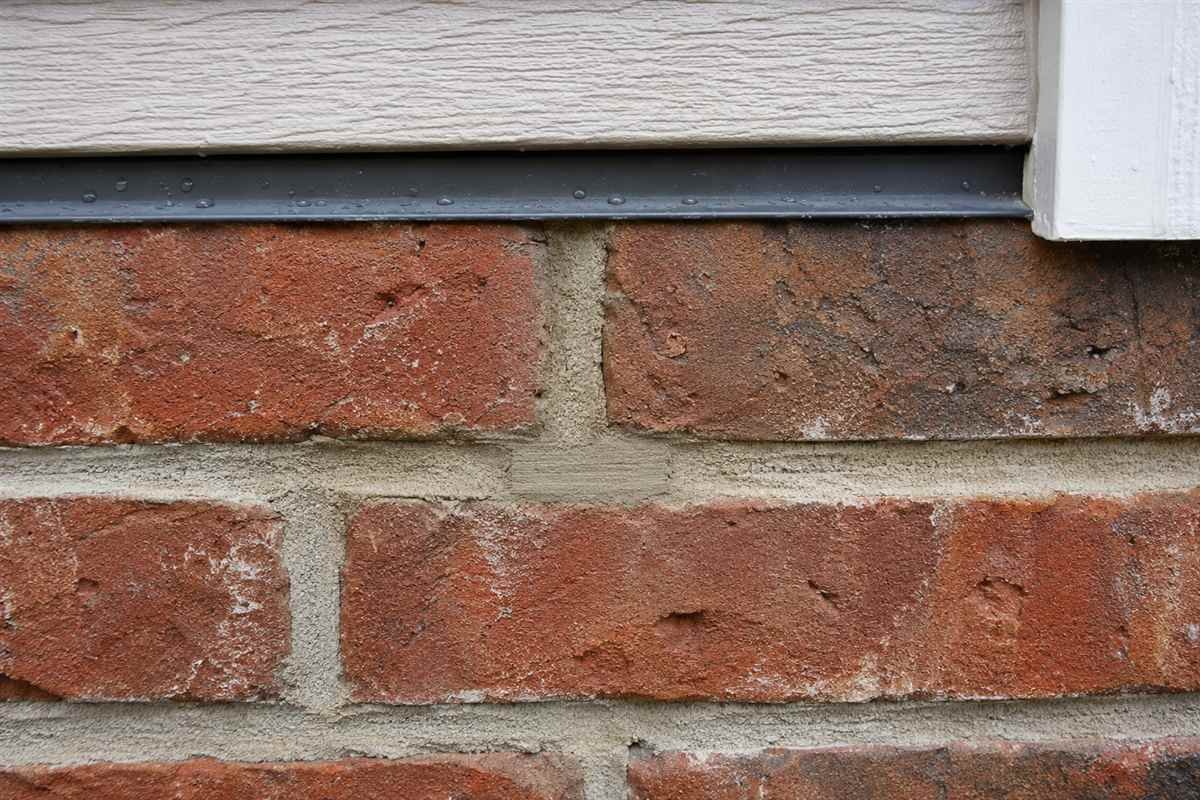
Our wall insulation methods and installation guide compares common approaches, while the main wall insulation guide helps organize the choices by wall type and project scope. Foam injection access holes also need a durable repair that matches the exterior finish and keeps rain out; cosmetic patching must preserve the wall’s water-control layer.

Frequently asked questions
Can you spray insulation into existing walls with a DIY foam can?
A small can may be suitable for specific gaps listed on its label, but it is not a reliable way to fill a full wall cavity. For a closed-wall retrofit, use a system specifically designed for that purpose and check whether the manufacturer requires a qualified installer.
Is injection foam insulation the same as spray foam?
Not always. Injection-grade foam is designed for delivery into existing cavities using a product-specific process. Spray polyurethane foam includes several other product types, from one-component cans to professional systems. Names alone do not establish that a product is safe or suitable for your wall.
Can adding foam insulation damage existing walls?
It can if the product is unsuitable, the cavity is obstructed, moisture risks are ignored, or the foam is applied with too much pressure or expansion. A wall assessment and installation method matched to the product reduce these risks.
Conclusion
DIY injection foam insulation in existing walls is not the same as sealing a small gap with a spray can. A genuine cavity-injection system may work in selected walls, but some products are restricted to approved installers and the assembly must be checked for moisture, wiring, obstructions, and drying potential. Start with an inspection, compare the product and installer’s written plan, and consider cellulose, fiberglass, open-wall foam, or exterior insulation when they fit the project better. Visit our main wall insulation guide for more ways to compare options.
Sources: PNNL Building America Solution Center: Spray Foam Insulation for Existing Exterior Walls; U.S. EPA: Spray Polyurethane Foam and safer-use guidance; BASF: Injection-grade foam and installer requirements.