In addition, the cheapest insulation for walls depends on what the project already includes. Fiberglass batts often have a low material price in open stud walls. Dense-pack cellulose can be economical when a contractor fills suitable closed cavities through small access holes. However, the lowest-cost bag or board may not give the lowest total project cost. Labor, wall repairs, air sealing, moisture control, and finish work all affect the final bill.
This guide compares common budget choices, explains where each one fits, and shows how to request estimates you can compare fairly. For a broader overview, start with our complete wall insulation guide. Indoor projects can also use our interior wall insulation materials and installation guide.
What affects the cheapest insulation for walls?

First, separate material cost from installed cost. A batt may look inexpensive per square foot, but the installer still needs to cut around wiring, seal gaps, and fit the product without compression. By contrast, a retrofit that requires removing drywall also includes demolition, disposal, patching, painting, and moving furniture. In contrast, a closed-cavity fill may reduce finish work, although a contractor must inspect the wall and drill and patch access holes.
Next, consider how the insulation will work as part of the complete wall. In addition, the U.S. Department of Energy explains that insulation slows heat flow, while air sealing addresses drafts and uncontrolled air movement. In many homes, combining those improvements gives better comfort than buying a higher-priced product and leaving leakage paths open. See the DOE Building Science Education guide to insulation types for an overview of common materials.
Cheapest insulation for walls: compare low-cost materials
Fiberglass batts: often the budget choice for open walls
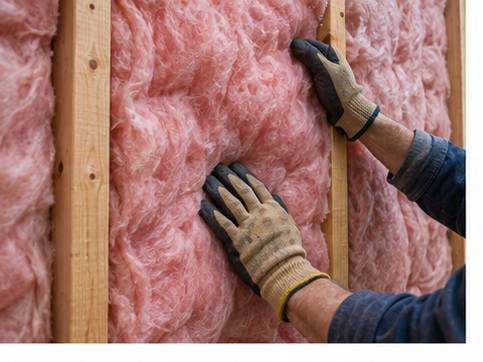
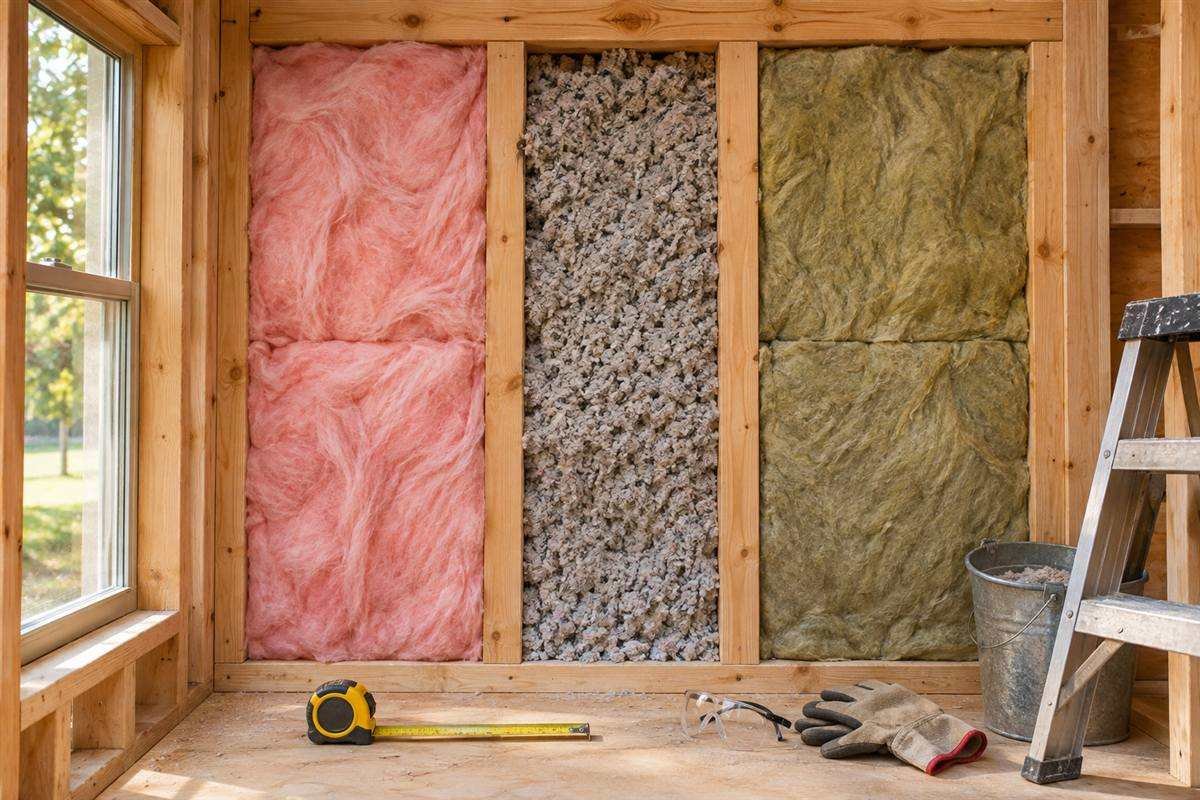
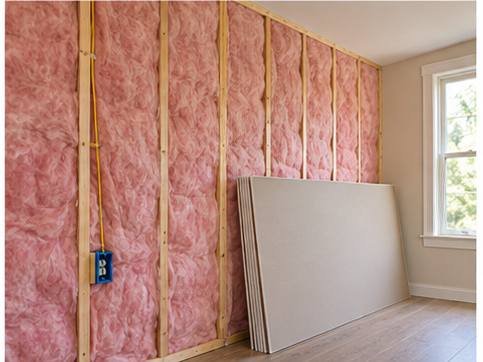
Fiberglass batts are widely available and straightforward to install when wall cavities are open and evenly spaced. They can make sense during a remodel, addition, or re-siding project that already exposes the framing. In addition, the material itself often costs less than specialty foam products, and contractors can install it with ordinary cutting tools.
However, the savings disappear if installers leave voids or squeeze batts behind pipes and cables. Choose a batt sized for the cavity, split it around wires, and keep its full thickness. Fiberglass does not stop air leaks on its own. Seal penetrations and connect the wall’s air-control layer before closing the cavity. Wear the protective gear listed by the manufacturer during handling.
Blown cellulose: useful in some existing walls
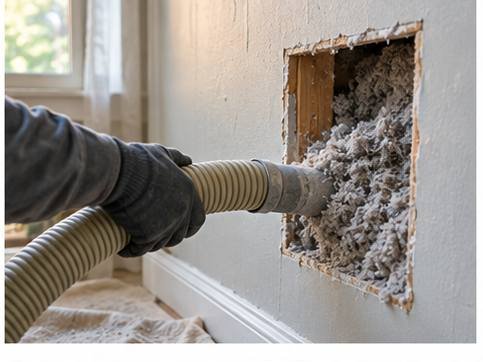
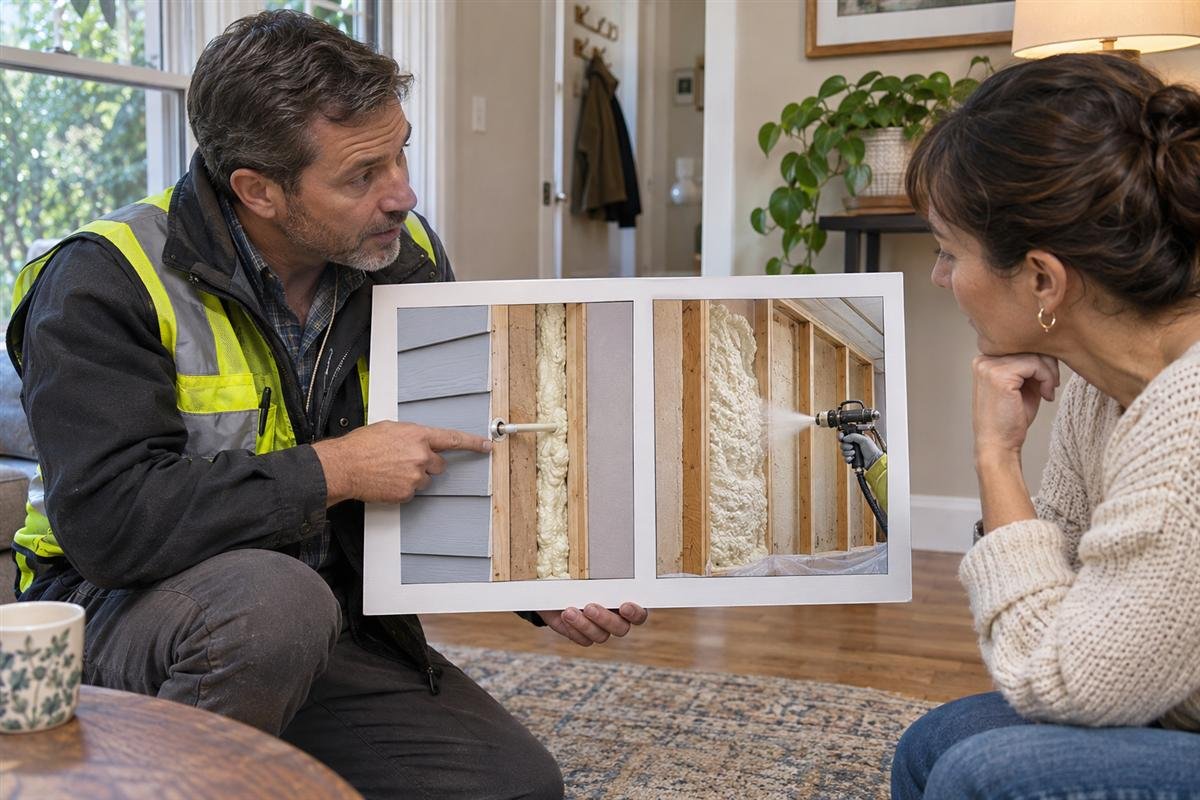
Dense-pack cellulose can be a practical retrofit when the existing wall is dry, the cavity is accessible, and the installer can deliver the specified density. Crews commonly drill small holes through siding or interior finishes, blow material into each cavity, and patch the openings. That approach may avoid taking down an entire wall, which can save finish and labor costs.
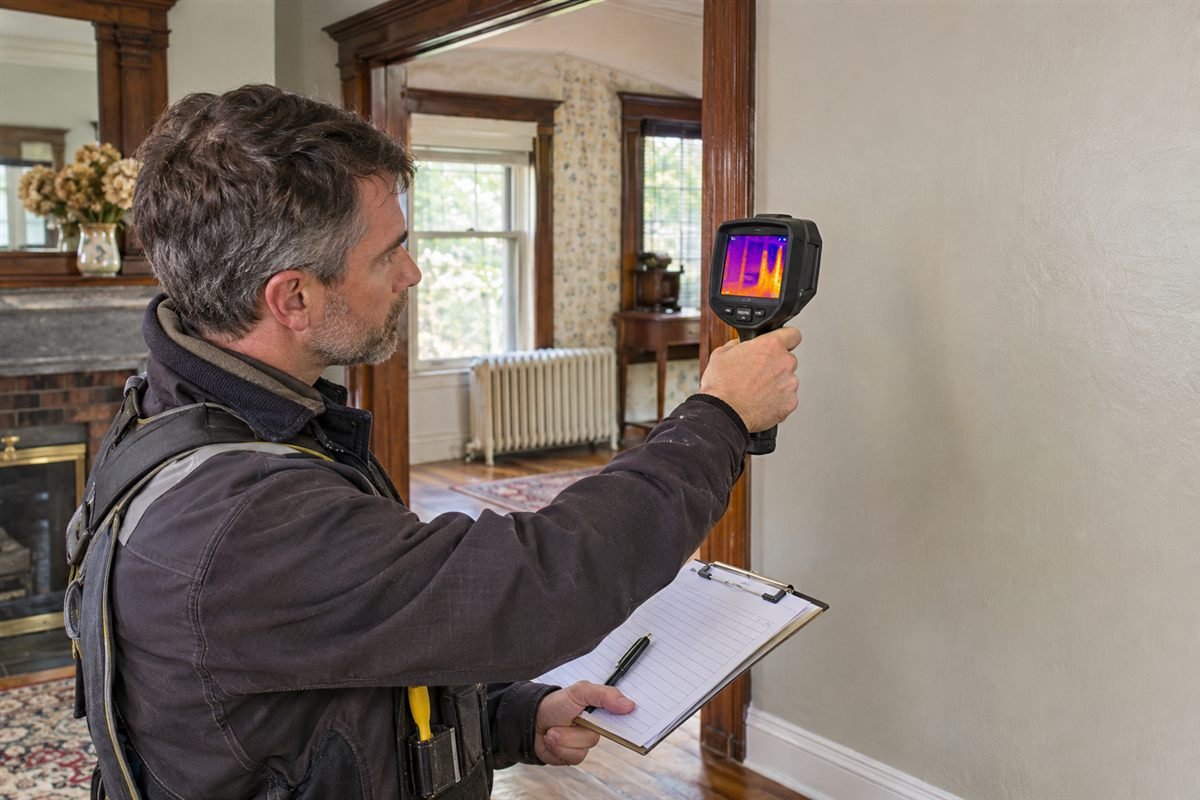
Still, not every wall suits this method. Check for knob-and-tube wiring, fire blocking, damp sheathing, missing cavity barriers, or previous insulation before filling. Cellulose must not hide a leak or force moisture into a vulnerable layer. Ask the contractor how they inspect the cavities, verify fill coverage, protect the wall, and patch each access point.
Loose-fill fiberglass and mineral wool
Contractors can also blow loose-fill fiberglass into some existing framed walls. In addition, the method resembles dense-pack cellulose, but equipment, product density, and cavity design affect coverage. Ask for the product name and installation method; do not assume every loose-fill material can serve in a vertical wall cavity.
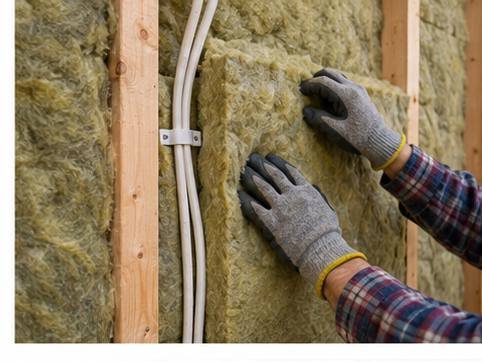
Mineral wool batts offer good fire resistance and sound absorption, but they may cost more than basic fiberglass. They can still be cost-effective where crews are already opening the wall and the project benefits from those added properties. Cut each batt snugly around obstructions. A narrow gap can reduce performance even when the product label lists a strong R-value.
Rigid foam and spray foam: compare full assembly costs

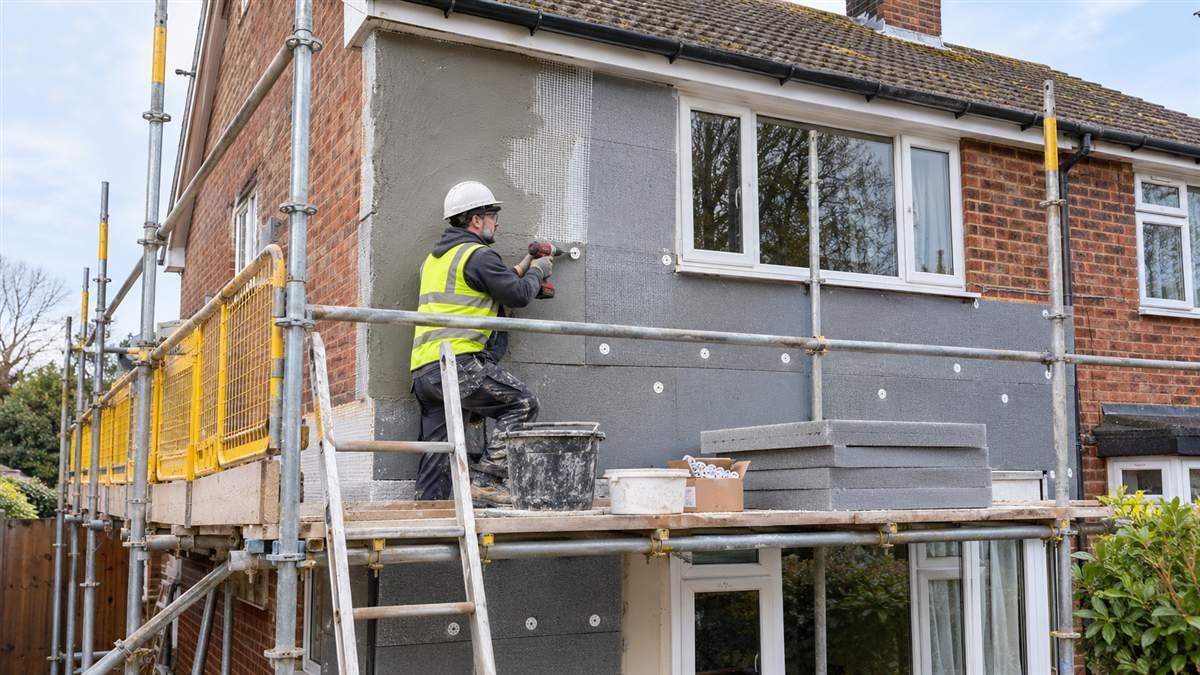
Rigid foam boards may make financial sense when you are already replacing siding. Meanwhile, the crew can add a continuous layer over the sheathing, reducing heat flow through studs. But the job may also require longer fasteners, new window and door trim, careful flashing, and cladding changes. Add these items to the estimate instead of comparing the board price alone.
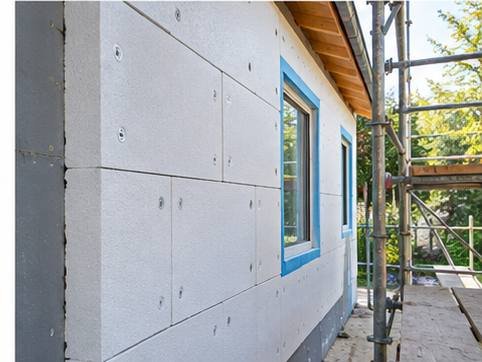
Spray foam can insulate and limit air movement in some designed assemblies, but its installed price is often higher than fibrous options. In addition, the material also needs careful fire and moisture detailing. Avoid choosing spray foam just because a contractor promises the highest R-value per inch. Compare the whole-wall design and get the product, thickness, air-sealing scope, and safety steps in writing.
Cheapest insulation for walls: compare the whole project cost
| Material or method | Why it can cost less | What to check |
|---|---|---|
| Fiberglass batts | Low material cost; quick in open cavities | Fit, gaps, air sealing, protective handling |
| Dense-pack cellulose | Can fill existing cavities without full wall removal | Dry wall, correct density, cavity inspection |
| Loose-fill fiberglass | Can suit some closed-cavity retrofits | Installer access, fill coverage, settling risk |
| Mineral wool batts | Simple to friction-fit in open framing | Often costs more than basic fiberglass; careful cuts |
| Rigid foam board | Can add continuous insulation during siding work | Trim, cladding, flashing, fire and vapor details |
| Spray foam | Can combine insulation and air control | Usually higher installed cost; specialist detailing |
Keep in mind, the table is a screening tool, not a quote. Prices for the cheapest insulation for walls vary by region, wall access, product, labor, and repair work. Ask at least two qualified contractors to quote the same scope. Request a breakdown for insulation, air sealing, moisture repairs, access, finish restoration, and disposal. Then compare the installed R-value and details, not only a single material line. For more background, see our main wall insulation guide.
Choose the cheapest option that fits your wall
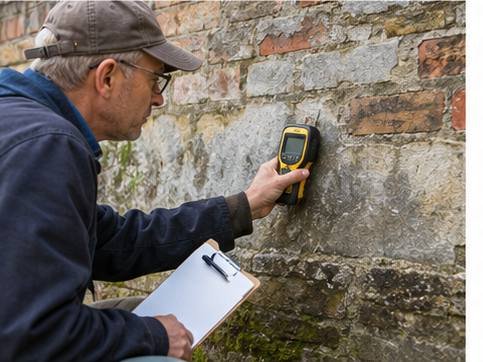
For open framing, compare fiberglass with mineral wool and cellulose batts if available. Inside an existing dry framed wall, ask whether dense-pack cellulose or loose-fill fiberglass fits the cavity. Masonry walls need extra care: adding interior insulation can change how the bricks dry and may increase moisture risk. Have a qualified building professional assess older brick before insulating from indoors. In addition, the Building America Solution Center’s condensation guidance explains why insulation and moisture control must work together.
Basements, bathrooms, and walls exposed to rain need their own moisture and fire details. Fiberglass alone is not a fix for water entry, and foam can trap moisture if a designer places it incorrectly. Repair leaks, confirm drainage and flashing, and select a system suited to your climate and local code before covering the wall.
Lower the project cost without cutting corners
- Bundle insulation with work that already opens the wall, such as wiring upgrades or siding replacement.
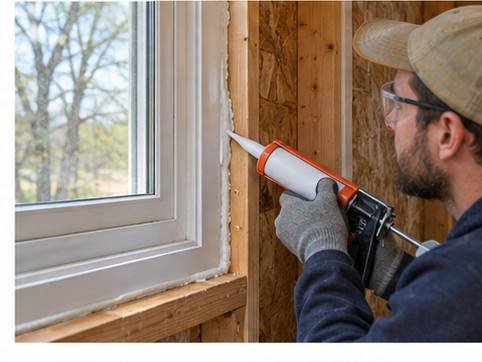
- Ask for an air-sealing scope. Sealing accessible cracks before insulation can improve comfort without buying a premium product.
- Keep the wall dry. Repair roof, plumbing, drainage, and flashing problems first to avoid paying twice.
- Request the product label, target R-value, installation thickness or density, and warranty in writing.
- Check local utility or public energy programs before work begins; eligibility and rules change by location.
When chosen carefully, the cheapest insulation for walls can still be a sound choice when the contractor explains how the crew protects wiring, vents, and combustible materials. Ask who handles permits and whether the work follows local energy and fire requirements. A very low bid that excludes air sealing, cavity preparation, or finish repair may cost more after the crew leaves.
Questions homeowners ask about cheap wall insulation
What is the least expensive insulation for an unfinished wall?
Fiberglass batts are often a low-cost option for open, standard stud cavities. Ultimately, the best value still depends on local prices, the required R-value, and whether the project needs extra air sealing or moisture work.
What is the cheapest way to insulate existing walls?
For a dry, suitable framed wall, dense-pack cellulose or loose-fill fiberglass may avoid removing all the drywall. A professional must inspect the cavity first. If finishes already need replacement, opening the wall and installing batts may be more economical.
Can I use the cheapest insulation and get the same result?
Sometimes, if the material fits the wall and installers place it correctly. But a low-cost product with gaps, compression, or poor moisture detailing can underperform. Compare the complete wall assembly and workmanship.
Conclusion
Fiberglass batts often suit open walls on a tight material budget. Dense-pack cellulose or loose-fill fiberglass may reduce finish costs in appropriate existing walls. Mineral wool, rigid foam, and spray foam can justify a higher price when the project needs their specific features. Before choosing, compare installed cost, air sealing, moisture control, fire protection, and the work included. Our wall insulation guide can help you weigh the next steps.