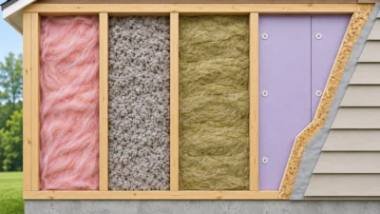
Choosing between wall insulation materials can feel confusing because every product solves a different problem. Fiberglass and mineral wool fit common stud cavities; cellulose can be dense-packed into some existing walls; rigid foam adds continuous insulation; and spray foam can combine insulation with air control when installed correctly. Ultimately, the right material depends on the wall, climate, available depth, moisture risks, budget, and installer skill—not just the R-value printed on a package. This comparison explains what to weigh before you buy.
If you need an overview of wall systems and installation methods, visit our complete wall insulation guide.
How to compare wall insulation materials
First, assess the wall assembly. A framed exterior wall, interior partition, brick masonry wall, and basement wall have different needs. Then compare R-value per inch, whole-wall performance, air leakage, moisture and vapor behavior, fire protection, sound control, cost, and how easily a qualified installer can achieve a continuous layer.
For context, published R-values per inch provide typical ranges, not guarantees. In practice, product density, facing, temperature, and installation quality all affect performance. The Building America Solution Center compares common materials and their vapor retarder classifications. Use that information to narrow your choices; then verify the product data and local code.
Wall insulation materials at a glance
Fiberglass batts and loose fill
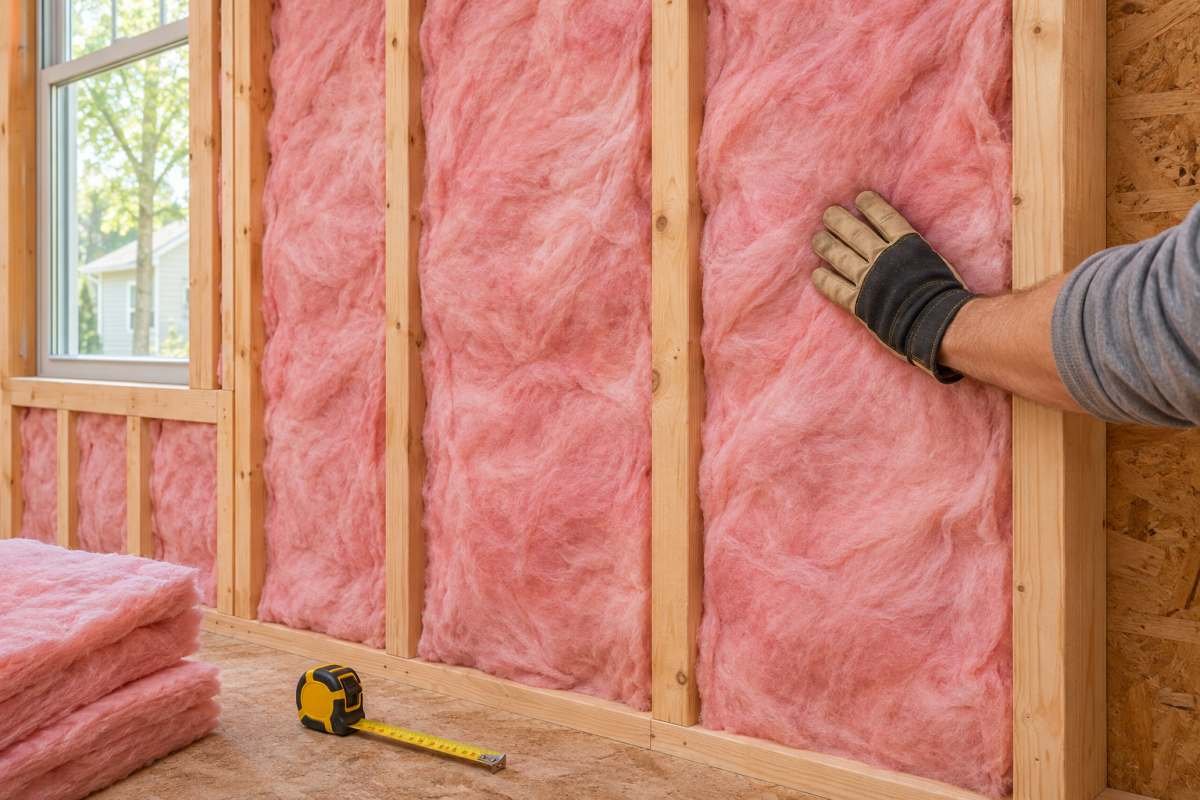
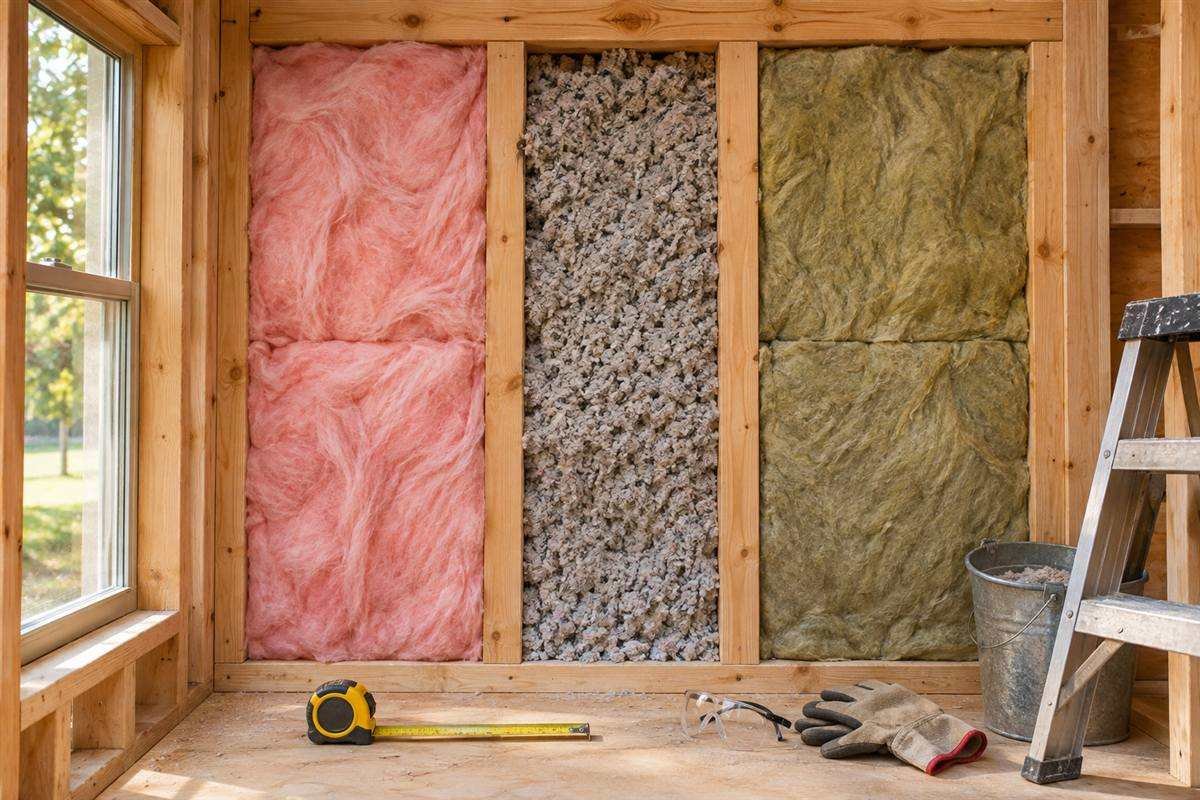
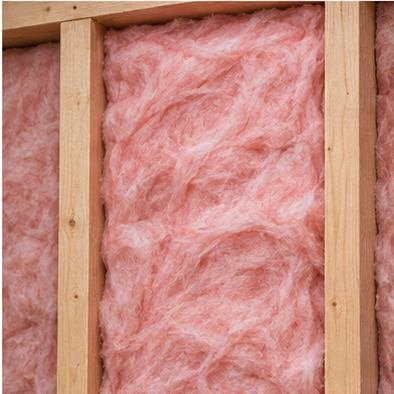
For example, fiberglass is widely available, relatively affordable, and suited to standard framed cavities. Batts are quick to place in open walls, but compression, gaps, or poor cuts around wiring can reduce performance. Fiberglass does not stop airflow by itself, so the wall needs a continuous air-control layer and careful sealing. Trained contractors can also blow loose-fill fiberglass into some closed cavities.
At the same time, fiberglass is not combustible in the same way as foam, but facings, binders, and the complete wall still matter for fire requirements. Fibers can irritate during handling, which makes protective clothing and proper enclosure important. For acoustic performance, fit the cavity fully and pair insulation with well-sealed drywall; insulation alone cannot block every sound path.
Cellulose
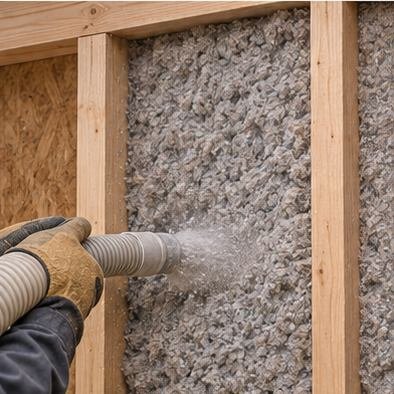
In addition, manufacturers commonly make cellulose from recycled paper and treat it with fire retardants. It can fill irregular cavities and reduce convective air movement when installed at the specified density. Dense-pack cellulose is used in some existing-wall retrofits, but the installer must confirm that the cavity can take the fill pressure and that the wall is dry and suitable.
Even so, cellulose can absorb moisture and may lose performance or deteriorate if it gets saturated. Correct rain control, flashing, and repair of leaks matter. Cellulose is often selected for recycled content and cavity coverage, while installation dust and moisture management deserve attention.
Mineral wool
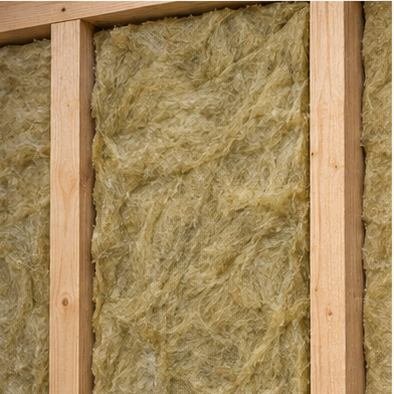
Meanwhile, builders value mineral wool batts and boards for fire resistance, sound absorption, and dimensional stability. Many products are vapor-open, which can support drying in an appropriate wall design. Mineral wool usually costs more than basic fiberglass and can be harder to cut precisely around obstructions. Installers should follow product instructions and use protection to avoid fiber irritation.
Rigid foam boards: EPS, XPS, and polyiso
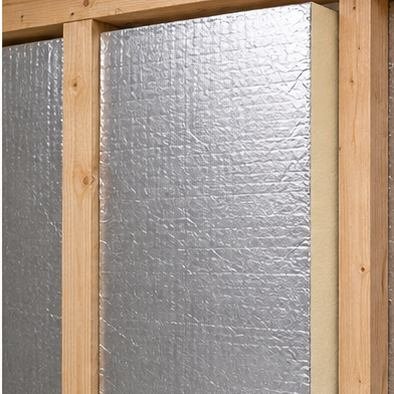
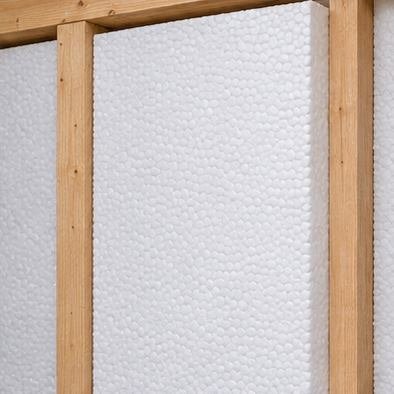
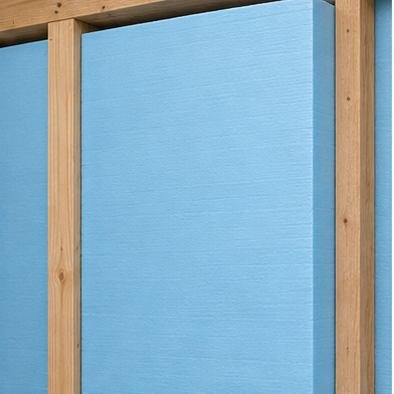
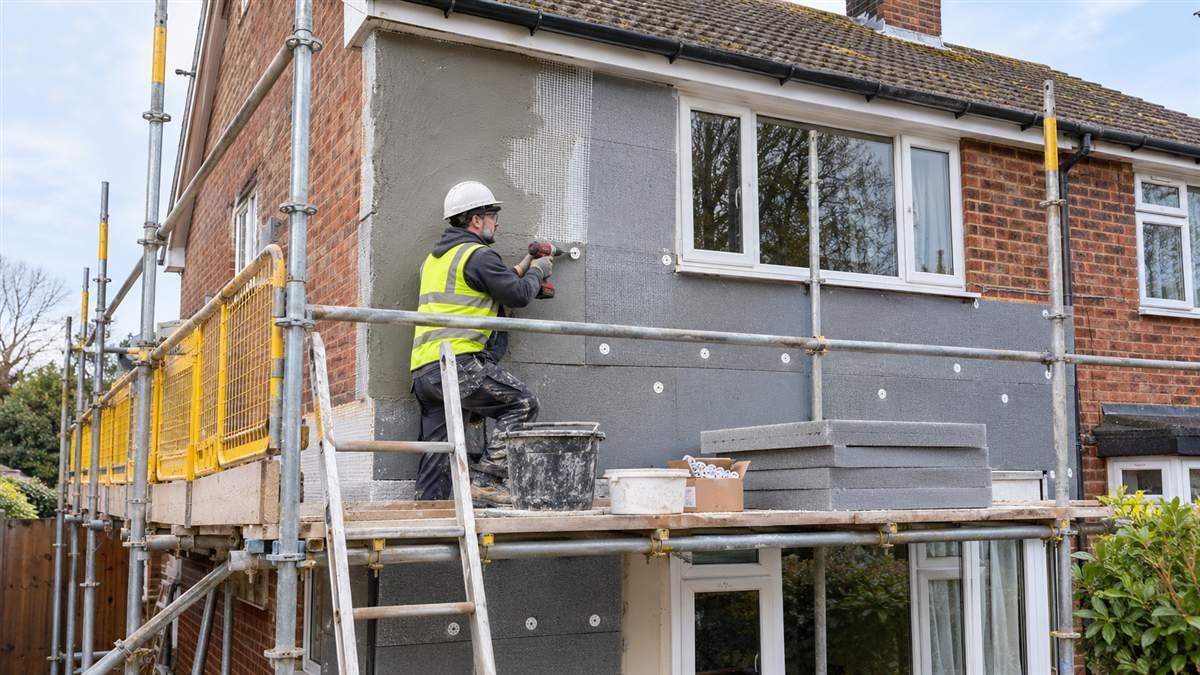
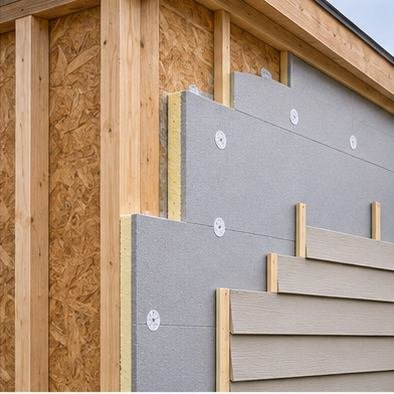
By contrast, rigid foam is useful where a continuous layer is needed to reduce thermal bridging across studs. Typical R-values per inch vary: EPS often around R-3.8 to R-4.4, XPS near R-5, and polyiso approximately R-5.5 to R-6 in common reference data. Check specific products because formulations and test conditions differ. Continuous exterior insulation can improve thermal continuity, while interior foam requires careful detailing.
However, foam types differ in water absorption, vapor resistance, cost, and environmental profile. Foil-faced polyiso can strongly restrict vapor movement; XPS also acts as a vapor retarder at typical thicknesses, while EPS is generally more vapor-permeable. Foam plastics need appropriate fire protection indoors and should not be left exposed unless the exact system is approved. Do not choose board thickness without checking condensation control and code.
Spray polyurethane foam
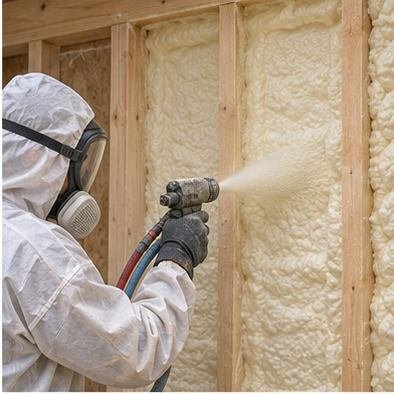
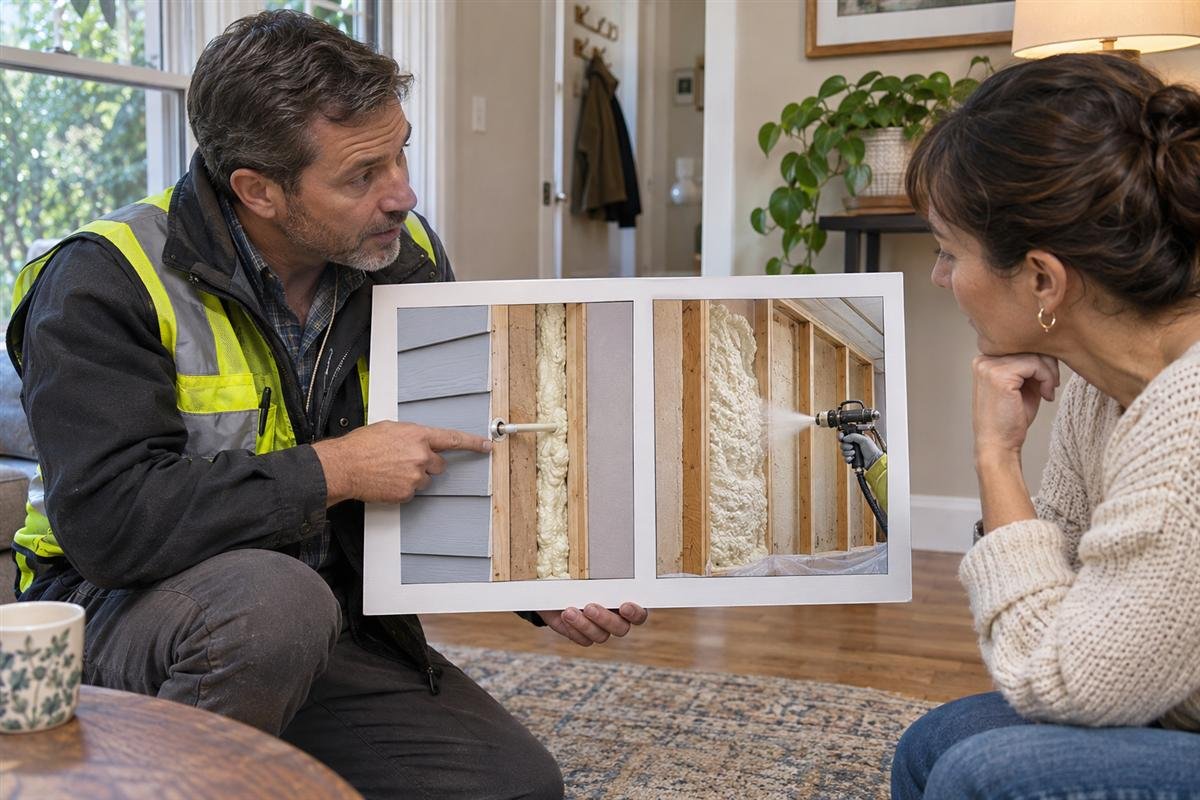
In addition, open-cell and closed-cell spray foams have different R-values, vapor behavior, and uses. Closed-cell foam offers more resistance per inch and can limit vapor movement; open-cell foam is less dense and more vapor-permeable. Both require careful professional installation, especially in enclosed cavities, around electrical components, and where moisture could become trapped. The installer must follow the product’s curing, ventilation, and re-entry directions.
For certain assemblies, spray foam can seal irregular spaces, but it is difficult to remove and makes future inspection or wiring changes harder. It should not be treated as a substitute for fixing water entry or designing a safe wall assembly.
Natural-fiber boards and batts
Wood fiber, hemp, cotton, and sheep’s wool products can support projects seeking bio-based materials. Their thermal performance, fire treatment, moisture response, and availability vary. Ask for independent test values and confirm that the product is approved for the intended wall location. “Natural” does not automatically mean the material can tolerate leaks or be installed without protective measures.
Wall insulation materials comparison: what matters most
| Material | Typical R/in. | Common strengths | Key cautions |
|---|---|---|---|
| Fiberglass | About 2.5–4 | Affordable, widely available | Needs precise fit and separate air sealing |
| Cellulose | About 3.2–3.8 | Fills irregular cavities; recycled feedstock | Must stay dry; correct dense-pack density matters |
| Mineral wool | About 3–4 | Fire and sound performance; vapor-open options | Cost and careful cutting; fiber protection |
| EPS | About 3.8–4.4 | Rigid continuous insulation | Check fire protection and assembly details |
| XPS | About 5 | Higher R/in. than EPS in typical references | More vapor-resistant; consider drying path |
| Polyiso | About 5.5–6 | High R/in. rigid board | Facing and temperature affect design; protect from fire |
| Closed-cell foam | About 6 | High R/in.; air-control potential | Professional application, cost, and moisture design |
These broad ranges offer a starting point, not a product specification. For example, the PNNL insulation reference table reports typical R-values alongside vapor classifications, a reminder that thermal performance is only one design factor.
How to choose wall insulation materials for your home
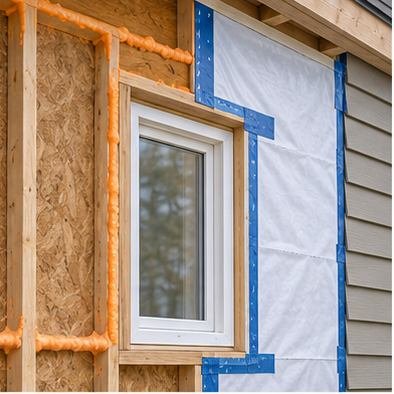
On a new framed wall, batts or blown fiber can fill the cavities, while continuous exterior board reduces heat flow through framing. For a closed existing wall, an installer may add dense-pack cellulose or fiberglass after inspecting the cavity. With masonry, insulation location affects how the bricks dry, so get building-science advice before adding an interior layer. Basement walls also need a moisture, pest, and fire-protection plan; generic above-grade advice may not fit.
Also, consider the full installed cost, not just a bag or board price. Include air sealing, flashing repairs, finish removal, drywall, labor, access, disposal, and detailing around windows and doors. As a result, a slightly less expensive material installed without gaps may outperform a premium material with poor workmanship.
Our interior wall insulation materials and installation guide gives more detail for indoor projects. For a broader comparison of retrofit methods and costs, return to the main wall insulation guide.
A project checklist before comparing prices
Before requesting estimates, write down the wall type, accessible side, approximate area, existing finish, signs of moisture, and any electrical or plumbing features. Also, note access limits and any work that must fit the household schedule. Ask each bidder to name the product, target R-value, installation density or thickness, air-sealing scope, fire protection, and approach to moisture control. That makes estimates easier to compare than a price per square foot with no assembly details.
Include finish work and disruption in the budget. Exterior boards may mean adjusting window trim or cladding attachments. Interior layers can reduce usable floor area or require moving outlets and baseboards. Dense-pack work may require patching drill holes, while spray foam can complicate future repairs. As a result, a durable, correctly detailed wall can be a better value than the least expensive material alone.
Questions homeowners often ask
Which wall insulation has the highest R-value per inch?
Closed-cell spray foam and polyiso often rank near the top among common building products, but exact values vary by product and test condition. Specialized vacuum panels can be much higher, with major limits on cost and handling. Compare verified product data and the tested wall assembly.
What is the best insulation for exterior walls?
There is no single best option. Fiberglass or mineral wool may work well in standard cavities; cellulose can suit some retrofit cavities; rigid exterior insulation can reduce thermal bridging; and foam may fit specific assemblies. The wall type, climate, budget, moisture strategy, code, and installation quality decide.
Does higher R-value always mean a better wall?
No. A wall also needs air control, rain protection, safe drying, fire compliance, and good installation. An unsuitable vapor barrier or a gap-filled high-R material can create problems.
Conclusion
Wall insulation materials each have a place. Fiberglass and cellulose offer familiar cavity options; mineral wool brings useful fire and acoustic properties; rigid foam can create a continuous thermal layer; spray foam serves specialist assemblies; and natural fibers appeal to some lower-impact projects. Compare whole-wall performance, moisture and fire details, cost, and installer quality. Use this article with our wall insulation guide to select an approach that fits your home.