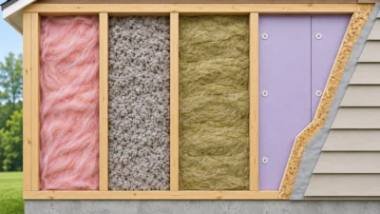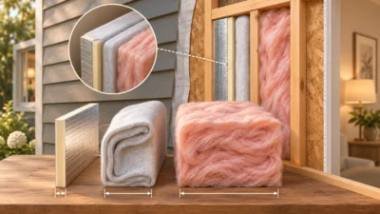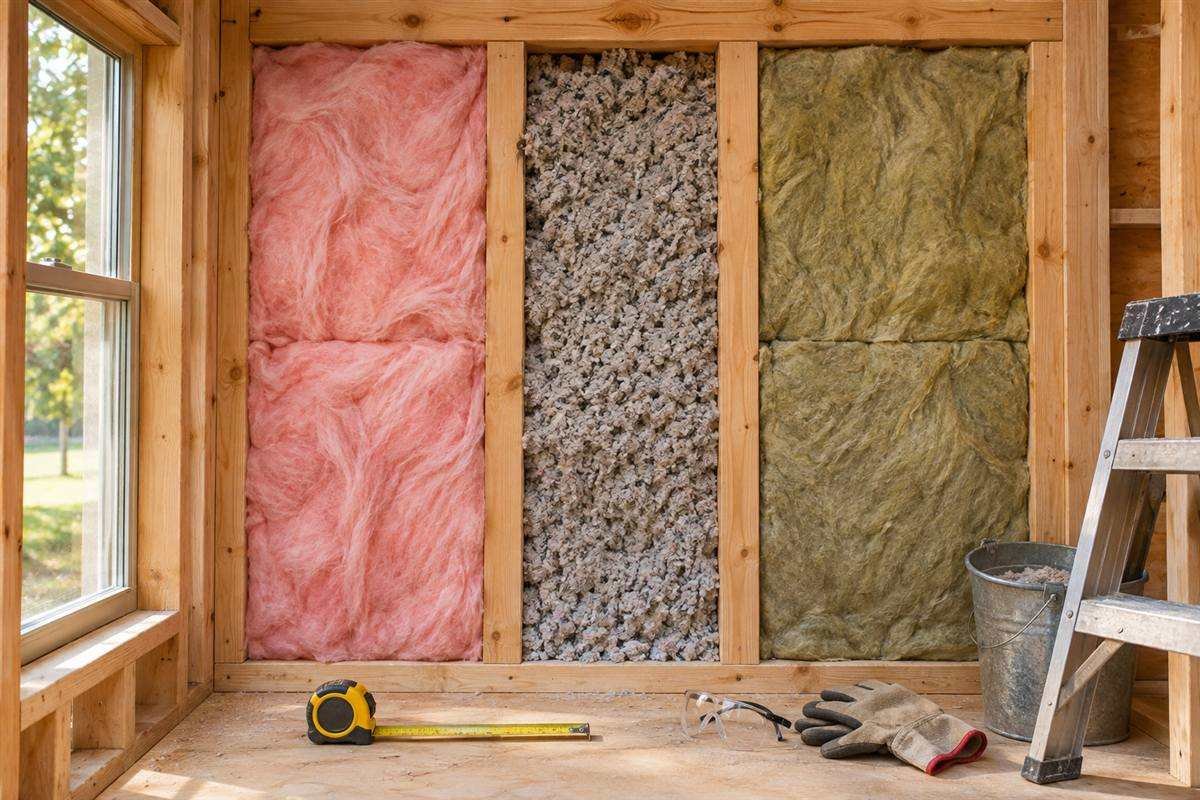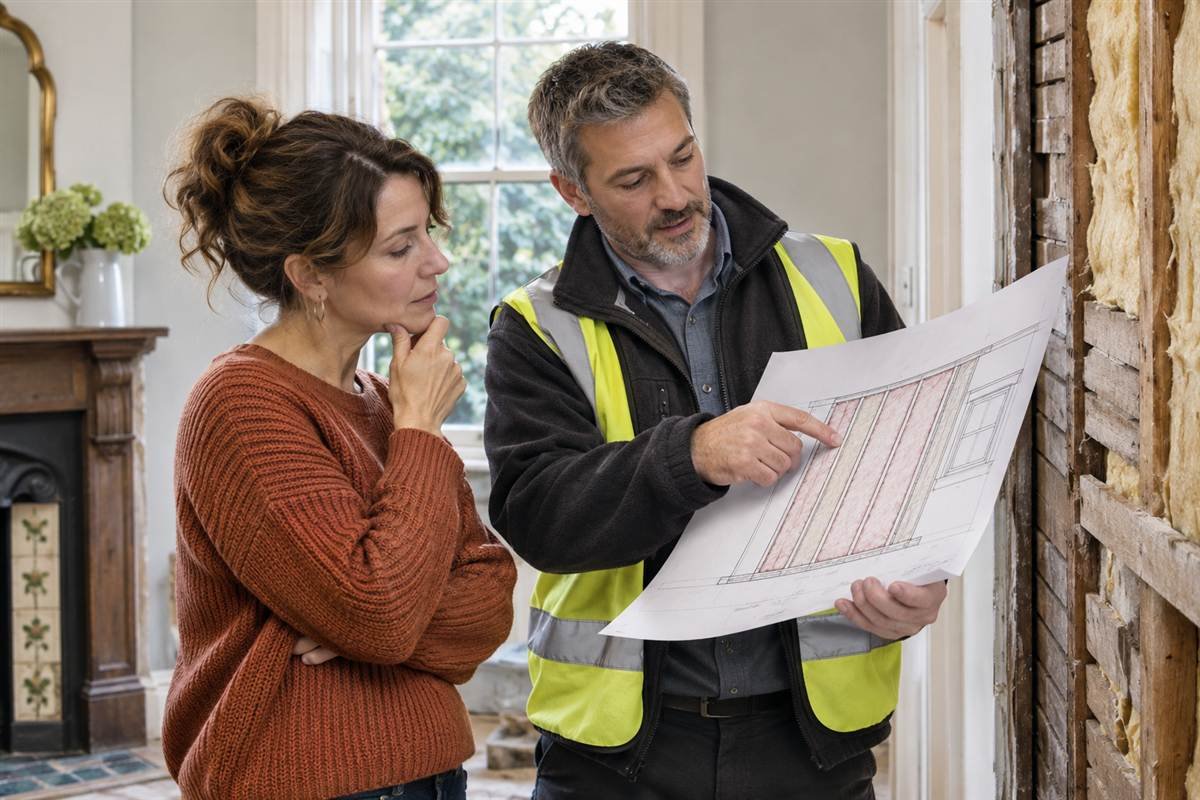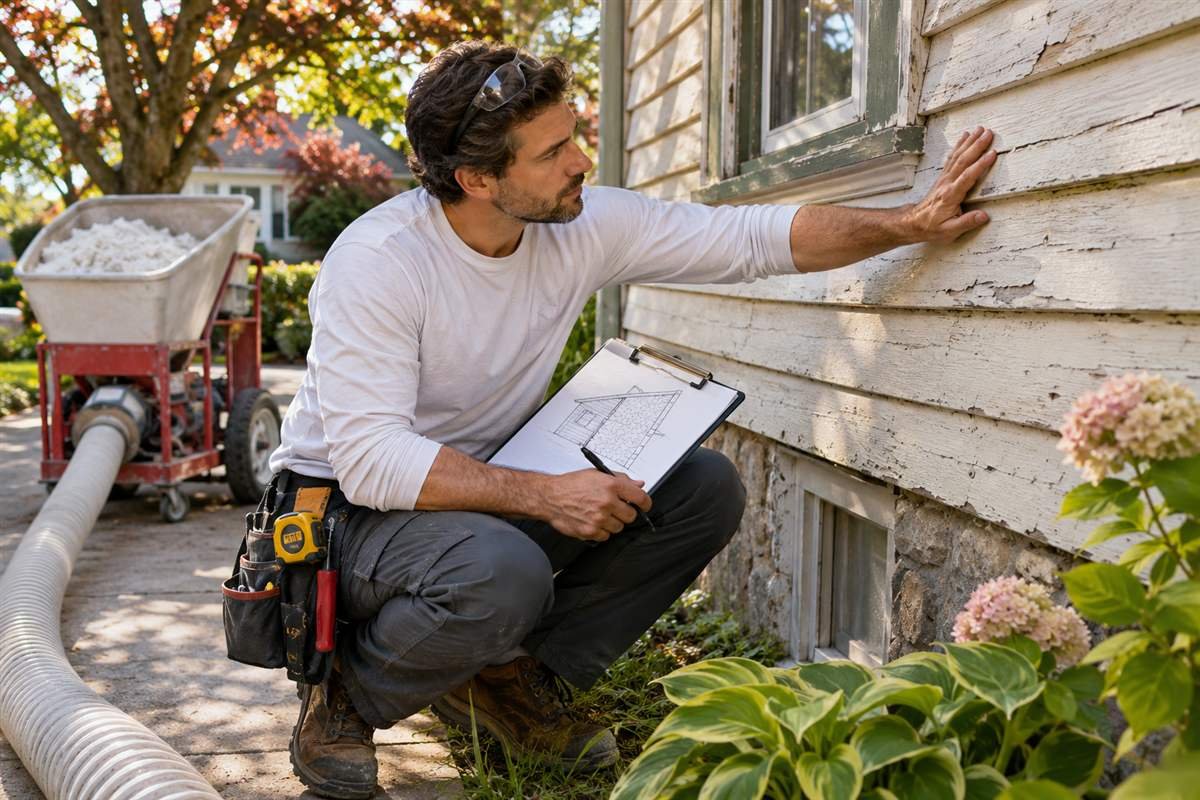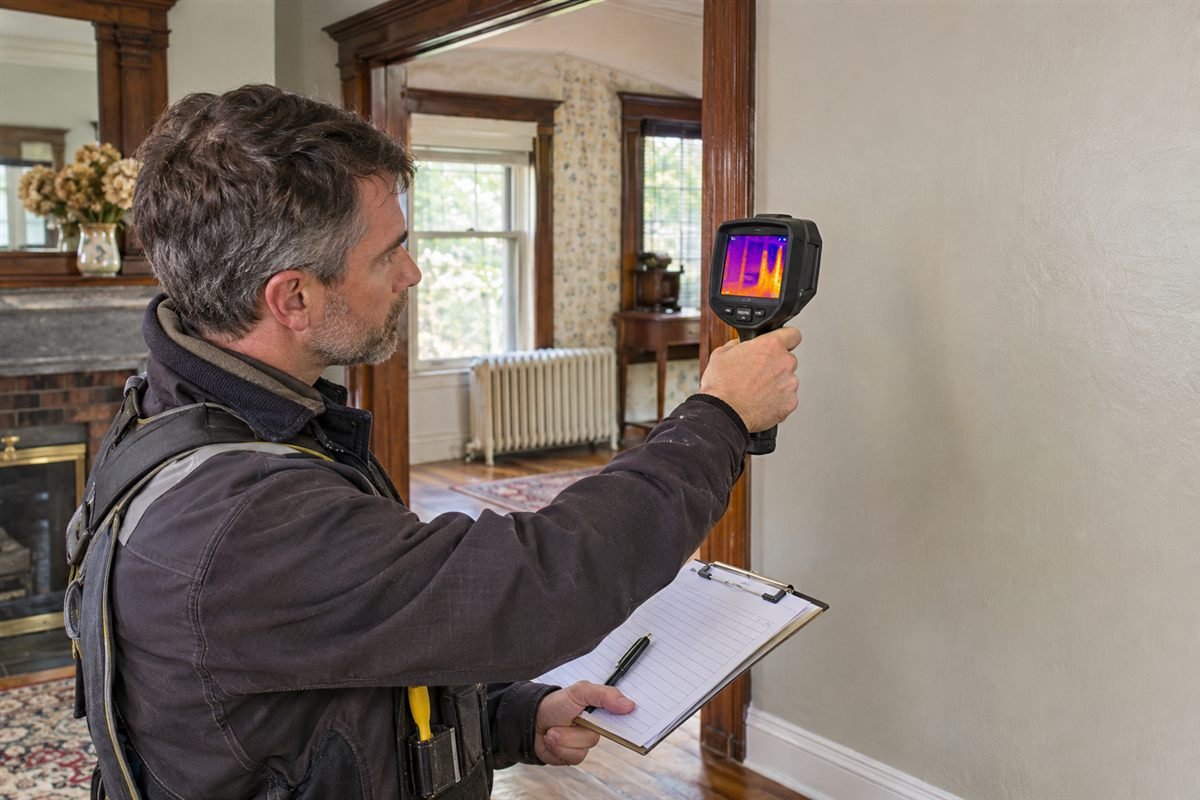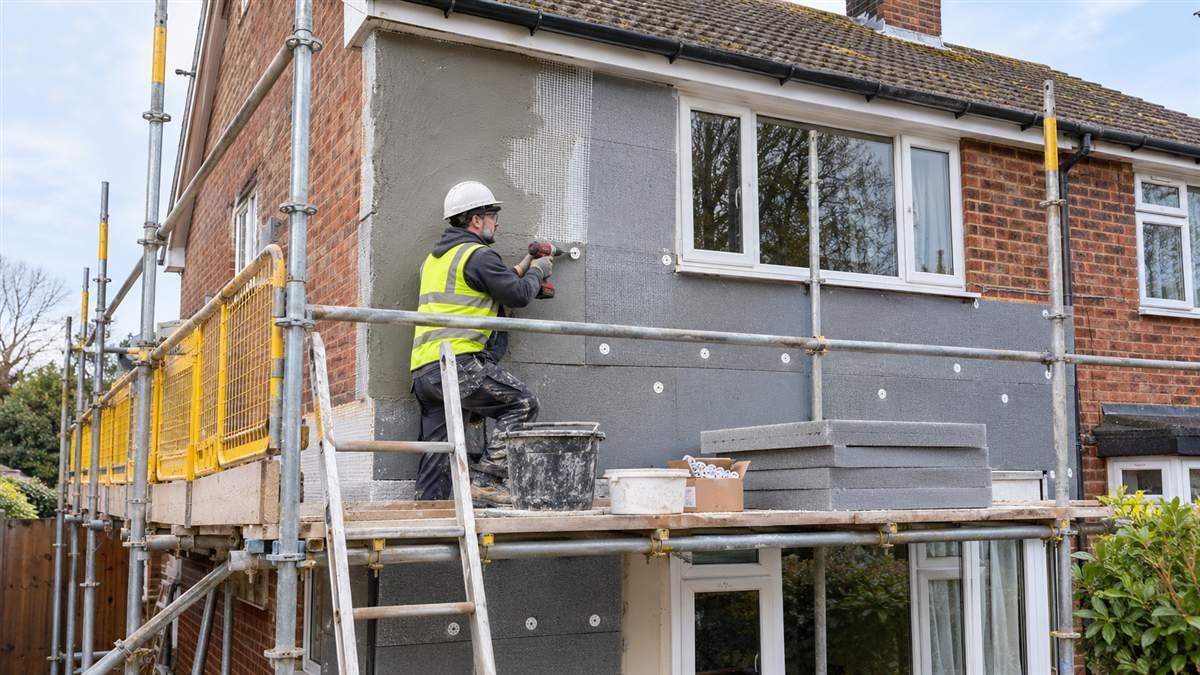

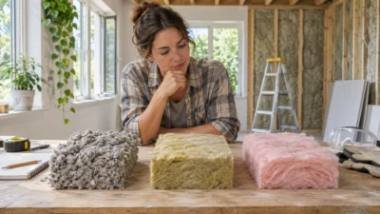
People searching for non toxic insulation for walls usually want a warm home without unwanted odors, dust, or chemical emissions. No insulation material should be described as completely risk-free in every situation. Health and indoor-air considerations depend on the product’s ingredients and emissions, how it is installed, whether fibers or dust escape into occupied rooms, and whether the wall stays dry. This comparison explains the practical differences between cellulose, mineral wool, fiberglass, natural-fiber products, and foam insulation—and how to choose based on evidence rather than marketing claims.
For a complete look at wall types and installation approaches, start with our wall insulation guide.
What does “non-toxic” mean for insulation?
“Non-toxic” is not a single universal certification that guarantees a product has no health effects in every use. It may refer to low chemical emissions, absence of a particular ingredient, low dust, or a manufacturer’s preferred marketing language. Read the technical data sheet, safety data sheet (SDS), installation guide, and any independent emissions certificate. Check the exact product name and formulation; similar materials can use different binders, facings, additives, or adhesives.
Separate three questions: what can be emitted after installation, what exposure can occur during installation, and how the wall performs over time. A product with low emissions after curing may still require gloves, respiratory protection, ventilation, or restricted re-entry during installation. A natural or recycled ingredient does not automatically mean low dust, fire safety, or resistance to moisture damage.
Comparing non toxic insulation for walls
Cellulose: recycled fiber with dust and moisture considerations
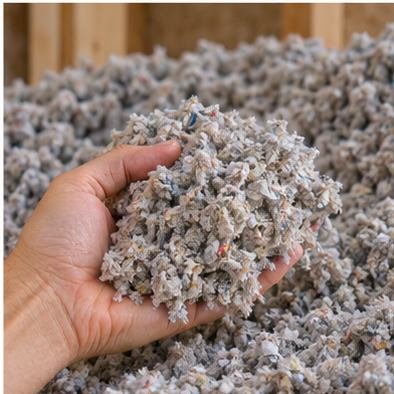
Cellulose insulation is commonly made from recycled paper fiber treated with fire-retardant additives. Dense-pack cellulose can fit irregular cavities and uses recycled feedstock. Installation can create airborne dust, so workers use appropriate controls and occupants should stay clear of active work areas. Ask about the declared additives, product SDS, settled density, and whether the wall cavity is suitable for the material.
Cellulose can absorb and redistribute some moisture, but it is not a solution for ongoing leaks or wet masonry. If saturated, its performance and condition can suffer. For existing walls, confirm the cavity is dry, sealed against bulk water, and appropriate for dense-pack installation.
Mineral wool: noncombustible fiber, still use installation protection
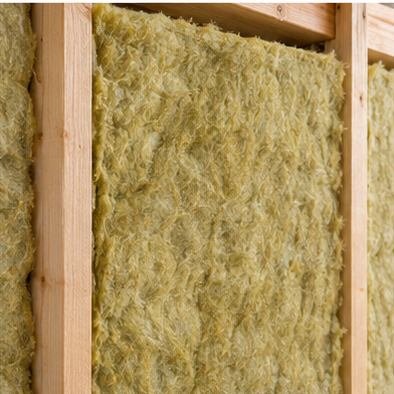
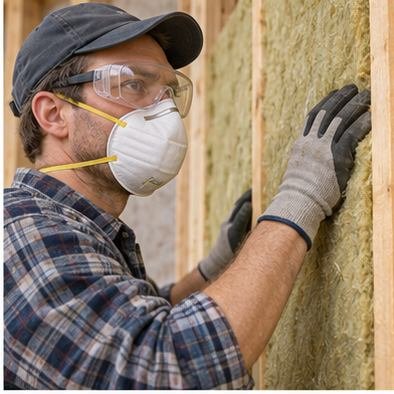
Mineral wool is made from spun mineral fibers and is valued for fire resistance and sound absorption. Many boards and batts are water-repellent yet vapor-open, but product properties vary. Cutting and handling can release irritating fibers and dust. Follow the SDS and wear the recommended protective clothing and eye or respiratory protection during installation. Keep exposed fibers separated from indoor air behind the specified finish.
Fiberglass: widely available, but avoid airborne fibers
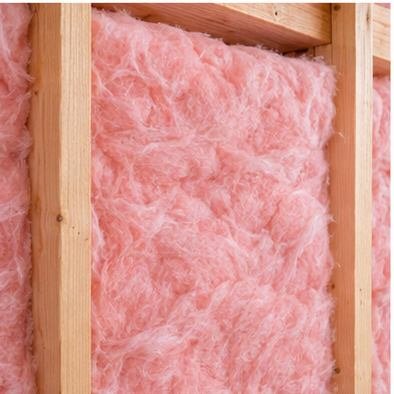
Fiberglass insulation is widely used in wall cavities and comes in batts, boards, and loose fill. During installation, fibers can irritate the skin, eyes, or respiratory tract. Correctly installed and enclosed fiberglass is different from loose, damaged material circulating in living spaces. Choose a product with clear instructions and documented emissions information where available; seal ducts and air pathways so fibers do not travel into rooms.
Hemp, wood fiber, and other natural insulation
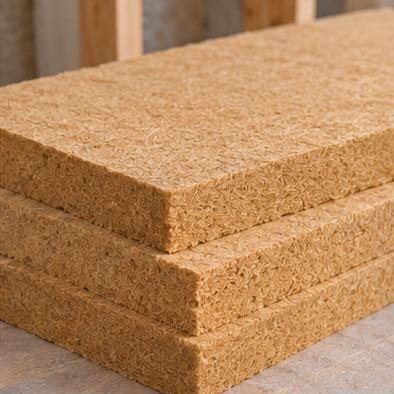
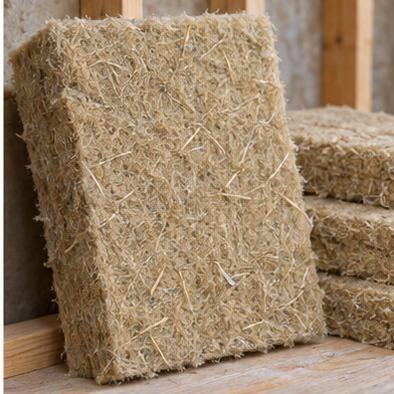
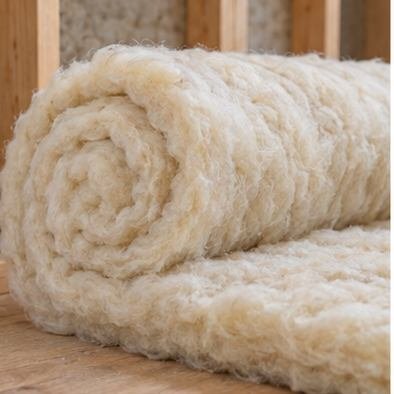
Hemp, wood fiber, cotton, and sheep’s wool products appeal to homeowners seeking bio-based materials. Their environmental profile and indoor-air characteristics vary by manufacturer. Products may include fire retardants, insect treatments, binders, or recycled content. Compare declared thermal performance, moisture behavior, mold or pest precautions, fire classification, and certified emissions. Natural fibers can still be damaged by leaks or poor drying.
Spray foam: low emissions after cure does not mean no installation risk
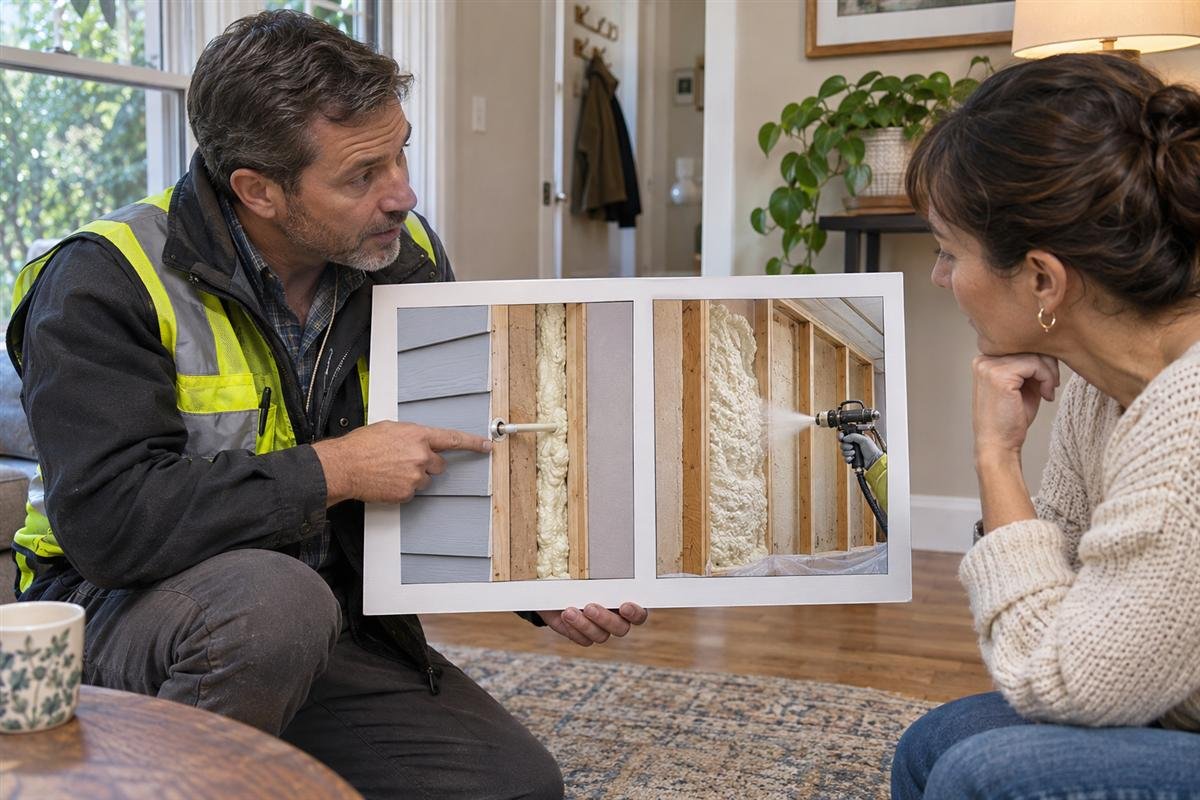
Spray polyurethane foam is a reactive chemical product installed in place. During application and curing, installers and occupants must follow the manufacturer’s exclusion, ventilation, and re-entry instructions. EPA guidance notes that SPF chemicals and installation conditions require careful controls. Use trained professionals, verify the product system and cure requirements, and do not assume a DIY can is equivalent to a full cavity insulation system. Foam is difficult to remove and can complicate later repairs.
For any wall material, the EPA Indoor AirPlus low-emission guidance is useful: its Gold-level requirements include VOC emission limits for certain insulation products, with specified scope and exceptions. A recognized certification can provide a better check than a vague “green” label, but it does not mean the product is harmless in every exposure scenario.
How to choose non toxic insulation for walls
When comparing non toxic insulation for walls, verify the manufacturer’s exact product model and test report. Labels may apply to only one product size or formulation. Also compare the facing and adhesive, since they remain in the room-side assembly after installation. Keep these records with the home documents for future repairs.
- Match the full product name and model to the current SDS and technical data sheet.
- Look for third-party emissions certification, such as a recognized program accepted by EPA Indoor AirPlus where applicable.
- Check for added binders, facings, adhesives, fire retardants, or treatments that matter to your household.
- Review installation and re-entry instructions; keep occupants away when the manufacturer requires it.
- Ask how the installer controls dust, ventilation, cleanup, and protection of return-air pathways.
- Confirm the wall is dry and the assembly can manage rain, vapor, and indoor humidity.
The EPA’s weatherization and indoor-air guidance explains why retrofit work should include health protections. Older homes may contain lead paint or asbestos-containing materials that need assessment before cutting or drilling. Do not disturb suspect materials as part of an insulation project.
Choose the material for the wall, not just its label
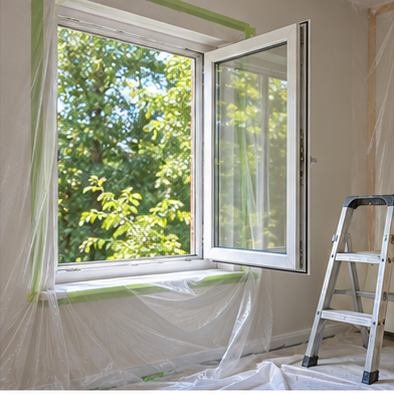
A low-emission product is only one part of a healthy wall. Correct installation prevents fibers and dust from entering rooms. Proper air sealing reduces drafts and pollutant transport. Moisture detailing helps prevent concealed mold and decay. Fire protection and electrical clearances keep the assembly safe. A product that works well in a dry stud cavity may not suit a damp basement wall or solid brick wall.
Compare material options with the rest of the assembly in our wall insulation overview, and read our interior wall insulation materials guide before choosing an interior retrofit system. If you have asthma, chemical sensitivities, infants, or other special concerns, discuss product SDS and emissions documents with a qualified professional before installation.
A practical product-check routine
Ask the supplier for the current SDS, technical data sheet, emissions certificate, and installation guide for the exact model. Confirm the test standard, whether the certificate covers the product as sold, and whether the product needs a facing or adhesive that changes emissions. If a label mentions “low VOC,” ask for the certification or test report behind the claim.
During a retrofit, protect rooms from dust, isolate return-air grilles where appropriate, and clean with methods that do not spread particles. Keep the manufacturer’s instructions available to the crew and household. After the job, inspect the finish and air-sealing details; a clean product does not help if gaps let dust, moisture, or outdoor pollutants move through the wall.
A lower-emission product also relies on good design and installation. Keep insulation dry, choose compatible sealants and facings, and make sure the finish fully encloses the material where required. If a wall is opened, inspect wiring and framing before closing it again. Photographing the assembly can help future owners or tradespeople understand what is behind the finish.
Before deciding, consider who will install the material and how the room will be used. A certified installer can explain exposure controls, curing time, and ventilation needs. Keep the product paperwork with home records so future repairs do not disturb hidden materials unnecessarily.
Non toxic insulation for walls: frequently asked questions
Which wall insulation is safest for indoor air quality?
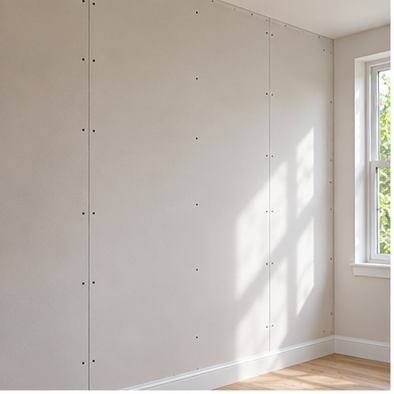
There is no single safest choice for every home. Compare product-specific emissions data and installation exposure, then select a material that fits the wall and can be properly enclosed. Independent low-emission certification and a current SDS are more useful than an unqualified “non-toxic” claim.
Is natural insulation automatically non-toxic?
No. Natural fibers can still create dust, need chemical treatments, or be vulnerable to moisture. Review the finished product’s full ingredient, emissions, fire, and installation information.
Can fiberglass insulation affect indoor air?
Fibers may irritate during handling or if damaged material enters occupied air. Install it with recommended protection, enclose it properly, and seal air pathways. For concerns about a specific product, consult its SDS and the manufacturer.
Conclusion
Choosing non toxic insulation for walls starts with product evidence, not a promise on a package. Cellulose, mineral wool, fiberglass, natural fibers, and foam each have different exposure, moisture, fire, and installation trade-offs. Choose a product with clear documentation, use qualified installation where required, and keep water out of the wall. Our wall insulation guide can help you compare systems before you commit.