

Insulating bedroom walls can help with comfort and privacy, but the right method depends on which wall you mean. An exterior bedroom wall may need thermal insulation to slow heat moving between the room and outdoors. A shared wall between two heated rooms usually offers little energy saving, though cavity insulation can reduce some speech and household noise. This guide helps you choose a safe, practical approach.
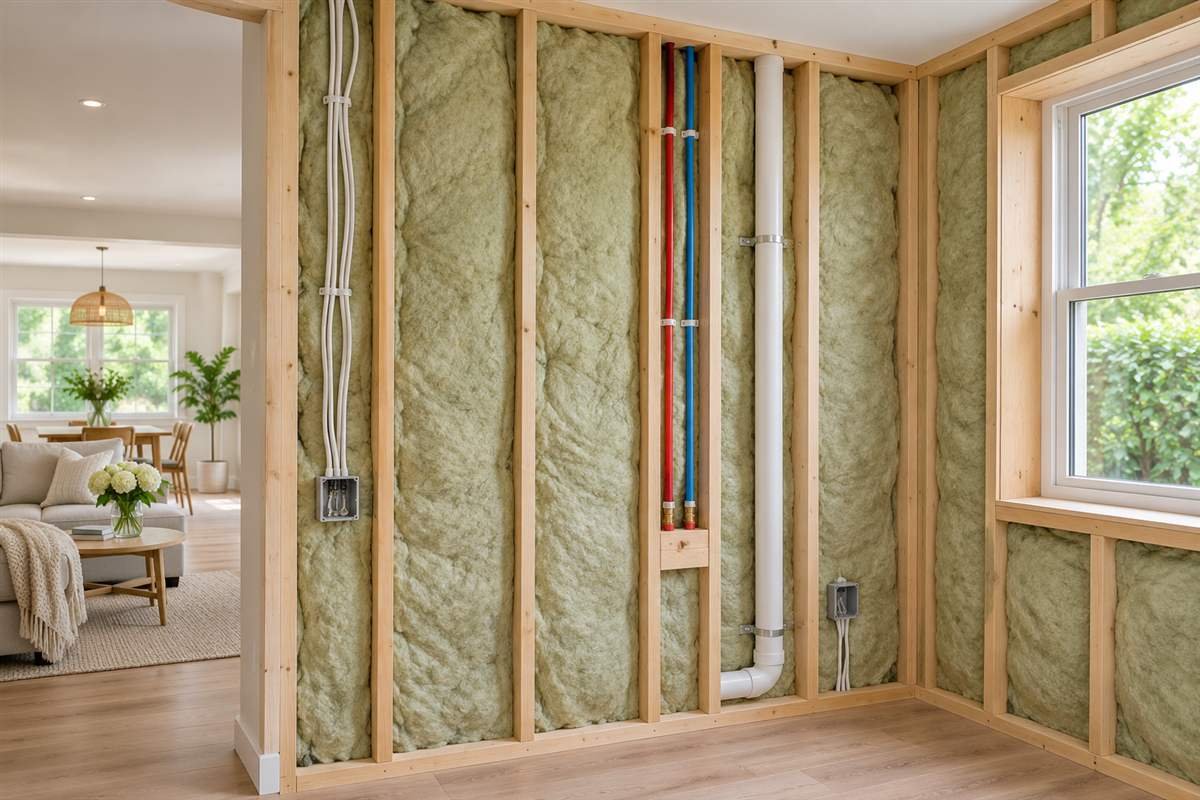
Quick Answer: How to Insulate Bedroom Walls for Warmth and Sound
First decide whether the wall faces outdoors, an unheated garage, or another room. For warmth, focus on walls that form the home’s thermal boundary, then consider air leaks, windows, attic insulation, and heating balance. For sound, focus on the entire wall assembly: insulation can absorb some sound inside a cavity, but it does not soundproof the room by itself.
If you are comparing wall types and materials, read our complete wall insulation guide. For a deeper look at sound transmission, see does insulating interior walls help with sound?
Identify the Bedroom Wall Before Choosing a Product
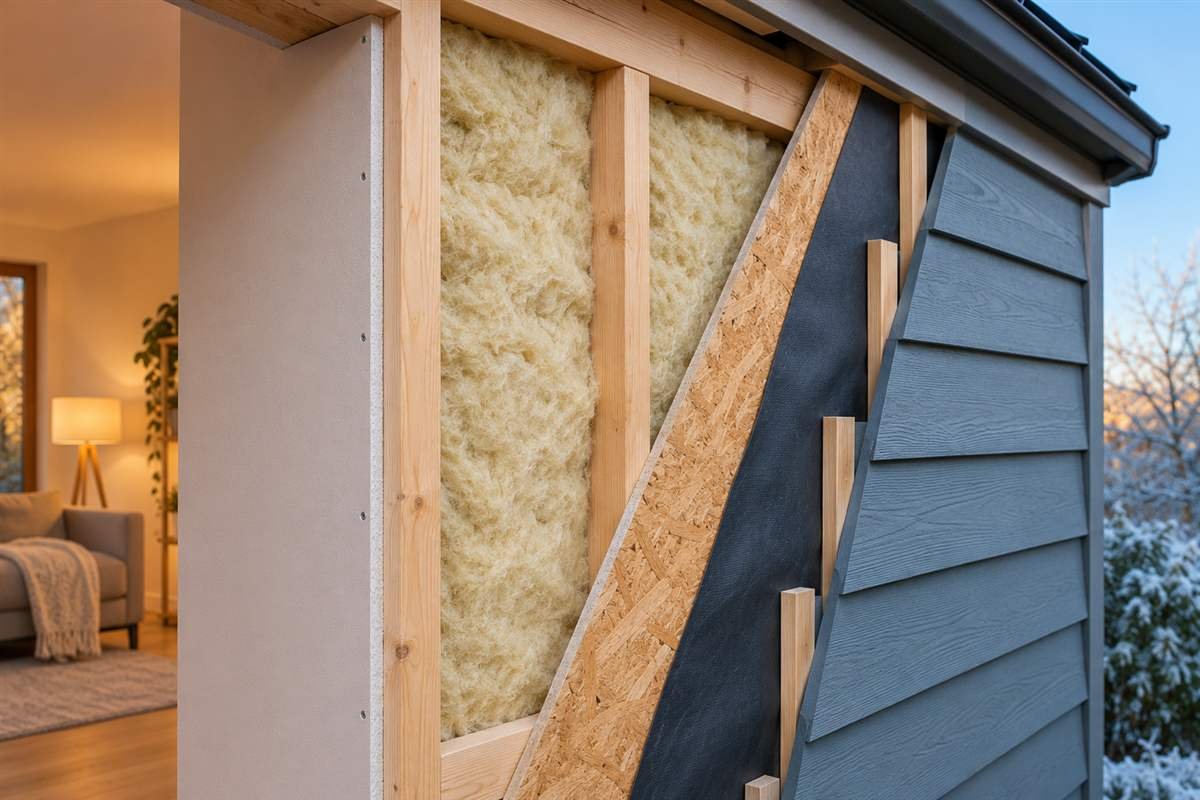
An outside-facing wall separates the bedroom from outdoor temperatures, wind, and rain. A wall next to a garage, attic, or unheated storage area may also separate conditioned and unconditioned space. These walls can affect room comfort and energy performance. By contrast, a partition between two bedrooms that share the same heating and cooling usually needs insulation for a clear reason such as sound privacy, not lower whole-home energy use.
Check the wall’s construction before buying anything. Wood or metal studs, masonry, existing insulation, wiring, plumbing, and previous repairs all affect what will fit. Building plans or an existing open section can help. If you cannot confirm where wiring or pipes run, do not drill blindly; ask a qualified professional to inspect the wall.
Insulating Exterior Bedroom Walls for Warmth
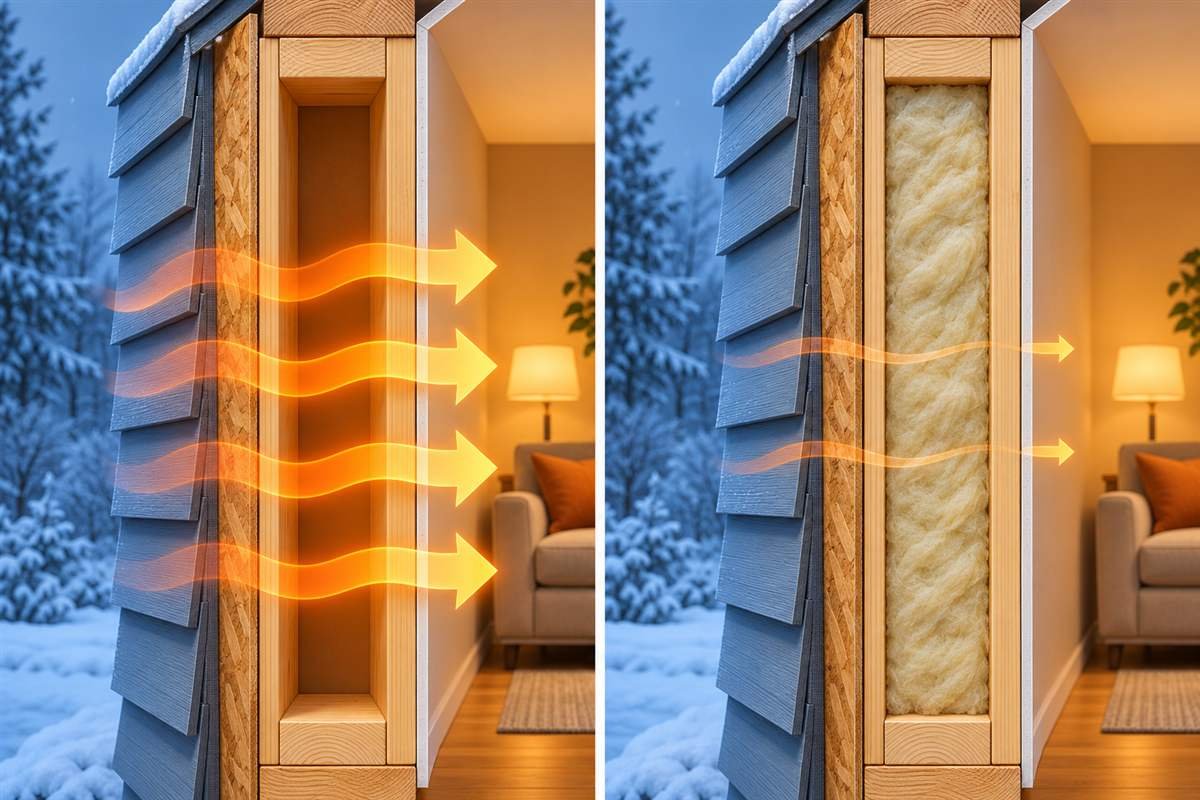
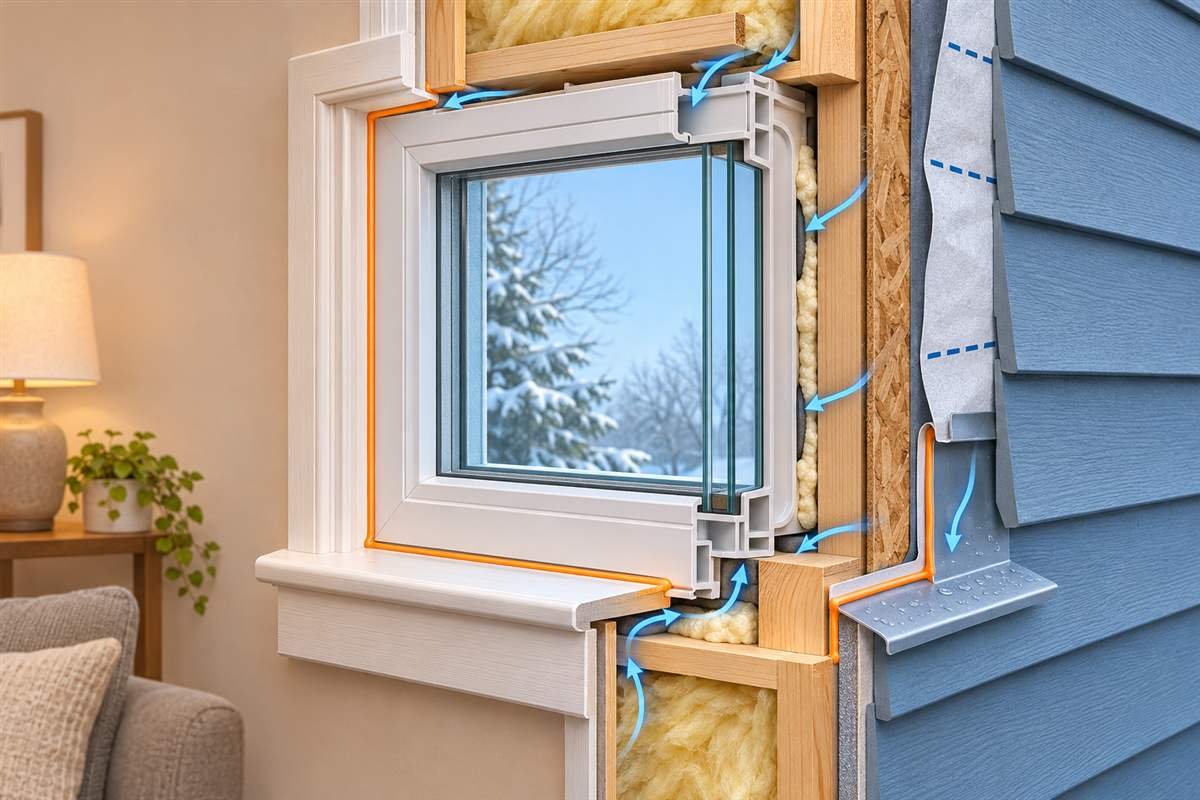
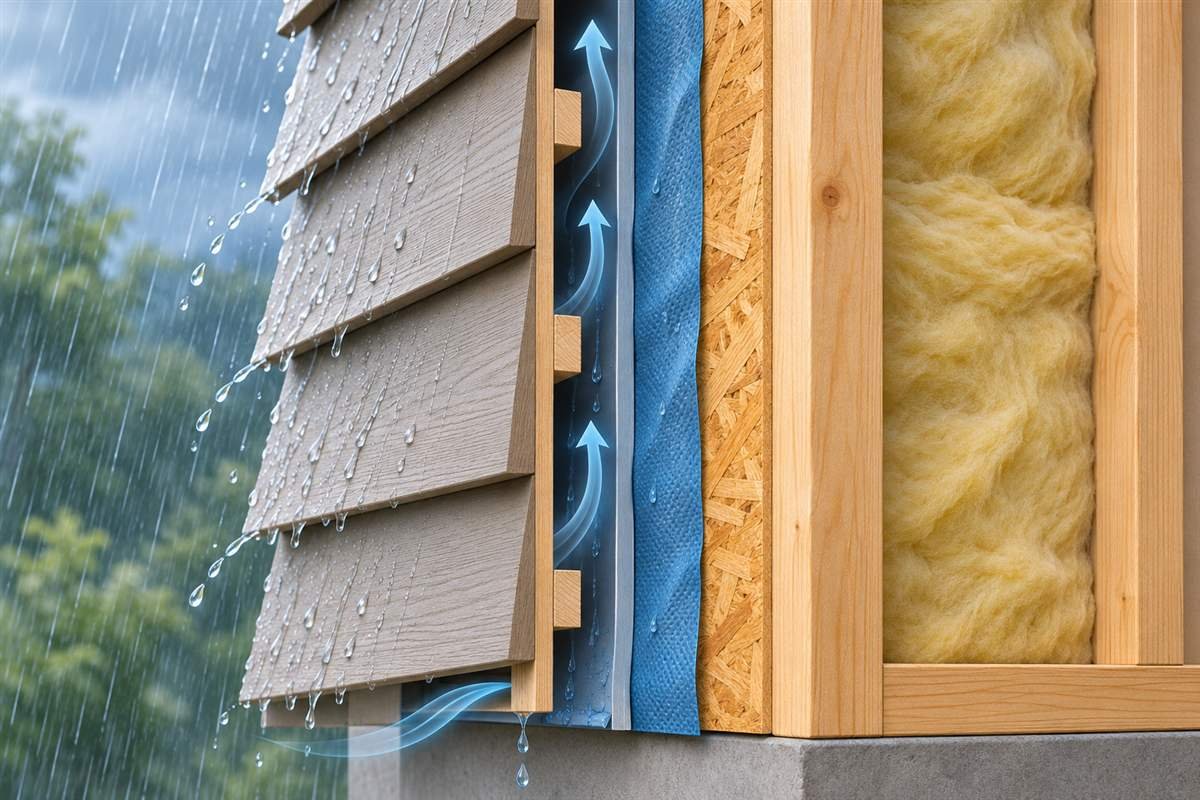
When insulating bedroom walls, start by checking the basics on any cold outside-facing wall. Look for drafts around the window, damp marks, failed exterior caulk, cracked flashing, and cold spots around outlets. Insulation cannot repair a leak or replace a missing air barrier. Fix water problems first; then plan insulation and air sealing as one wall upgrade.
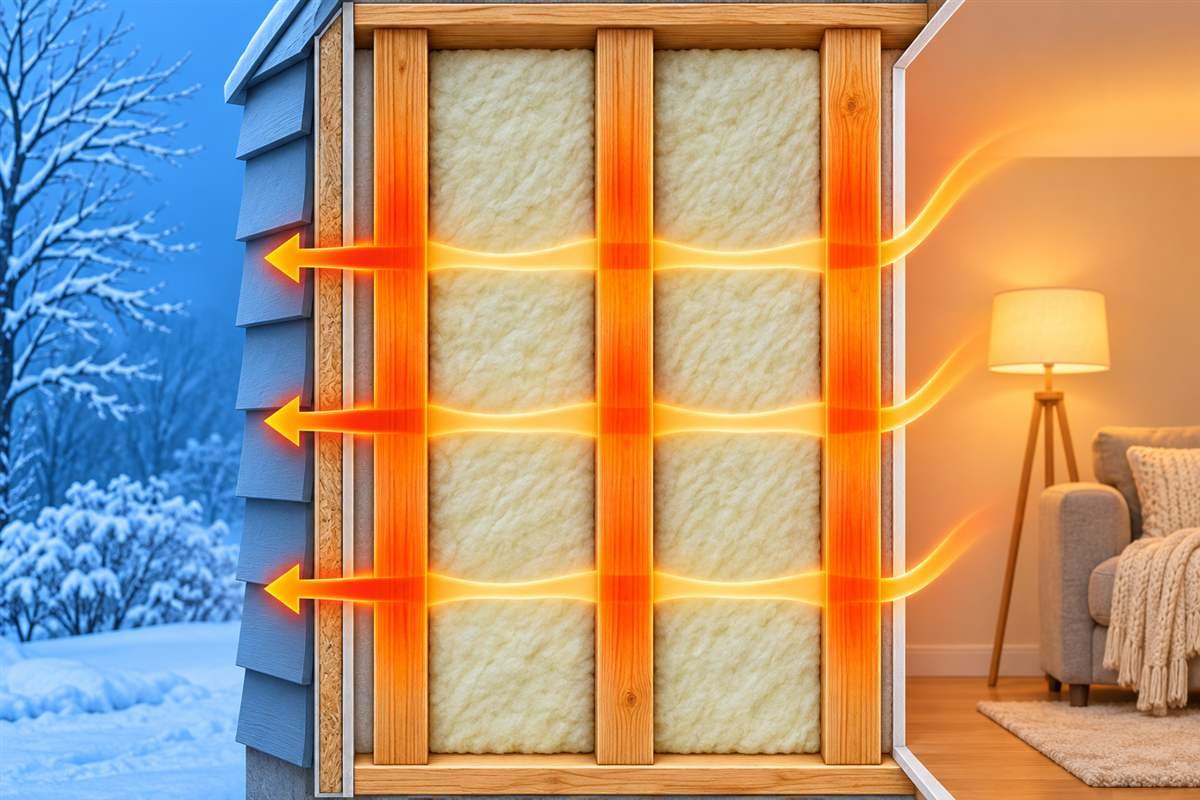
When the wall is already open for renovation, properly sized fiberglass or mineral wool batts may fit between studs. A continuous exterior layer can reduce heat flow through framing, while a closed-wall retrofit may use a contractor-installed dense-pack material. The right option depends on the wall, climate, and how it can dry. For installation options, see our wall insulation installation guide.
Insulating Shared Bedroom Walls for Sound Privacy
If conversation from the next room is the issue, insulating a shared partition may reduce some airborne sound. Fiberglass, mineral wool, and certain cellulose products can absorb sound in the cavity. However, the result also depends on drywall mass, wall edges, doors, outlets, shared ducts, and connections to the floor and ceiling. Sound may travel around an insulated wall through these flanking paths.
A batt can help when installers fit it evenly in an open stud bay. For an existing finished wall, a professional may be able to fill an appropriate cavity through small access holes. Neither method guarantees silence. For voices, you may notice better privacy; for bass, footsteps, or vibration, the sound may require a different assembly or a broader assessment.
Best Insulation for Bedroom Walls: Compare the Options
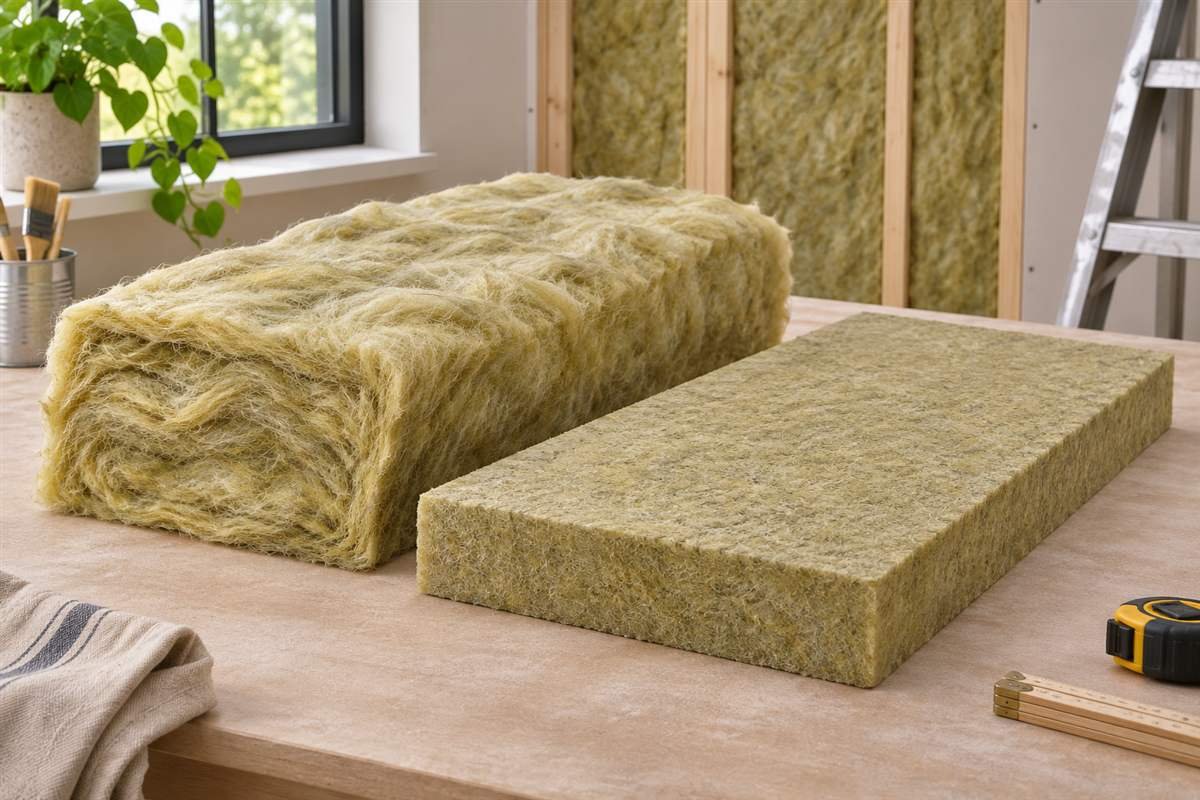
Fiberglass batts
Fiberglass is widely available and works in many open framed walls. Choose a batt sized for the cavity and fit it snugly around wires and pipes without compressing it. Gaps and folds reduce coverage. Follow the product label for protective clothing and installation details, and keep insulation clear of equipment or fixtures where the design requires a gap.
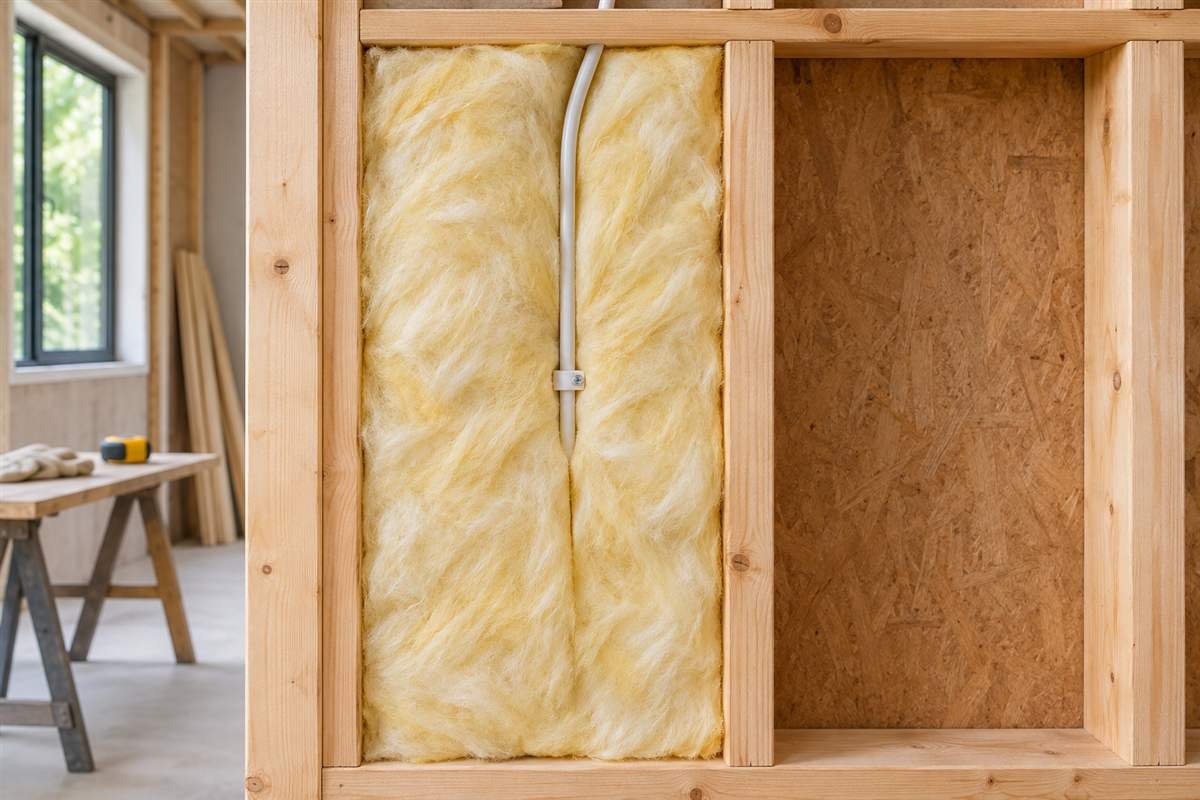
Mineral wool batts
Mineral wool can be useful in bedroom walls where sound and fire properties matter, depending on the specific product and assembly. It still needs correct fit and compatible wall layers. Compare technical sheets for tested thermal or acoustic performance; the material name alone does not predict how quiet or warm the finished bedroom will feel.
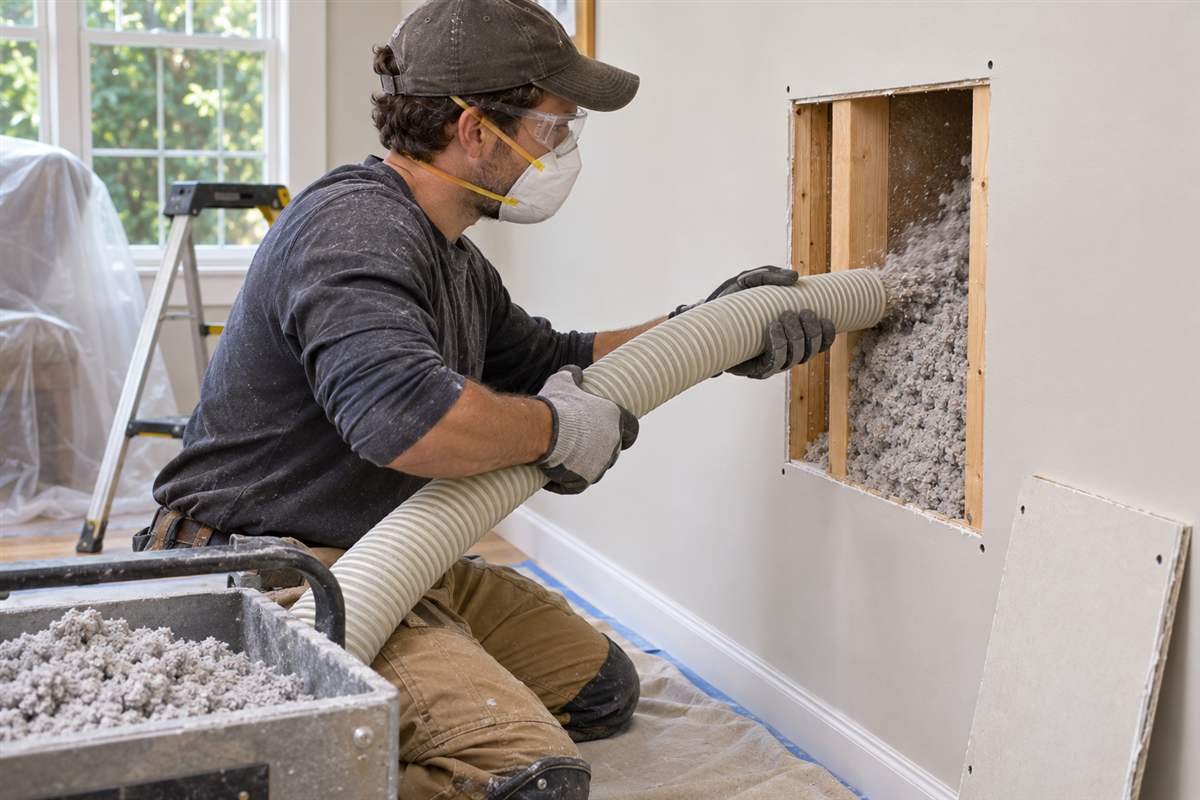
Dense-pack cellulose or blown fiberglass
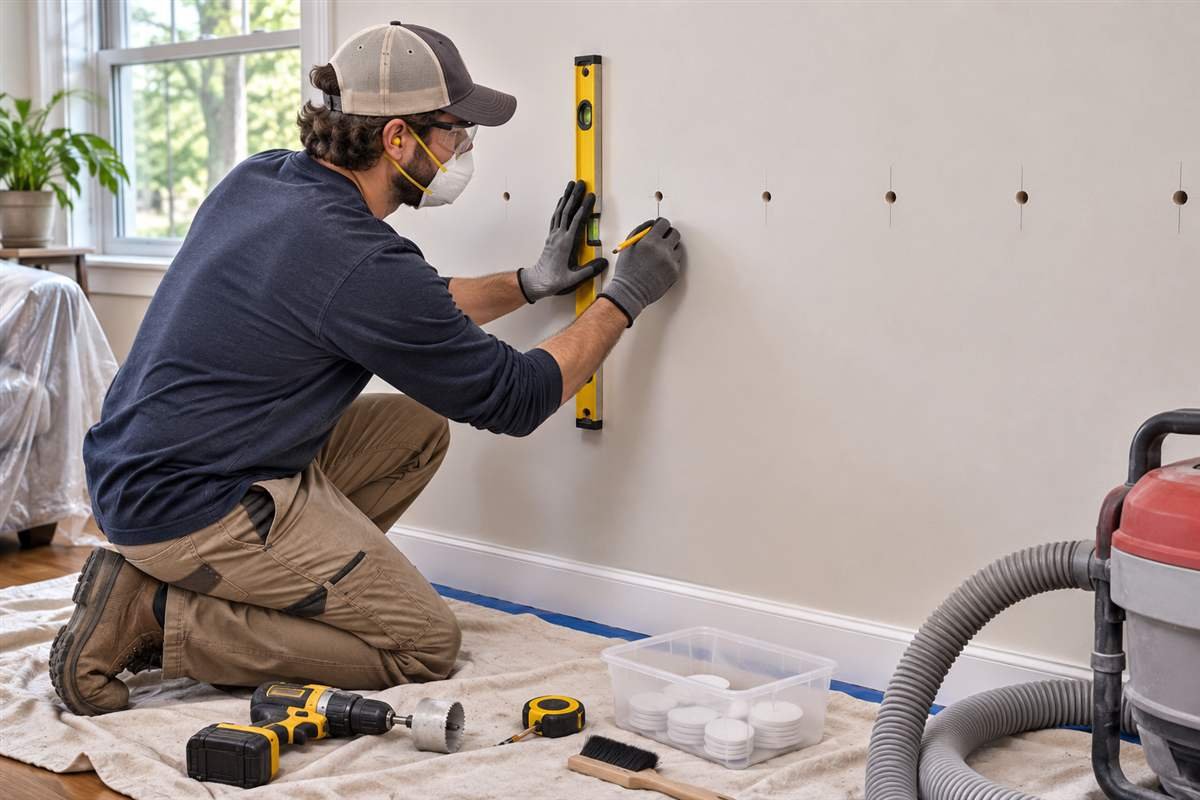
These loose-fill materials may suit a closed framed wall when an experienced installer can map the cavity and achieve the specified fill. Ask how the crew will avoid voids around blocking and services, inspect coverage, patch access holes, and manage dust. Do not pour loose insulation into a cavity or drill without locating hidden wiring and plumbing.
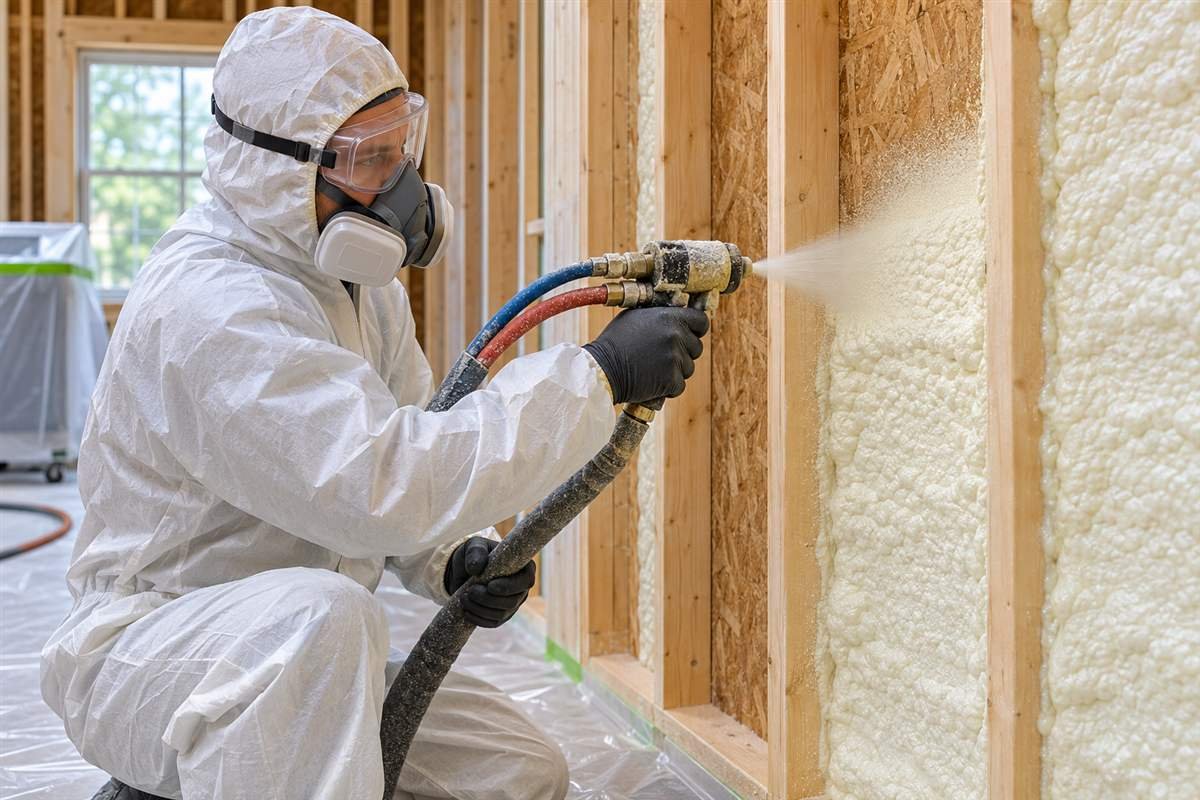
Spray foam and rigid boards
Foam products can seal some air pathways or add thermal resistance, but they need careful design and installation. They can change moisture movement and fire-protection requirements. For a bedroom wall, use foam only when the product and assembly suit the building and local code. A qualified contractor should explain ventilation, curing, fire protection, and repair options before work begins.
A Step-by-Step Plan for a Bedroom Wall Upgrade
- Set the goal: warmer exterior wall, less sound from another room, or both.
- Inspect both sides of the wall and note whether the other side is outdoors, unheated, or conditioned.
- Check for leaks, dampness, mold, window drafts, and visible damage; repair water sources first.
- Locate wires, pipes, junction boxes, fire blocking, and required vents before opening or drilling.
- Choose material and installation details for the wall assembly, climate, sound target, and local code.
- Fit insulation without gaps or compression, and seal only suitable air leaks without blocking required ventilation.
- Photograph the wall and check coverage, access, and fire or moisture details before closing the finish.
Moisture, Ventilation, and Safety Checks
Bedroom walls still need a safe moisture path. New insulation changes surface temperatures, which can affect where condensation forms. Do not cover damp framing, active leaks, or visible mold. The U.S. EPA recommends controlling moisture and drying wet materials promptly. Use its home moisture and mold guide when planning repairs.
Keep electrical boxes, service access, vents, and required fire stops accessible. Bedroom walls next to garages or other dwelling units may be part of a fire-rated assembly. Insulation does not replace required drywall, fire blocking, or rated doors. In older homes, avoid disturbing material you suspect contains asbestos or lead; ask a qualified professional about safe next steps.
When to Hire a Professional
DIY batt installation can suit an accessible, dry, open wall when the cavity is clear and the product instructions are straightforward. Hire an insulation contractor or building professional for finished walls, masonry, moisture damage, spray foam, complex wiring, or a noisy shared wall that needs a tested assembly. Ask for an itemized scope that lists materials, air sealing, coverage checks, drywall repairs, permits, and cleanup.
If the bedroom stays cold after an insulation upgrade, look beyond the wall. Drafty windows, an unbalanced heating system, attic heat loss, curtains, and furniture placement can affect comfort. A home energy assessment can help rank improvements and avoid spending money on the wrong surface.
Frequently Asked Questions
Should I insulate bedroom walls between two bedrooms?
You usually do not need it for energy savings if both rooms stay at similar temperatures. It can help reduce some speech noise, especially when added while the wall is open, but doors, ceilings, and floor connections also matter.
Can I insulate bedroom walls without removing drywall?
Sometimes. A contractor may fill a suitable framed cavity through planned access holes. First confirm the wall is dry and clear enough, and locate wiring, plumbing, and fire blocking. The crew should describe how it checks for voids and patches the finish.
What is the best insulation for a cold bedroom wall?
There is no single best material. The answer depends on wall type, climate, cavity depth, moisture, and whether the finish will be opened. A contractor can compare batts, dense-pack fill, and continuous insulation for the full assembly.
Conclusion: Match the Insulation to the Bedroom Wall
Insulating bedroom walls can improve comfort or privacy when you match the work to the wall. Exterior walls need a thermal and moisture-aware plan; shared interior partitions may need cavity absorption and sound-control details. Inspect first, repair moisture problems, choose a suitable material, and verify the work before closing the wall. That approach supports a warmer, quieter bedroom without assuming one product solves every problem.