Which way does insulation face in walls? In many conventional, above-grade walls in heating-dominated climates, the paper facing on a batt goes toward the conditioned interior. However, that is only a common starting point. Climate, air-conditioning use, exterior layers, moisture exposure, and local code can change the right detail. First identify the wall assembly, then follow the product instructions and a moisture-safe design.
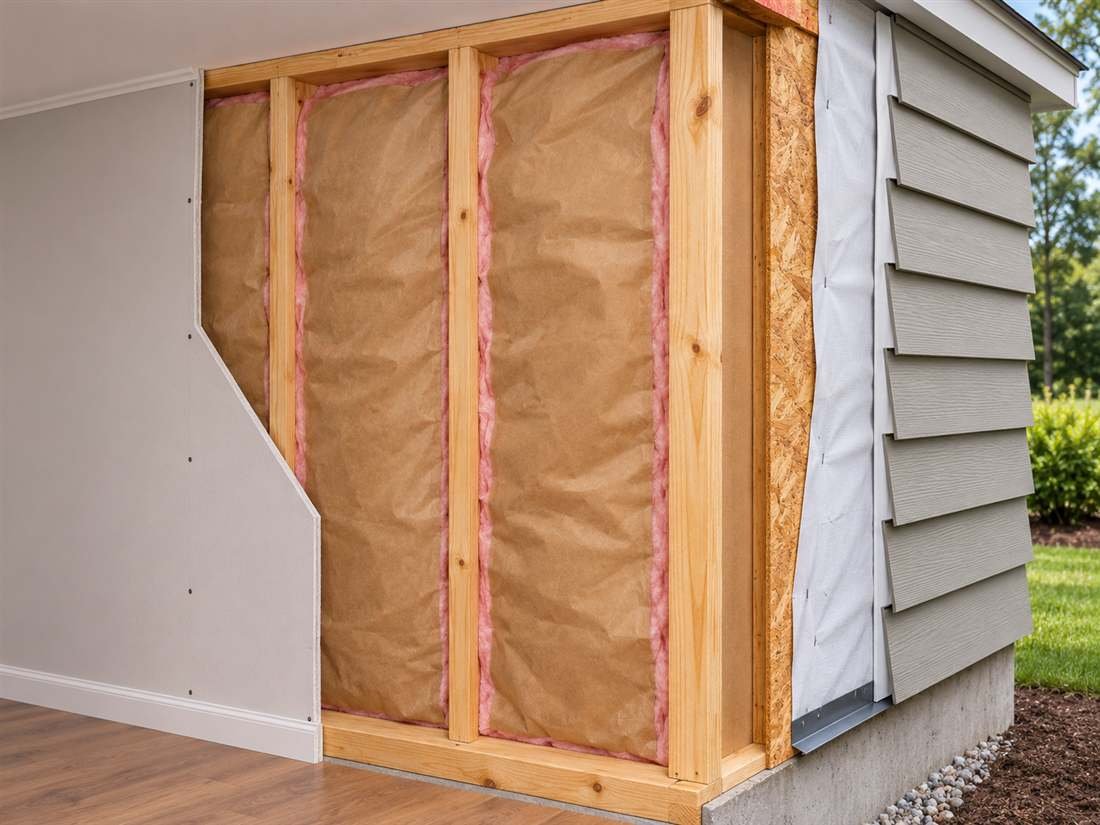
The key is to understand what the facing does. It may act as a vapor retarder and fastening flange; it is not the insulation itself, and it is not automatically an air or water barrier. This guide explains the usual orientation, exceptions, and checks that prevent moisture from being trapped. For a full overview of materials and wall types, visit our wall insulation guide.
The short answer for an above-grade exterior wall
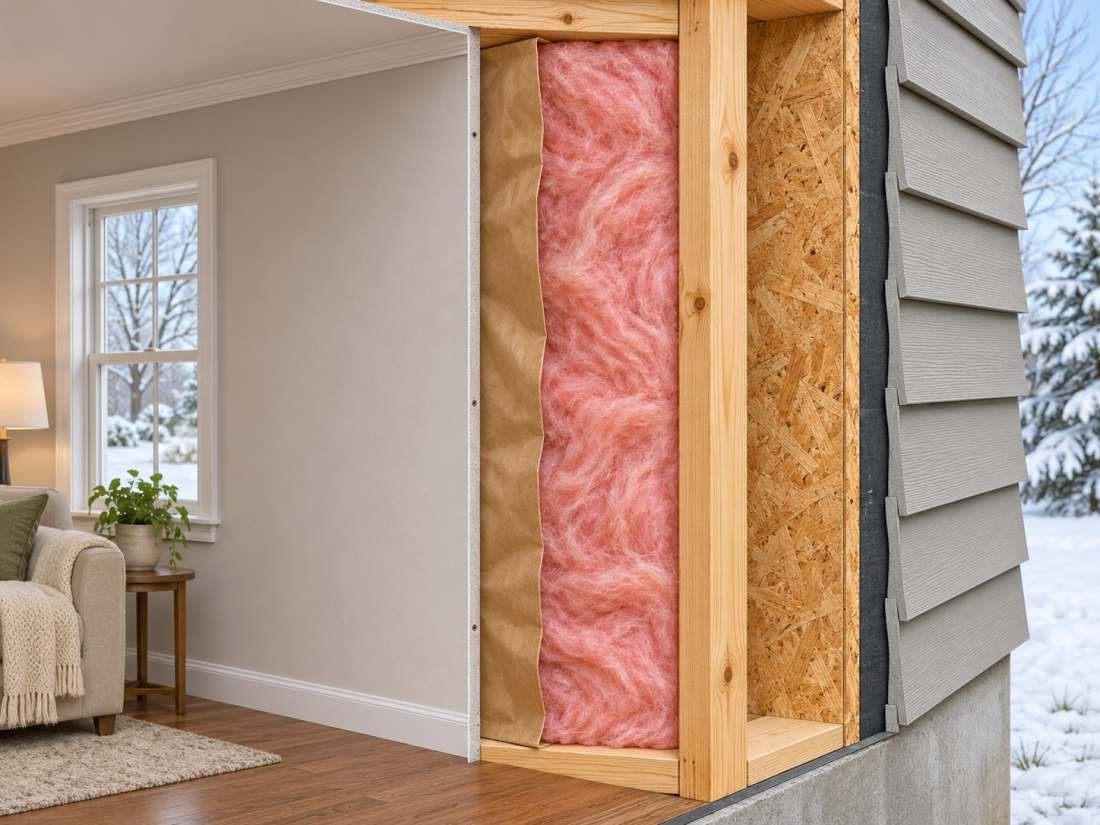
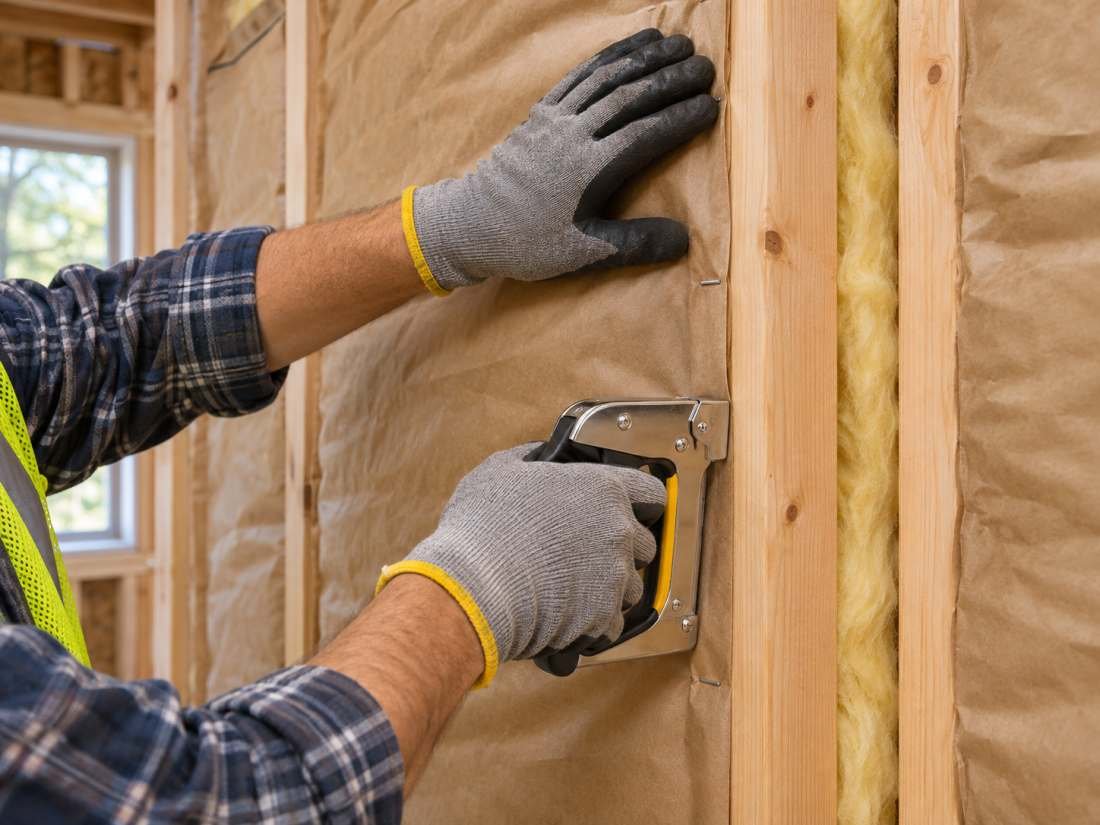
If your home is in a heating-dominated climate and the wall is a conventional framed assembly designed for a vapor retarder, the facing often points toward the warm, conditioned side—usually toward the room and drywall. This placement can help slow indoor moisture from moving into colder parts of the wall during winter. Still, do not turn this general pattern into a universal rule. A mixed climate, hot-humid climate, cooling-dominated home, basement, or foam-sheathed wall may need a different layer strategy.
The U.S. Department of Energy’s Building America guidance warns that “warm-in-winter side” advice can be difficult to apply in mixed climates and in homes air-conditioned during summer. It emphasizes allowing the wall to dry to one side or both. Read the DOE vapor-retarder guidance and check the current code for your location before installing faced batts.
What the facing does—and what it does not do
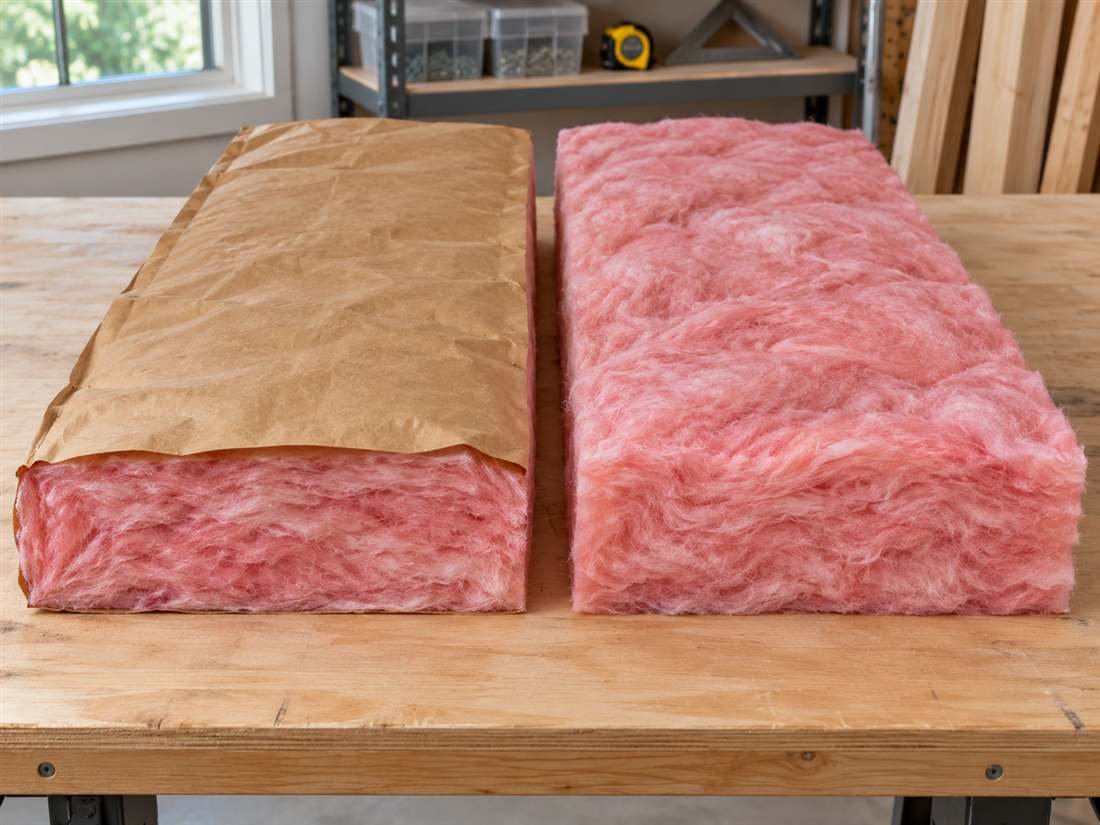
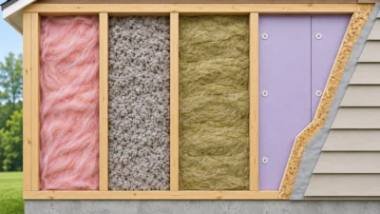
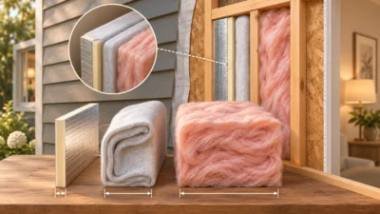
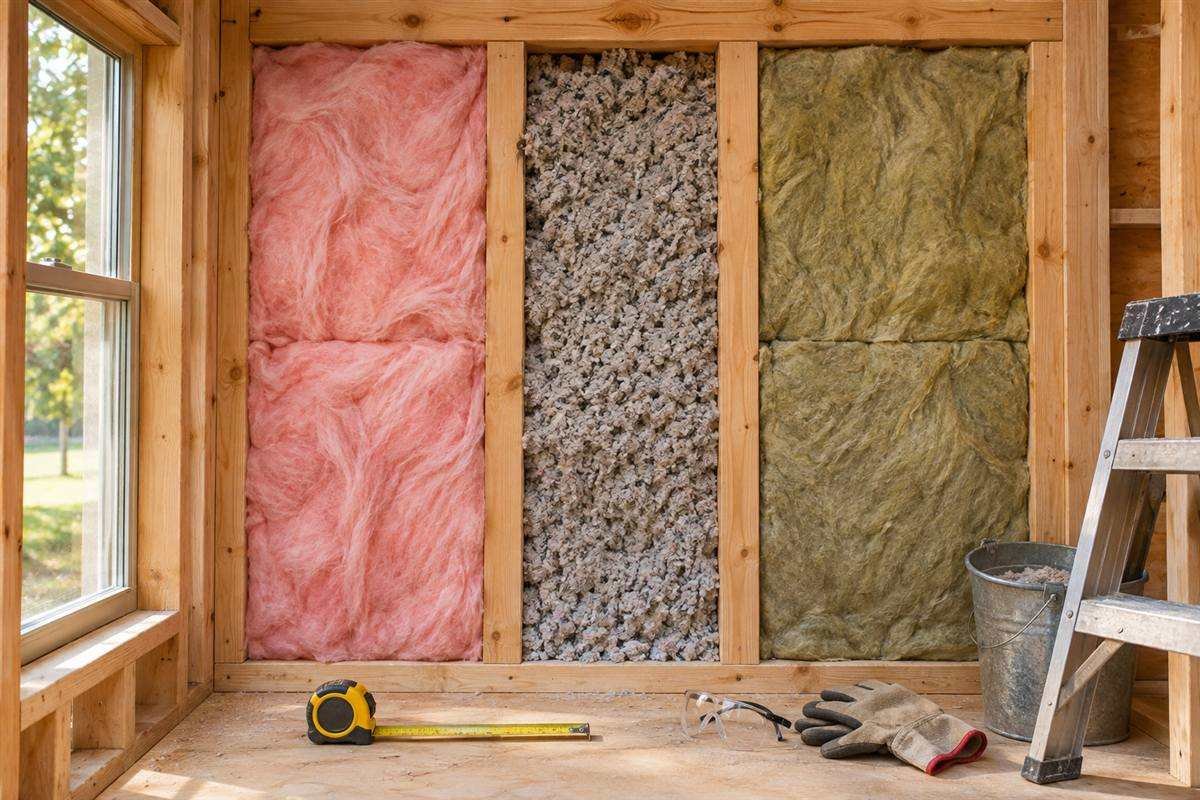
A facing is a layer bonded to one side of a batt. Kraft paper is common; some products use foil or another facer. Depending on the product, it can slow vapor diffusion and provide tabs that help secure the batt. The material’s permeance and fire characteristics vary, so the product label and technical sheet matter. The fiberglass, mineral wool, or other insulation inside the batt provides most of the thermal resistance.
Vapor control is different from air control. Air leaks can carry moisture through gaps around wiring, framing, windows, and plumbing. A batt does not seal those paths. A paper facer may cover the batt face, but seams and edges still need to fit the designed air-control layer. The Department of Energy explains that vapor-retarder placement depends on climate and construction, while air sealing remains a separate part of the enclosure strategy.
Check these four things before choosing a direction
- Climate and indoor conditions: does the home mainly heat, cool, or switch seasons?
- Wall location: is it an above-grade exterior wall, an interior partition, a basement, or a garage boundary?
- Existing materials: is there polyethylene, foil, rigid foam, vinyl wallpaper, or another low-permeance layer?
- Product and code: what do the batt instructions and current local requirements say?
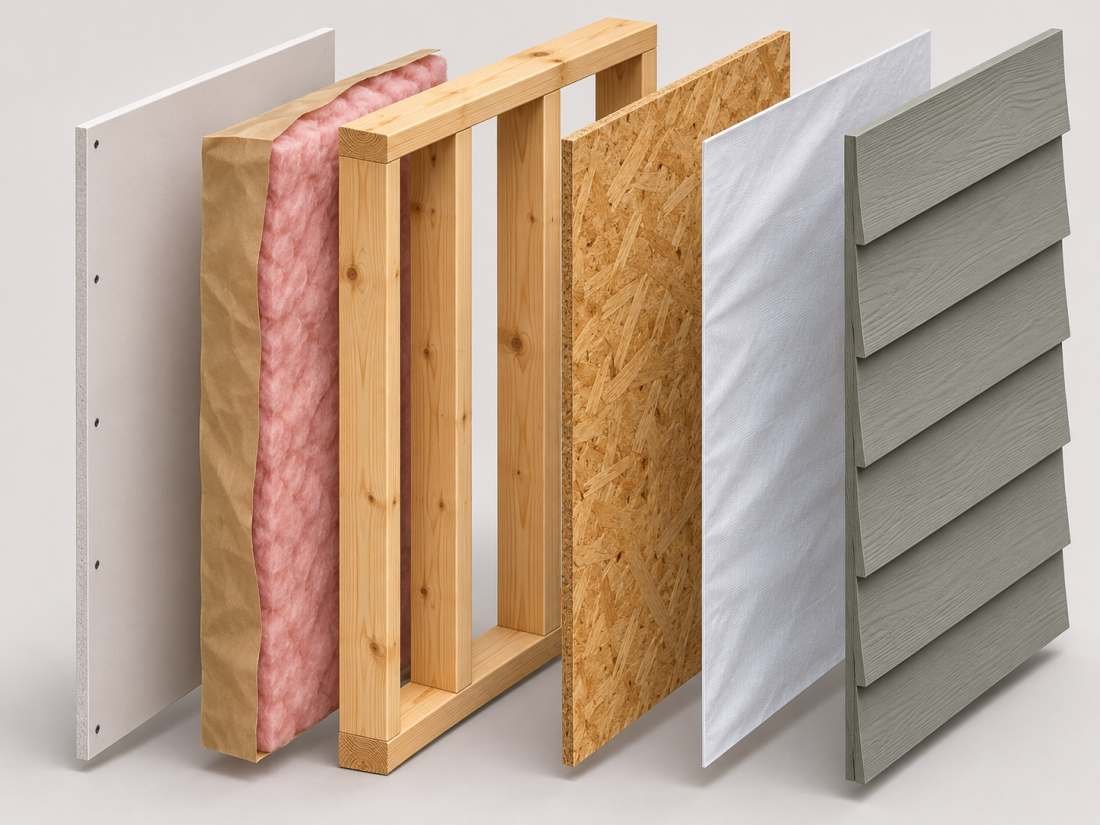
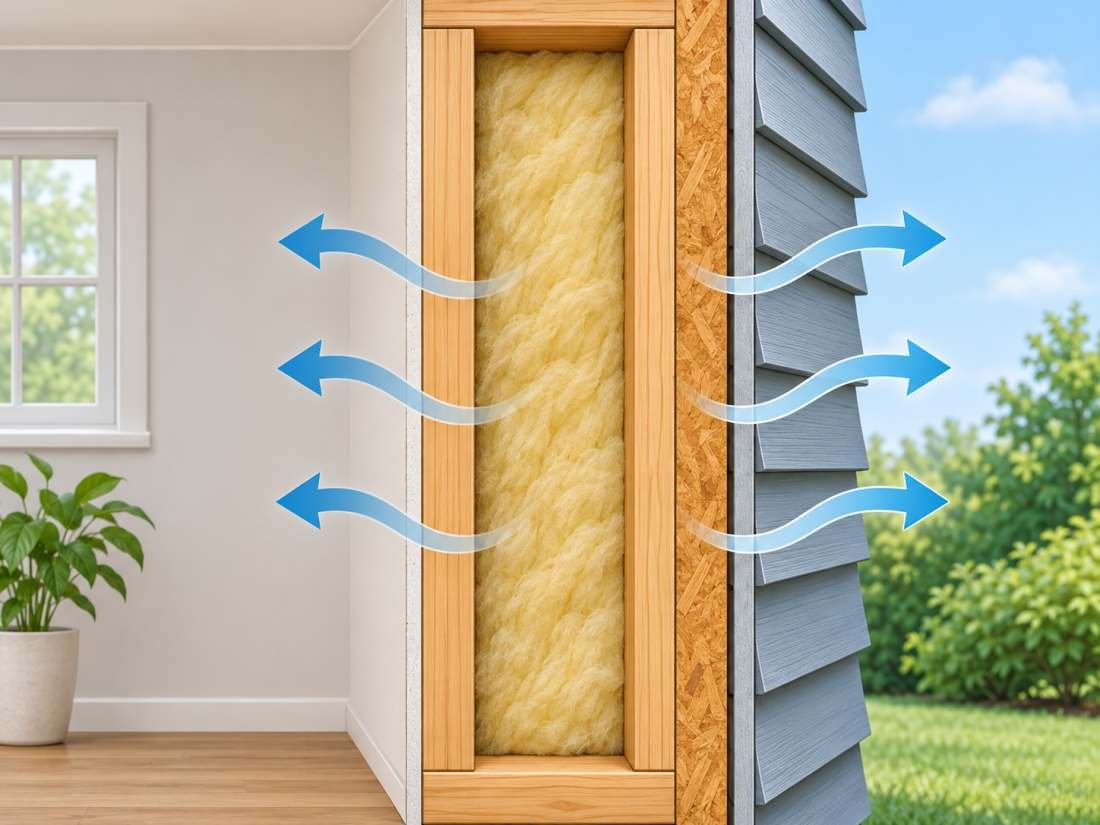
These checks matter because vapor can move in different directions at different times of year. In winter, warm indoor air may drive moisture toward cold exterior layers. In hot, humid weather, outdoor moisture can move inward while air-conditioning cools the interior. A wall that cannot dry in either direction may accumulate moisture. That is why a diagram of the complete wall is more useful than a quick “paper up” or “paper down” answer.
Common situations and the right question to ask
Heating-dominated exterior walls
For many standard framed walls in cold or heating-dominated regions, faced batts are installed with the retarder toward the conditioned interior when the assembly and code call for it. The paper usually sits behind the drywall. Yet the exact class of vapor retarder, exterior sheathing, cladding, and ventilation detail affects whether the wall can dry outward. Read both the batt instructions and the wall design; never add plastic sheeting just because it is familiar.
Hot-humid and mixed climates
In a hot-humid region, air-conditioning can make the interior cooler than outdoors for long periods. Moisture may move inward, so an interior low-permeance layer could limit drying in a way that a cold-climate rule does not account for. Mixed climates also change direction seasonally. Use the local code and a wall-specific design. The DOE guidance discourages treating the warm-in-winter shortcut as universal, especially where summer cooling is common.
Interior partitions
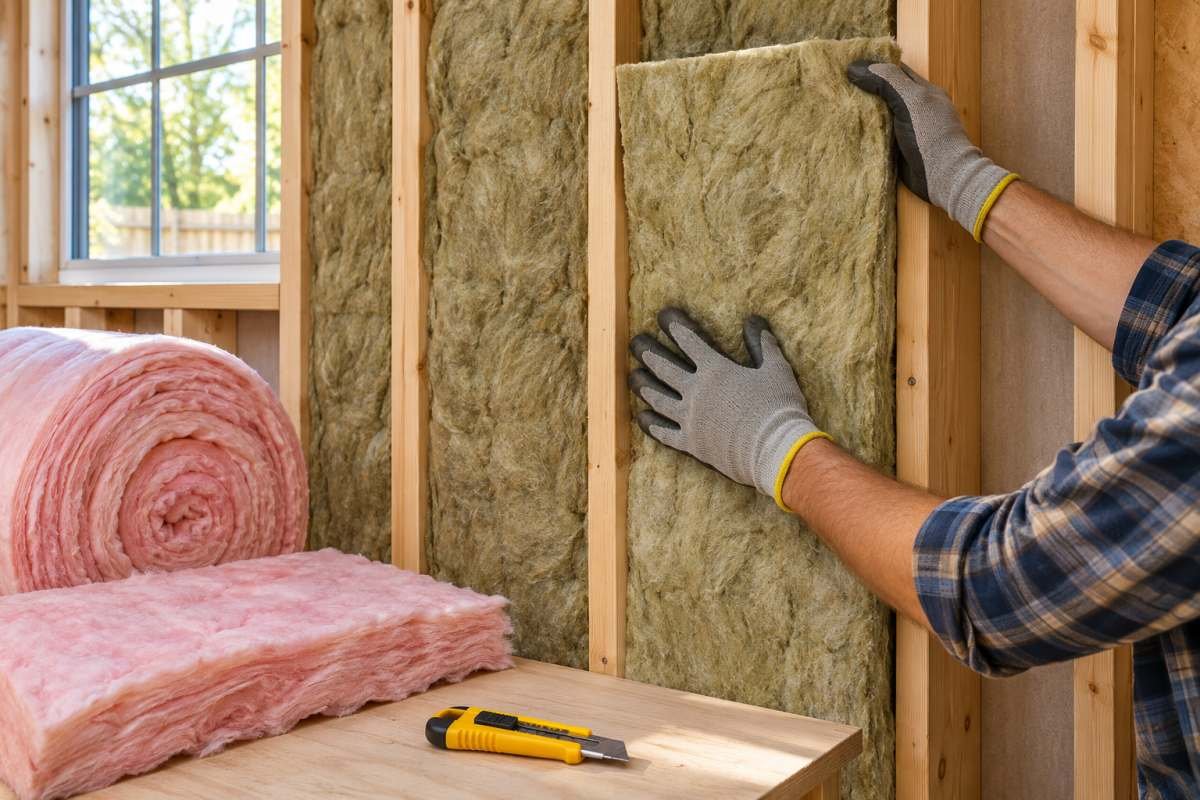
A partition between rooms at similar temperatures usually does not need a vapor-retarder facing for thermal reasons. Unfaced batts are often easier to fit and avoid adding a facer that the assembly does not need. The partition may still need insulation for sound control or fire-rated construction, so select a product designed for that use. Follow the tested assembly where the wall separates a garage, utility room, or dwelling unit.
Basement and below-grade walls
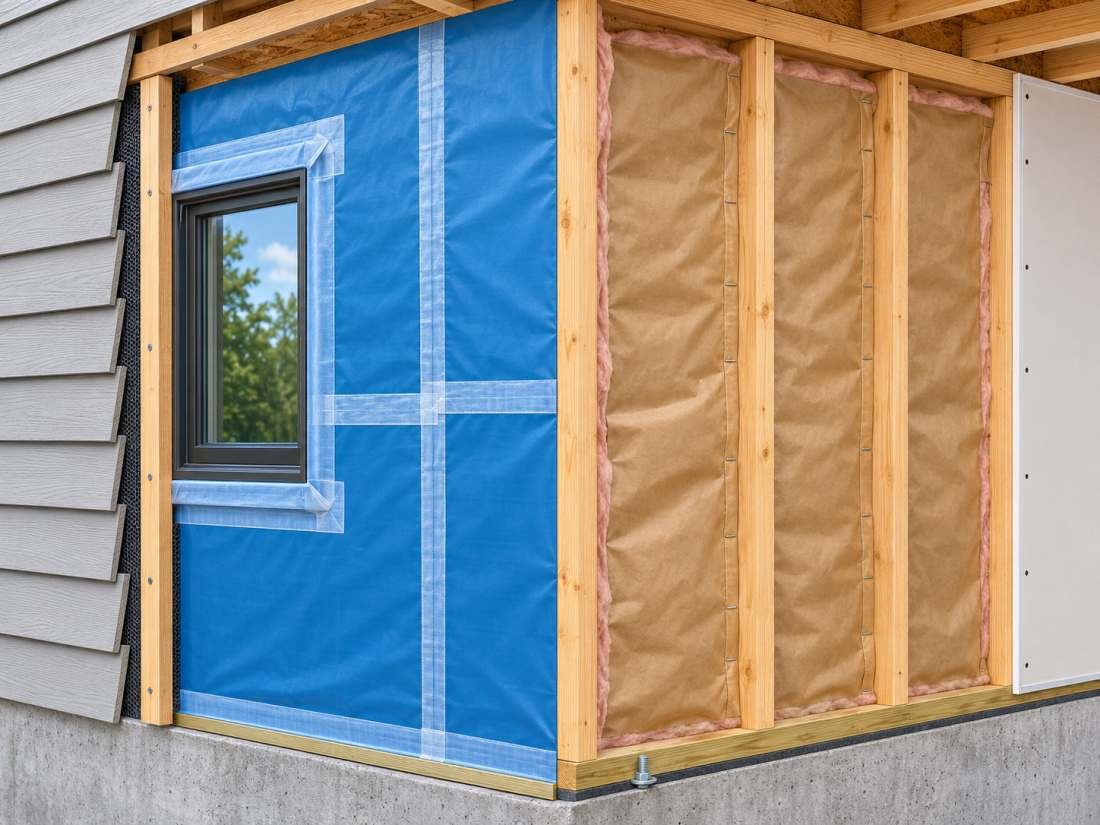
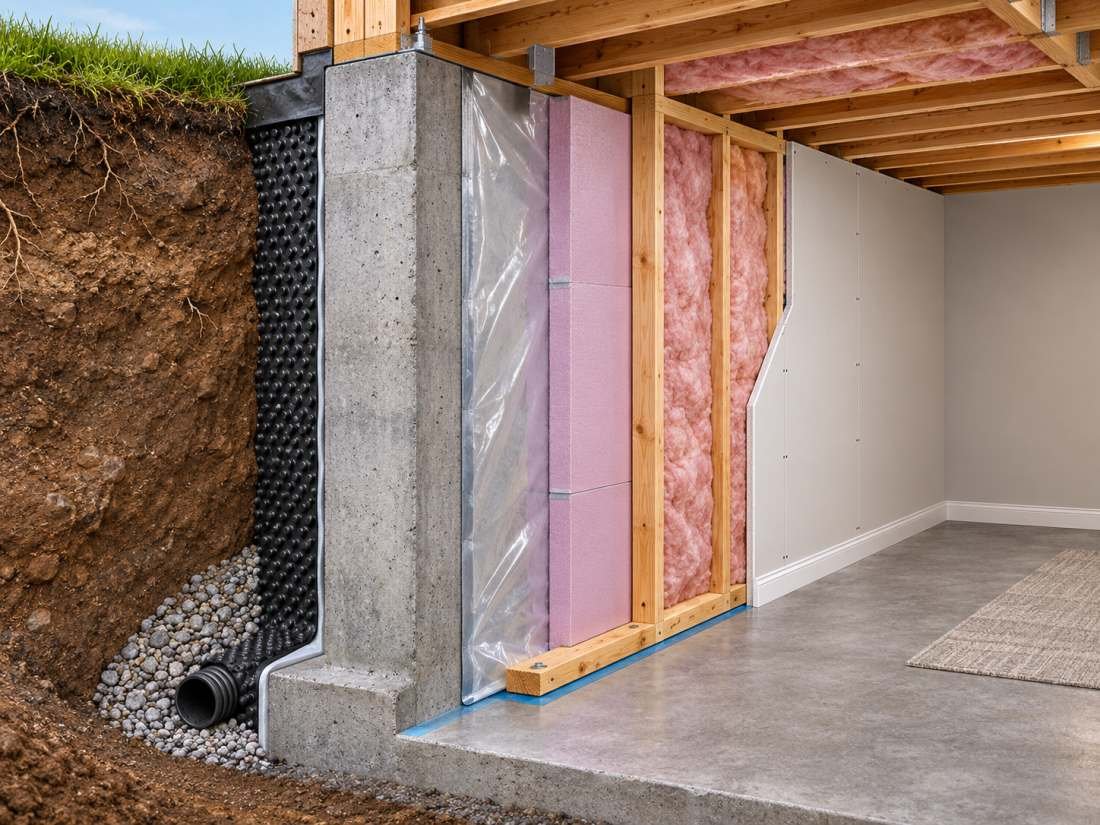
Basements behave differently from above-grade walls because concrete and masonry can hold or transmit moisture. Do not assume kraft facing or interior polyethylene belongs on every basement wall. Building America guidance warns that some highly impermeable interior layers can trap moisture behind air-permeable insulation in below-grade assemblies. Check the foundation’s water-management condition, insulation type, and permitted vapor-control detail before finishing the wall.
Garage walls and unconditioned spaces
A wall between a home and an attached garage is an exterior thermal boundary, but it also has fire and air-separation requirements. The facing direction does not determine whether the wall meets those requirements. Use insulation and drywall assemblies permitted by local code, seal appropriate penetrations, and keep the paper facer covered when a protective finish is required. If a garage is heated or cooled, the moisture and thermal conditions may differ from an unconditioned garage.
How to decide on an existing wall
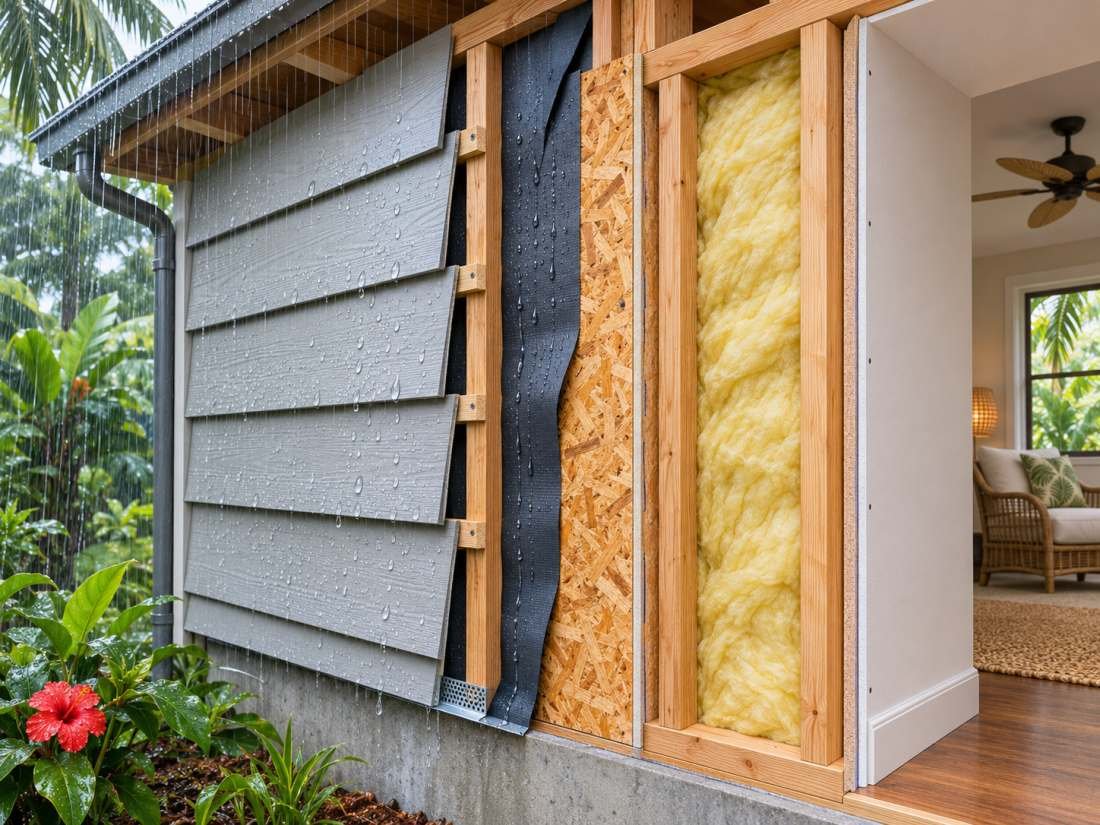
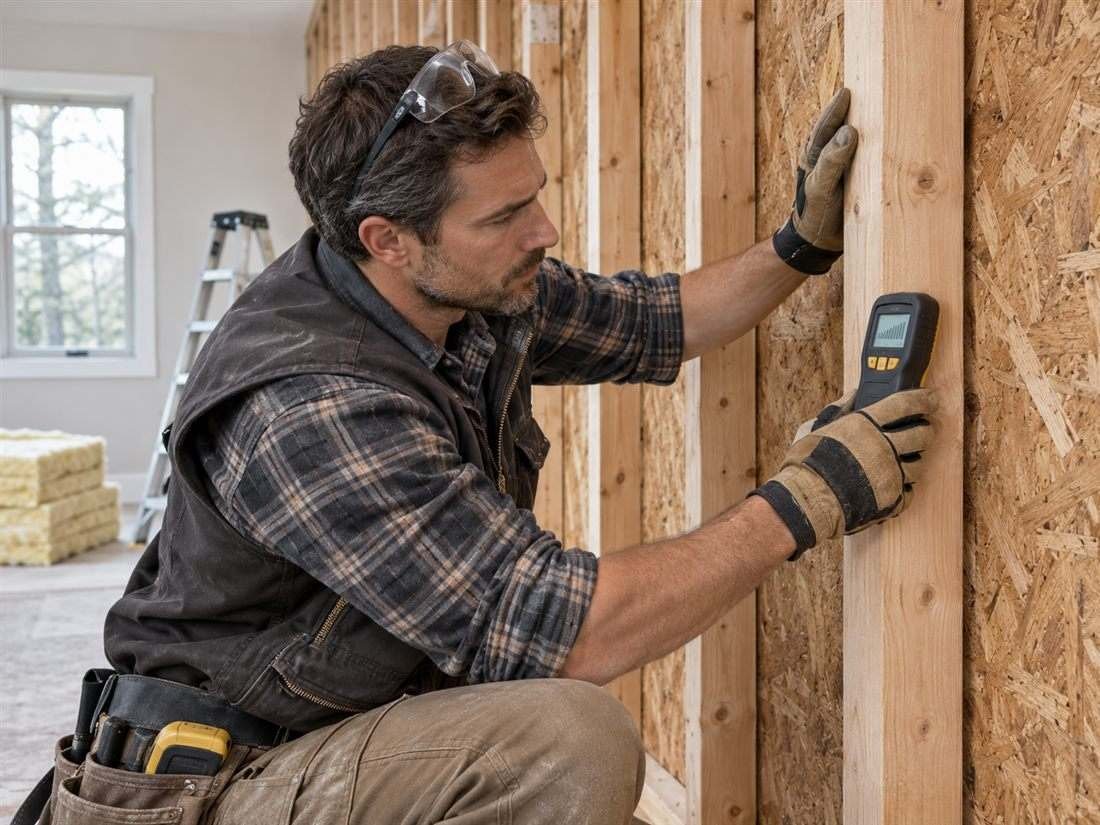
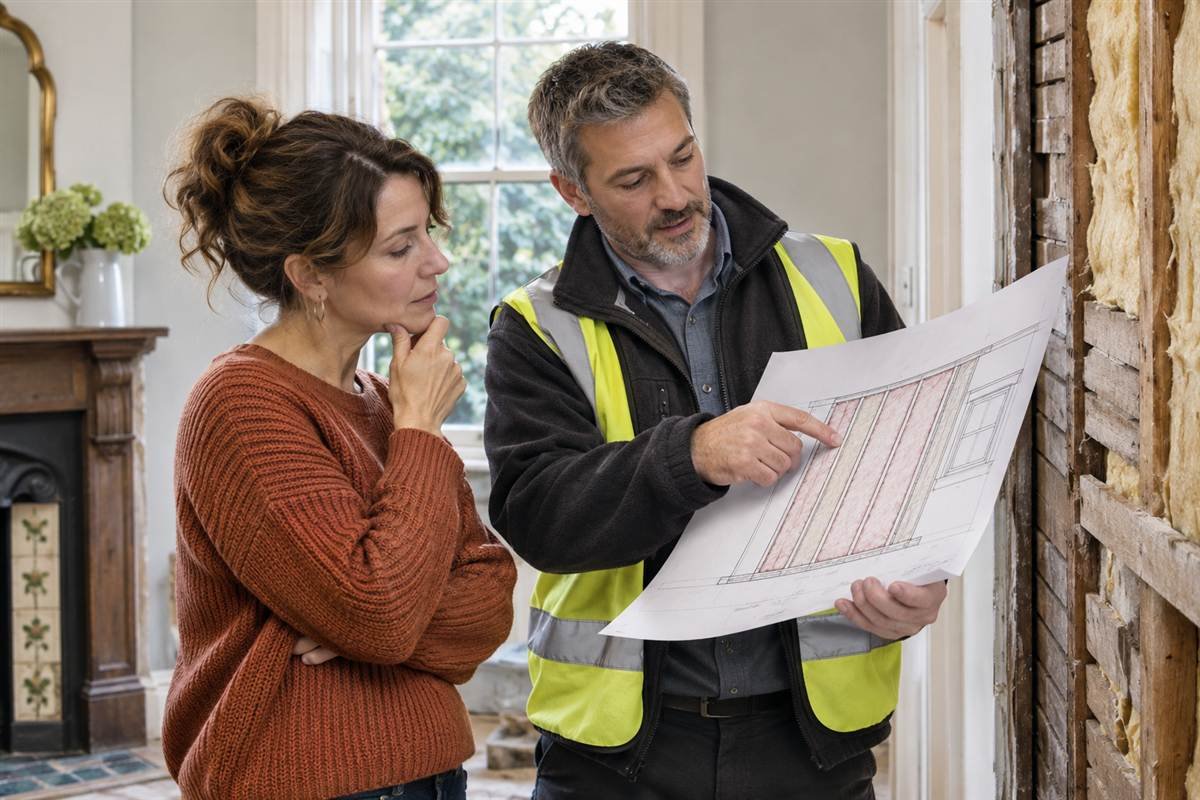
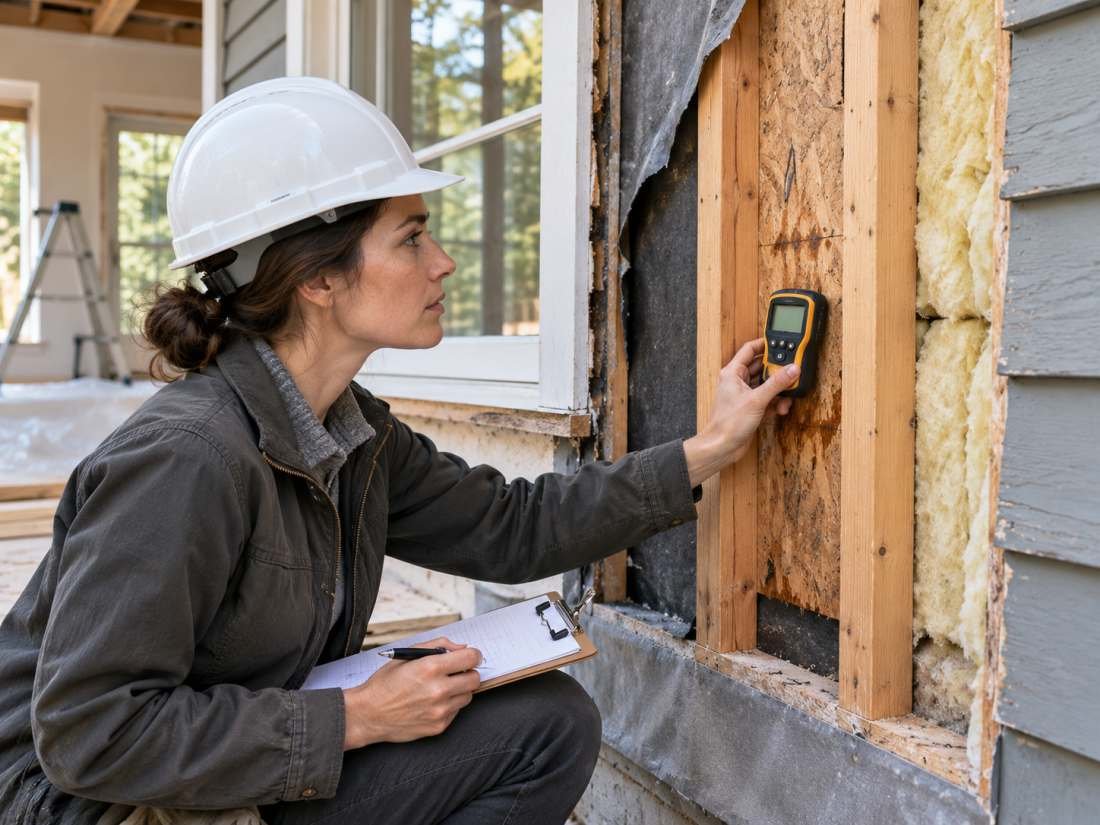
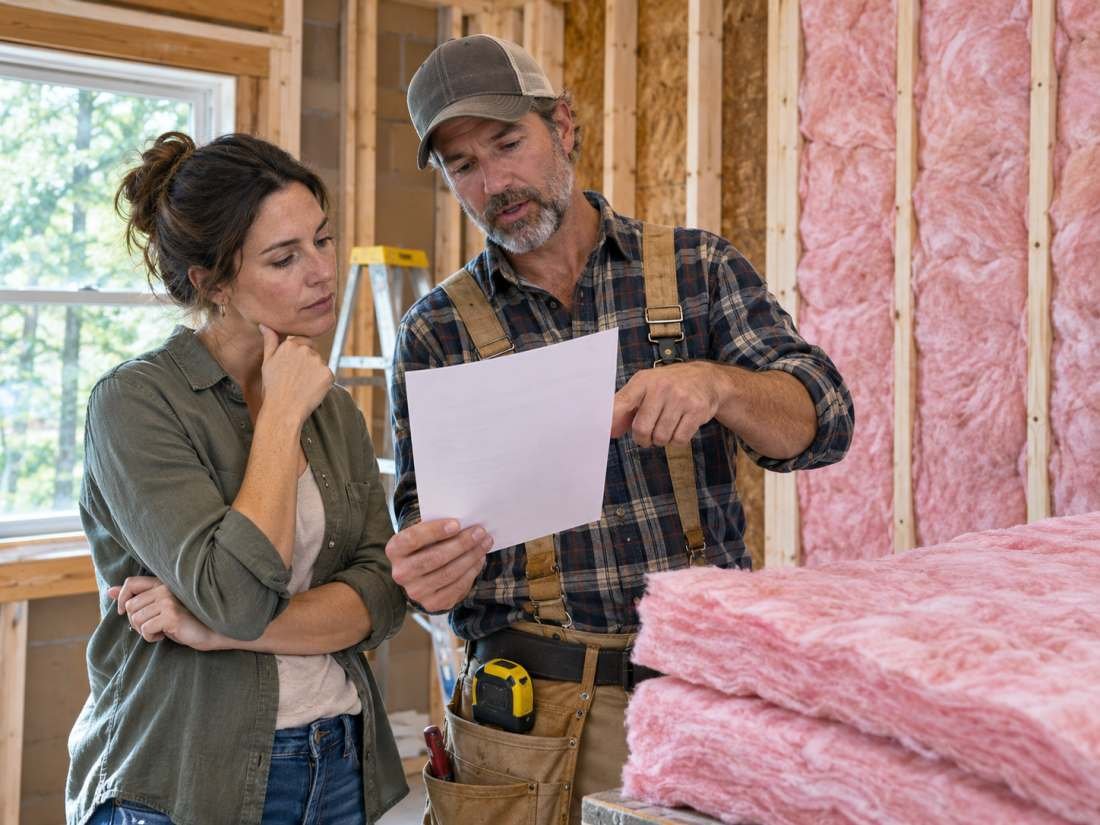
Before closing a renovation wall, write down the layers from indoors to outdoors. Include drywall, paint or wallpaper, the batt and facing, sheathing, foam, housewrap, and cladding. Note whether the wall is above grade and whether it has ever shown damp spots, mold, or peeling finishes. If you cannot identify a layer, inspect a small area or ask a building professional. The goal is to know where vapor resistance sits and which direction the wall can dry.
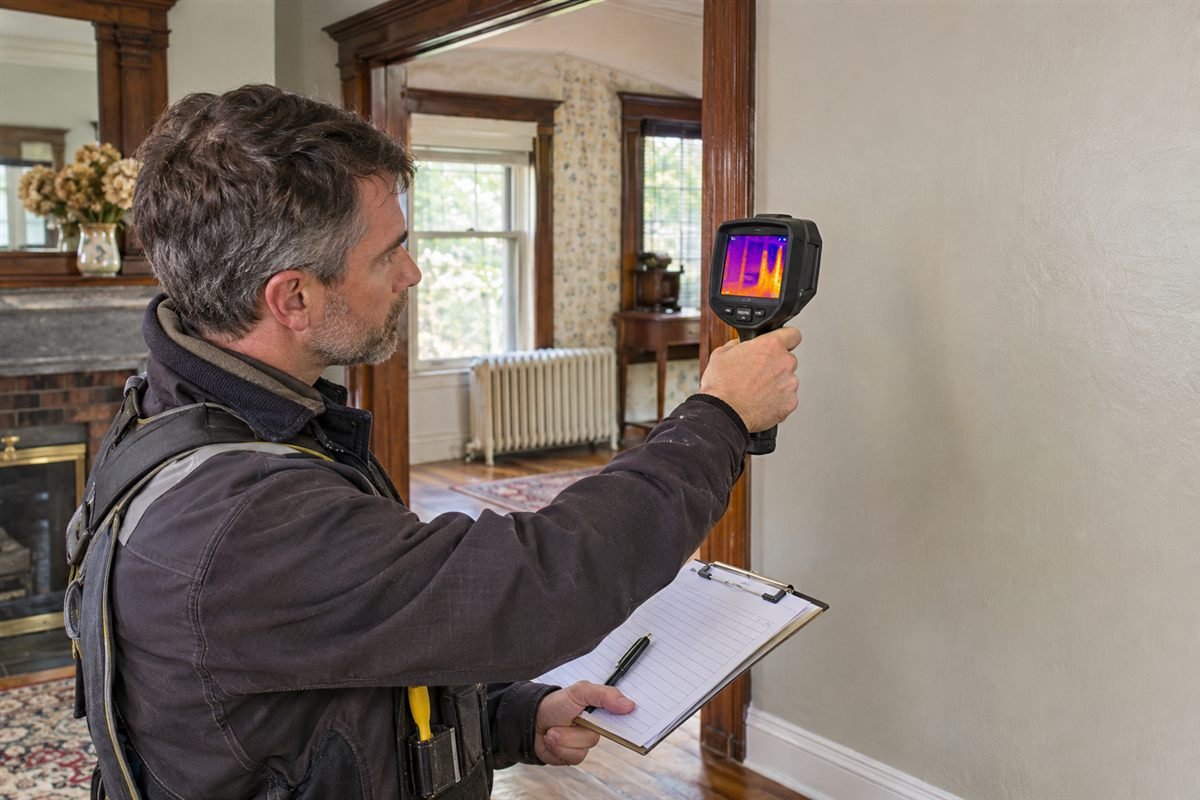
Next, check the product data sheet for the facing type and allowed applications. Confirm the local climate zone and current code with the building department or qualified contractor. Do not infer a code requirement from an online article written for another state. For complex walls—especially masonry, exterior rigid foam, foil-faced sheathing, or old buildings—ask a building-science professional to assess condensation risk before adding another layer.
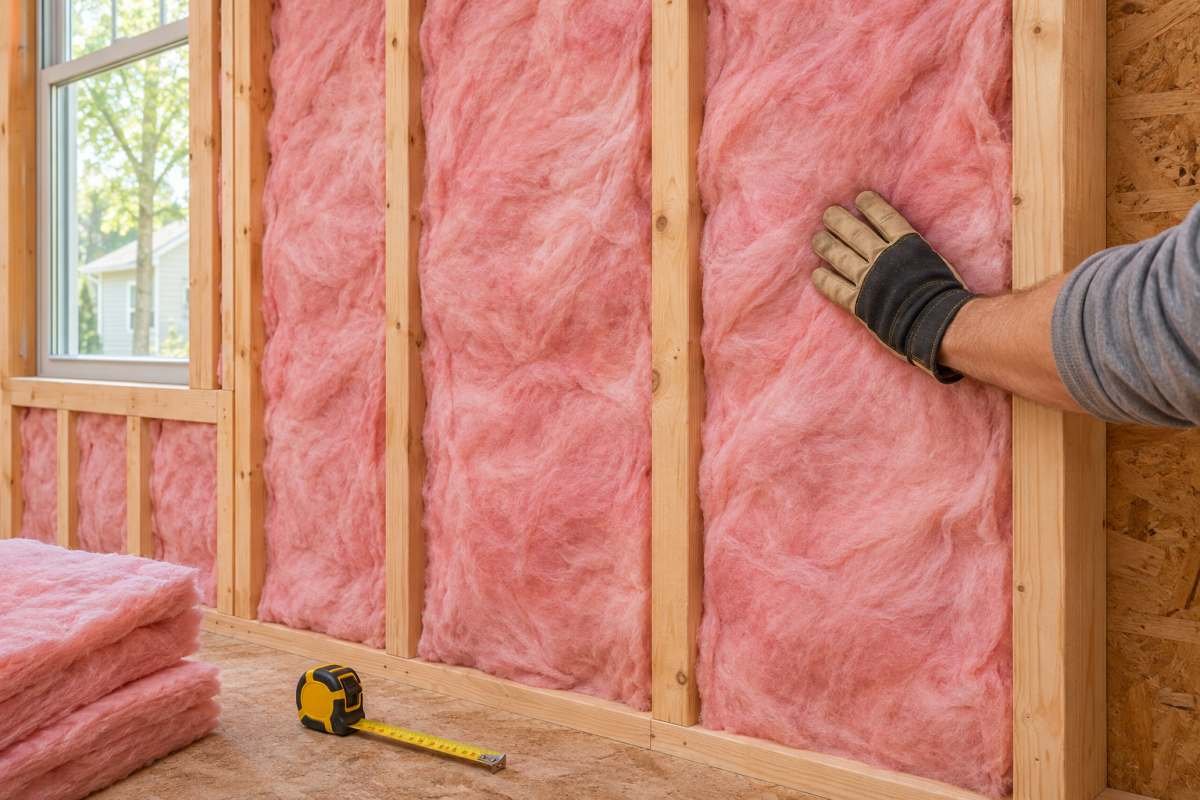
Finally, keep moisture controls distinct. Repair leaks and direct rain away from the wall. Seal air leaks with compatible materials. Install insulation to the full cavity depth without gaps. Then place the vapor retarder only where the assembly calls for it. The Building Science Education page on air barriers and vapor barriers explains why those layers perform different jobs.
If the facing is already pointed the other way
A backwards-looking facer does not automatically mean the entire wall must be torn open. First determine what product it is, where it sits, whether the wall is dry, and whether the assembly has a second vapor retarder. A facer on the wrong side may be harmless in some conditions and a moisture concern in others. Do not flip batts or add plastic until the complete layer order is understood.
Watch for persistent condensation, damp or sagging insulation, soft wood, staining, peeling paint, or musty odors. These clues call for investigation, not merely changing the paper direction. Find and repair the source of moisture, then have the wall assembly evaluated. If no symptoms exist, a qualified contractor may be able to check the layers without removing all the finish.
Frequently asked questions
Should insulation face the warm side in winter?
That is a common guide for some heating-dominated wall assemblies, but it is not universal. Hot-humid climates, summer air-conditioning, basements, and exterior foam can change vapor movement and drying. Follow the assembly design and local code.
Does the paper side always face the drywall?
No. It often faces the room in conventional cold-climate walls, but the facing should go where the wall design requires. Check the exact product, wall layers, and climate before fastening it.
Which way should unfaced insulation go?
Unfaced batts have no attached vapor-retarder facer, so they do not have a paper side to orient. Still, fit them to the cavity and install any separate air or vapor-control layers according to the wall design.
Conclusion
For many heating-dominated framed walls, faced insulation points toward the conditioned interior. But the dependable answer comes from the wall’s climate, layers, and drying strategy, not from one slogan. Identify the assembly, check the manufacturer instructions and local code, and avoid trapping moisture between low-permeance layers. For material choices and installation methods, return to our wall insulation resource.