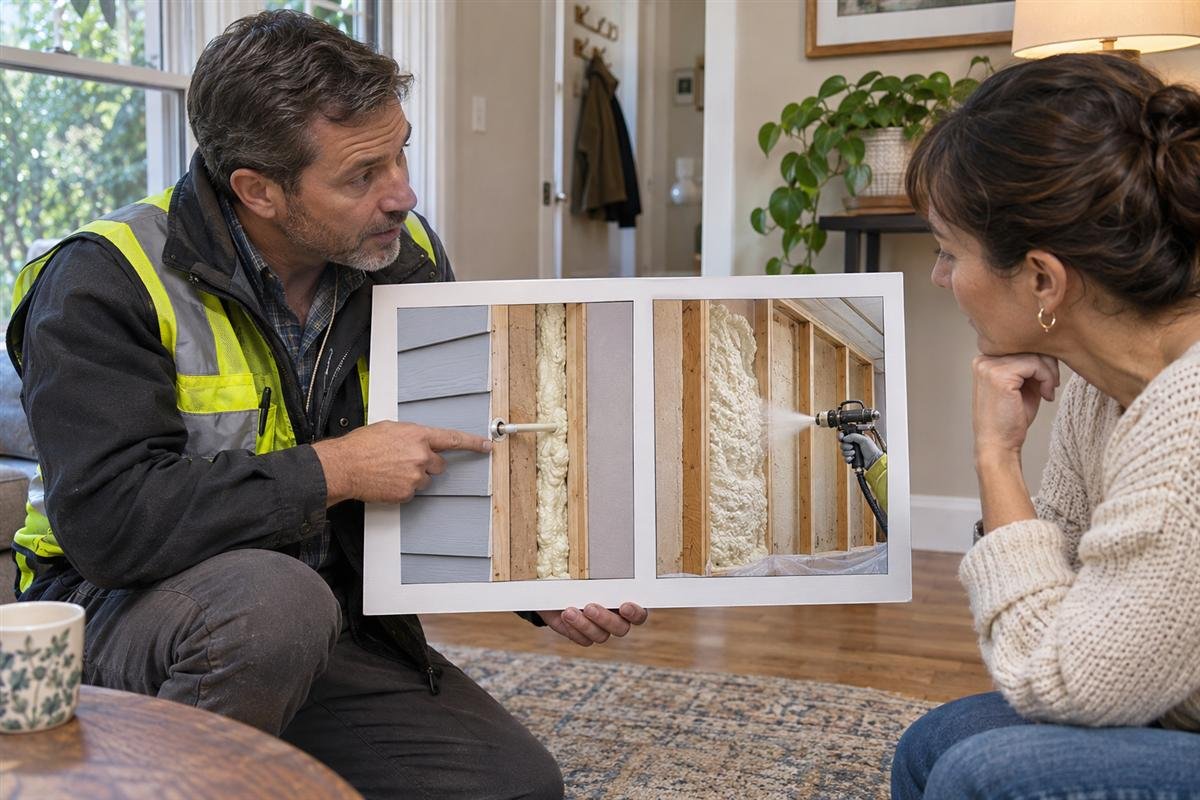
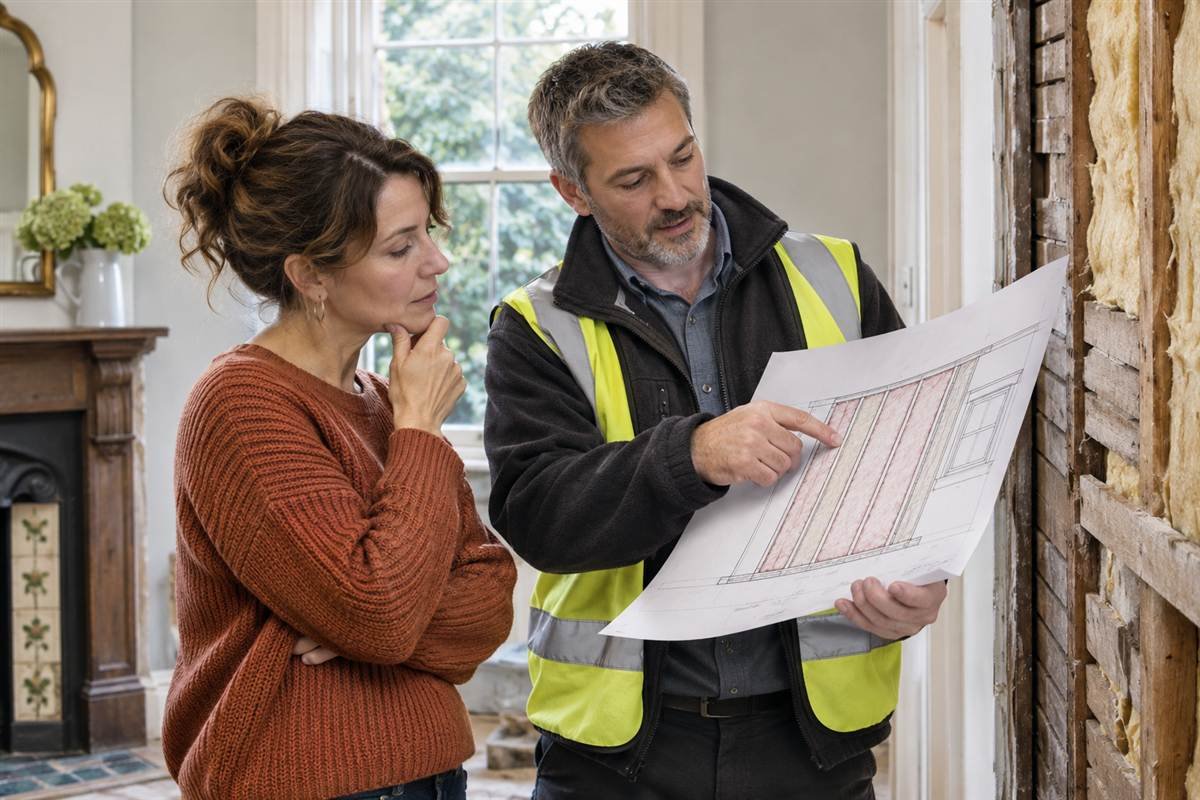
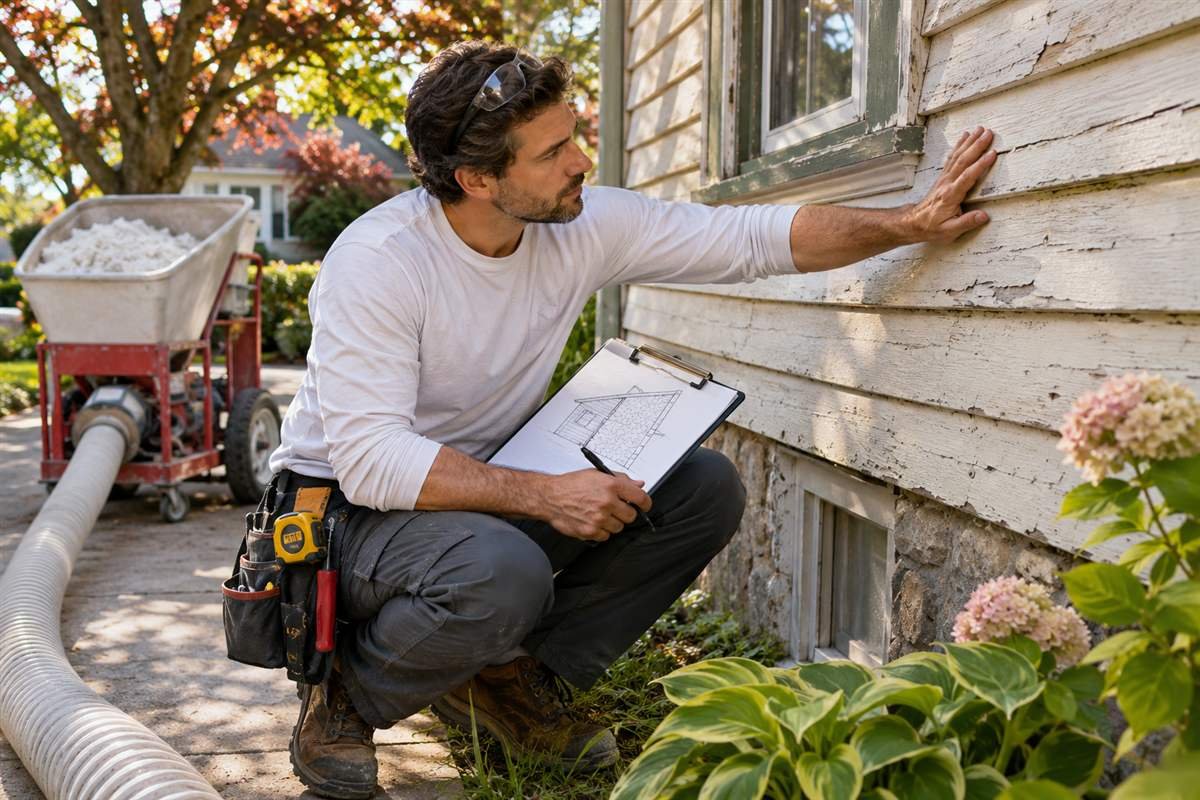
Wall insulation faced or unfaced is not a choice based only on which batt looks easier to install. Faced insulation has a paper or foil layer that may act as a vapor retarder; unfaced insulation does not include that attached layer. The right product depends on climate, wall construction, existing materials, code, and how the wall can dry. This guide compares both options without treating either one as best for every home.
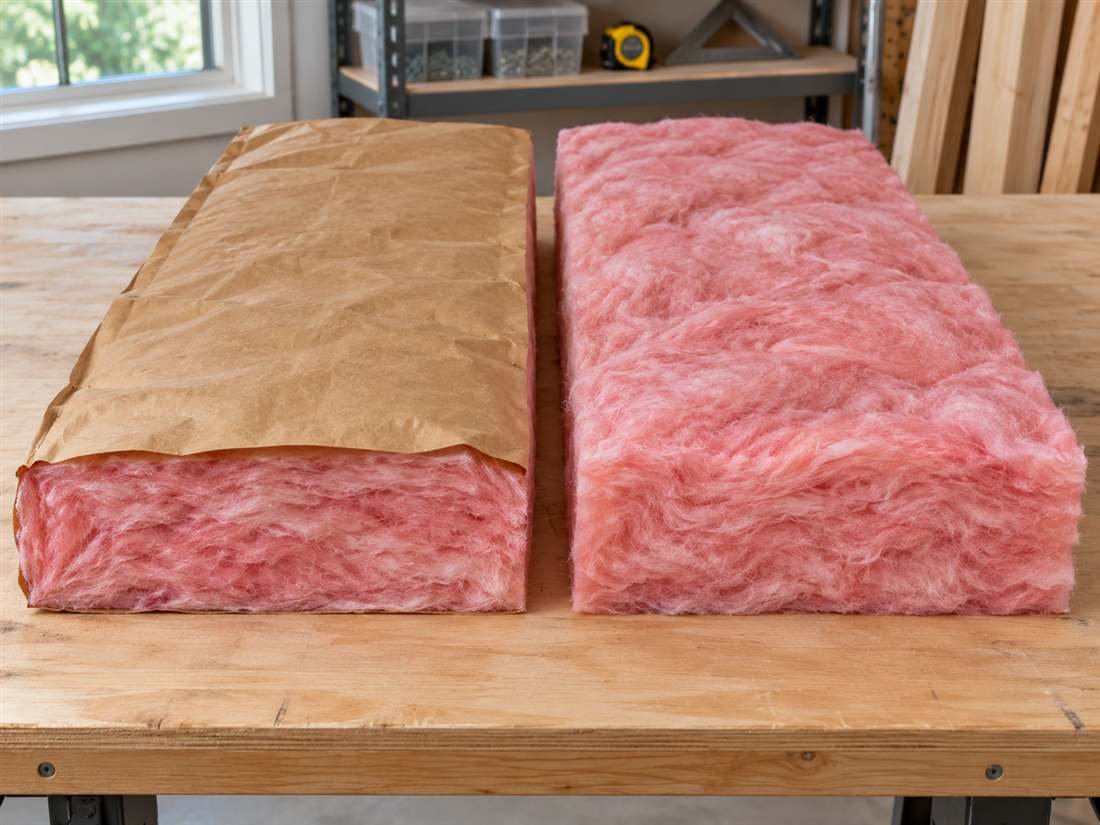
If you are comparing faced or unfaced insulation for walls, start by identifying where the wall sits in the building. An exterior wall, interior partition, basement, and garage boundary have different moisture, thermal, and fire needs. For the broader overview, see our wall insulation guide.
Faced vs unfaced insulation: the quick answer
Choose faced batts only when the wall design and local code call for their attached vapor retarder, and install the facing on the required side. Choose unfaced batts when the assembly does not need that facer, when a separate vapor-control layer is specified, or when adding a second layer over existing insulation. However, unfaced does not mean moisture-proof or automatically safer. Both products need correct fitting, air sealing, rain control, and fire protection as required.
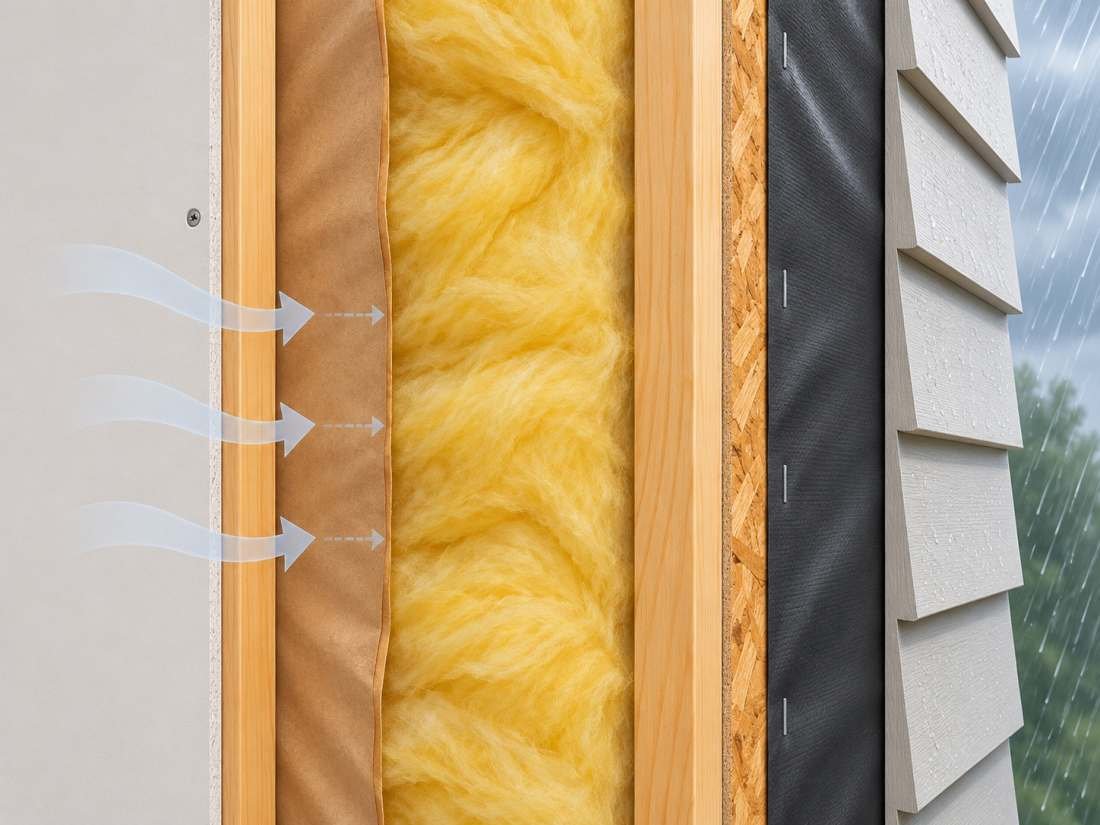
A facing does not create the insulation’s R-value. It can slow vapor diffusion and provide fastening flanges, depending on the product. The U.S. Department of Energy classifies kraft-faced fiberglass as a vapor-retarder material in its Building America guide. It also warns that vapor-retarder advice varies by climate and wall assembly. See the DOE guide to insulation and vapor retarders for the context behind the decision.
What is faced insulation?
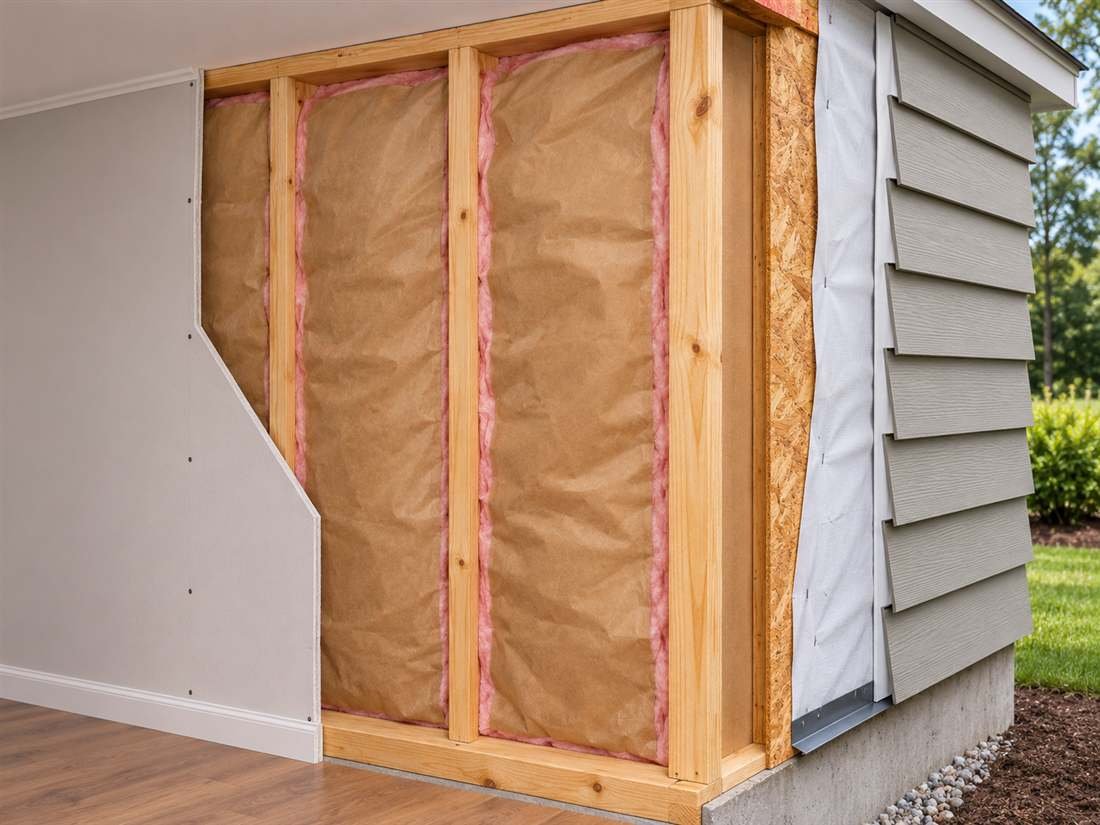
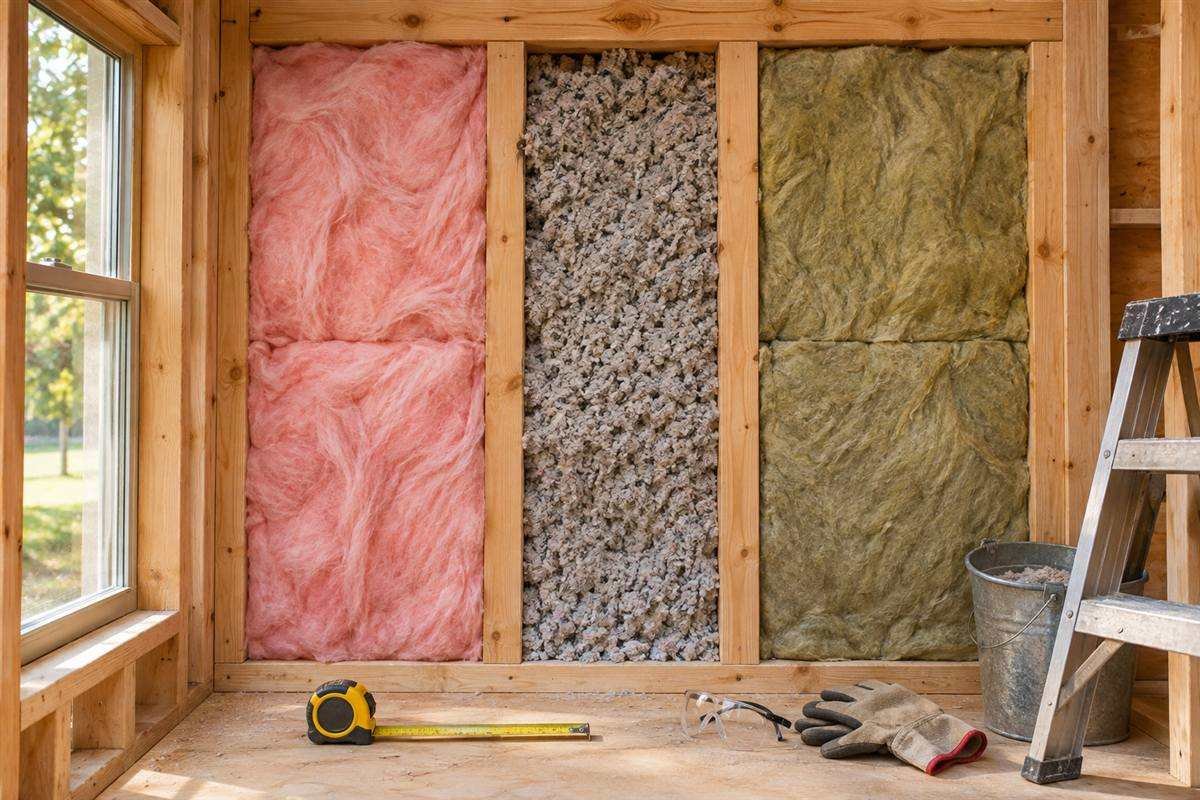
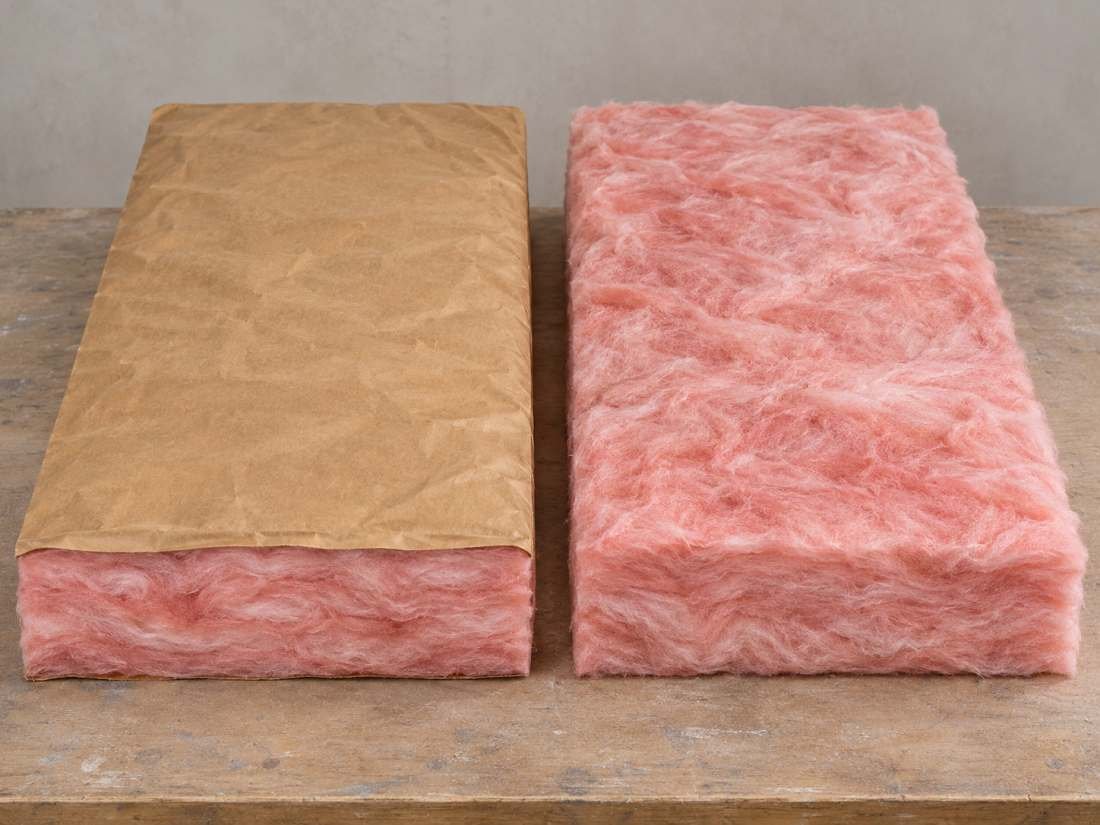
Faced insulation is a batt or roll with a material bonded to one face. Common facers include kraft paper and foil; specialty products may use other coverings. Kraft facing often functions as a vapor retarder and usually includes flanges that installers can staple to framing. Foil facers can have much lower vapor permeance, so their use needs careful review. Check the exact product label rather than assuming that every facing behaves alike.
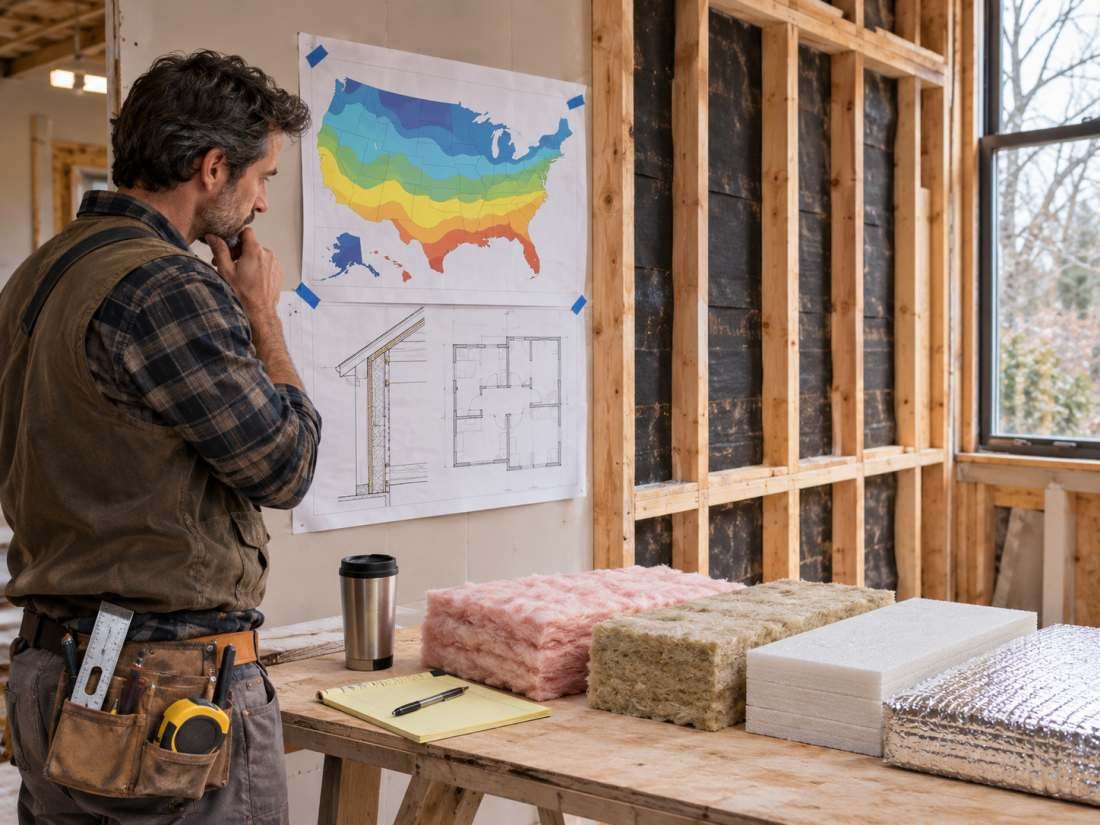
Faced batts may be useful in a new framed exterior wall where the design requires that vapor-control layer and the product fits the cavity. In a heating-dominated climate, the facer often faces the conditioned interior when the assembly is designed that way. Yet a blanket direction cannot cover every hot-humid, mixed-climate, basement, or foam-sheathed wall. The layer must be placed to manage moisture while preserving a safe drying path.
What is unfaced insulation?
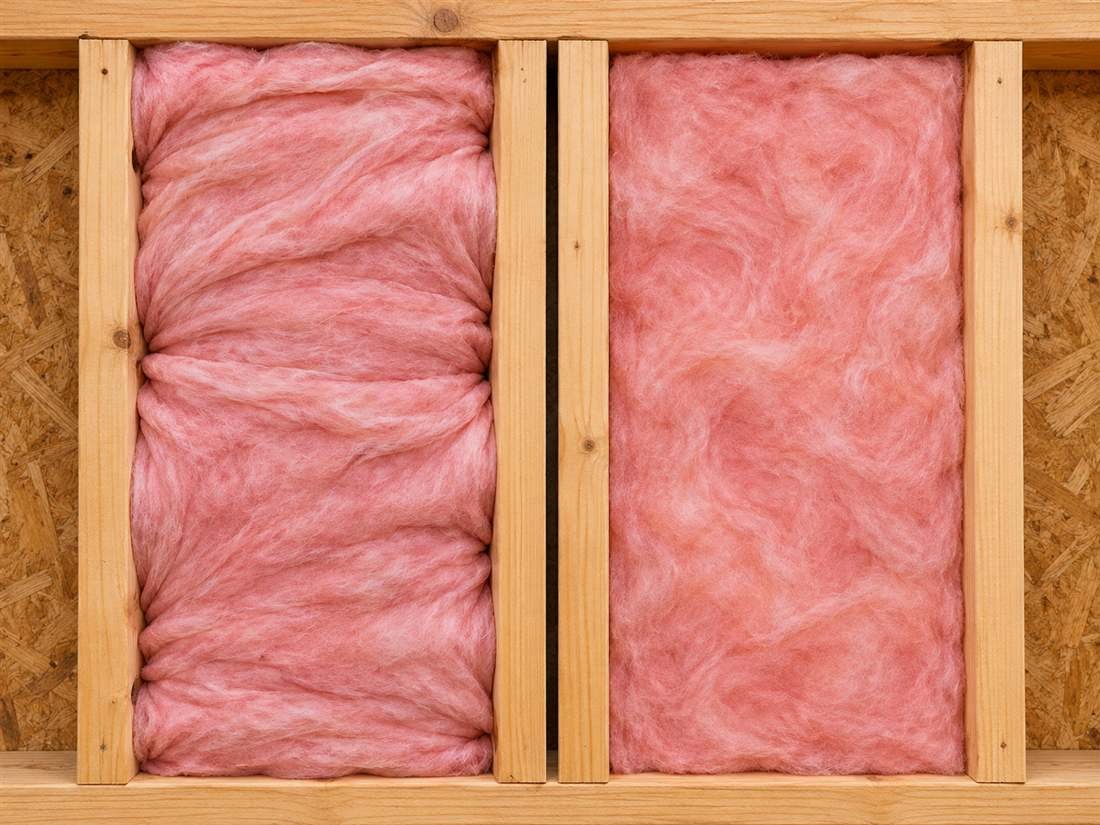
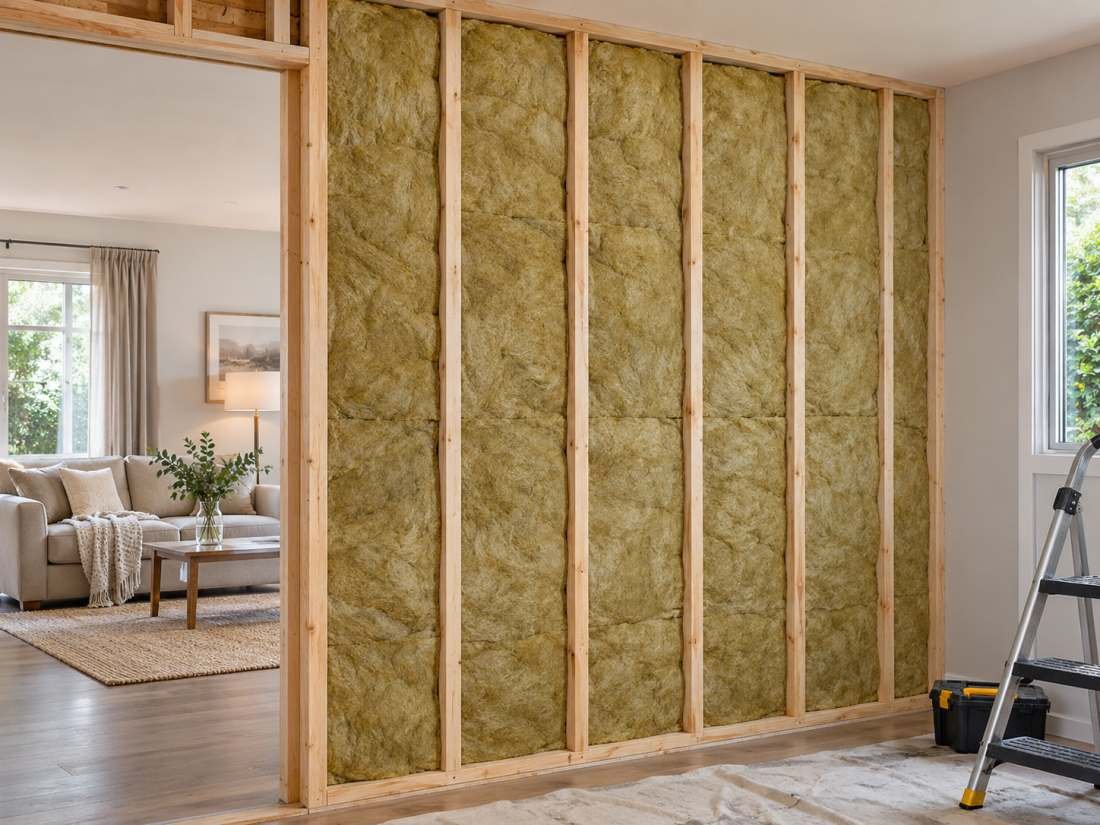
Unfaced insulation is the same general type of batt without the attached paper or foil. The installer can position it either way because there is no facer to turn toward the room. However, the wall may still need a separate vapor retarder, air barrier, or other control layer. Those layers should be continuous and compatible with the rest of the assembly.
Unfaced batts are often chosen for interior partitions, for a second insulation layer, and for exterior walls where the design does not call for an attached facer. They can also reduce the chance of accidentally placing a second vapor retarder, but only if the surrounding wall is reviewed. In a damp basement or wall with existing foil, polyethylene, vinyl wallpaper, or rigid foam, get advice before adding more insulation.
How to choose for exterior walls
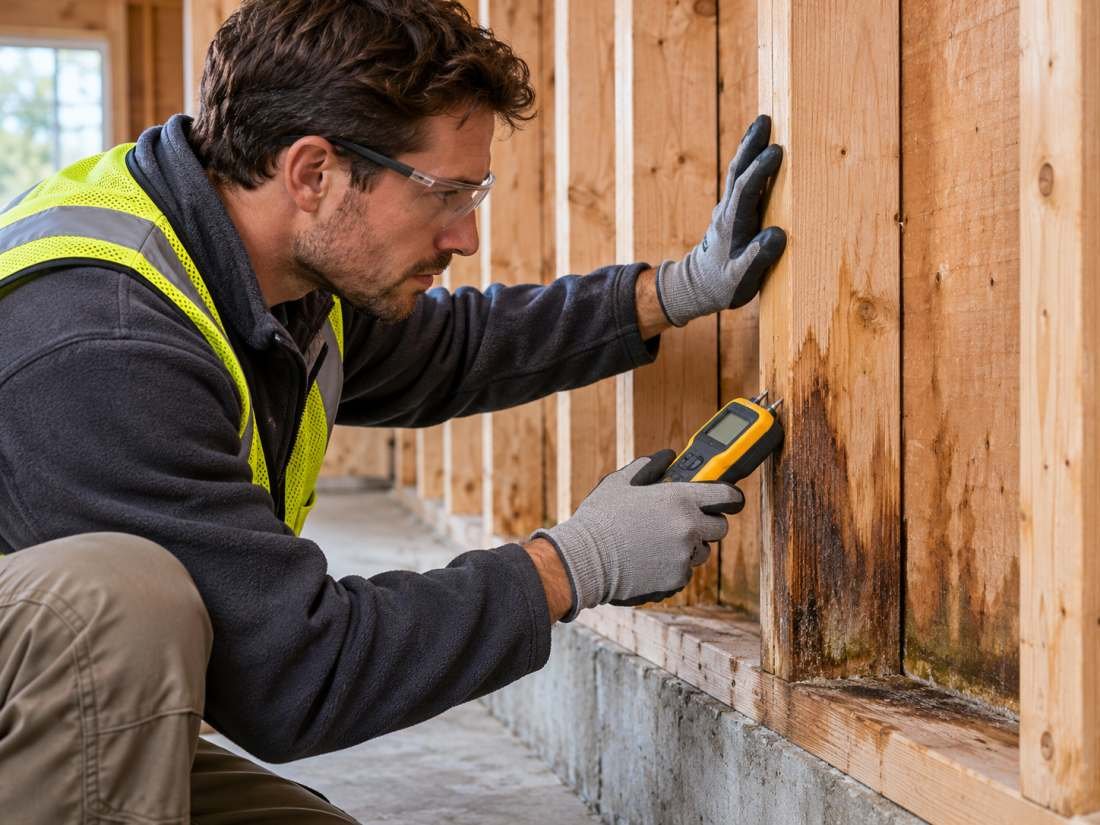
For faced or unfaced insulation in exterior walls, first find out whether the wall is framed, masonry, or a hybrid assembly. Then identify sheathing, housewrap, exterior foam, cladding, interior paint, and any existing vapor-control layer. If water has entered the wall, repair the leak before adding insulation. A new batt will not correct missing flashing, failed siding, or condensation caused by an incompatible layer order.
- New above-grade framed wall: use faced or unfaced batts according to the assembly design and local code.
- Interior partition: unfaced batts are often appropriate when the goal is sound absorption or thermal separation between different-temperature spaces.
- Adding a second layer: unfaced material is often considered so the assembly does not acquire two vapor retarders.
- Basement wall: check moisture movement from concrete and the approved foundation-wall system before using faced batts.
- Wall with exterior foam or foil: calculate or verify the full assembly; do not add an interior retarder by habit.
The DOE Building Science Education resource explains that vapor-retarder need and location depend on climate and construction. It also distinguishes air barriers from vapor retarders. Use the air-barrier and vapor-retarder explanation when reviewing the layers, and verify current local requirements with the building department or a qualified professional.
Can you use unfaced insulation in exterior walls?
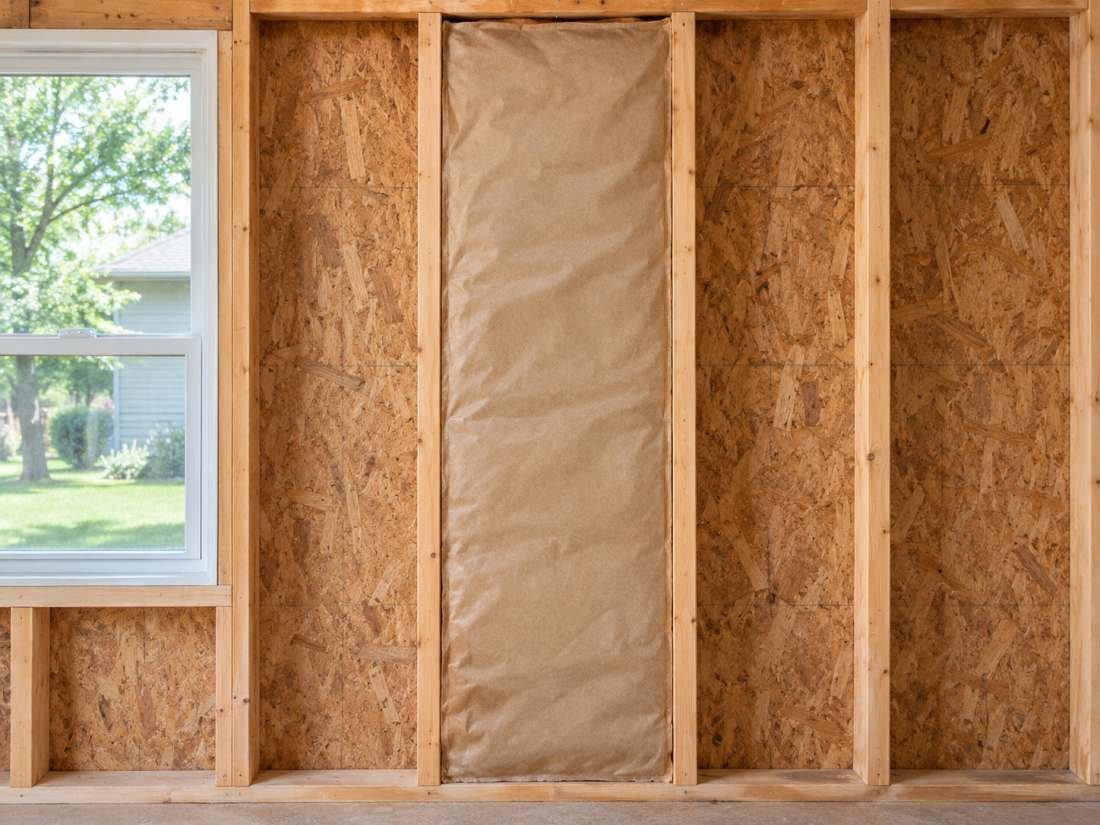
Yes, you can use unfaced insulation in exterior walls when the complete assembly meets its thermal, moisture, air-control, and fire requirements. The missing facer does not prevent a batt from insulating. It simply means the batt does not supply that particular vapor-retarder layer. A separate control layer may still be required, and its location depends on climate and wall design.
Likewise, faced insulation is not automatically the better exterior-wall choice. A facer installed on the wrong side or added over another low-permeance layer can limit drying. A product may also need a protective covering. Read the manufacturer’s installation directions and check whether the assembly is intended for above-grade use, basement use, or another application.
Using faced or unfaced insulation over an existing layer
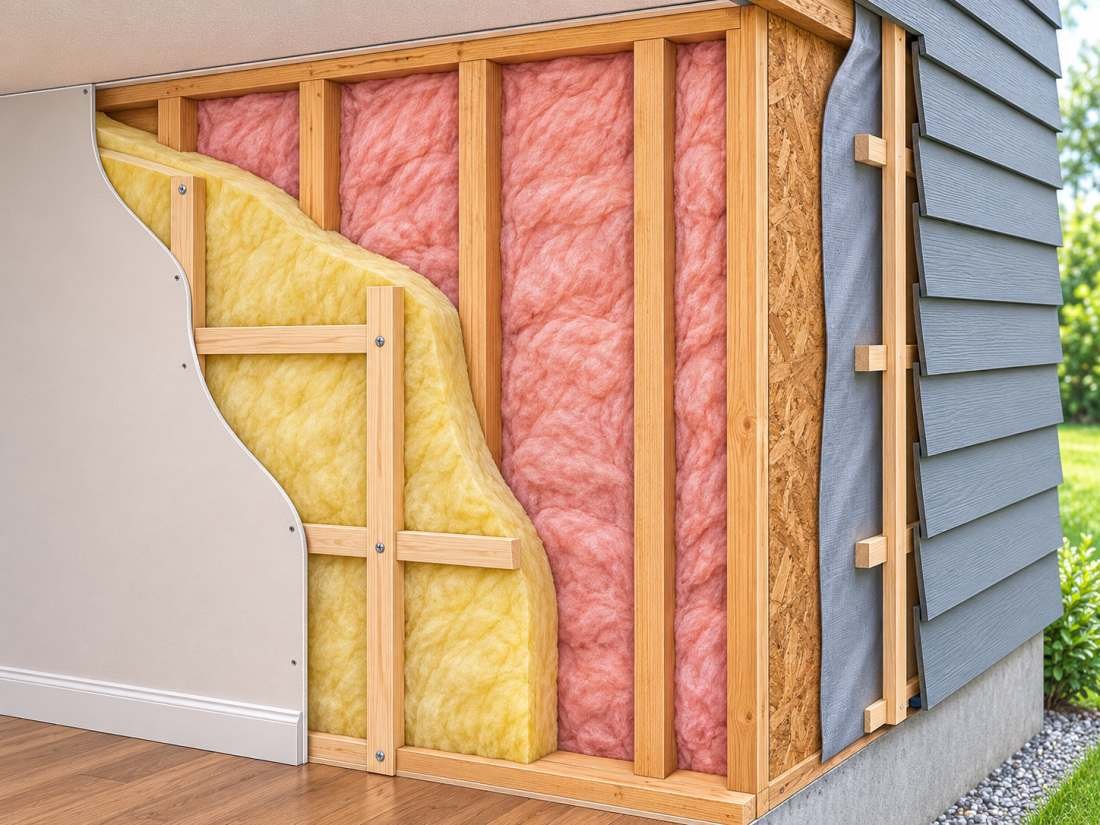
Before adding insulation to an existing wall, identify what is already there. If existing batts have kraft paper or foil, another faced layer could create two vapor-retarding planes. If the old wall has polyethylene or foil-faced sheathing, a new facer might reduce drying further. The correct response is not always to remove the old layer; it is to understand the assembly and select compatible materials.
When a project calls for a second batt layer, unfaced material is commonly selected to avoid adding another attached vapor retarder. Still, the layer order should be checked, especially in exterior walls and basements. The Department of Energy notes that walls should retain a path to dry and that the “warm side” slogan can be difficult to apply in mixed or air-conditioned climates. Ask a contractor or building scientist to assess unusual assemblies.
Installation quality matters more than the paper alone
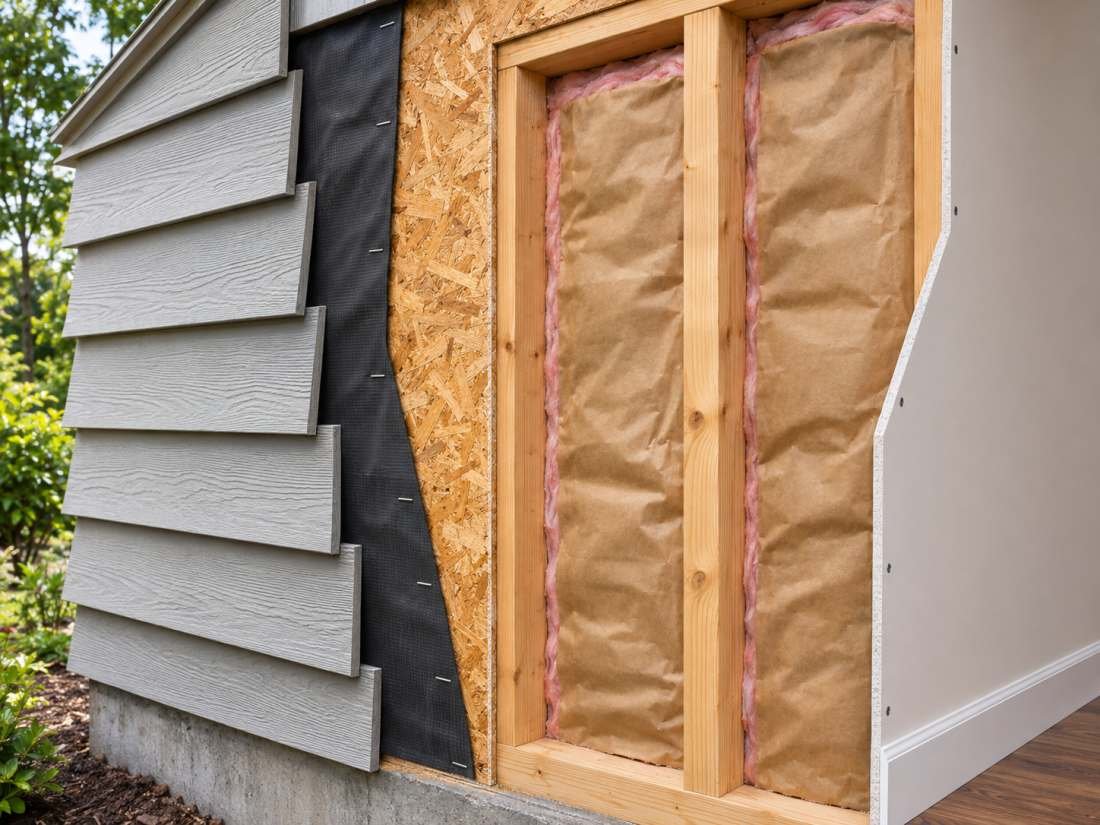
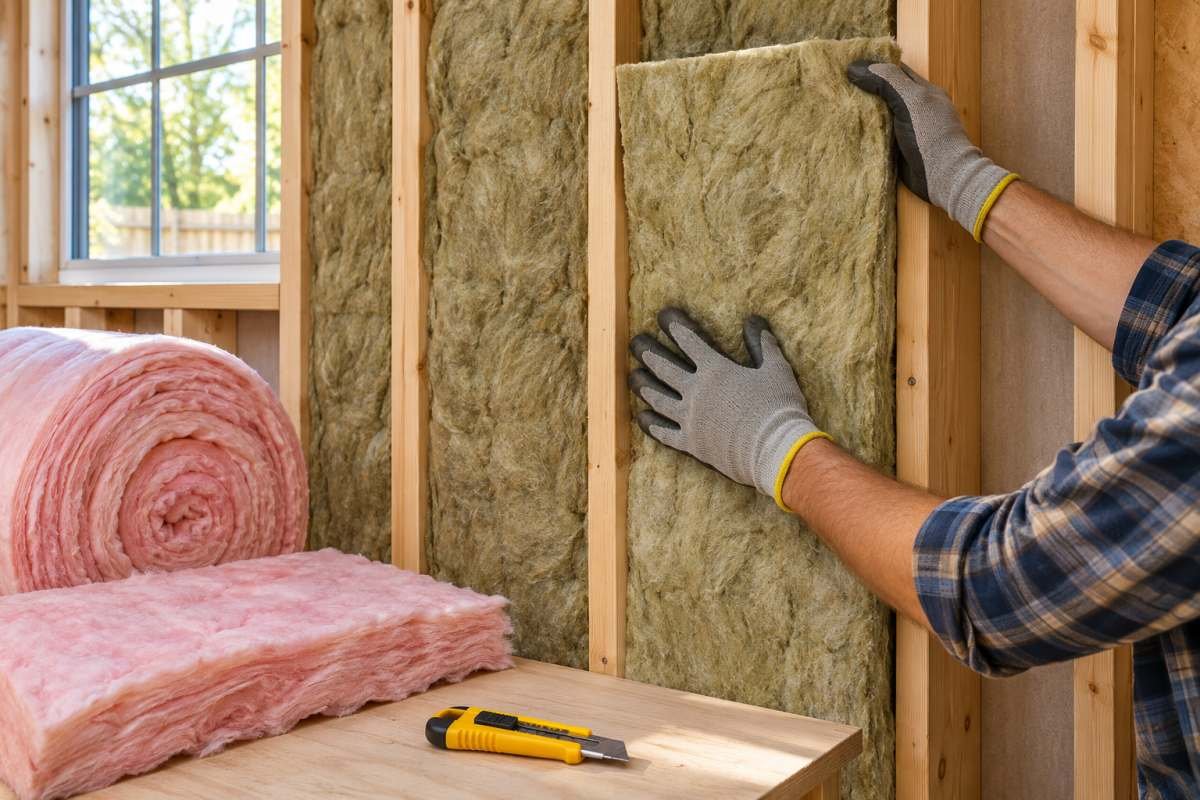
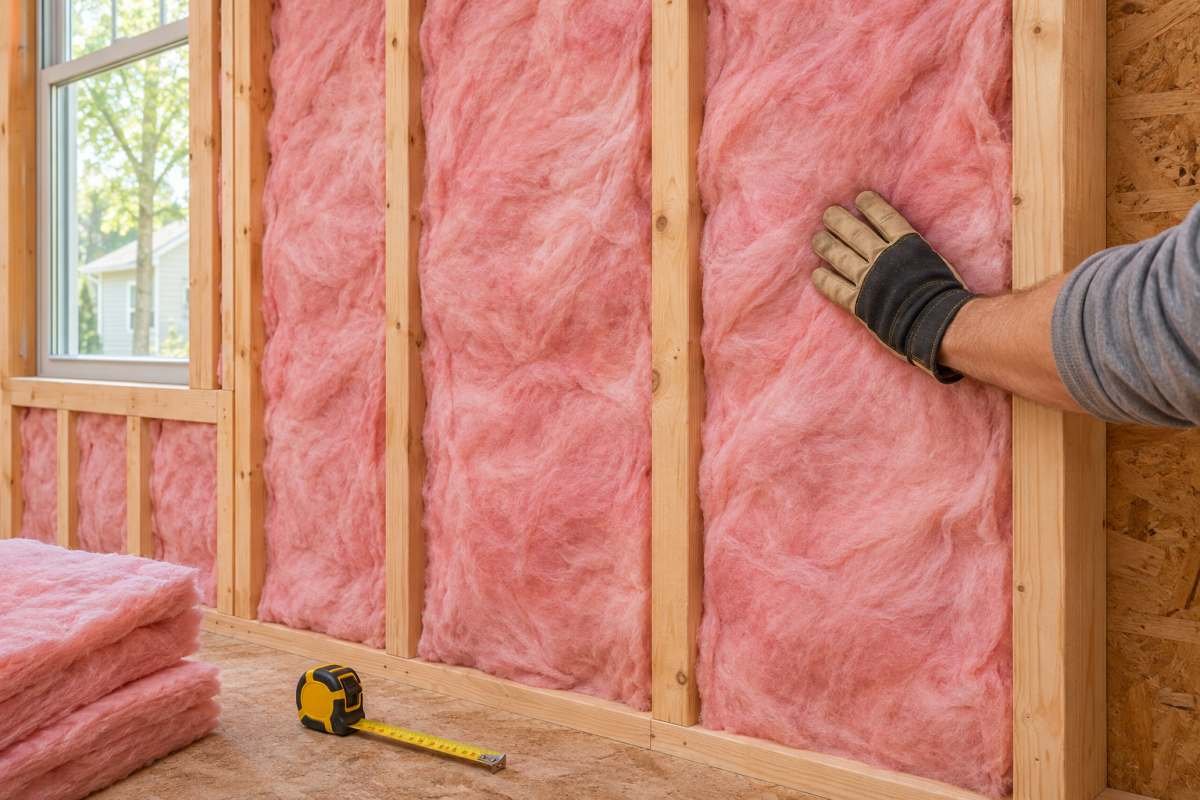
Whichever product you choose, measure every cavity and fit the batt without gaps, folds, or over-compression. Split insulation around wiring where the manufacturer allows, and fill around boxes and framing details without hiding hazards. Seal air leaks at plates and penetrations with compatible materials before installing the batt. The Knauf batt installation instructions emphasize snug, full-depth installation and careful fitting around services.
Insulation is not a substitute for a weather-resistive barrier, flashing, or an air barrier. A loose batt cannot stop bulk water or drafts through open seams. Also, check the product’s flame-spread and smoke information and install a required thermal barrier, often gypsum board, before leaving a facer exposed. Follow local code and the tested assembly details for a garage, basement, or rated wall.
Common selection mistakes
- Assuming faced insulation is always for exterior walls and unfaced is always for interior walls.
- Believing the facing is a waterproof or complete air-sealing layer.
- Applying the warm-side rule without checking climate and cooling conditions.
- Covering damp framing instead of finding the source of moisture.
- Adding faced batts over existing paper, foil, foam, or polyethylene without reviewing drying.
- Choosing a batt too thick or too wide for the cavity.
- Leaving combustible paper facing uncovered where a protective finish is required.
A useful decision order is simple: identify the wall, inspect for water, map the existing layers, confirm local code, and then choose the insulation product. If you need a broader overview of materials, access, and wall types, our main wall insulation resource can help you compare the next step.
Frequently asked questions
Is faced or unfaced insulation better for exterior walls?
Neither is universally better. Choose the product that matches the climate, wall layers, local code, and drying strategy. Faced batts add an attached vapor retarder; unfaced batts leave that layer to the assembly design.
Can I use unfaced insulation in exterior walls?
Yes, when the complete wall design supplies any required vapor and air control, meets thermal targets, and complies with code. Check the existing sheathing and finish layers before installation.
Can I put faced insulation over faced insulation?
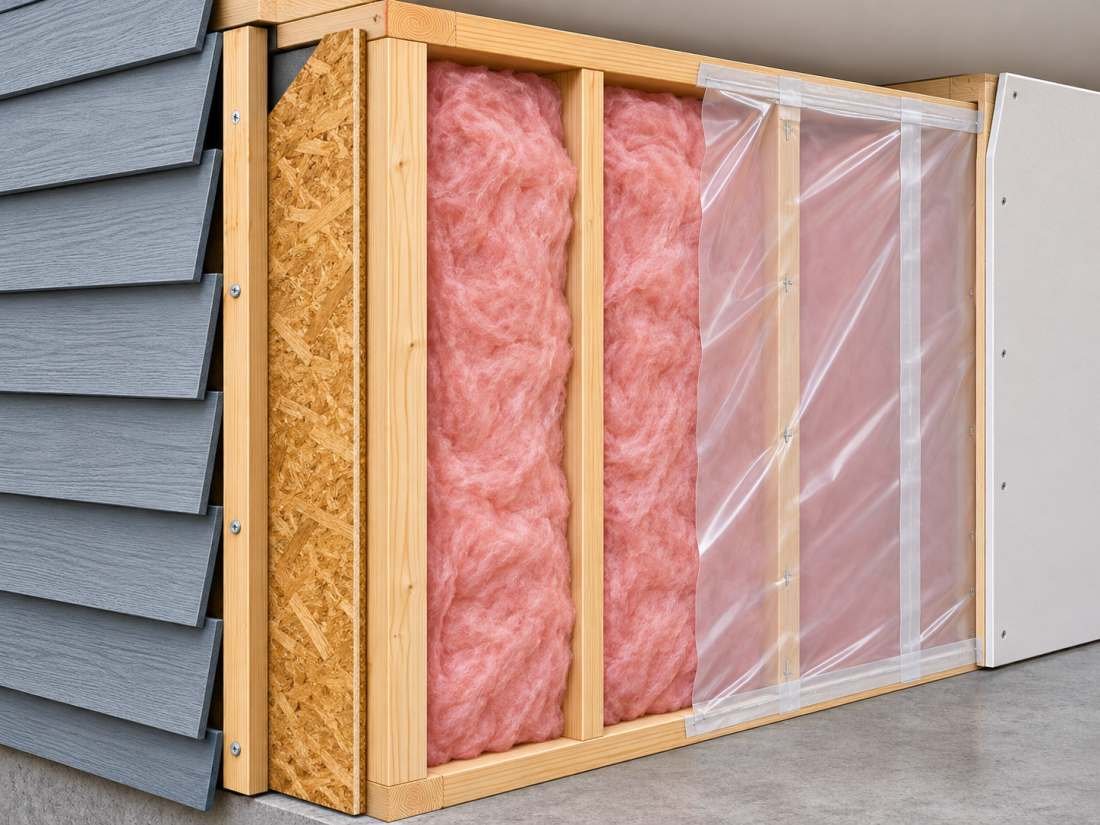
Do not assume that is safe. Two vapor-retarding layers can restrict drying. Check both products and the full wall assembly; an unfaced second layer may be more suitable when the design calls for another layer.
Conclusion
Faced batts add a facer that can help control vapor and secure the insulation. Unfaced batts provide the insulation without that attached retarder. For exterior walls, choose between them only after checking the wall layers, climate, moisture risks, product instructions, and local code. For help comparing wall materials and methods, return to our complete wall insulation guide.