

Does insulating interior walls help with sound? It can reduce some airborne noise when the insulation sits inside a well-built wall, but insulation alone will not soundproof a room. The wall’s mass, gaps, doors, ceilings, floors, and framing connections also affect what you hear. For the best result, first identify the noise path, then choose a complete wall upgrade that addresses it.
Does Interior Wall Insulation Help with Sound?
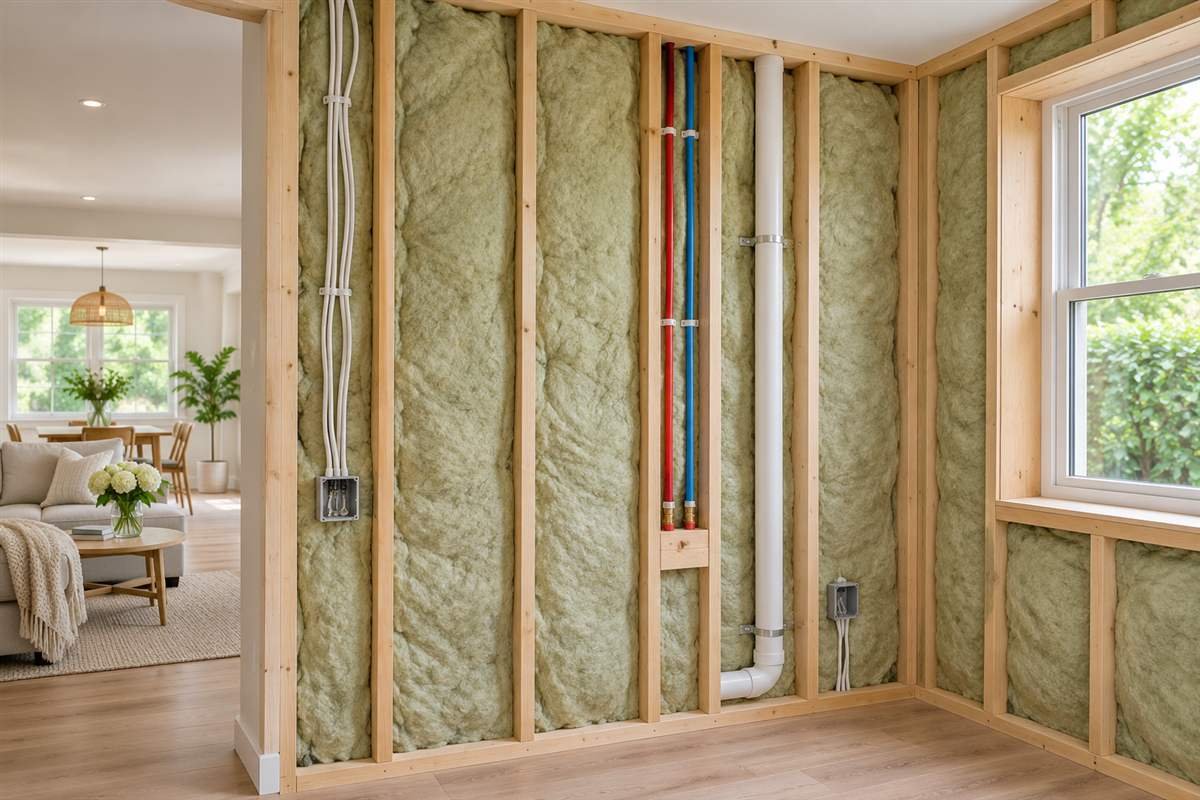
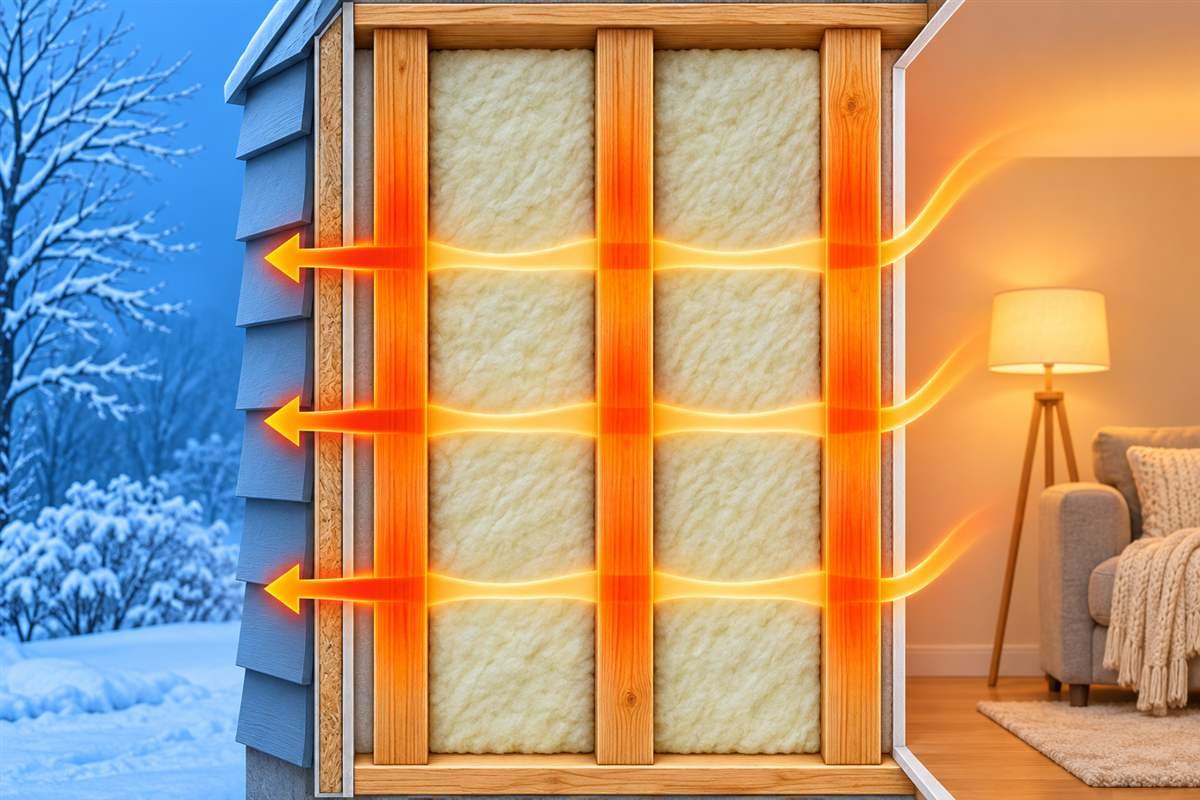
Yes, in many cases. Fiberglass, mineral wool, and some cellulose products can absorb sound energy inside a wall cavity and reduce the amount of airborne sound passing through. The improvement depends on the wall design and installation. A batt placed in an open stud wall may help with conversation, a television, or everyday room noise; it will not erase loud bass, impact noise, or sound that travels around the partition.
The U.S. Department of Housing and Urban Development explains that sound isolation depends on factors such as wall mass, air space, resilient connections, and sealed edges. Insulation is one useful part of that system. If you want to understand whether a partition is a good candidate, read our guide to when interior wall insulation makes sense. For the broader material and method overview, see our complete wall insulation guide.
What Insulation Can—and Cannot—Do for Sound
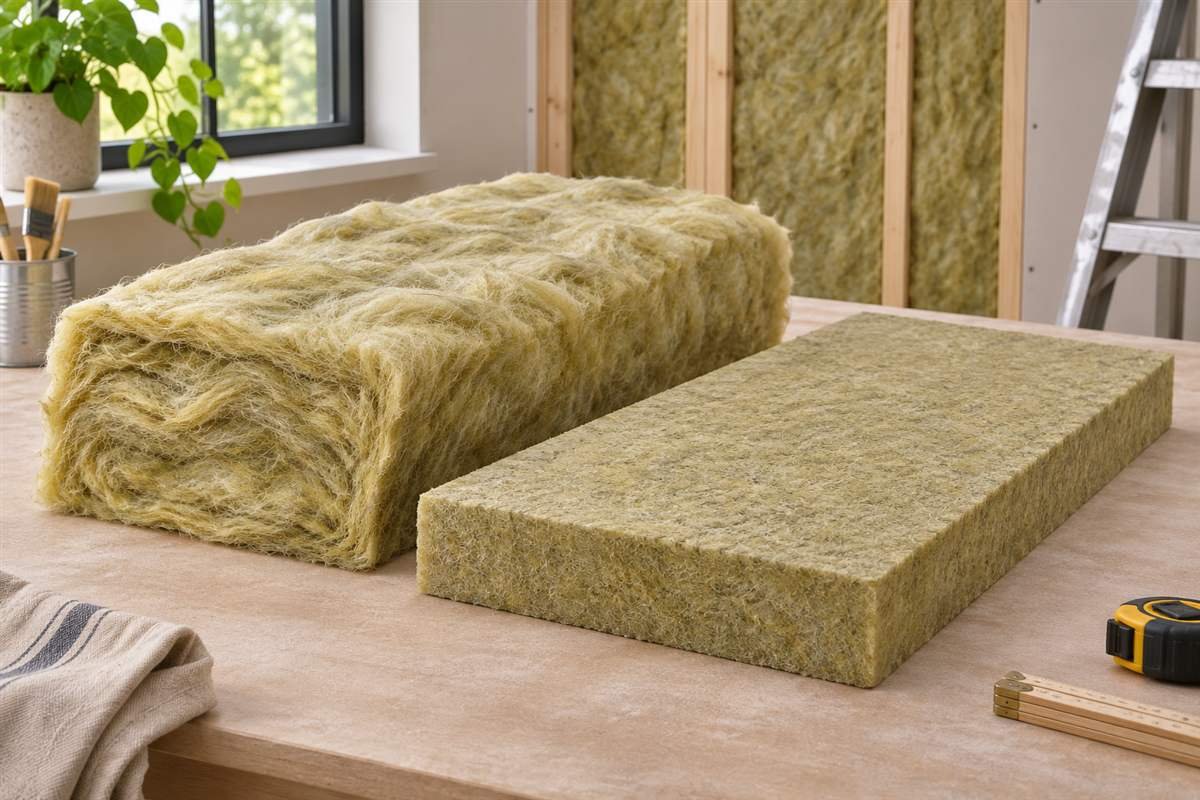
A cavity batt helps damp sound within the empty space between studs. This can reduce resonance in a lightweight partition and improve privacy. However, a wall transmits noise through more than its cavity. Sound can pass through drywall, framing, gaps, electrical openings, doors, floor and ceiling connections, and shared ducts. The weak path often sets the practical limit, even when the wall cavity contains insulation.
Also, sound absorption and sound isolation are different. A soft material inside the cavity absorbs some sound, while the complete wall assembly blocks transmission from one room to another. Acoustic foam panels placed on a room surface may reduce echo inside that room, but they do not automatically stop a neighbor’s voice from passing through a shared wall.
How Sound Travels Through an Interior Wall
Airborne sound passes through the partition
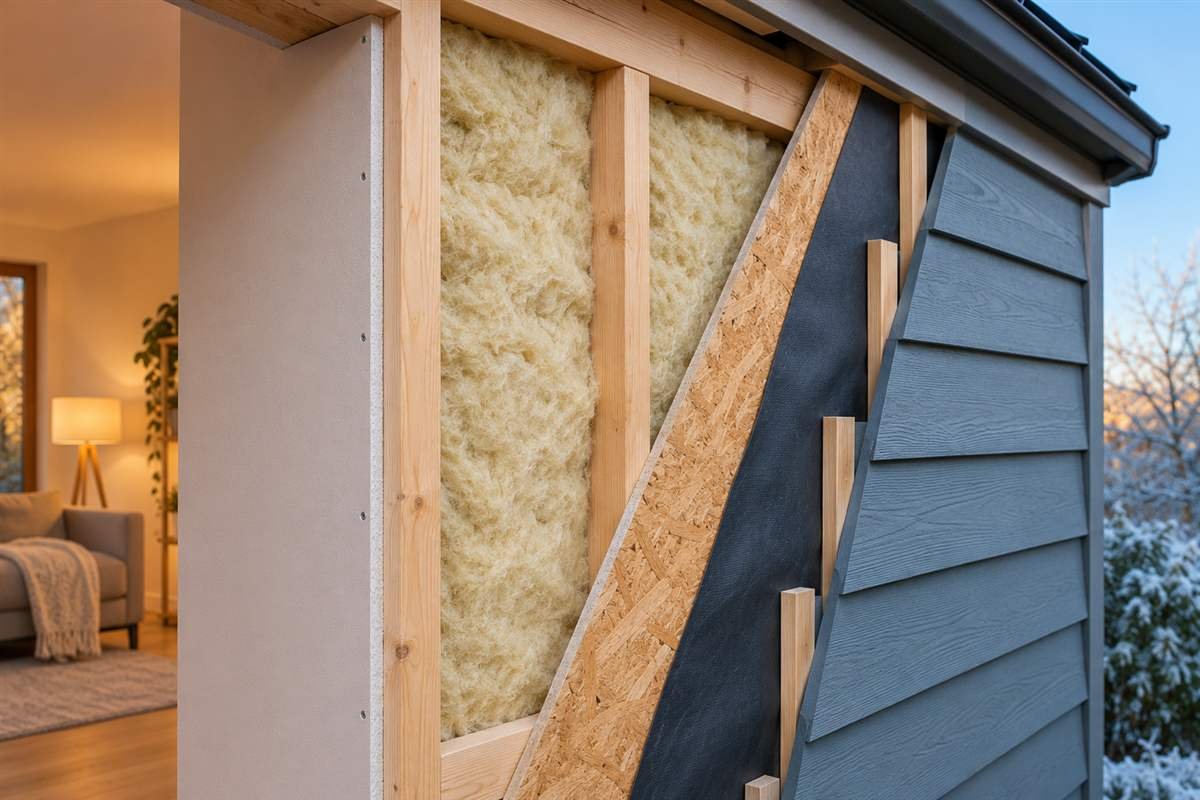
Speech, television audio, and music create airborne sound waves. When the waves reach a wall, part of the energy reflects, part vibrates the wall, and part continues into the next room. More wall mass and a well-designed cavity can reduce that transfer. Insulation can absorb some energy in the cavity, especially when the installer fills it evenly without compressing the material.
Flanking paths go around the wall
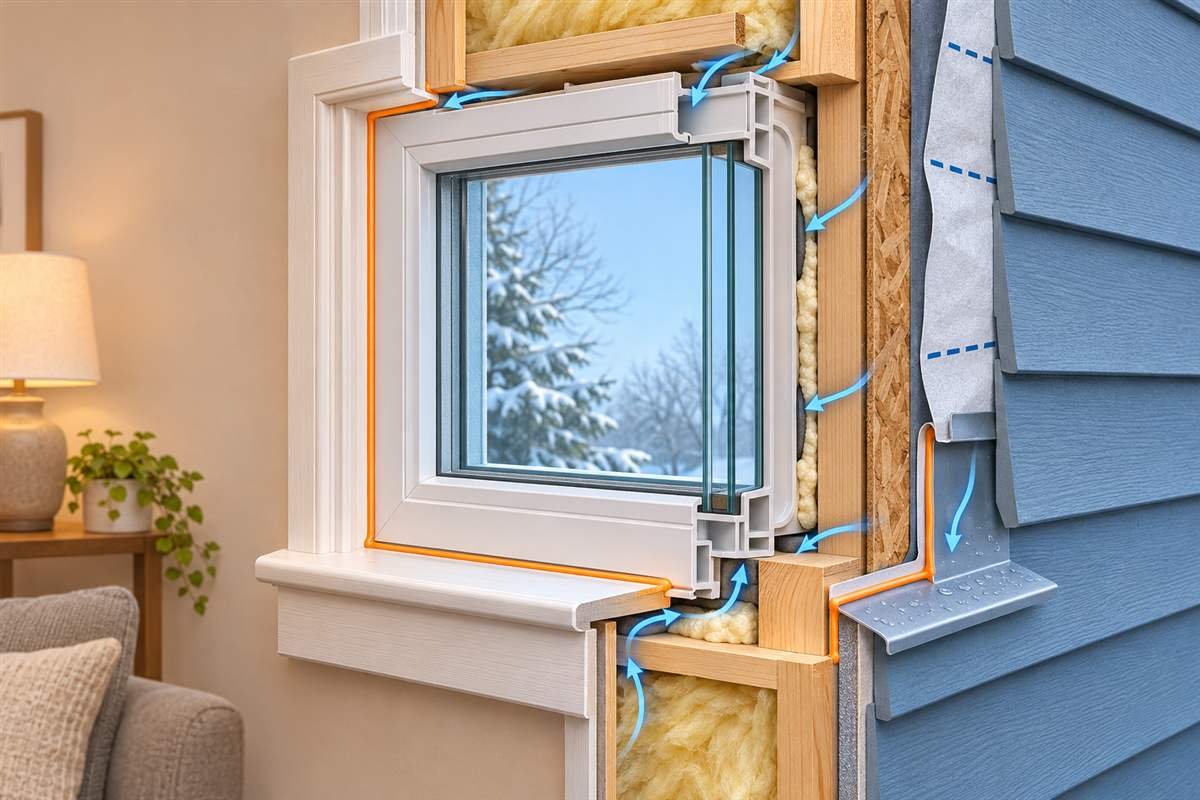
Noise can also travel through connected parts of the building. A sound may pass over the top plate into a shared ceiling, continue under the wall through the floor, or travel through a continuous joist, pipe, duct, or back-to-back electrical box. This route is called flanking transmission. When sound seems to come from more than one place, adding insulation to the partition alone may produce only a small change.
A gap at a wall edge can also undermine a sound-control design. The HUD Noise Guidebook notes the value of sealing perimeter cracks in high-performance walls. Seal compatible gaps around the assembly, while preserving ventilation, access, and fire-safety details required by the design.
Which Insulation Is Best for Soundproofing an Interior Wall?
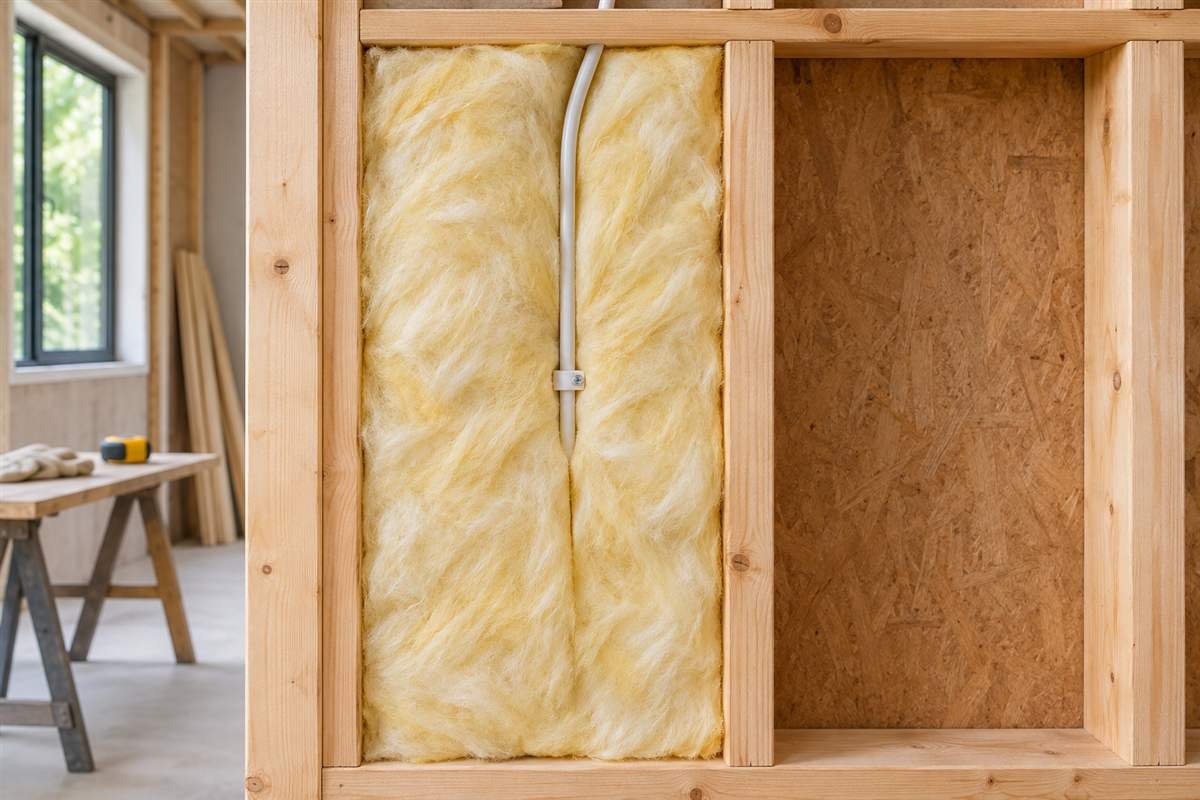
Mineral wool
Mineral wool is a popular choice for sound-attenuating partitions because it fits between framing and can absorb sound in the cavity. Use a product sized for the stud depth, and follow the manufacturer’s installation directions. The batt should fill the space without gaps or compression. Even so, mineral wool by itself does not create a soundproof wall; the drywall, framing, perimeter seals, and doors matter too.
Fiberglass batts
Fiberglass batts can also help reduce airborne sound when installers fit them carefully inside an open partition. Measure each stud bay and cut the material around wires or pipes without leaving voids. Avoid stuffing extra material into the cavity. Compare tested wall assemblies where available, because two products with similar thermal ratings may behave differently in an acoustic design.
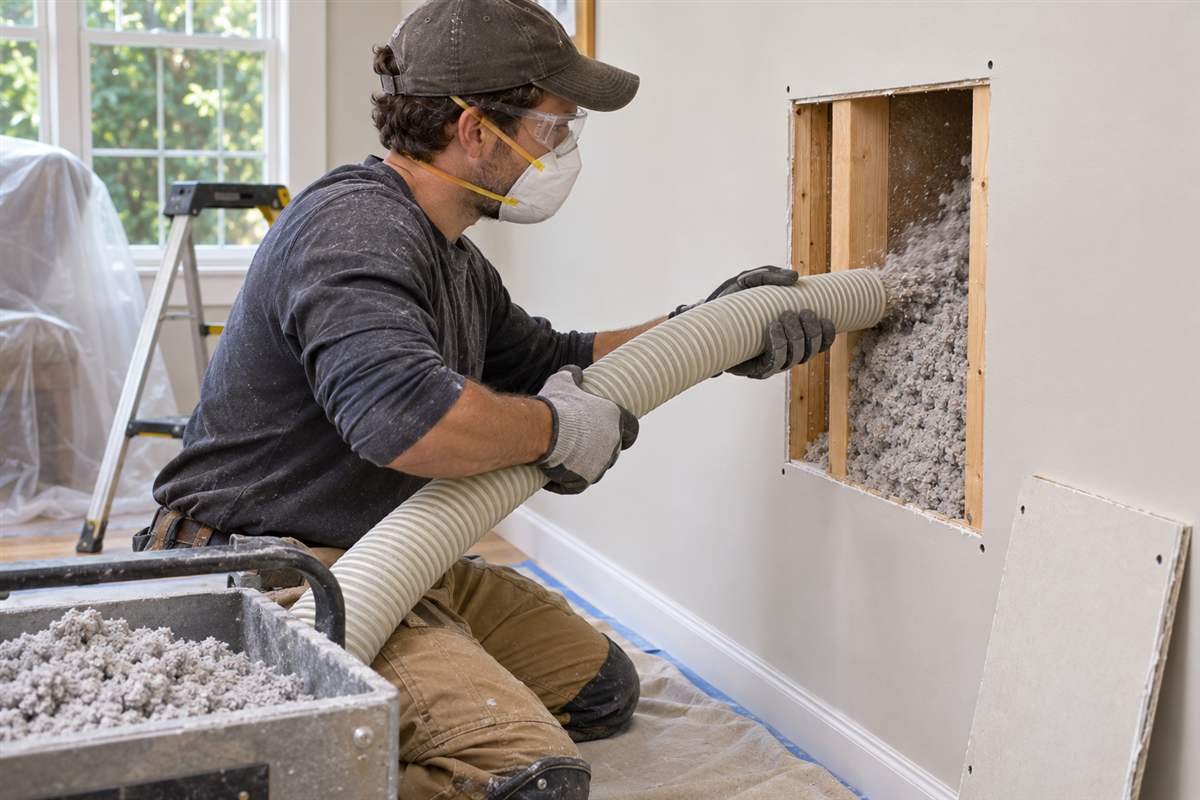
Cellulose and dense-pack fill
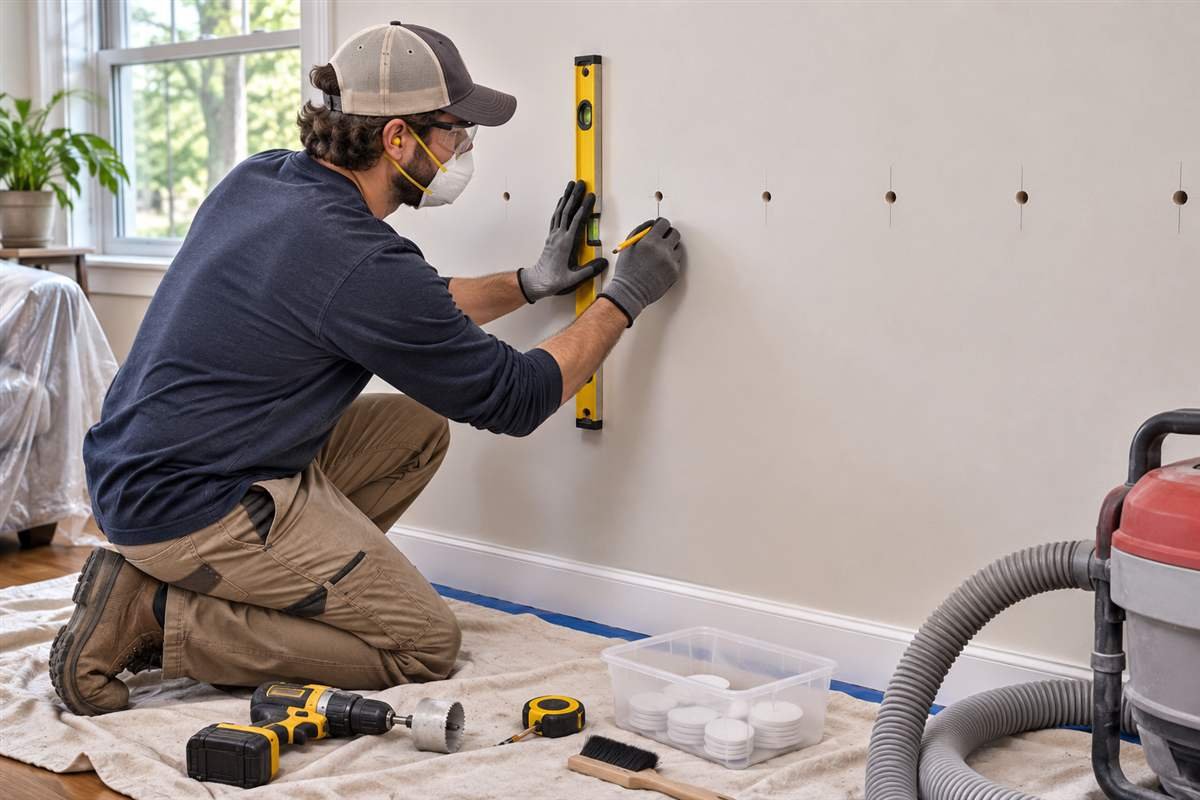
A qualified installer may blow cellulose into a suitable closed cavity through small access holes. Dense-pack fill can reduce the need to remove all the drywall, but the crew needs to find studs, wiring, fire stops, and blocked bays. Ask how it will confirm an even fill and patch the openings. This option works only when the wall is appropriate for the chosen product and technique.
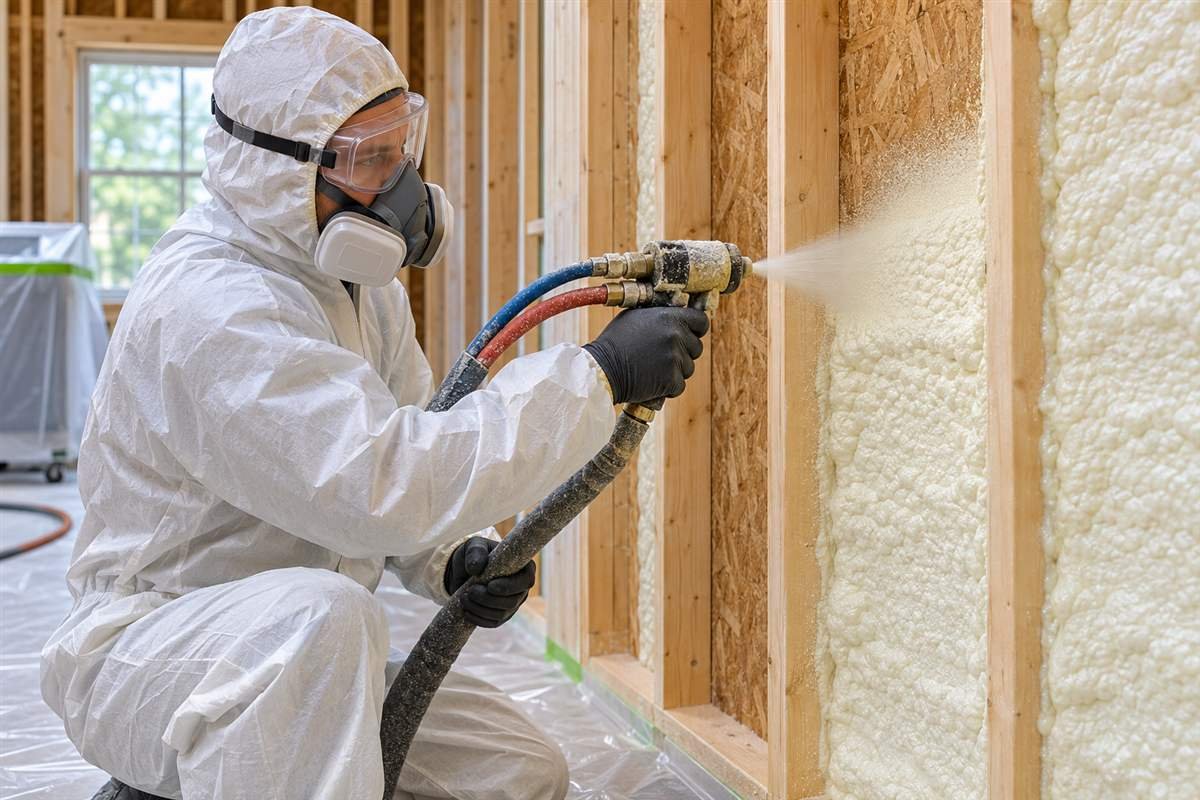
Spray foam
Spray foam may seal some air paths, but it is not a universal soundproofing shortcut. It can change how a wall handles air and moisture, requires careful fire protection, and may be difficult to remove later. Ask a qualified professional to confirm that the foam suits the wall and its local code requirements. Compare the tested acoustic performance of the whole wall rather than assuming foam alone will solve the noise problem.
Wall Upgrades That Can Matter as Much as Insulation
Add mass with a suitable wall layer
A second layer of drywall can add mass, which may reduce some airborne sound. The result depends on thickness, joints, attachment method, and what happens at the wall edges. Some assemblies use a damping compound or different panel layers. Follow tested plans and building requirements instead of mixing products at random, especially in fire-rated or garage separation walls.
Reduce vibration transfer with resilient connections
Resilient channels or clips can separate the finished wall layer from the framing and reduce some vibration transfer. Install them according to a tested assembly. A wrong screw length or a rigid bridge can short-circuit the resilient connection, so professional installation may be worthwhile for demanding rooms.
Seal openings and check doors, ducts, and edges
Seal suitable perimeter joints and penetrations with products compatible with the assembly. Check outlets, cable openings, pipe penetrations, door gaps, and shared vents. A hollow-core door can be a weaker sound path than the wall; a solid-core door and good perimeter seals may help more than adding another batt. Do not block required air transfer or ventilation without a safe alternative.
Sound Transmission Class: What STC Tells You
Sound Transmission Class, or STC, is a single-number rating used to compare how wall assemblies reduce certain airborne sounds, especially speech and similar mid-frequency noise. Higher tested STC values generally indicate better isolation for those sounds. Still, STC is not a promise that a room will be silent. Low-frequency bass, impact sounds, flanking paths, field workmanship, and openings can change what occupants hear.
When comparing bids, ask for the STC of the complete tested assembly—not just an insulation product’s rating. Check that the proposed framing, drywall layers, resilient components, seals, and installation details match the tested design. The HUD Noise Guidebook describes wall-construction approaches and sound-isolation considerations. DOE also discusses tested STC for building assemblies in its area-separation wall presentation.
Should You Insulate an Existing Shared Wall?
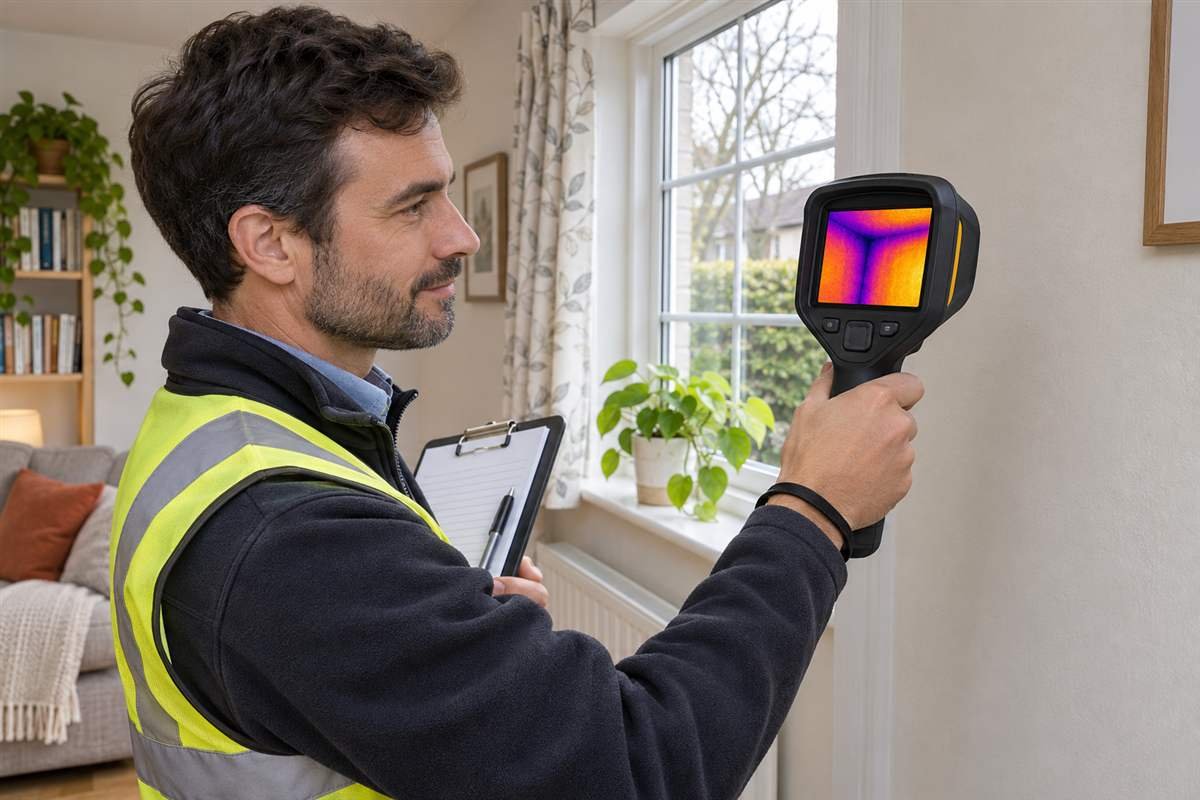
If the wall is already open for electrical, plumbing, or drywall work, adding an appropriate sound-absorbing batt may be a practical upgrade. If the wall is closed, drilling or removing drywall costs more and can expose hidden services. Before starting, identify the sound source and check whether the wall, door, ceiling, floor, or duct is the weak path. A sound professional can measure or inspect the assembly when privacy is important.
For a bedroom, nursery, home office, or shared wall with a noisy utility room, set a realistic goal. You may want speech to become less intelligible rather than disappear. If the noise comes from a neighbor’s bass or footsteps, a wall-only project may not solve it because low frequencies and structure-borne sound travel differently from speech.
Practical Sound-Reduction Checklist
- Identify whether the noise is speech, music, bass, impact, or equipment vibration.
- Listen near the wall, door, outlets, ducts, floor, and ceiling to find likely transmission paths.
- Check whether the partition is open, insulated, fire-rated, or connected to another room assembly.
- Select a tested wall assembly that matches your framing, drywall, seals, and local requirements.
- Fit cavity insulation evenly without gaps or compression, following product instructions.
- Seal compatible openings while keeping required ventilation, electrical access, and fire details intact.
- Review the finished result and address remaining flanking paths before adding another wall layer.
Cost, DIY, and When to Hire a Professional
Costs vary with room size, access, demolition, framing changes, drywall, painting, door work, and the acoustic target. Adding batts while a wall is open usually costs less than retrofitting a finished wall. Resilient channels, extra drywall, specialty doors, or electrical changes add labor. Ask for an itemized quote that explains the tested assembly and what the installer will do at edges and penetrations.
DIY may suit an accessible, non-rated partition when the work involves straightforward batt fitting and you understand the product label. Hire qualified help when the wall is closed, sound privacy is critical, you plan resilient clips or multiple drywall layers, or the wall separates a garage or dwelling unit. Do not cover wiring junctions, block ventilation, or alter a required fire-rated assembly.
Frequently Asked Questions
Does putting insulation in walls reduce noise?
It can reduce some airborne noise when it forms part of a well-sealed wall assembly. The amount depends on the wall mass, cavity, attachment details, doors, and flanking paths.
Is mineral wool better than fiberglass for sound?
Either can help absorb sound in an appropriate cavity. Compare tested assembly results and fit, not only the insulation name. The full wall design matters more than a product label alone.
Will wall insulation stop bass or footsteps?
Not necessarily. Low-frequency bass and impact noise often travel through framing, floors, ceilings, and other connected structures. A professional assessment can identify the path before you spend on a wall-only fix.
Conclusion: Treat the Whole Wall, Not Just the Cavity
Insulating an interior wall can help reduce some sound, especially everyday speech and room noise, but it does not guarantee silence. Cavity material works best alongside suitable wall mass, sealed edges, careful attachments, and attention to doors and flanking paths. Start with the noise source, choose a tested assembly, and keep fire, ventilation, wiring, and moisture requirements in view. That approach gives you a clearer path to a quieter room.