

Do interior walls need insulation? In most homes, ordinary partitions between heated rooms do not need insulation for energy savings because both sides stay close to the same temperature. However, wall insulation can be useful for sound privacy, room-to-room temperature differences, plumbing noise, or walls next to unconditioned spaces. The right choice depends on what the wall separates and what problem you want to solve. For the broader methods and materials overview, see our complete wall insulation guide.
Do Interior Walls Need to Be Insulated? Quick Answer
Usually, you do not need to insulate every interior wall. For a shared wall between two bedrooms, insulation is mainly an acoustic upgrade, not a way to lower whole-home heating and cooling use. Yet an interior wall that borders a garage, attic, crawlspace, basement, or other unconditioned area may be part of the home’s thermal boundary. In that case, it may need insulation and air sealing as part of a complete assembly.
Also, builders sometimes insulate selected partitions to make a bathroom quieter, reduce laundry-room noise, or limit temperature swings between spaces with different schedules. First identify the wall’s purpose; then choose the material and details that fit it.
Do Interior Walls Have Insulation in Most Homes?
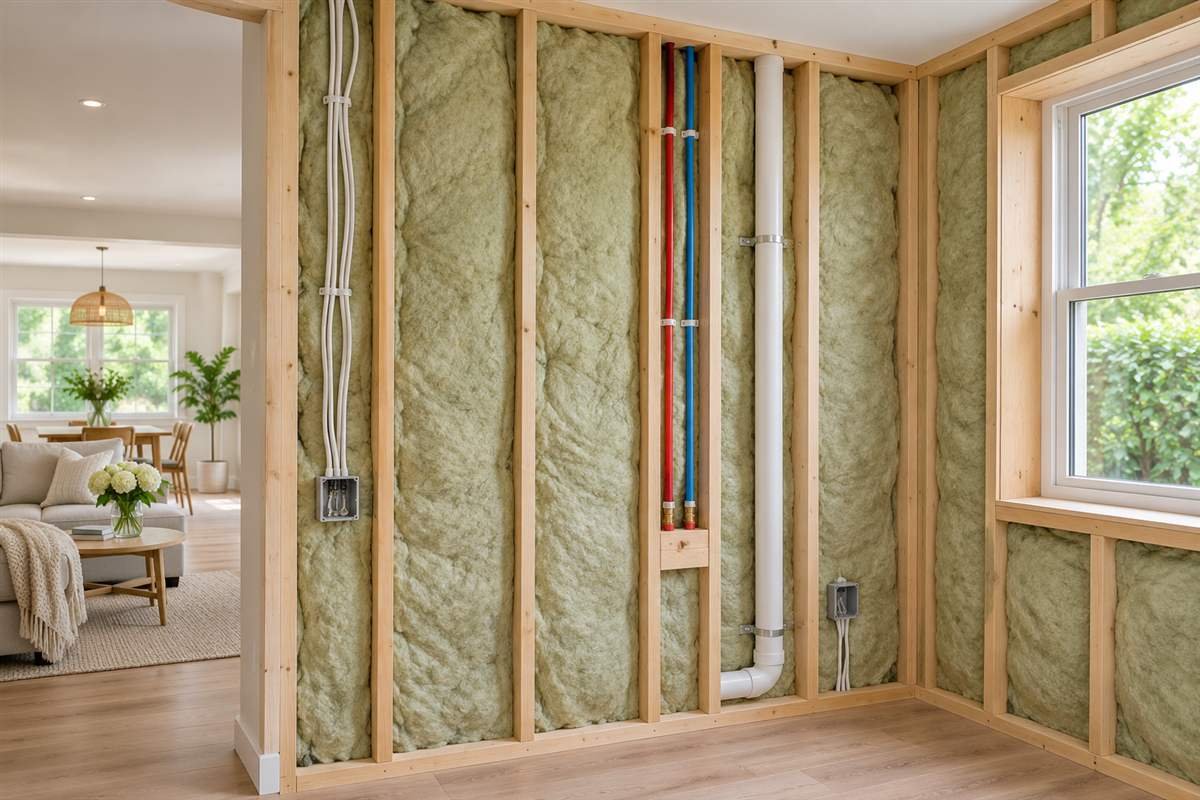
Many standard partitions between living spaces have empty stud cavities. Builders may leave them empty because they do not separate indoor air from the outdoors. Still, some homes include insulation in selected interior walls. It may sit around bedrooms, bathrooms, home offices, media rooms, stairwells, mechanical spaces, or walls that border a garage.
You cannot reliably tell from the room finish alone. A wall sounds hollow when tapped even if it contains a batt, and sound can travel around an insulated section through doors, floors, ceilings, ducts, or framing. Building plans, renovation records, an existing opening, or a qualified inspection can help identify what is inside. Avoid drilling blindly: wiring, plumbing, and fire blocking may be hidden in the cavity.
Should You Insulate Interior Walls in Every Room?
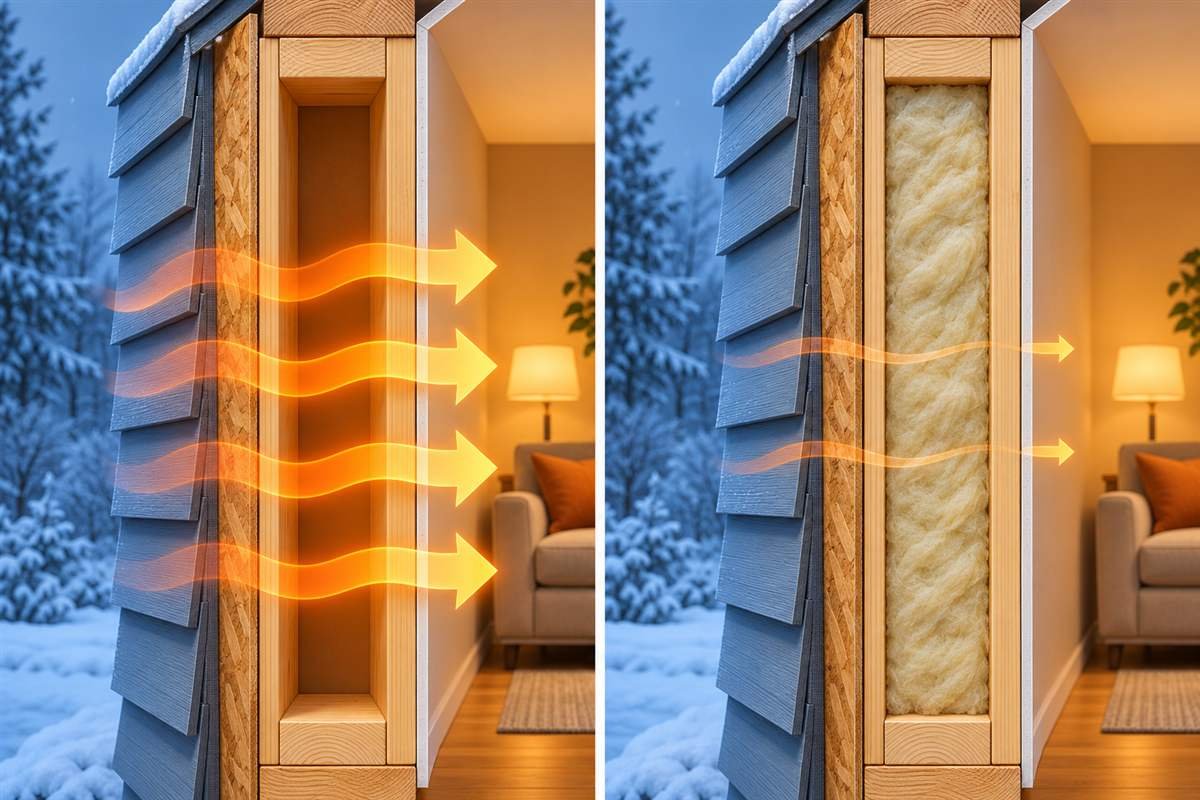
Usually, no. Focus on rooms where sound privacy, temperature control, or a boundary with an unconditioned area gives the project a clear purpose. That helps avoid paying to insulate partitions that separate rooms kept at similar temperatures.
Benefits of Interior Wall Insulation
Should Interior Walls Be Insulated for Sound?
A batt in an open stud cavity can absorb some sound energy and reduce airborne noise between rooms. Mineral wool and fiberglass are common options, while the finished wall’s mass, gaps, outlets, and connections also matter. Insulation alone does not soundproof a room: voices and television audio can still pass through doors, ceiling gaps, shared ducts, or the floor and ceiling structure.
For a quieter result, combine cavity material with careful sealing around the wall perimeter and penetrations. A solid-core door, resilient channels, or an additional layer of drywall may help in some assemblies, but each option adds cost or changes the room. For a serious noise issue, ask an acoustics or building professional to assess the full sound path.
More even comfort in rooms with different temperatures
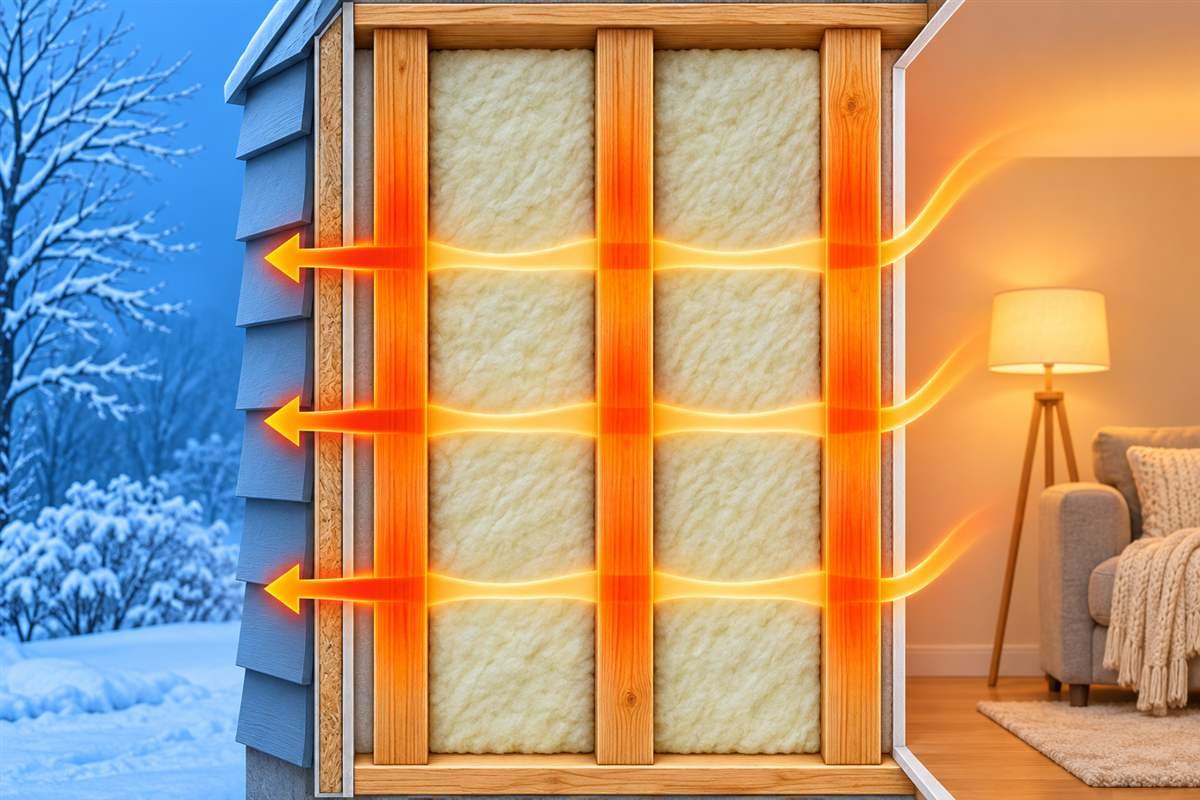
When you keep two rooms at different temperatures, an insulated partition can slow heat movement between them. That may help when occupants use one room only at certain times or when a home has separate heating zones. It will not correct an exterior draft, a poorly insulated attic, an undersized HVAC system, or a leaking window. Diagnose the source of discomfort before investing in a partition upgrade.
A quieter and more private bathroom or utility room
Adding insulation to a bathroom, laundry room, nursery, or utility-room partition can reduce everyday noise and improve privacy. A wall around plumbing may also benefit from sound-absorbing material, but secure pipes properly and keep valves and cleanouts accessible. Use products and installation details that meet fire and moisture requirements for that location.
When Interior Walls Should Be Insulated
The wall separates conditioned and unconditioned areas
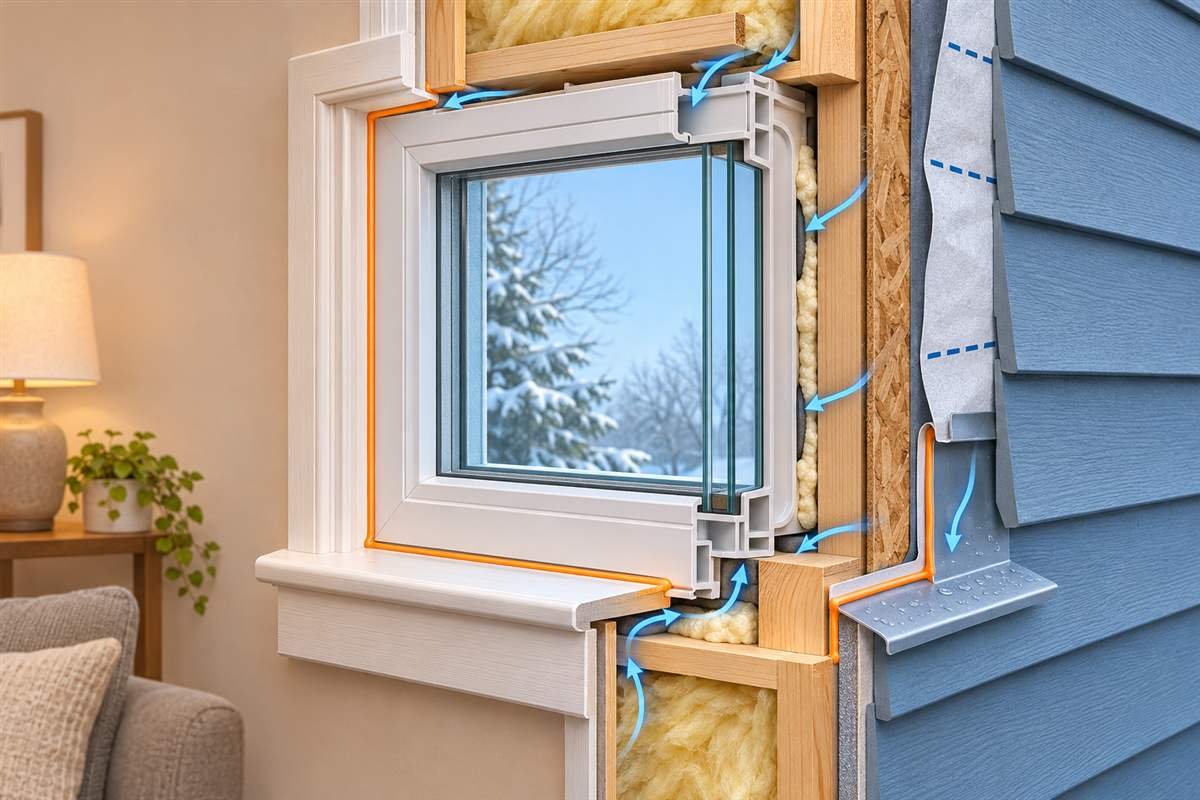
A partition next to an unheated garage, attic, crawlspace, or storage area may actually form part of the thermal envelope. Insulating it can support comfort and energy performance when air sealing, ventilation, and moisture details also work together. A garage-to-home wall may have fire-separation requirements; insulation never replaces the required gypsum board, fire stopping, door rating, or local code details.
The rooms have different uses or temperature schedules
Consider insulation when you keep a home office, guest room, or workshop at a different temperature from the rest of the home. However, keep doors, return-air paths, and HVAC balance in mind. Poor ventilation or air circulation can make a tightly sealed room feel stuffy.
Noise is the main problem
If you hear normal conversation through a shared partition, insulation may help, especially while the wall is open for another renovation. For low-frequency bass, impact noise, or sound that travels through the building frame, filling the cavity may have limited effect. Identify whether the sound is airborne or structural before choosing a remedy.
When Insulating Interior Walls May Not Be Worth the Cost
For partitions between similarly heated rooms, insulation usually delivers little direct energy savings. Heat still moves through ceilings, floors, doors, ducts, and other paths, so a single insulated wall rarely changes a whole-home bill in a meaningful way. The material and labor may make sense for privacy, comfort, or a specific room, but calculate the project against that goal rather than expecting a guaranteed payback.
Opening a finished wall can add demolition, drywall, paint, electrical work, and cleanup. If your renovation has opened the wall, installing a suitable batt is often simpler. If drywall still covers the wall, consider whether a solid door, door sweep, gap sealing, moving a noisy appliance, or adjusting HVAC controls could solve the problem with less work.
Which Material Works Best?
Fiberglass or mineral wool batts
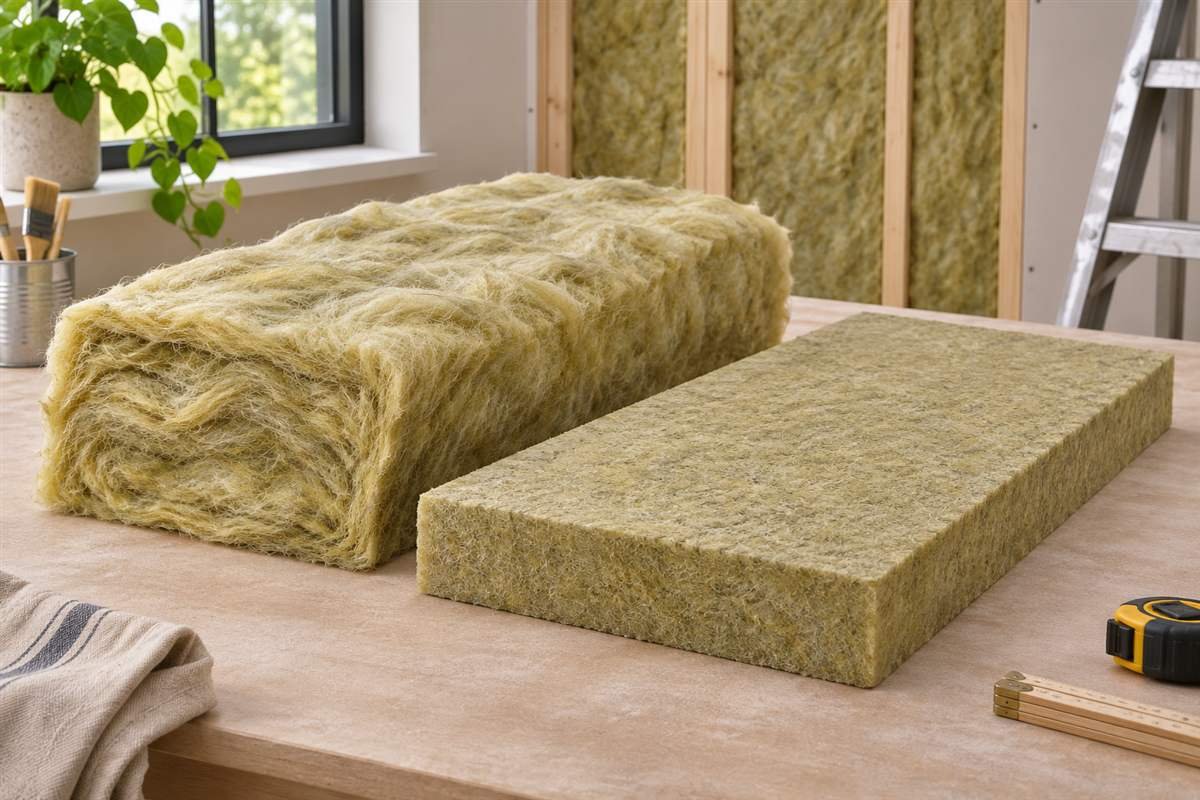
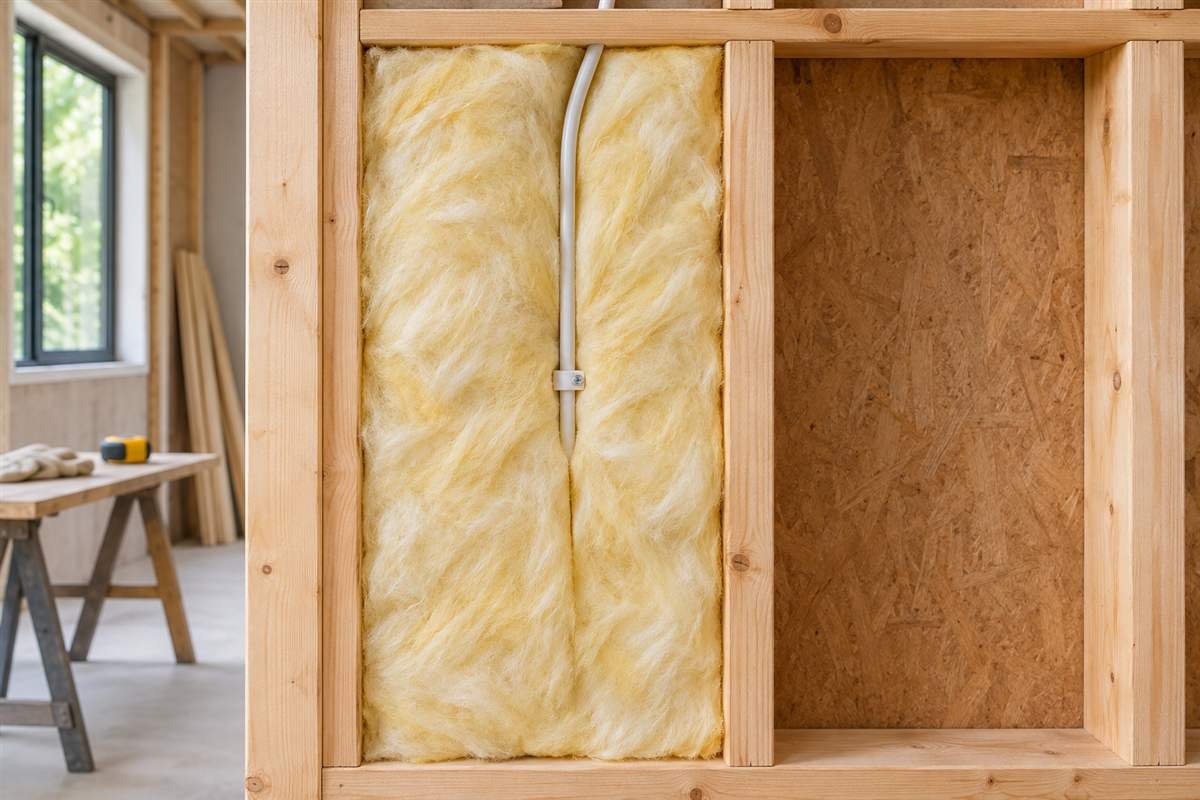
Batts are a practical choice when the partition is open. Measure each bay and fit the material snugly without folds, gaps, or compression. Mineral wool products may offer useful sound and fire characteristics, while fiberglass is widely available. Product performance varies, so compare the manufacturer’s sound, thermal, and fire ratings rather than relying on the material name alone. Review our wall insulation installation guide before selecting a method.
Dense-pack cellulose or blown fiberglass
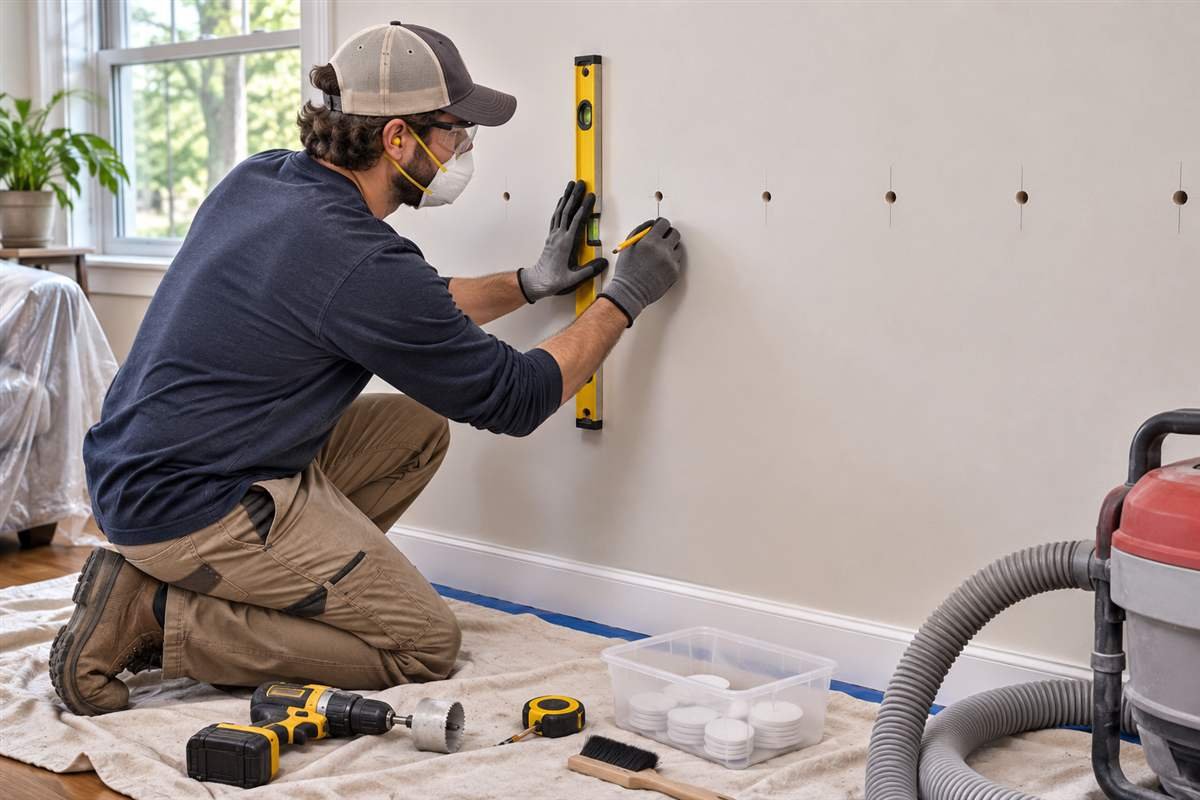
A contractor can sometimes add loose-fill material to a finished cavity through small access holes. This approach needs cavity mapping and a way to check coverage around blocking, wires, and pipes. It may not be suitable for every partition, and careless drilling can damage hidden services. Ask the installer to explain the fill pattern, patching, cleanup, and verification steps.
Spray foam or rigid board
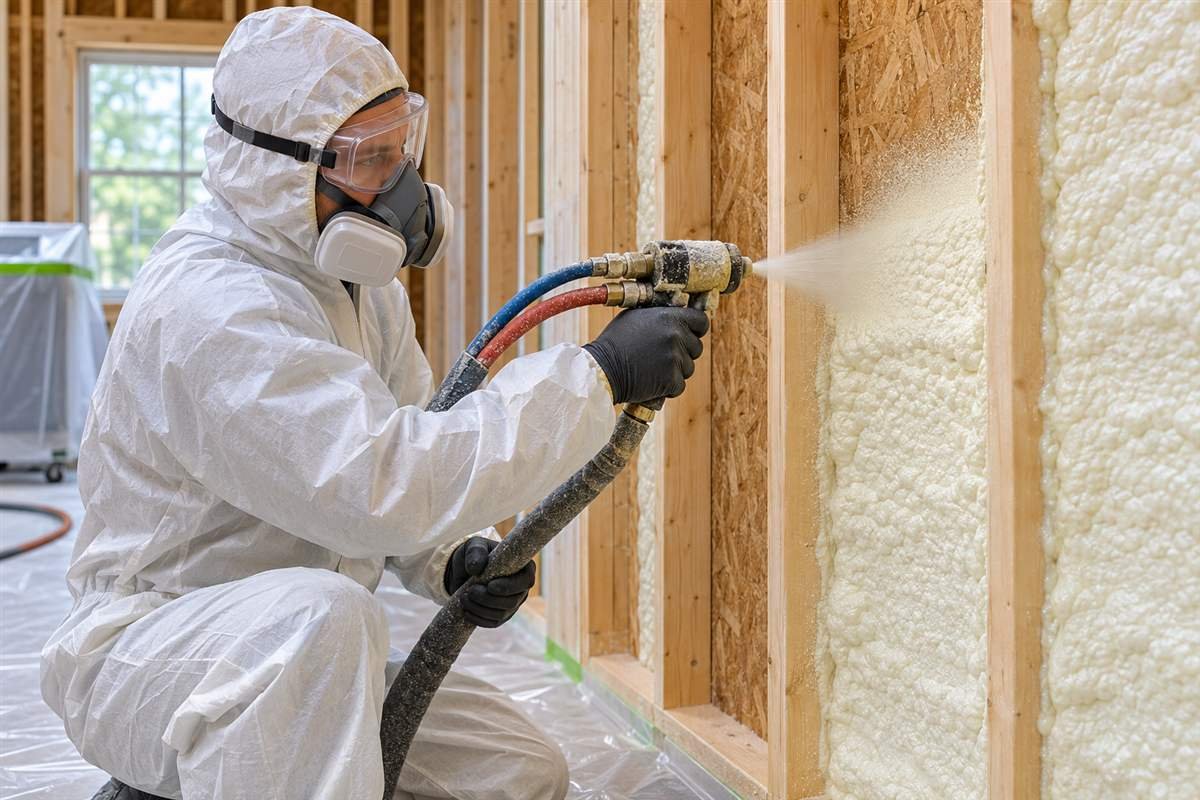
Foam and rigid-board systems suit particular designs but need more planning than a simple interior batt. Foam changes air and vapor movement and must meet applicable fire protection and product instructions. For a typical room-to-room partition, it is often more material than the project needs. Get qualified advice before using it in a wall that borders a garage, wet space, or unconditioned area.
How to Decide: A Simple Checklist
- Name the goal: sound privacy, room comfort, energy performance, or plumbing noise.
- Identify what is on both sides of the wall and whether either side is unconditioned.
- Check plans or inspect a small accessible opening; locate wires, pipes, and fire blocking first.
- Look for leaks, dampness, mold, or condensation and fix the source before closing the wall.
- Compare insulation options and installation details that match the goal and local code.
- Consider doors, outlets, ducts, floors, ceilings, air sealing, and HVAC balance as part of the same problem.
- Get itemized quotes if the wall is closed or the project affects a garage, basement, or historic assembly.
Installation, Safety, and Code Considerations
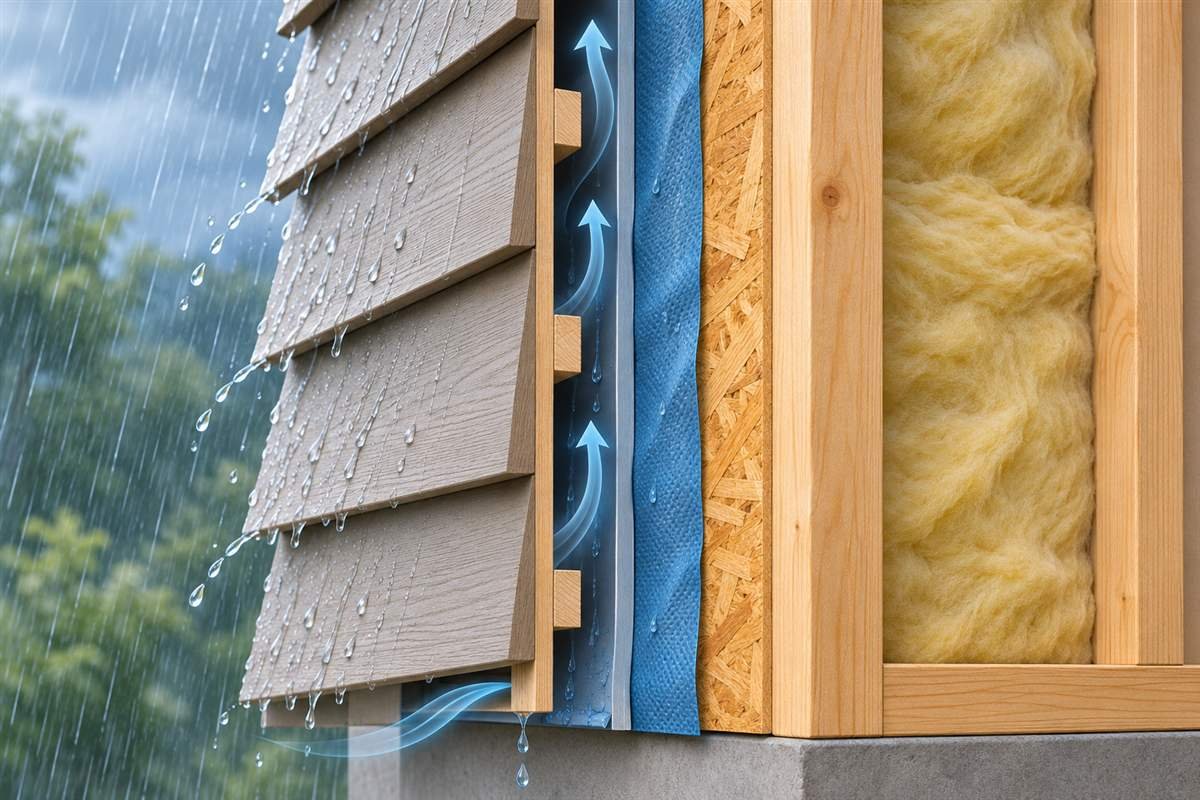
If you are renovating an open partition, take photos and confirm the work scope before drywall goes up. Keep insulation clear of fixtures or equipment where the product or code requires a gap. Do not cover junction boxes, service panels, vents, or access points. Use appropriate protective gear and follow the product label. In older homes, do not disturb suspect asbestos or lead-containing materials; EPA advises using safe work practices and qualified help for hazardous renovation conditions.
For a garage separation, a basement wall, or any wall with a fire or moisture requirement, confirm the complete assembly with local code or a qualified contractor. The right approach depends on climate, construction, ventilation, and drying paths. The DOE home insulation guide explains how to plan insulation and air sealing with moisture control in mind. For remodeling dust and indoor air, consult the EPA’s remodeling air-quality guidance.
Frequently Asked Questions
Should I insulate interior walls between bedrooms?
You usually do not need to for energy savings. It can be worthwhile for sound privacy, especially during a renovation, but doors and flanking paths also affect noise.
Do you need to insulate interior walls to lower energy bills?
Generally, focus first on walls that separate conditioned rooms from outdoor or unconditioned spaces. A room-to-room partition usually has limited effect on whole-home energy use when both sides are conditioned.
Are interior walls insulated, and does an interior wall need insulation?
Some are, especially around bedrooms, bathrooms, utility spaces, or unconditioned zones, but standard partitions may be empty. Plans or an inspection can confirm the wall contents. For a typical room-to-room partition, insulation is mainly an acoustic or comfort choice, not a universal energy upgrade.
Conclusion: Insulate for a Clear Reason
Most room-to-room partitions do not need insulation to save energy. Still, interior wall insulation can improve sound privacy, reduce temperature transfer between differently used spaces, or help when a wall borders an unconditioned area. Define the problem first, inspect the assembly, and consider the whole path for sound, heat, and moisture. Then choose a suitable material and confirm safety and code details before work begins.
2 thoughts on “Do Interior Walls Need Insulation? Benefits and Trade-Offs”