
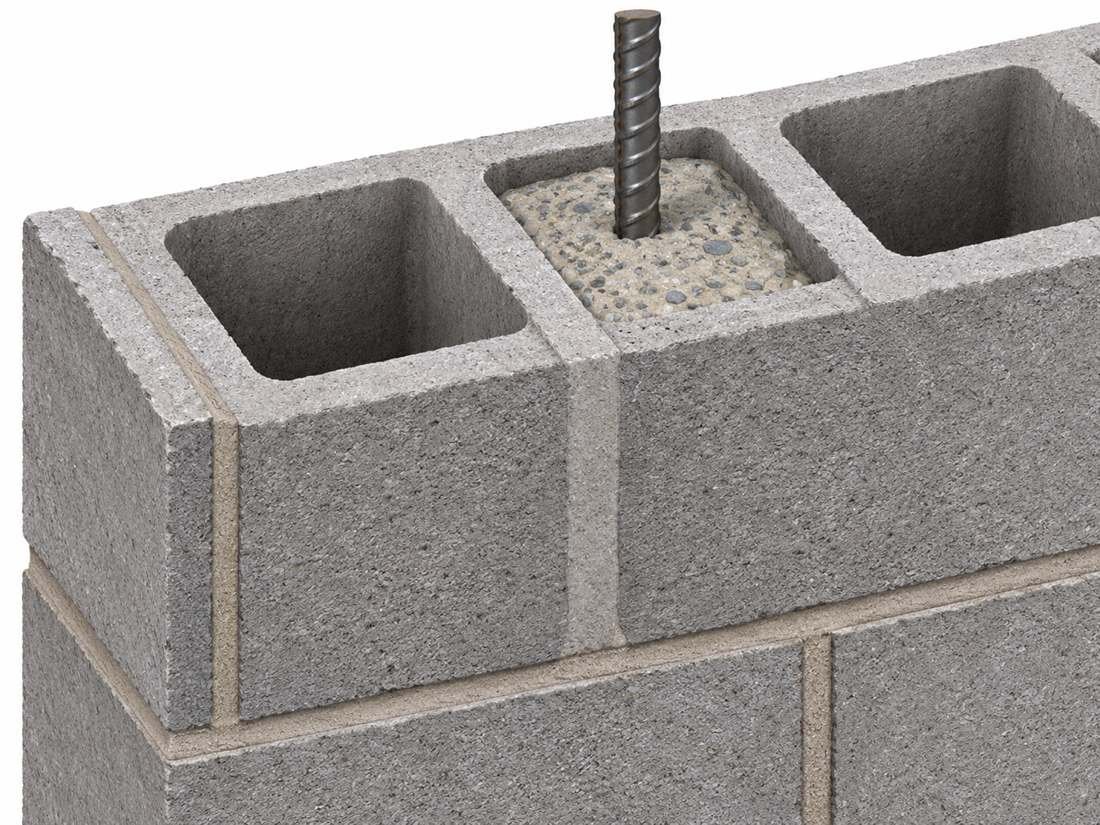

Finding vermiculite in cinder block walls is a reason to pause drilling, demolition or insulation work.

Vermiculite insulation may contain asbestos. Leave suspected material undisturbed and contact a trained, accredited asbestos professional before work resumes. Appearance alone cannot establish what the material contains.
Why vermiculite may be inside a block wall
Vermiculite is a mineral that expands into lightweight granules when heated. In some buildings, installers poured loose-fill insulation into hollow masonry cells. That means an older cinder block wall can conceal fill behind solid-looking finishes. It may only become visible after someone opens a wall, removes a fixture or drills into a hollow cell.
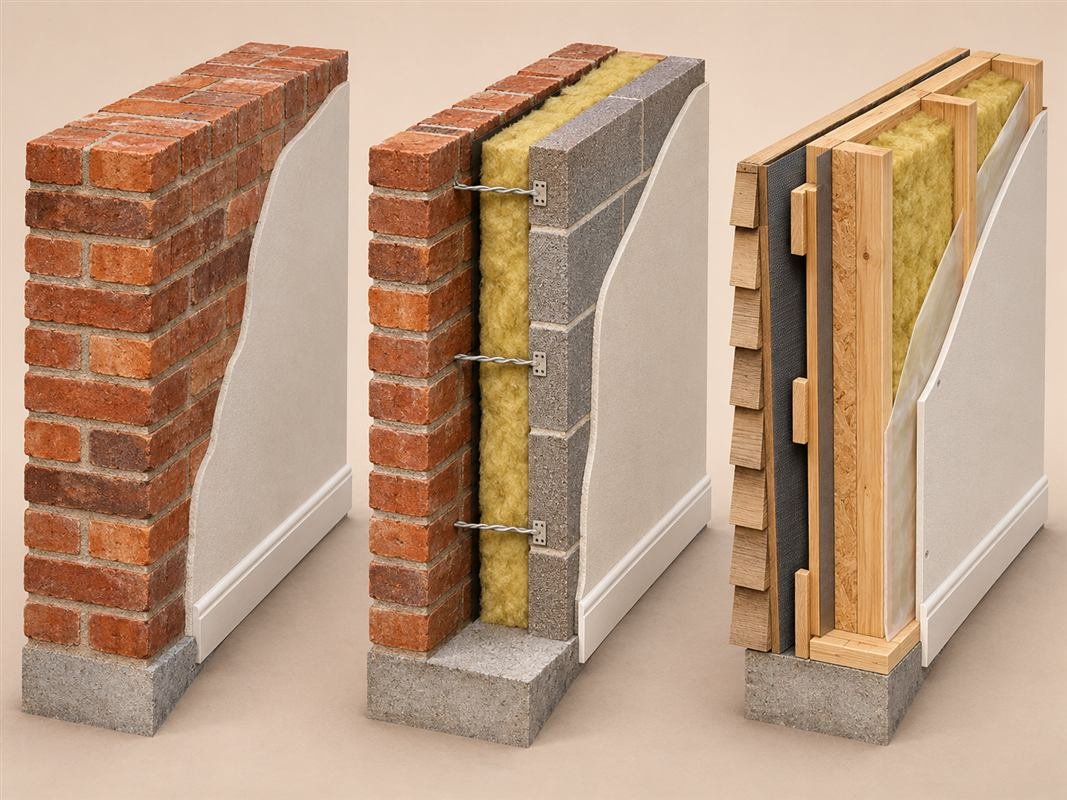
The building’s age and renovation records can help an inspector understand where to look. They cannot establish whether a particular wall contains vermiculite or whether the material is contaminated. Even walls in one building may have different construction histories, especially where rooms were added later.

Can you identify it by appearance?
Loose fill can look flaky or granular, and several materials can look similar inside a dusty wall. A photo can help you describe what became visible, but it cannot tell whether asbestos is present. Avoid opening another block or handling material to compare it with photos online. Write down where you saw it and what work exposed it. Share any photos already taken with the inspector.
The EPA’s vermiculite guidance advises homeowners to assume vermiculite insulation may be contaminated with asbestos and to leave it undisturbed. The EPA page discusses attic insulation, but the same precaution is relevant when suspected loose-fill insulation is exposed during wall work. Airborne fibers are the concern when asbestos-containing material is disturbed.
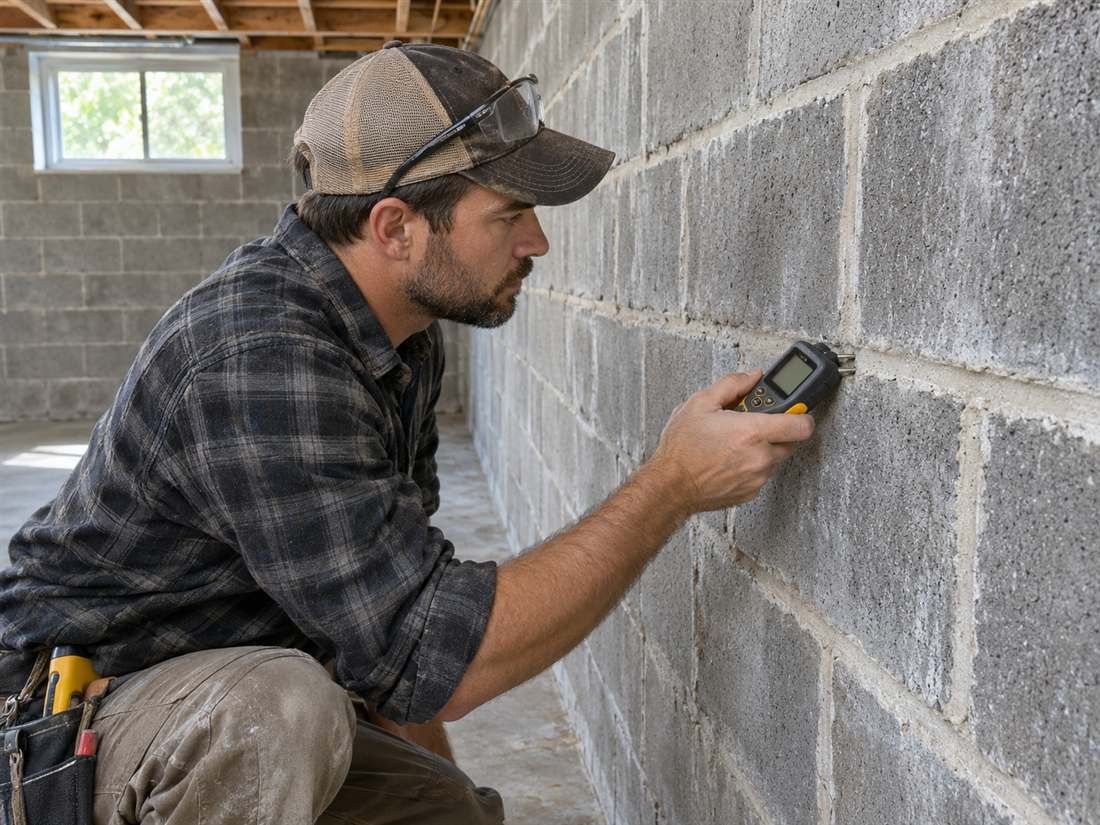
What to do if the wall has already been opened
1. Stop work around the affected wall
Pause drilling, cutting or demolition where the material appeared. Tell everyone working on the project which wall is involved. If loose material or dust is already out of the cavity, avoid handling it or using a household vacuum. Ask an asbestos professional how to manage the affected area before anyone returns to work there.
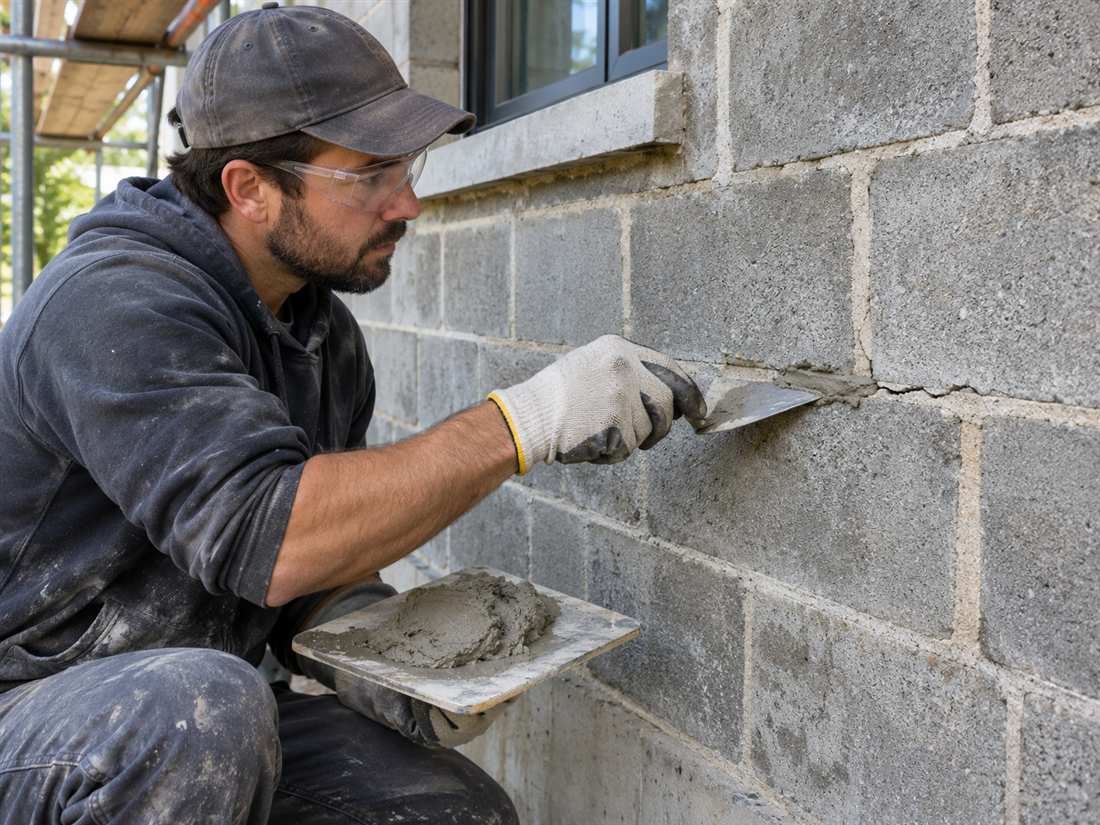
2. Arrange a professional assessment
Look for an asbestos inspector with the training and accreditation required in your area. Explain that the suspected fill is inside concrete masonry. Describe the planned renovation and any material that escaped. Ask what the assessment will cover, whether professional sampling is appropriate, and how the findings will inform the next step. Leave any sampling to the professional.
3. Get a plan before hiring the insulation crew
Depending on the assessment, the material may be able to stay in place if the project keeps it undisturbed. If the renovation would disturb it, ask what management or abatement is required before work. If removal is necessary, the EPA recommends a trained and accredited abatement contractor who is independent of the company that carried out the assessment.

How it affects an insulation retrofit
Core-fill work usually needs access to hollow masonry cells. If the planned work would open cells with suspected vermiculite, wait for the assessment before choosing the method. Share the findings with the insulation contractor. The new plan may need to address concealed material before anyone drills, removes masonry or changes the wall finish. Once a professional clears the proposed work, our cinder block and CMU wall insulation guide explains common retrofit options.
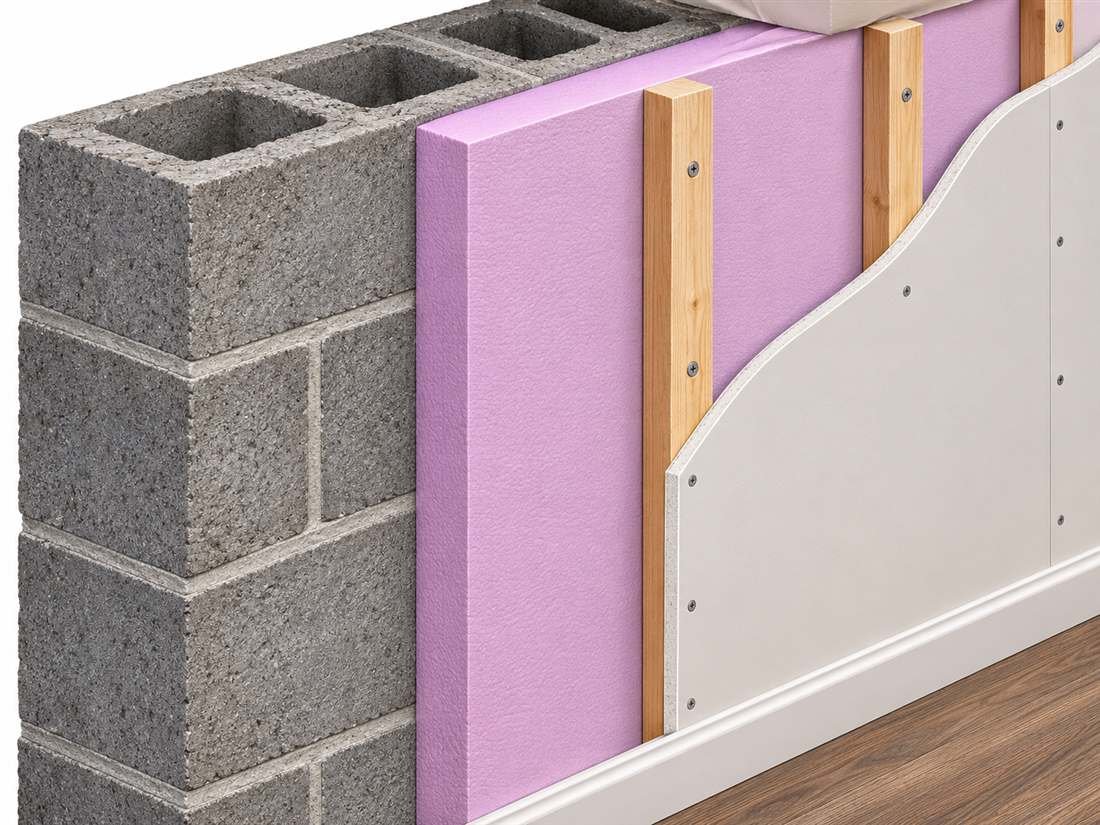
Ask for the scope in writing so the electrician, drywall contractor and insulation installer all know which parts of the wall they can work on. This is particularly useful when several trades share a remodel and might otherwise drill the same wall for different reasons.
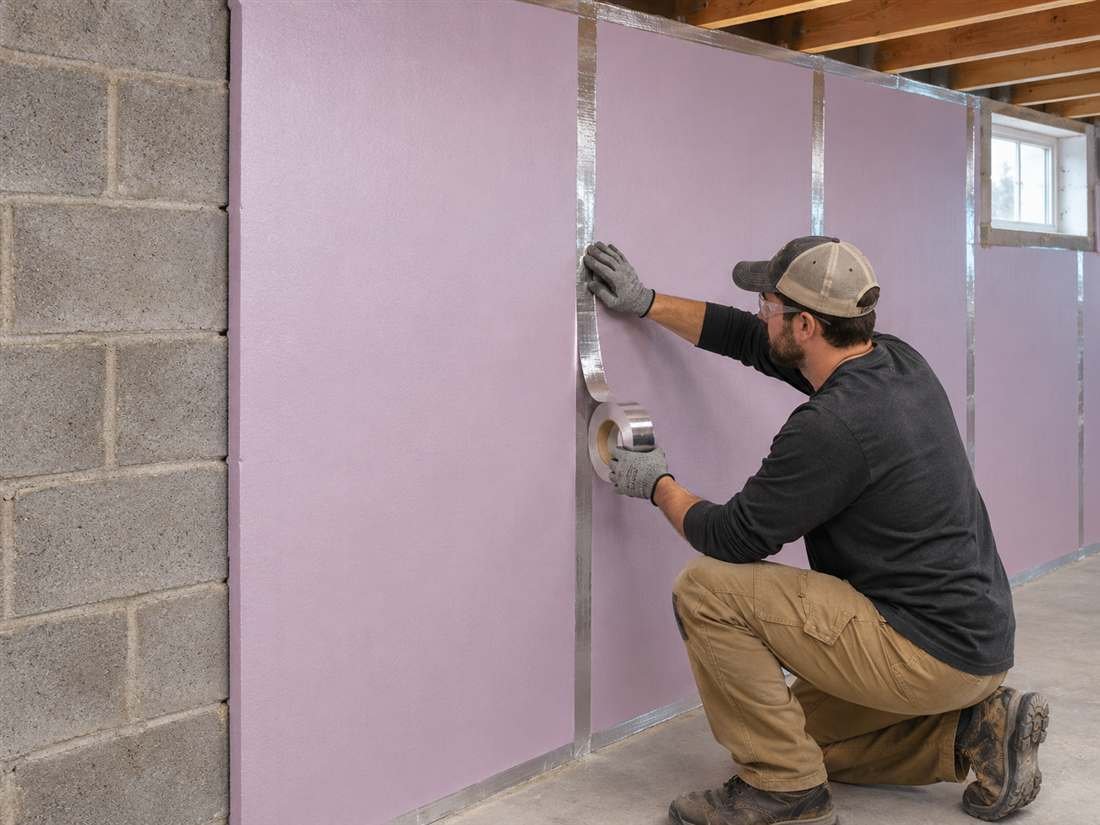
For related guidance, see How to Insulate Old House Walls.
Frequently asked questions
Does all vermiculite contain asbestos?
Vermiculite insulation may be contaminated. You cannot determine asbestos content by appearance. Treat suspected insulation as potentially contaminated and leave it undisturbed pending professional guidance.
Can I leave it in the wall?
That may be appropriate when the material is confined and can stay undisturbed. The decision depends on the wall’s condition and the planned work. Ask an accredited professional to assess both.
Can I collect a sample myself?
Use a trained and accredited asbestos professional for any sampling. Opening the wall or handling loose fill can disturb the material.
For general guidance on wall assemblies and materials, read our wall insulation guide.