


When insulating concrete block walls in Florida, check for rain leaks first and choose an assembly that lets the wall dry.
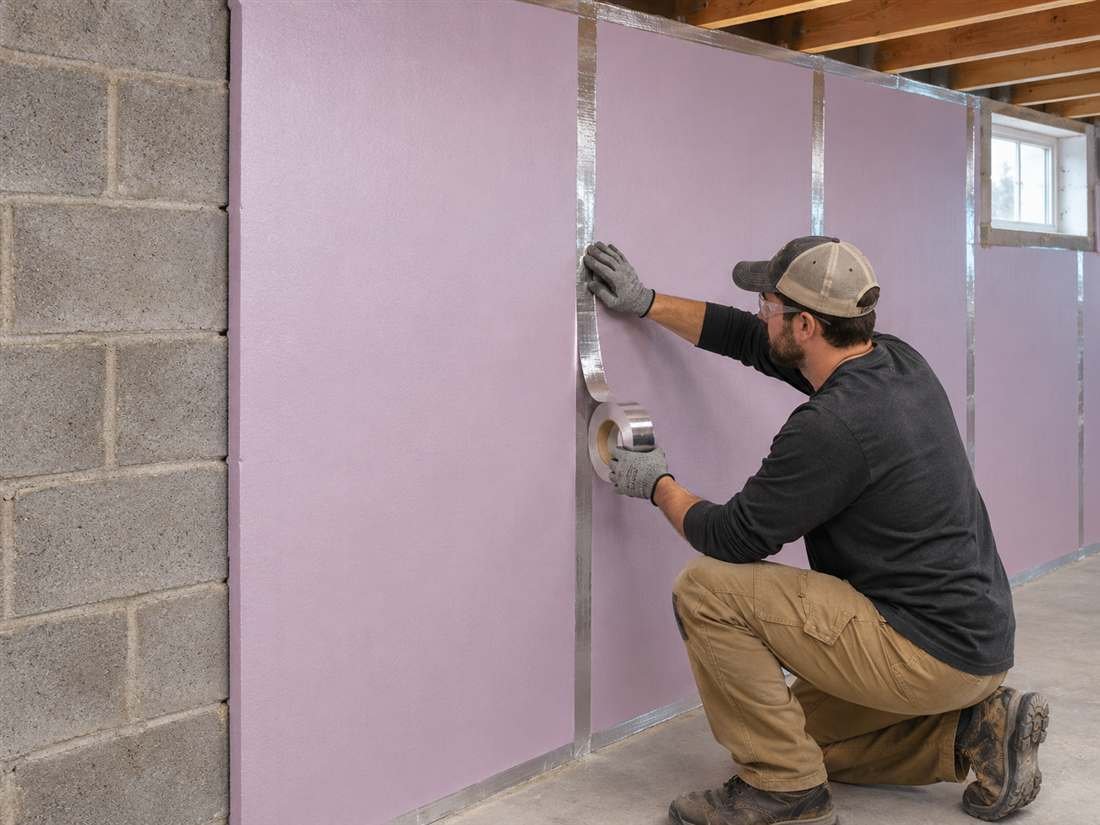
If the drywall is already coming down, evaluate interior rigid foam first. If you are replacing the exterior finish, compare it with continuous exterior insulation. If both wall faces need to stay largely intact, ask whether enough hollow cores are accessible to justify a core-fill retrofit. The best choice depends on what you are renovating, how wet the wall gets and what the finished assembly needs to achieve.
Compare three ways to insulate Florida block walls
| Method | When to consider it | Check before buying |
|---|---|---|
| Interior rigid foam | Drywall is coming down and the exterior stucco will remain | Moisture, inward drying, wall thickness and the protective finish |
| Continuous exterior insulation | You are replacing the exterior finish or planning an addition | Flashing, drainage, attachment and the approved exterior finish |
| Core-fill insulation | You want to keep both finishes largely intact | Which cores are open, how the installer will verify coverage and whole-wall performance |
1. Interior rigid foam when the room is open
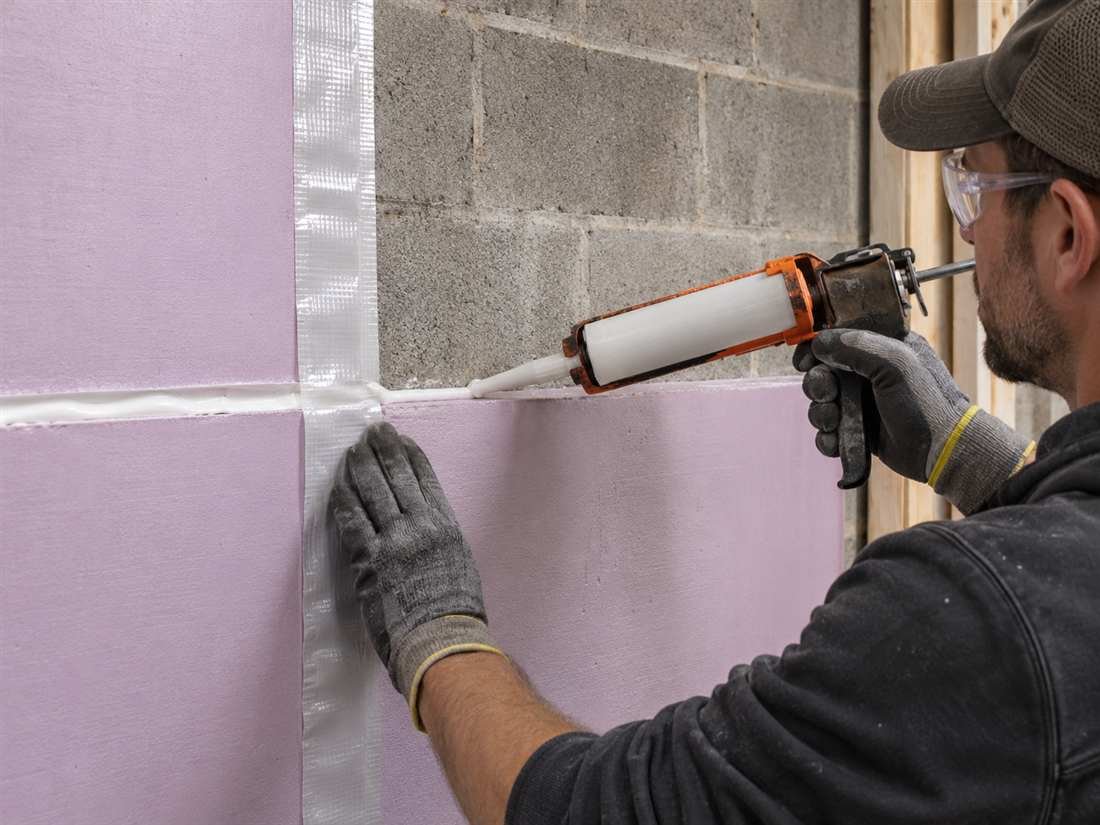
A documented assembly for stucco-clad block uses suitable rigid insulation on the interior face, followed by furring and gypsum board. In a wall designed to dry inward, the foam, its facing and the finish all affect that drying path. Ask the installer to explain how the proposed layers work together. Review the required protective finish before ordering foam.
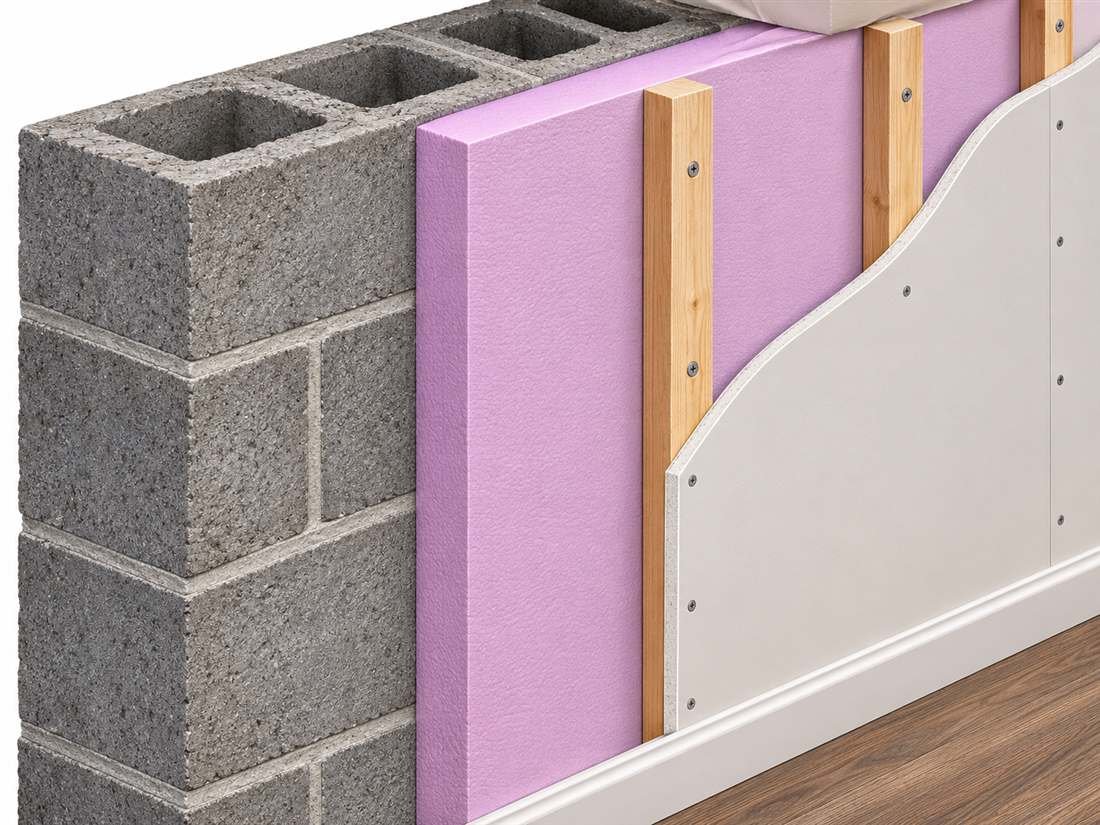
Walk through the room with your contractor. Check outlets, window returns, door trim and cabinets. Extra wall thickness can affect where these items sit. Ask the installer to show how the insulation will meet the ceiling, floor and window openings.
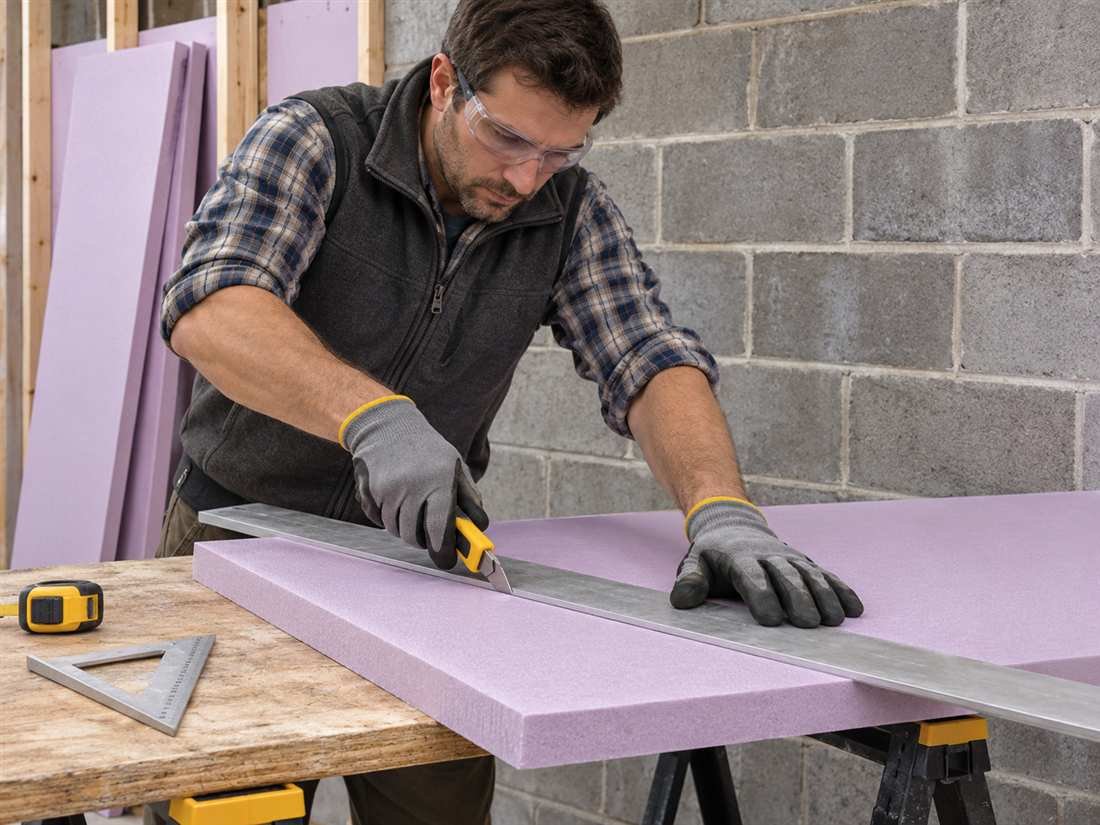
2. Continuous exterior insulation during recladding
Exterior insulation can cover the concrete block face, including the solid webs between the hollow cells. Those webs can otherwise carry heat around insulation in the cores. If you are replacing the stucco or another finish, ask for a wall section showing how the insulation connects to window and door flashing. Confirm drainage, fasteners and finish details before choosing board thickness.
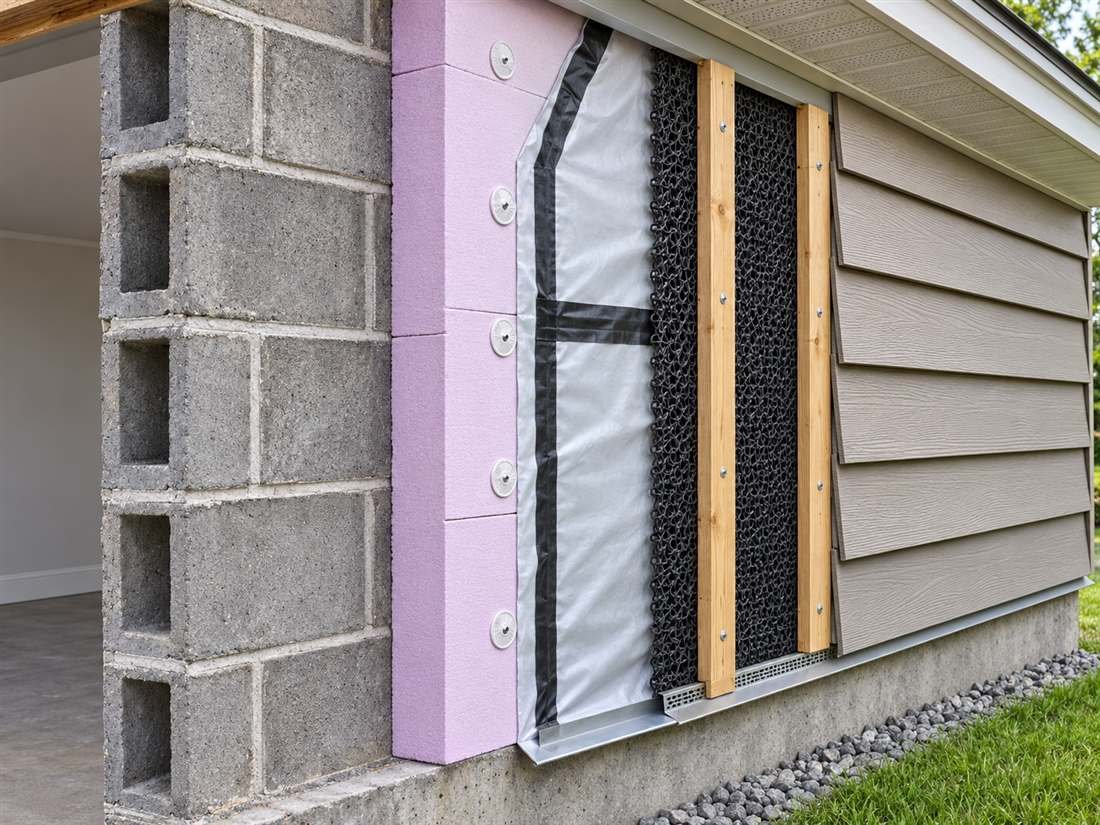
3. Core fill when neither wall face is easy to cover
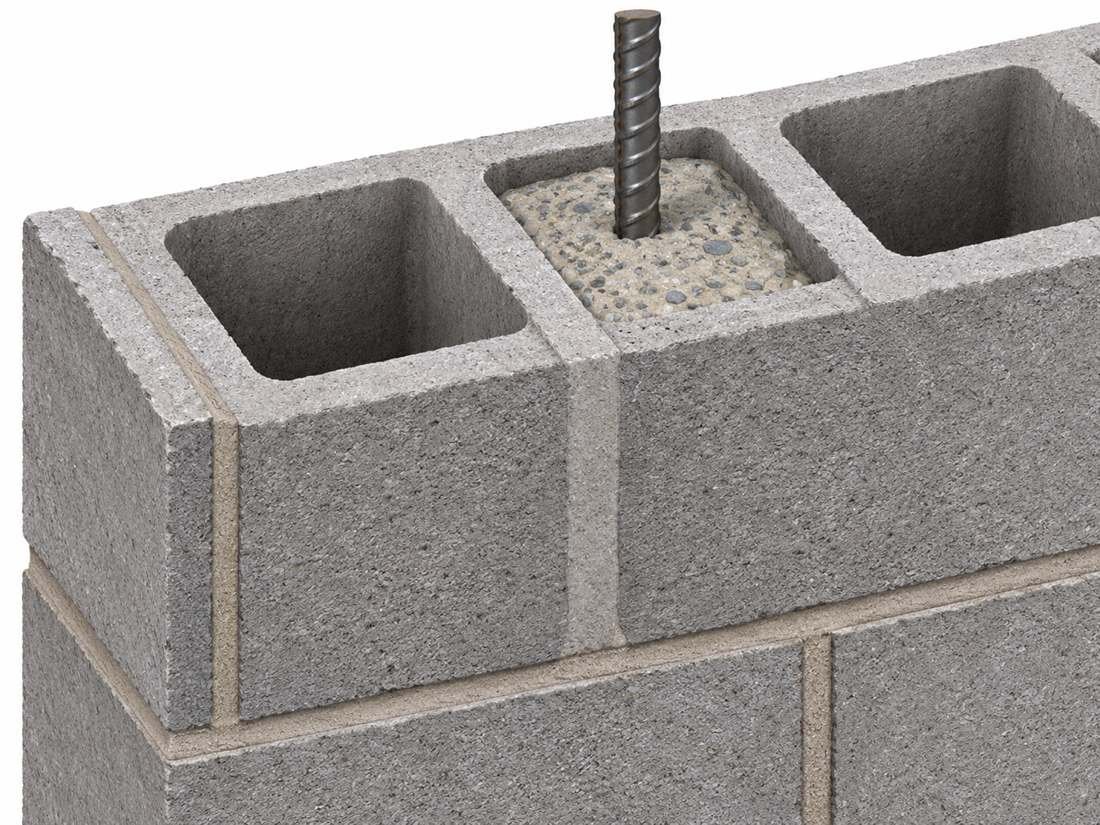
A contractor can inject insulation into accessible hollow cells. Ask how they will locate grouted cells or obstructions, verify coverage and patch access holes. Compare the documented R-value or U-factor of the entire wall. The number on the insulation product alone does not account for the block webs.
Check for water entry before you cover the block
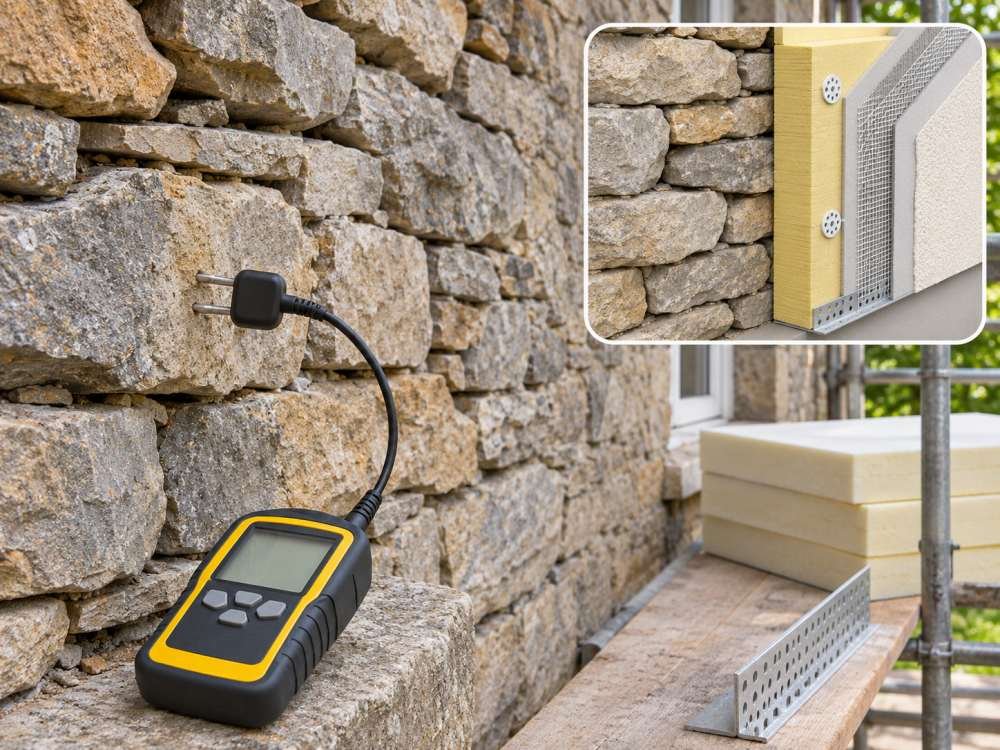
Inspect the wall after heavy rain. Look below windows and around penetrations for staining or peeling finishes. White mineral deposits can point to moisture moving through masonry. Record when damp spots appear. A stain that returns after storms gives your contractor a useful clue about where to look.
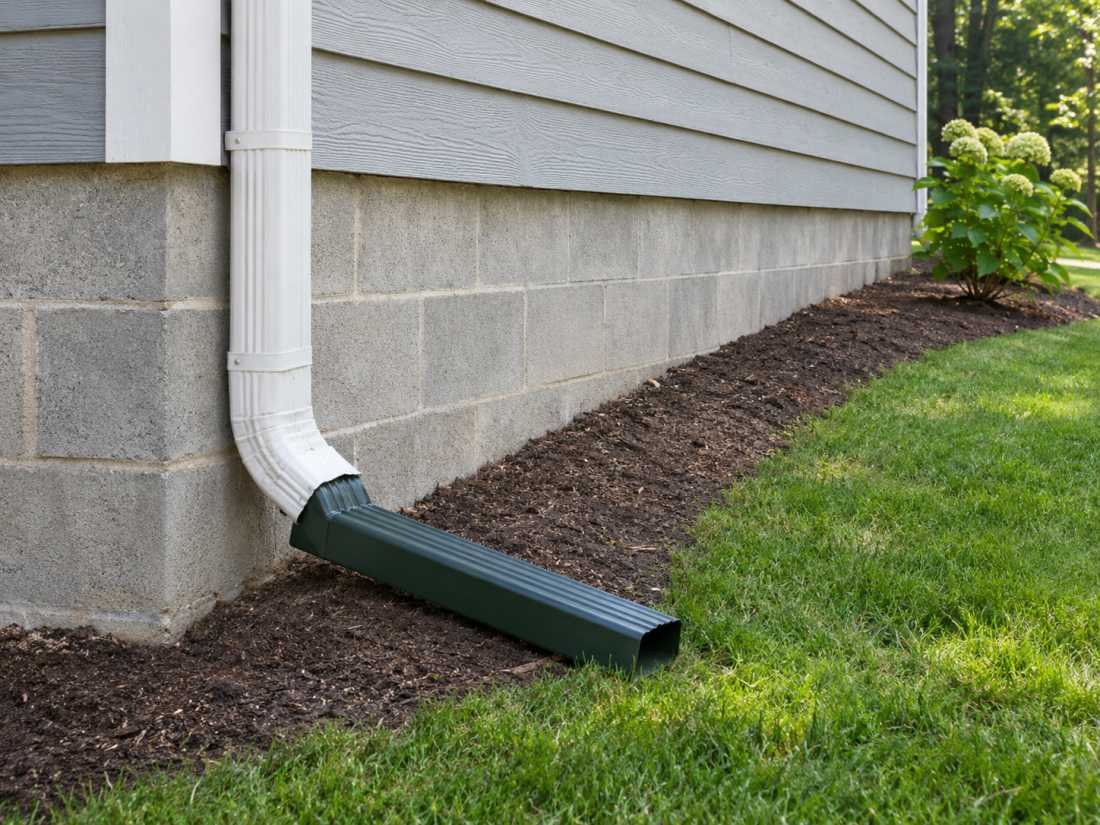
On a stucco-covered wall with air conditioning inside, ask which way the wall can dry after the work. Some interior designs rely on drying toward the room. A low-permeance interior layer can restrict that path. Address active leaks before adding insulation and review the finish as part of the wall design.
What R-value do Florida concrete block walls need?
Start with the code edition that applies to your permit. The Florida Building Commission lists the 8th Edition (2023) as effective December 31, 2023. The energy code has provisions for residential projects and existing buildings. Ask your building department which provisions apply, and have the contractor document the proposed mass-wall assembly and its compliance method. See the Florida Building Commission’s building code resources.
Compare quotes for the complete job
Give each contractor the same wall area and finish requirements. Ask for separate prices for moisture repairs, insulation, and drywall or exterior finish. For core fill, include patching. For exterior insulation, check whether the price includes flashing and finish restoration. A quote that stops at installing the foam will leave some costs out of your budget.
For related guidance, see Exterior Wall Insulation.
Frequently asked questions
Can I insulate Florida block walls from the inside?
Yes. Interior rigid foam can suit an accessible block wall once moisture problems are resolved. Choose the insulation and interior finish together so the wall has an appropriate drying path.
Does filling the block cores insulate the entire wall?
Core fill improves the cells it reaches. The solid webs remain paths for heat flow. Compare whole-wall performance if you are choosing between core fill and continuous insulation.
Which option should I price first for an older Florida home?
Start with an interior quote if the drywall is already coming down. Get an exterior quote if you are planning to replace the finish. When both finishes will stay, ask a core-fill installer to inspect the wall first.
For more on materials, installation and common mistakes, see our cinder block and CMU wall insulation guide.
For a broader comparison of interior and exterior systems, see our wall insulation guide.