


If you suspect there is no insulation in your walls, start by checking where the problem occurs.
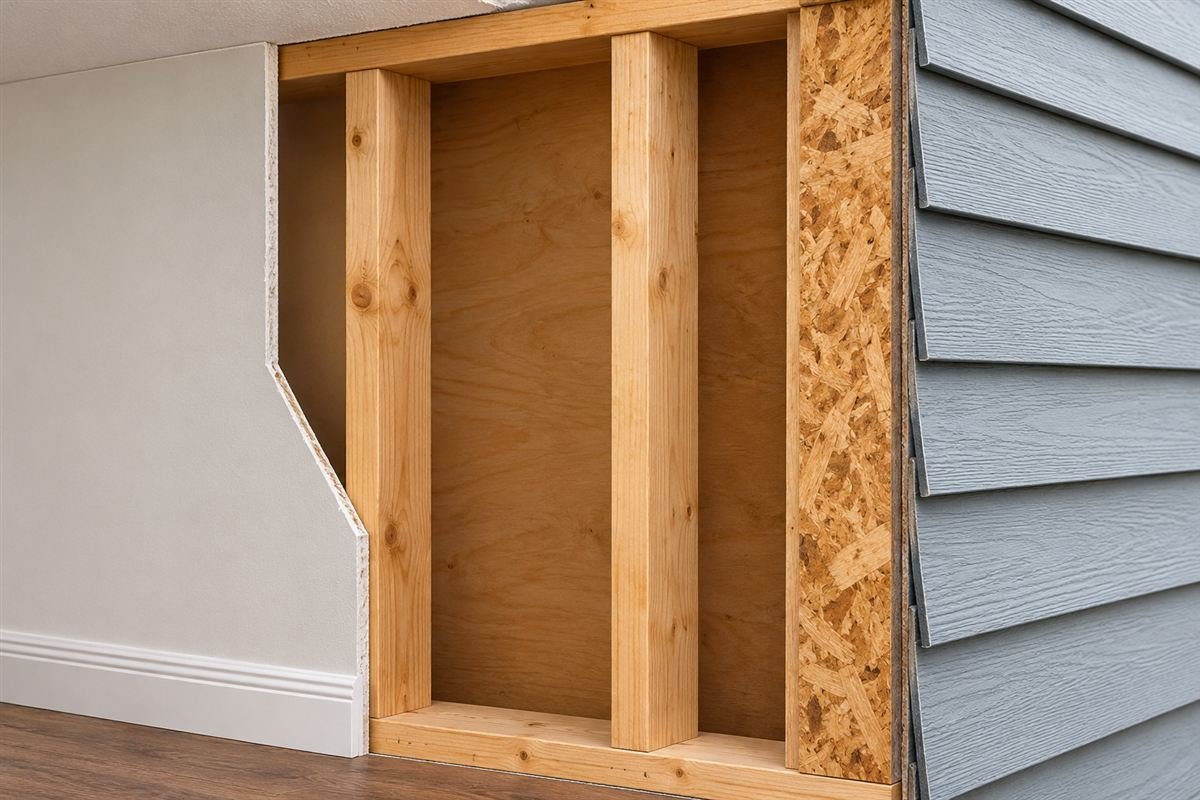
A cold wall, drafts or uneven room temperatures can point to missing insulation. Air leaks, window problems and heating-system issues can cause similar symptoms. Confirm the condition of representative walls before paying for a retrofit.
What signs suggest missing wall insulation?
Look for recurring discomfort near an exterior wall and compare rooms with similar windows and exposure. If one room gets colder faster than the next, note whether the cold is spread across the wall or concentrated around an outlet, window or baseboard. A draft at a trim gap points to moving air. An unusually cold section across several stud bays may warrant an insulation check.

The age of a house is a clue. Different walls can contain different materials, especially if the home has been extended or partly remodeled. An addition may be insulated while the original exterior walls are empty. Avoid assuming that an inspection in one room tells you what is inside every wall.
How to check without opening up the entire wall
Start with existing access and records
Look for renovation records, photos taken before drywall or a report from a prior energy assessment. If framing is already exposed during other work, record the type, thickness and condition of what you see. You can also ask the assessor to check walls from a suitable existing access point. If the house may have suspect older insulation, get professional advice before disturbing it.
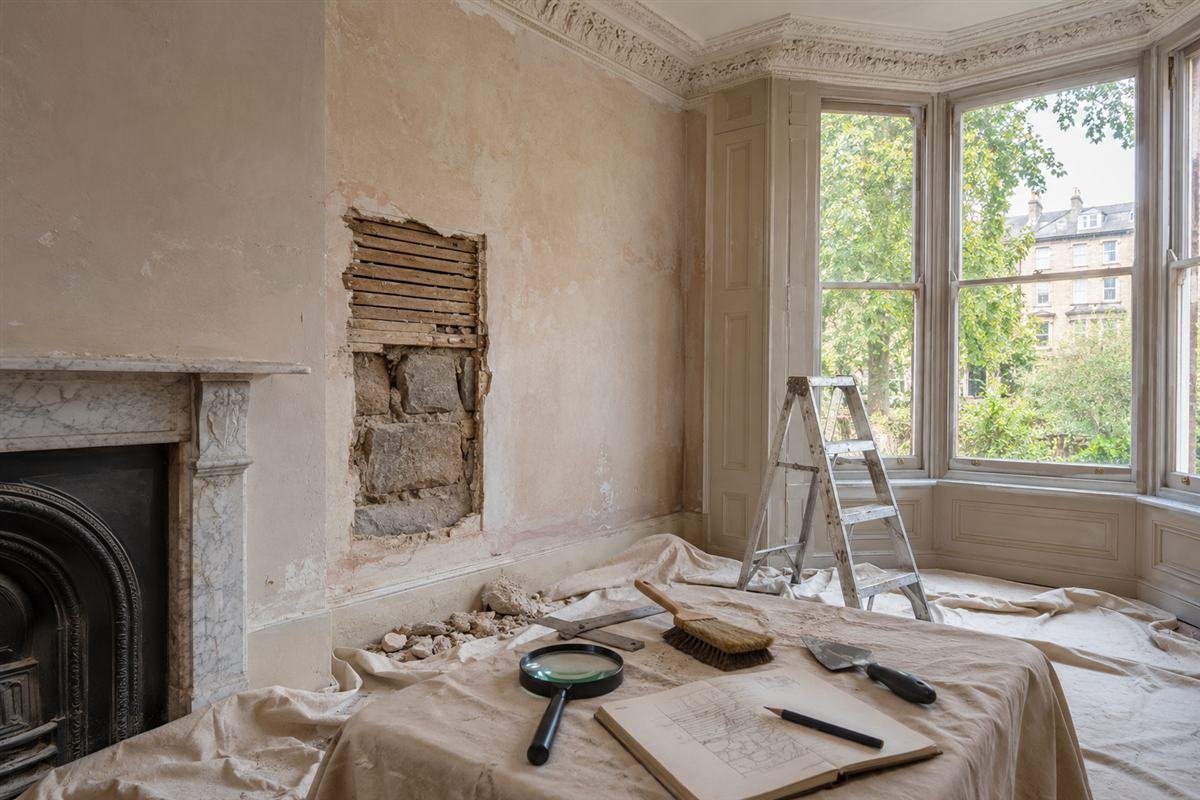
Use a home energy assessment when the evidence is unclear
An assessor can use thermal imaging to compare surface temperatures and a blower-door test to help locate air leakage. Warm or cold patterns can flag a wall for closer review, but sunlight, weather, framing and moving air can also affect those patterns. Ask the assessor to explain whether the findings indicate missing insulation, air leakage or both. The U.S. Department of Energy’s home energy assessment guide explains what an assessment can include.

How to fix walls with no insulation
If the drywall is already off
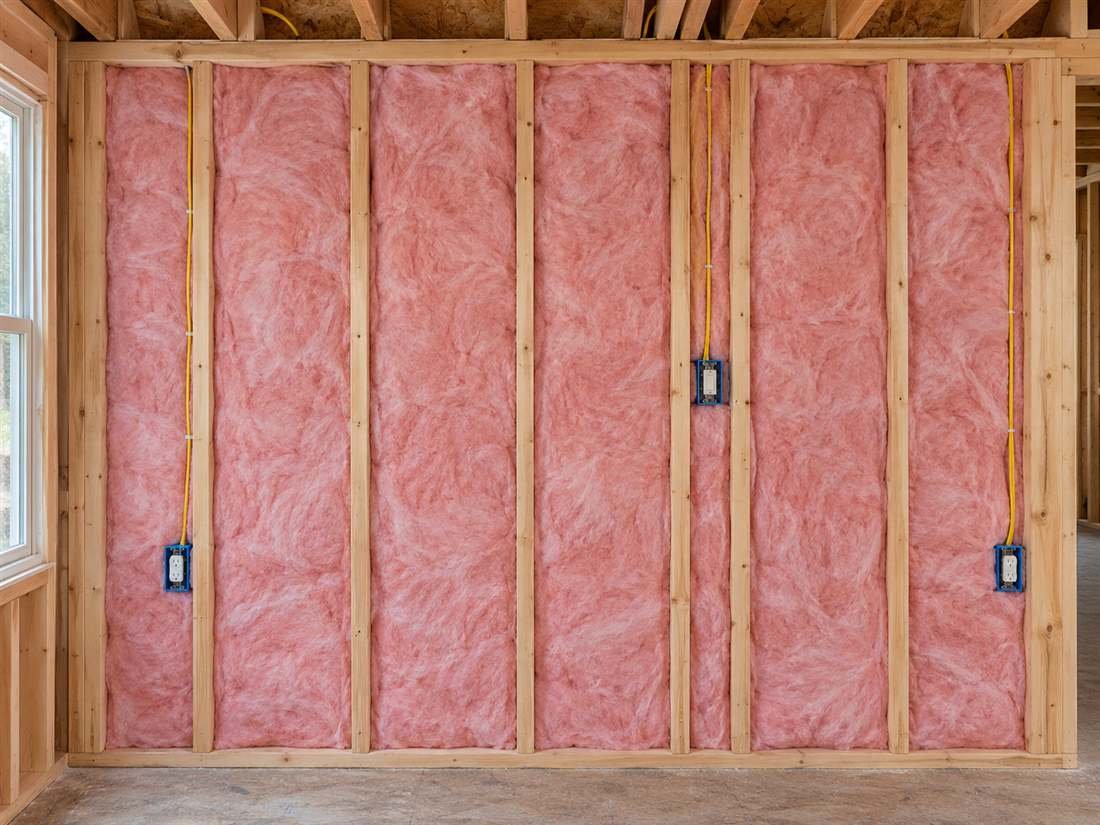
Open framing gives you a chance to inspect the bays, address leaks, and fit insulation around wiring and other obstructions. Confirm the available depth and choose a material rated for that installation. Where the renovation requires a permit, check the applicable insulation and inspection requirements before closing the wall. Take photos of the finished work before it disappears behind drywall.
If you want to keep the finishes
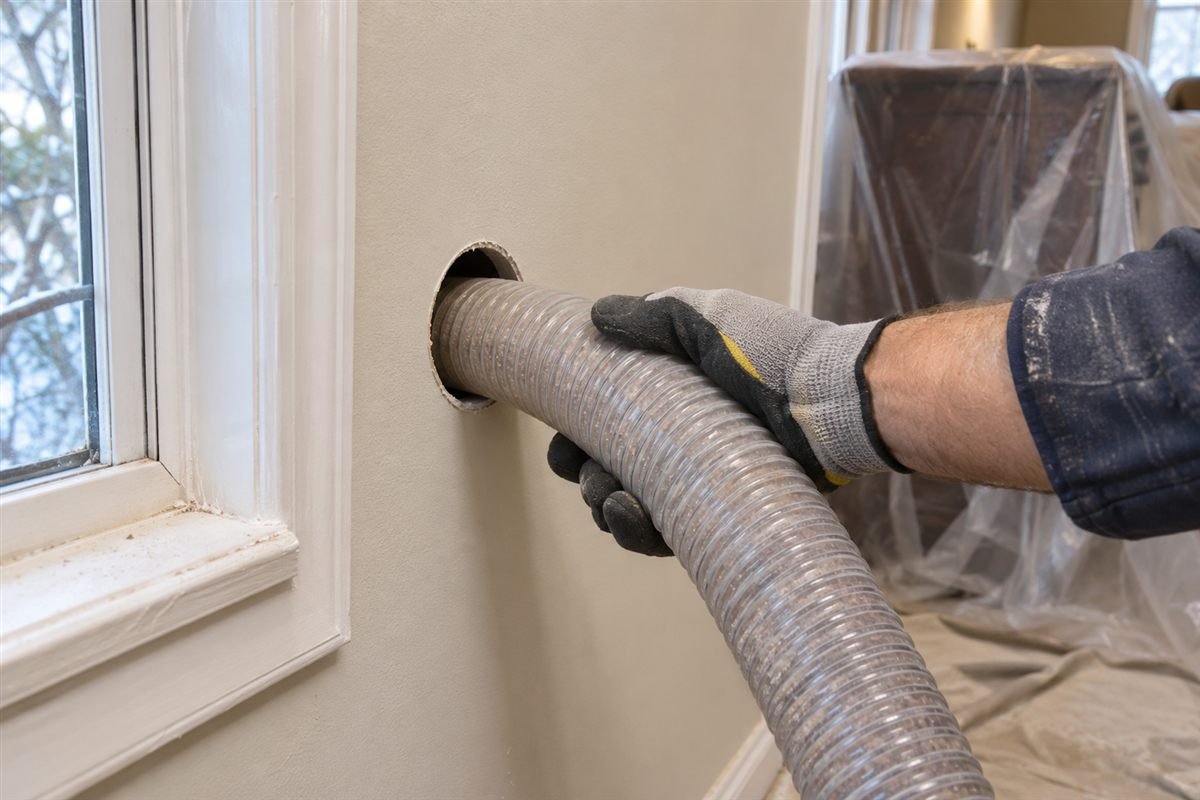
For a suitable framed wall, a qualified installer may be able to add dense-pack cellulose or fiberglass through access holes. The installer should first establish that the cavities can be reached, and explain how blocking or unexpected material will affect the fill. Agree in advance on whether the price includes patching and repainting. See our guide to insulating existing walls without removing drywall for access options.
If you are replacing the siding or working with masonry
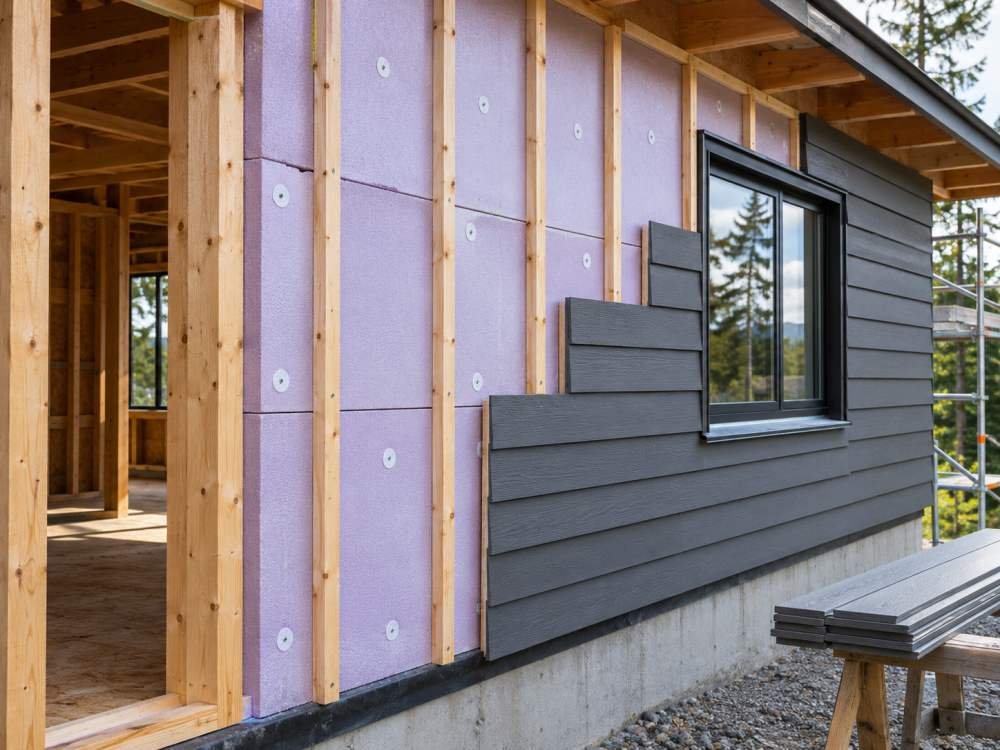
When siding is coming off, ask about continuous exterior insulation as part of the complete exterior assembly. Flashing, drainage and window details need to work with the added thickness. Solid masonry and hollow concrete block need their own assembly decisions. Tell your contractor what the wall is made of before asking for a price.
How to compare quotes and avoid paying twice
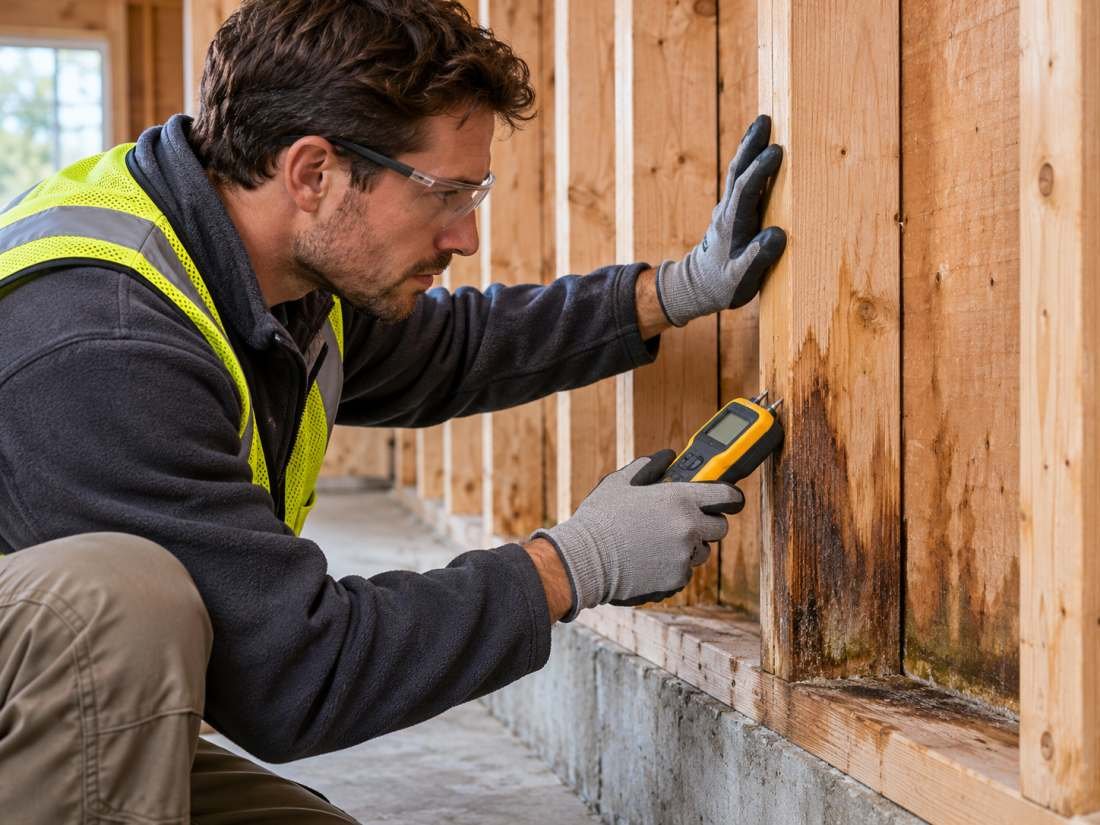
Ask the contractor to identify which walls need work and describe how each will be accessed. Get a written scope that includes the proposed material, quality checks, surface repairs and any air-sealing work. Compare the full cost to restore the finishes. If a wall is damp, address the source before enclosing it with new insulation.
If the budget covers only part of the house, start with the rooms where the assessment found the clearest problem. Combine wall work with a planned remodel when practical so you pay for opening and repairing the finish once.
For related guidance, see How to Insulate Old House Walls.
Frequently asked questions
Can a cold wall confirm there is no insulation?
A cold surface can result from missing insulation, air leakage, or heat moving through framing. Compare several rooms and ask an assessor to confirm the cause before investing in repairs.
Can a contractor insulate walls without removing all the drywall?
Some finished framed walls can be filled through carefully placed access holes. The answer depends on the wall construction, obstructions, existing materials and how the contractor can verify coverage.
Should I seal drafts or add insulation first?
Start by finding the cause of the discomfort. Air sealing can address leaks, while insulation slows heat flow. If both are needed, plan them together so the insulation does not hide areas that still need sealing.
To compare ways to improve an uninsulated wall, read our wall insulation guide.