

Introduction
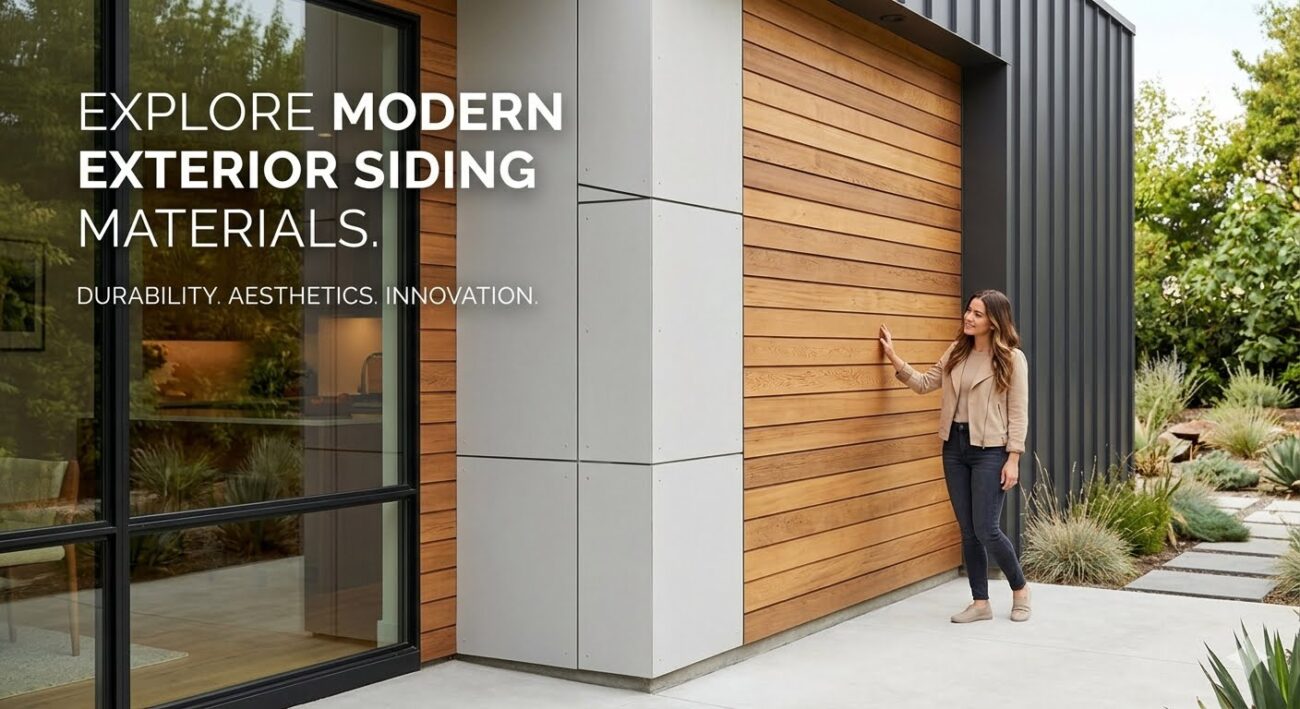
Choosing the right protective shell for your property is one of the most critical decisions a property owner can make. The right product safeguards your living space against harsh weather elements while dramatically improving your thermal performance. Furthermore, your selection sets the entire visual tone for your property architecture. In this comprehensive guide, we will explore the finest home exterior wall materials available today to help you achieve a beautiful, long-lasting finish.
Understanding House Exterior Material Options
When evaluating the market, you will quickly notice an incredible variety of house exterior material options. Modern manufacturing combines traditional aesthetics with innovative engineering to deliver better moisture protection and durability than ever before. However, selecting the right one requires balancing structural needs, regional climate factors, and upfront installation budgets.
To help you navigate this crowded marketplace, we should look at the core categories of materials for exterior walls. Every individual choice brings unique strengths to your building envelope. Let’s break down the most reliable systems that smart property owners are utilizing today to achieve maximum structural integrity and design beauty.
Traditional Masonry and Brick Siding
For centuries, natural clay brick has remained a gold standard for premium residential architecture. This timeless house exterior wall material offers incredible fire resistance, exceptional acoustic insulation, and completely hands-free maintenance. While the initial masonry installation cost sits higher than basic siding alternatives, the structural longevity easily spans generations.
Additionally, brick acts as a wonderful thermal mass. This means it absorbs outdoor heat during peak afternoon sun hours and releases it slowly as ambient temperatures drop overnight. Consequently, your indoor heating and cooling systems do not have to work nearly as hard to maintain a comfortable living space.
Fiber Cement and Composite Innovations
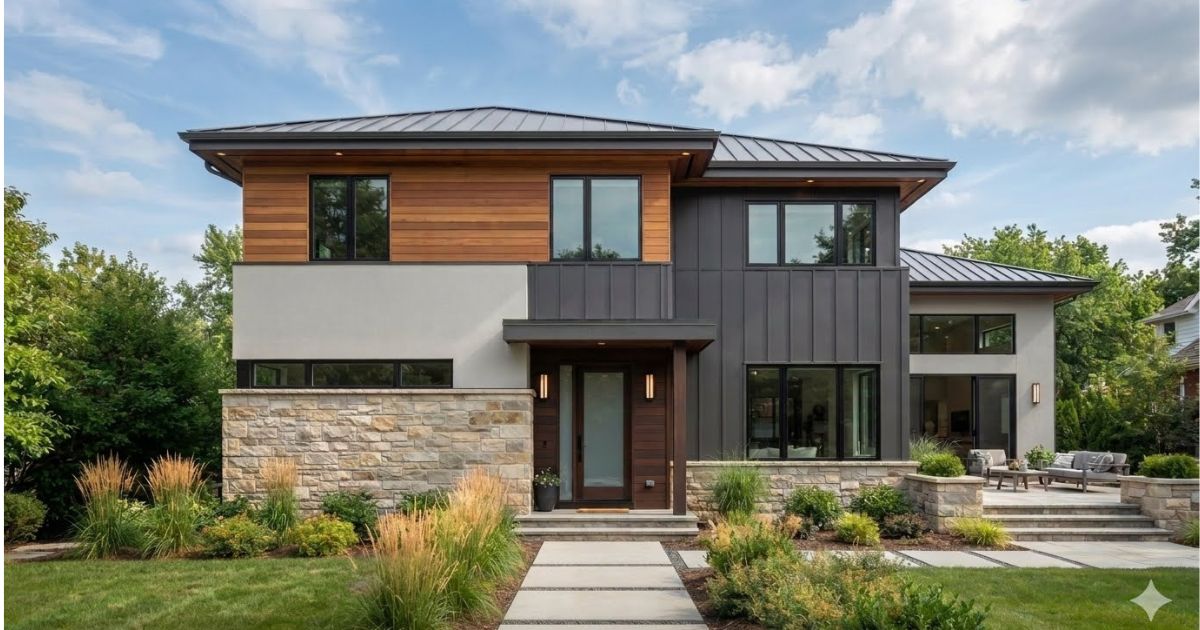
If you desire the elegant appearance of authentic wood planks without the constant threat of rotting, fiber cement is an absolute game-changer. This high-performing alternative blends cellulose fibers, sand, and Portland cement into an ultra-durable composite matrix. Therefore, it completely resists wood-boring insects, stubborn mold, and harsh ultraviolet warping.
Major brands pre-finish these synthetic planks in a massive gallery of custom colors, allowing you to bypass the need for frequent painting cycles. Because it mimics the grain patterns of cedar while offering superior fire ratings, it has rapidly become one of the most popular exterior home materials for contemporary renovations and modern builds alike.
Advanced Synthetic and Polymer Options
The modern construction industry continues to experience massive breakthroughs in synthetic chemistry. Today, polymer-based building options provide lightweight engineering that radically slashes overall transport and labor deployment expenses. Let’s take a deep look at how these innovative formulas compete with legacy materials on the open market.
Insulated Vinyl Cladding Systems
Basic vinyl siding historically suffered from a poor reputation regarding impact resistance and thermal movement. However, the latest generation of engineered polyvinyl chloride panels features robust solid-foam backing cores. This added structural cushion gives the material a completely solid feel under physical impact.
Furthermore, the dense foam layer effectively eliminates the frustrating thermal bridging paths that waste energy through standard wooden wall studs. By choosing this advanced wall materials exterior solution, you achieve an affordable layout that looks indistinguishable from painted wood from a distance.
High-Pressure Laminates and Phenolic Panels
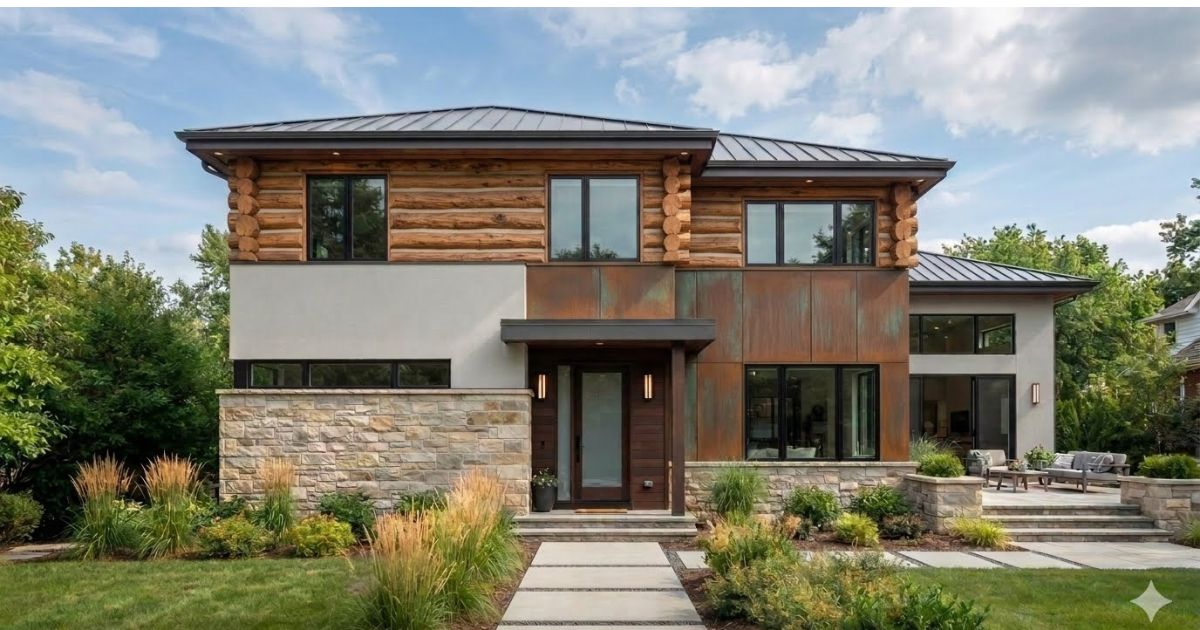
For cutting-edge contemporary designs, architects increasingly specify high-pressure laminates or composite phenolic cladding. Manufacturers craft these ultra-dense panels by pressing natural wood fibers together with specialized thermosetting resins under extreme heat and pressure conditions. This heavy industrial processing creates a completely non-porous outer layer.
As a direct result, these modern sheets deliver incredible resistance against graffiti, scratching, and intense atmospheric pollution. They are the perfect solution if you intend to create a striking, low-maintenance accent wall that turns heads across your entire residential neighborhood.
Top-Performing Wall Materials Exterior Solutions Compared
To simplify your planning phase, we have structured a comparative analysis of the primary choices. This direct breakdown highlights exactly how different siding types perform across critical operational categories.
| Siding Material | Average Lifespan | Maintenance Level | Best Climate Suitability |
| Vinyl Planks | 20–30 Years | Very Low (Simple Wash) | Mild to Moderate |
| Fiber Cement | 30–50 Years | Low (Occasional Paint) | All Climates (Highly Versatile) |
| Natural Brick | 100+ Years | Minimum (Tuckpointing) | Extreme Heat & Heavy Rain |
| Engineered Wood | 20–30 Years | Moderate (Sealant Required) | Dry or Low-Humidity Zones |
| Stucco / Render | 50+ Years | Low to Moderate | Arid and Mediterranean |
Crucial Benefits of Selecting Premium Materials
Investing in high-quality cladding supplies offers massive returns that extend far beyond simple visual aesthetics. When you deploy structurally sound products, you create an airtight barrier that stops energy loss right in its tracks.
- Substantial Energy Savings: High-performance insulation backing blocks thermal bridging, drastically reducing your monthly cooling and heating expenditures.
- Enhanced Property Valuation: Upgraded architectural finishes immediately elevate your curb appeal, making the home far more attractive to future real estate buyers.
- Unmatched Storm Resilience: Premium-grade materials withstand high-velocity winds, flying debris impact, and torrential rain cycles without failing.
Data Point on Siding ROI
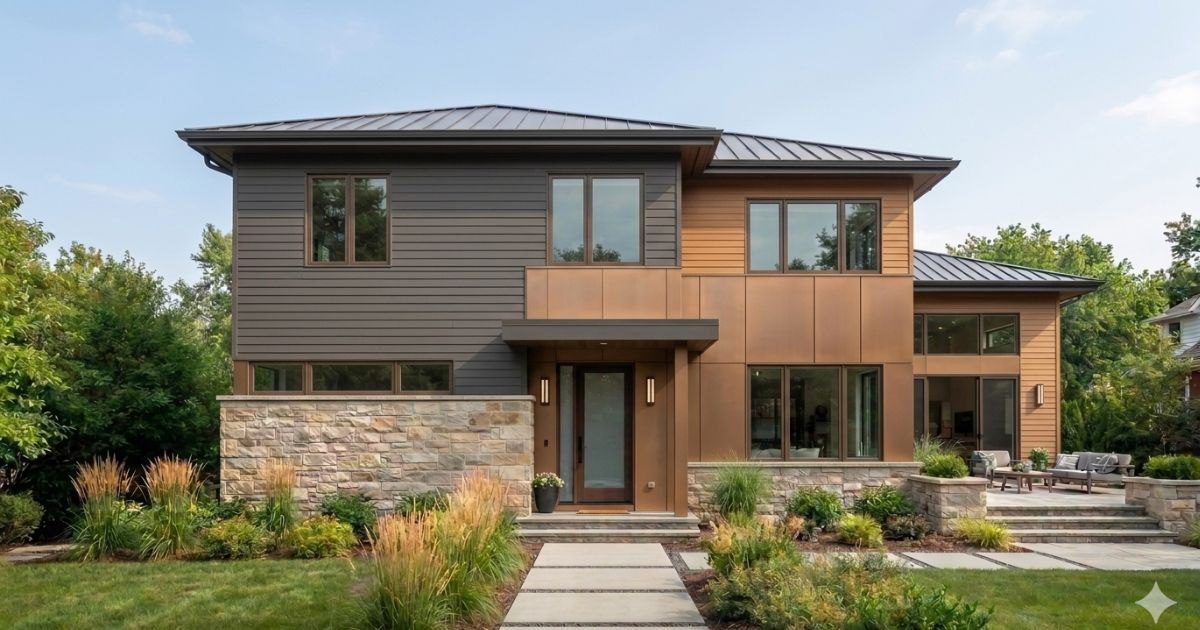
According to recent building industry cost versus value studies, replacing old cladding with modern fiber cement siding consistently yields an average return on investment of over 75% at resale. This makes exterior remediation one of the most financially sound remodeling projects a homeowner can undertake.
Natural Aesthetics: Wood and Metal Solutions
If you prefer a highly organic look or an edgy industrial style, natural materials provide unmatched character. These choices allow your building to age gracefully alongside its surrounding landscape.
Natural Wood Siding and Shingles
Nothing truly matches the rich warmth and unique grain pattern of authentic cedar, redwood, or cypress boards. When properly treated with sealants, these wood variations provide excellent durability and a premium architectural feel. However, you must commit to periodic staining or painting every few years to keep moisture from rotting the timber.
Architectural Metal Cladding
Aluminum, steel, and zinc panels offer incredible longevity and crisp, clean lines for minimalist homes. Metal options require virtually zero maintenance and will not support mold growth or insect infestations. Additionally, modern reflective coatings bounce intense sunlight away from your walls, keeping interiors cooler during intense summer seasons.
Step-by-Step Selection Guide
If you are planning an upcoming renovation or a brand-new construction build, following a logical decision path prevents costly ordering mistakes. Use this simple procedural framework to finalize your building assets safely.
- Assess Local Climate Challenges: Analyze your local weather patterns over the past decade. If your region experiences high humidity, prioritize rot-resistant synthetics over standard organic softwoods.
- Establish an Accurate Lifecycle Budget: Calculate both the upfront material costs and long-term maintenance fees. Cheap initial options often cost significantly more over time due to frequent repainting and repairs.
- Verify Local HOA Building Codes: Review your neighborhood association rules or local municipality guidelines. Many residential zones strictly regulate or prohibit specific siding types to maintain architectural harmony.
- Execute Professional Installation: Hire a certified, insured contractor to manage the physical installation. Proper flashing placement and moisture barrier integration are absolutely critical to prevent hidden water leaks.
Conclusion
Ultimately, identifying the perfect blend of exterior components requires analyzing your personal aesthetic taste, your budget constraints, and your local weather realities. Whether you choose the rugged durability of brick or the sleek flexibility of composite panels, prioritizing quality installation ensures your home remains safe and efficient for decades. For more detailed insights on property maintenance, explore our comprehensive Home Improvement Archive to keep your property in peak condition. For technical specifications on cladding standards, you can review the latest updates on the National Association of Home Builders resource platform. Take action today by requesting professional material samples to see how they look against your property’s natural lighting!
Frequently Asked Questions
FAQ Block
Q: Which exterior wall material lasts the longest?
A: Natural brick, stone veneer, and solid concrete block masonry are the longest-lasting options on the market. These sturdy systems routinely endure for well over a century with minimal structural upkeep.
Q: Is vinyl siding still a good option for modern homes?
A: Yes, modern insulated vinyl is highly cost-effective, completely impervious to rot, and requires zero painting. However, it can crack under severe hail impacts or extreme temperature fluctuations.
Q: How often do fiber cement walls require repainting?
A: Factory-applied finishes on fiber-cement siding typically last between 15 and 20 years. When it finally comes time to refresh the exterior, standard exterior acrylic latex paint applies smoothly and holds beautifully.