

Introduction
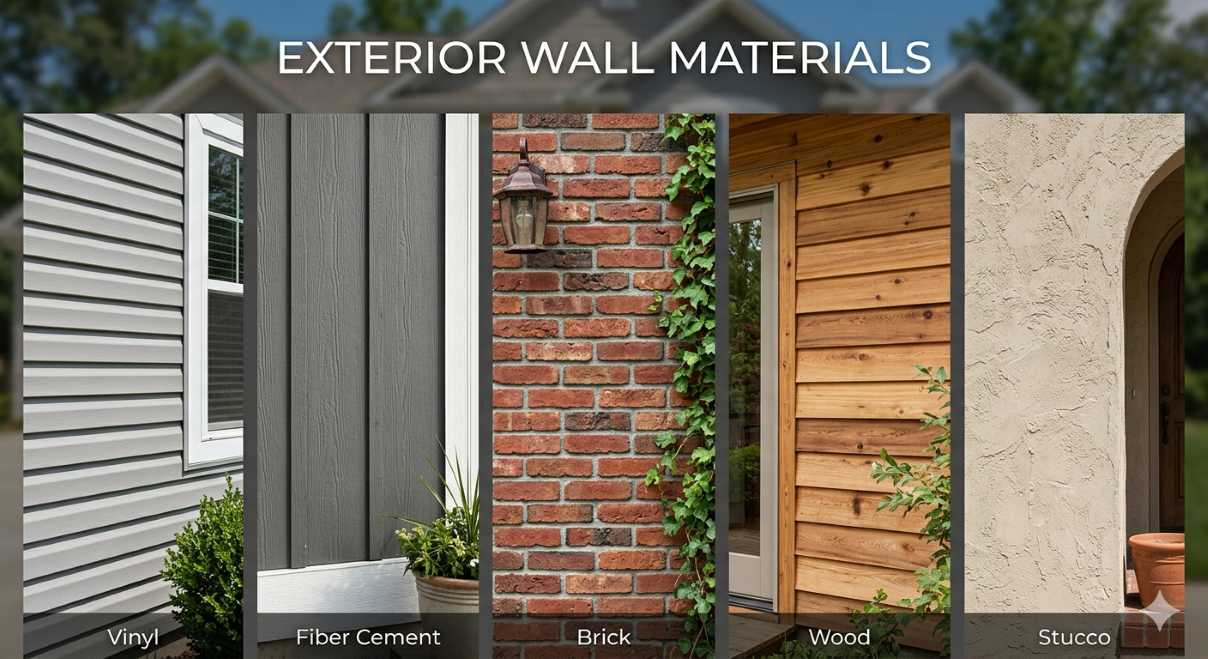
Your home’s walls do much more than hold up the roof. They protect you from wind, rain, and extreme heat. They also keep your family warm during cold winter nights. Choosing the right exterior wall materials directly affects your comfort and your wallet.
Many homeowners focus only on paint colors or roof styles. That is a mistake. Your choice of house exterior material impacts energy bills, maintenance costs, and even resale value. A poor decision leads to rot, cracks, or expensive repairs later.
This guide explains the most popular exterior wall material types in plain English. You will learn about costs, pros and cons, and climate considerations. By the end, you will feel confident picking the best exterior wall materials for your home.
Let us get started.
Why Your Choice of Exterior Wall Materials Matters
Good home exterior wall materials offer four main benefits. First, they shield your house against moisture, wind, and pests. Second, they provide insulation that lowers energy bills. Third, they boost curb appeal and property value. Fourth, they reduce long-term maintenance headaches.
Conversely, poor materials for exterior walls cause serious problems. Water seeps behind cheap siding. That leads to mold and wood rot. Insects invade through gaps and cracks. Your heating and cooling system works harder, so utility bills rise.
Therefore, picking the right exterior cladding material is a smart investment. You will save money over time. You will also enjoy a more comfortable home. And you will avoid stressful, costly repairs down the road.
Transitioning to our next section, let us explore the five most common exterior wall material types used in North America today.
5 Common Types of Exterior Wall Materials
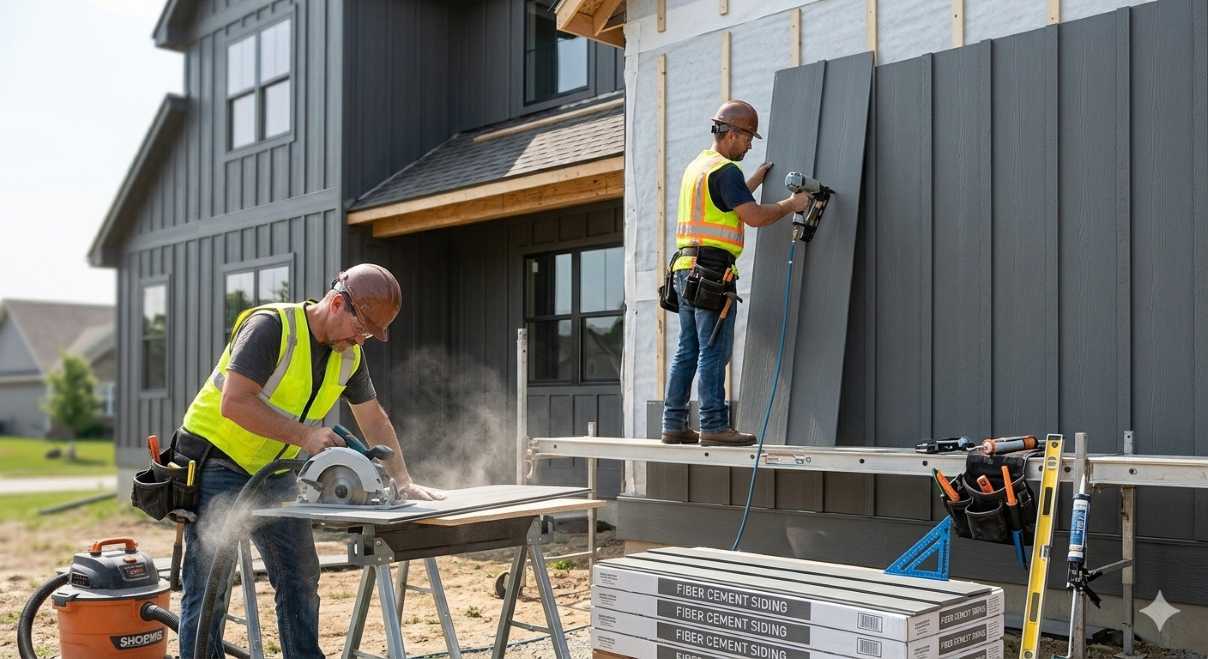
Each material has unique strengths and weaknesses. Below, we break down vinyl, fiber cement, wood, brick veneer, and stucco.
1. Vinyl Siding – The Budget-Friendly Choice
Vinyl siding is the most popular exterior wall material in the United States. Manufacturers make it from PVC resin. It comes in dozens of colors and textures. Some styles even mimic wood grain.
Vinyl offers several advantages. First, it is very affordable. Installation costs range from $2 to $7 per square foot. Second, it never needs painting. Third, it resists moisture and rot. Fourth, it is lightweight, so installation goes quickly.
However, vinyl has some drawbacks. Extreme heat can warp or melt it. Cold weather makes it brittle and crack-prone. Strong winds may tear panels loose. Additionally, once vinyl fades, you cannot repaint it easily.
Vinyl works best for budget-conscious homeowners in moderate climates. It is not ideal for very hot, very cold, or hurricane-prone areas.
2. Fiber Cement – The Durable Performer
Fiber cement combines sand, cement, and cellulose fibers. This exterior material for homes looks nearly identical to wood. However, it lasts much longer. James Hardie is the most well-known brand in this category.
Fiber cement is another low-maintenance choice, needing repainting only every 12 to 15 years. It will not rot or warp like wood, and it also resists insects and fir
On the downside, fiber cement weighs more than vinyl, so professional installation is highly recommended. The material also costs more upfront, typically 5to12 per square foot installed, and cutting it creates silica dust, so installers must wear masks.
Nevertheless, for homeowners who want wood looks without wood maintenance, fiber cement is an excellent choice.
3. Wood Siding – The Natural Beauty
Wood siding offers timeless warmth and character. Cedar, redwood, and pine are common choices. Builders install it as lap siding, shingles, or board-and-batten.
The main advantage of wood is its appearance. No synthetic material truly matches natural wood grain. Wood also provides decent insulation. And it can be stained or painted any color.
But wood requires significant maintenance. You must stain or repaint every three to five years. Moisture leads to rot if you skip maintenance. Termites and carpenter bees love wood. Furthermore, wood is combustible, so it is banned in some wildfire zones.
Therefore, wood siding works best in dry climates. It also suits historic home renovations where authenticity matters. For most other situations, fiber cement or engineered wood are smarter choices.
4. Brick Veneer – The Classic Performer
Brick veneer uses a single layer of brick attached to a wood or steel frame. It gives you the classic brick look without the cost of solid brick. As an exterior wall material, brick is extremely durable.
Brick offers several benefits. It never needs painting or sealing. It resists fire, wind, and pests completely. It provides excellent thermal mass. This means brick absorbs heat during the day and releases it slowly at night. As a result, homes stay cooler in summer and warmer in winter.
The main drawback is cost. Brick veneer runs $9 to $15 per square foot installed. It also requires a sturdy foundation because brick is heavy. Additionally, brick is difficult to change later if you want a different look.
For long-term homeowners who value zero maintenance, brick veneer is hard to beat.
5. Stucco – The Southwestern Favorite
Stucco is a cement-based exterior cladding material. Builders apply it in three layers over a metal mesh. Stucco is very common in Southwestern and Mediterranean-style homes.
Stucco handles heat extremely well. It is fire-resistant and breathable. It also provides good thermal mass. When properly installed, stucco lasts 50 to 80 years.
However, stucco has serious limitations. It cracks easily in cold climates with freeze-thaw cycles and absorbs water if not properly sealed, which consequently leads to hidden mold and rot. Furthermore, stucco installation requires skilled labor, which is hard to find in some areas
Thus, stucco works best in dry, warm climates like Arizona, New Mexico, and Southern California. It is a poor choice for the Pacific Northwest or Northeast.
Sustainable and Recycled Exterior Wall Options
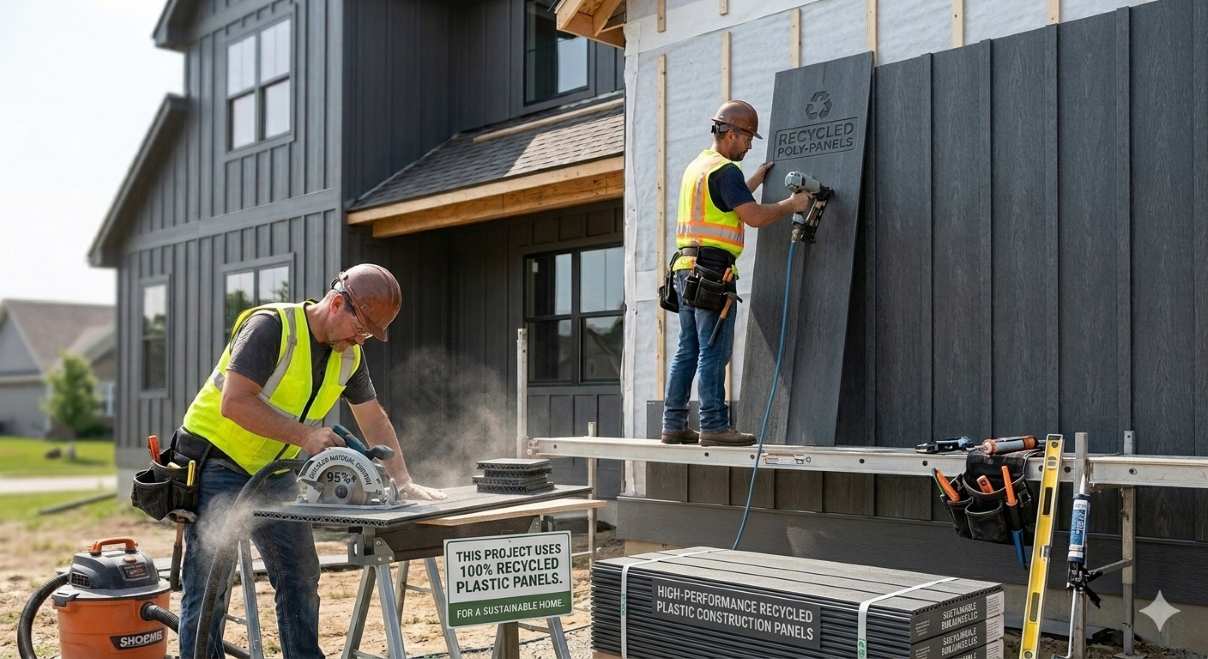
More homeowners now care about the environment. Fortunately, several eco-friendly materials for exterior walls exist today.
Recycled steel siding is one excellent option. Manufacturers take scrap metal from cars and appliances. Then they roll it into durable panels. Steel siding is 100% recyclable at the end of its life. It also resists fire, wind, and pests completely.
Reclaimed wood gives old lumber a second life. Old barns, factories, and shipping crates supply much of this material. Reclaimed wood adds unique character that new wood cannot match. It also keeps usable wood out of landfills.
Recycled plastic construction materials are also emerging. Manufacturers take milk jugs, detergent bottles, and plastic bags. Then they turn them into solid panels. These panels never rot or absorb water. They also resist insects and require zero painting.
Some creative builders now build homes made from recycled materials as a specialty, using crushed concrete for foundations, fly ash bricks for walls, and recycled glass for countertops.
Additionally, recycled steel building materials are becoming more common for framing and roofing. Recycled plastic decking material is already popular for porches and patios. Many of these products perform as well as traditional options.
Therefore, if sustainability matters to you, ask your contractor about recycled alternatives. You might be surprised by the quality and cost.
Energy Efficiency and Climate Considerations
Your choice of exterior wall materials directly affects your heating and cooling bills. Different materials perform differently in various climates.
Brick and stucco offer high thermal mass. They absorb heat during sunny hours. Then they release that heat slowly at night. This works beautifully in desert climates with hot days and cool nights. For this reason, passive solar design house plans often use brick or stucco on south-facing walls.
Fiber cement provides moderate thermal performance. You can improve it by adding continuous foam insulation behind the siding. This step cuts thermal bridging, which is heat escaping through wood studs.
Vinyl siding by itself offers low insulation value. However, insulated vinyl siding includes factory-attached foam. This raises the R-value significantly without changing installation.
For cold climates like Minnesota or Maine, choose fiber cement or insulated vinyl. Add a rain screen gap for extra protection against moisture.
For hot-humid climates like Florida or Louisiana, choose stucco or brick. Include proper vapor barriers to prevent hidden mold.
For wildfire-prone areas like California or Colorado, choose non-combustible materials. Stucco, brick, and fiber cement are excellent choices. Wood siding is a poor choice.
Pairing your wall material with energy-efficient siding lowers utility bills by up to 20%. You will also enjoy a more comfortable home year-round.
Low-Maintenance and Durable Choices
Not everyone wants to spend weekends scraping paint or replacing rotten boards. If that sounds like you, focus on low-maintenance exterior wall material types.
Brick veneer is nearly maintenance-free. You never paint it. You never seal it. A simple wash with a garden hose every few years keeps it looking new. Brick lasts over 100 years with zero upkeep.
Fiber cement is another low-maintenance choice, needing repainting only every 12 to 15 years. It will not rot or warp like wood, and it also resists insects and fire.
Metal siding (steel or aluminum) lasts 40 to 60 years. It never needs painting or sealing. Just wash it with soap and water annually. Metal also stands up to high winds and hail.
For exterior trim materials, choose cellular PVC. Brands like Azek and Versatex lead this category. PVC trim never rots, cracks, or peels. It is an excellent choice for exterior window trim material and exterior soffit material.
If you wonder where you can find durable and low-maintenance exterior trim options, visit any major home center. Lowe’s and Home Depot carry PVC trim boards. Local building supply yards also stock them.
For the most durable and low-maintenance shed on your property, use metal siding and PVC trim. This combination will outlast any wood shed by decades.
Additionally, durable and low-maintenance PVC fencing works well for property boundaries. It never rots or needs painting. A quick wash keeps it looking white for years.
How to Choose the Best Material for Your Home
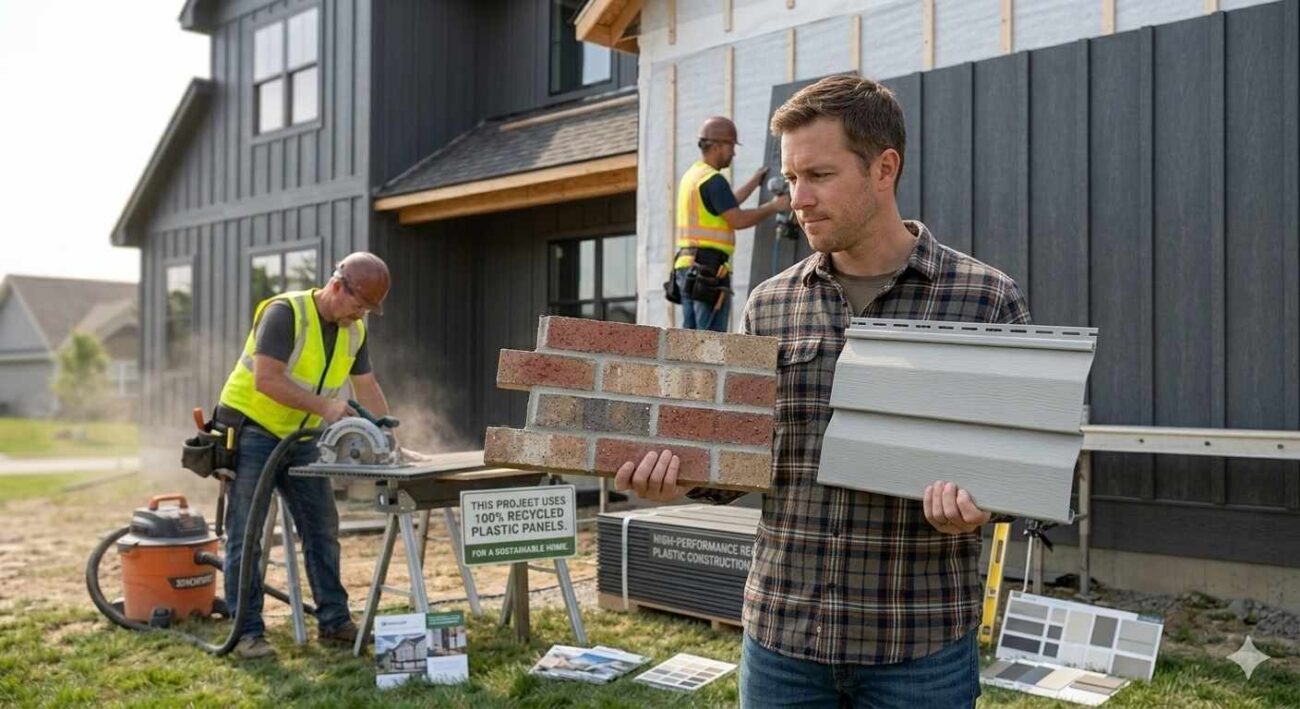
Follow these five simple steps to make the right choice.
Step 1: Assess your local climate. Cold, wet, hot, or dry? Each material suits different weather patterns.
Step 2: Set a realistic budget. Include installation, not just material costs. Also factor in long-term maintenance.
Step 3: Match your home’s architecture. Modern homes look great with metal or stucco. Farmhouses suit board-and-batten. Traditional styles pair well with brick or vinyl.
Step 4: Check local building codes. Some areas ban wood due to wildfire risk. Others require specific wind resistance ratings for hurricane zones.
Step 5: Order samples. View your top three exterior wall material types on your house at different times of day. Colors look dramatically different in morning light versus evening shade.
Frequently Asked Questions (FAQ)
What is the most durable exterior wall material?
Brick and fiber cement are the two most durable options. Brick lasts over 100 years with zero maintenance. Fiber cement lasts 40 to 50 years and resists fire, rot, and insects.
What is the cheapest exterior wall material?
Vinyl siding is usually the cheapest option. It costs between $2 and $7 per square foot installed. Engineered wood is another budget-friendly choice at $4 to $9 per square foot.
Can I use recycled materials for my home exterior?
Yes, absolutely. Recycled steel, reclaimed wood, and recycled plastic panels all work well. These recycled plastic construction materials offer good durability and lower environmental impact.
Conclusion
Choosing the right exterior wall materials protects your home and saves you money. Vinyl offers low cost and easy installation. Fiber cement provides durability and fire resistance. Brick delivers timeless beauty with almost no maintenance. Wood gives natural charm but needs regular attention. Stucco works beautifully in dry, warm climates.
Start by understanding your local climate and your budget. Then match those needs to the material that fits your style. For long-term savings, prioritize energy-efficient and low-maintenance options. And do not overlook sustainable choices like recycled steel or reclaimed wood.
Ready to upgrade your home? Talk to a local contractor. Ask for samples of your top three exterior wall material types. View them on your property. Then make your choice with confidence. Your future self will thank you
For official energy data, visit the U.S. Department of Energy’s page on insulating exterior walls (energy.gov).