

Interior design trends news is most useful when it helps you decide what belongs in your own home. A report can show changing interests in color, materials, or room layouts, but it cannot tell you that a working kitchen or comfortable sofa has become wrong. Treat trends as information to evaluate, then adapt the ideas that serve your room.
This guide combines a dated look at selected U.S. reporting with a practical method for reading future trend stories. The reporting was checked on October 24, 2026. The decorating suggestions are editorial interpretations, not findings from a separate survey or claims of firsthand project experience.
On this page: What current reporting can and cannot tell you · A dated snapshot: selected 2026 U.S. reports · How to evaluate a trend before bringing it home · Separate lasting preferences from short-lived excitement · Use a reversible-to-permanent decision ladder · Applying the warmer-room idea without a full makeover · How to read software and AI trend announcements · Trends, sustainability, and unnecessary replacement · Warning signs in interior trend coverage · Build a simple trend-reading routine · Frequently asked questions · Let the room lead the decision
What current reporting can and cannot tell you
Different kinds of reports measure different things. A search-interest report records what people look for on a platform. A renovation study describes its respondents and projects. A set of designer interviews captures professional observations, not the preferences of every household.
Read the methodology before the headline. Ask when the information was collected, which country it covers, and who participated. A change within one platform does not automatically represent all homeowners or prove future resale value.
Three useful types of evidence
- Search data can identify growing curiosity, without proving purchases.
- Homeowner surveys can describe a particular group, without representing every home.
- Professional interviews can reveal recurring requests, without providing a national market share.
Keep those distinctions visible when discussing a trend. You can enjoy an idea without exaggerating what the evidence says about its popularity.
A dated snapshot: selected 2026 U.S. reports
Warmer, more layered rooms appear in professional reporting
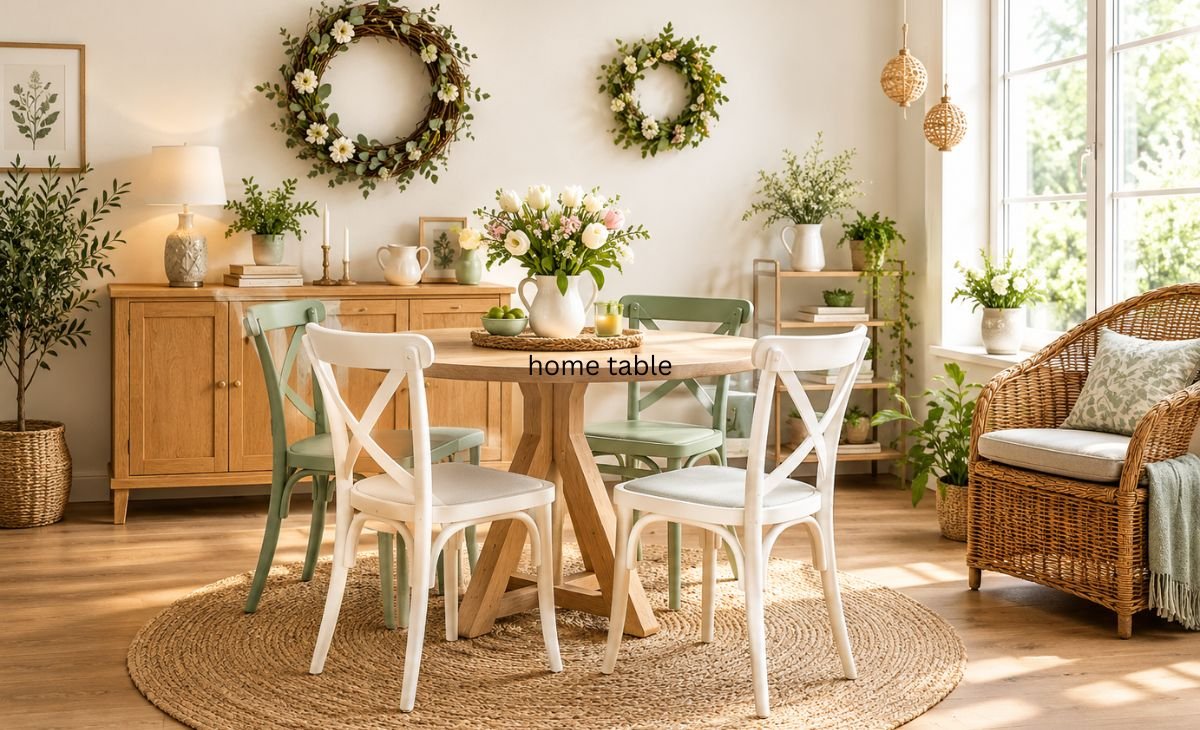
The 2026 U.S. Houzz Fall Design Trends Report describes designers seeing continued interest in warmer rooms, layered textures, wood tones, and earthy colors. Houzz says it interviewed nearly 50 home design professionals for the report.
This is a useful professional snapshot, not proof that everyone wants the same palette. Our practical interpretation is to explore warmth through combinations rather than automatically replacing every cool-colored finish. A textile, lamp shade, or wood accessory may be enough to test whether you like the direction.
Wood cabinet color leads within one renovation study
The 2026 U.S. Houzz Kitchen Trends Study reports wood as the selected cabinet color for 29% of the relevant renovating respondents, compared with 28% for white. The figures concern the study’s kitchen-renovation population and its question about cabinet color, rather than all U.S. kitchens.
The practical lesson is choice, not a command to remove white cabinets. If your cabinets work well, you can explore warmth through existing furniture, lighting, or textiles. A one-percentage-point difference in a survey is not a sensible reason for an otherwise unnecessary renovation.
Keep predictions separate from observed choices
An annual design forecast usually expresses expectations about the coming year. A completed-project study describes decisions within its research scope. Both can be interesting, but they answer different questions.
When an article labels something “the next big trend,” check whether it cites a forecast, a search increase, or actual completed purchases. Then decide whether that evidence matters to your project. You do not need a universal trend to justify a color you enjoy.
How to evaluate a trend before bringing it home
Ask what problem the idea solves
A trend may offer a useful answer to a practical need. A more flexible seating arrangement might suit a room used for work and entertaining. A new storage approach might make an entrance easier to use.
Other ideas mainly change appearance. That is a valid goal, but name it honestly. “I enjoy this color” is a clearer reason than claiming an entire room must change because it is out of date.
Compare the image with your actual room
Notice the ceiling height, window size, furniture spacing, and camera angle. A room photographed with generous daylight may not show how a dark finish behaves in your own apartment. A large decorative object may take up more useful space than you expect.
Use our space planning interior design guide before copying a layout. Check furniture dimensions and the activities the room must support. An attractive arrangement needs to work beyond the photograph.
Look for the underlying idea
You do not always need the featured product to use a trend. The real attraction might be contrast, warmer texture, curved shapes, or a stronger focal point. Translate that quality into something compatible with your existing belongings.
For example, you can explore a more collected look by grouping family artwork, rather than buying a new collection of decorative objects. You can soften a room with a textile before replacing a table. Identify the effect before choosing the purchase.
Separate lasting preferences from short-lived excitement
Revisit your inspiration after a pause
Save a few examples and return to them later. If the appeal depends mostly on repeated exposure, you may feel differently when another look appears. If you consistently like the same materials or shapes across several rooms, that preference may deserve more weight.
There is no required waiting period. The point is to create distance between inspiration and a permanent decision. This is particularly helpful for costly finishes and furniture that will be inconvenient to replace.
Compare with your personal design direction
Write three words describing how you want the room to feel. Use them to evaluate new ideas. A dramatic trend may be attractive online while conflicting with your preference for a quiet bedroom.
Our interior design aesthetics guide helps you recognize styles and choose a direction. Trends can then become selective additions to that framework rather than a replacement for it.
Consider your existing architecture
A material or shape can work differently alongside old trim, a tiled floor, or a simple modern interior. This does not mean you must decorate strictly by period. It means the room’s existing features should take part in the decision.
Try a sample next to the surfaces that will remain. Look at it under your actual lighting. A trend label cannot resolve a mismatch between the undertones of two large finishes.
Use a reversible-to-permanent decision ladder
Begin with low-commitment changes when you are unsure. Moving an object or regrouping artwork can test an idea without adding a product. A removable textile usually creates less commitment than a new floor or built-in cabinet.
| Level | Examples to consider | What to check |
|---|---|---|
| No purchase | Rearranging art, furniture, or existing accessories | Does the room work better? |
| Reversible addition | A cover, curtain, shade, or movable lamp | Size, care, compatibility, return terms |
| Larger furnishing | A chair, table, rug, or cabinet | Delivery, dimensions, maintenance, longevity |
| Surface change | Paint, wallpaper, or a new finish | Preparation, samples, permission, product instructions |
| Permanent renovation | Flooring, built-ins, or layout changes | Professional advice, full cost, disruption, requirements |
The ladder is a practical commitment guide, not a formal environmental ranking. Some small purchases are still unnecessary, and some renovations solve genuine problems. Match the level of commitment to your confidence and need.
Applying the warmer-room idea without a full makeover
Suppose a room has gray upholstery, pale walls, and cool-looking metal details. The household enjoys the warmer interiors in current reporting but does not want new furniture. This is an illustrative example rather than a surveyed project.
First, compare existing textiles and wood pieces from other rooms. Place one or two options beside the sofa and check them in daylight and evening light. Keep what creates a comfortable relationship rather than forcing a specific fashionable shade.
Next, consider the lighting experience. A room may feel harsh because light is concentrated in one place, not because every material is wrong. A suitable task or ambient light can change how you use the room, provided it matches the fixture and electrical requirements.
Finally, edit competing details. A small palette of connected materials can produce more coherence than several unrelated “on-trend” accessories. Our principles of interior design explain the balance, repetition, and contrast behind that result.
How to read software and AI trend announcements
Product launches can create their own trend stories. A new visualization feature may help explore possibilities, but a generated room does not prove that its furniture exists or that its layout fits your house.
Check the software’s current edition, output limits, and licensing before paying. Compare actual editing tools with image-generation features. Our best software for interior design guide distinguishes measured planners, modelers, and visual inspiration workflows.
Be especially careful with images that silently change windows, room width, or furniture dimensions. Use them to discuss a mood, then return to your measured plan. Attractive visual novelty should not replace practical checking.
Trends, sustainability, and unnecessary replacement
A trend story may describe natural materials or a greener-looking room. That appearance alone does not verify sourcing, emissions, durability, or end-of-life options. Ask for specific product evidence instead of treating a visual style as an environmental claim.
Our sustainable interior design guide explains how to evaluate reuse, repair, material information, and maintenance. A room can look current while keeping its existing furniture. It can also look fashionable while encouraging avoidable waste.
Use trends to find new ways of appreciating what you own. A renewed interest in wood might help you see an old table differently. A collected look might make space for meaningful objects that never matched a previous minimalist mood board.
Warning signs in interior trend coverage
- “Everyone is doing it” without a named source or defined group.
- A prediction presented as a completed national shift.
- Survey figures repeated without explaining the population or question.
- “Timeless” used to promise a purchase will never look dated.
- Environmental claims based only on color or natural-looking texture.
- A product recommendation that never discusses dimensions or care.
- A dramatic “outdated” list that treats functional rooms as failures.
These signs do not mean every idea in the article is useless. They mean you should separate attractive inspiration from unsupported claims. A reasonable decorating decision rarely needs exaggerated certainty.
Build a simple trend-reading routine
Check commercial context as well as the date
Notice whether a story sells a product, promotes a service, or reports independent observations. Commercial content can still offer useful ideas, but its purpose should inform how you interpret it. A retailer’s new collection shows what that retailer wants to sell; it does not establish what every household needs.
For a rental, check permissions before translating an attractive trend into paint or fixture changes. For a shared home, discuss the idea with the people who use the space. A style decision works best when it reflects daily life as well as an appealing image.
Keep a short note for each idea you save: source, publication date, type of evidence, what you like, and what you would change. Include a no-purchase version where possible. This turns casual browsing into a practical project reference.
Compare a few credible sources instead of saving dozens of near-identical lists. Notice whether they cite one another or provide different evidence. Several articles repeating the same forecast do not necessarily create several independent findings.
Return to your room brief before buying. Check budget, maintenance, permission, dimensions, and comfort. If the idea still makes sense without the word “trend,” it may be worth trying.
Frequently asked questions
Should I redecorate every year to follow trends?
No. Change a room when it no longer serves your needs or when a considered update will improve it. Dated reporting can offer ideas without creating an annual replacement schedule.
Are white kitchens out of style in 2026?
The cited Houzz renovation study still reports white as a common cabinet-color choice. More importantly, one study cannot decide whether your kitchen works. Evaluate condition, usefulness, light, and personal preference before considering a change.
How do I know whether a trend will last?
You cannot know with certainty. Reduce the risk by prioritizing enduring personal preferences, suitable materials, repairability, and reversible experiments. Avoid treating a forecast as a promise about future popularity or property value.
Let the room lead the decision
Choose one idea from current reporting and translate it into a small, useful experiment. Record why it suits your room, then test it with the items you already own. A comfortable home does not need to keep pace with every headline.
One thought on “Interior Design Trends News: 2026 Reports and Practical Ideas”