

A peaceful home does not need to feel empty. Japandi interior design combines clean silhouettes, warm materials, and thoughtful everyday comfort. This guide explains the style and shows how to use it in real rooms, including small spaces and budget-friendly homes.
What Is Japandi Interior Design?
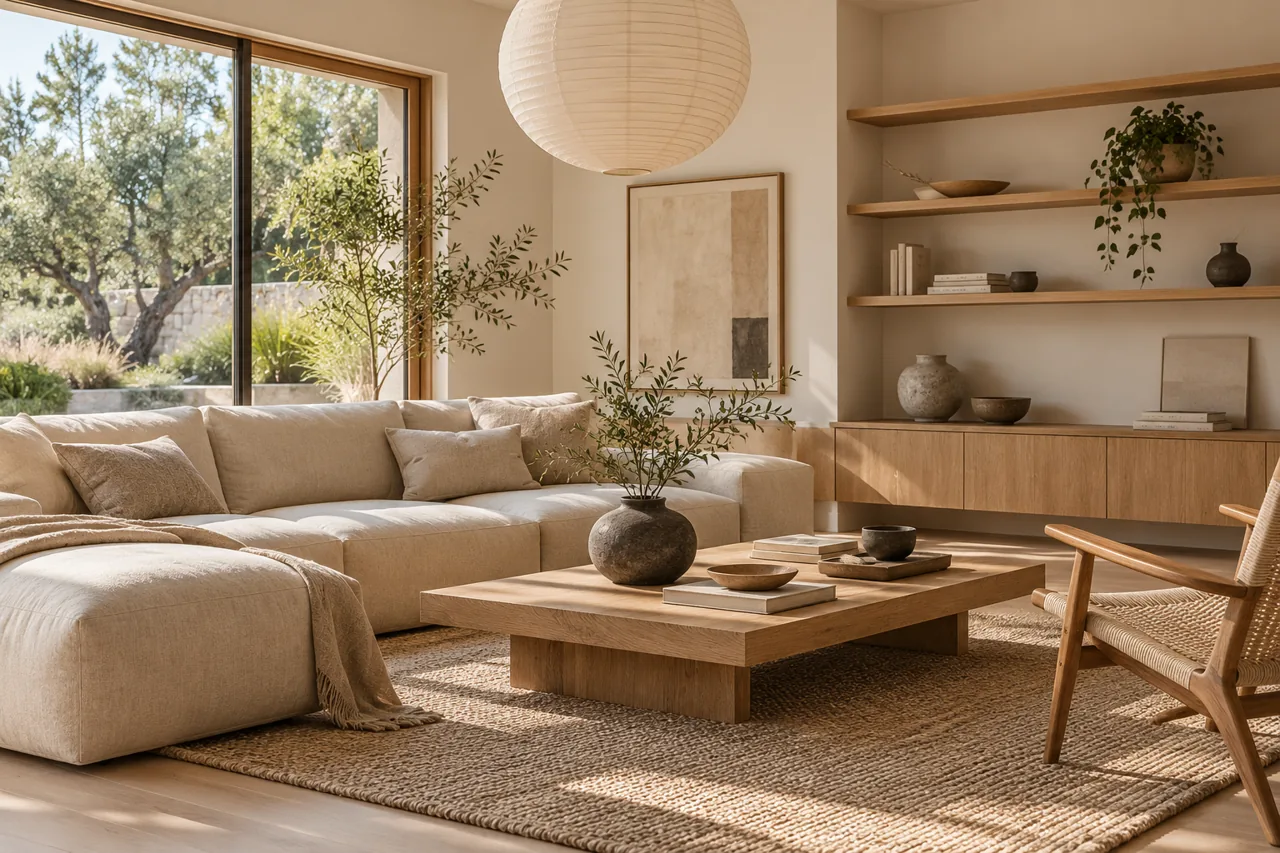
Japandi interior design blends the quiet simplicity of Japanese interiors with the warmth and practicality of Scandinavian homes. Instead of decorating a room with many objects, the style focuses on a few thoughtful pieces, comfortable textures, and useful furniture. A Japandi room often features pale wood, muted earthy colors, clean lines, and natural light. The result feels calm without looking empty. You do not need a large house or an expensive renovation to try it. Start with what you already own, remove visual clutter, and choose additions that genuinely improve everyday life.
The Core Principles of Japandi Style
The first principle is simplicity: keep surfaces clear and give each object a purpose. The second is craftsmanship. Solid, well-made pieces can look better over time than disposable décor. Third is connection to nature, often expressed through wood grain, linen, ceramics, plants, and daylight. Fourth is comfort. Unlike an overly stark minimalist room, Japandi welcomes a soft throw, a textured rug, and a chair you actually enjoy sitting in. Finally, embrace imperfection. A handmade bowl or naturally weathered wooden stool can add character. The goal is balance, not a showroom-perfect home.
Choose a Warm, Muted Color Palette
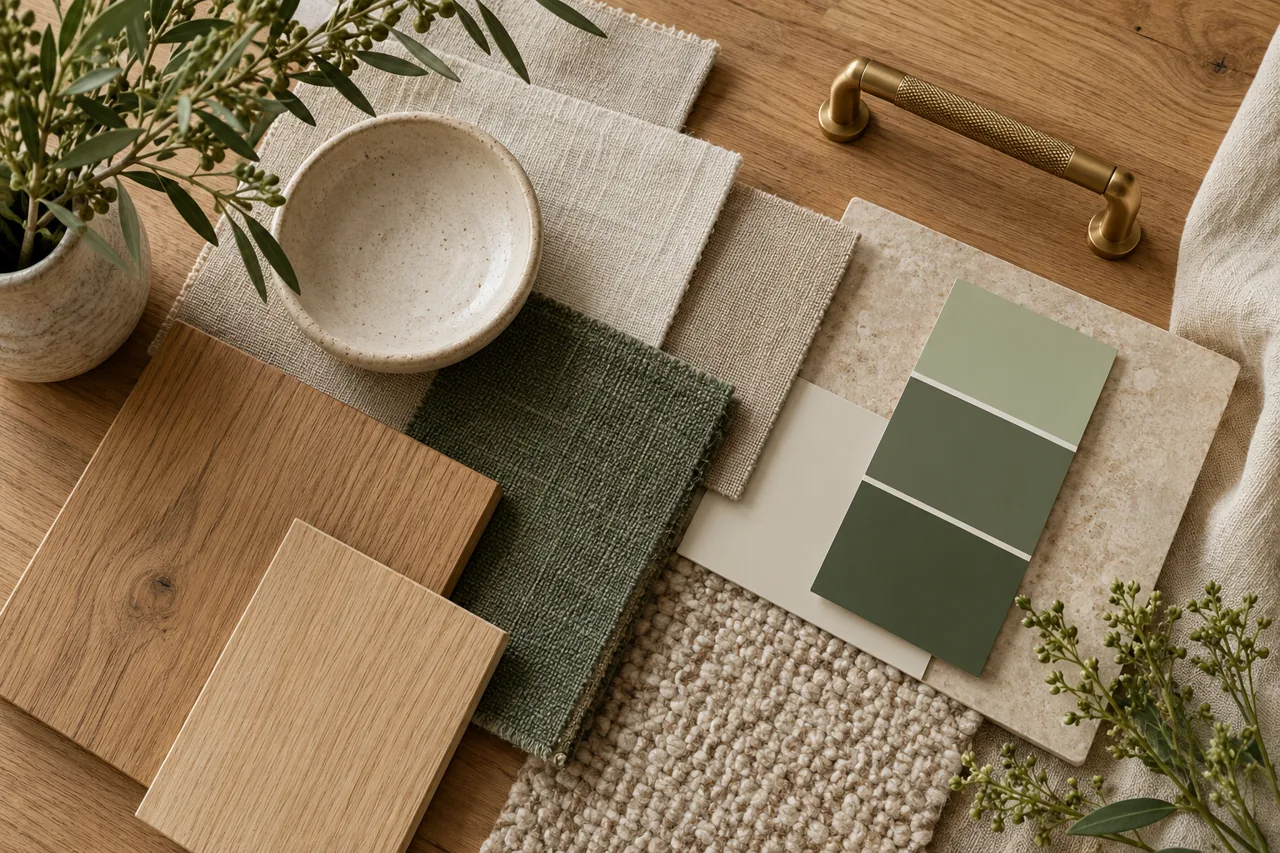
Build the room around two or three neutral colors, then add one deeper accent. Warm white, oatmeal, mushroom, taupe, stone gray, and soft beige work well on larger surfaces. Muted olive, charcoal, rust, and deep brown can provide contrast. Test paint samples in morning and evening light before committing; the same beige may look yellow in one room and gray in another. If the room feels flat, add texture rather than more colors. A nubby cushion, woven shade, and matte ceramic vase introduce depth while keeping the palette coherent.
Use Natural Materials and Honest Textures
Light oak, ash, bamboo, walnut, cotton, linen, wool, stone, and clay are common Japandi materials. You do not need all of them. In a small apartment, a wooden side table, linen-look curtains, and a ceramic planter may be enough. Mix smooth surfaces with tactile ones: a simple wooden coffee table next to a textured sofa, for example. Choose materials that suit your budget and maintenance needs. Real wood requires care, while good-quality wood veneer may be a practical alternative. Avoid buying decorative objects simply because they are labeled Japandi; evaluate their shape, durability, and usefulness.
Select Low-Profile, Functional Furniture
Japandi furniture usually has uncomplicated silhouettes and a grounded feel. Look for sofas with restrained arms, low coffee tables, slim shelving, and beds with simple headboards. Leave comfortable walking paths instead of filling every corner. A low-profile sofa can make a living room feel visually open, but seat height should still suit the people using it. Storage matters too. Closed cabinets can hide cables, paperwork, and everyday clutter, while a few open shelves display favorite objects. Before buying, measure doorways, room dimensions, and the space needed to move around each piece.
Japandi Living Room Ideas
Start with one clear focal point, such as a comfortable sofa facing a window or a simple media wall. Choose a restrained rug that anchors the seating area, and place a wooden coffee table within easy reach. Use a floor lamp for softer evening light. Keep artwork limited to a few pieces with breathing room around them. If you have children or pets, select washable fabrics and rounded furniture corners where possible. One large plant may look calmer than many small pots scattered across shelves. The most successful living room is not just attractive in photographs; it supports conversation, reading, relaxing, and daily routines.
Japandi Bedroom Ideas
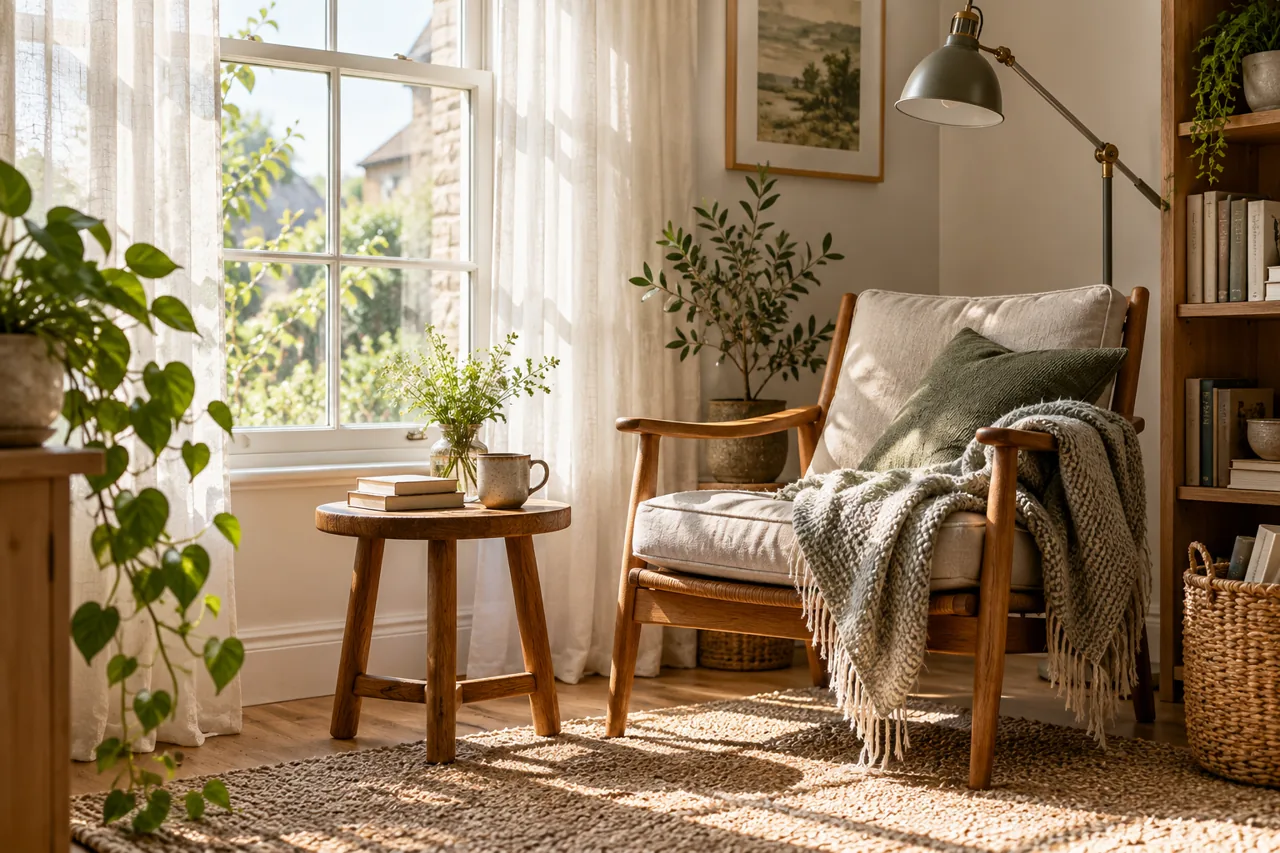
For a restful bedroom, use soft bedding in ivory, sand, or warm gray. A simple wood bed frame, discreet bedside tables, and warm reading lamps create a cohesive base. Keep work equipment out of sight when possible. Curtains or blinds that control morning light can improve comfort, while a basket or drawer keeps extra blankets organized. Add a single piece of art or a textured wall hanging rather than a crowded gallery wall. If your bedroom is very small, focus on clear floor space and useful under-bed storage instead of purchasing more décor.
Japandi Kitchen and Dining Ideas
In kitchens, Japandi is about visual calm and practical organization. Keep counters mostly clear, group frequently used tools in one area, and store rarely used appliances away. Wood stools, matte cabinet finishes, and simple hardware can soften an otherwise modern kitchen. In a dining area, pair a straightforward table with comfortable chairs and a single centerpiece, such as a shallow bowl or small branch arrangement. Durable, easy-to-clean surfaces matter more than following a trend exactly. A warm pendant light can help the dining space feel inviting without adding clutter.
How to Create Japandi Style on a Budget
Begin with an edit, not a shopping trip. Remove unused accessories and rearrange existing furniture to improve flow. Reuse baskets, neutral throws, and wooden objects you already own. Check secondhand shops for solid wood tables and chairs; minor scratches can contribute to a lived-in appearance. Paint one room only after testing samples, and prioritize upgrades you will notice every day, such as better lighting or curtains. Buy fewer items of better quality when feasible. Avoid replacing perfectly functional furniture just to match a particular social-media aesthetic.
Common Japandi Decorating Mistakes
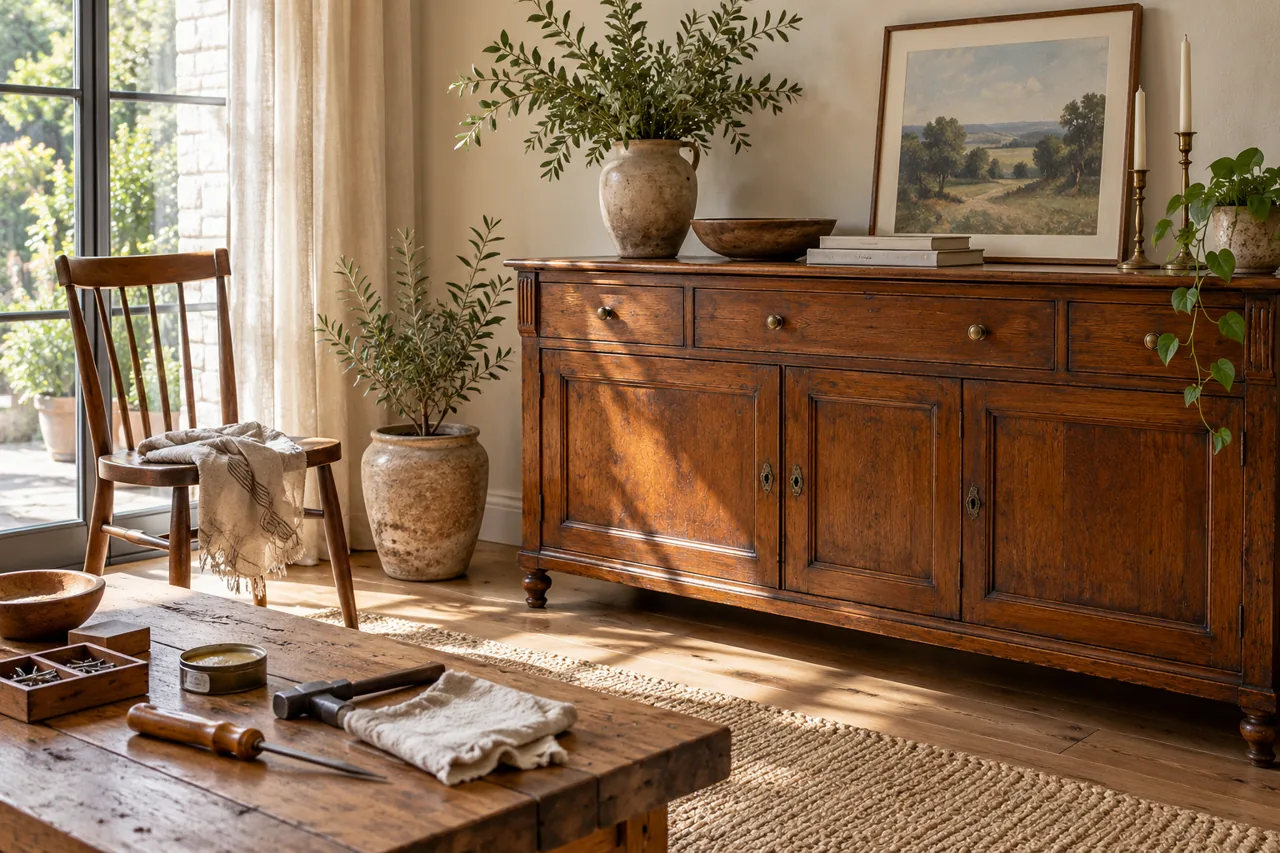
One mistake is making the room too bare. Without comfortable seating, soft textiles, and personal objects, minimalism can feel cold. Another is using only beige; contrast from dark wood or charcoal helps define shapes. Avoid mixing too many competing wood finishes without a plan, although they do not have to match exactly. Do not sacrifice function for a low-profile look, especially when furniture is difficult to use. Finally, resist adding every trending Japandi accessory. The style works best when each object earns its place.
Japandi vs. Scandinavian vs. Japanese Interiors
Scandinavian interiors often emphasize brightness, practicality, and cozy textiles, while traditional Japanese design draws on natural materials, restrained composition, and a strong relationship with space and nature. Japandi is a contemporary blend inspired by both approaches, not a strict historical category. It typically combines Scandinavian warmth with Japanese-influenced simplicity. You can borrow ideas respectfully without claiming that every neutral room represents authentic Japanese architecture. Your home’s climate, available materials, and daily needs should guide the final choices.
Frequently Asked Questions
Is Japandi interior design expensive? Not necessarily. Decluttering, thoughtful furniture placement, and a limited palette can create the look without major purchases.
Can Japandi work in a small apartment? Yes. Simple furniture, concealed storage, and fewer accessories can help compact spaces feel less crowded.
What colors define Japandi? Warm whites, beige, taupe, soft gray, muted greens, charcoal, and natural wood tones are common choices.
Can I mix dark and light wood? Yes. Repeat each tone deliberately so the combination looks intentional.
Is Japandi the same as minimalism? They overlap, but Japandi puts particular emphasis on natural textures, craftsmanship, warmth, and everyday comfort.
Final Thoughts
Japandi interior design is most useful as a way to make your home calmer and more functional, not as a rigid set of shopping rules. Begin with clear surfaces, a restrained palette, comfortable furniture, and natural texture. Build slowly, keeping the pieces that matter to you. For an overview of other styles and how to choose between them, explore our interior design aesthetics guide. For broader design inspiration and professional perspectives, visit the Architectural Digest website.
One thought on “Japandi Interior Design: A Practical Guide to Calm, Warm Spaces”