

Maximalist interior design is about personality, layered details, and expressive color. Here is how to create a bold but balanced home without sacrificing comfort or function.
What Is Maximalist Interior Design?
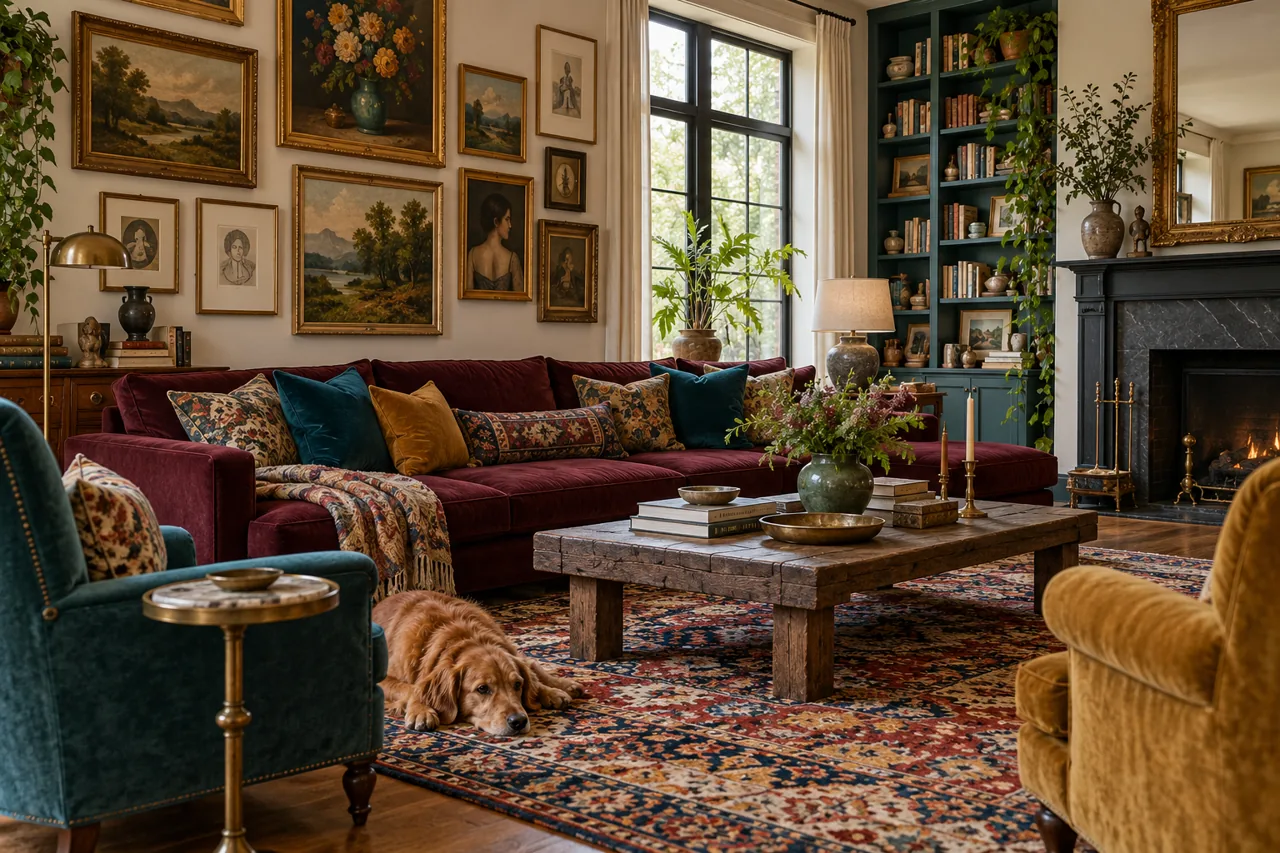
Maximalist interior design celebrates expressive rooms with layered colors, patterns, artwork, and personal collections. Unlike minimalism, which often emphasizes reduction, maximalism invites you to show what you love. It does not mean filling every inch with random objects. Successful maximalist spaces have an organizing idea, such as a shared palette, a recurring motif, or a collection of meaningful pieces. The goal is a lively home that still feels comfortable and functional. A maximalist room can be traditional, modern, vintage-inspired, or eclectic. What connects these versions is personality, visual richness, and intentional layering.
Start With a Clear Design Direction
Before buying anything, choose three words that describe the feeling you want: perhaps colorful, cozy, and artistic. Look at the furniture and artwork you already own, then identify colors or themes that appear repeatedly. A room with botanical prints and warm woods may benefit from deep green walls and brass accents. A room filled with travel souvenirs might suit a more eclectic approach. Set one or two boundaries, such as a consistent wood tone or repeated accent color. These boundaries give the eye a place to rest while allowing creative freedom.
Build a Confident Color Palette
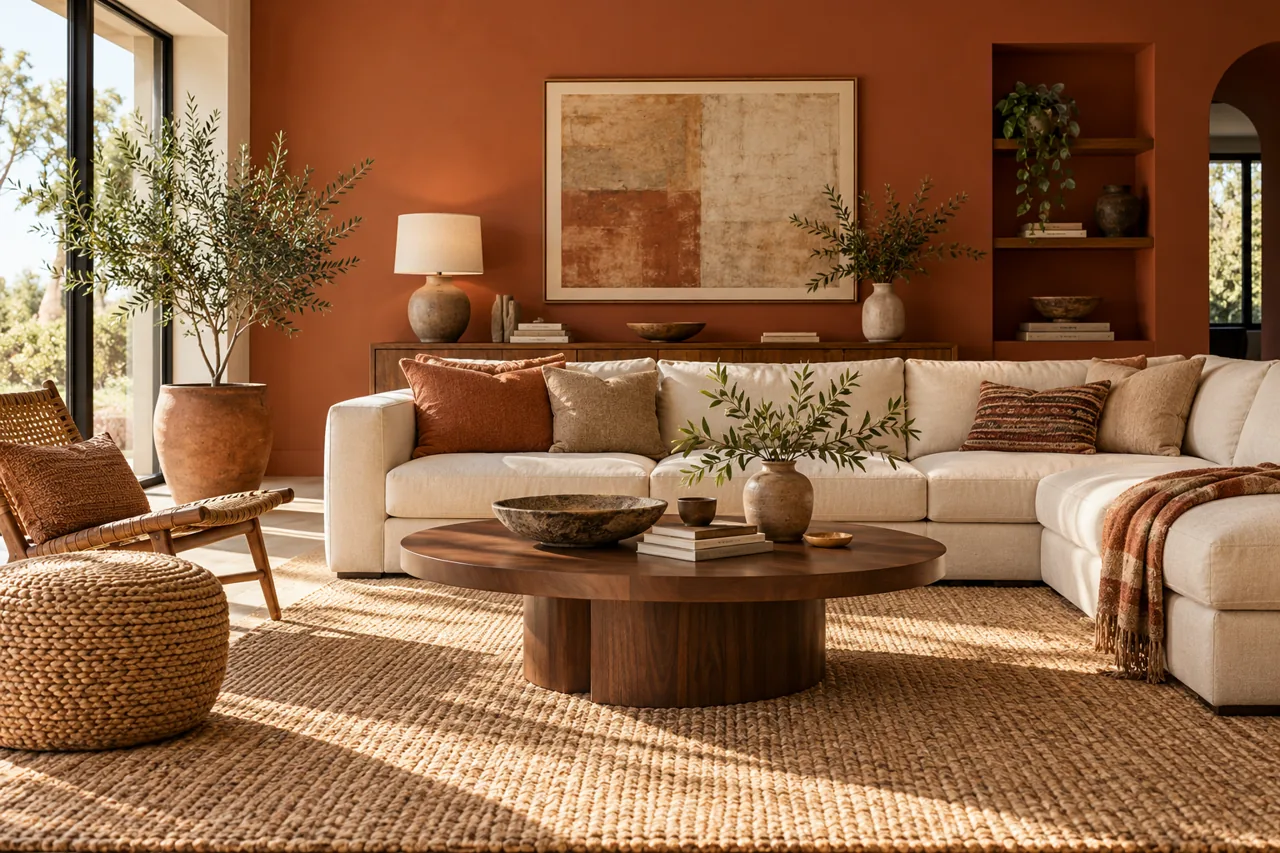
Maximalist interiors can use bold color without becoming chaotic. Begin with one dominant color, one supporting color, and one or two accents. Jewel tones such as emerald, sapphire, burgundy, and ochre can create drama, while softer combinations of terracotta, dusty rose, and olive feel warm. Consider how much natural light enters the room. A dark wall may look sophisticated in a bright space but heavy in a dim one. Test large paint swatches at different times of day. Repeat your accent colors in cushions, art, and smaller objects to connect different areas of the room.
Mix Patterns Without Losing Balance
Pattern mixing is a defining maximalist technique. Try combining patterns at different scales: a large floral wallpaper, a medium striped rug, and a small geometric cushion. Repeating at least one color across these patterns makes the combination feel intentional. Vary the pattern type as well as its size. If every textile features equally dense prints, the room may feel busy. Give the composition quieter areas through plain upholstery, natural wood, or solid curtains. Beginners can experiment with removable cushion covers and framed prints before committing to patterned wallpaper or expensive furniture.
Layer Textures for Depth and Comfort
Rich interiors are not only about color. Velvet, linen, leather, rattan, wood, wool, ceramics, and metal all reflect light differently and create tactile interest. A velvet chair beside a wooden side table, a woven basket, and a matte ceramic lamp can make a room feel collected over time. Choose textiles based on how you use the space. A family living room may benefit from washable fabrics rather than delicate upholstery. Texture should support comfort and durability. Avoid adding accessories simply to create layers; each item should contribute function, meaning, or beauty.
Use Art and Collections as Focal Points
Artwork and personal collections give maximalist rooms their strongest sense of identity. A gallery wall can combine photographs, illustrations, paintings, and vintage frames. Lay out the arrangement on the floor first, then check spacing before hanging anything. You can also display books, pottery, or travel keepsakes on a shelf. Group smaller objects by color, material, or subject rather than scattering them everywhere. Leave some open space so favorite pieces stand out. Protect valuable artwork from direct sunlight and moisture, and use suitable wall fixings for heavier frames.
Maximalist Living Room Ideas
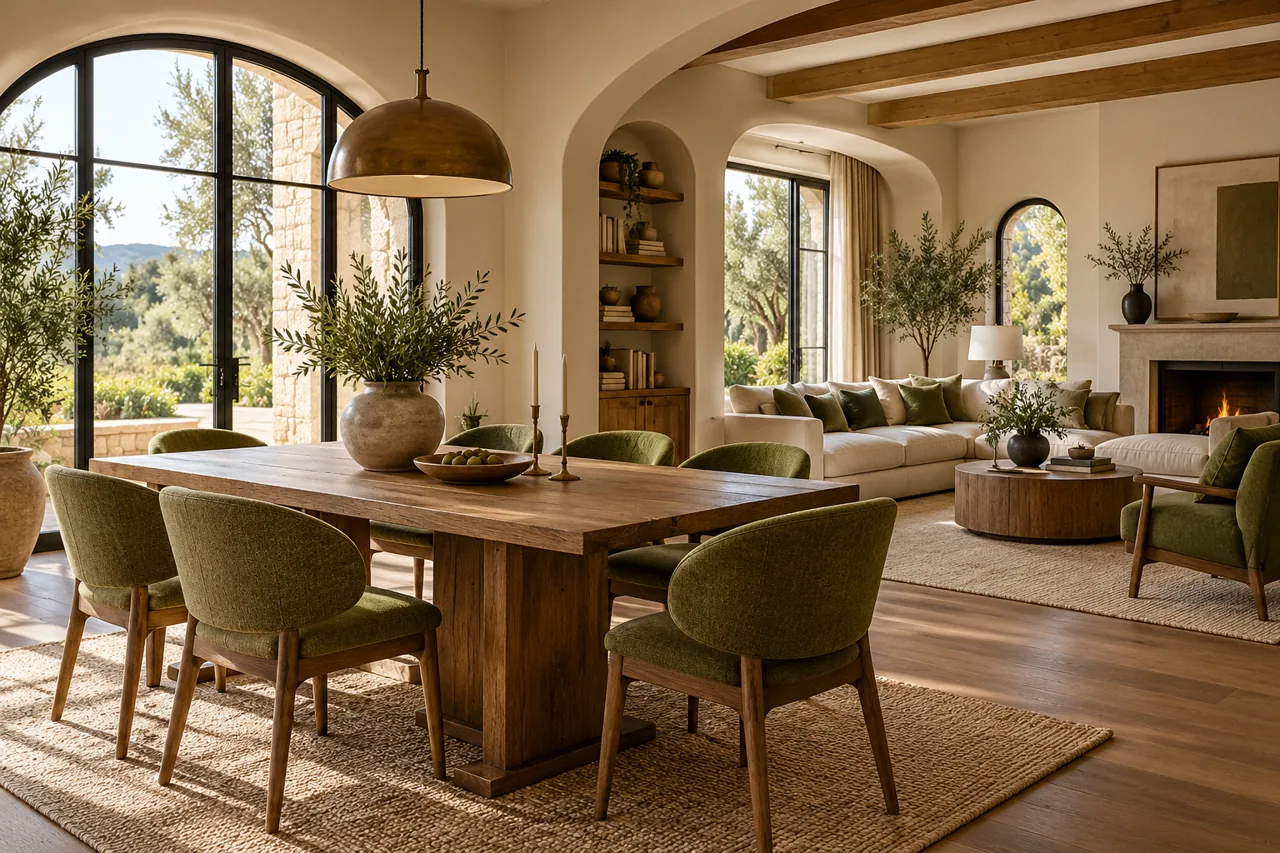
A living room is a practical place to begin because it naturally accommodates textiles, lighting, books, and artwork. Start with a comfortable sofa, then introduce patterned cushions, a statement rug, and layered lighting. An accent chair in a contrasting color can create an appealing focal point. Add a gallery wall or a large piece of art above the sofa, but keep furniture arranged for conversation and easy movement. Use closed storage for everyday clutter such as chargers and paperwork. Maximalism should feel welcoming rather than obstructive. In smaller living rooms, choose fewer but more expressive pieces instead of adding many tiny decorations.
Maximalist Bedroom Ideas
For a bedroom, consider a dramatic headboard, patterned bedding, and bedside lamps with character. Wallpaper behind the bed can create visual impact without covering every wall. Pair a bold floral duvet with solid pillows that repeat colors from the print. Curtains add softness and help manage daylight. Keep the sleeping area practical: leave room to walk around the bed and use accessible storage. If a fully saturated palette feels overwhelming, reserve bold colors for the headboard wall and accessories. Your bedroom can be expressive while still providing a comfortable environment for rest.
Maximalist Kitchen and Dining Ideas
Kitchens can embrace maximalism through painted cabinets, patterned tile, open display shelves, colorful stools, and interesting pendant lights. Balance decorative choices with surfaces that are easy to clean. A collection of mismatched but coordinated plates can look charming on an open shelf, provided the shelf is secure and items are used often. In dining rooms, a statement light fixture, upholstered chairs, or colorful table linens can add personality. Do not let decorative objects crowd food preparation areas. Keep walkways clear and choose materials that tolerate moisture, grease, and daily wear.
How to Try Maximalism on a Budget
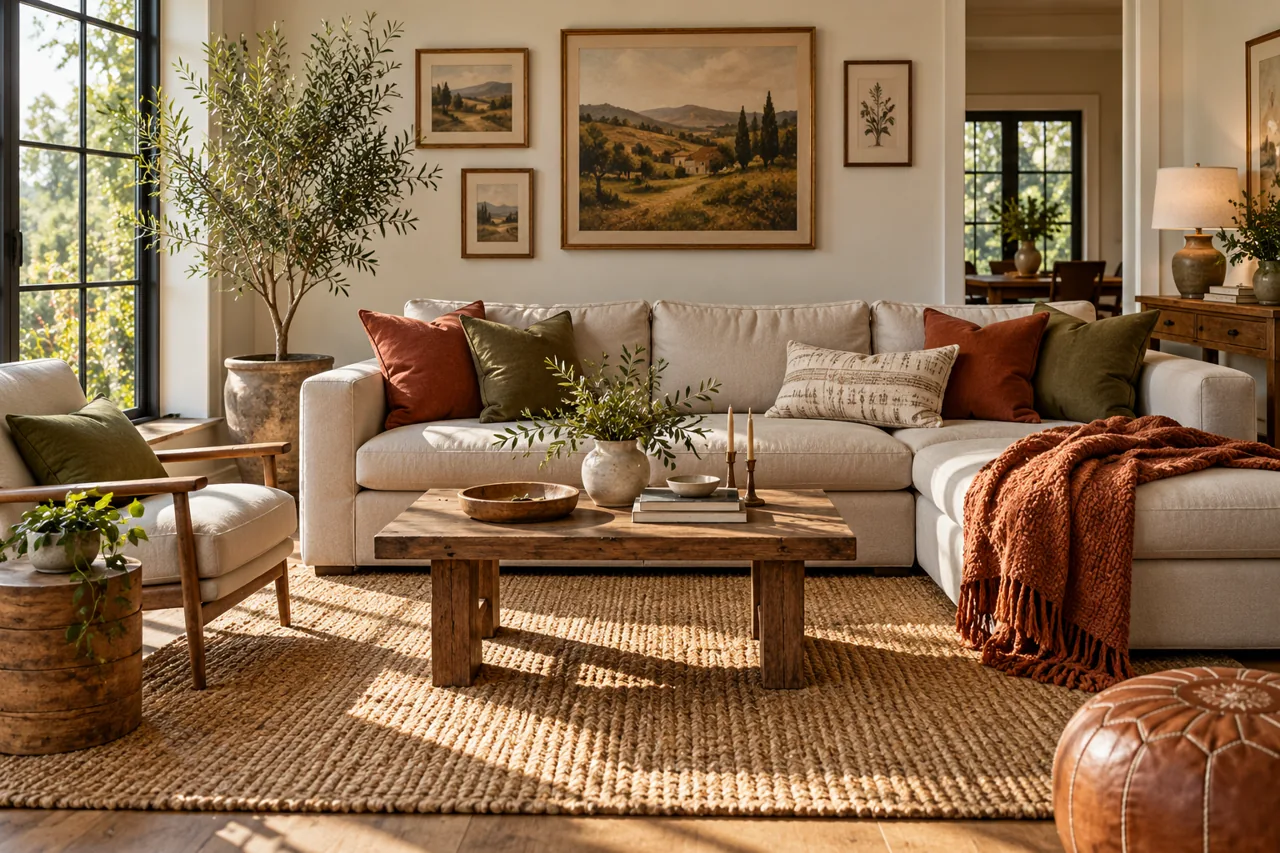
Begin with what you own. Rearrange artwork, move a lamp to another room, and group books by color or theme. Secondhand shops and flea markets can be useful sources of frames, ceramics, and distinctive furniture, but inspect condition and dimensions before buying. Small changes such as cushion covers, thrifted artwork, or a painted side table often have more impact than buying a whole matching furniture set. Create a spending limit for each room and make a list of missing essentials. Collect slowly rather than purchasing many unrelated decorations at once. A home developed over time usually feels more personal.
Common Maximalist Decorating Mistakes
The biggest mistake is confusing maximalism with clutter. Everyday items without a designated place can make a room stressful rather than expressive. Another mistake is choosing several competing focal points without visual hierarchy. Decide whether the wallpaper, sofa, or artwork should lead. Ignoring scale also creates problems: oversized furniture can block circulation, while dozens of tiny accessories may appear scattered. Poor lighting can flatten deep colors and hide details. Finally, do not copy an inspiration photograph so closely that the room stops reflecting your own tastes and needs.
Maximalism vs. Eclectic Interior Design
Maximalism and eclectic design often overlap, but they are not identical. Eclectic design mixes influences from different periods and styles, sometimes in a restrained room. Maximalism describes an overall approach that embraces abundance, visual layering, and bold expression. A maximalist room might use furniture from one historical period yet include saturated colors and numerous patterns. An eclectic room could mix antique and contemporary furniture while retaining a simple neutral palette. Understanding the difference helps you choose the right amount of visual richness for your home.
Frequently Asked Questions
Can maximalist interior design work in small rooms? Yes. Use a cohesive palette, vertical display space, and a few statement pieces while preserving clear walkways. Do all walls need bold paint? No. A single wallpapered wall or colorful artwork can establish the look. Can I mix old and new furniture? Absolutely. Repeating colors, shapes, or materials helps connect different eras. Is maximalism always expensive? No. Thrifted finds, existing collections, and inexpensive textiles can build the look gradually. How do I keep a maximalist room tidy? Use practical closed storage, display collections deliberately, and edit items that no longer serve a purpose.
Final Thoughts
Maximalist interior design is an invitation to create a home that tells your story. Start with a direction, repeat a few colors, mix pattern scales, and use meaningful objects as focal points. Preserve comfort, storage, and clear circulation so the room works as well as it looks. If you are comparing this approach with other styles, explore our interior design aesthetics guide. For additional design reporting and visual inspiration, browse Architectural Digest.