

Traditional interior design brings together classic furniture, balanced layouts, layered textiles, and lasting comfort. Here is a practical guide to creating this look in living rooms, bedrooms, and dining spaces without making your home feel dated.
What Is Traditional Interior Design?
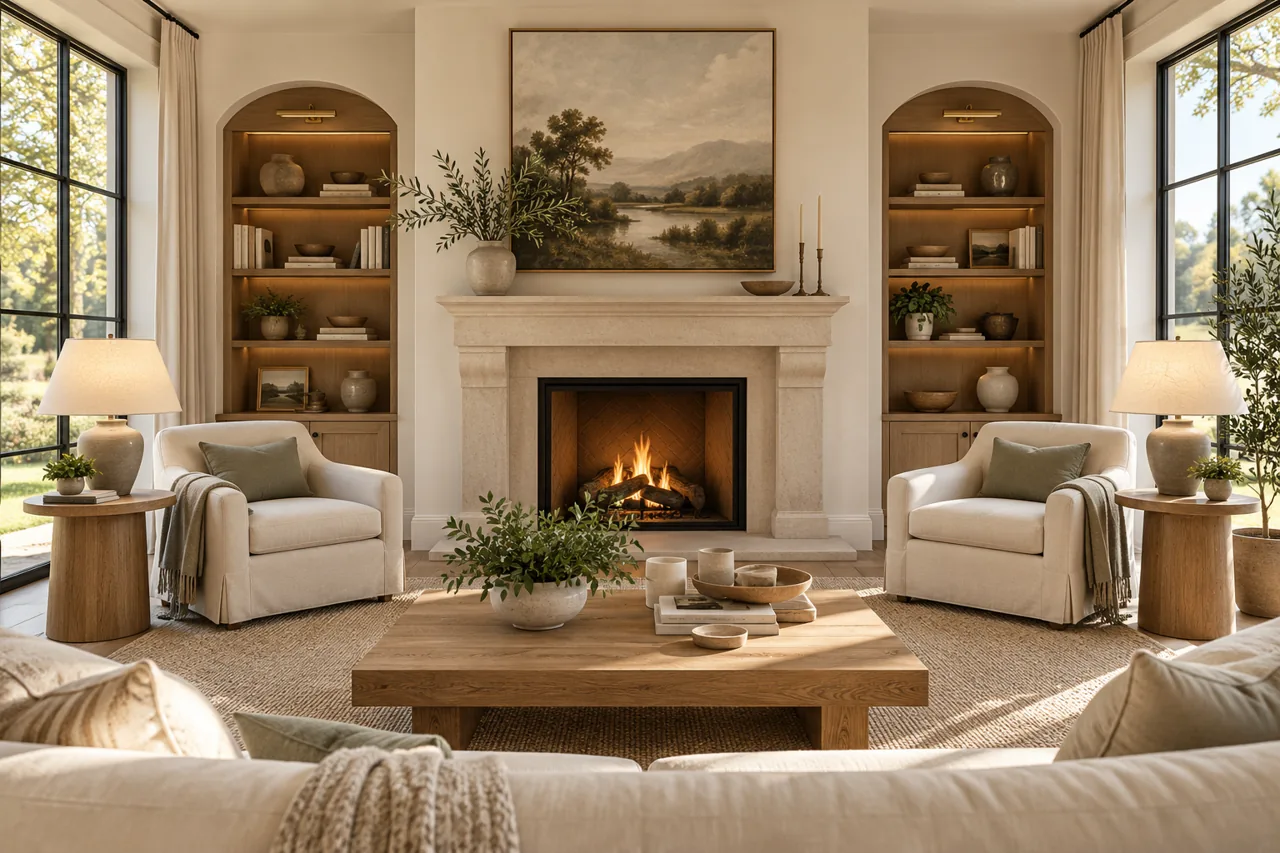
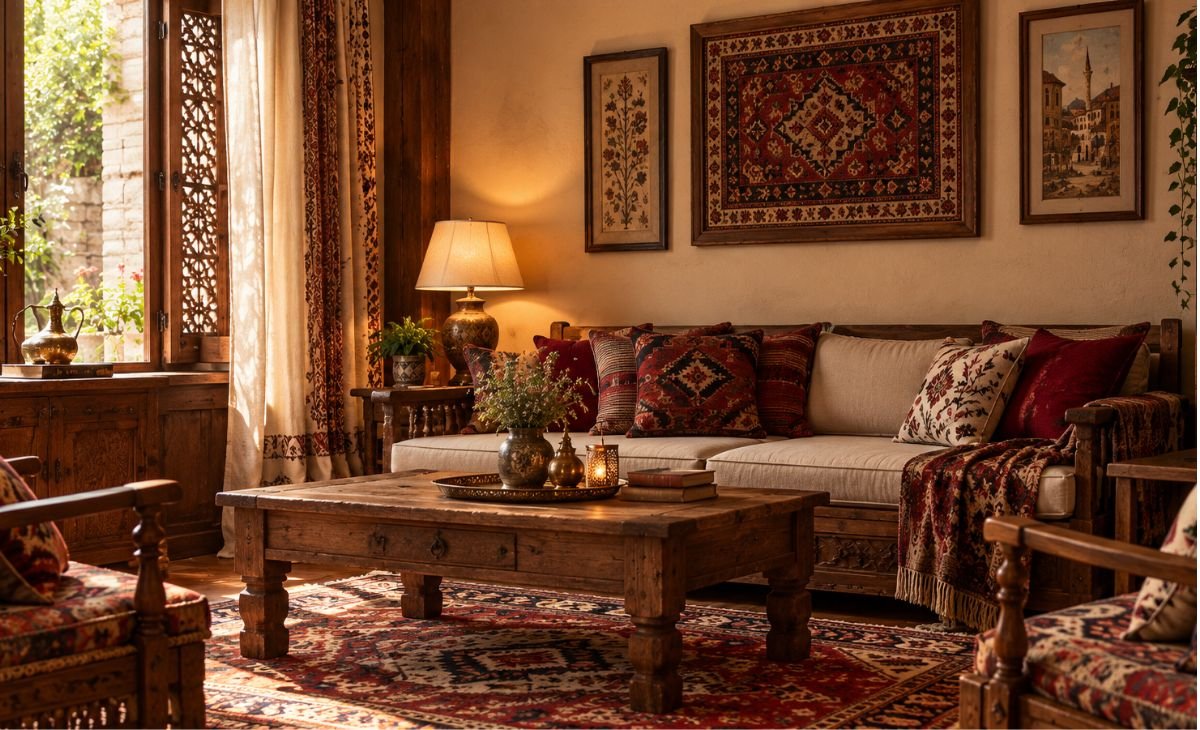
Traditional interior design draws inspiration from established European and American decorating traditions, especially furniture shapes and room arrangements associated with the eighteenth and nineteenth centuries. It favors familiar proportions, symmetry, craftsmanship, layered textiles, and a sense of continuity. A traditional room may feature a rolled-arm sofa, a wooden dining table, framed artwork, and warm lighting. However, traditional does not have to mean formal or outdated. Modern households can borrow its balanced layouts and enduring materials while using durable fabrics, practical storage, and a more relaxed color palette.
The Defining Features of Traditional Style
Traditional interiors often use symmetrical arrangements, recognizable furniture silhouettes, and carefully considered details. Think of matching lamps beside a sofa, a pair of chairs around a fireplace, or a substantial dining table centered beneath a pendant. Decorative moldings, carved wood, tailored curtains, and patterned rugs can add character. The look usually feels collected rather than aggressively trendy. Yet symmetry need not be absolute. A balanced composition may pair a tall bookcase on one side of a room with artwork and a floor lamp on the other. Aim for visual harmony, not rigid duplication.
Choose a Timeless Color Palette
Warm neutrals are a dependable starting point for traditional rooms. Cream, ivory, taupe, soft gray, and beige allow wood furniture and patterned textiles to stand out. For more depth, add navy, forest green, burgundy, muted gold, or dusty blue. Rich colors work particularly well in libraries, dining rooms, and cozy living areas, while lighter tones can make compact rooms feel open. Test paint in natural and artificial light before deciding. If your furniture already includes several dark wood pieces, a lighter wall color can prevent the space from feeling heavy. Repeat accents in small doses to connect the design.
Select Furniture With Classic Shapes
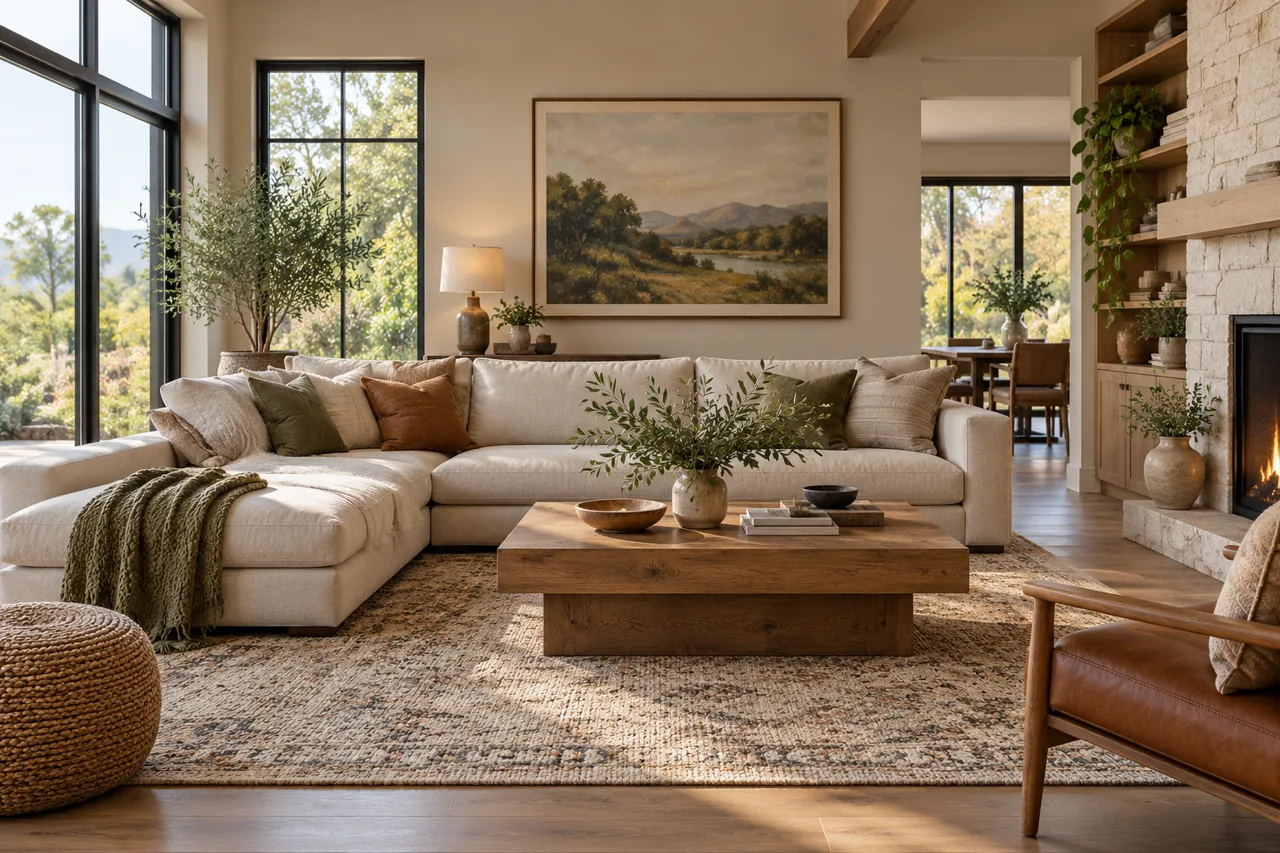
Traditional furniture commonly features curved arms, turned legs, upholstered seats, and substantial wooden frames. Look for pieces that suit your home’s proportions rather than choosing the most ornate option available. A classic sofa should still provide comfortable seat depth and support. Dining chairs need enough clearance for people to sit and move easily. Mixing an antique side table with a newer sofa can create an inviting, lived-in room. If you buy secondhand furniture, inspect joints, drawers, upholstery, and structural stability. A sturdy, well-proportioned piece is more valuable than decoration that looks elaborate but functions poorly.
Use Wood, Fabric, and Layered Textures
Wood is a common anchor in traditional decorating. Oak, walnut, cherry, and mahogany finishes can add warmth, but you do not need every item to match. Repeating one or two undertones creates cohesion. Upholstery in cotton, linen blends, velvet, or performance fabrics can soften the room. Patterned rugs, woven throws, and tailored curtains introduce texture without requiring a large renovation. Select materials according to maintenance needs, especially in busy family spaces. Rather than buying a matching furniture suite, combine pieces that share compatible proportions, finishes, or colors. This approach keeps the room personal and avoids a showroom effect.
Traditional Living Room Design Ideas
Begin with a comfortable seating arrangement that encourages conversation. A sofa facing two armchairs is a classic layout, especially when anchored by a generously sized rug. Place a coffee table within reach and provide lighting at different heights. If the room has a fireplace or a prominent window, use it as a focal point. Framed landscapes, portraits, or botanical prints can contribute to the traditional mood. Add storage for remote controls, books, and everyday objects so surfaces remain usable. For a small living room, choose slimmer chair arms and furniture that leaves clear pathways rather than forcing in oversized pieces.
Traditional Bedroom Design Ideas
A traditional bedroom can feel restful through layered bedding, a balanced arrangement of bedside tables, and warm reading lamps. Upholstered or wooden headboards both work well. Choose a simple base palette, then introduce interest through a patterned quilt, striped pillows, or curtains with a subtle motif. Matching bedside lamps create symmetry, but mismatched vintage pieces can also feel cohesive when they share a similar scale. Keep wardrobes and drawers practical, and avoid placing decorative objects where you need everyday essentials. The aim is an inviting retreat rather than a room that looks too formal to use.
Traditional Kitchen and Dining Room Ideas
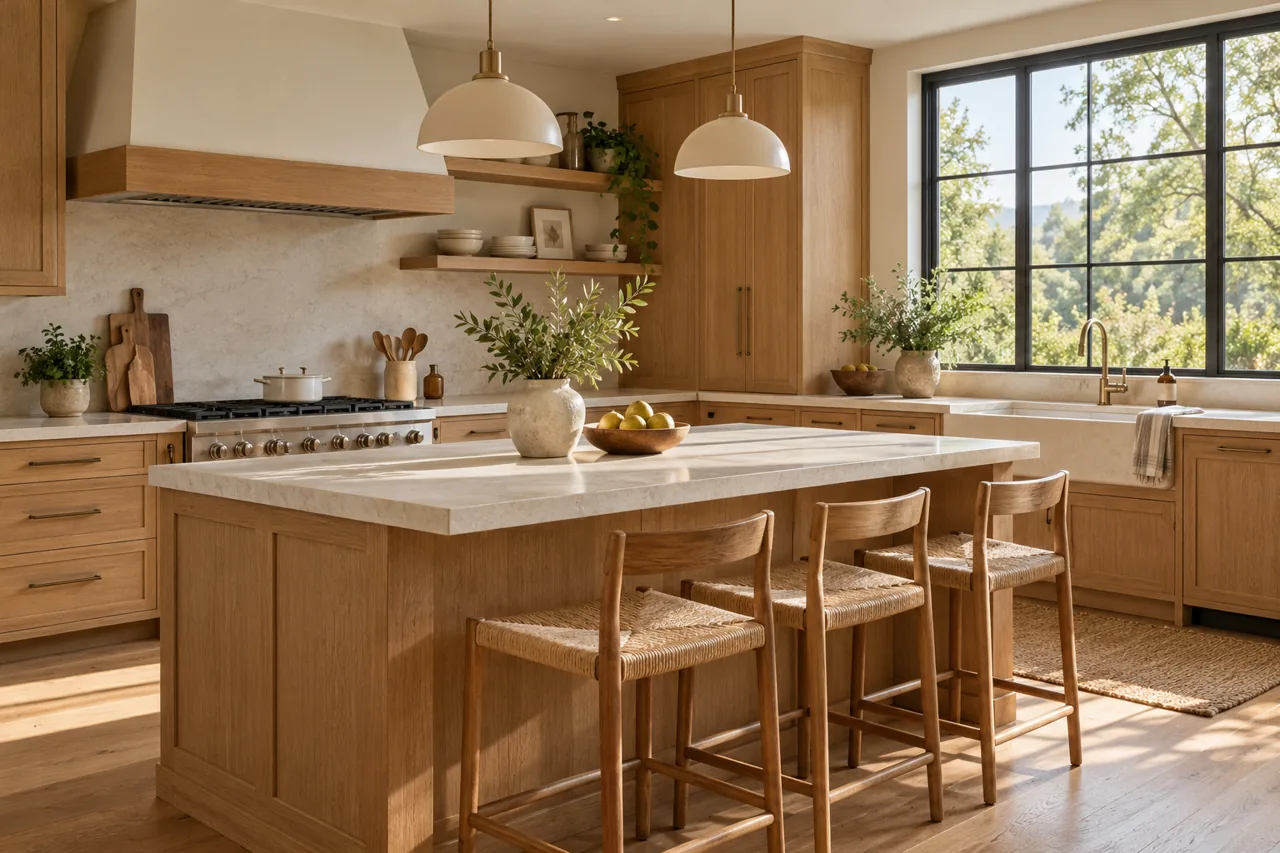
Traditional kitchens often include framed cabinet doors, warm wood, stone-look surfaces, and familiar hardware finishes. You can create the mood without replacing cabinets: consider new handles, classic pendant lighting, or a restrained backsplash. In dining rooms, a solid table and comfortable chairs provide the foundation. A sideboard adds storage and a surface for displaying ceramics or flowers. If you enjoy patterned wallpaper, a dining room may be a suitable place to try it. Ensure that surfaces remain easy to clean and that chairs can move comfortably when guests are seated. Practicality should guide decorative decisions.
Patterns, Artwork, and Accessories
Florals, stripes, checks, damasks, and Persian-inspired rug patterns frequently appear in traditional interiors. Choose one prominent pattern and support it with smaller-scale designs or solid fabrics. Repeating colors across the room helps avoid visual clutter. Framed art, mirrors, table lamps, and ceramics add personality, but do not need to fill every surface. A few objects with sentimental value often create a stronger impression than many generic accessories. Consider scale when hanging art: a tiny frame above a wide sofa can look disconnected, while an oversized piece may overwhelm a narrow wall. Use thoughtful spacing to give objects room to breathe.
Lighting That Feels Warm and Inviting
Layering light is essential because a single bright ceiling fixture can flatten a richly furnished room. Combine ambient light with task lamps and accent lighting where useful. A chandelier may suit a dining room, while table lamps can make a living room more comfortable in the evening. Choose fixture sizes that match the room and dining table rather than assuming larger is better. Warm light generally complements wood finishes and soft textiles. Install dimmers when compatible with your fixtures, and place reading lights where people actually sit. Safety and adequate illumination matter more than achieving a particular decorative look.
Traditional vs. Transitional Interior Design
Traditional design draws more visibly on established furniture forms, symmetry, and decorative detailing. Transitional design blends those familiar elements with cleaner contemporary lines and often a simpler palette. For example, a traditional room might feature carved wood furniture and patterned drapes, while a transitional room may combine a classic sofa with a streamlined coffee table and plain curtains. Neither approach is automatically better. Choose based on how much ornament, contrast, and visual detail you enjoy. You can also mix the two thoughtfully, using classic architectural details alongside modern practical furniture.
Decorating a Traditional Home on a Budget
Start with layout, lighting, and the furniture you already own. Rearranging seating to create a balanced conversation area costs nothing. Replace worn cushion covers, add an affordable rug, or frame family photographs for an immediate update. Secondhand stores can offer sturdy wood tables, lamps, and picture frames, but check their condition before buying. Painting a room in a warm neutral can help different furniture pieces feel unified. Avoid purchasing large matching sets solely to create a traditional look. Building the room gradually allows you to prioritize useful, lasting pieces and spread costs over time.
Common Mistakes to Avoid
Traditional decorating can become overly heavy when every surface uses dark wood, dense pattern, and ornate detailing. Balance richly detailed pieces with lighter walls or simpler upholstery. Another mistake is sacrificing comfort for appearance; chairs and sofas should suit everyday use. Do not crowd small rooms with furniture designed for much larger spaces. Matching everything exactly can make the room feel impersonal, while mixing too many unrelated finishes can weaken cohesion. Finally, remember that a traditional home still needs modern storage, accessible pathways, and practical lighting. Good design supports the people who live there.
Frequently Asked Questions
Is traditional interior design outdated? No. Classic furniture shapes and balanced layouts can work in contemporary homes when combined with practical materials and personal details. What colors suit traditional interiors? Cream, taupe, navy, green, burgundy, and warm wood tones are common options. Can traditional style work in a small apartment? Yes. Choose appropriately scaled furniture and keep pathways clear. Must all furniture match? No. Compatible proportions, finishes, or repeated colors are more important than identical pieces. How is traditional different from transitional? Transitional interiors generally simplify and modernize traditional forms.
Final Thoughts
Traditional interior design offers a useful foundation for creating a home that feels settled, welcoming, and enduring. Start with a balanced furniture layout, choose colors that complement existing finishes, and introduce pattern through rugs, curtains, or upholstery. Add artwork and accessories that matter to you, but leave enough space for daily life. To compare traditional style with other approaches, read our interior design aesthetics guide. For further examples and professional decorating inspiration, visit Architectural Digest.