

Wall insulation R19 refers to insulation labeled R-19 for a specified installation.
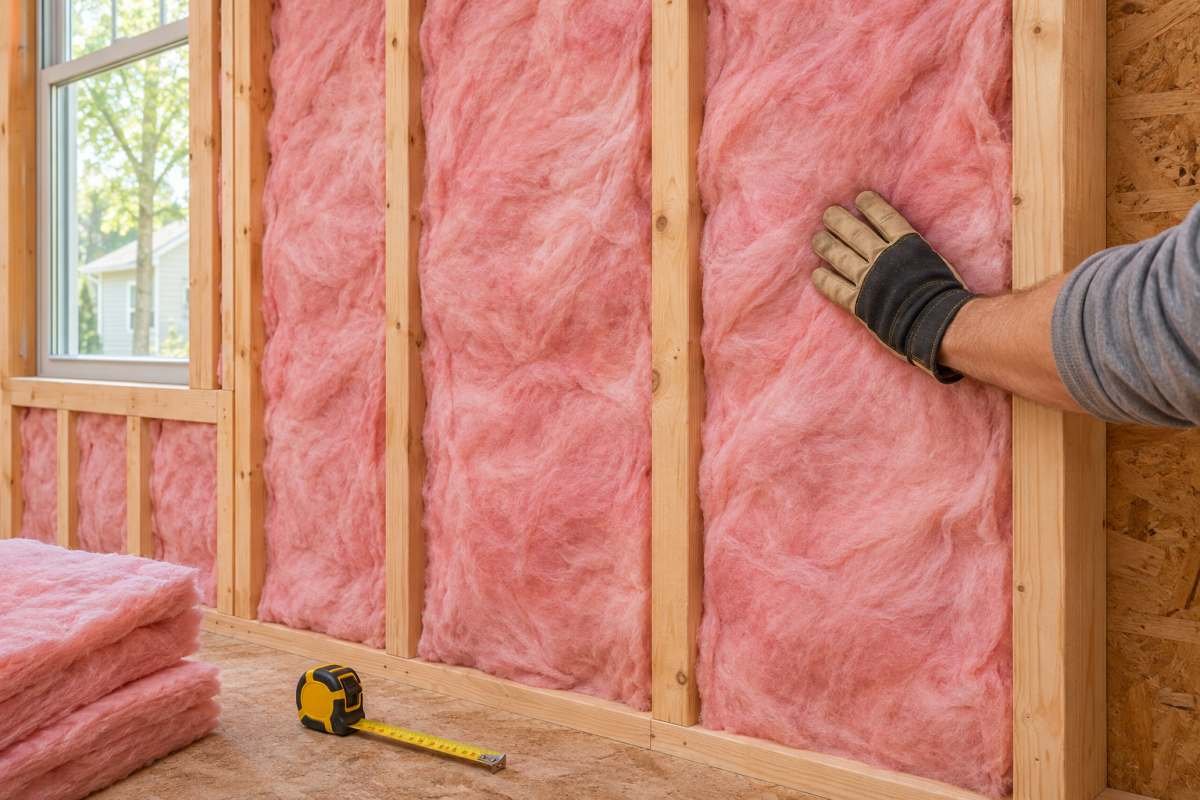
The number describes resistance to heat flow through the insulation. Before buying an R-19 product, check the wall’s available depth, the product’s installed thickness and the thermal target for the full assembly.
What does R-19 mean on a wall insulation package?
R-value measures resistance to heat flow. Under comparable conditions, a product labeled R-19 has greater thermal resistance than a product labeled R-13. The package rating depends on the tested installation conditions. Check the manufacturer’s instructions for your material, especially when depth is limited.
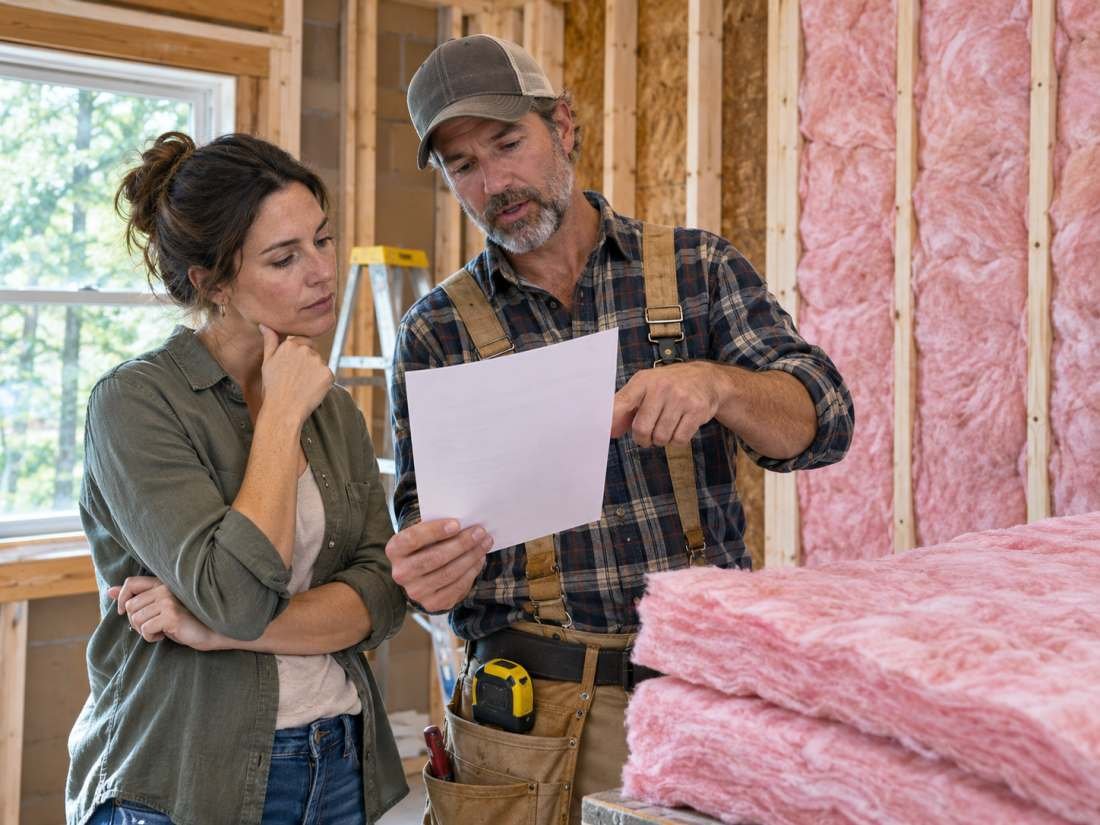
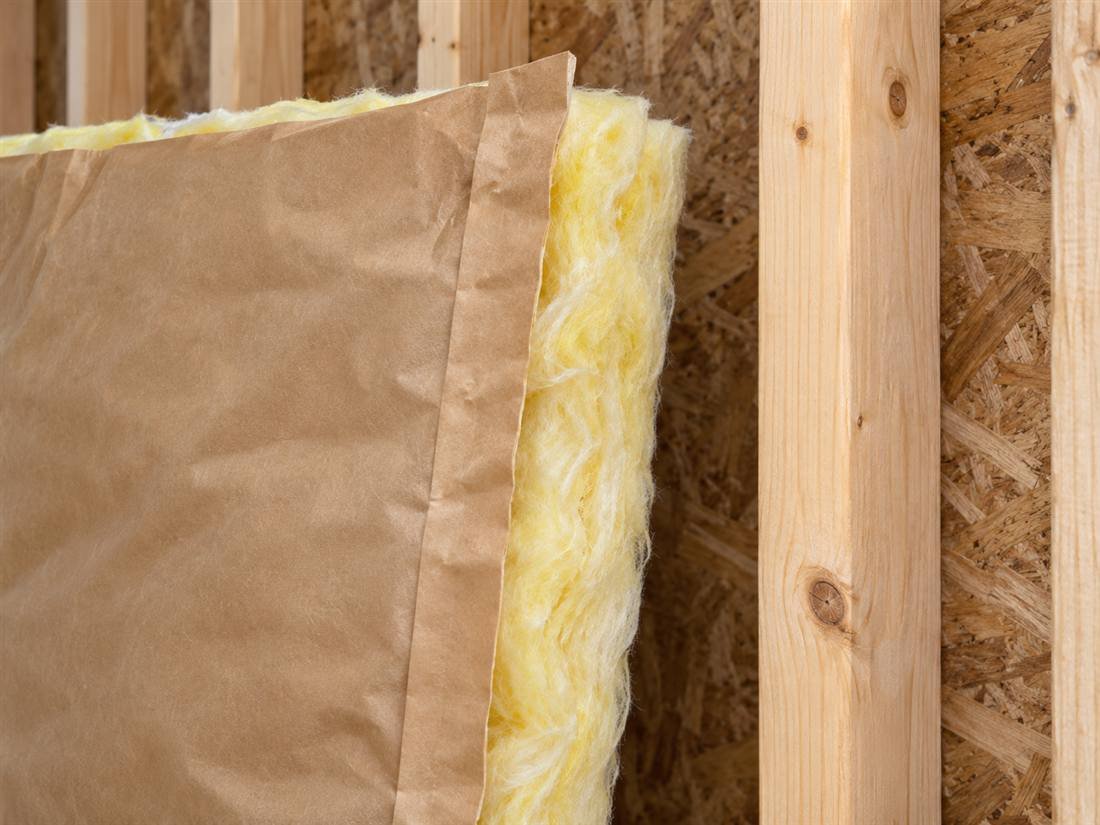
Many homeowners first see R-19 on fiberglass batts. Facing, batt dimensions and instructions vary by product. Check those details on the exact package or data sheet. Kraft-faced and unfaced batts can serve different wall designs, depending on the planned moisture-control layers. See the faced versus unfaced wall insulation guide for help reading those labels.
Where can R-19 fit in an exterior wall project?
A wall with open framing
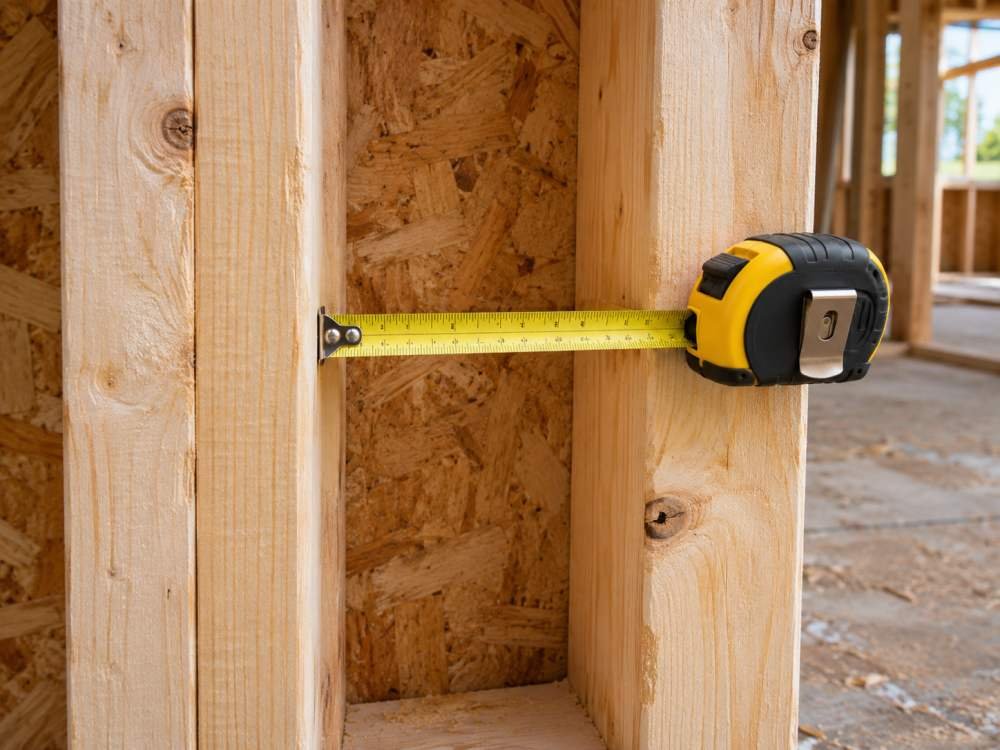
Measure the depth and the width between studs. Compare those dimensions with the product specifications. If you have nominal 2×6 framing, a typical modern stud provides 5½ inches of depth. Verify that the specific product fits before assuming its label applies to your wall.
An older home with shallow cavities
Check several openings, since wall depths can vary after additions and remodels. A thick batt compressed into a shallow cavity may deliver less resistance than shown on the bag. For the specific fit question, see the R-19 insulation in 2×4 walls guide.
A project that includes new siding
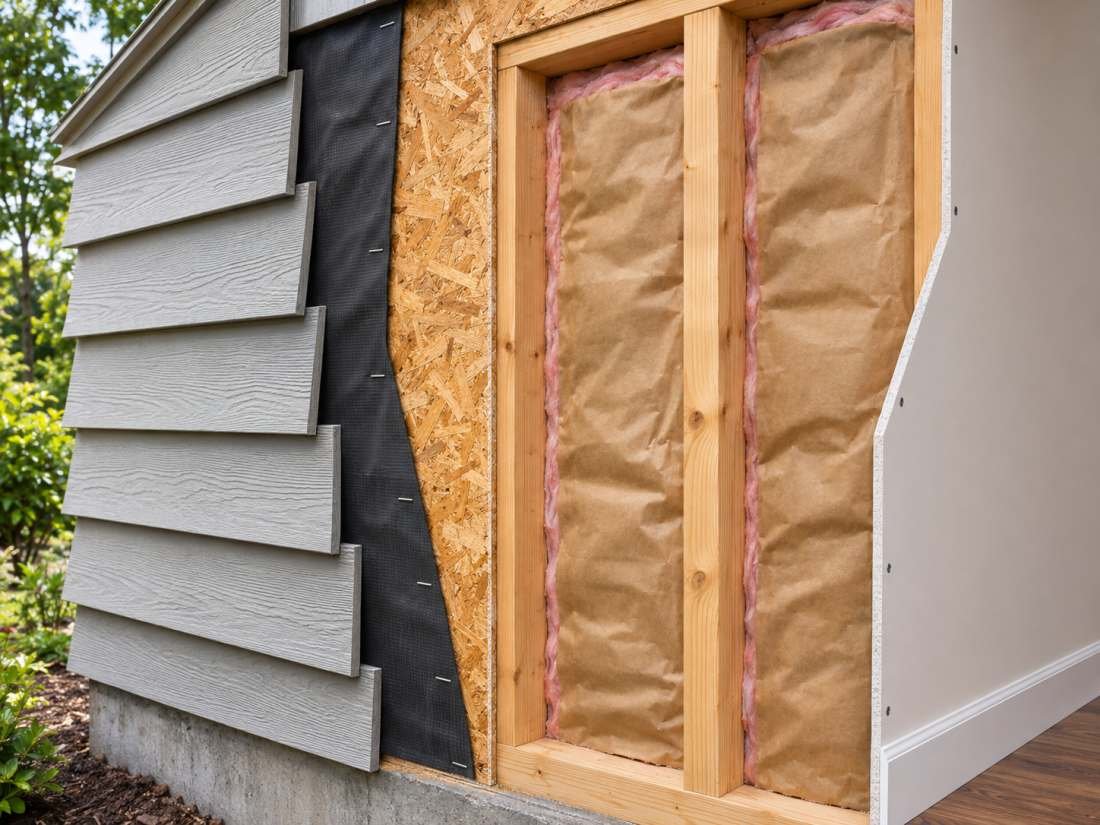
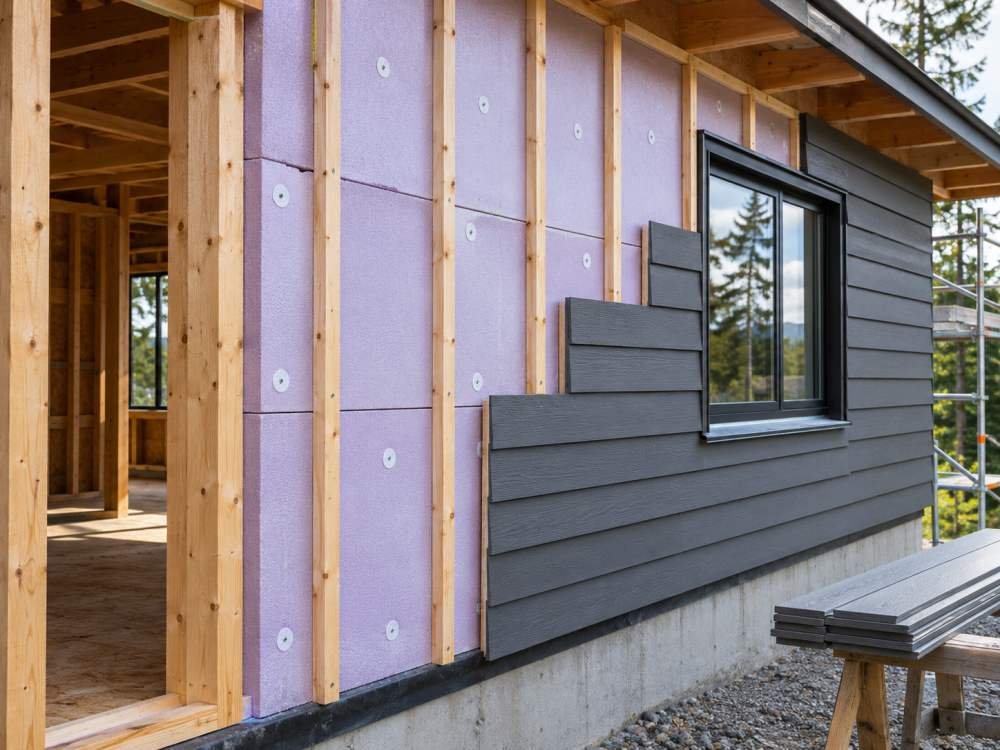
Ask whether exterior continuous insulation makes sense for the assembly while the siding is off. It can reduce heat flow through framing, where cavity batts cannot cover the studs. An exterior retrofit also needs compatible water management, attachment and opening details. ENERGY STAR’s insulation guidance gives U.S. retrofit recommendations by climate and wall condition.
Compare the installed wall and the price
When two bids list R-19, check what each actually includes. Ask about labor for cutting around obstructions, air sealing, needed wall repairs and any exterior insulation specified by the design. Compare costs for the same net wall area. A wall with high framing coverage may perform differently from another wall using the same rated cavity insulation.
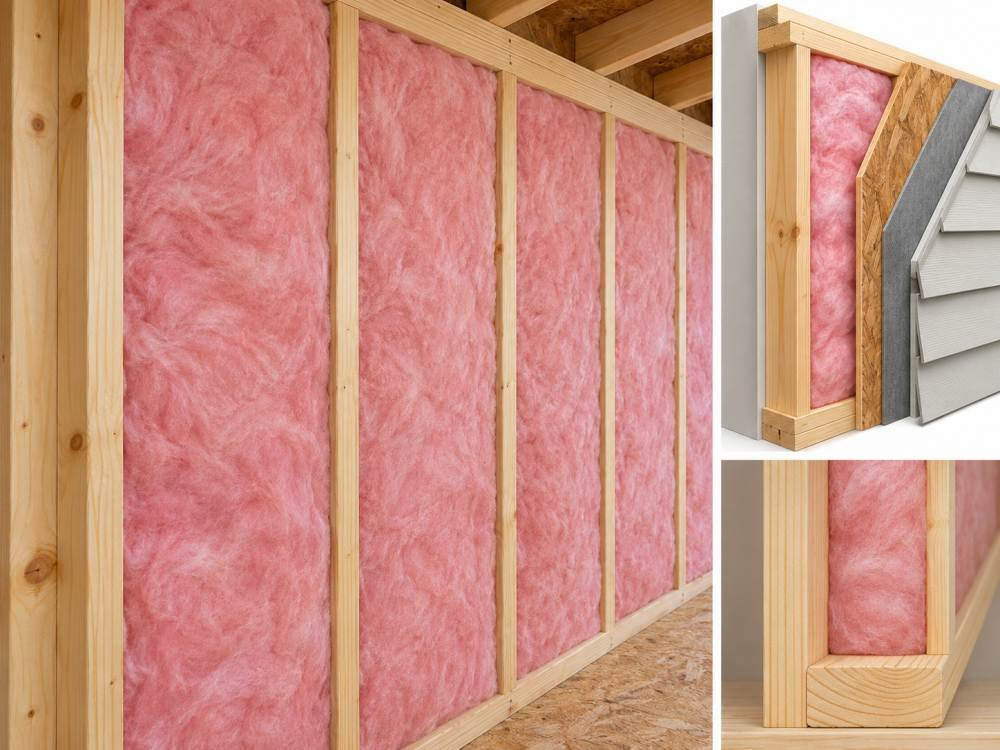
Get the final specification in writing. It should identify the product, facing if any, design cavity depth and how the work will be inspected. If a contractor quotes R-19 for a thin existing wall, ask for the installed rating at that depth. If you’re working under a permit, confirm the proposed assembly with your local building department.
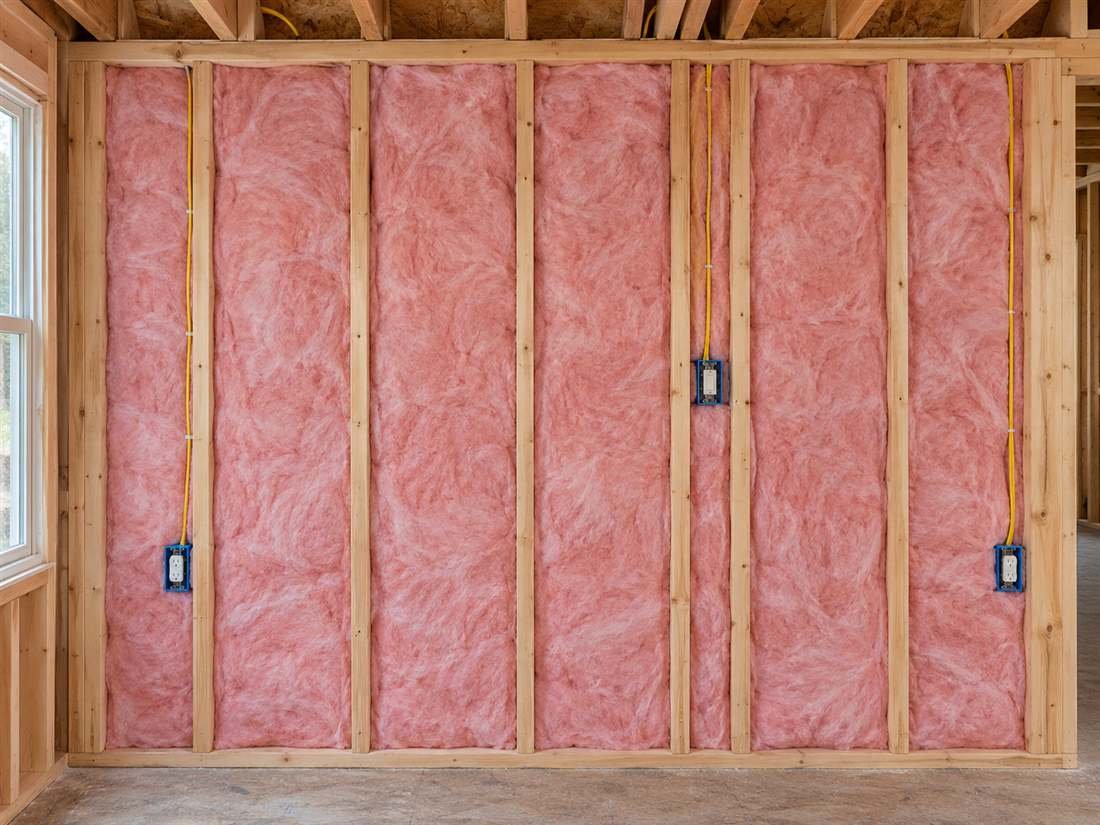
For related guidance, see Wall Insulation Materials.
Frequently asked questions
Is R-19 always the right level for exterior walls?
The appropriate level depends on the project, climate and locally adopted requirements. Also account for any continuous insulation and the performance of the wall assembly.
Is an R-19 batt better than an R-13 batt?
The R-19 batt has more labeled thermal resistance at its rated installation. Compare products that fit your cavity and meet the requirements of your wall before paying for a higher package rating.
What are the most important details on the bag?
Check installed R-value, dimensions, coverage per pack, facing and recommended application. Bring the cavity measurements with you when comparing products.
To see how R-19 fits into broader material and installation choices, read our wall insulation guide.