

Attic insulation cooling gains usually show up in the rooms below the attic. In a conventional vented attic, insulation across the floor slows heat flow from the hot space above into your living area. The attic can still feel very hot on a sunny day. A more useful test is whether the upstairs rooms stay more comfortable under similar outdoor conditions.
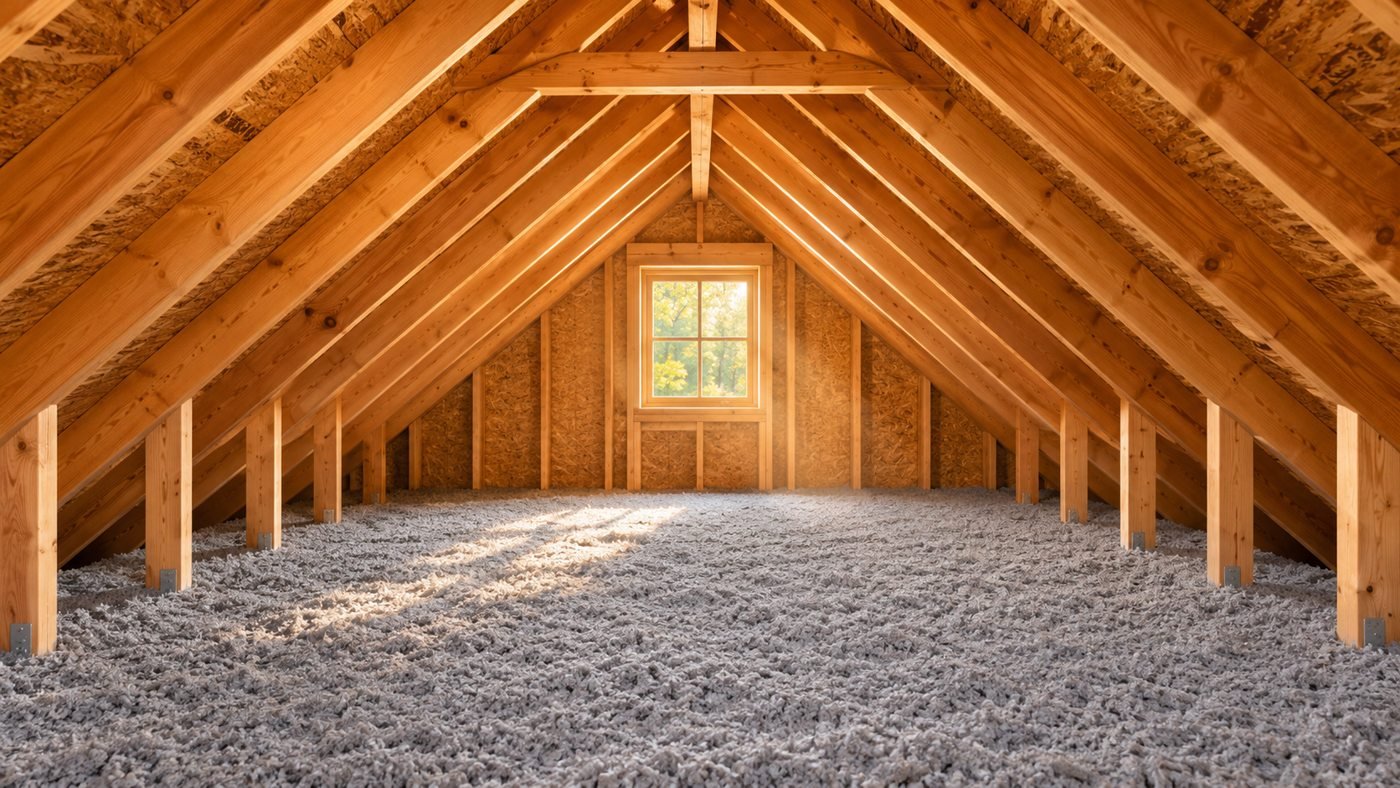
If the upstairs is hot despite decent ceiling insulation, look at ducts, window sun and air movement before buying more. The timing of the discomfort often helps you decide what to check first.
For insulation materials, R-values and floor-versus-roof decisions, see our Attic & Roof Insulation guide.
Start with the room and the time of day
For three warm days, note the temperature at the same place in the uncomfortable room in the morning, midafternoon and early evening. Compare it with another upstairs room and with the downstairs thermostat. Record whether doors are open, blinds are closed and the cooling system is running. The point is to see a pattern, so choose comparable days if possible.
A group of rooms under the same attic that warms steadily in the afternoon may justify checking ceiling coverage and sealing. A room with a large west-facing window that becomes uncomfortable only when the sun hits it needs a shading check. If one room barely receives air when the system runs, give duct and return airflow an early place on your list.
Where attic insulation for cooling makes the most difference
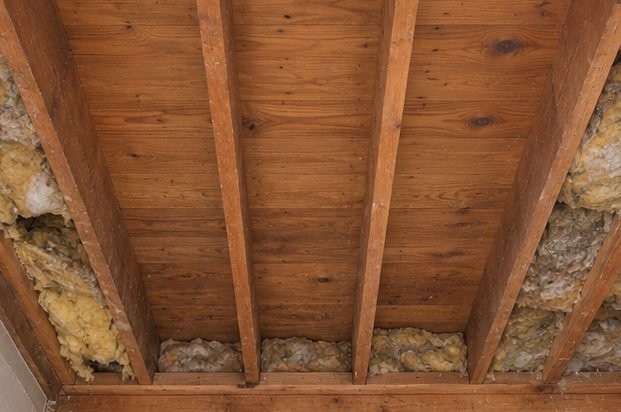
From a secure point at the attic access, look at the surface of the insulation rather than assuming it is consistent across the floor. Pay attention to the hatch, accessible eaves and spots where framing, wiring or old storage may have interrupted the layer. A contractor can safely check areas outside your line of sight and confirm whether low depth or air leakage explains the pattern.
For attic insulation for cooling, ask how the crew will air-seal accessible openings across the ceiling and insulate the hatch. If the attic is vented, ask how it will protect vent paths while improving coverage over the tops of walls. Ask for photos of those areas once complete. A deeper layer in the center does little for an overlooked opening at the edge.
Separate attic heat from duct problems
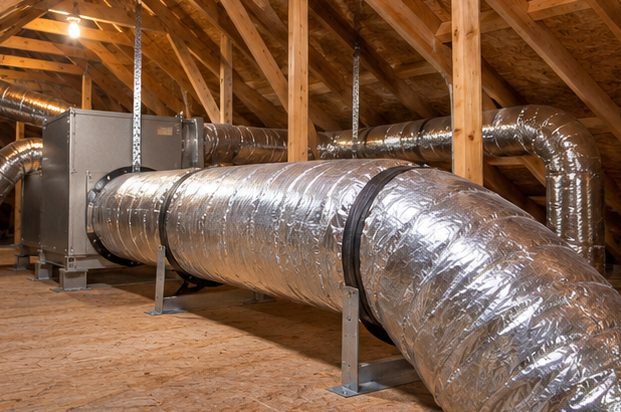
If air ducts run through a hot vented attic, they can gain heat through their walls and lose cooled air at leaky connections. A damaged duct jacket, disconnected branch or crushed duct can leave one room noticeably warmer. Look for weak airflow as a clue, then ask an HVAC technician to check both delivery and return paths and inspect accessible duct connections.
Have the technician explain whether repairs, sealing, duct insulation or routing would address the problem. In humid climates, degraded duct jackets and insulation may also contribute to condensation on cold duct surfaces. Stains around a register or water below a duct call for investigation before anyone covers it. Ask whether the proposed material and installation suit that location.
A homeowner with a hot bedroom and a disconnected duct gains little by adding insulation before fixing the air delivery problem. If the ducts check out and several rooms still heat up under a thin ceiling layer, ceiling air sealing and insulation move higher on the list.
Decide whether the attic floor or roof deck should be insulated
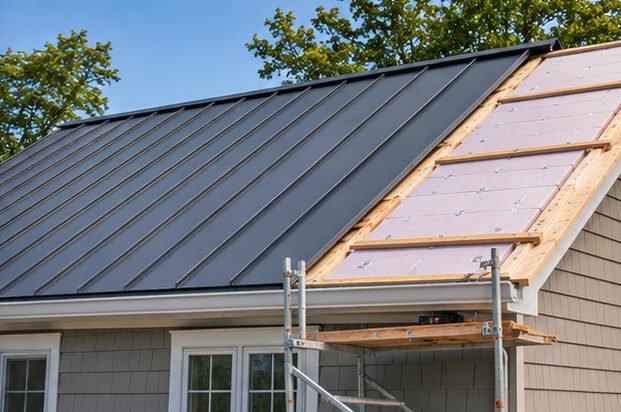
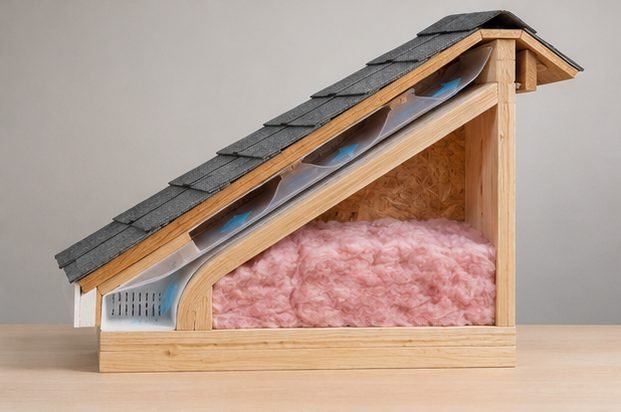
An unfinished, vented attic typically uses the attic floor as the thermal boundary. Upgrading there often lets you make a smaller area continuous. It can also keep existing rafter vent paths working. If ducts remain outside the boundary, give their condition separate attention.
A finished attic or a design intended to bring equipment inside the enclosure may move that boundary to the roofline. Ask for a complete roof assembly plan before closing vents, including how it will manage moisture and how the attic will connect to the home’s conditioned space. A roof replacement may give you options that are difficult during a ceiling-only project. Compare the scope before choosing foam, boards or a conventional ceiling upgrade.
Understand what attic ventilation can do
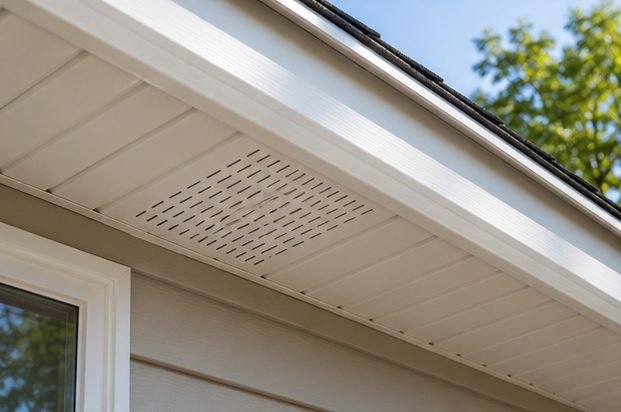
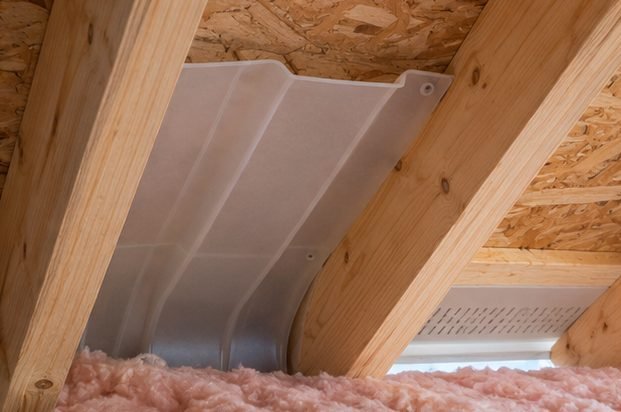
A vented attic relies on its designed ventilation routes. Keep those paths clear when adding insulation. If there is no obvious soffit intake, have a roofer identify the existing layout before adding a new exhaust opening or powered fan. Changing one part can alter how air moves through the rest of the attic and house.
Focus on the rooms you want to cool when comparing proposed improvements. A cooler reading next to a roof vent may tell you local attic air temperature changed. Upstairs comfort also depends on ceiling heat gain, air leakage, solar gain and how well the cooling system serves those rooms. Ask anyone promising a specific temperature drop to explain which measurements support the claim.
Compare attic insulation cooling gains with simpler repairs
Imagine two bedrooms under one attic. The first feels hot only after late-afternoon sunlight reaches the window. The second gets warm earlier despite the shade and has weak airflow. Start with a temporary shade test in the first room and an airflow check in the second. If both rooms still warm similarly and the attic has exposed joists or bare patches, have the ceiling boundary inspected next.
After the upgrade, compare several days that are similar in outdoor temperature, sunlight and humidity. Keep thermostat and door settings consistent. Note when the room begins to heat up and how long it remains uncomfortable. Ask your contractor which observations would warrant a follow-up. This gives you something more useful than comparing one cool Sunday with one hot Tuesday.
Written scope for a ceiling upgrade

When you are buying attic insulation for cooling, ask for the target R-value based on your location and what the installer found. Have the scope list existing material, ceiling sealing, coverage at the perimeter, hatch treatment and any vent protection. Confirm that required clearances and access will be maintained. Get photos and product information at completion. If your problem is limited to a room or an area served by its own duct branch, ask which part of the scope applies to that spot.
For supporting guidance, see ENERGY STAR’s guide to attic ventilation.
If you’re deciding whether the attic is the right place to start, read why attic insulation matters and when to stop adding attic insulation.
Frequently asked questions
Does an insulated attic need to feel cool?
A vented attic can stay hot while insulation helps reduce heat flow into the living area. Judge the upgrade by room comfort, installation quality and operating conditions.
Can attic insulation replace an air conditioner?
Insulation can reduce the cooling load. Check equipment operation and the air delivered to each room when diagnosing a hot upstairs.
What should I fix first if my upstairs gets hot at sunset?
Check whether the discomfort follows direct sun through west-facing windows or affects multiple rooms under the attic. A shading test and an HVAC airflow check can help you decide whether to investigate the ceiling next.