

Can you over insulate an attic? Yes, an attic upgrade can go too far for the budget or the way the attic was built. Once the ceiling has even coverage and enough insulation for your location, another layer brings smaller savings. An installation can also cause problems if it blocks a vent, hides a leak or covers a component that needs clearance.
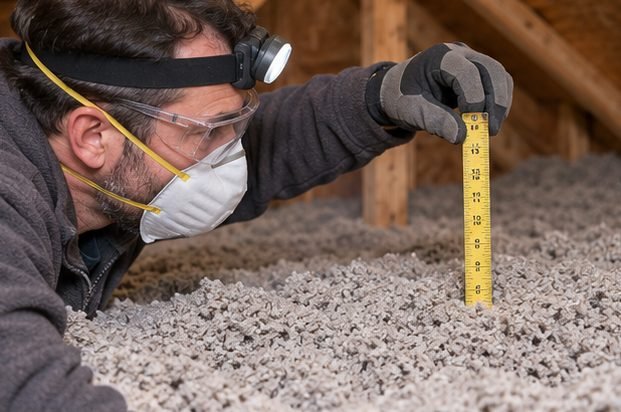
A deep, even layer in the middle of the attic is only part of the picture. Before ordering more insulation, check the thin spots and ask what the contractor plans to do at the eaves, hatch and ceiling penetrations.
For a full comparison of floor and roof assemblies, see our Attic & Roof Insulation guide.
Two ways to over insulate an attic
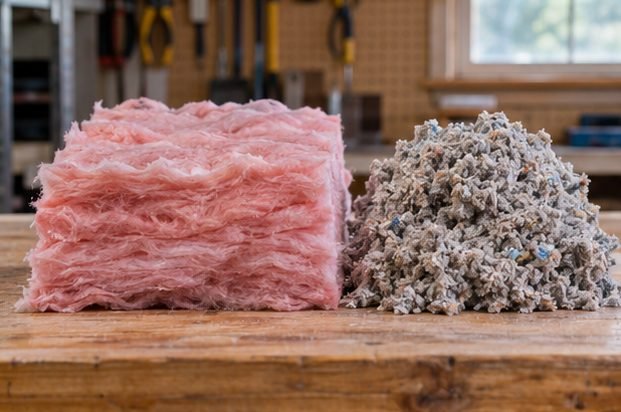
The first is an economic decision. Each extra unit of R-value does less to reduce heat flow than the previous one. An upgrade from very little insulation to a well-insulated ceiling can make a noticeable difference. A smaller increase on an already well-insulated ceiling usually changes less. The installed price, fuel or electricity cost, climate and other weak points in the house all affect whether it pays.
The second is an installation issue. The attic may have enough physical room for more fill in the center while the eaves, electrical fixtures and service platforms cannot accommodate the same depth. If the added fill covers intake paths, presses against equipment that needs space or hides damage, even a reasonable R-value target can cause problems. Ask for drawings or photos showing how the installer will handle the places where full depth will be hard to achieve.
Can you over insulate an attic for your budget?
Suppose heat flows through two hypothetical ceiling assemblies that are identical except for their total R-value. With the same temperature difference, an R-40 ceiling passes about half as much conductive heat as an R-20 ceiling. Increasing that R-40 ceiling to R-60 cuts the remaining conductive heat flow by about one-third. The second increase saves less heat in absolute terms than the first increase, even though each adds the same R-value.
Real ceilings include joists, gaps and penetrations. Attic insulation changes only one part of the home’s heating and cooling load. Use this example to compare the direction of the benefit. To estimate savings, get a home energy assessment or a project-specific analysis that weighs the proposed work and local conditions.
Inspect the edges before buying another layer
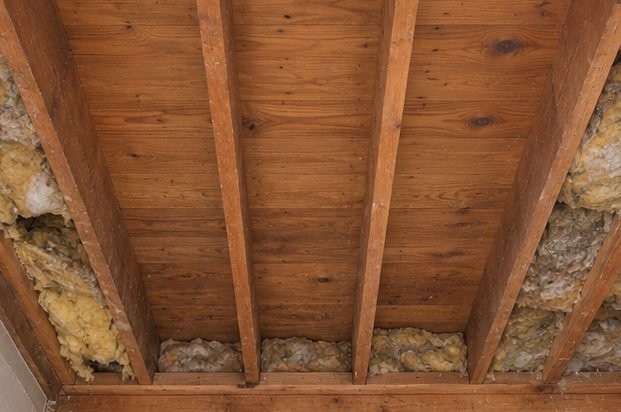
Look from a safe access point for uncovered framing, crushed insulation and loose fill that has shifted near the eaves. Compare these observations with what you can see near the middle. Ask the contractor to record several depths and identify the existing material before assigning a starting R-value. The deepest point is a poor summary when large areas have thinner coverage.
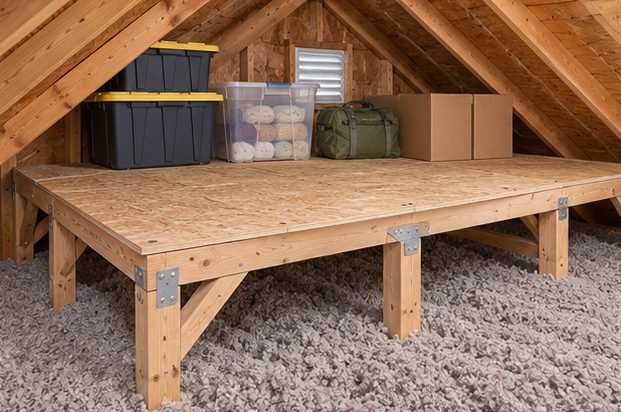
If a storage deck sits directly on joists, the insulation below can be shallower than the material beside it. A raised platform may preserve the depth and service access where framing can support the intended load. Ask the installer to identify which areas will stay accessible. If joists are hidden or access is uncertain, leave the inspection to someone equipped to walk the attic safely.
Can you over insulate an attic at the eaves?
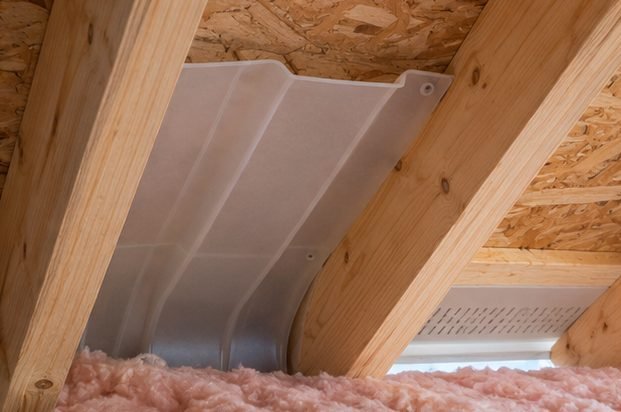
In a vented attic with soffit intakes, baffles help keep a clear path for outside air above the insulation. Ask how that path will stay open when loose fill reaches the perimeter. Have the installer show where the new insulation will stop around the access and where vent openings must remain clear. Photograph those details before they become harder to see.
Where lights, chimneys or flues meet the ceiling, the assembly and equipment listings determine clearance and approved materials. Avoid burying a fixture if its rating or clearance is unclear. The same planning applies to HVAC service access and any existing vapor-control layers. Have a qualified person evaluate unfamiliar equipment and materials before changing the attic.
Let moisture and air leaks change the scope
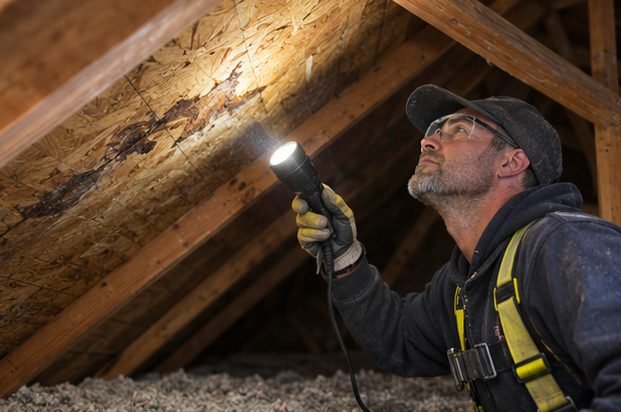
Damp spots on sheathing, wet insulation and stains around roof openings justify further inspection. A roof leak, a disconnected bath exhaust duct and warm indoor air escaping through ceiling gaps can all produce moisture where insulation cannot resolve the cause. Ask where each exhaust duct terminates and have roof defects repaired before new fill conceals them.
A dry attic can still have significant ceiling leaks around the hatch, plumbing openings or the tops of partition walls. Compare the value of sealing those paths before adding insulation. If you suspect vermiculite, leave it undisturbed and arrange qualified advice before someone moves existing material to reach a leak.
When more attic insulation is worth adding
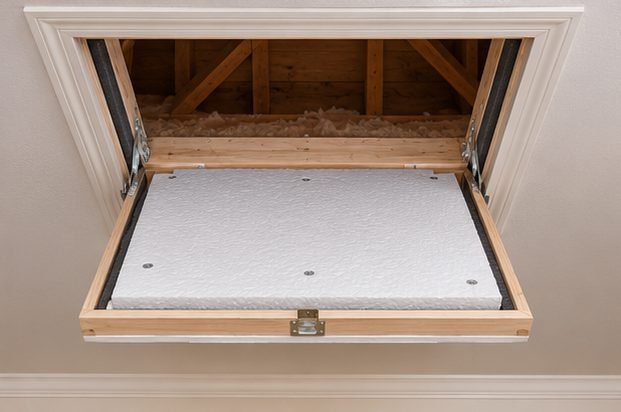
Add insulation when coverage is clearly low or uneven, the attic is dry, and the planned depth fits the assembly. Request the product, target R-value, expected installed depth and how the crew will check the edges. Have the quotation describe air sealing, baffles and the hatch separately so those details are easy to compare.
Repair first if the existing insulation is damp, displaced or obstructing ventilation. Start with the cause and ask which portions can remain. Stop and investigate another part of the house if the ceiling is already reasonably airtight and consistently insulated for your location. Duct leakage, strong sun through windows or a comfort problem isolated to one room may give you a better target for the next dollar.
What to ask before approving the quote

If you are asking whether you can over insulate an attic, start with the existing coverage and the areas that still need work. Ask the contractor what difference it expects between the proposed R-value and the next higher option. Have it explain that difference for your home, then ask what is included for sealing and access. A useful proposal gives you a way to check the result later. An installer can document bag counts where relevant, depth markers and photos of the vents, hatch and areas that had bare spots.
After the job, keep those records. If the upstairs still feels uncomfortable, they help a technician investigate the ceiling, ducts and windows with fewer guesses. Comparing similar weather and thermostat settings can also give you a better picture of any change in comfort.
For supporting guidance, see ENERGY STAR’s attic ventilation guide.
Before deciding whether to add another layer, review why attic insulation matters and which problems to fix first.
Frequently asked questions
Can you over insulate an attic and cause mold?
Moisture is what drives mold growth. Look for roof leaks, moist air leaving the rooms below, exhaust ducts ending inside the attic and vent paths blocked by insulation. Correct those causes before adding material.
Should I insulate both the floor and rafters?
Start by tracing one continuous thermal boundary. In a conventional vented attic it usually follows the ceiling below. A roofline conversion needs a complete design that accounts for drying, ventilation and equipment.
Do I need to remove all old insulation?
The answer depends on the material, condition and work needed underneath it. Clean and dry insulation may remain when it suits the planned assembly. Wet, damaged or suspect materials need a different assessment.