

Discover futuristic interior design with practical ideas for colors, furniture, lighting and real-world room layouts. Use these tips to create an expressive home that still feels comfortable.
Understanding the Style
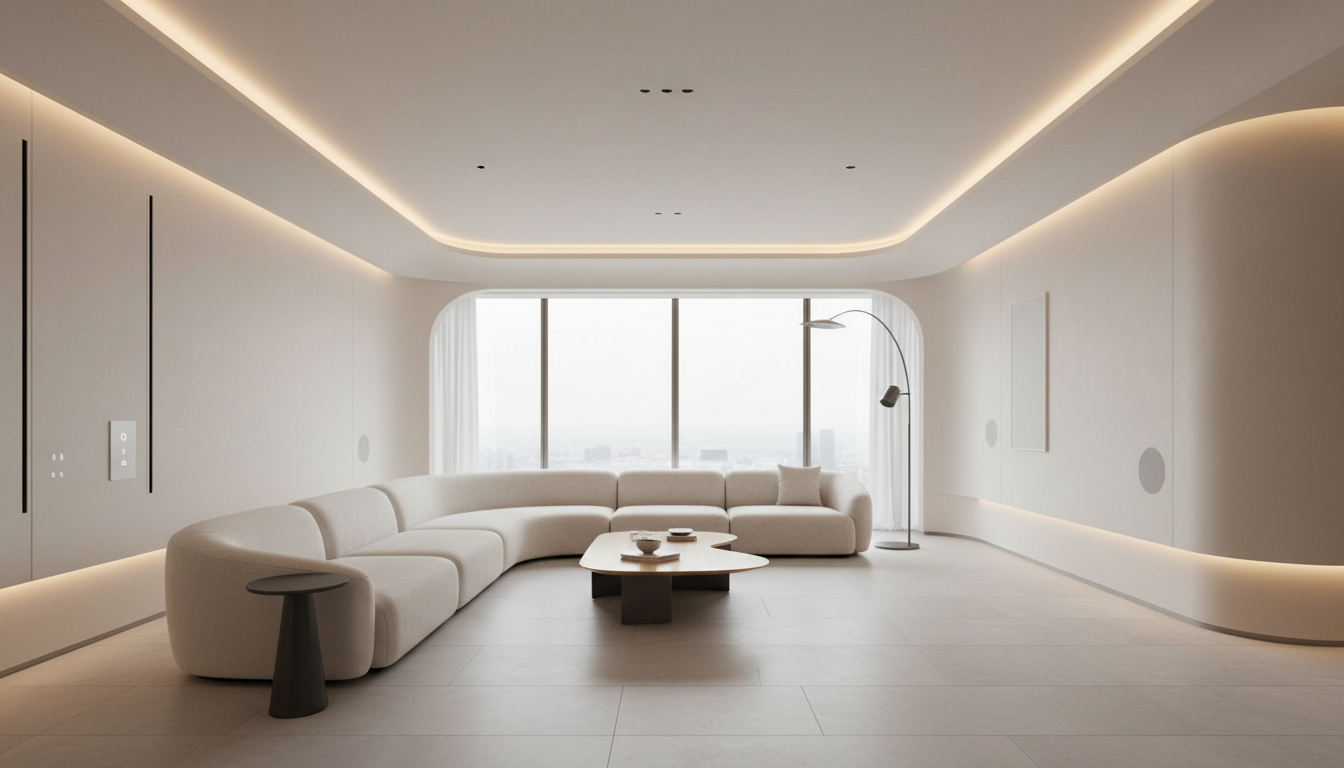
Futuristic interior design imagines how living spaces might evolve through new materials, integrated technology, adaptable layouts and expressive shapes. In a real home, that does not mean filling every room with glowing screens or science-fiction props. The strongest futuristic interiors use clean surfaces, sculptural furniture, thoughtfully concealed storage and lighting that responds to different activities. Curved walls and organic furniture can create a forward-looking atmosphere, but square rooms can achieve a similar effect with a rounded sofa or table. Focus on practical innovation: comfortable seating, easy-to-clean finishes, adjustable light and devices that genuinely help. A futuristic room should be pleasant to live in today, not just striking in a rendering.
Choose the Right Colors
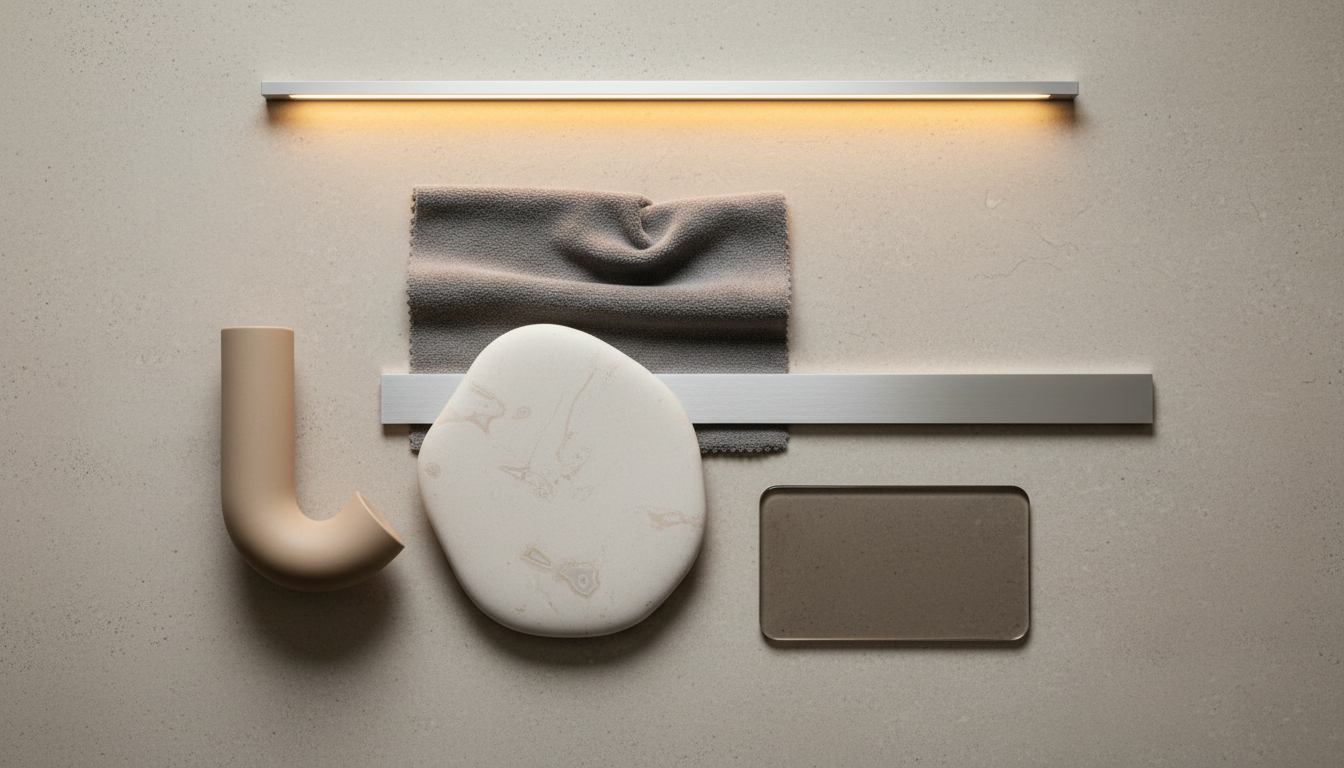
White, pale gray, graphite, brushed silver and muted charcoal are common starting points for futuristic interiors. A warmer version combines soft ivory, pale stone and subtle metallic details instead of relying on a cold all-white palette. Choose one dominant neutral, a secondary shade and a small accent. A touch of cobalt or electric blue can feel contemporary, but intense neon everywhere may cause glare and visual fatigue. Test paint and material samples under both natural daylight and your planned artificial lighting. Matte finishes can help reduce reflections, while a limited use of glass or polished metal adds contrast. A consistent palette makes curved forms and integrated lighting more noticeable.
Materials and Finishes
Futuristic rooms often mix engineered stone, smooth plaster, glass, metal, textured upholstery and durable composite finishes. You do not need expensive experimental materials to achieve the effect. Matte cabinet fronts, a rounded upholstered chair and one brushed-metal lamp can create a contemporary direction. Consider fingerprints, scratches, glare and maintenance before choosing highly polished surfaces. In kitchens and bathrooms, select materials appropriate for moisture and cleaning. Fabric is important too: a soft boucle sofa or woven rug prevents the room from feeling clinical. Aim for a contrast between tactile comfort and streamlined architecture. Buy for durability and function rather than a product’s futuristic marketing label.
Furniture and Layout
Choose furniture with clear silhouettes and purposeful shapes. A curved modular sofa, sculptural coffee table or rounded swivel chair can become the focal point. Leave enough clearance for walking, cleaning and accessing storage. Many futuristic concepts feature transformable furniture, but ordinary pieces with concealed storage or flexible modules are often more reliable and affordable. Avoid low seats if they are uncomfortable for the people who use the room. A floating-look console may appear sleek, but wall mounting needs suitable fixings and professional installation where necessary. The room should remain easy to rearrange when household needs change. Plan cable routes and outlets early so technology does not create visible clutter.
Living Room Ideas
For a futuristic living room, begin with a neutral base and one sculptural furniture piece. A curved sofa in ivory or gray can anchor the room, while a low organic coffee table adds movement. Use indirect LED cove lighting for ambient illumination, then provide a separate lamp for reading. Hide cables behind suitable channels and allow ventilation around electronics. A textured rug softens hard surfaces and makes the seating area comfortable. If the room has large windows, use adjustable blinds to control screen glare. Keep decorative objects selective so the furniture shapes and lighting remain the focus. A forward-looking living room is both visually distinctive and genuinely useful.
Bedroom Ideas
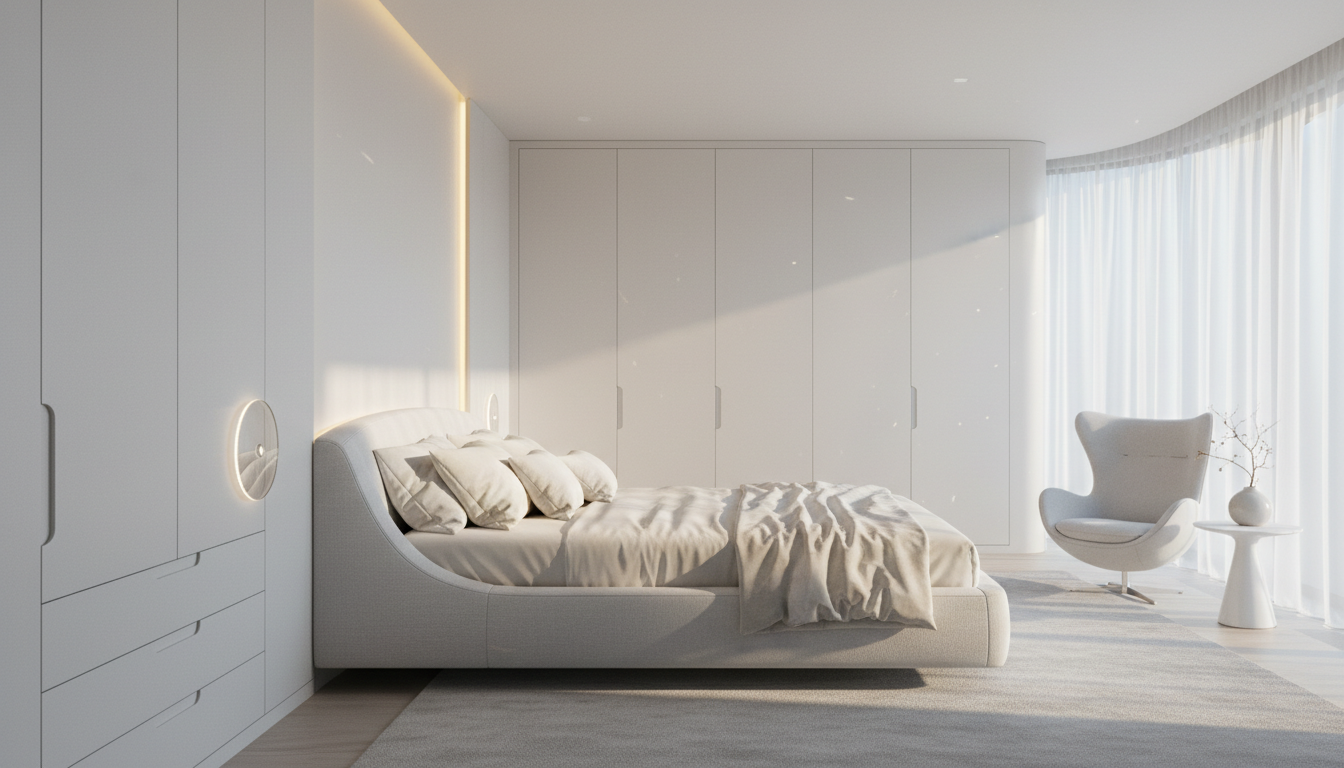
A futuristic bedroom can feel restful rather than high-tech. Try a gently curved upholstered headboard, flush storage cabinets and layered lighting with warm evening settings. Keep bedside controls simple and accessible. Motorized blinds or smart bulbs can be useful, but they should not be required for basic tasks if the network fails. Choose comfortable bedding and soft textiles to balance smooth wall and cabinet finishes. Avoid placing bright colored lights directly in your field of view when trying to sleep. Use warm, dimmable illumination for evening routines and sufficient task light for reading. A streamlined bedroom succeeds when it makes daily life easier.
Kitchen and Dining Ideas
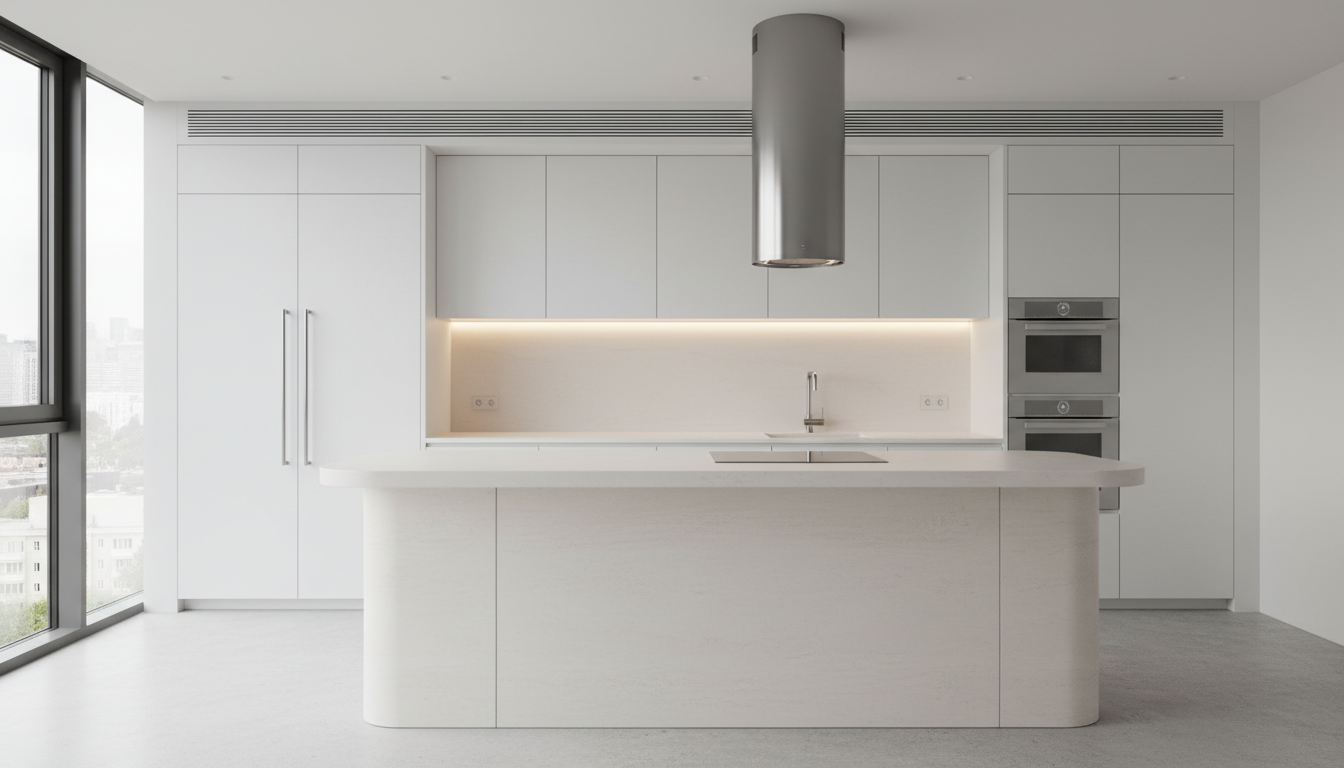
A futuristic kitchen may use seamless cabinet fronts, integrated appliances, a softly rounded island and clean-lined lighting. Start with the actual workflow: preparation, cooking, washing and storage should be convenient. Good under-cabinet task lighting matters more than dramatic accent strips. Choose easy-clean surfaces that tolerate heat and moisture where needed. A handleless design should still be easy for household members to open, including people with limited grip strength. If renovating, plan outlets, ventilation and appliance access before choosing decorative finishes. For dining, a sculptural pendant above a simple table can introduce the style without sacrificing comfort or circulation.
Lighting and Technology
Layered lighting is central to futuristic interior design. Concealed LED strips can highlight curves and create gentle ambient light, but they should not replace proper task lighting. Use warm white for relaxing and brighter neutral light where work requires it. Smart controls can create useful scenes, such as a dim evening setting and a brighter cleaning setting. Choose systems that offer manual control and do not depend entirely on an internet connection. Keep electrical installations accessible for maintenance, and have permanent wiring completed by a qualified professional. Avoid exposing occupants to harsh glare from strips, glossy surfaces or screens. The best technology feels quietly integrated rather than constantly demanding attention.
Decorating Small Spaces
Compact homes can adopt futuristic ideas without feeling crowded. Choose furniture with a clear function, use vertical storage and keep walking paths open. A single statement lamp, artwork or rug may communicate the aesthetic better than many small accessories. Repeating a limited palette helps connect the room visually. If you have a studio apartment, use lighting or furniture placement to distinguish sleeping and living zones. Mirrors may help reflect daylight when placed carefully, but avoid creating glare. Every addition should justify the space it occupies.
Budget-Friendly Approach
Start by taking photographs of the room and listing the furniture you can keep. Rearrange the layout before spending money. Updating cushion covers, artwork or a lamp can have a substantial effect. Secondhand shops may offer suitable vintage pieces, but inspect them for damage and check dimensions. Prioritize repairs, lighting and comfortable seating before decorative purchases. Renters can use reversible updates such as rugs, curtains and freestanding furniture. Build the room gradually so you can evaluate each change and avoid buying objects that do not work together.
Common Mistakes
A futuristic room can become impractical when every surface is glossy, every fixture glows and all storage is hidden behind difficult-to-use mechanisms. Too many colored LEDs may make the room feel like a gaming setup rather than a comfortable home. Do not sacrifice supportive seating or clear walkways for dramatic sculptural shapes. Avoid smart devices that require multiple apps for ordinary tasks; simple manual controls are valuable. Consider repairability and energy use before installing elaborate systems. A restrained palette and one memorable curved piece often communicate the look more effectively than a large collection of novelty gadgets. Comfort, maintenance and accessibility should remain priorities.
Step-by-Step Styling Plan
First, choose three words that describe your preferred atmosphere. Second, measure the room and decide what stays. Third, choose a palette based on silver, charcoal, crisp white and controlled neon accents. Fourth, identify a single focal point. Fifth, add a few appropriate materials such as smooth curves, smart lighting, glass and innovative finishes. Sixth, improve storage and lighting. Seventh, add artwork and personal details gradually. Finally, live with the arrangement before deciding whether more accessories are needed. This process helps maintain visual consistency and reduces unnecessary spending. It also allows the finished space to feel genuinely personal.
Frequently Asked Questions
Can this style work in a small apartment? Yes. Focus on a few distinctive details, appropriately scaled furniture and practical storage. Do I need a renovation? Usually not. Lighting, textiles and artwork can introduce the look. Can I combine this with modern furniture? Yes, especially when you repeat colors, shapes or finishes. How can I keep the room comfortable? Prioritize supportive seating, useful surfaces and clear pathways. Where should I begin? Start with your existing furniture and the room’s layout before shopping.
Final Thoughts
Futuristic Interior Design can bring a recognizable personality to your home without requiring a complete makeover. Choose the elements you enjoy most, balance them with practical furniture and take time to refine the result. To explore other approaches, read our interior design aesthetics guide. For additional design references and reporting, see Architectural Digest.