

Discover 70s revival interior design with practical ideas for colors, furniture, lighting and real-world room layouts. Use these tips to create an expressive home that still feels comfortable.
Understanding the Style
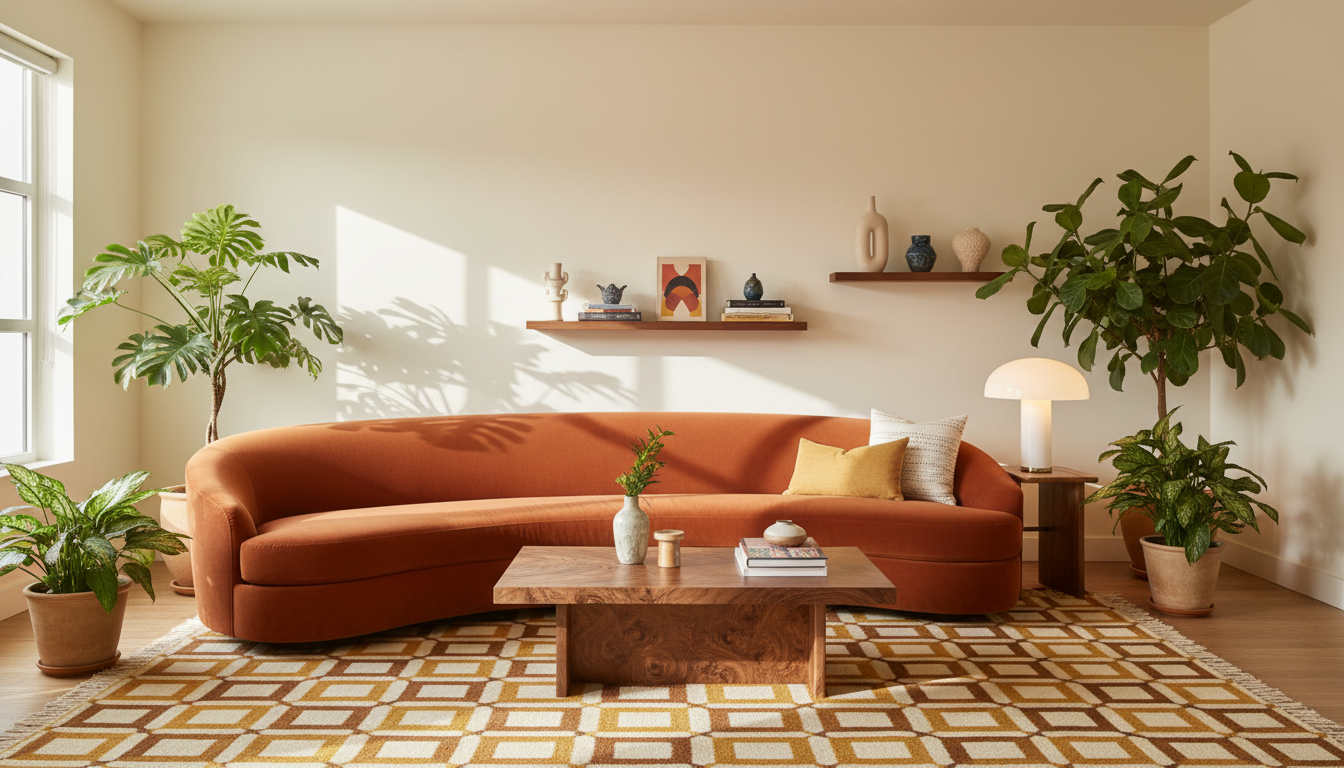
The 1970s revival look takes inspiration from an era of bold color, relaxed seating, playful curves and tactile materials. Think low walnut tables, mushroom-shaped lamps, plush upholstery and confident geometric patterns. A contemporary revival should not feel like a movie set. Mix one or two vintage-inspired focal pieces with modern storage, good lighting and furniture that fits the room. Original 1970s homes varied widely, from earthy casual spaces to glamorous chrome-and-glass interiors. Decide which direction you prefer before shopping. For a warm version, use wood, ochre, rust and soft textiles. For a sleeker look, add smoked glass and a carefully chosen metallic accent. Comfort and durability come first.
Choose the Right Colors
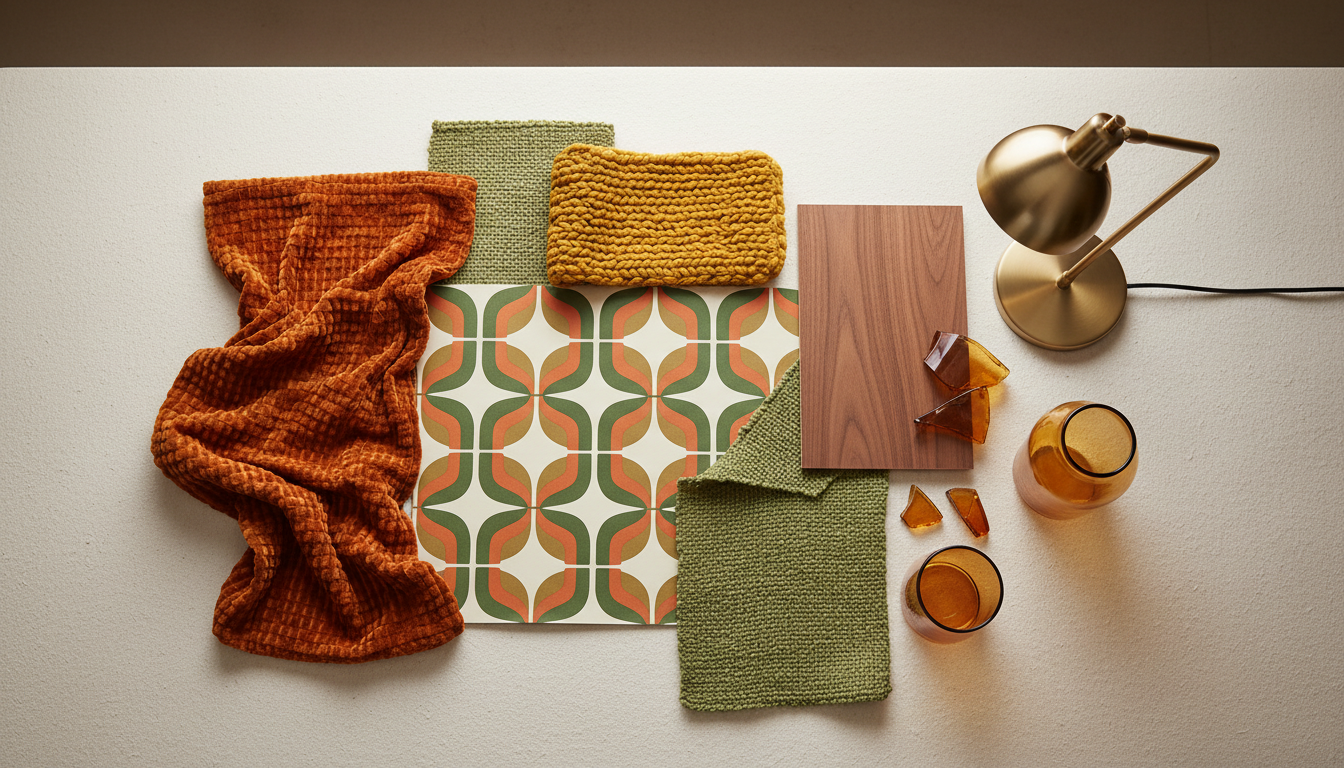
Start with the decade’s recognizable earthy palette: burnt orange, mustard yellow, avocado green, chocolate brown and warm cream. You do not need to use all five. A cream or warm-white background with one rust sofa and a mustard accent rug can communicate the style clearly. For a subtler version, choose olive upholstery with walnut furniture and small terracotta details. Test any paint beside your actual flooring and curtains; yellow undertones can become intense under warm lamps. Repeat your main accent in two or three places rather than spreading different saturated colors throughout the room. A graphic cushion or artwork can introduce color without committing to a large purchase.
Materials and Finishes
Walnut, teak, velvet, corduroy, boucle, smoked glass and polished chrome all have associations with 1970s interiors. Choose a small group that works together. A walnut sideboard with a rust velvet chair and one amber-glass lamp creates enough contrast for a modern room. Textured rugs soften hard surfaces and reduce the overly shiny appearance that sometimes makes retro decorating feel theatrical. If buying vintage furniture, check joints, drawers, odors and upholstery condition; reupholstery can cost more than the piece itself. For kitchens and bathrooms, prioritize easy-clean, moisture-resistant materials rather than recreating every period finish. Mixing authentic secondhand finds with practical contemporary pieces is often the most affordable route.
Furniture and Layout
Curved sofas, rounded swivel chairs, modular seating, low coffee tables and sculptural pedestal furniture are useful 1970s references. Select one statement shape and keep the surrounding furniture simpler. Measure sofa depth carefully: low seating can look inviting but may not suit everyone. Arrange chairs so people can talk comfortably, with a table within reach and clear walking paths around the grouping. A small room might need only a rounded accent chair or mushroom lamp rather than a full modular sofa. Vintage walnut or teak storage pieces can provide practical function and visual warmth. Let the furniture arrangement serve daily life instead of copying a staged retro photograph.
Living Room Ideas
Anchor the living room with a warm neutral rug or a restrained geometric pattern. Add a curved sofa or rounded chair in rust, ochre or olive, then introduce a low wood coffee table. One abstract print can reinforce the period influence without covering every wall. Layer ambient light with a mushroom lamp or globe pendant and a useful reading light. Keep electronics and charging cables organized so the room still feels contemporary. If you already own a plain sofa, use retro cushions and a vintage sideboard before considering expensive replacements. Repeat walnut tones in the frame of artwork or a lamp base for cohesion. The aim is a relaxed conversation space, not a crowded collection of nostalgia pieces.
Bedroom Ideas
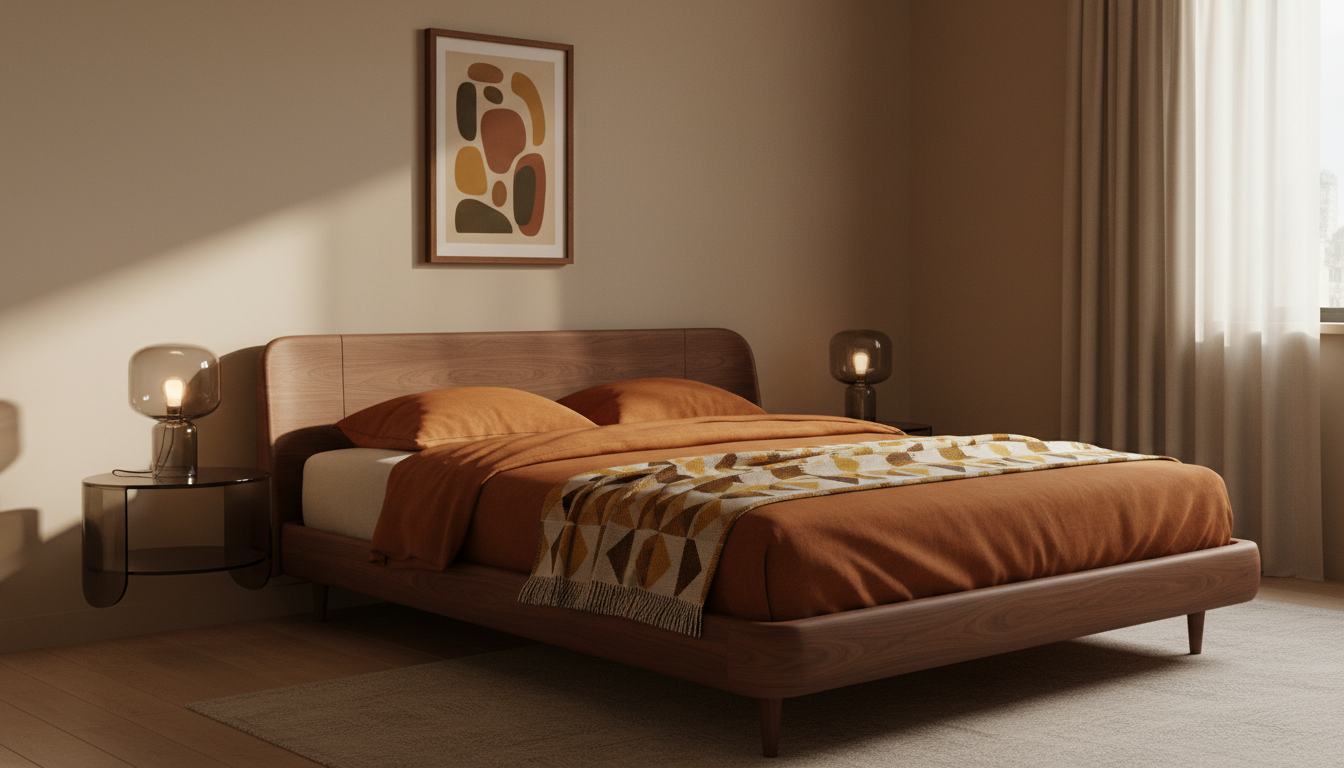
A walnut bed frame, burnt-orange duvet and geometric throw can establish a 1970s-inspired bedroom quickly. Keep the wall color soft if the textiles are strong. A pair of amber-glass or rounded bedside lamps adds character while providing useful reading light. Try one patterned cushion or small retro rug rather than matching every fabric. For compact bedrooms, a vintage dresser can double as storage and a design focal point. Check the condition of secondhand furniture, especially drawer mechanisms and stability. Heavy dark colors can be beautiful, but balance them with pale bedding and daylight. The room should still feel restful and easy to maintain.
Kitchen and Dining Ideas
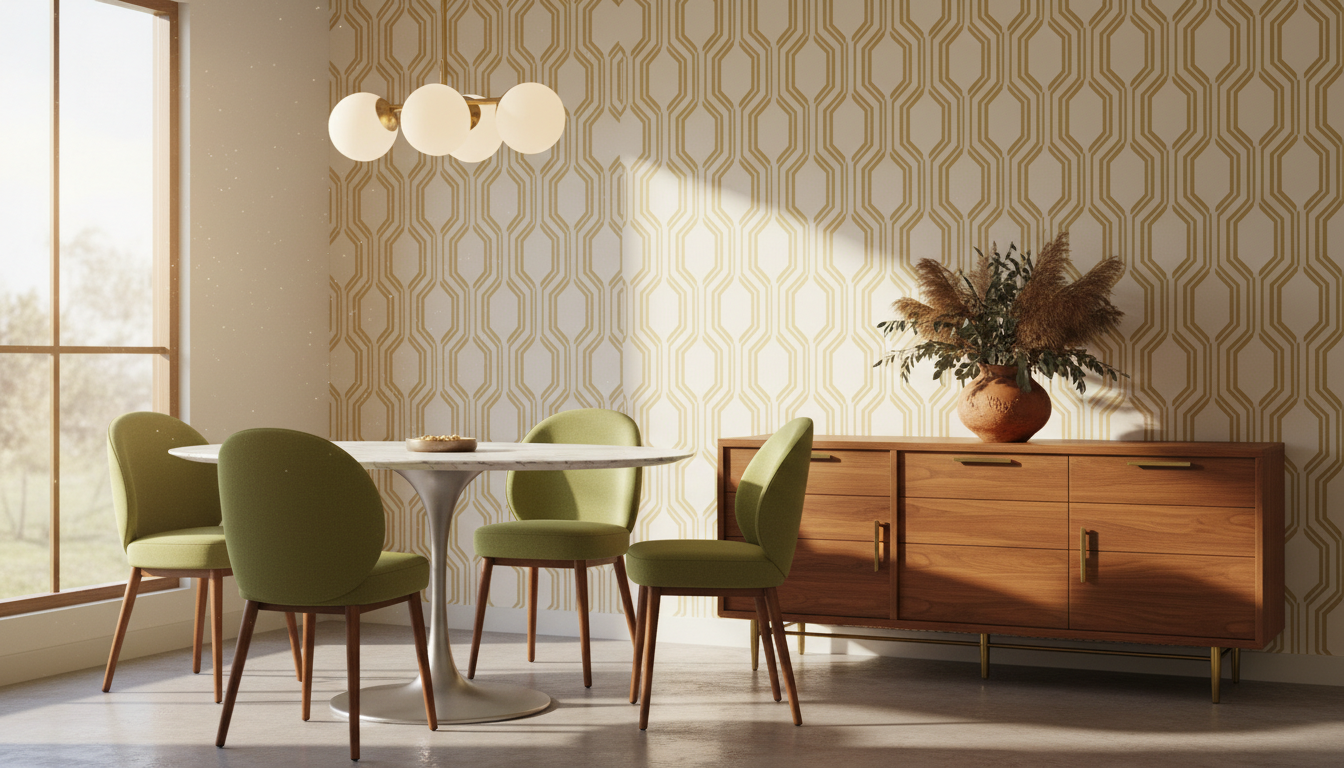
The easiest way to introduce 1970s revival into a dining room is through a globe pendant, rounded dining chairs, a walnut cabinet or colorful tableware. An oval table can soften a boxy space and improve movement around the corners. For kitchens, consider warm wood, simple cabinet hardware and an ochre or olive accent rather than replacing serviceable cabinetry. Original 1970s appliances and wiring are not always practical or safe to reuse; prioritize modern safety and efficiency. A small geometric runner or amber-glass pendant can provide enough retro character. Keep countertops clear and task lighting bright so the kitchen works as well as it looks.
Lighting and Technology
Lighting shapes the 1970s revival mood more than many decorative accessories. Mushroom table lamps, globe pendants and smoked-glass shades are strong references, but they must provide adequate light for the room. Combine an overhead source with a focused reading or task lamp. Use warm bulbs for cozy evening light without making work areas dim. If you are restoring an original vintage light fixture, have its wiring and electrical safety assessed by a qualified professional before use. Modern dimmers and smart bulbs can add flexibility, but they are not required to achieve the look. Keep cords and outlets accessible, and avoid placing hot lamps close to fabric.
Decorating Small Spaces
Compact homes can adopt 1970s revival ideas without feeling crowded. Choose furniture with a clear function, use vertical storage and keep walking paths open. A single statement lamp, artwork or rug may communicate the aesthetic better than many small accessories. Repeating a limited palette helps connect the room visually. If you have a studio apartment, use lighting or furniture placement to distinguish sleeping and living zones. Mirrors may help reflect daylight when placed carefully, but avoid creating glare. Every addition should justify the space it occupies.
Budget-Friendly Approach
Start by taking photographs of the room and listing the furniture you can keep. Rearrange the layout before spending money. Updating cushion covers, artwork or a lamp can have a substantial effect. Secondhand shops may offer suitable vintage pieces, but inspect them for damage and check dimensions. Prioritize repairs, lighting and comfortable seating before decorative purchases. Renters can use reversible updates such as rugs, curtains and freestanding furniture. Build the room gradually so you can evaluate each change and avoid buying objects that do not work together.
Common Mistakes
The most common mistake is using every 1970s motif at once: orange walls, green sofa, geometric wallpaper and multiple chrome accents can compete for attention. Choose one strong focal point and let quieter pieces support it. Another mistake is buying oversized modular seating for a small room without measuring. Avoid vintage furniture with structural problems, and do not assume old electrical fixtures are safe. Dark wood and saturated colors need good daylight or layered artificial light. Finally, remember that a revival is an interpretation. Mixing a vintage lamp with a contemporary sofa can look more convincing and livable than reproducing an entire period room.
Step-by-Step Styling Plan
First, choose three words that describe your preferred atmosphere. Second, measure the room and decide what stays. Third, choose a palette based on burnt orange, mustard, avocado green and warm brown. Fourth, identify a single focal point. Fifth, add a few appropriate materials such as curved furniture, textured fabrics, vintage wood and graphic patterns. Sixth, improve storage and lighting. Seventh, add artwork and personal details gradually. Finally, live with the arrangement before deciding whether more accessories are needed. This process helps maintain visual consistency and reduces unnecessary spending. It also allows the finished space to feel genuinely personal.
Frequently Asked Questions
Can this style work in a small apartment? Yes. Focus on a few distinctive details, appropriately scaled furniture and practical storage. Do I need a renovation? Usually not. Lighting, textiles and artwork can introduce the look. Can I combine this with modern furniture? Yes, especially when you repeat colors, shapes or finishes. How can I keep the room comfortable? Prioritize supportive seating, useful surfaces and clear pathways. Where should I begin? Start with your existing furniture and the room’s layout before shopping.
Final Thoughts
70s Revival Interior Design can bring a recognizable personality to your home without requiring a complete makeover. Choose the elements you enjoy most, balance them with practical furniture and take time to refine the result. To explore other approaches, read our interior design aesthetics guide. For additional design references and reporting, see Architectural Digest.