
Introduction
Picking the right exterior materials for homes is a major investment decision. Your choice directly affects your home’s long-term protection, monthly energy bills, and overall curb appeal. Because it serves as the primary envelope shielding your living space from changing weather patterns, selecting the right house cladding requires a careful balance of aesthetics and resilience. This comprehensive guide breaks down the most popular options to help you choose the best fit for your budget and lifestyle.
Why Your Choice of Exterior Material Matters
Your home’s cladding is its first line of defense. Together with the roof and windows, it shields the interior structure from extreme heat, freezing cold, wind, and moisture infiltration.
Beyond structural protection, exterior materials significantly impact your home’s thermal performance (R-value) and energy efficiency. A well-insulated cladding system keeps indoor temperatures stable, reducing the strain on your heating and cooling systems. Furthermore, the material you select dictates your property’s resale value and long-term lifecycle costs. Today’s homeowners are increasingly prioritizing durability and low-maintenance resilience to ensure maximum return on investment (ROI).
Quick-Reference Comparison Matrix
| Material Type | Structural Durability | Maintenance Level | Upfront Cost Tier | Best Suited For |
|---|---|---|---|---|
| Fiber Cement | Very High | Low | Mid-to-High | Harsh Climates & Fire-Prone Zones |
| Natural Wood | Medium (Needs Care) | High | High | Premium, Classic Aesthetics |
| Brick & Stone | Maximum | Extremely Low | High | Lifetime Longevity & Solid Insulation |
| Metal Cladding | High | Low | Mid-Range | Modern & Contemporary Designs |
| Vinyl Siding | Low to Medium | Low | Budget-Friendly | Cost-Effective Renovations |
| Engineered Wood | High | Medium | Mid-Range | Wood Aesthetic with Less Upkeep |
Deep-Dive Analysis of Traditional and Premium Materials
Natural Wood Siding: Timeless Beauty
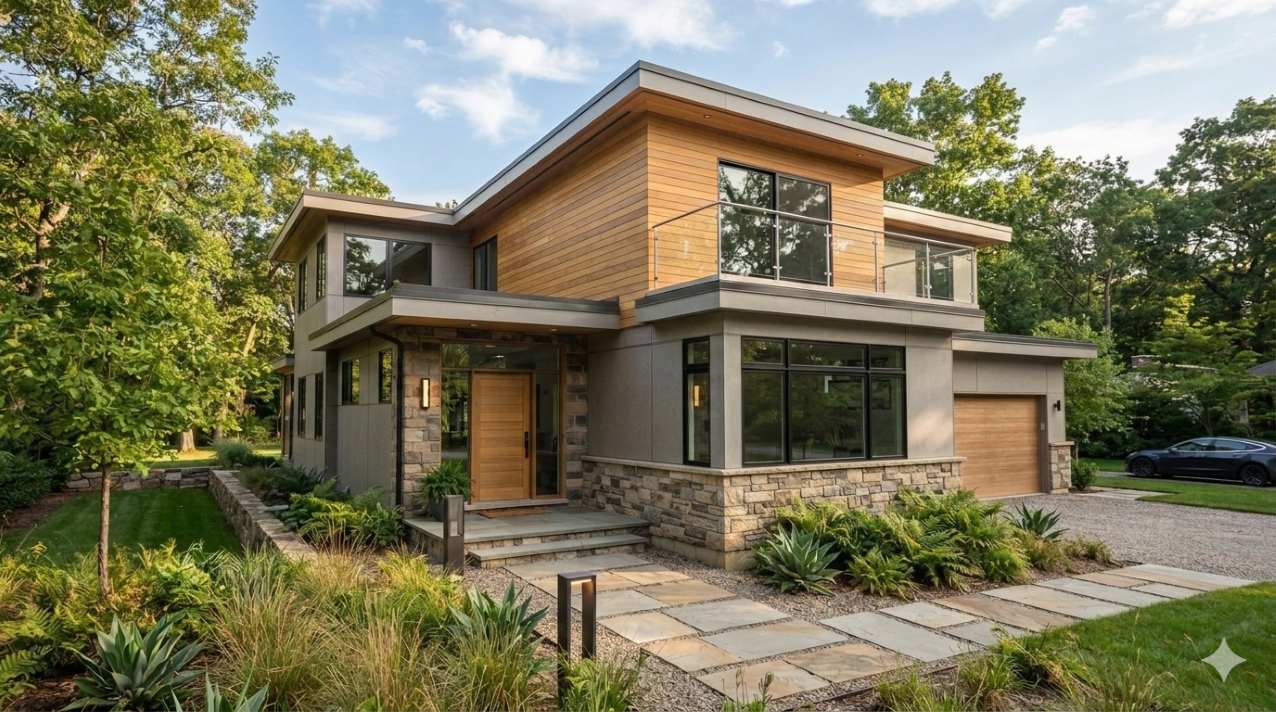
Natural wood remains a premier choice for homeowners seeking a classic, warm, and prestigious aesthetic. It offers unmatched architectural flexibility, allowing for various finishes from painted weatherboards to stained natural timber.
- Pros: Exceptional natural beauty, excellent sustainable credentials if sourced from certified timber forests, and completely biodegradable.
- Cons: Highly susceptible to moisture absorption, rot, warping, and wood-boring insects if neglected.
- Cost & Maintenance: High upfront material and installation costs. Requires significant long-term upkeep, including power washing, resealing, or repainting every 3 to 5 years.
Fiber Cement Siding: The Modern All-Rounder
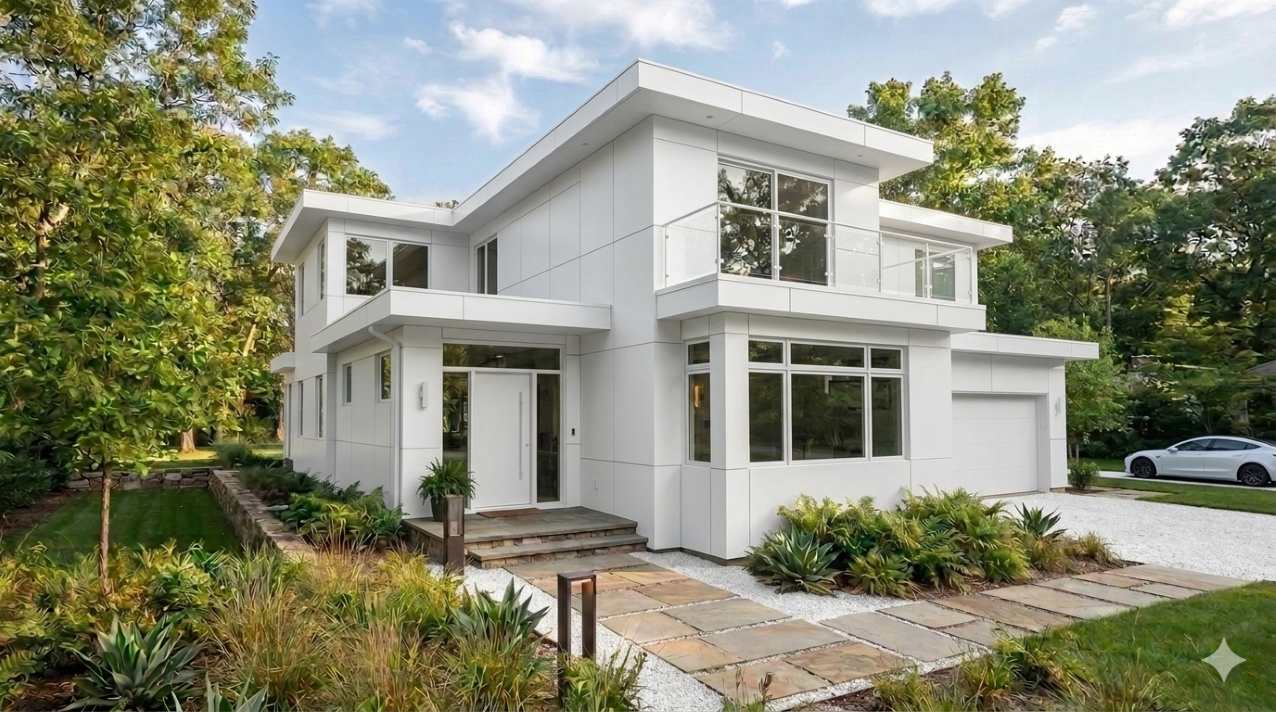
Fiber cement has emerged as a top-tier contender in modern residential design. Engineered from a robust blend of Portland cement, sand, and cellulose fibers, this heavy-duty material offers a highly resilient alternative to traditional wood.
- Pros: Non-combustible (excellent fire rating), immune to rot and termites, and highly resistant to warping or cracking. It beautifully mimics natural wood grain or smooth stucco.
- Cons: Heavy material that requires specialized tools and higher labor costs for proper installation.
- Cost & Maintenance: Mid-to-high initial investment. Extremely low maintenance, typically only requiring an occasional rinse and a paint refresh every 15 years.
Brick and Stone: Classic and Sturdy
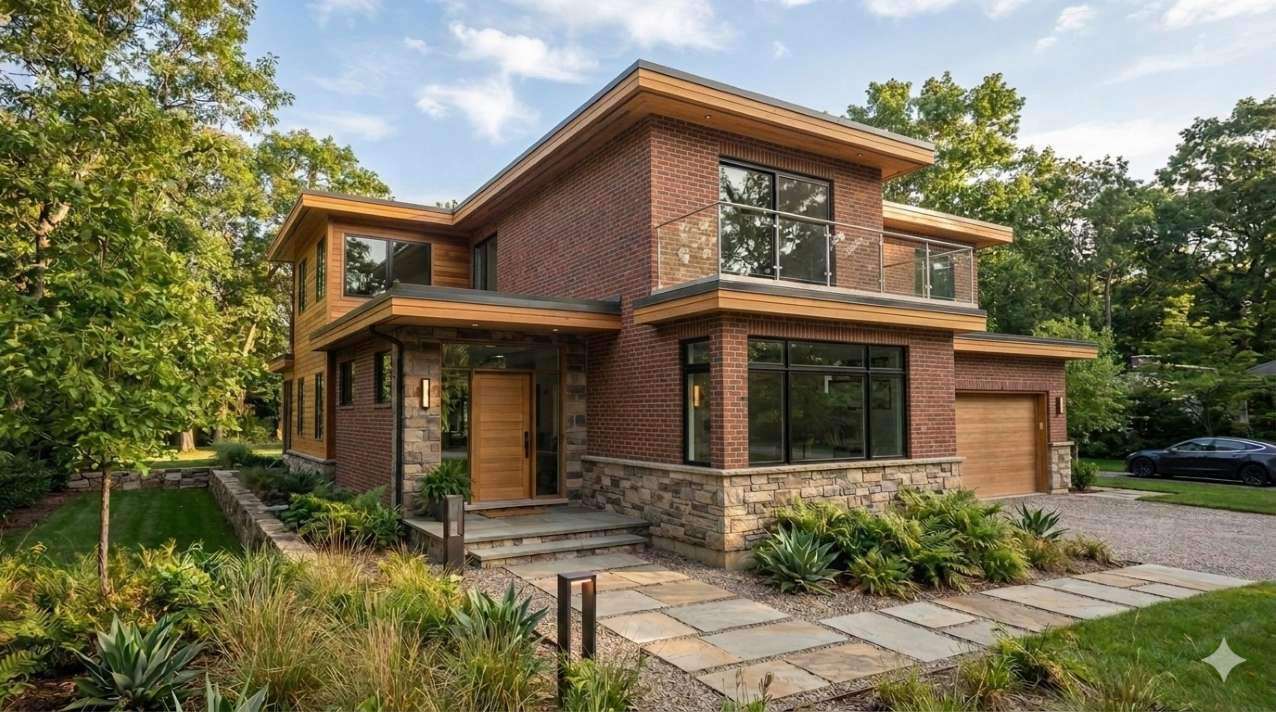
Masonry materials like brick and natural stone represent the pinnacle of structural durability and timeless architectural luxury. They add permanent structural mass and high-end appeal to any home.
- Pros: Unmatched lifespan (can easily last over 100 years), superior sound dampening, excellent thermal mass insulation, and completely fireproof.
- Cons: High structural weight requiring a deep foundation support system. High initial upfront cost.
- Cost & Maintenance: High upfront expense. However, stone veneer offers a lighter, more budget-friendly alternative. Maintenance is virtually zero, requiring only occasional inspection of the mortar joints (repointing) every few decades.
Comparing Modern and Budget-Friendly Options
Metal Cladding: Sleek and Durable
Metal siding, particularly architectural steel and aluminum, is rapidly gaining popularity for modern and industrial-style homes. It offers a sleek, minimalist aesthetic with exceptional clean lines.
- Pros: Lightweight, highly durable, completely impervious to moisture and insect damage, and fully recyclable.
- Cons: Can be prone to denting from hail or impacts. Lower-quality installations can be noisy during heavy rainfall if proper acoustic insulation is omitted.
- Cost & Maintenance: Mid-range cost. Maintenance is very low, requiring only a simple wash to remove dirt and grime.
Vinyl Siding: The Cost-Effective Choice
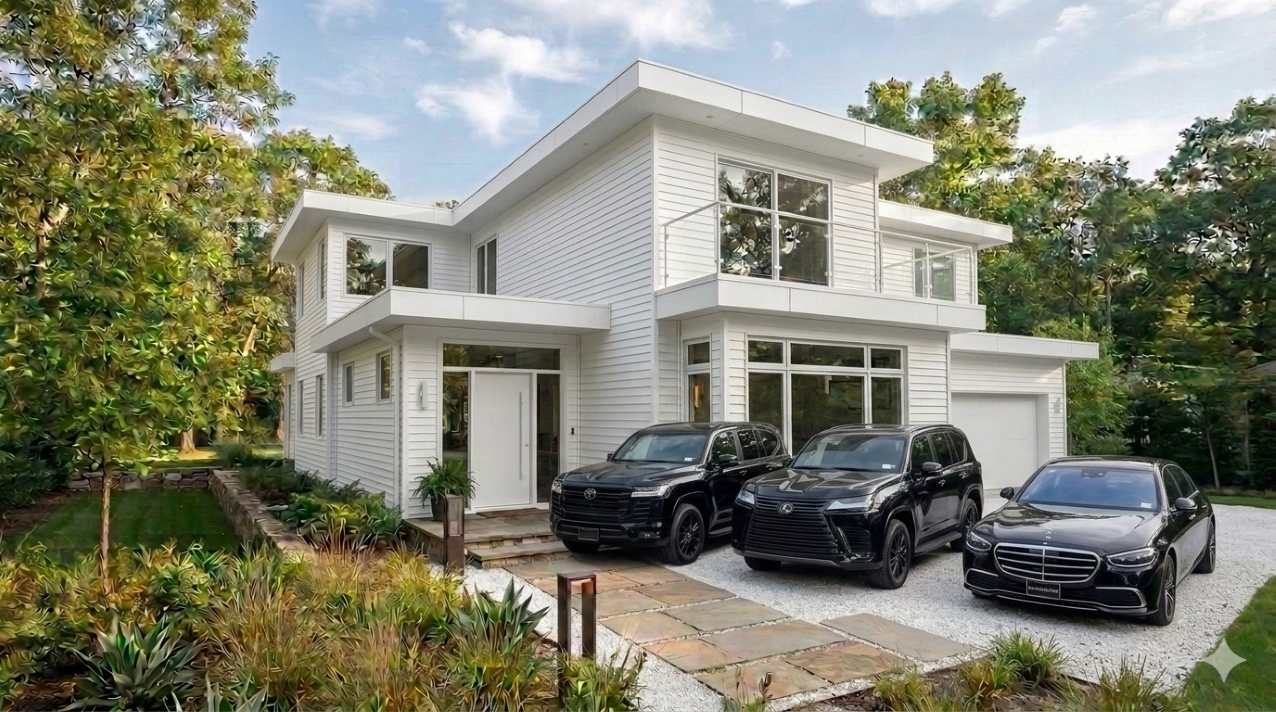
Vinyl is the most widely installed siding material due to its unmatched affordability and ease of installation. Made from polyvinyl chloride (PVC), it serves as a functional, economical choice for budget-conscious projects.
- Pros: Lowest upfront cost, lightweight, comes pre-colored (never needs painting), and completely waterproof.
- Cons: Shorter lifespan compared to premium options. It can become brittle over time, making it prone to cracking in freezing temperatures or warping in extreme heat. It also offers lower environmental sustainability.
- Cost & Maintenance: Lowest cost tier. Low maintenance required—just annual power washing to prevent mold and mildew buildup.
Composite and Engineered Wood
Engineered wood is a smart hybrid material manufactured from wood fibers, exterior-grade resins, and zinc borate treatments. It aims to deliver the authentic look of real timber without the severe maintenance vulnerabilities.
- Pros: Lighter and easier to install than natural wood, highly resistant to moisture, rot, and insects, and often backed by extensive manufacturer warranties.
- Cons: While highly durable, it can still experience edge checking or moisture issues if the protective factory coatings are compromised or cuts are left unsealed during installation.
- Cost & Maintenance: Moderate mid-range pricing. Requires far less maintenance than real wood, but may require a paint refresh after a decade or two.
Key Factors to Consider When Choosing
Your Local Climate and Location
Your geographic location dictates the environmental stressors your home will face.
- Coastal Environments: Require salt-spray resistant materials like fiber cement, composite, or specially treated vinyl, as raw metal can corrode and wood can rapidly rot.
- Wildfire-Prone Zones: Benefit heavily from non-combustible building materials like concrete, brick, stone, or fiber cement.
- High-Moisture Regions: Demand superior rain-screen designs and materials that do not swell or trap water.
Maintenance and Long-Term Lifecycle Costs
Be realistic about how much time and money you want to invest in home upkeep. While vinyl and fiber cement allow a “set-and-forget” approach, natural wood demands ongoing financial commitment to preserve its integrity. Always calculate the total lifecycle cost (initial installation cost + 20 years of projected maintenance costs) rather than looking at the sticker price alone.
Conclusion
The Right Choice for Your Home
Selecting the perfect exterior materials for homes is a balancing act between initial budget, architectural style, regional climate pressures, and long-term maintenance preferences. The ideal material depends on your specific lifestyle goals—whether that means prioritizing the lowest upfront cost with vinyl, seeking the ultimate permanent protection of brick, or choosing the balanced durability of fiber cement.
Before making a final commitment, we highly recommend consulting with local architects or licensed building contractors. They can provide specific regional insights and material specifications tailored to your property’s exact location and architectural framework.