

Introduction
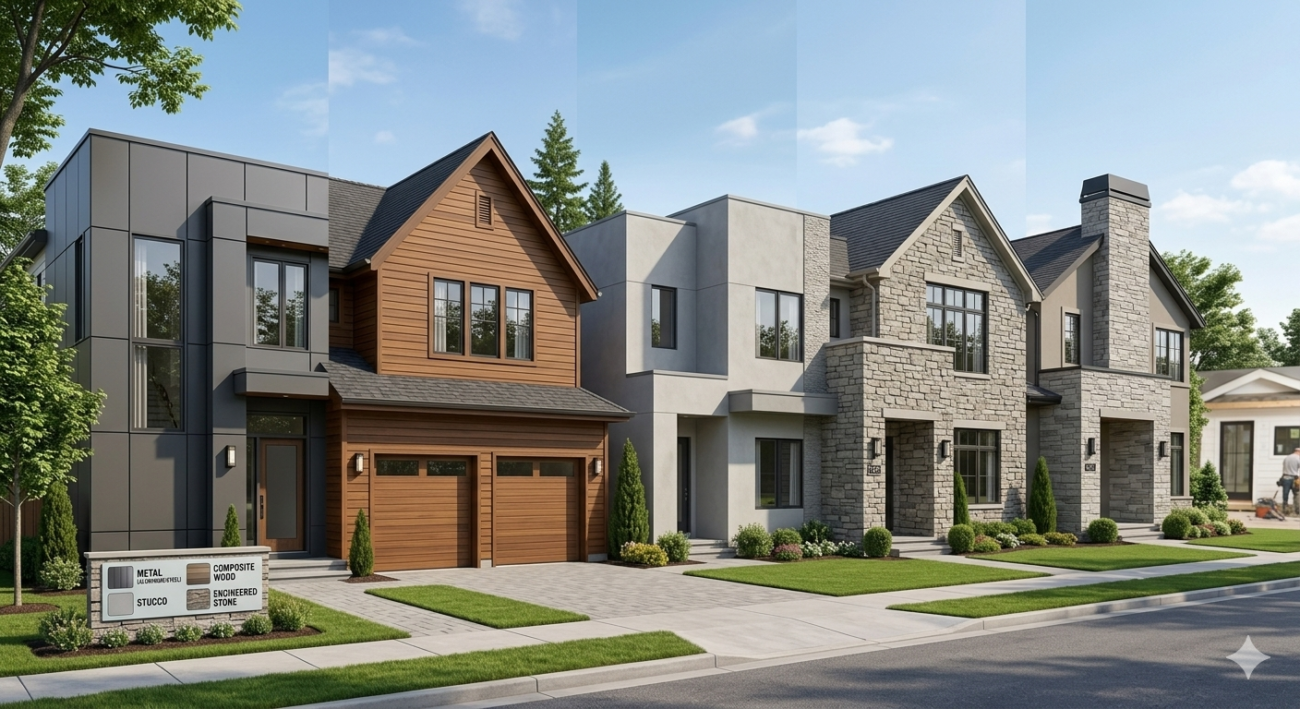
Exterior house materials do more than make your home look beautiful. They protect your family from rain, wind, snow, and extreme heat. The right material also lowers energy bills and reduces maintenance headaches.
Whether you are building a new home or replacing old siding, choosing wisely matters. This guide compares the most popular exterior house materials in simple terms. You will learn costs, lifespans, pros, cons, and which material fits your climate and budget.
By the end, you will feel confident making a decision that balances beauty, durability, and long-term value.
What Are Exterior House Materials?
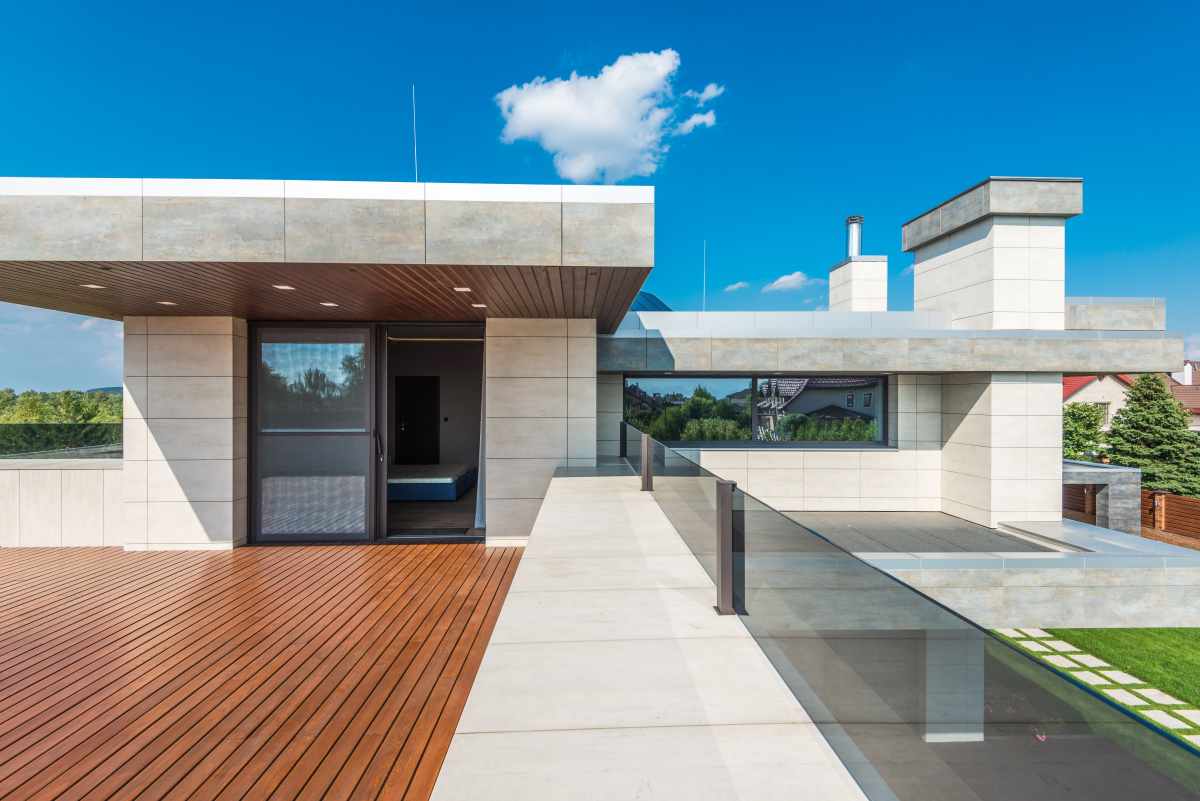
Exterior house materials cover the outside walls of your home. They create a protective barrier against weather, pests, and physical damage. At the same time, they define your home’s architectural character.
When selecting materials, smart homeowners evaluate seven key factors:
| Factor | Why It Matters |
|---|---|
| Climate suitability | Prevents rot, cracking, or warping |
| Installation cost | Affects upfront budget |
| Maintenance needs | Impacts time and money long-term |
| Lifespan | Determines replacement frequency |
| Energy efficiency | Lowers heating and cooling bills |
| Architectural style | Maintains visual harmony |
| Resale value | Helps sell faster at better price |
A balanced evaluation of these factors leads to a practical and attractive choice that serves you for decades.
Top 5 Exterior House Materials Compared
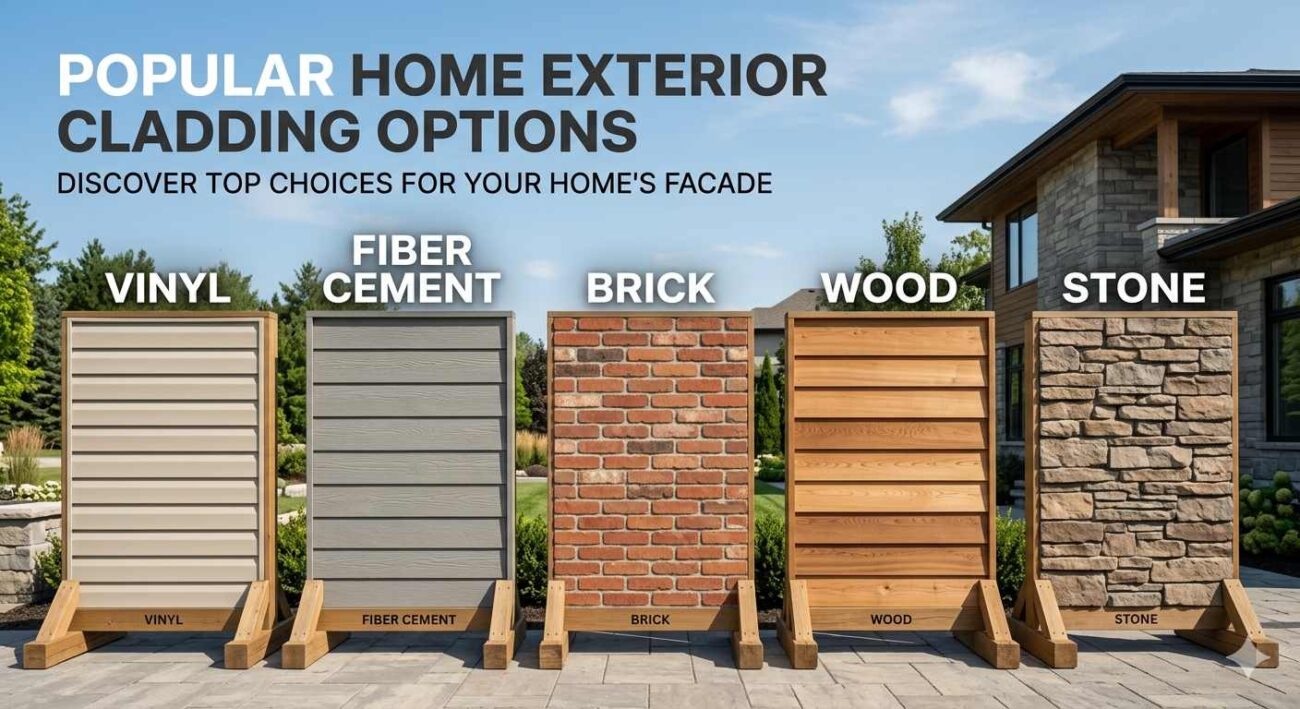
Let us examine the five most common exterior house materials used in North America today.
1. Vinyl Siding – Affordable and Low Maintenance
Vinyl siding remains the most popular exterior house material in the United States. Approximately one-third of American homes use vinyl siding today.
Benefits of vinyl siding:
- Budget-friendly pricing ($3–$8 per square foot installed)
- Resistance to moisture and rot
- No regular painting ever needed
- Easy and fast installation
- Wide variety of colors and textures
Drawbacks to consider:
- Becomes brittle in freezing temperatures
- Can crack from hail or impact
- Limited repair options (full panel replacement often needed)
- May fade after 15–20 years
Best for: Homeowners on a tight budget in moderate climates. Avoid vinyl in areas with severe hail or extreme freeze-thaw cycles.
2. Fiber Cement – Strength Meets Style
Fiber cement siding has gained tremendous popularity over the past decade. Brands such as James Hardie have made this material a trusted name in exterior house materials.
What fiber cement is made of:
- Cement (for strength)
- Sand (for stability)
- Cellulose fibers (for flexibility)
Advantages of fiber cement:
- Fire resistance (Class A rating)
- Resistance to termites and pests
- Long lifespan (30–50 years)
- Ability to mimic wood grain beautifully
- Strong performance in humid, cold, and hot climates
Drawbacks to consider:
- Higher installation cost ($5–$13 per square foot)
- Heavy material requires professional installation
- Needs repainting every 10–15 years
- Can be brittle before installation
Best for: Homeowners who want durability without paying for brick or stone. Ideal for most American climates including humid Southeast and freeze-thaw Midwest.
3. Wood Siding – Timeless Natural Beauty
Wood siding creates warmth and character that synthetic materials cannot replicate. Cedar, redwood, and pine are the most popular species.
Pros of wood siding:
- Classic, authentic aesthetic appeal
- Customizable with any paint or stain color
- Renewable and biodegradable resource
- Natural insulation properties
- Can be repaired in sections
Cons of wood siding:
- Requires painting or staining every 3–7 years
- Vulnerable to rot in humid climates
- Attracts termites and carpenter ants without treatment
- Higher long-term maintenance costs
Best for: Dry climates and historic home restorations where authenticity matters more than low maintenance.
4. Brick Veneer – Century-Long Durability
Brick has symbolized strength and permanence for generations. Most modern brick homes use brick veneer rather than full structural brick.
Benefits of brick veneer:
- Exceptional longevity (100+ years)
- Minimal maintenance required
- Strong resistance to fire, wind, and impact
- Natural thermal mass (stays cool in summer, warm in winter)
- Excellent resale value addition
Drawbacks to consider:
- Higher upfront cost ($14–$30 per square foot)
- Requires reinforced foundation due to weight
- Limited color and style options
- Difficult and expensive to change later
Best for: Long-term homeowners who plan to stay 20+ years. Brick pays for itself over time through zero maintenance and energy savings.
5. Natural Stone – Luxury That Lasts Generations
Natural stone delivers a luxurious, one-of-a-kind appearance. Granite, limestone, slate, and fieldstone are common choices.
Advantages of natural stone:
- Distinctive, unique visual appeal
- Outstanding durability (100+ years)
- Excellent resistance to all weather conditions
- Virtually zero maintenance required
- Maximum resale value boost
Drawbacks to consider:
- Premium cost ($25–$50+ per square foot)
- Requires reinforced foundation
- Specialized installation only
- Limited to luxury home budgets
Best for: High-end custom homes, mountain cabins, or accent walls on front facades.
Quick Comparison Table – Exterior House Materials at a Glance.
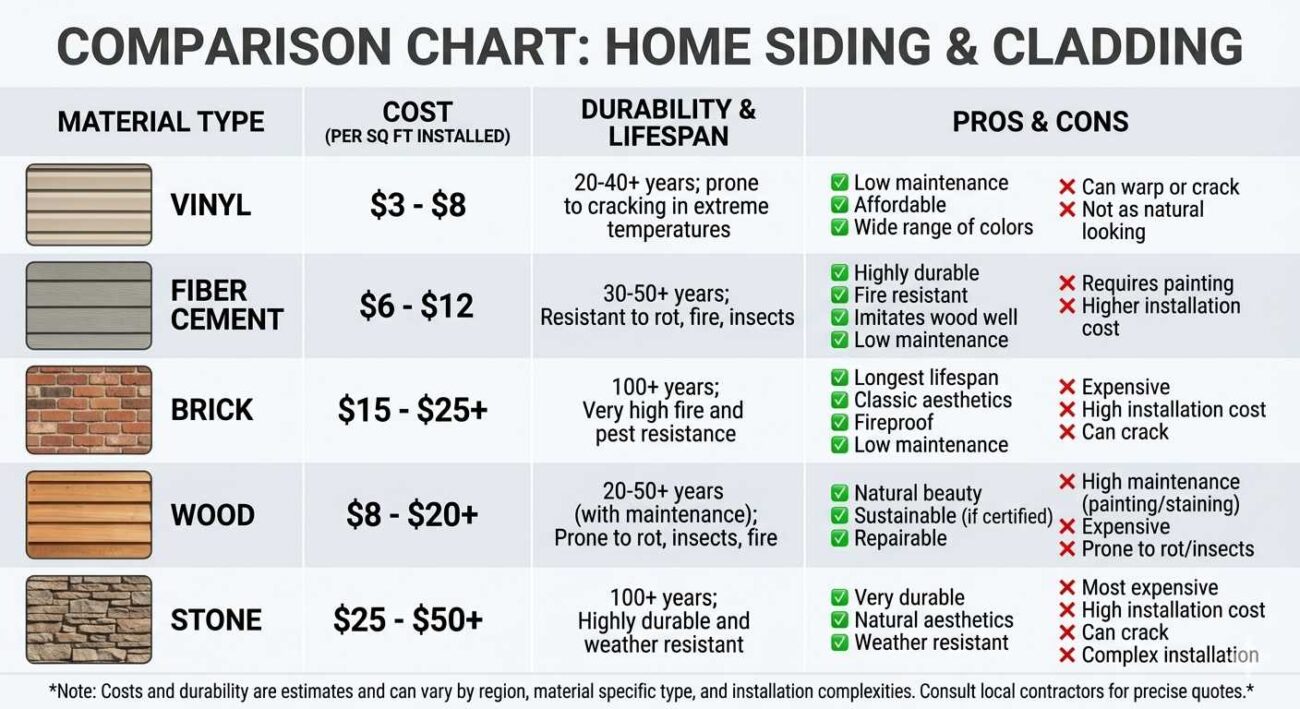
| Material | Cost/sq ft | Lifespan | Maintenance | Best Climate |
|---|---|---|---|---|
| Vinyl | $3–$8 | 20–40 years | Very low | Moderate |
| Fiber Cement | $5–$13 | 30–50 years | Low | Most climates |
| Wood | $7–$15 | 20–40 years | High | Dry only |
| Brick Veneer | $14–$30 | 100+ years | Very low | All climates |
| Natural Stone | $25–$50+ | 100+ years | Very low | All climates |
How to Choose the Right Exterior House Materials in 4 Steps
Choosing exterior house materials feels overwhelming with so many options. Follow this simple four-step framework to narrow your choices.
Step 1: Identify Your Climate First
Your local weather is the most important factor.
| Climate Zone | Best Materials | Avoid |
|---|---|---|
| Humid (Southeast) | Fiber cement, brick | Wood, cheap vinyl |
| Freeze-thaw (Midwest) | Brick, fiber cement | Stucco |
| Dry (Southwest) | Stucco, brick, stone | Wood (dry rot) |
| Coastal | Fiber cement, aluminum | Steel |
| Wildfire zones | Metal, stucco, fiber cement | Wood, vinyl |
Step 2: Set Your Realistic Budget
Calculate both upfront AND long-term costs.
- Low budget ($3–8/sq ft): Vinyl siding
- Medium budget ($5–13/sq ft): Fiber cement
- High budget ($14–30/sq ft): Brick veneer
- Luxury budget ($25–50+/sq ft): Natural stone
Step 3: Be Honest About Maintenance Willingness
- Love low maintenance? Choose vinyl, brick, or stone
- Don’t mind weekend projects? Fiber cement (paint every 10 years)
- Enjoy annual upkeep? Wood siding could work
Step 4: Match Your Home’s Architectural Style
- Colonial or Craftsman: Brick or wood
- Ranch or Farmhouse: Vinyl or fiber cement lap siding
- Modern or Industrial: Metal panels or smooth stucco
- Mountain or Cabin: Stone or wood
Real-World Example – Comparing Long-Term Value
Let us compare two homeowners with the same $20,000 budget.
Homeowner A chooses vinyl siding:
- Upfront cost: $12,000
- Needs full replacement in 25 years: $15,000
- Total 50-year cost: $27,000
Homeowner B chooses fiber cement:
- Upfront cost: $18,000
- Needs repainting twice in 50 years: $6,000
- Total 50-year cost: $24,000
Result: Homeowner B spends less over time while enjoying better protection, fire resistance, and curb appeal. This example proves that the cheapest upfront option is not always the most affordable long-term choice.
Benefits of Investing in Quality Exterior House Materials
High-quality materials provide advantages that go far beyond appearance.
Key benefits include:
- Enhanced home protection against storms, moisture, and pests
- Better energy efficiency through natural insulation and thermal mass
- Increased property value by 5–10% with premium siding
- Reduced maintenance expenses over decades of ownership
- Improved weather resistance tailored to your specific climate
- Greater buyer appeal when it is time to sell
- Extended structural lifespan of the entire home
As a result, investing wisely today prevents costly repairs and stressful emergencies in the future.
Frequently Asked Questions (FAQ)
FAQ 1: What are the most durable exterior house materials?
Fiber cement, brick, and natural stone rank as the most durable options. They withstand harsh weather, resist fire and pests, and generally last 50–100+ years with minimal replacement needed.
FAQ 2: Which exterior house materials require the least maintenance?
Vinyl siding and brick veneer demand the least upkeep. Vinyl never needs painting. Brick needs only occasional washing. Both offer convenient, long-lasting performance for busy homeowners.
FAQ 3: What exterior material offers the best overall value?
Fiber cement often provides the best balance of durability, appearance, and long-term value for most homeowners. However, the best choice depends on your specific climate, budget, and design goals.
FAQ 4: Can I mix different exterior materials on my home?
Yes. Mixing materials adds visual interest. Limit yourself to two or three complementary materials. For example, stone on the lower third with fiber cement lap siding above creates a professional, high-end look.
FAQ 5: How do I find a qualified installer?
Ask for references, check online reviews, and verify licenses and insurance. Always get at least three written quotes before choosing a contractor for your exterior house materials installation.
Conclusion
Exterior house materials influence how your home looks, performs, and retains value for decades. From affordable vinyl siding to premium natural stone, every option offers distinct strengths and limitations.
Before making a decision, evaluate your climate, maintenance expectations, and long-term plans. Remember the 50-year cost comparison example. Sometimes paying more upfront saves thousands later.
By selecting materials that align with your specific needs, you can create a beautiful, durable exterior that protects your investment and enhances everyday living for years to come.