

Introduction
Your home’s exterior does two jobs at once: it’s the first impression anyone gets, and it’s the barrier standing between your family and the elements. Get it right, and you’ll boost curb appeal, protect the building for decades, and even shave money off your energy bills. Get it wrong, and you’re looking at costly repairs down the line—often hidden behind the very cladding meant to prevent them.
With so many house exterior material options on the market, the decision can feel overwhelming. This guide breaks down what each material does well, where it falls short, and who it’s best suited for, so you can weigh your options with real information instead of guesswork.
Popular House Exterior Material Options Explained
Timber Cladding for a Natural Look
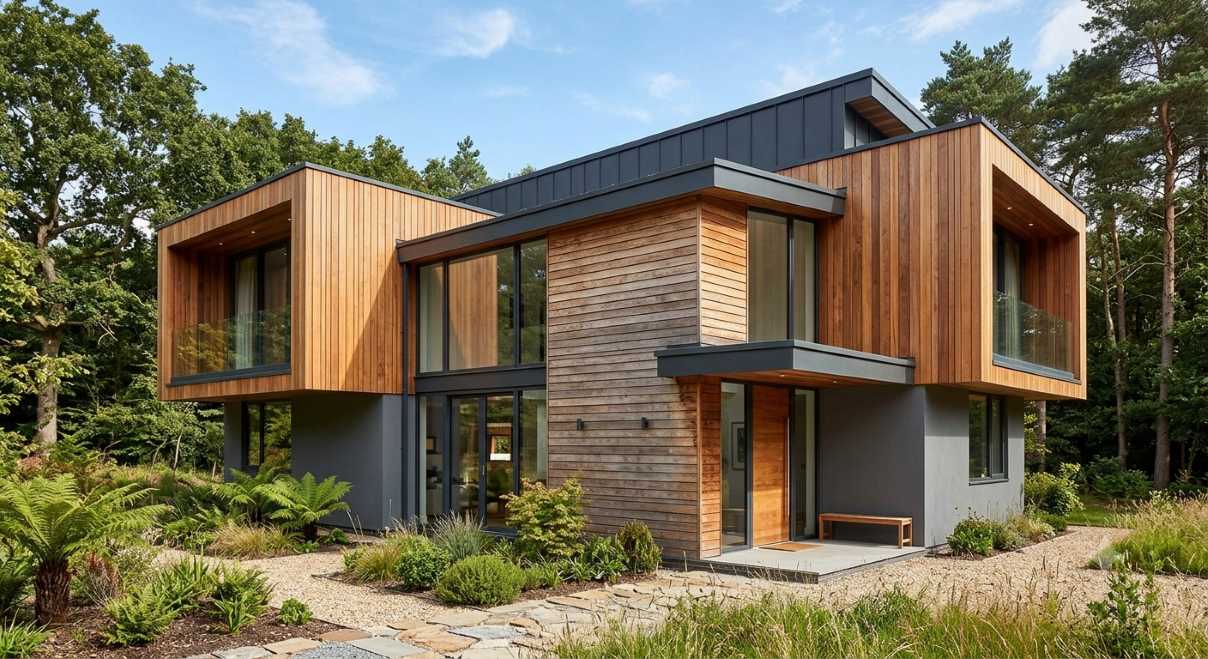
Nothing replicates the natural texture and character of real wood. Timber cladding brings an organic warmth to a home’s façade that manufactured materials often try — and fail — to imitate. It’s also remarkably versatile: leave it raw and weathering, stain it to highlight the grain, or paint it in a bold color to suit your style.
Maintenance Considerations
That authenticity comes with a trade-off. Timber needs consistent upkeep — resealing, repainting, and checking for moisture damage — to stay looking good and structurally sound. Skipping even one maintenance cycle can let moisture creep into joints and end grain, setting the stage for rot that spreads faster than most homeowners expect.
Choosing the Right Species
How much maintenance timber demands depends largely on the species you select. Hardwoods like cedar and cypress contain natural oils and resins that resist rot and insects far better than softer, cheaper softwood alternatives. Spending more upfront on a durable species often means fewer repaint cycles and a longer lifespan overall—a trade worth running the numbers on before you commit.
Brick and Stone for Durability
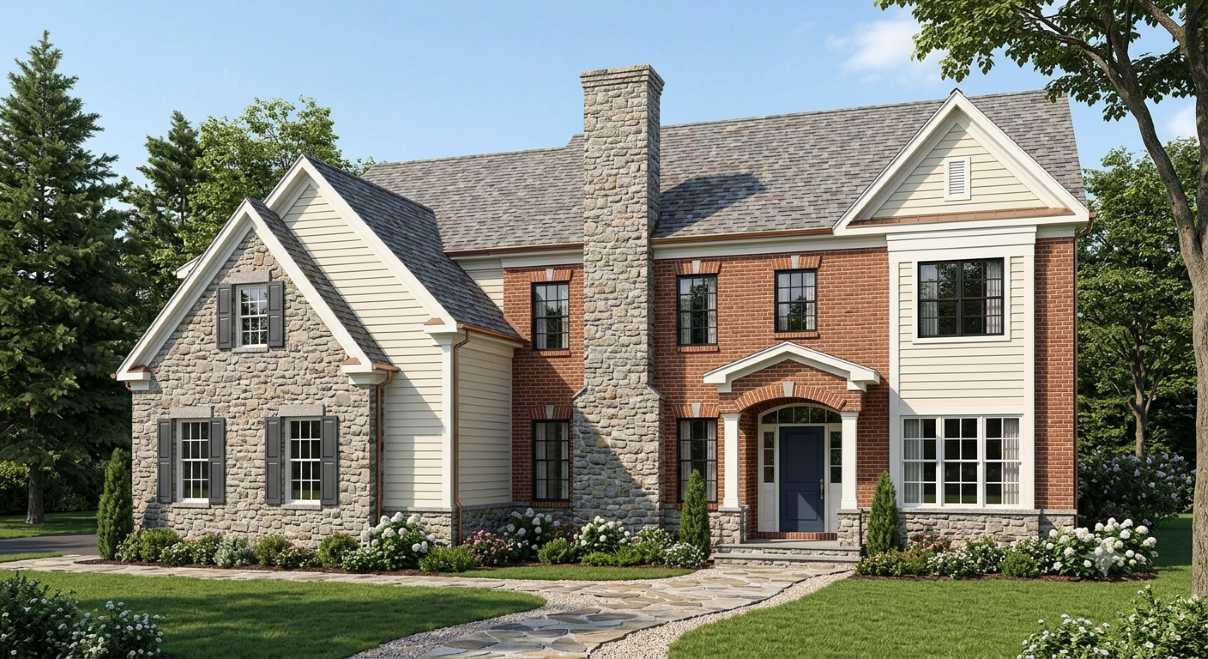
Few materials say “permanent” quite like brick or stone. Beyond the premium, timeless aesthetic, both offer serious practical advantages: they shrug off harsh weather, resist fire, and barely need any maintenance once installed. A well-built brick or stone façade can genuinely outlast the rest of the house.
Thermal Mass and Energy Performance
Their standout feature is thermal mass. Brick and stone absorb heat slowly during the day and release it gradually overnight, which helps smooth out indoor temperature swings—keeping interiors cooler through summer heat and warmer through winter cold. Over years of ownership, that translates into real, measurable energy savings, making these materials a favorite for homeowners focused on long-term efficiency.
Cost and Structural Requirements
The catch is upfront cost and weight. Brick and stone sit at the pricier end of the cladding spectrum, and their sheer mass often means your build needs reinforced footings and structural support to carry the load. That’s a cost worth factoring into your budget early, ideally before final building plans are locked in, rather than discovering it as a mid-project surprise.
Modern House Exterior Material Options
Fibre Cement for Low Maintenance
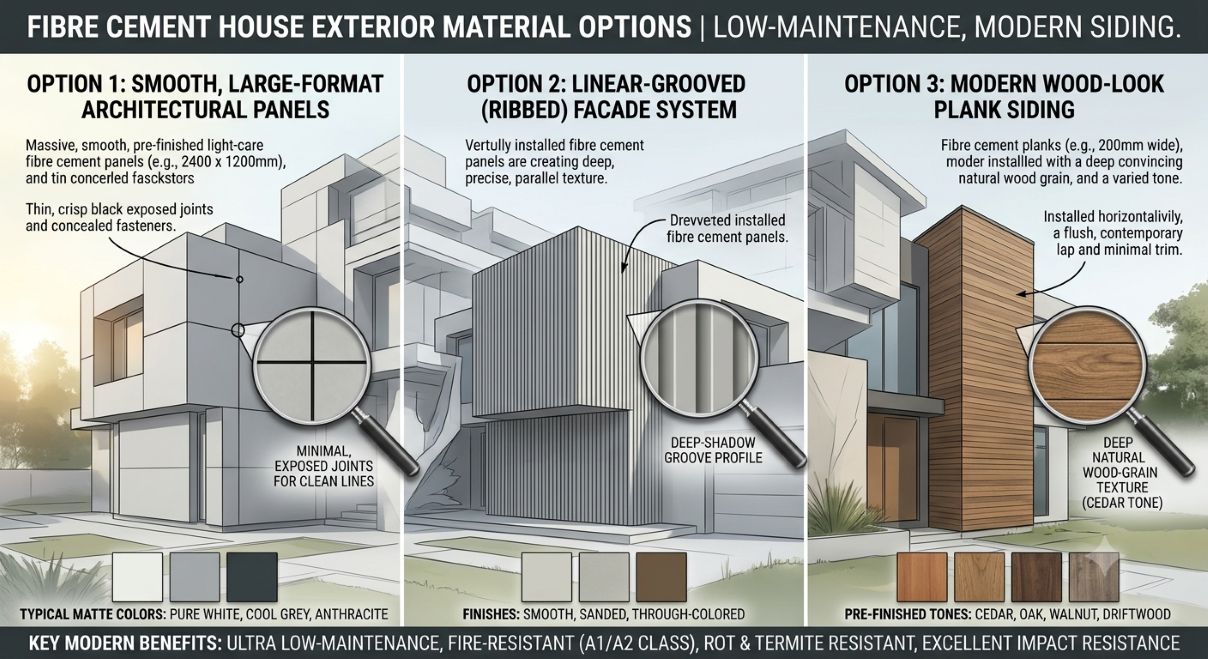
Fiber cement has carved out a solid reputation as the practical choice for homeowners who want the look of wood or masonry without the upkeep. Made from a blend of cement, sand, and cellulose fibers, it’s engineered to resist the problems that plague natural materials—it won’t rot, warp, crack, or attract termites, regardless of how humid or wet your climate gets.
Fire Resistance and Durability
It also performs impressively against fire, making it a smart pick in bushfire-prone regions where insurers and building codes increasingly favor non-combustible materials. Maintenance is minimal: an occasional wash and a repaint every decade or so is typically all it needs to stay looking sharp.
The Aesthetic Trade-Off
The one compromise is visual. Modern fiber cement products do a genuinely convincing job mimicking timber grain or stone texture from a distance, but a trained eye—or a close-up touch—can usually tell it’s not the real thing. For homeowners prioritizing practicality over pure authenticity, that’s a small price to pay.
The Appeal of Metal Cladding
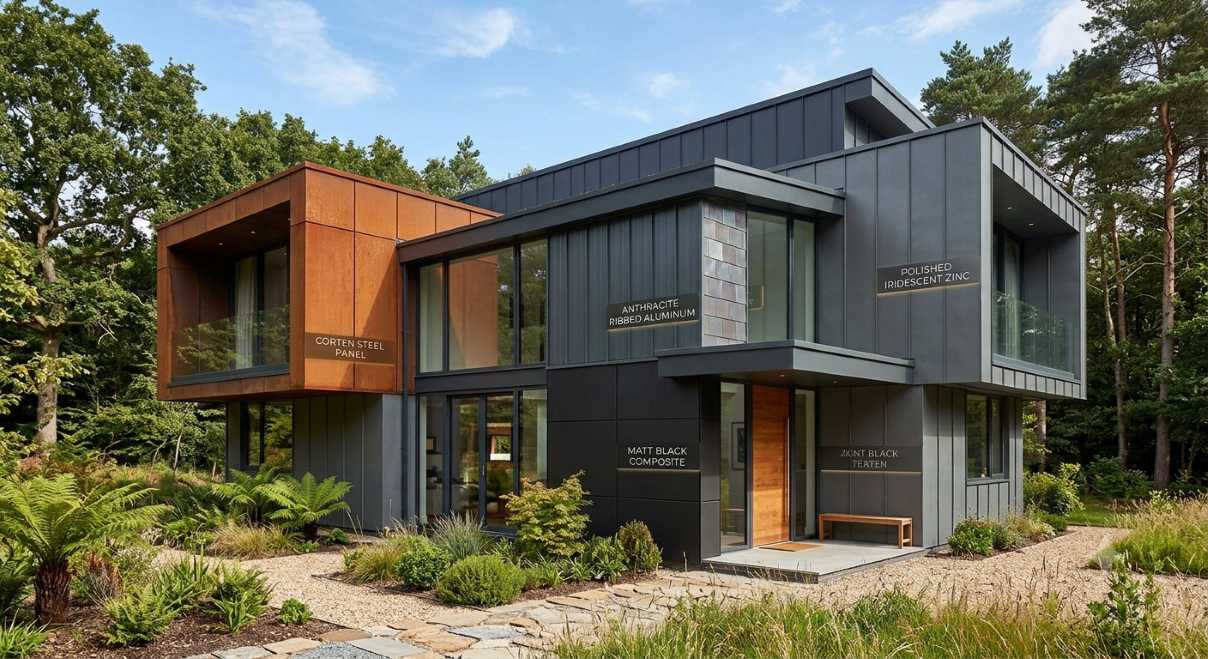
For a clean, contemporary edge, metal cladding is hard to beat. Corrugated steel, aluminum, and zinc panels are lightweight yet tough, shrug off pests and rot entirely, and need almost no upkeep beyond an occasional rinse to clear off grime and salt buildup.
Coastal and Climate Performance
Modern protective coatings have made metal cladding viable even in harsh, salt-heavy coastal climates, where corrosion was once a serious concern. Zinc-aluminium alloy coatings and powder-coated finishes now offer decades of protection against the kind of weathering that would have eaten through older metal roofing within a few years.
The Noise Factor
The main downside is acoustic. Without adequate insulation, metal roofing and cladding can turn a heavy downpour into a surprisingly loud event indoors. Pair it with proper insulation and acoustic sarking, though, and this becomes a non-issue—most modern installations solve for this by default.
Benefits of Choosing the Right Exterior
Protecting Your Home
At its core, cladding exists to keep the elements out. A well-chosen exterior material forms a continuous barrier against rain, wind, and UV exposure, protecting everything from the timber framing to the insulation inside your walls. Choose poorly, or neglect maintenance, and moisture finds its way in—leading to rot, mold, and structural damage that’s far more expensive to fix than to prevent in the first place.
Beyond structural protection, the right exterior material options also give you peace of mind. Knowing your home’s outer layer is doing its job properly means fewer surprises during storm season and fewer unexpected repair bills years down the track.
Boosting Energy Efficiency
Some materials like brick and stone bring genuine thermal mass to the table, helping regulate indoor temperatures and reduce how hard your heating and cooling systems need to work. Other systems, including certain timber and fiber cement assemblies, are designed around breathability—allowing moisture vapor to escape the wall cavity rather than becoming trapped inside, which helps prevent damp-related issues while keeping the home comfortable across seasons.
The efficiency gains aren’t just theoretical, either. Homeowners who invest in higher-performing exterior systems often notice a tangible difference in their energy bills within the first year, particularly in climates with extreme seasonal swings.
Conclusion
There’s no single “best” material—only the best fit for your home, climate, and budget. Timber rewards you with unmatched natural character if you’re willing to maintain it and choose a durable species. Brick and stone deliver unmatched durability and energy performance at a higher upfront cost and structural demand. Fiber cement offers a practical middle ground with minimal upkeep and strong fire resistance. Metal cladding suits homeowners chasing a modern look with virtually no maintenance, provided noise is managed with proper insulation.
Take the time to weigh these factors against your own priorities. Consider your local climate, your appetite for ongoing maintenance, your structural budget, and the look you actually want to live with for the next twenty years. And if you’re still unsure, a conversation with a local builder or architect familiar with your region’s conditions can help you land on the right choice with confidence.