

What Is Eclectic Interior Design? offers ideas for combining distinctive materials, colors and furniture with everyday comfort. Explore its defining features and learn practical ways to adapt the look to your home.
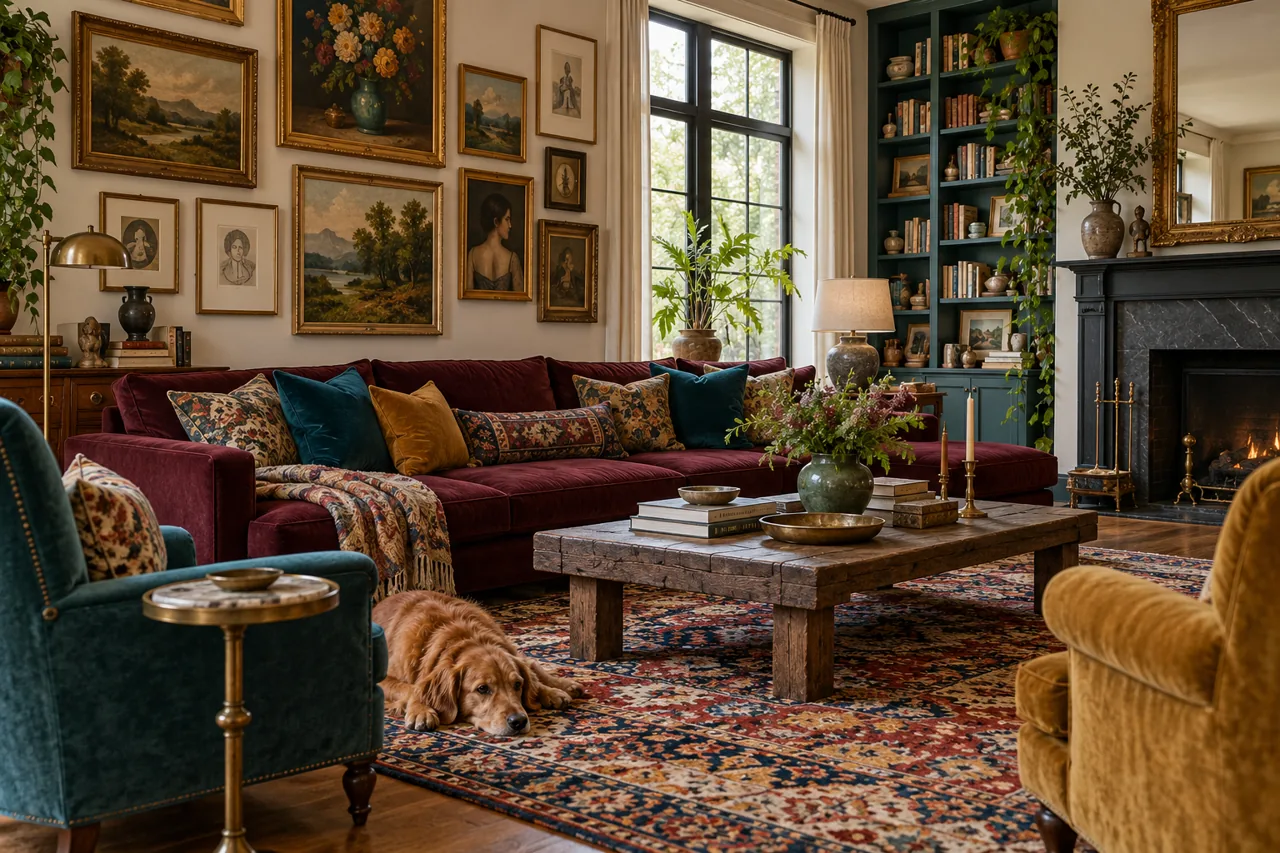
What Defines This Interior Design Style?
Eclectic interior design is a deliberate mix of furniture periods, materials, colors and personal objects held together by a few consistent visual choices. It is not simply placing unrelated items in the same room. A vintage timber table can sit beside a contemporary sofa, while a patterned rug and modern artwork add personality. The key is finding connections: repeat one accent color, use compatible proportions or carry a material from one area to another. Start with the furniture you already own and decide which pieces are worth highlighting. An eclectic home should tell a personal story while still providing comfortable seating, practical storage and clear walking routes. A curated mix feels more intentional than an ever-growing collection.
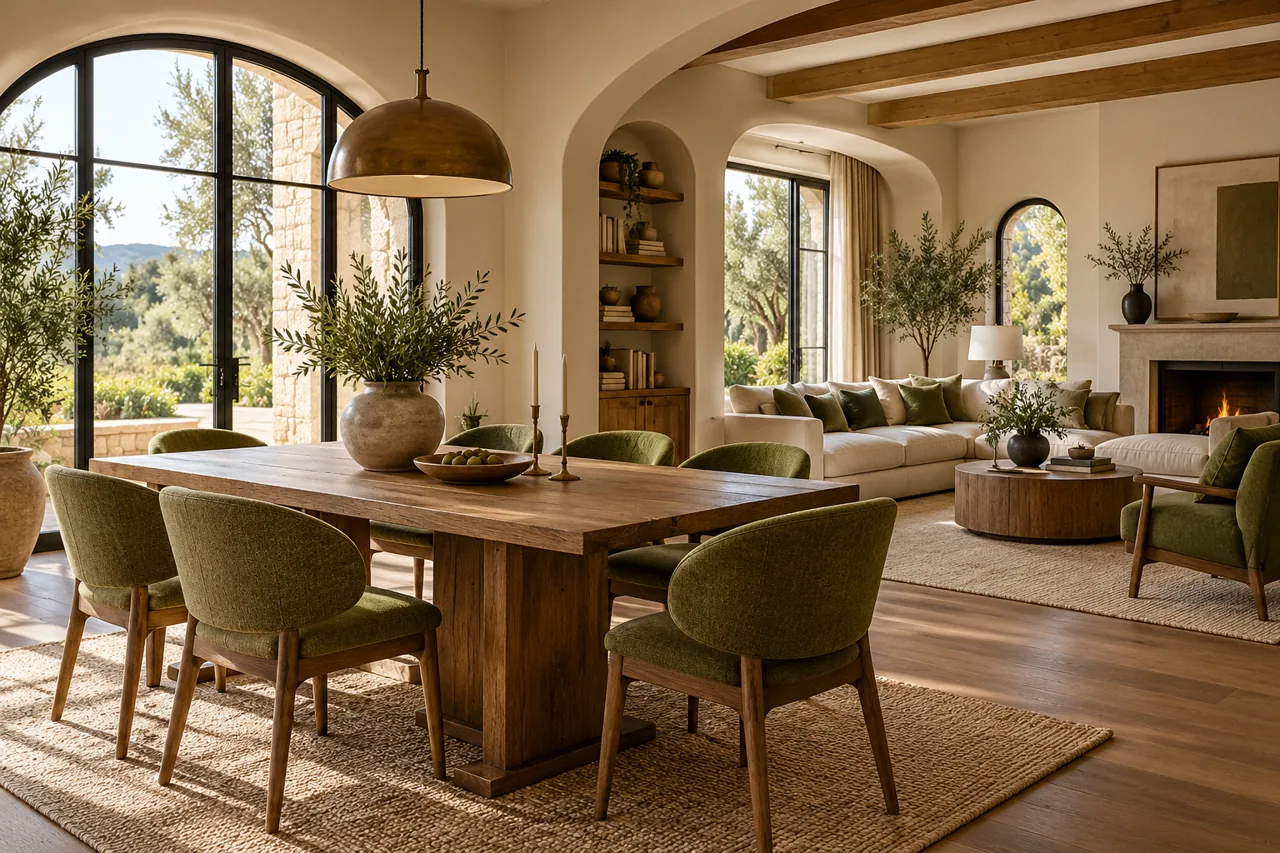
Signature Colors and a Practical Palette
An eclectic palette can be bold or restrained. Choose one base color for the largest surfaces, then two or three accent colors that appear in textiles, art or ceramics. For example, warm cream walls can connect a rust sofa, deep blue rug and walnut furniture when those colors repeat in smaller details. If you love saturated colors, use a neutral rug or curtain to give the eye a place to rest. Test wall paint against your existing furnishings in natural and artificial light. Patterned rooms benefit from a common undertone or repeated hue. Eclectic does not mean every color needs equal attention; a clear visual hierarchy helps the space feel cohesive.
Materials, Finishes and Texture
Mixing materials creates depth, but choose combinations that serve a purpose. Pair aged timber with contemporary metal, a smooth leather chair with a woven rug or glazed ceramic with linen upholstery. Repeating wood tones or one metal finish can make varied furniture feel related. Avoid adding too many highly reflective surfaces if the room already has strong patterns. Consider maintenance: antique wood may need careful cleaning, while busy family rooms benefit from durable textiles. A small number of tactile contrasts often has more impact than a large assortment of decorative objects. Let material quality and comfort guide the mix rather than buying every interesting finish you see.
Furniture Shapes and Arrangement
An eclectic room can combine a modern sofa, vintage sideboard, sculptural lamp and contemporary coffee table. Their ages and styles can differ, but the pieces should still work together in scale. Measure the room before buying and keep circulation clear. A low coffee table beside a deep sofa may work well, while a tiny accent chair can look lost next to oversized furniture. Repeat a curve, wood tone or fabric color across two or three items to connect them. Use closed storage for everyday clutter so personal collections remain visible without overwhelming the space. A good arrangement supports conversation, reading and ordinary life.
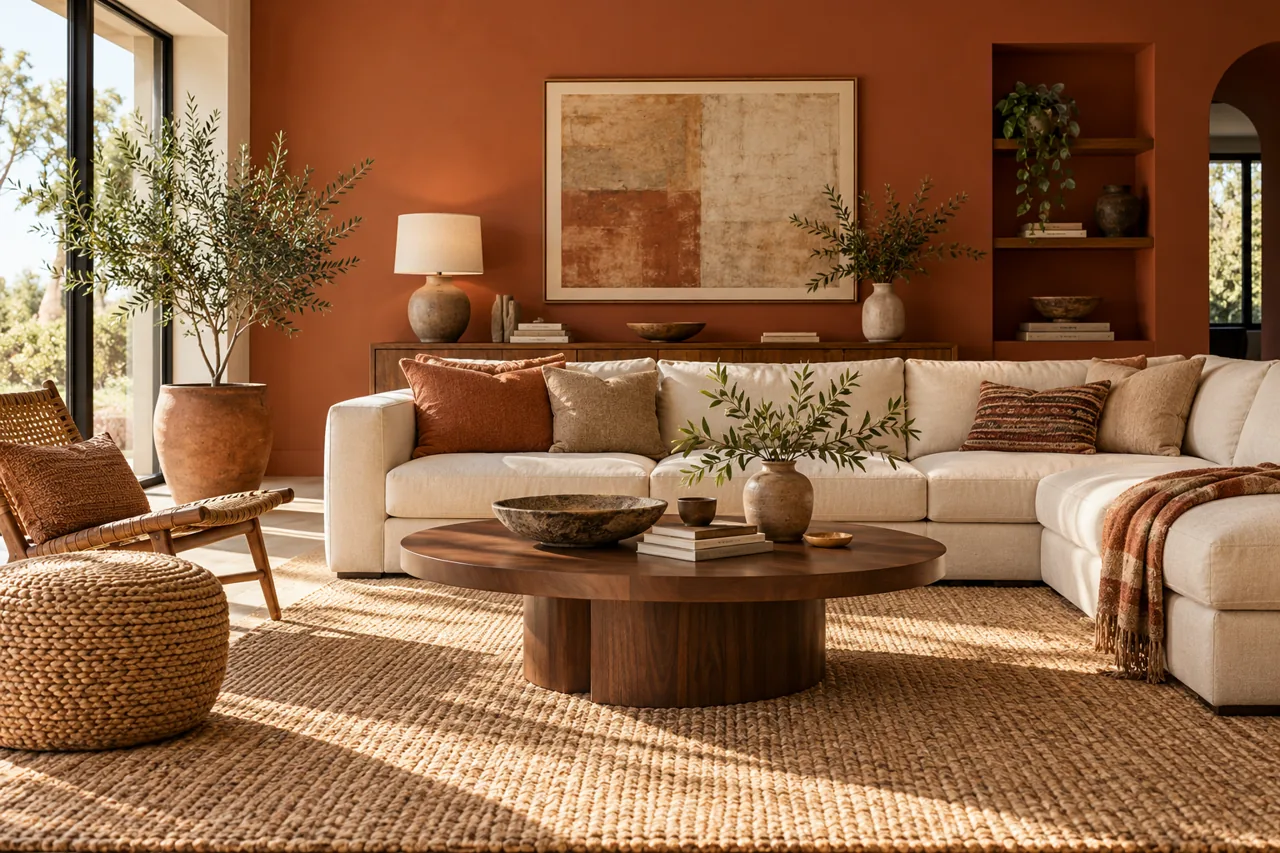
Living Room Design Ideas
Begin with a comfortable sofa and a rug that anchors the seating. Add one vintage or handmade piece that you genuinely like, such as a wood cabinet or patterned armchair. Use artwork to introduce color, then repeat one or two shades in cushions or a throw. Mixing an abstract print with a traditional rug can work when their colors overlap. Keep side tables within reach and layer ambient and task lighting. If the room already feels busy, remove a few accessories before purchasing anything new. Eclectic living rooms succeed when each item has enough visual space to be appreciated and the room remains welcoming.
Bedroom Design Ideas
For an eclectic bedroom, mix a simple bed with a vintage dresser, patterned textiles or an unusual bedside lamp. Limit the most intense patterns to one or two elements so the room still feels restful. A neutral duvet can balance colorful artwork or a richly patterned rug. Choose practical bedside lighting and storage, and keep paths around the bed open. Personal objects such as books, framed photographs or travel finds can add meaning without filling every surface. A small bedroom does not need multiple statement pieces. One distinctive headboard or dresser can carry the character while simpler furnishings provide calm.
Kitchen and Dining Room Inspiration
In an eclectic kitchen, start from the fixed cabinet, floor and worktop colours, then choose one contrasting influence that relates to them. A vintage-style dining chair can work with a modern table if heights and proportions suit. Avoid changing hardware, splashback pattern, lighting style and paint colour all at once. Test one contrast first, and keep food-preparation surfaces easy to clean and use.
Lighting and Atmosphere
Light influences the appearance of a curated mix of wood, textiles, metal and ceramics. Use ambient lighting for general visibility, task lighting for reading or cooking, and accent lighting to highlight artwork or architectural details. Natural light can make colors feel lively, while warmer evening lamps often create a more relaxed atmosphere. Choose fixtures based on the size of the room and the amount of light they provide, not only their shape. Avoid glare on screens and mirrors. If you have a dark corner, a well-positioned floor lamp may improve the room more than another decorative accessory. Lighting is part of function, not simply finishing décor.
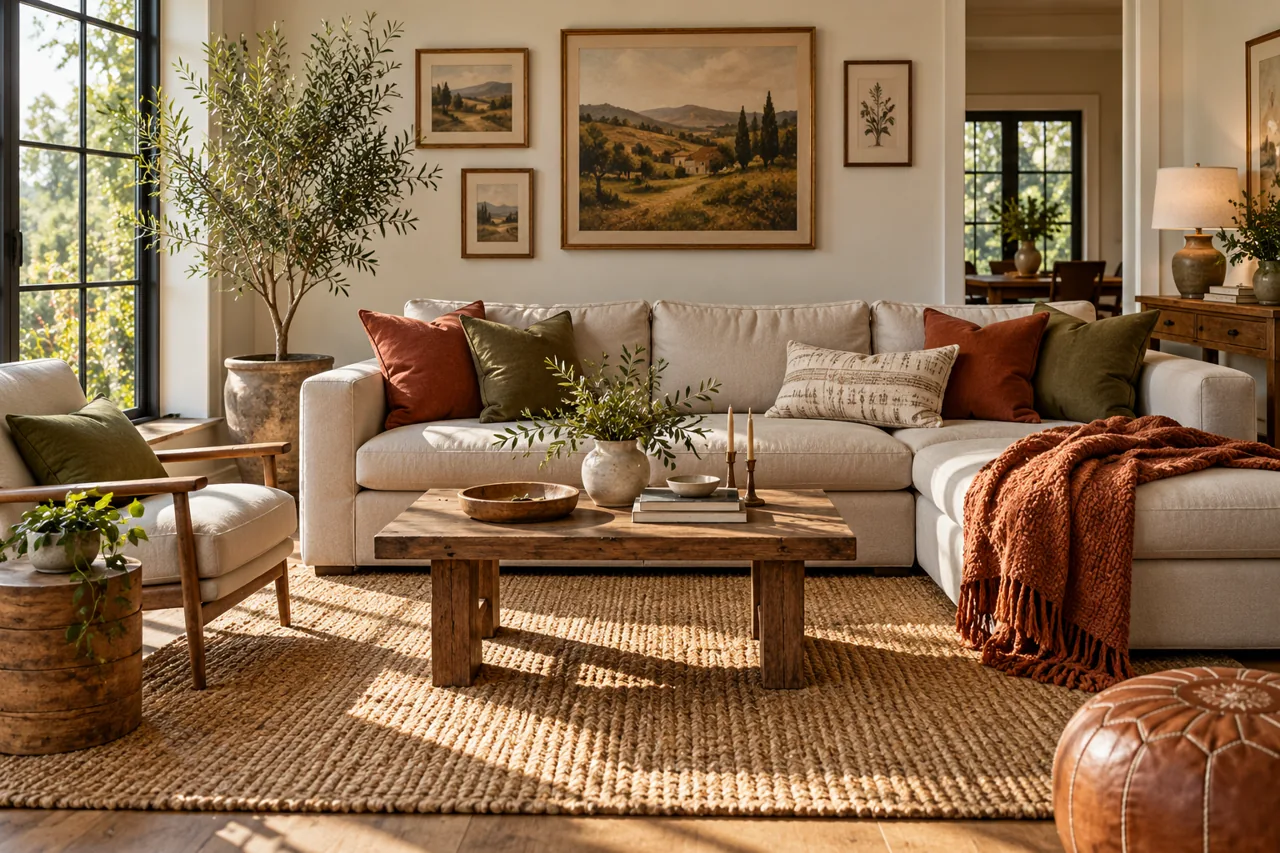
Wall Decor and Personal Accessories
Eclectic decorating often celebrates collected art, ceramics, books and objects with personal meaning. A gallery wall can mix frames and artistic styles, but a shared color, alignment or consistent spacing helps create order. Lay frames on the floor before hanging them and consider the wall’s scale. On shelves, vary the heights of objects while leaving empty space around favorites. Avoid displaying every souvenir at once; rotate collections if storage permits. Personal objects are more interesting when they have room to stand out. Combine decorative accessories with useful items such as lamps, baskets and trays to keep the space practical.
Ideas for Small Rooms and Apartments
A small space can still communicate eclectic character. Choose furniture with dimensions that leave usable pathways and consider pieces that serve more than one purpose. A storage ottoman, wall-mounted shelf or compact side table can reduce clutter. Rather than adding many small decorative objects, select one distinctive element such as an artwork, lamp or patterned textile. Repeat a few colors throughout the room to connect the arrangement. Mirrors can reflect light when positioned thoughtfully, but they should not create distracting glare. The objective is to preserve comfort while making a clear stylistic statement.
Budget-Friendly Ways to Get Started
For an eclectic room, begin by finding connections among your existing pieces: a repeated colour, similar timber tones or a shared curved outline. Reposition the furniture and photograph the result before buying anything. Spend on the missing functional element, such as a correctly scaled rug or useful lamp. A bargain that introduces a fourth competing finish may cost more effort than keeping the scheme simpler.
Common Decorating Mistakes
The main mistake is confusing eclectic with random. Too many unrelated colors, furniture scales and patterns can make a room feel visually noisy. Start with a consistent base and repeat a few visual cues. Another mistake is buying vintage furniture without checking dimensions, structural condition or maintenance needs. Do not block circulation with extra chairs or side tables. Keep some clear surfaces for everyday use, and avoid overfilling gallery walls or shelves. If a room feels chaotic, remove several accessories and evaluate the remaining arrangement before spending money. The strongest eclectic interiors are collected slowly and edited thoughtfully.
Step-by-Step Styling Checklist
First, identify the three features you like most about what is eclectic interior design?. Second, select a palette inspired by a chosen neutral base with two recurring accent colors. Third, measure the room and decide which existing furniture to keep. Fourth, choose one focal point. Fifth, add suitable materials such as a curated mix of wood, textiles, metal and ceramics through furniture or textiles. Sixth, plan storage and lighting before decorative extras. Seventh, add artwork and personal objects gradually. Finally, live with the room for several days and observe what feels awkward or unnecessary. Small adjustments to layout often improve the result more than buying another item.
Frequently Asked Questions
Can eclectic design include several periods? Yes, provided the pieces relate through proportion, colour or material. Must every item be unusual? No: quiet supporting furniture makes a distinctive piece easier to appreciate. What is the first test of a mixed room? Look at the arrangement from the doorway and identify its focal point. If everything competes equally, remove or regroup the smaller objects.
Final Thoughts
What Is Eclectic Interior Design? offers a useful set of ideas for shaping a room with character and comfort. Focus on a few recognizable elements, then adapt them to your own needs. Thoughtful layout, durable materials and layered lighting are more important than following a label perfectly. For a broader comparison of decorating approaches, visit our interior design aesthetics guide. For additional design journalism and visual references, explore Architectural Digest.