

Luxury Minimalist Interior Design offers ideas for combining distinctive materials, colors and furniture with everyday comfort. Explore its defining features and learn practical ways to adapt the look to your home.
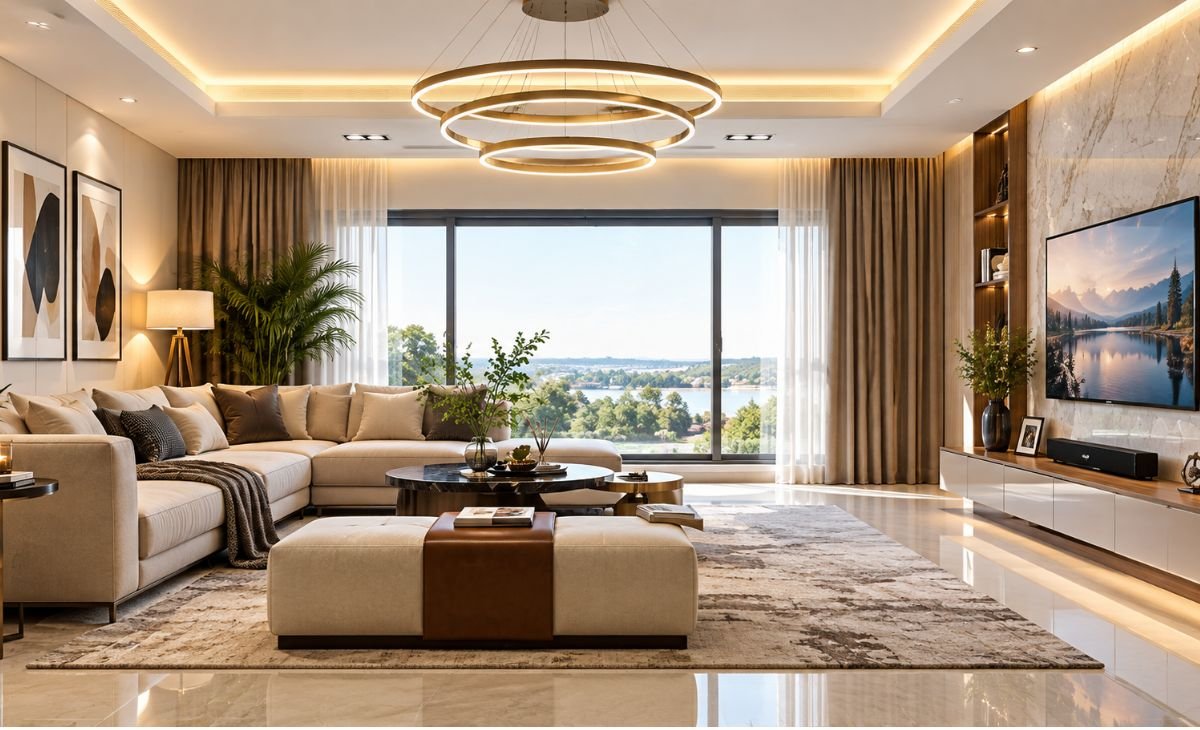
What Defines This Interior Design Style?
Luxury minimalist interior design combines visual restraint with careful attention to proportion, comfort, materials and craftsmanship. The word luxury does not have to mean marble on every surface or an expensive designer label. A room can feel refined through well-fitted cabinetry, thoughtful lighting, durable textiles and furniture that suits the space. Minimalism asks each object to have a purpose, but it does not require an empty or impersonal home. Begin with the room’s daily function, then invest attention in the elements you touch and use most: seating, flooring, storage and lighting. A few strong pieces with generous breathing room usually look more considered than many competing decorative accents.
Signature Colors and a Practical Palette
Choose a restrained palette of warm white, stone, greige, taupe, charcoal and natural wood. A single darker accent can provide depth without disrupting the quiet atmosphere. Test finishes in both daylight and evening light because pale stone and paint can shift from warm to cool. Avoid choosing all-white furniture if it is difficult to keep clean in your household. Layer tones rather than relying on one flat beige: ivory curtains, oatmeal upholstery and pale oak floors create subtle variation. A little black metal or bronze hardware can add contrast. Consistency across adjoining rooms matters more than matching every item exactly.
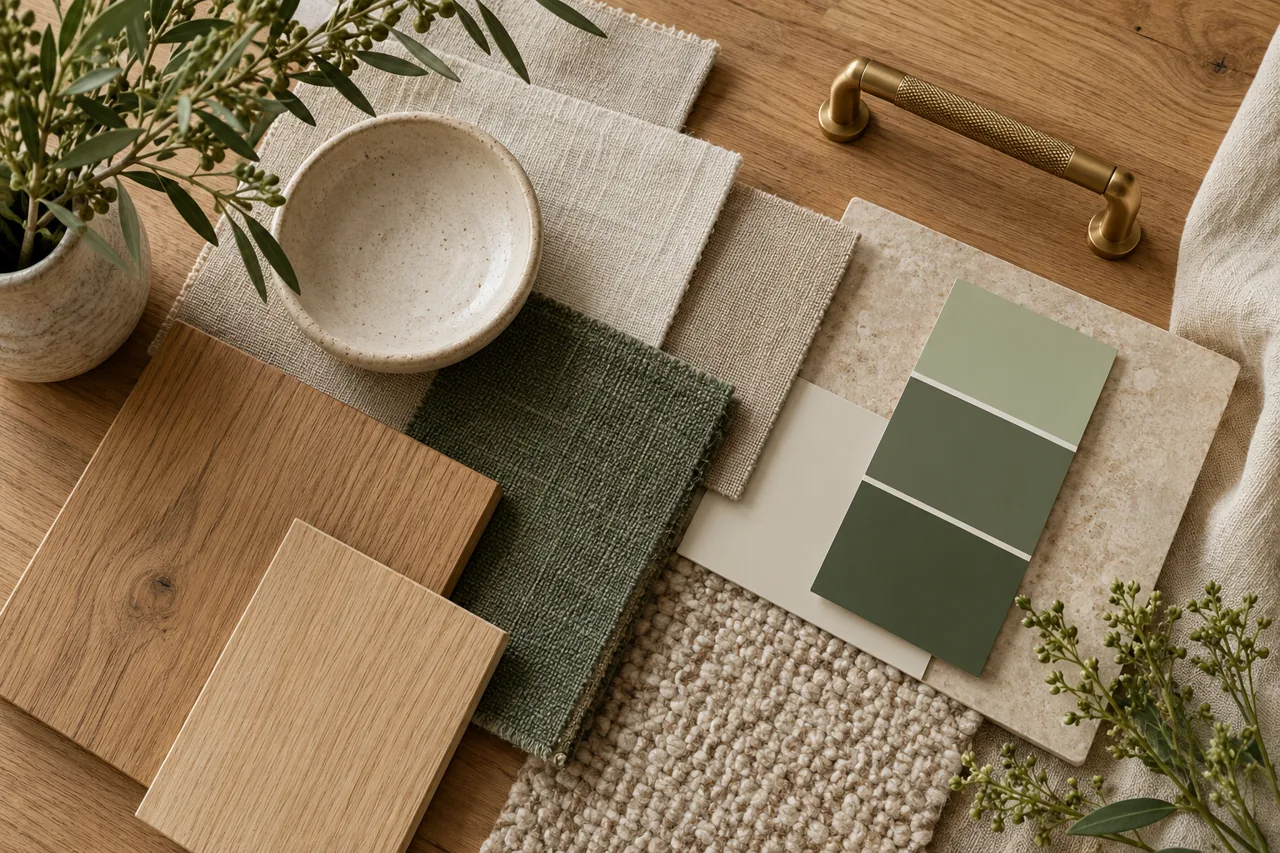
Materials, Finishes and Texture
Quality materials are central to luxury minimalism, but choose them for durability and comfort as well as appearance. Consider natural wood, engineered stone, linen blends, wool rugs, leather and matte metal finishes. A tactile boucle chair beside smooth stone or timber creates depth without ornament. High-gloss surfaces may show fingerprints and reflect glare, while some natural stones need sealing and careful maintenance. If the budget is limited, prioritize one well-made furniture piece and use affordable, durable supporting items. Existing furniture can be refinished or reupholstered rather than replaced. A quiet room makes workmanship and poor detailing equally visible, so pay attention to edges, joins and proportions.
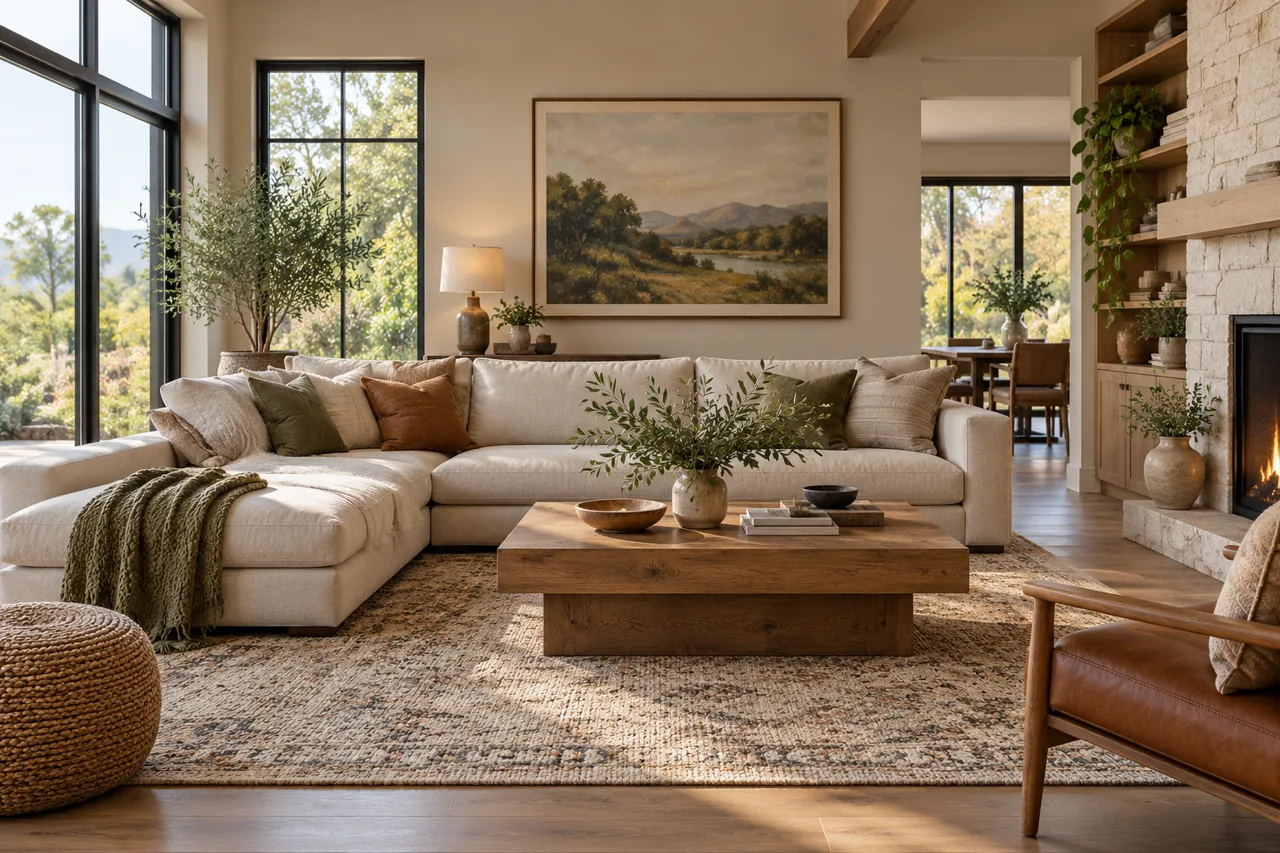
Furniture Shapes and Arrangement
Select furniture with clean silhouettes and comfortable proportions. A deep sofa, sculptural side chair or solid wood table can become a focal point without elaborate ornament. Measure the room and allow clear circulation before buying oversized pieces. Use closed storage to conceal daily clutter, but keep frequently used objects easy to reach. One large rug often creates a more unified seating arrangement than several small rugs. Mix a rounded coffee table with straighter cabinetry for subtle visual interest. Luxury minimalism works best when furniture placement feels intentional and the room is easy to use, not when everything is pushed against the walls for an empty photograph.
Living Room Design Ideas
Build the living room around a comfortable neutral sofa and a generously sized rug. Add one distinctive coffee table in wood or stone, then a sculptural floor lamp or carefully framed artwork. Keep the palette restrained but vary texture through upholstery, curtains and a soft throw. Conceal cables and use closed storage for games, electronics and everyday items. Layer ambient, reading and accent light so the room works during the day and at night. A single plant or ceramic vessel can provide warmth without crowding surfaces. If you already have a good sofa, improving lighting and changing the rug may make a bigger difference than buying more decorative objects.
Bedroom Design Ideas
In a luxury minimalist bedroom, prioritize a supportive bed, high-quality bedding, a comfortable headboard and effective light control. Choose a warm neutral palette and keep nightstands simple but functional. Built-in storage can reduce clutter, though freestanding wardrobes may be more affordable and flexible. Use bedside lamps or wall-mounted reading lights with easy-to-reach controls. Textured curtains, a wool rug and a wooden bedside table help prevent the space from feeling sterile. Avoid buying decorative cushions that make the bed inconvenient to use. The most luxurious feature may be a room that is quiet, comfortable and easy to maintain rather than visibly expensive.
Kitchen and Dining Room Inspiration
A minimalist kitchen looks refined when cabinetry lines are consistent, countertops remain usable and task lighting is well planned. Flat-front doors, a restrained material palette and organized internal storage can create the effect without a complete remodel. Consider durability, heat resistance and cleaning needs when selecting worktops. A dining room may need only a well-proportioned table, comfortable chairs and one pendant light. Avoid delicate finishes that cannot tolerate ordinary meals. Keep adequate clearance around chairs and ensure light reaches the table without glare. Good craftsmanship and functionality are more valuable than unnecessary decorative details.
Lighting and Atmosphere
Light influences the appearance of quality wood, stone, wool and carefully chosen metal. Use ambient lighting for general visibility, task lighting for reading or cooking, and accent lighting to highlight artwork or architectural details. Natural light can make colors feel lively, while warmer evening lamps often create a more relaxed atmosphere. Choose fixtures based on the size of the room and the amount of light they provide, not only their shape. Avoid glare on screens and mirrors. If you have a dark corner, a well-positioned floor lamp may improve the room more than another decorative accessory. Lighting is part of function, not simply finishing décor.
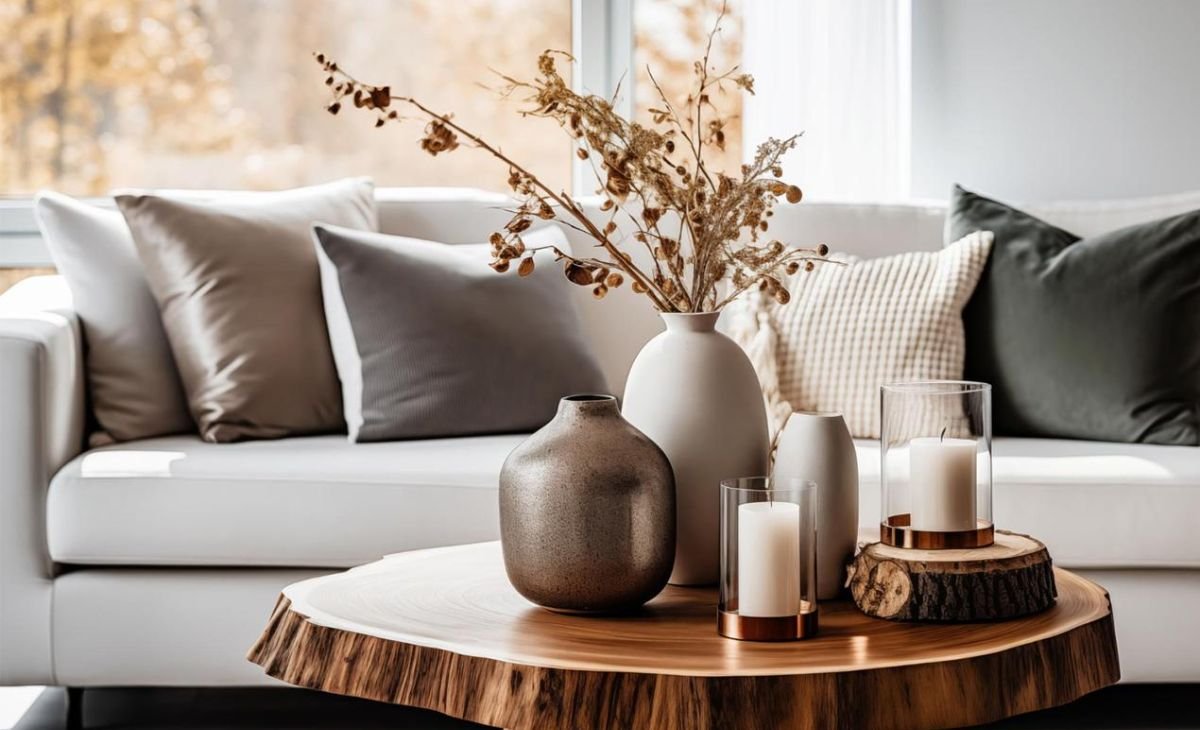
Wall Decor and Personal Accessories
In a luxury minimalist room, a single ceramic vessel, artwork or sculptural lamp should have a clear relationship to the furniture around it. Vary texture more than the number of objects: matte pottery can sit beside smooth timber or restrained metal. Keep daily items such as remotes and chargers in reachable storage. A carefully edited personal object is more convincing than a shelf filled with generic luxury ornaments.
Ideas for Small Rooms and Apartments
A small space can still communicate luxury minimalist character. Choose furniture with dimensions that leave usable pathways and consider pieces that serve more than one purpose. A storage ottoman, wall-mounted shelf or compact side table can reduce clutter. Rather than adding many small decorative objects, select one distinctive element such as an artwork, lamp or patterned textile. Repeat a few colors throughout the room to connect the arrangement. Mirrors can reflect light when positioned thoughtfully, but they should not create distracting glare. The objective is to preserve comfort while making a clear stylistic statement.
Budget-Friendly Ways to Get Started
Luxury minimalist decorating benefits from solving one visible weakness rather than adding accessories. Adjust uneven curtains, organise cable routes or repair a worn finish before shopping for a statement piece. Compare the comfort, construction and maintenance of any costly item. A calm room can use modest materials well; a high price, a large slab or an impressive product photograph does not automatically improve daily use.
Common Decorating Mistakes
The most common mistake is confusing minimalism with buying expensive objects and displaying almost nothing. A room can feel cold when every surface is hard, pale and reflective. Add textiles, natural grain and warm lighting for comfort. Another mistake is sacrificing storage to maintain a bare appearance; everyday clutter will simply return. Do not purchase oversized statement furniture without measuring the room. Avoid delicate finishes that require constant maintenance, especially in busy family spaces. Prioritize proportion, lighting and durable materials before accessories. A cohesive luxury minimalist room should support real life and reveal quality through thoughtful choices rather than a high price tag.
Step-by-Step Styling Checklist
First, identify the three features you like most about luxury minimalist interior design. Second, select a palette inspired by warm white, charcoal, taupe and muted stone. Third, measure the room and decide which existing furniture to keep. Fourth, choose one focal point. Fifth, add suitable materials such as quality wood, stone, wool and carefully chosen metal through furniture or textiles. Sixth, plan storage and lighting before decorative extras. Seventh, add artwork and personal objects gradually. Finally, live with the room for several days and observe what feels awkward or unnecessary. Small adjustments to layout often improve the result more than buying another item.
Frequently Asked Questions
Does luxury minimalism require expensive materials? No; consistent finishes, comfortable proportions and careful maintenance can create a refined result. Is an empty room the goal? Useful furniture and personal objects still belong. How do you choose an accent? Select one piece with a strong shape or texture, then give it space. Avoid adding decorative objects solely because an uncluttered shelf feels unfinished.
Final Thoughts
Luxury Minimalist Interior Design offers a useful set of ideas for shaping a room with character and comfort. Focus on a few recognizable elements, then adapt them to your own needs. Thoughtful layout, durable materials and layered lighting are more important than following a label perfectly. For a broader comparison of decorating approaches, visit our interior design aesthetics guide. For additional design journalism and visual references, explore Architectural Digest.