

Tuscan Mediterranean Interior Design offers ideas for combining distinctive materials, colors and furniture with everyday comfort. Explore its defining features and learn practical ways to adapt the look to your home.
What Defines This Interior Design Style?
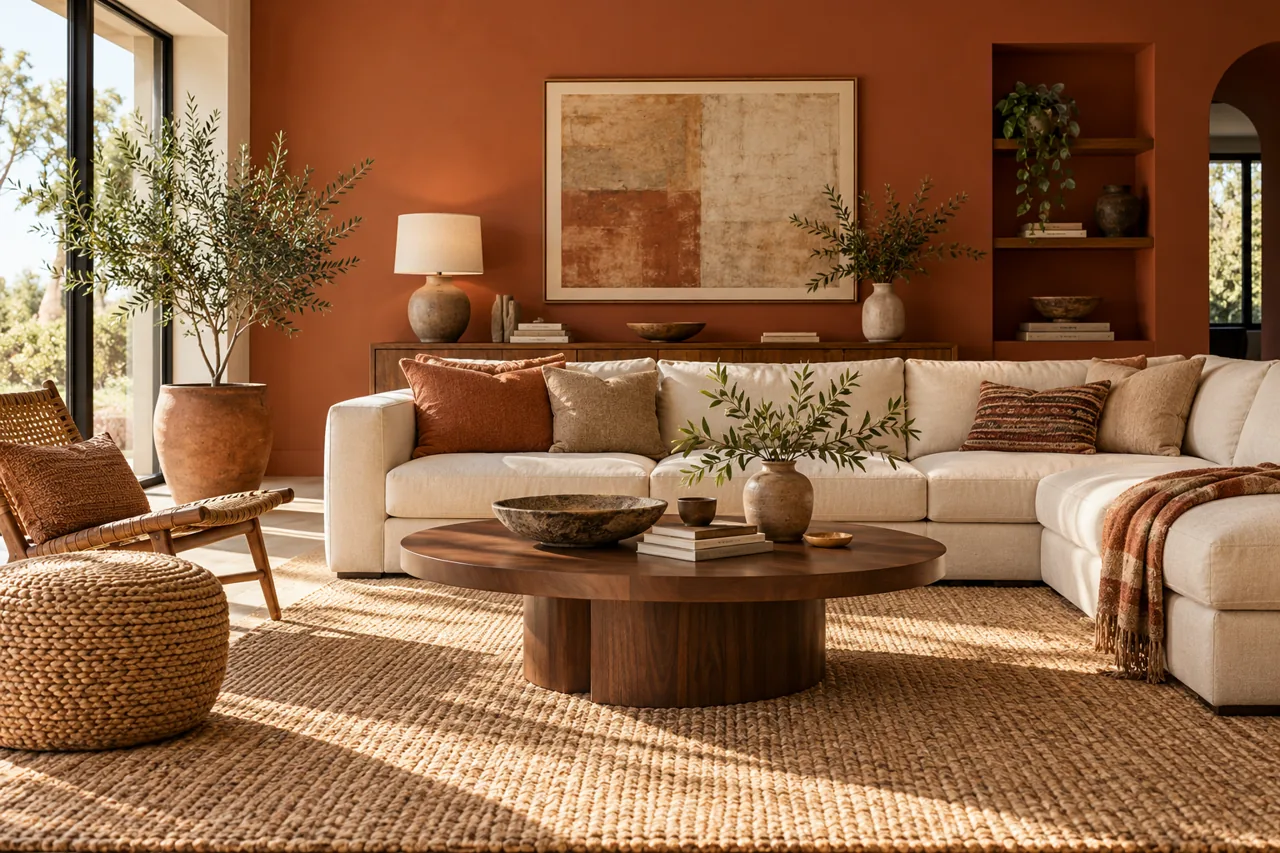
Tuscan Mediterranean Interior Design brings together sunny earthy colors, substantial furniture and handmade accents. The most useful way to approach the style is to understand its visual language and then adapt that language to your own home. A successful room does not need to reproduce a historical building or a professionally staged photograph. It needs comfortable furniture, accessible storage, clear circulation and lighting suited to everyday life. Begin by identifying what you genuinely appreciate about the look. It might be a color combination, a characteristic material or a particular furniture shape. Choose a few elements that work with your existing architecture rather than changing everything at once.
Signature Colors and a Practical Palette
A palette inspired by this look can include terracotta, ochre, olive and warm cream. Choose a main background color, one supporting tone and a restrained accent rather than using every shade equally. Test samples beside your flooring and furniture during both daytime and evening hours. Light changes how colors appear, and a shade that looks balanced online may feel too cool or saturated in your home. Repeat the accent in two or three places to make the room coherent. A rug, cushion and piece of art can connect the palette without making the space look overly coordinated. If the room is compact, prioritize contrast and clarity rather than simply painting everything white.
Materials, Finishes and Texture
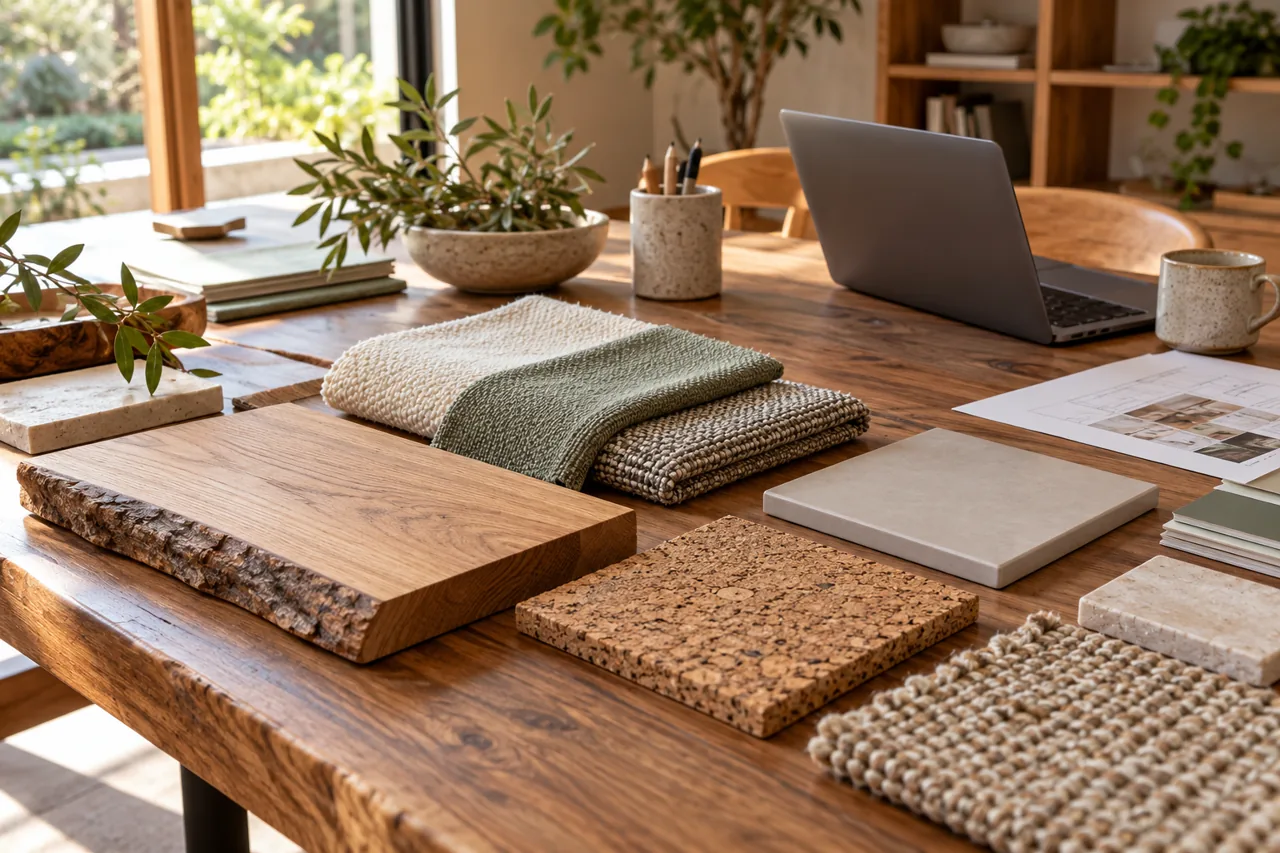
Characteristic materials include rustic timber, stone, plaster and ceramic tile. Mixing finishes can add depth, but selecting too many at once makes a room feel disjointed. Choose two primary materials and let other textures play a supporting role. A smooth table can look inviting beside a woven rug, while matte ceramics can soften reflective metal or glass. Consider how materials will perform in your climate and routine. Kitchens require easy-clean finishes, bathrooms need moisture-resistant surfaces, and busy living rooms benefit from durable textiles. Secondhand and reused materials can be appropriate if they are safe, sound and suitable for their intended purpose.
Furniture Shapes and Arrangement
Give a Tuscan-inspired room a clear anchor, such as a solid timber dining table or a generous but appropriately sized sofa. Pair heavier furniture with lighter curtains and open floor area so the room still feels easy to cross. A bench may save visual space, but test access and back support. Choose side tables that accommodate real lamps and drinks rather than oversized decorative chests.
Living Room Design Ideas
In a living room, introduce sunny earthy colors, substantial furniture and handmade accents through a few clear decisions. Anchor the seating area with a suitable rug, then use cushions, artwork and lighting to express the palette. A distinctive side table or armchair may be enough to establish the mood. Position seats so people can talk comfortably and reach a surface for drinks or books. Use a combination of overhead and lower-level lighting, especially if the room serves multiple purposes. Closed storage can hide everyday items without sacrificing style. Leave some empty wall and floor space so your favorite design features are easy to appreciate.
Bedroom Design Ideas
For a Tuscan-inspired bedroom, begin with warm cream bedding and a timber headboard, then add a terracotta or muted olive accent. Use woven texture in a throw or shade instead of heavily textured finishes beside the pillow. Keep bedside surfaces large enough for a lamp and water glass. If the existing floor is dark, a lighter washable rug can soften the arrangement without hiding every warm material.
Kitchen and Dining Room Inspiration
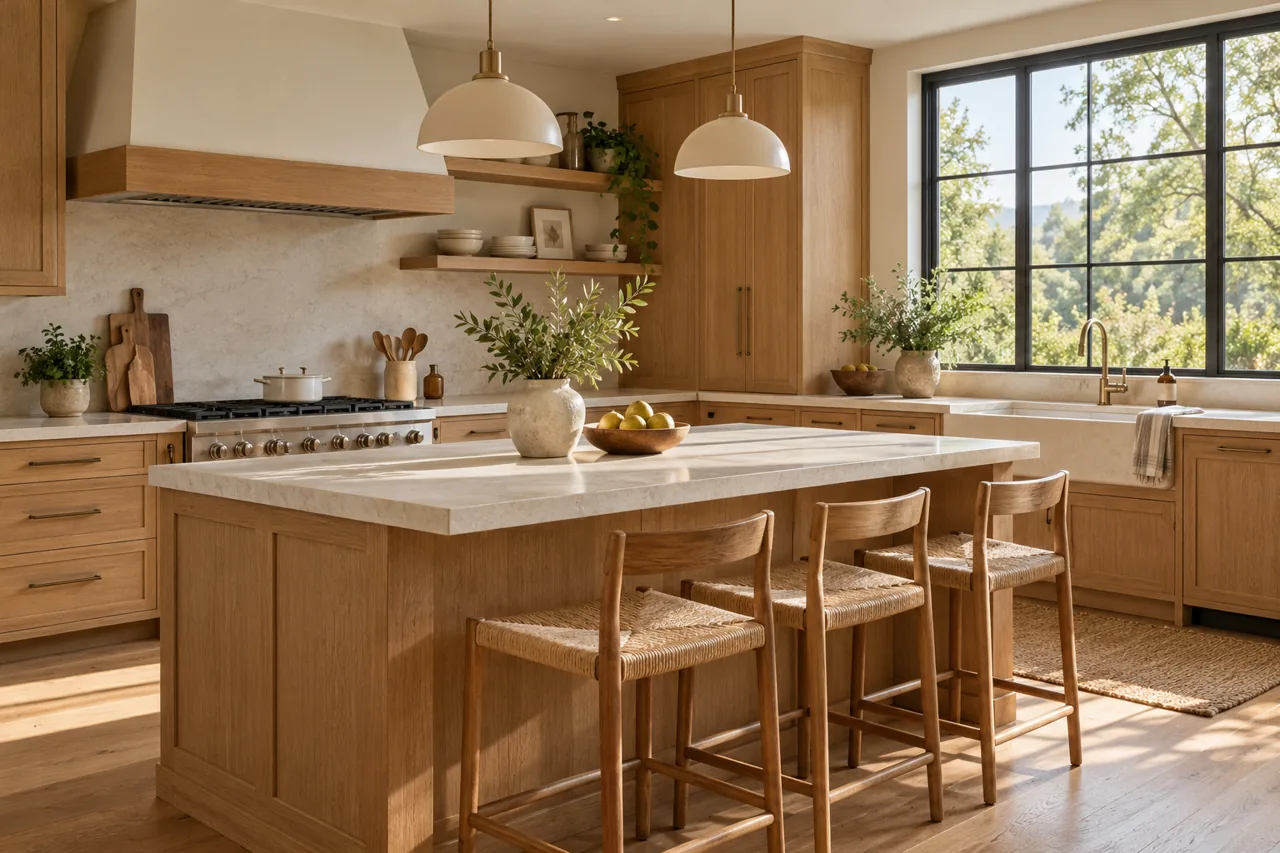
A Tuscan-inspired kitchen can centre on a substantial timber table, simple ceramic serving pieces and a warm, restrained palette. Keep regularly used pans and utensils close to the preparation area; decorative hanging racks should not obstruct heads or collect grease above food. Before choosing stone or terracotta surfaces, ask how they are sealed and cleaned. Use textiles where they will not interfere with heat or water.
Lighting and Atmosphere
Light influences the appearance of rustic timber, stone, plaster and ceramic tile. Use ambient lighting for general visibility, task lighting for reading or cooking, and accent lighting to highlight artwork or architectural details. Natural light can make colors feel lively, while warmer evening lamps often create a more relaxed atmosphere. Choose fixtures based on the size of the room and the amount of light they provide, not only their shape. Avoid glare on screens and mirrors. If you have a dark corner, a well-positioned floor lamp may improve the room more than another decorative accessory. Lighting is part of function, not simply finishing décor.
Wall Decor and Personal Accessories
Choose Tuscan-inspired accessories for texture and use: a glazed serving bowl, a timber tray or a few terracotta pots with suitable plants. Let their earthy colours sit against a quieter wall. Avoid filling the room with imitation vineyard signs or artificial aged finishes. A landscape you enjoy or a handmade ceramic piece can offer a more personal reference than a coordinated set of themed ornaments.
Ideas for Small Rooms and Apartments
A small space can still communicate tuscan mediterranean character. Choose furniture with dimensions that leave usable pathways and consider pieces that serve more than one purpose. A storage ottoman, wall-mounted shelf or compact side table can reduce clutter. Rather than adding many small decorative objects, select one distinctive element such as an artwork, lamp or patterned textile. Repeat a few colors throughout the room to connect the arrangement. Mirrors can reflect light when positioned thoughtfully, but they should not create distracting glare. The objective is to preserve comfort while making a clear stylistic statement.
Budget-Friendly Ways to Get Started
For a Tuscan-inspired refresh, first group the warm materials you already own: a timber table, terracotta pots or a woven shade. A lime-toned paint sample and a linen runner can suggest warmth without manufactured stone cladding. Reserve spending for a useful, durable piece rather than a set of decorative wine-themed objects. Test warm colours beside existing tile so the room does not turn uniformly orange.
Common Decorating Mistakes
A Tuscan-inspired room becomes heavy when orange walls, dark furniture, faux stone and decorative ironwork all compete. Select one or two strong materials and let the rest of the room stay simpler. Artificial cracks and distressed finishes rarely substitute for good proportions. Check that substantial tables and chairs fit the household’s movements before adding decorative benches, large pots or freestanding wine racks.
Step-by-Step Styling Checklist
First, identify the three features you like most about tuscan mediterranean interior design. Second, select a palette inspired by terracotta, ochre, olive and warm cream. Third, measure the room and decide which existing furniture to keep. Fourth, choose one focal point. Fifth, add suitable materials such as rustic timber, stone, plaster and ceramic tile through furniture or textiles. Sixth, plan storage and lighting before decorative extras. Seventh, add artwork and personal objects gradually. Finally, live with the room for several days and observe what feels awkward or unnecessary. Small adjustments to layout often improve the result more than buying another item.
Frequently Asked Questions
Can Tuscan-inspired rooms feel light? Yes: use cream backgrounds and make timber or terracotta the accent rather than covering every surface in brown. Do you need exposed beams? No; a substantial table and textured fabric can provide character. Is rough stone always practical? In kitchens and bathrooms, check sealing, maintenance and cleaning requirements before choosing a porous or heavily textured finish.
Tuscan Mediterranean Interiors: Make the Details Feel Authentic
Tuscan-inspired interiors often draw on rural homes in central Italy, where natural materials and practical spaces shape the atmosphere. The goal is not to recreate an old villa in every detail. Focus instead on a warm, cohesive palette, comfortable furniture and a few tactile finishes that suit your home and climate.
Build a grounded color palette
Start with warm ivory, wheat or stone, then introduce muted terracotta, olive and walnut through textiles or furniture. In a small apartment, light walls and a darker wooden table can create enough contrast without making the room feel heavy. Test paint and fabric samples in morning and evening light before committing.
Use rustic textures selectively
Wood, ceramics, linen-look fabrics and stone-look finishes suggest a Tuscan character. You do not need to replace every surface: a woven rug, pottery display or well-proportioned secondhand cabinet can add warmth. Avoid artificial distressed finishes on every item, which may make the space feel overly themed.
Make the dining area welcoming
Choose a dining table that allows enough space for chairs and movement. Add warm task lighting and a simple centerpiece that can be moved when serving meals. A small kitchen can adopt the same feeling through wooden cutting boards, ceramic containers and easy-care textiles without cluttering worktops.
Tuscan Mediterranean Decorating Checklist
- Choose warm neutrals and no more than two earthy accent colors.
- Measure furniture and preserve comfortable walking space.
- Introduce real texture with wood, ceramics and textiles.
- Use warm, layered lighting rather than one harsh ceiling light.
- Prefer practical, repairable furniture over decorative replicas.
- Keep kitchen surfaces clear and easy to maintain.
Tuscan Mediterranean Design: Materials That Age Well
The Tuscan look relies on visual warmth more than expensive imported finishes. Terracotta tones, oak or walnut-colored wood, linen and textured plaster effects create a grounded base. In a kitchen, prioritize washable surfaces and adequate task lighting before choosing rustic accessories. Use a single pottery collection or woven basket display as an accent rather than crowding countertops. If natural stone is beyond budget, choose a durable finish that is easy to maintain and clearly distinguish it from genuine stone.
Final Thoughts
Tuscan Mediterranean Interior Design offers a useful set of ideas for shaping a room with character and comfort. Focus on a few recognizable elements, then adapt them to your own needs. Thoughtful layout, durable materials and layered lighting are more important than following a label perfectly. For a broader comparison of decorating approaches, visit our interior design aesthetics guide. For additional design journalism and visual references, explore Architectural Digest.