

Attic insulation types and costs depend on where the insulation goes, how much coverage you need and how much preparation the attic requires. As a U.S. planning benchmark, HomeGuide reports roughly $1 to $4 per square foot installed for attic insulation. Use that range to frame questions, then compare local bids for the same assembly, R-value and scope.

For help choosing between the attic floor and roofline, see the Attic & Roof Insulation pillar.
Compare attic insulation types and costs on the same scope
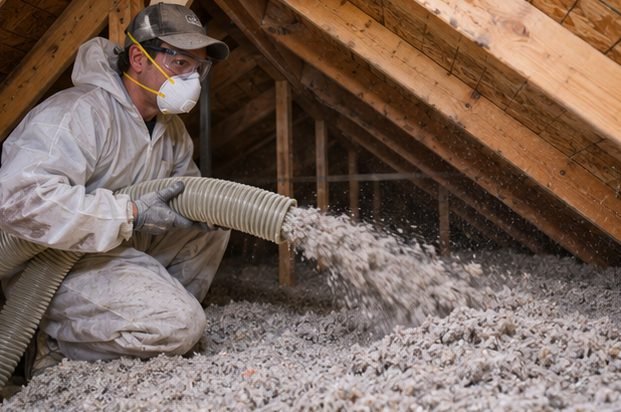
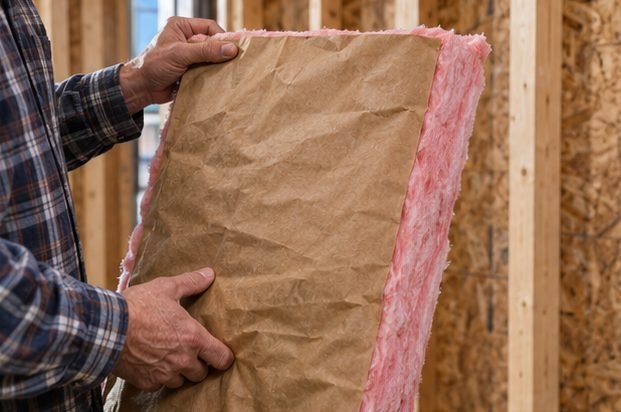
Write down what each bid includes for materials, labor and access. Blown fiberglass or cellulose can cover a wide vented attic floor with a machine. Batts or rolls can be practical in clear framing but may take longer around braces. Foam or rigid boards often belong to a different roof assembly. Comparing a floor bid with a roofline bid by price alone can hide large differences in the amount of surface and preparation.
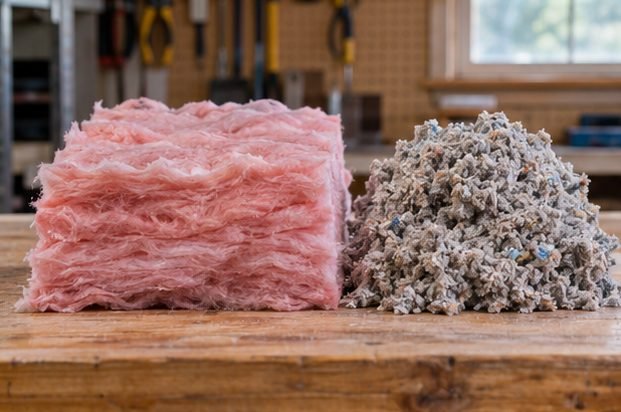
For a vented attic floor, confirm the net area, existing insulation and target R-value. Include the hatch, baffles and air sealing in the scope. Ask the contractor to state whether it measured the entire ceiling or excluded areas under boards and equipment. A bid that covers less area can look cheaper until you identify what remains to be done.
Compare attic insulation costs per square foot
Divide the total by the area actually included. A $2,200 quote covering 1,100 square feet is $2 per square foot. A $1,900 quote covering 850 square feet is about $2.24 per square foot. Both are illustrations, not current offers. Compare their included work before treating either price per square foot as the better value.
Ask whether spray foam is priced by square foot at a stated thickness or by board foot. One board foot covers one square foot at one inch of thickness. Multiply quoted area by thickness to compare the same basis. Also ask where the thickness will be checked and which repairs or coverings the bid assumes. A lower unit price can still produce a higher total when the roof area or insulation thickness increases.
Know which preparation items change price
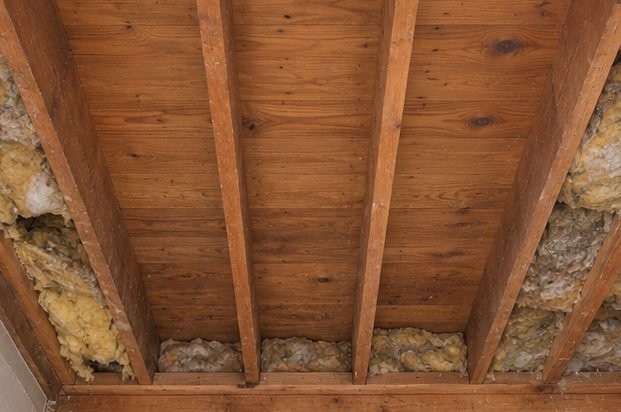
Air sealing deserves its own line because it can involve small accessible openings or larger framing transitions that take more work. Old insulation may only need to move locally for access, or it may need removal if damage or another condition warrants it. Ask the bidder to identify the reason and show the affected areas before you approve removal.
Include ventilation protection and hatch treatment. Some attics need baffles, blocking or an access dam before loose material goes in. If storage must stay, compare the cost and coverage of a suitable raised platform as part of the scope. A restricted hatch, difficult fitting areas or very limited access can increase labor even when square footage is modest.
Separate floor top-ups from roofline projects
A dry vented attic with room for a top-up usually gives you more straightforward choices. Compare blowing loose fill with adding batts where the framing permits both. Ask each contractor how it will check coverage near eaves or behind ducts. State the same finish and cleanup expectations to every bidder.
A roofline project can involve a larger insulated area and different moisture, ventilation and access details. If you are converting an attic or working during a reroof, ask for an assembly description with all layers and required coverings. Request a separate cost for roof repairs, equipment changes and finishes when these are part of the work. That will show which costs come from insulation and which belong to the wider project.
Budget for unknowns without paying twice
Ask how the estimate changes if the crew finds damaged sheathing, wet material, a disconnected duct or unsafe wiring. Have them explain which trades handle the work and what requires a price adjustment. If you suspect vermiculite, avoid disturbing it and seek a qualified assessment before letting a crew move the old layer.
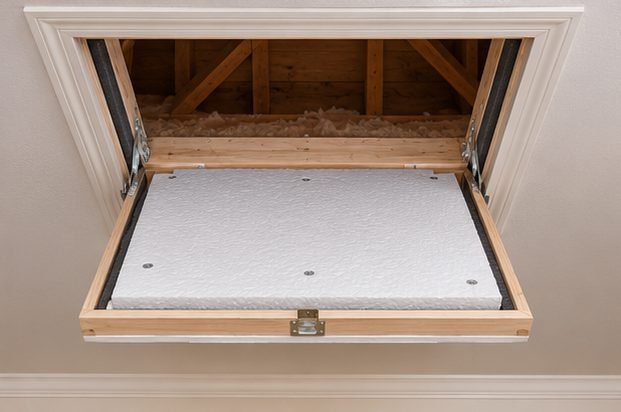
Ask for an itemized written quote and a clear process for any additional work. A contractor who can explain the inspection sequence and show what remains unknown gives you a better basis for planning. Keep the final paper trail with photos and product information. It will help distinguish warranty questions from new damage after a roof or HVAC repair.
Check attic insulation types and costs in the final bid
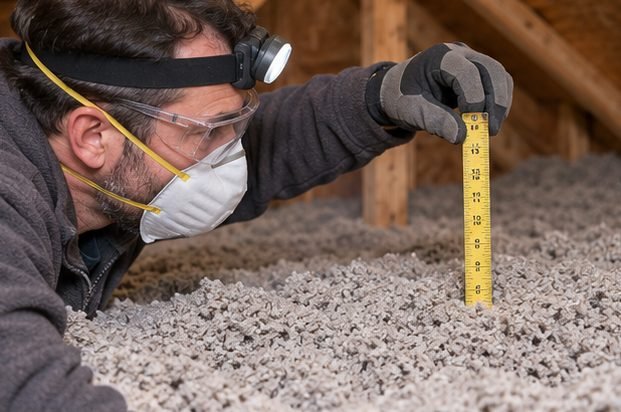
Before agreeing, compare each bid for installed target, quantity or coverage, photos of hidden work and the contractor’s plan for the edges of the attic. Verify the product and planned thickness in writing. For blown fill, ask how the crew will record bag count and depth. For rolls, ask to see how the finished pieces fit where framing changes.
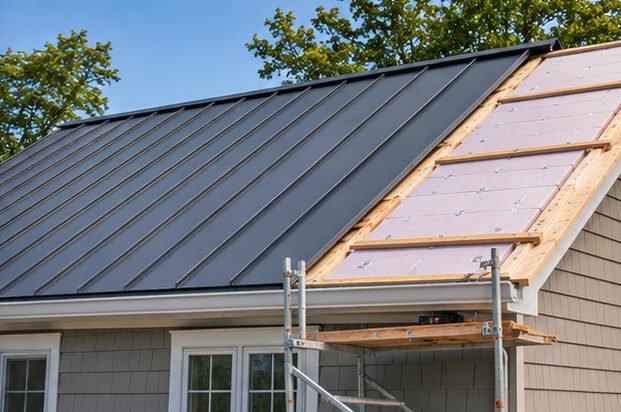
Do a final walkthrough from a safe access point. Have the contractor show the hatch, vents and insulation near any excluded areas. Keep the itemized invoice. If the job was meant to improve one hot or cold room, record whether the scope directly addressed the ceiling over that area as well as any duct or wall issues.
Price each option against the outcome you want
If two firms are choosing different materials, ask whether their proposals solve the same comfort problem. A top-up across the whole floor may be sensible when coverage is thin everywhere. A room-specific issue may instead call for correcting a missing section or checking a duct first. Ask whether diagnostic work is included, what the crew can verify and whether the contractor provides documentation.
For a simple comparison sheet, use one row per bidder. Record the starting coverage and the proposed target, the area included, unit cost, sealing work and repairs. Add a separate column for exclusions. If both bids list an identical price for insulation, one can still be more complete if it includes the hatch and eaves. Ask for revisions before deciding so you are comparing proposals with the same boundaries.
When comparing attic insulation types and costs, include every room below the quoted area in your work sketch. Read HomeGuide’s U.S. attic insulation cost guide for the national planning benchmark and its scope.
Before comparing quotes, use the guides on comparing blown and rolled attic insulation and attic insulation material options to check what each bid includes.
For related guidance, see Attic Cellulose Insulation.
Frequently asked questions
Can I use a national range as my budget?
Use it for early planning. Get local itemized quotes before making a purchase or setting a project budget.
What should a loose-fill quote show?
Ask for floor area, R-value, product, bag count or coverage and installed depth, plus prep and cleanup.
Is the lowest price per square foot always best?
Compare how much floor area each estimate covers and whether it includes the same sealing, vent protection and hatch work.