

Which is better for attic insulation, blown or rolled? Blown fill usually fits a large or irregular attic floor more easily. Rolls can suit straight, accessible framing with few obstructions. Decide by checking the layout, the actual R-value the installation can deliver and what each method requires at vents, hatches and storage paths.
For help choosing between the attic floor and roofline, see the Attic & Roof Insulation pillar.
Which is better for attic insulation, blown or rolled, in your layout?
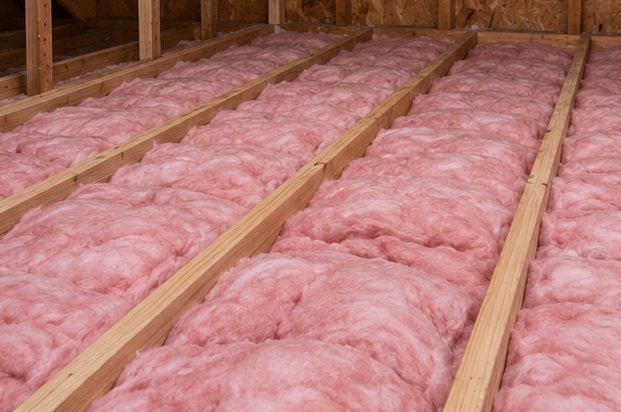
Look at the floor from a stable access point. If the attic has straight runs with similar widths and plenty of room to work, rolls can cover long bays without many seams. If trusses, braces and services interrupt the floor, loose fill can cover more of those shapes without dozens of cuts. Ask which method the installer can place evenly from edge to edge.
Roofs with low eaves need special attention with either approach. A roll can bunch where the roof gets close to the ceiling. Loose fill can drift into an intake or leave a thin strip if the installer cannot reach it. Ask how each proposal will maintain the vent route and cover the area above the exterior walls.
Blown vs. rolled attic insulation at the same R-value
Ask for estimates based on the same planned R-value and area. A neat-looking blanket can have open joints or be compressed around pipes. A deep-looking loose-fill surface can have low spots in hidden areas. The benefit comes from the installed coverage. Document the first layer and any corners the work will make difficult to inspect.
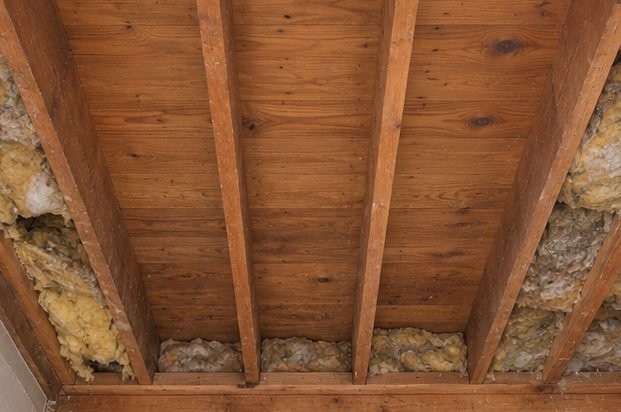
Blown material is useful where you want coverage over joist tops. In an accessible attic, an unfaced blanket across already filled bays can serve a similar purpose if the assembly permits it. Confirm you have enough depth. In a vented attic, the plan must preserve the designed airflow and the service access you need.
Which is better for attic insulation, blown or rolled, when labor is limited?
For a roll job, measure bay width, clear run length and the number of cuts around braces and framing transitions. Estimate the time needed to move bulky packages through the hatch. Ask how the crew will check pieces from a safe work surface. If the available width changes often, the waste and fitting time can outweigh the convenience of a continuous roll.
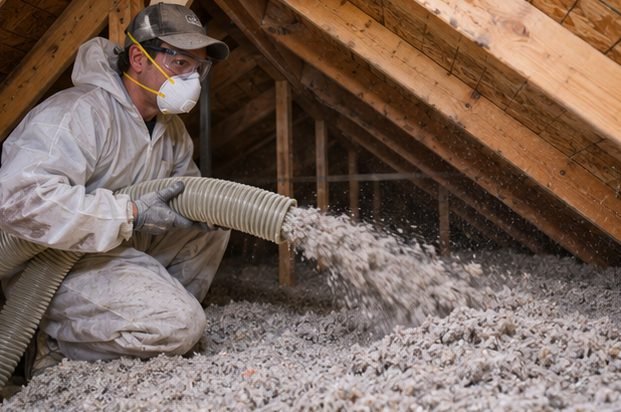
For a blown job, ask how the crew will stage its machine and hose and verify the product chart. Record the minimum coverage or bag count and installed depth. A small isolated area may make a machine less practical, while a large floor can justify it. Ask which items the crew will seal or protect before the hose comes out.
Check old insulation and future access
If the attic already has dry batts or loose fill, decide why you want to add a layer. A top-up can be sensible when the existing layer can remain and gaps are reachable. If previous work displaced material or the old layer covers moisture or wiring issues, inspect those issues first. Do not disturb material that may be vermiculite.
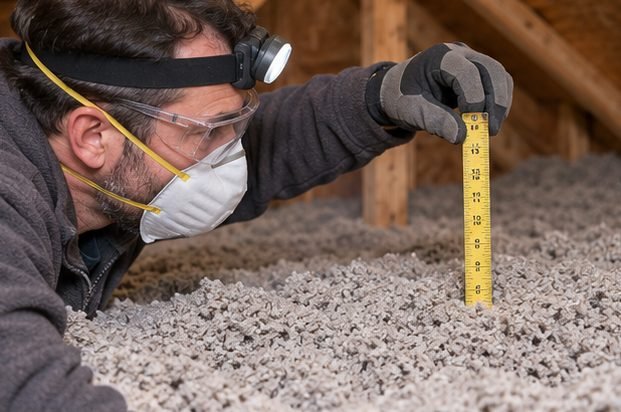
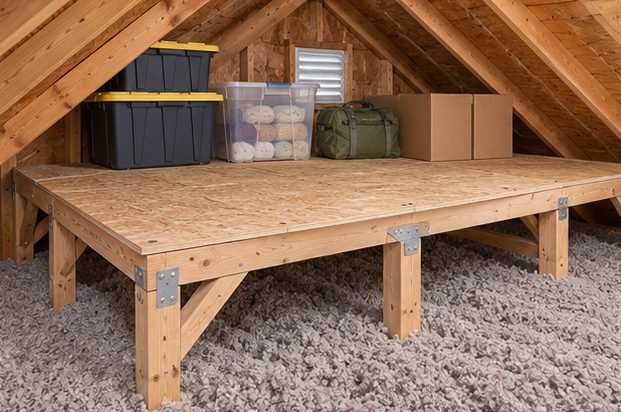
Plan for future HVAC and electrical service. Loose fill can shift when a path is used repeatedly. A roll can also compress if people walk on it. Protect access with a design that preserves the required depth and fits the structure. Keep the locations of service points in a job record so no one has to guess after installation.
Use two examples to choose
Imagine a small attic above a rectangular addition with a wide hatch and regular framing. A roll may be practical if the bay width and depth match the product and only a few cuts are needed. Inspect the fit before any top layer goes on. If ducts pass through one part, decide whether those bays need a different detail.
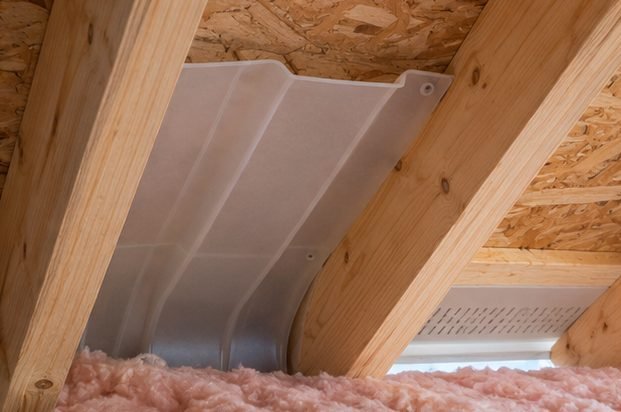
Now imagine a large truss attic with braces, wiring and many short spaces. Loose fill may cost less in fitting labor and offer more consistent coverage across the framing. Ask the crew where it can actually reach, especially near low eaves. Both scenarios assume a dry vented attic, ceiling air sealing and a plan around equipment and fixtures.
Walk through the results
For rolls, look for aligned seams, even thickness and no folds under a second layer. For blown insulation, compare depth markers with the planned depth and confirm the corresponding quantity used. Photograph eaves, the hatch and unusual areas. If the quote described exclusions, check their boundaries are easy to identify.
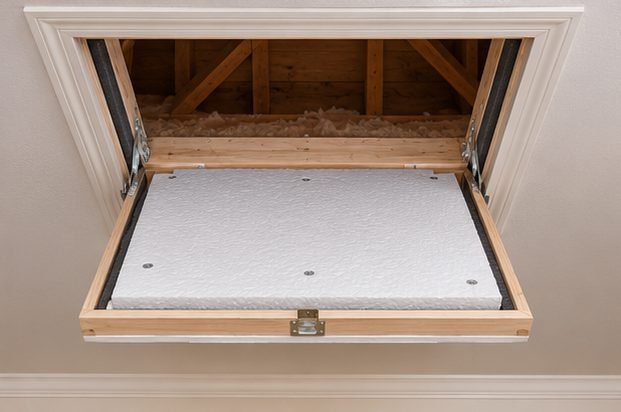
Consider which option gives you better evidence that the work reached the places that mattered. A useful completion record states its coverage and target and explains areas that received a different detail. If upstairs comfort remains uneven, you can use that information to check other causes before adding another layer.
Decide what to do when the attic is mixed
Some homes have a clear central attic and a low extension where trusses interrupt the framing. One method can work in the open part and another in the low extension. Ask whether the proposed materials can meet without leaving a break at that transition. Compare the added labor and access each option requires. Do not assume a blended approach automatically improves the job.

For a homeowner comparing which is better for attic insulation, blown or rolled, a mixed layout makes inspection especially important. Ask what you will see before the work is covered, which parts will rely on photos and how the crew will identify the change from one method to the other. If it is impossible to inspect a section, get a written explanation of how coverage there will be verified. Include that information alongside the product labels and area measurements in your records.
If you are deciding which is better for attic insulation, blown or rolled, ask to see a measurement plan for the awkward corners before comparing prices. Read ENERGY STAR’s attic insulation project guide for more background on materials and installation.
For installation details behind the comparison, see the guides to loose-fill attic insulation and installing attic batts and rolls.
For related guidance, see Attic Cellulose Insulation.
Frequently asked questions
Does blown insulation always have a higher R-value?
Compare the actual product and installed thickness. Either form can meet a suitable target if it is installed as specified.
Can I use rolls and blown fill together?
Some assemblies can use both. Verify compatibility, condition, coverage and ventilation before adding a new layer.
Which method is easier to inspect?
Rolls let you see joints before you cover them. Blown fill is easier to check when depth markers and quantity records are available.