

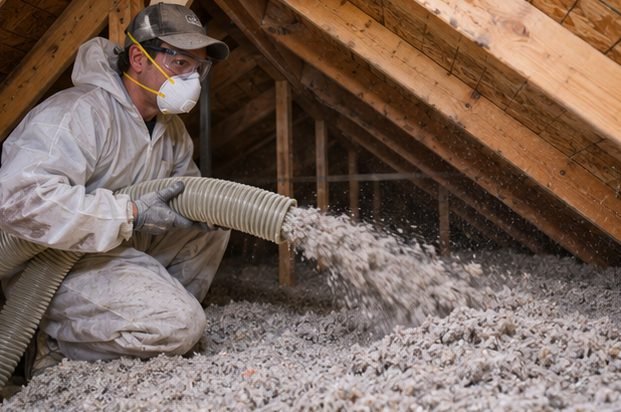
Loose fill insulation for attic floors works well when the ceiling has uneven framing, hard-to-reach pockets or gaps in an old layer. Blown cellulose and blown fiberglass are the usual options, with some attic-rated mineral wool products also available. Start with a dry, accessible vented attic, seal the ceiling and compare coverage at the R-value you actually need.
For help choosing between the attic floor and roofline, see the Attic & Roof Insulation pillar.
Types of blown insulation for attics
The main types of blown-in attic insulation differ in how much material is needed, how the product reaches its rated thickness and how easy it is to source locally. Cellulose uses treated paper fibers. Blown fiberglass uses glass fibers. Some suppliers carry loose-fill mineral wool designed for specific applications. Ask for the exact product and its attic-floor coverage chart. A label simply saying blown insulation tells you too little to compare bids.
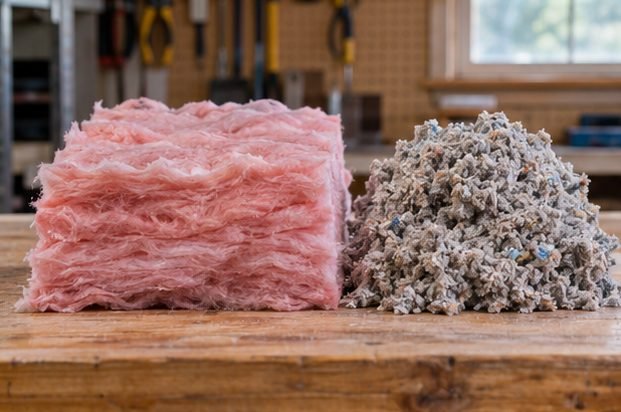
Cellulose can follow irregular floor shapes and fill spaces around cross-bracing. Fiberglass can serve the same type of floor, with its own bag count and installed thickness. Avoid choosing by appearance or depth alone. Ask about the minimum quantity at the planned R-value, the depth the installer will achieve and access to the shallowest areas. If the ceiling structure is unusual, discuss the installed material weight as well.
When loose fill insulation for attic floors makes sense
A wide attic with many joists and braces can take longer to fit with individual pieces of insulation. Loose fill can reach around many of those obstacles and cover exposed joist tops. In a small area where the floor is accessible and straight, you may have equally practical choices. Inspect the route from the hatch and decide which material the installer can place and check consistently.
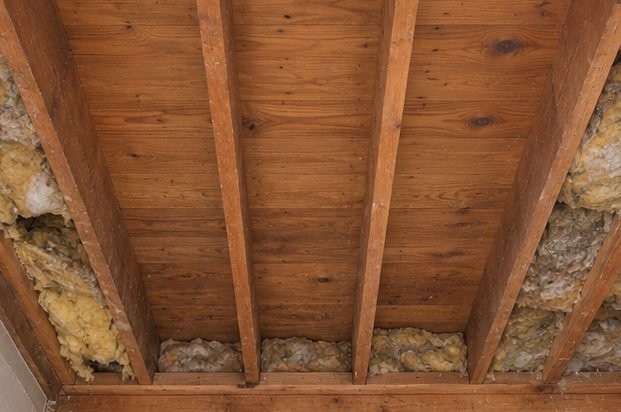
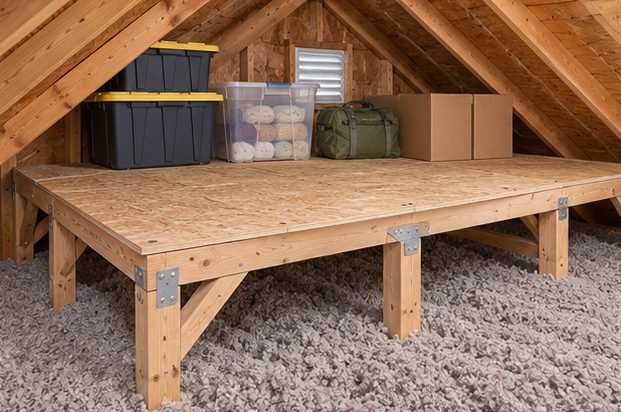
A platform or floor that hides the ceiling changes the job. Look at what is underneath before deciding to cover anything. Where storage must remain, plan adequate structure and a way to maintain insulation depth and service access. Ask the installer which areas cannot be reached and whether that area is excluded from the stated square footage.
Estimate how much loose fill insulation your attic needs
Measure the floor area that will receive loose fill and mark any intentionally uncovered areas. Find the row on the product chart for the resistance you plan to add. If the chart permits 36 square feet per bag at the chosen target and you need to cover 1,050 square feet, divide 1,050 by 36 and round up. The example gives 30 bags. Buy from the actual product chart and check its minimum installed thickness alongside the bag count.
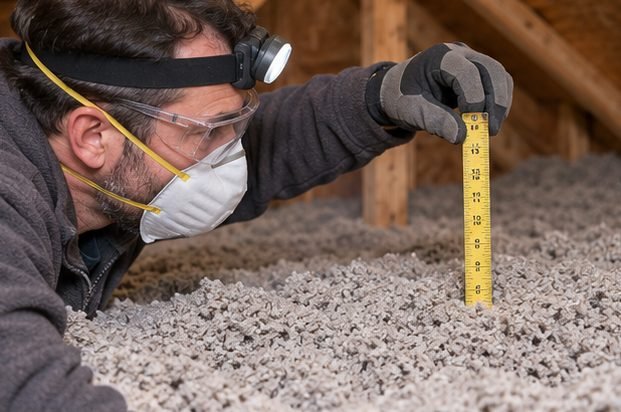
During the job, depth markers let the crew judge the surface at multiple points. They also make the record easier to understand later. A fluffy layer can appear thick even when too little material covers the floor. Comparing package count, floor area and depth helps you catch mismatches. If the chart distinguishes initial depth from settled depth, have the crew record which it measured.
Prepare air leaks, vents and the hatch first
Before new fill goes down, identify roof leaks, disconnected exhaust ducts and other signs of dampness. Have the cause addressed before covering affected areas. In a conventional vented attic, prepare accessible ceiling openings around the hatch, partitions and pipes for air sealing. Have qualified trades assess wiring, fixtures and hot surfaces with unclear clearances. Leave suspected vermiculite undisturbed and get qualified advice.
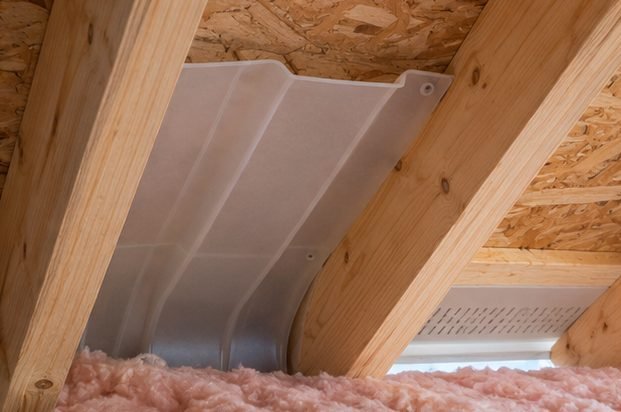
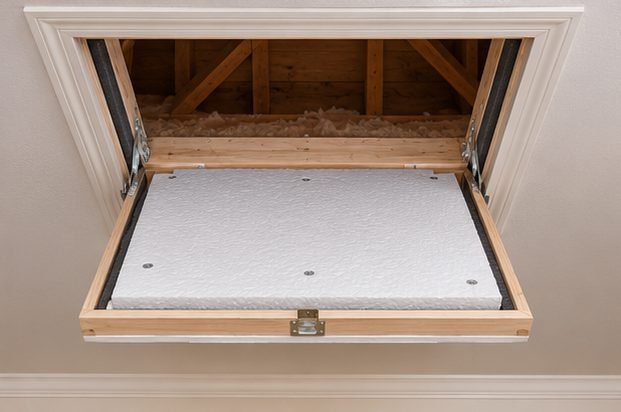
If soffits supply attic ventilation, baffles preserve the air path where the insulation approaches the eaves. Ask how the crew will keep fill out of the intake and cover the ceiling near the top plate. A hatch dam can keep loose material from spilling into the room when the lid opens. Check that the hatch still closes and seals correctly.
Compare two contractor quotes line by line
Give each bidder the same floor area, target and list of existing issues. Ask how much loose-fill material the quote includes, how it treats the eaves and what it excludes. Ask whether the price includes air sealing and baffles, or whether those appear as separate items. If one quote proposes removing all old material, ask which condition makes removal worthwhile.
Suppose one estimate covers 1,050 square feet and another covers 880 because a section under old decking is excluded. Their totals cannot tell you which price is better until each bidder explains its scope. Mark exclusions on the same attic sketch. Request photos showing coverage at the edge and areas behind obstructions rather than relying on a single photo of the center.
How to inspect loose fill insulation for attic floors
Check depth and evenness from a safe access point or have the contractor show relevant photos. Compare the finished floor with the attic sketch. Record the product, quantity, target, thickness and any area that received different treatment. Confirm service paths and designed vent openings are clear. If a later roof or HVAC repair moves insulation, you can compare the result with the original conditions.
When an upstairs room still feels uncomfortable, check how the attic work relates to that room. Areas over an attached garage, problem ducts and direct sun through windows can affect comfort separately. The installation record helps you decide what remains worth investigating. A neat loose-fill surface is useful evidence only when it reflects the layer above the room you want to improve.
Check materials when the ceiling is shallow
A shallow strip near the edge can limit how much material will fit below a baffle. Ask each bidder to identify where the thickness will change. If it proposes a different material at the edge, ask how the two layers will meet and how the air path will stay open. Make sure the quotation describes this transition and who checks it before the rest of the fill goes down.

Before making a final choice, ask the crew to show the actual bag label. Compare the specified job area and minimum quantity with what arrives on site. If the scope changes after work begins, request an updated calculation. A floor plan with depth readings and a few photos is more informative than the number of bags on an invoice alone.
If you are comparing loose fill insulation for attic floors, put the minimum bag count and planned depth on the same line of the quote. Read U.S. Department of Energy’s guide to blown insulation in existing attics for more background on materials and installation.
If your quote lists blown fiberglass, compare fiberglass attic insulation options and the other attic insulation material options available for your attic.
For related guidance, see Blanket Insulation for Attics.
Frequently asked questions
Is loose fill the same as blown-in insulation?
Loose fill is the material form. Blown-in usually describes how a machine delivers the loose fibers into place.
Can I add loose fill over old batts?
Often, if the old batts are dry and suitable to remain. Inspect the ceiling and correct gaps or moisture first.
Which of the types of blown in attic insulation is best?
Compare coverage, price, existing layers, access and installed weight where relevant. Choose the product the installer can apply evenly at the planned R-value.