

Masculine Interior Design combines recognizable colors, materials and furniture details with everyday comfort. This guide explains how to adapt the look to your own home, including living rooms, bedrooms, kitchens and budget-friendly updates.
Understanding the Style
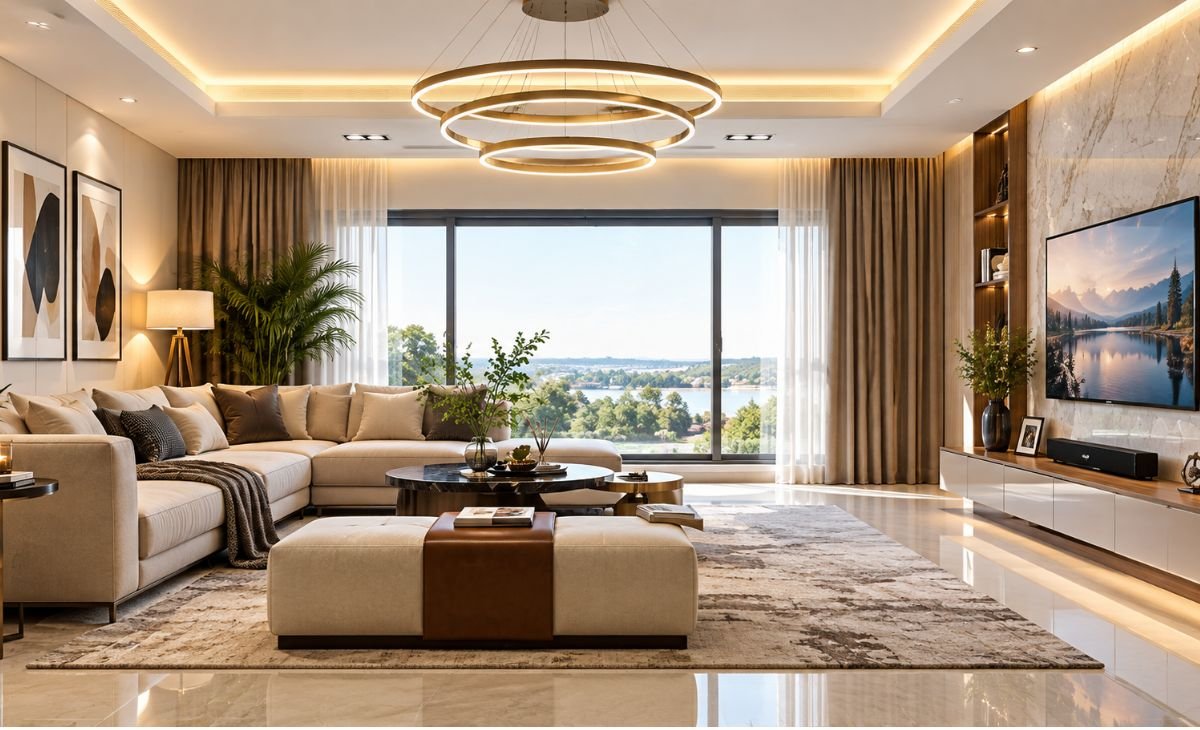
Masculine interior design is a conventional decorating label often used for rooms with grounded colors, strong furniture silhouettes and tactile materials. These choices are not tied to anyone’s gender; anyone can enjoy a room with walnut, leather, charcoal or architectural lighting. Rather than following stereotypes, define the atmosphere you want: calm, tailored, cozy, industrial or modern. A balanced room may combine a deep neutral sofa, warm wood storage, a simple rug and a well-chosen piece of art. Comfort, lighting and useful storage matter more than the label. Use the style as a starting point for personal preferences, not a rule about who should live in the space.
Signature Colors and How to Combine Them
Charcoal, navy, deep olive, warm gray, camel and walnut are popular colors in rooms described as masculine. Use a limited palette so the space feels deliberate rather than dark and heavy. A charcoal sofa can sit against cream walls with walnut furniture and a muted green accent. If the room receives little daylight, keep larger surfaces lighter and introduce dark tones through furniture or artwork. Test paint colors at different times of day. Avoid using black on every surface; it can flatten textures and make a compact room feel smaller. A warm accent such as rust, tan or brass adds depth and prevents the room from feeling severe.
Materials and Textures That Create the Look
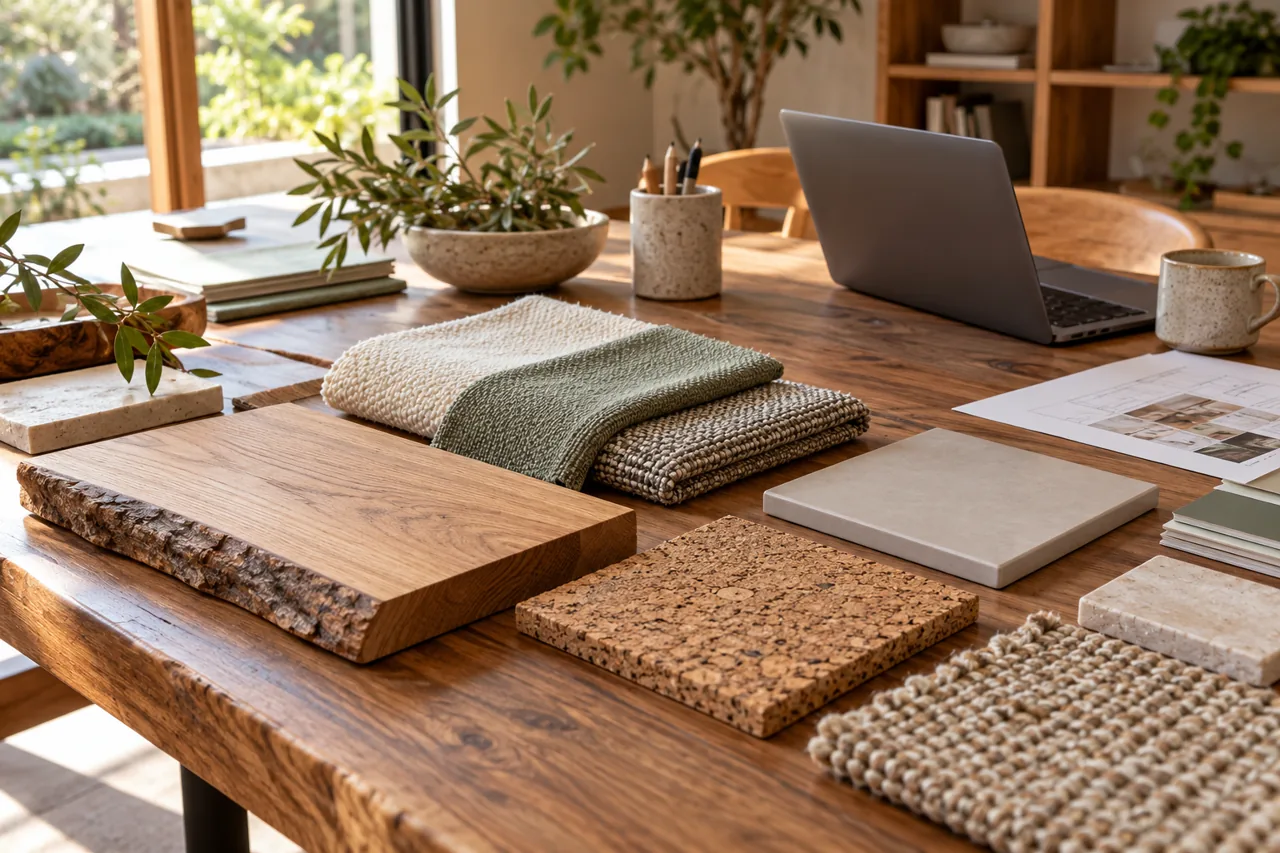
Natural wood, leather, wool, linen, brushed metal and textured stone can create a tailored, grounded interior. Mix smooth and rough finishes for visual interest: a soft wool rug beneath a wood table or linen upholstery beside a metal lamp. Leather is optional, and many durable woven fabrics provide similar richness with different care needs. Consider fingerprints, scratches and cleaning requirements when choosing finishes. A vintage wooden sideboard can add warmth and useful storage, while a single metal accent can provide contrast. Avoid filling every surface with heavy materials. A successful room has enough tactile variation to feel comfortable, not merely rugged.
Furniture Shapes and Room Layout
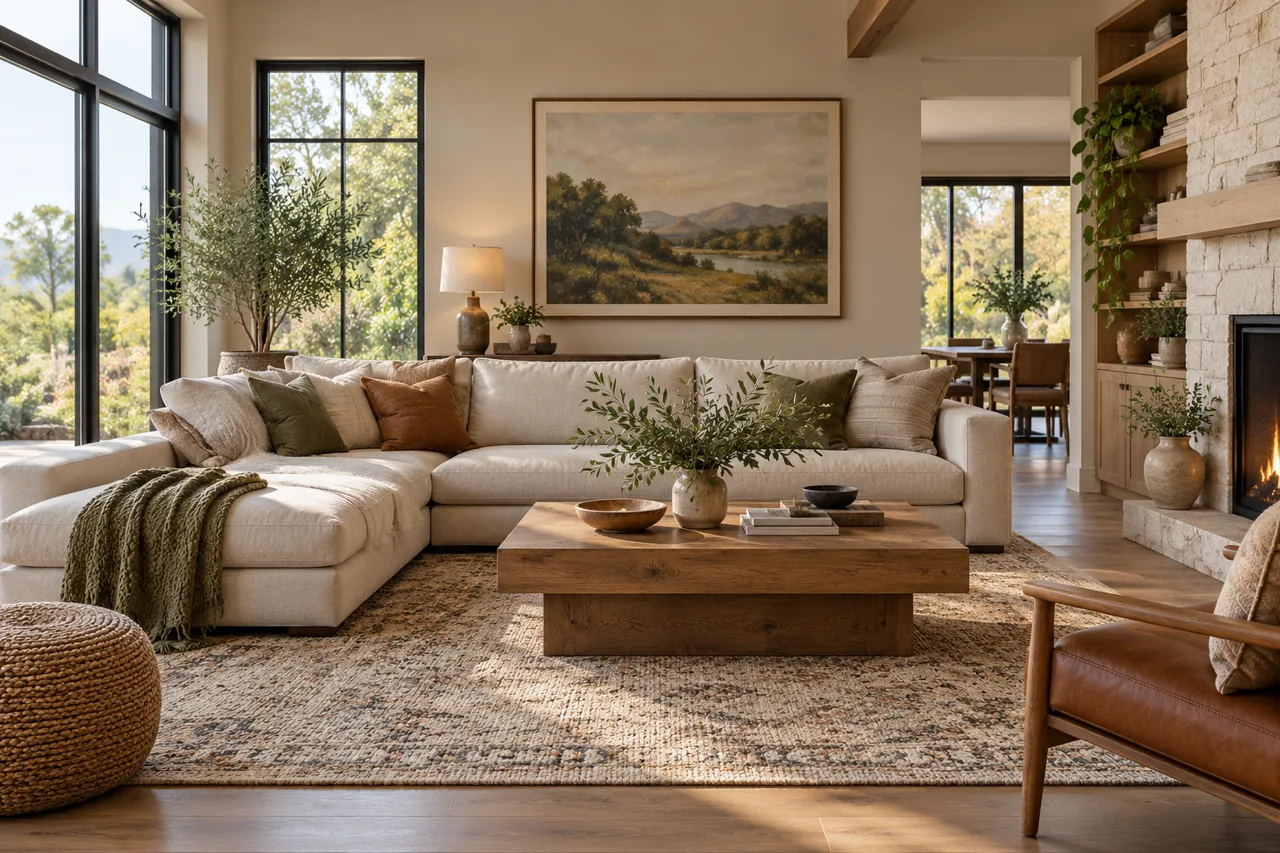
Choose furniture that fits the room and supports daily use. A substantial sofa or armchair can anchor the space, but oversized pieces may block circulation. Combine one strong silhouette with simpler supporting pieces. A solid wood coffee table, comfortable reading chair and well-proportioned rug create a functional arrangement. If you work from home, include a desk with adequate task lighting and a supportive chair. Closed storage helps keep cables and everyday items organized. The best layout feels relaxed and intentional, with accessible side tables and clear paths between doors and seating. Scale and comfort should guide decisions more than a furniture item’s marketed style.
Living Room Decorating Ideas
For a living room, begin with a comfortable neutral sofa and a rug large enough to anchor the seating. Add a walnut or dark wood table, then introduce a reading lamp and artwork that reflects your interests. A restrained palette of gray, camel and olive can feel warm without becoming visually busy. If you prefer industrial influences, use one brushed-metal fixture rather than covering every surface in metal. Textured cushions and a soft throw help balance straight furniture lines. Keep entertainment equipment ventilated and cables managed. The room should feel inviting for guests as well as useful for reading, conversation and relaxing.
Bedroom Decorating Ideas
A tailored bedroom can use a simple upholstered headboard, dark wood bedside tables and soft neutral bedding. Choose a calm palette such as charcoal, warm white and muted green, but do not make the room so dark that reading or dressing becomes difficult. Provide bedside lighting, sufficient storage and curtains that control light. Layer cotton or linen bedding with a textured throw for comfort. A framed photograph or abstract artwork can make the space personal without crowding it. Avoid buying heavy furniture that overwhelms a small bedroom. Good sleep comfort, ventilation and a practical layout matter more than decorative trends.
Kitchen and Dining Room Ideas
Kitchen and dining spaces benefit from design choices that are attractive but practical. You can introduce masculine-inspired character through cabinet colors, hardware, stools, lighting or tableware without undertaking a full renovation. Prioritize easy-to-clean materials near cooking and preparation areas. A dining table should allow comfortable seating and enough space to pull out chairs. One well-chosen pendant or centerpiece may provide the strongest visual impact. Use open shelving sparingly if it creates additional cleaning work. Keep frequently used objects accessible and reserve purely decorative pieces for locations where they do not interrupt daily tasks.
Lighting for Atmosphere and Function
Layer lighting instead of relying on a single dramatic pendant. Use ambient light for general visibility, task lighting near desks or reading chairs and softer accent light for evening atmosphere. Brushed metal, matte black and warm brass fixtures can complement wood and neutral textiles. Choose bulbs based on the activity rather than assuming dim lighting always looks sophisticated. Position lamps to reduce screen glare and make switches easy to reach. If you use dark walls, consider additional light sources to prevent shadowy corners. Natural daylight can highlight wood grain and textures, while warm evening lamps make the space more comfortable.
Walls, Artwork and Accessories
A masculine-inspired interior can use substantial forms without relying on stereotyped props. Frame artwork you value, group books in a usable place or choose a ceramic piece that relates to the room’s timber and metal. Leave some surfaces clear so texture is visible. Sports, travel or music collections belong when they reflect the occupant, not because a decorating label demands them.
How to Achieve the Style on a Budget
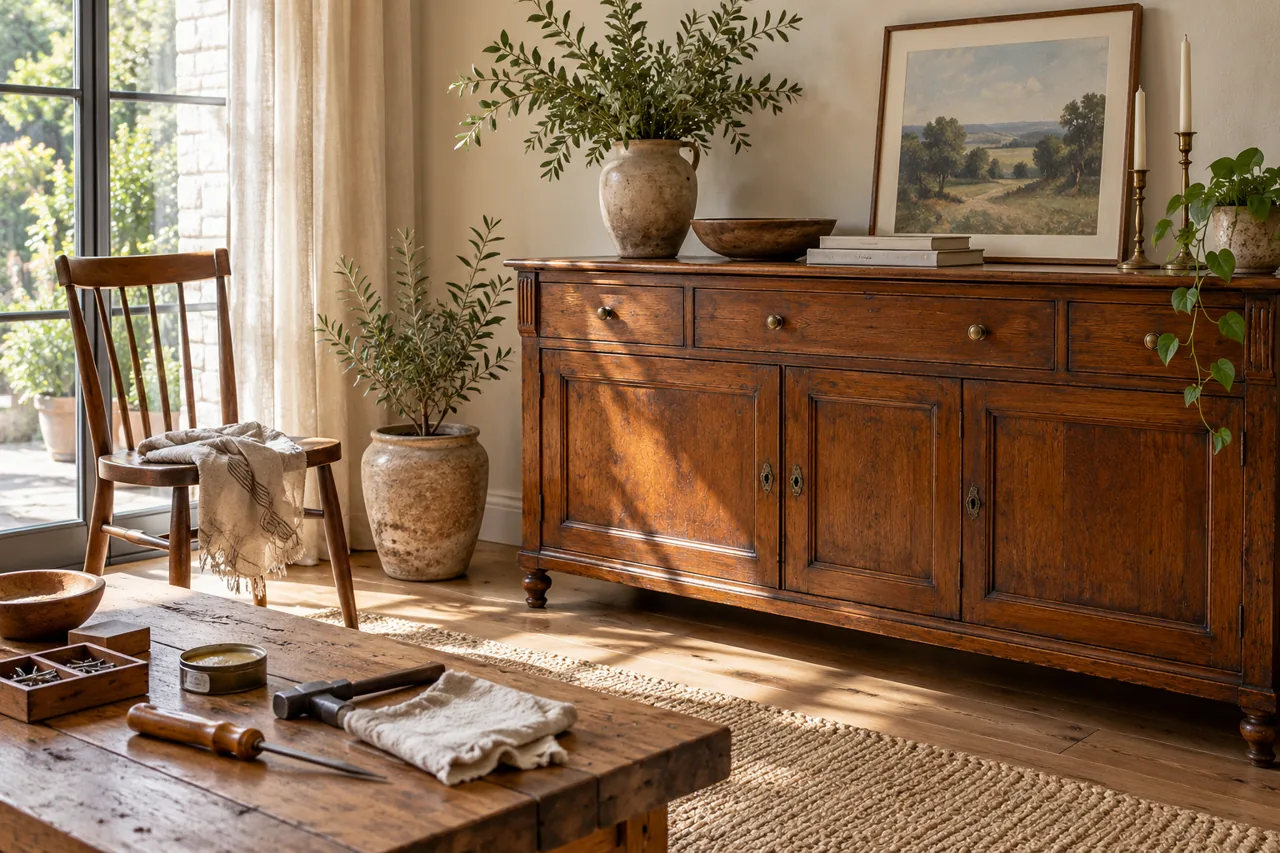
To refresh a masculine-inspired room, first adjust its light and texture rather than painting everything dark. Keep sound timber furniture and introduce a softer throw, a better-positioned lamp or a rug that connects the seating. Spend on the item that affects comfort most. A coherent room does not need new leather upholstery, oversized metal furniture or a coordinated set of decorative objects.
Mistakes to Avoid
The biggest mistake is equating a masculine look with a dark room full of leather, black paint and metal. Too many heavy finishes can feel gloomy or uncomfortable. Introduce lighter surfaces, soft textiles and enough daylight. Another mistake is buying oversized sofas or desks without checking dimensions. Avoid decorating only around a television or work setup while ignoring conversation and relaxation. Personal artwork and books make the room feel lived in, but keep surfaces usable. Most importantly, remember that design preferences are individual; no color or material belongs to a gender. Aim for a balanced, functional room that suits the people who use it.
A Simple Step-by-Step Decorating Plan
First, define the atmosphere you want in three words. Second, measure the room and decide what furniture stays. Third, choose a limited palette inspired by charcoal, walnut, navy and warm tan. Fourth, identify one focal point, such as a sofa, dining table or artwork. Fifth, introduce appropriate materials such as leather-look upholstery, timber, stone and brushed metal. Sixth, improve lighting and storage before buying additional décor. Seventh, add a few personal accessories and photograph the room again. Wait several days before deciding what else is needed. This gradual approach reduces unnecessary purchases and helps the finished space feel coherent.
Frequently Asked Questions
Can masculine-inspired interior design work in a small apartment? Yes. Use appropriately scaled furniture, a limited palette and efficient storage. Do I need to renovate? Usually not. Textiles, lighting, artwork and furniture arrangement can make a meaningful difference. Should all furniture match? No. Repeated colors, materials and compatible proportions can create cohesion without identical pieces. How do I keep the room practical? Preserve clear walkways, useful surfaces, durable finishes and accessible storage. Where should I start? Begin with the room’s layout and the pieces you already own before purchasing new décor.
Final Thoughts
Masculine-inspired interior design can inspire a home with a distinctive atmosphere, but the most important decisions are personal and practical. Choose a few defining elements, use them consistently, and allow enough space for comfort and daily life. For a broader comparison of styles, explore our interior design aesthetics guide. For additional architecture and decorating inspiration, see Architectural Digest.