

Introduction
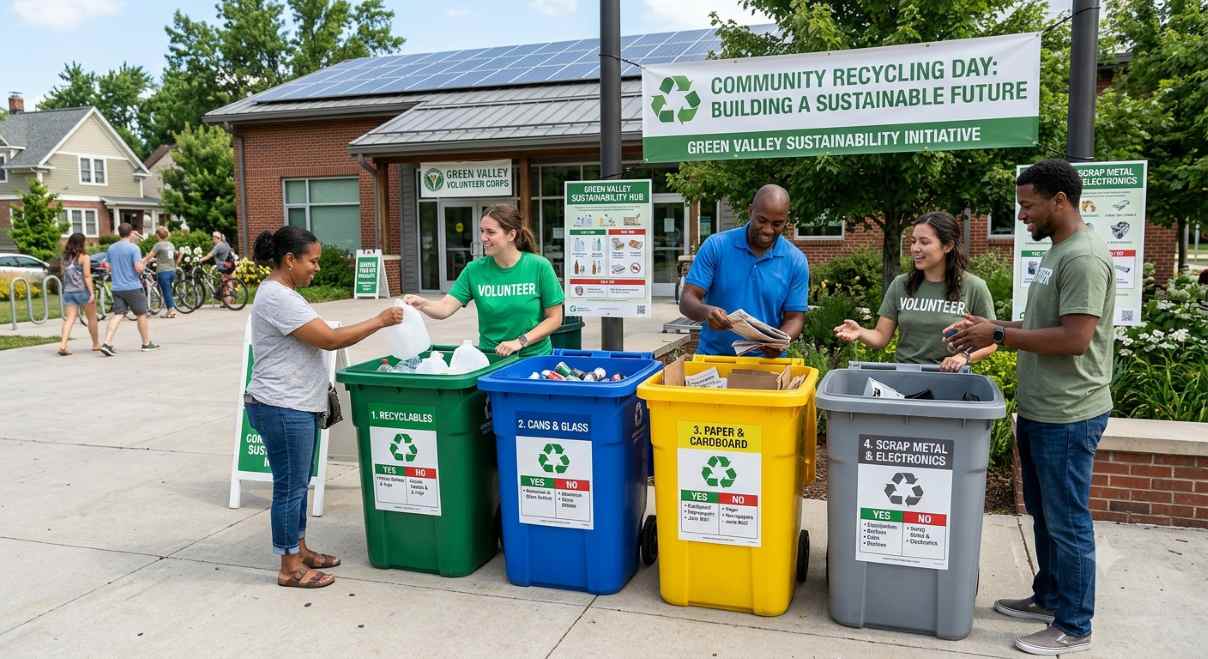
Yes, the US has a recycling target. The EPA wants the national recycling rate at 50% by 2030. That said, this goal works differently than most people expect. It isn’t a law. It’s a voluntary national benchmark.
In this guide, we’ll break down what the target actually says, how it’s measured, and why it still hasn’t been reached.
We’ll also look at the state-level rules that fill in the gaps left by federal policy.
What Is the US National Recycling Goal?
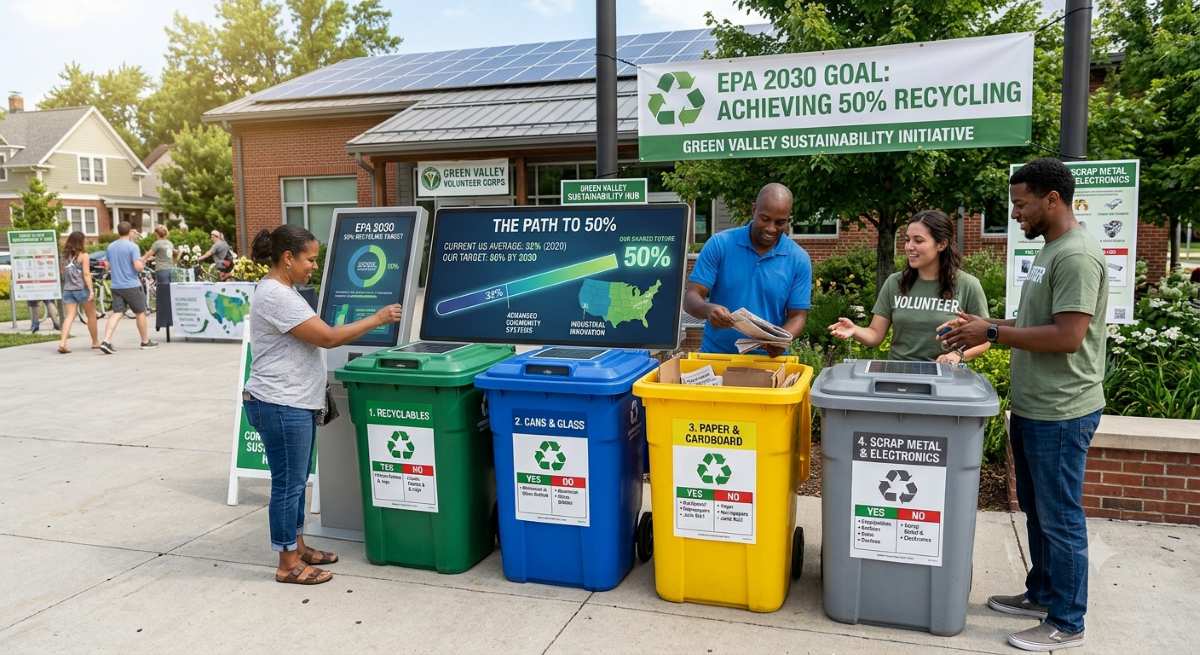
The EPA announced its National Recycling Goal in November 2020. The target: raise the recycling rate from 32% to 50% by 2030.
This goal covers municipal solid waste, or MSW. Think household trash, packaging, paper, and food scraps.
However, the timing tells an important story. The rate had actually dropped in the years right before the goal was set.
Meanwhile, other countries were moving in the opposite direction, with the EU tightening its own binding packaging waste rules around the same period.
Why the Goal Was Created in the First Place
Between 2017 and 2018, the national recycling rate fell from 35% to 32%. That’s a real decline, not a stall.
As a result, only 94 million of the 292 million tons of waste generated that year got recycled or composted.
So the 50% target isn’t just an ambitious stretch goal. It’s a direct response to a system that was moving backward.
Notably, officials pointed to China’s 2018 import restrictions as a major turning point that forced the issue onto the national agenda.
Is the target legally binding?
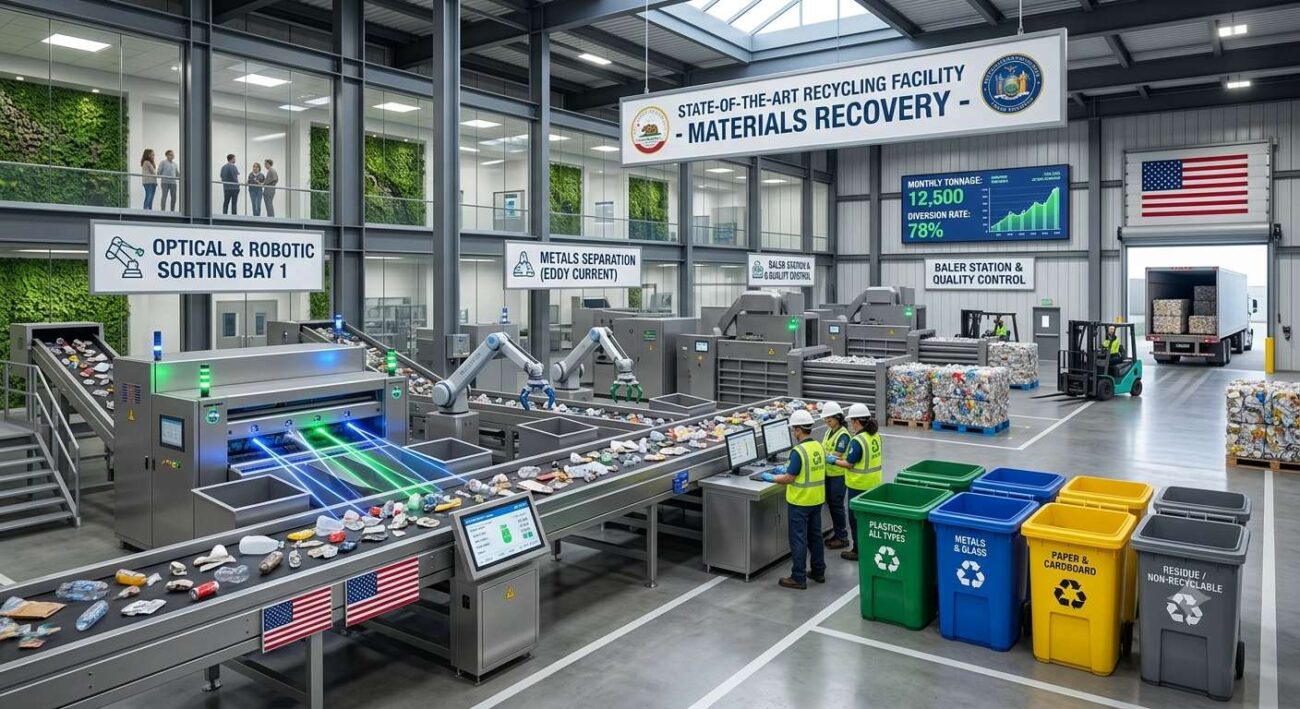
No, it isn’t. The EPA describes it as a shared challenge for businesses, cities, and individuals to work toward together.
In other words, there’s no fine or penalty if the country misses 2030. It functions as a benchmark, not a mandate.
This distinction matters, especially if you’re comparing US policy to the European Union’s binding recycling laws.
Therefore, progress depends heavily on voluntary cooperation between local governments, waste haulers, and manufacturers rather than federal enforcement.
How the US Plans to Reach 50% by 2030
Since the goal alone doesn’t create change, the EPA built a companion roadmap called the National Recycling Strategy.
Released in 2021, it lays out five priorities: stronger markets, better collection infrastructure, less contamination, smarter policy, and standardized measurement.
That last point deserves attention. Right now, states and cities all measure recycling differently, which makes national progress genuinely hard to track.
Furthermore, the strategy leans into circular economy thinking, meaning it looks beyond simple landfill diversion toward reducing waste generation in the first place.
The Link Between Recycling and Food Waste Goals
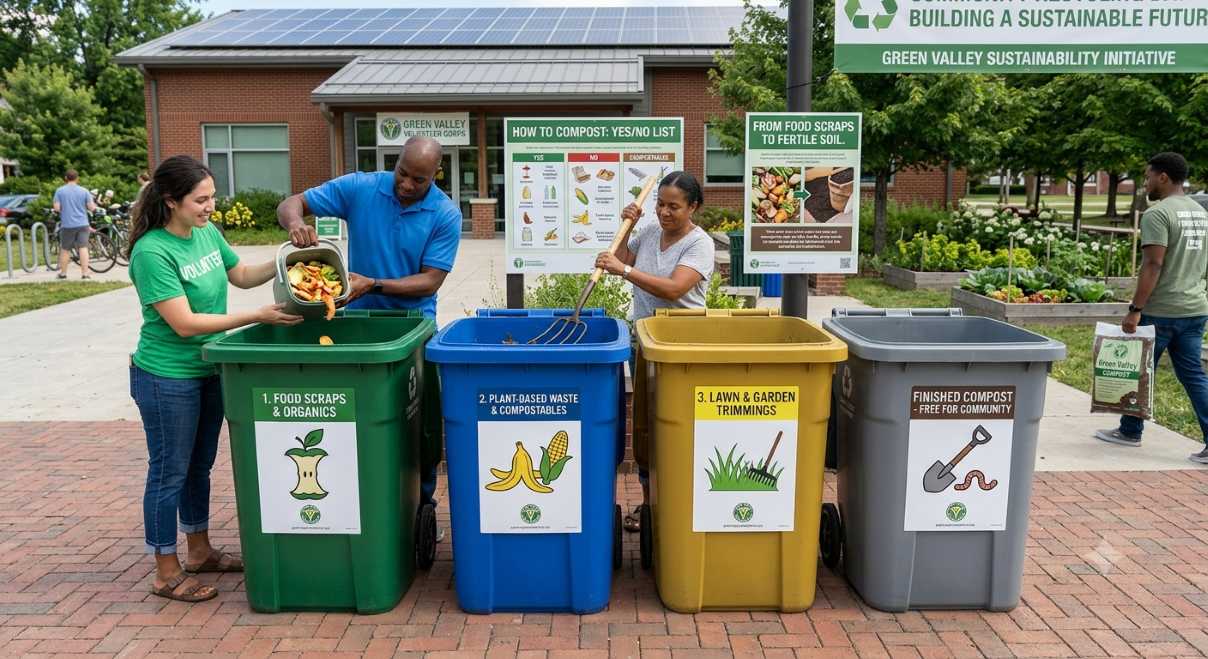
Alongside the recycling target, the EPA and USDA also set a goal to cut food loss and waste in half by 2030.
This goal aligns with the United Nations Sustainable Development Target 12.3, giving it international context beyond US borders.
Consequently, composting and organic waste recovery now count as part of the broader national recycling push, not a separate issue.
Tips for Understanding Where Recycling Policy Is Headed
If you’re researching this topic, a few practical entry points will save you time.
- Check your state’s recycling laws separately from federal goals — many states go further than the EPA target.
- Look up China’s 2018 “National Sword” policy, which reshaped global recycling markets almost overnight.
- Track EPA’s food waste goal alongside recycling, since the two strategies are now linked.
- Compare container deposit (“bottle bill”) states, since they consistently show higher recovery rates.
- Watch for new federal packaging legislation, since several bills have proposed national EPR standards in recent years.
Additionally, keep an eye on extended producer responsibility (EPR) laws. States like Oregon and California increasingly shift recycling costs onto manufacturers instead of taxpayers.
A Real Example — Vermont’s Universal Recycling Law
Vermont banned recyclables and food scraps from regular trash statewide. Consequently, its diversion rates rank among the highest in the country.
This example shows what’s possible when a binding state law backs a national voluntary goal—something the federal target alone can’t guarantee.
Similarly, Maine and Colorado have since passed their own EPR packaging laws, suggesting more states may follow this pattern.
Why the Federal-State Gap Exists
It’s worth pausing on why the US never adopted one binding national law in the first place. Waste management has traditionally been treated as a state and local matter, not a federal one, throughout US environmental policy.
As a result, the EPA’s role stays limited to research, funding, and coordination rather than direct regulation of local waste systems. Meanwhile, this patchwork approach means two neighboring states can have completely different recycling requirements for the exact same material.
What This Means for Businesses and Consumers
For companies, the shift toward EPR laws means packaging costs increasingly depend on how recyclable a product actually is. In practice, this creates a financial incentive to redesign packaging, rather than simply hoping consumers sort it correctly at home.
For everyday consumers, the takeaway is more straightforward. Contamination remains one of the biggest barriers to hitting the 2030 goal.
Therefore, rinsing containers and checking local guidelines before tossing something in the recycling bin genuinely does make a measurable difference.
Ultimately, national targets only translate into real progress when local habits and state policy move in the same direction.
Common Questions About US Recycling Targets
What is the current US recycling rate?
As of the EPA’s most recent measurement, the national rate sits around 32%. That leaves meaningful ground to cover before 2030.
Does every state have the same recycling rules?
No, the recycling policy is set mostly at the state and local level, so requirements vary significantly across the country.
What happens if the US misses the 2030 goal?
Nothing legally. Since the target is voluntary, there’s no enforcement mechanism if the national rate falls short.
Conclusion
To sum up, the US does have a recycling target: a voluntary 50% goal by 2030, backed by the National Recycling Strategy. However, no single federal law requires it. Real enforcement only exists where individual states have passed their own rules.
For anyone researching this topic, that gap between “national goal” and “binding law” is the single most useful thing to understand. If you want a deeper breakdown of current recycling rates by material, check our related guide linked above, or read the EPA’s own strategy document for the full policy details.