

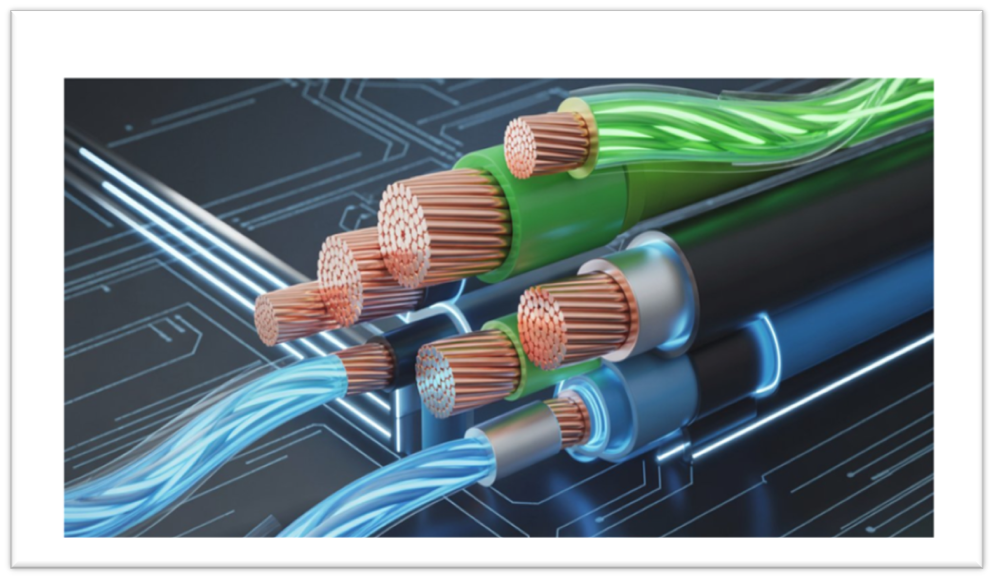
Most homeowners never think about their hidden electrical cables, but what if those standard wires were silently increasing your bill? Energy-efficient cable technology can solve this problem.
The truth is traditional electrical wiring can waste a surprising amount of energy as heat. This silent drain on power is known as electrical resistance, and it costs American households and businesses millions each year.
Fortunately, a smarter solution is here. Energy-efficient cable technology represents a fundamental shift in how we power our lives.
This innovative approach to electrical design delivers more power to your outlets and appliances while wasting less along the way. For anyone building a new home, planning a renovation, or simply interested in sustainability, this is one of the most impactful upgrades you can make.
How Do “Smarter” Cables Reduce Ener
The core principle is simple and aligns with the core principles of modern efficient technology: reduce electrical resistance .Think of electricity flowing like water through a hose. A narrow or kinked hose loses water pressure. Similarly, a cable with high resistance loses electrical energy, which escapes as useless heat.
Energy-efficient cables are engineered to solve this problem through two key advancements in materials science.
Superior Conductors for a Smoother Flow
The heart of any cable is its conductor, typically copper. Energy-efficient versions use high-purity, annealed copper that has a more uniform molecular structure. This creates a smoother “path” for electrons to travel, significantly reducing friction and energy loss. It’s the difference between driving on a gravel road and a newly paved highway—the journey is faster and requires less energy.
Advanced Insulation to Maintain Cooler Temperature
The plastic sheath around a wire isn’t just for safety anymore. Modern cables use advanced materials like Cross-Linked Polyethylene (XLPE), which offer far superior thermal stability compared to traditional PVC. By effectively managing heat, this insulation prevents the core conductor from heating up. Since a cooler conductor has even lower electrical resistance, this creates a virtuous cycle of efficiency. A cooler cable is inherently a safer, longer-lasting, and more efficient cable.
The Tangible Benefits for Your Home and Our Grid
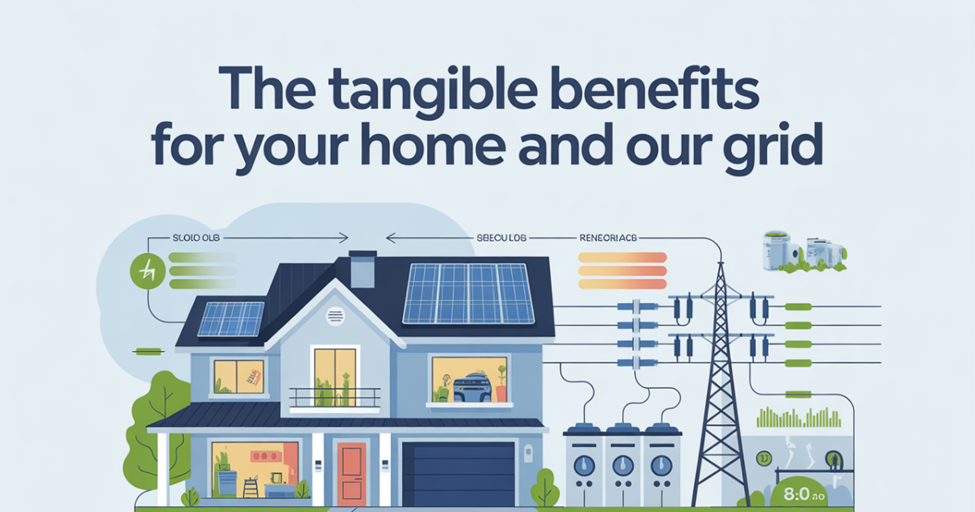
This technology delivers practical, measurable advantages that resonate with core American values: savings, safety, and sustainability.
Significant Cost Savings:
The most immediate benefit is a lower electricity bill. By minimizing energy loss as heat, more of the power you pay for actually reaches your devices. For a single family home, the savings accumulate steadily over years. For a large commercial building or industrial facility, the annual savings can reach tens of thousands of dollars.
Enhanced Safety and Peace of Mind:
Cables that operate cooler are safer cables. Reducing electrical resistance directly lowers the risk of overheating, which is a primary cause of electrical fires. This upgrade isn’t just about efficiency; it’s about protecting your home and family.
A Reduced Carbon Footprint:
Using less electricity is one of the most direct ways to shrink your environmental impact. Energy-efficient cabling lowers your home’s energy consumption automatically, without you having to change your daily habits. It’s a built-in sustainability feature.
A More Reliable National Power Grid:
The benefits extend beyond your property line. When adopted widely, this technology reduces the overall strain on our national power infrastructure. This contributes to fewer brownouts during heatwaves and supports a more resilient grid, a key priority for the U.S. Department of Energy.
A Powerful Case Study:
Consider the massive data centers operated by companies like Google and Microsoft. These facilities are filled with thousands of servers connected by miles of cable. By deploying energy-efficient cabling, they save enough electricity to power entire neighborhoods, proving that the technology delivers on both business and environmental imperatives.
Is Energy-Efficient Cabling Right for Your Next Project?
This upgrade is most logical and cost-effective during specific moments in a property’s lifecycle. You are an ideal candidate if you are:
- Building a new custom home from the ground up.
- Undertaking a major renovation or addition.
- Upgrading your home’s main electrical service panel.
- Developing a commercial or industrial property.
While the initial material cost can be slightly higher than for standard cables, the long-term return on investment through energy savings, enhanced safety, and increased property value is compelling
Your Next Step: When consulting with your builder or licensed electrician, be sure to ask: “Are we using energy-efficient or low-loss cabling for this project?” This simple question demonstrates your awareness and can steer the project toward a higher-performance outcome.
To better understand your home’s overall energy use, a great resource is this guide from the U.S. Department of Energy on estimating appliance and home electronic energy use.
Conclusion: A Foundational Upgrade for a Smarter Home
Energy-efficient cable technology proves that some of the most powerful innovations are the ones we never see. By making a smarter choice in the fundamental wiring of a building, we invest in a future of lower costs, greater safety, and enhanced sustainability.
a future of lower costs, greater safety, and enhanced sustainability, much like the benefits outlined in our complete guide to eco-friendly technology. It is a simple, foundational decision with an outsized impact
Embracing energy-efficient devices is one of the most practical and powerful decisions for a modern household. By choosing appliances and electronics engineered for optimal performance with minimal waste, you achieve a powerful trifecta of benefits: significant financial savings through drastically lower utility bills, a **direct reduction in your environmental footprint**, and often, enhanced home comfort and convenience. This shift transcends simple gadget replacement; it represents a fundamental upgrade to your home’s operational core. From the constant cooling of a high-performance refrigerator to the precise heating of a heat pump water heater, these devices work silently in the background, turning everyday routines into acts of efficiency. As smart home technology evolves, integrating these devices creates a responsive ecosystem that maximizes savings effortlessly. Ultimately, investing in energy efficiency is an investment in a more resilient, cost-effective, and sustainable lifestyle, proving that the smartest power is the power you don’t have to use.