

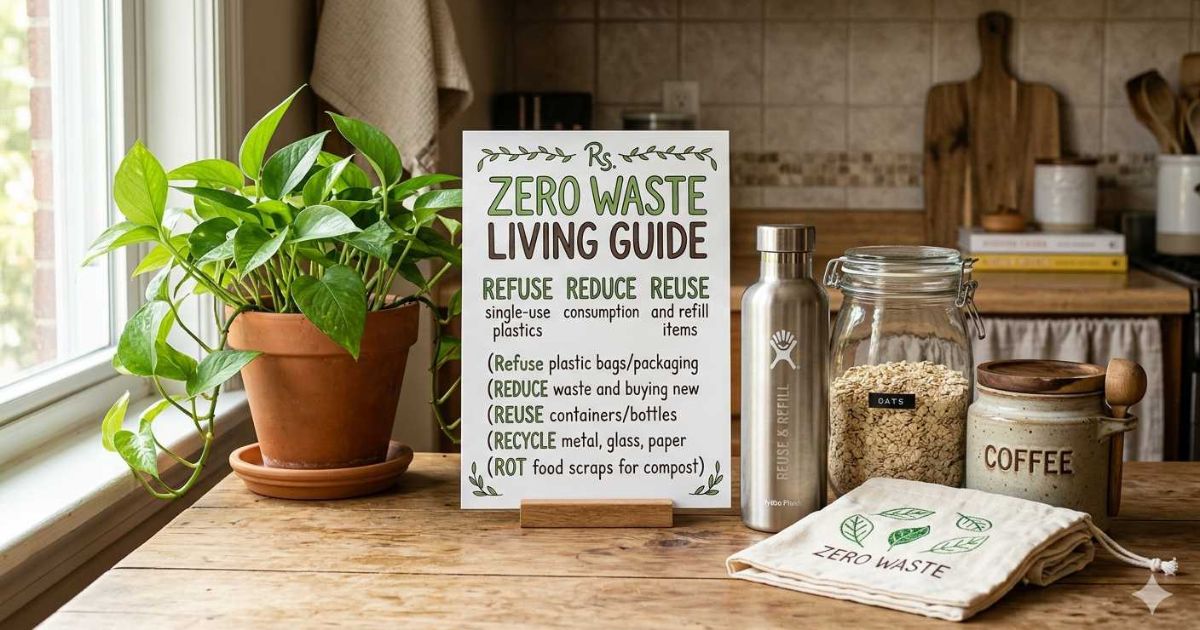
You’ve probably heard about zero waste living. It sounds difficult, right? Like you need glass jars for everything and can never buy anything in plastic. But in reality, the 7 Rs zero waste living approach makes sustainable living simple and practical for everyday life.
You don’t need to be perfect to get started. Small, consistent changes can help you reduce waste, save money, and build a healthier home. Whether you’re improving your kitchen or designing a zero-waste living room, this guide will help you take realistic steps toward a greener lifestyle.
What Are the 7 Rs Zero-Waste Living Principles?
The 7 Rs zero-waste living method is a powerful framework that focuses on reducing waste before it even begins. Instead of relying only on recycling, it encourages mindful consumption and smarter habits.
The seven Rs include the following:
Refuse, Reduce, Reuse, Repair, Recycle, Rot, and Rethink.
These principles support a sustainable lifestyle, promote eco-friendly habits, and help create a clean, healthy home environment.
1. Refuse: Avoid What You Don’t Need
The first step in 7 Rs zero waste living is to refuse unnecessary items. This includes plastic bags, excess packaging, and free items you don’t actually need.
By saying no to waste before it enters your home, you reduce clutter and support a zero waste lifestyle. It’s a simple habit with a big impact.
2. Reduce: Cut Down on Consumption
Reducing means using fewer resources and buying only what you truly need. Choosing quality over quantity is key to a minimalist lifestyle.
For example:
- Buy fewer, long-lasting products
- Avoid fast fashion
- Choose items with less packaging
This step helps you live more intentionally while supporting sustainable living.
3. Reuse: Choose Reusable Options
Reusing items is one of the easiest ways to reduce waste. Instead of throwing things away, find ways to use them again.
Reusable bags, bottles, and containers are essential for a plastic-free lifestyle. In your home, especially in a zero waste living room, you can reuse decor, furniture, and everyday items.
4. Repair: Fix Instead of Replacing
Before you throw something away, consider repairing it. This habit reduces waste and extends the life of your belongings.
Simple actions like fixing furniture, sewing clothes, or repairing small devices support a green living mindset and help create a more sustainable home.
5. Recycle: Dispose the Right Way
Recycling is important, but it should come after refusing, reducing, reusing, and repairing.
Make sure you separate materials correctly and follow local recycling rules. Recycling supports environmental sustainability, but it works best when combined with other zero waste habits.
6. Rot: Compost Organic Waste
Composting, or “rot,” turns food scraps into useful nutrients for the soil. It’s a great way to reduce household waste and support an eco-friendly home.
Even small compost systems can make a big difference in reducing landfill waste.
7. Rethink: Change Your Habits
The final step in 7 Rs zero waste living is to rethink your daily choices.
Ask yourself:
- Do I really need this?
- Is there a sustainable alternative?
- What impact does this have on the environment?
Rethinking helps you build long-term sustainable habits nd make smarter decisions.
How to Create a Zero Waste Living Room
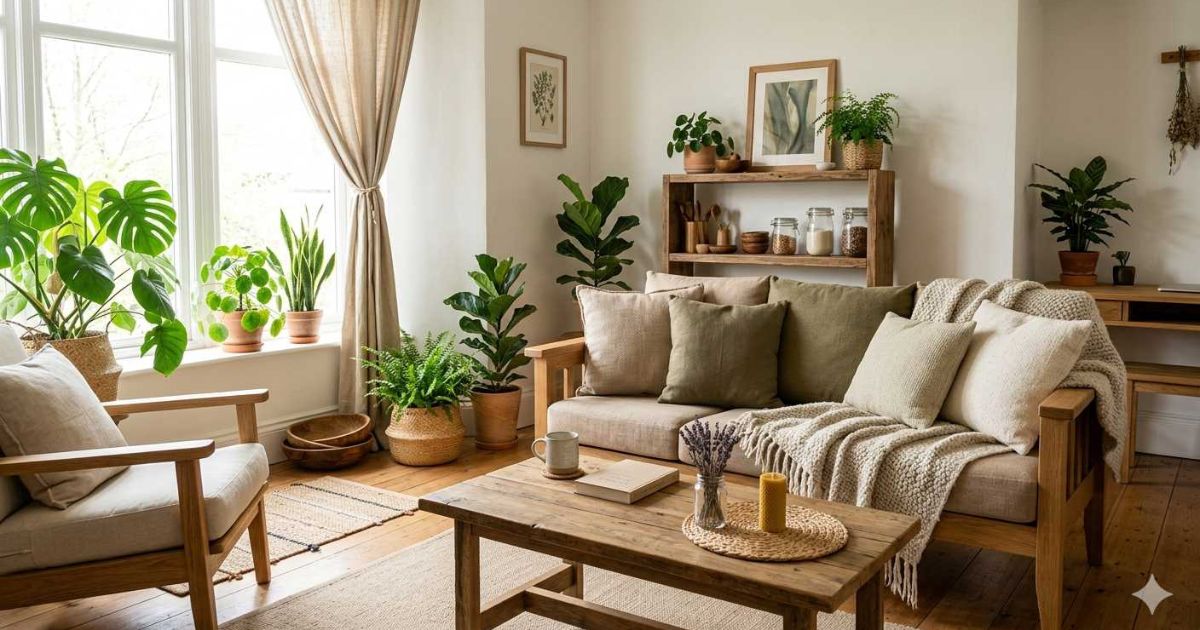
Designing a zero waste living room is easier than you think. It’s all about choosing sustainable materials, reducing clutter, and avoiding unnecessary waste.
1. Choose Sustainable Furniture
Go for furniture made from natural, recycled, or second-hand materials. This supports a green home lifestyle and reduces environmental impact.
2. Use Eco-Friendly Decor
Decorate your space with items that are reusable and natural:
- Cotton or linen cushions
- Handmade or recycled decor
- Indoor plants for a fresh, natural look
3. Keep It Minimal
A clutter-free space reflects a simple living mindset. Keep only what you need and love.
Minimalism not only reduces waste but also creates a calm and organized environment.
4. Save Energy
Use energy-efficient lighting like LED bulbs and take advantage of natural light. This supports sustainable home design and lowers energy consumption.
5. Avoid Disposable Items
Replace single-use products with reusable alternatives such as cloth napkins and washable cleaning materials.
A zero-waste living room is not just stylish—it’s practical and sustainable.
Benefits of 7 Rs Zero-Waste Living
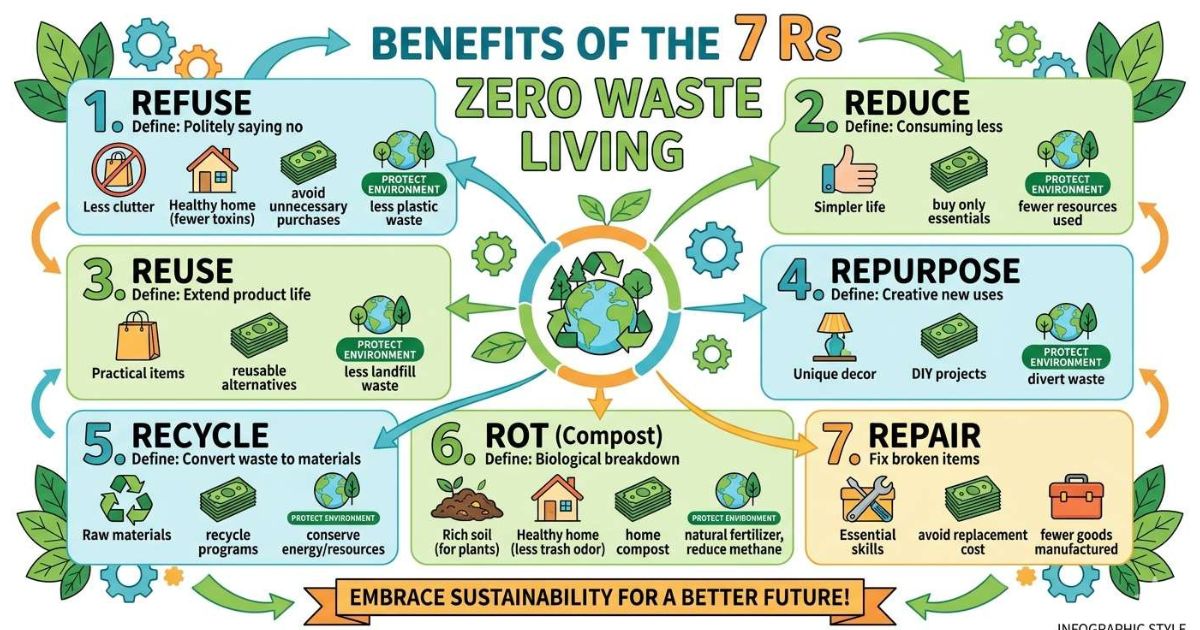
Adopting the 7 Rs zero-waste living approach offers real benefits:
1. Healthier Living Space
Reducing plastic and chemicals creates a safer indoor environment for you and your family.
2. Save Money Over Time
Reusing and reducing purchases helps cut unnecessary expenses.
3. Protect the Environment
Less waste means less pollution and a smaller environmental footprint.
4. Simpler Lifestyle
Living with less brings clarity, reduces stress, and improves overall well-being.
Easy Tips to Start Today
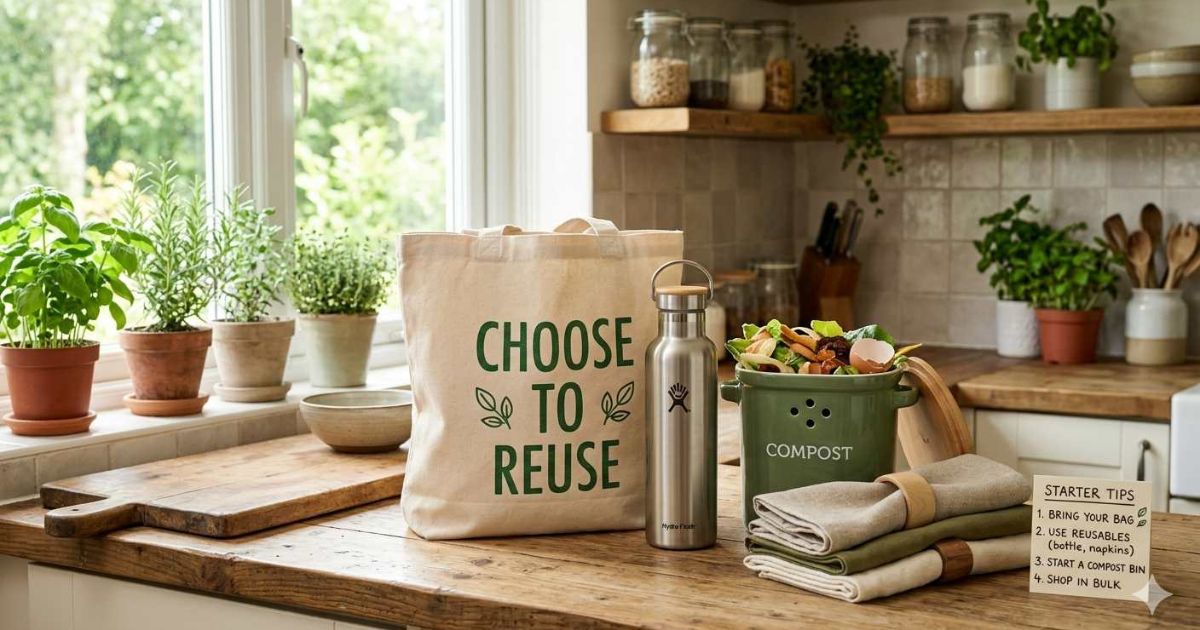
Starting your zero-waste journey doesn’t have to be overwhelming. Begin with small, manageable steps:
- Carry reusable shopping bags
- Avoid single-use plastics
- Start composting at home
- Declutter your space
- Make mindful purchases
Even small actions can lead to meaningful change.
Final Thoughts
The 7 Rs zero-waste living method is about progress, not perfection. Every small step you take helps create a more sustainable future.
From your kitchen to your zero-waste living room, each decision matters. By adopting eco-friendly habits and thinking more consciously, you can build a healthier home and a better lifestyle.
Start simple, stay consistent, and remember—living with less waste means living with more purpose. 🌱