

Mediterranean Interior Design combines recognizable colors, materials and furniture details with everyday comfort. This guide explains how to adapt the look to your own home, including living rooms, bedrooms, kitchens and budget-friendly updates.
Understanding the Style
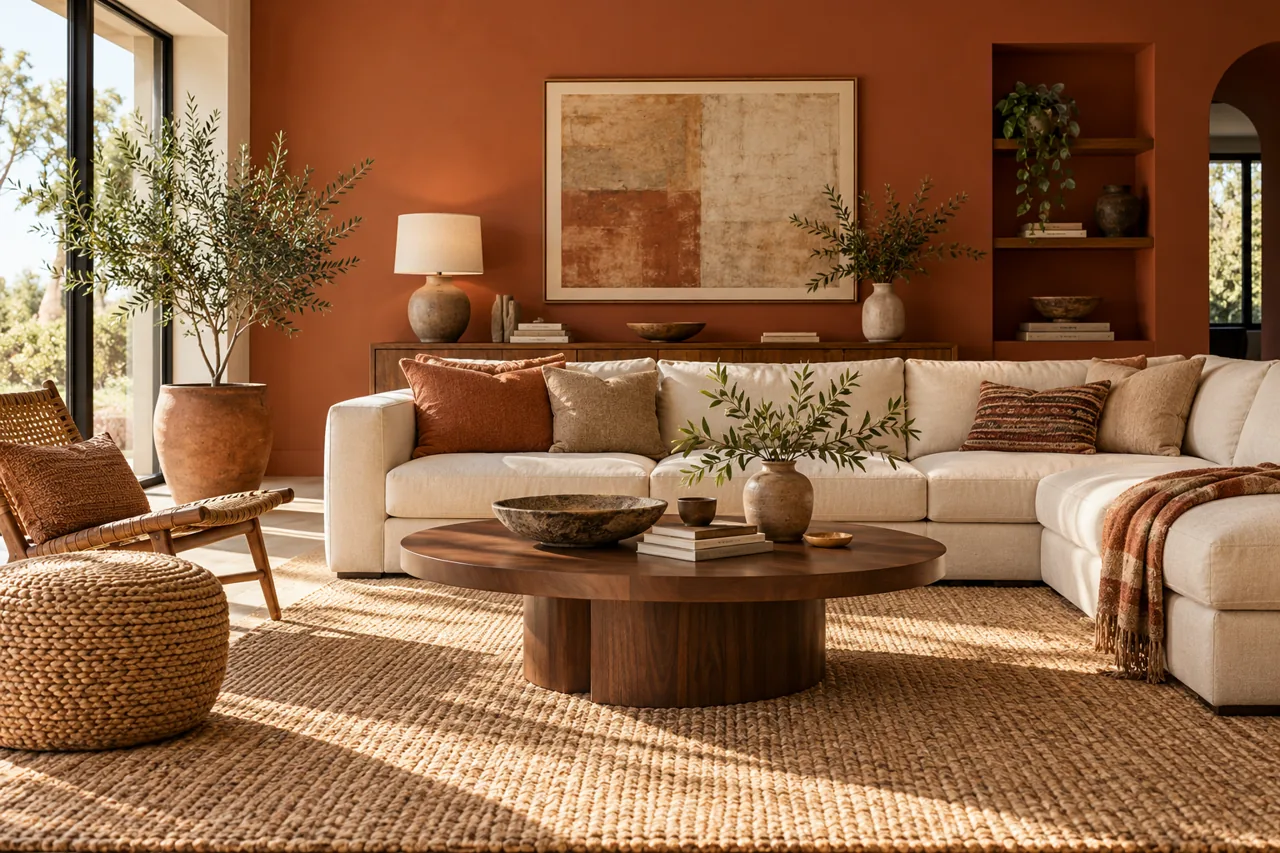
Mediterranean interior design is best understood as a collection of design choices rather than a shopping checklist. Its recognizable features include arched openings, relaxed seating and handmade pottery. In a real home, the aim is to interpret these ideas in a way that fits the room’s dimensions, daylight, architecture and daily routines. A successful room needs comfortable furniture, clear movement paths and storage as much as it needs visual character. Before changing anything, photograph the space from several angles and note which elements already support the look. Keeping suitable existing furniture can make the result feel more authentic and less like a staged display.
Signature Colors and How to Combine Them
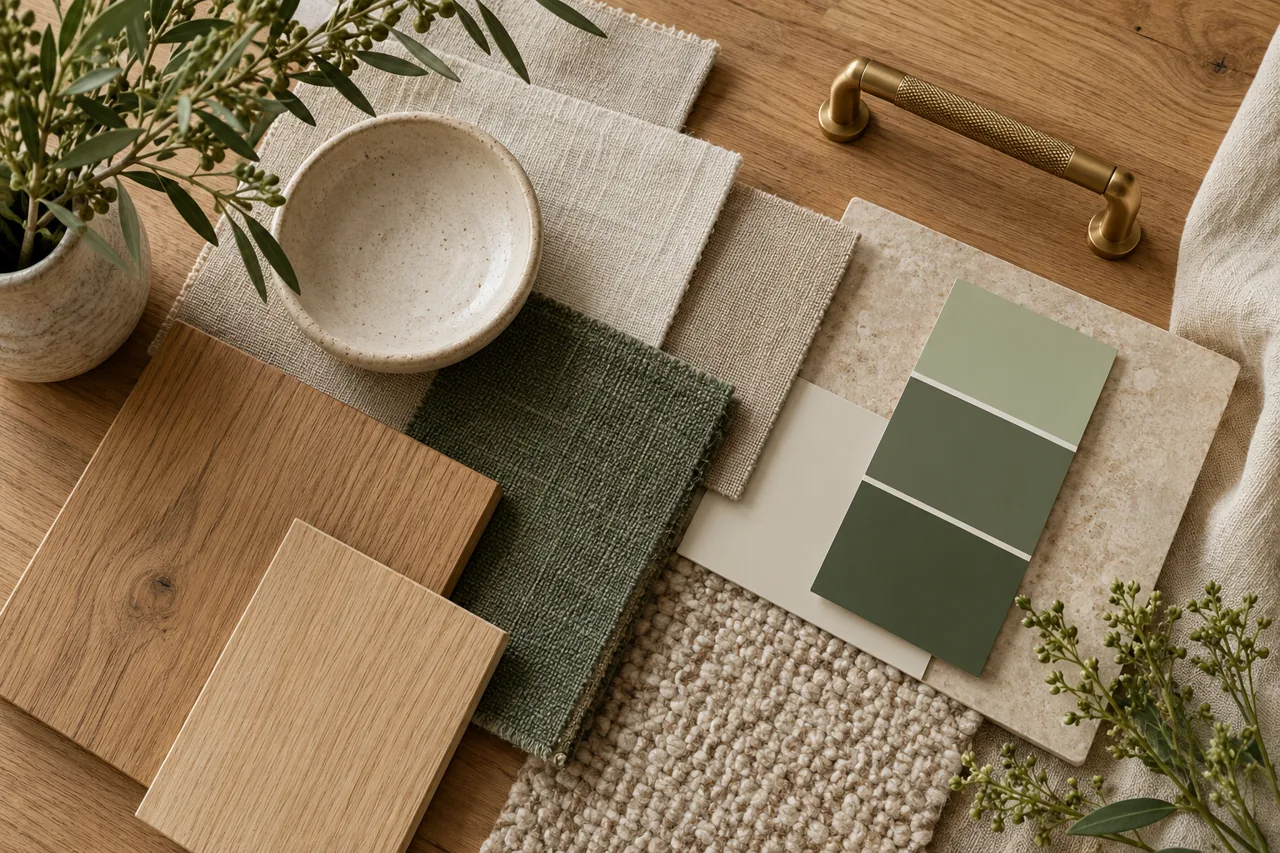
A useful starting palette includes sun-washed white, terracotta, sandy beige and sea blue. Rather than applying every color equally, select one main background shade, one supporting tone and a small accent. Test paint samples beside flooring and furniture in both daylight and evening light. If a room is small, a light background can help create an airy impression, but deeper colors can also feel inviting when paired with sufficient lighting. Repeat an accent in artwork, textiles or ceramics to connect different areas. Colors should complement the actual finishes in your home rather than follow an inspiration photograph exactly.
Materials and Textures That Create the Look
Materials strongly influence the mood of a mediterranean room. Common choices include limewashed walls, rustic wood, woven textiles and ceramic tile. You do not need every material in a single space. Choose two or three that suit your budget and maintenance needs, then vary their textures. A smooth surface beside a woven textile or natural wood can create visual depth without excessive decoration. Consider cleaning, durability and moisture resistance before using a finish in kitchens or bathrooms. When possible, reuse existing furniture and look for durable secondhand pieces. Quality and thoughtful placement generally matter more than the number of decorative items.
Furniture Shapes and Room Layout
Anchor a Mediterranean-inspired living room with a comfortable sofa, then combine it with timber and a restrained woven accent. Keep the arrangement open enough to reach windows and doors. A large rustic table can provide character, but its real dimensions and surface care need to suit the household. Avoid filling every gap with a pot, stool or basket simply because the materials appear natural.
Living Room Decorating Ideas
Start your living room with a comfortable sofa and a rug that visually anchors the seating. Introduce the style through arched openings, relaxed seating and handmade pottery, but adapt each detail to the room’s scale. For example, a single distinctive lamp or artwork can have more impact than several competing accessories. Use a combination of overhead and lower-level lighting for flexibility. Add a side table near each frequently used seat. If you display collections, group related objects and leave some open space. Keep cables, remotes and everyday paperwork in practical storage. The best living room communicates a clear style while remaining welcoming for guests and everyday relaxation.
Bedroom Decorating Ideas
A Mediterranean-inspired bedroom can use cream bedding, a textured throw and one muted earthy or sea-toned accent. Let a timber headboard or a simple artwork provide focus instead of decorating all four walls. Choose curtains that manage both daylight and sleep. Keep rough baskets, oversized pots and ornamental stools away from the route around the bed and from cupboard doors.
Kitchen and Dining Room Ideas
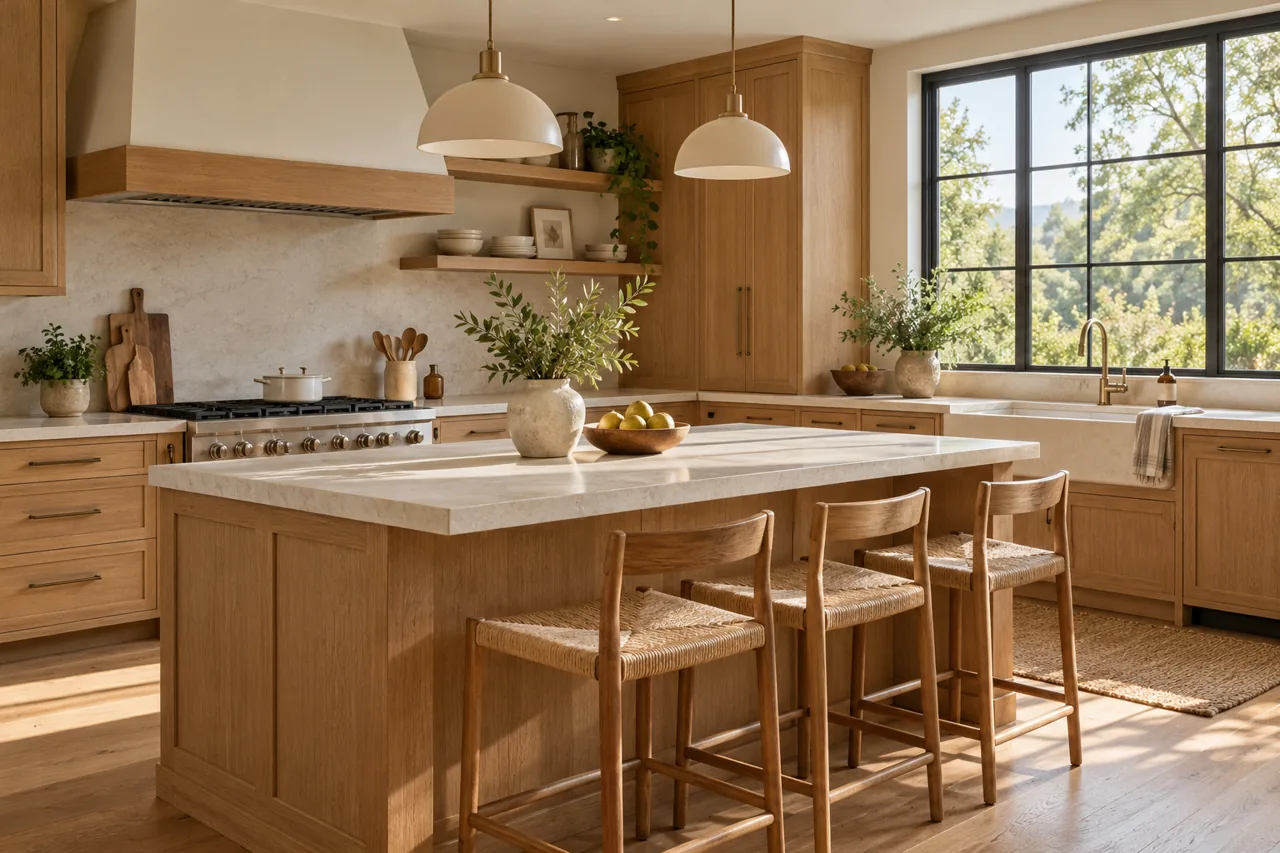
Kitchen and dining spaces benefit from design choices that are attractive but practical. You can introduce mediterranean character through cabinet colors, hardware, stools, lighting or tableware without undertaking a full renovation. Prioritize easy-to-clean materials near cooking and preparation areas. A dining table should allow comfortable seating and enough space to pull out chairs. One well-chosen pendant or centerpiece may provide the strongest visual impact. Use open shelving sparingly if it creates additional cleaning work. Keep frequently used objects accessible and reserve purely decorative pieces for locations where they do not interrupt daily tasks.
Lighting for Atmosphere and Function
Mediterranean-inspired lighting can feel relaxed while still being practical. Use adjustable window coverings to soften glare during the day, then place shaded lamps near the seating for evening use. A woven pendant may add texture but should not cast distracting shadows over a dining or work surface. Check the fitting’s size, clearance and cleaning access before choosing it for appearance alone.
Walls, Artwork and Accessories
A Mediterranean-inspired display can use a ceramic serving dish, a woven basket and one framed landscape while keeping nearby surfaces useful. Repeat a colour from the room’s tile or textiles instead of adding several different coastal motifs. Ask how rough or unglazed pottery should be cleaned and protect furniture beneath it. Choose objects with a purpose or personal connection rather than a generic holiday theme.
How to Achieve the Style on a Budget
For Mediterranean warmth on a limited budget, work with the room’s existing light and flooring first. A tested off-white paint, linen-look curtain or terracotta-coloured cushion can establish a direction. Keep sound timber pieces and remove accessories that compete with them. Do not add artificial beams or imitation stone simply to signal the style; compare their cost and maintenance with a quieter, reversible change.
Mistakes to Avoid
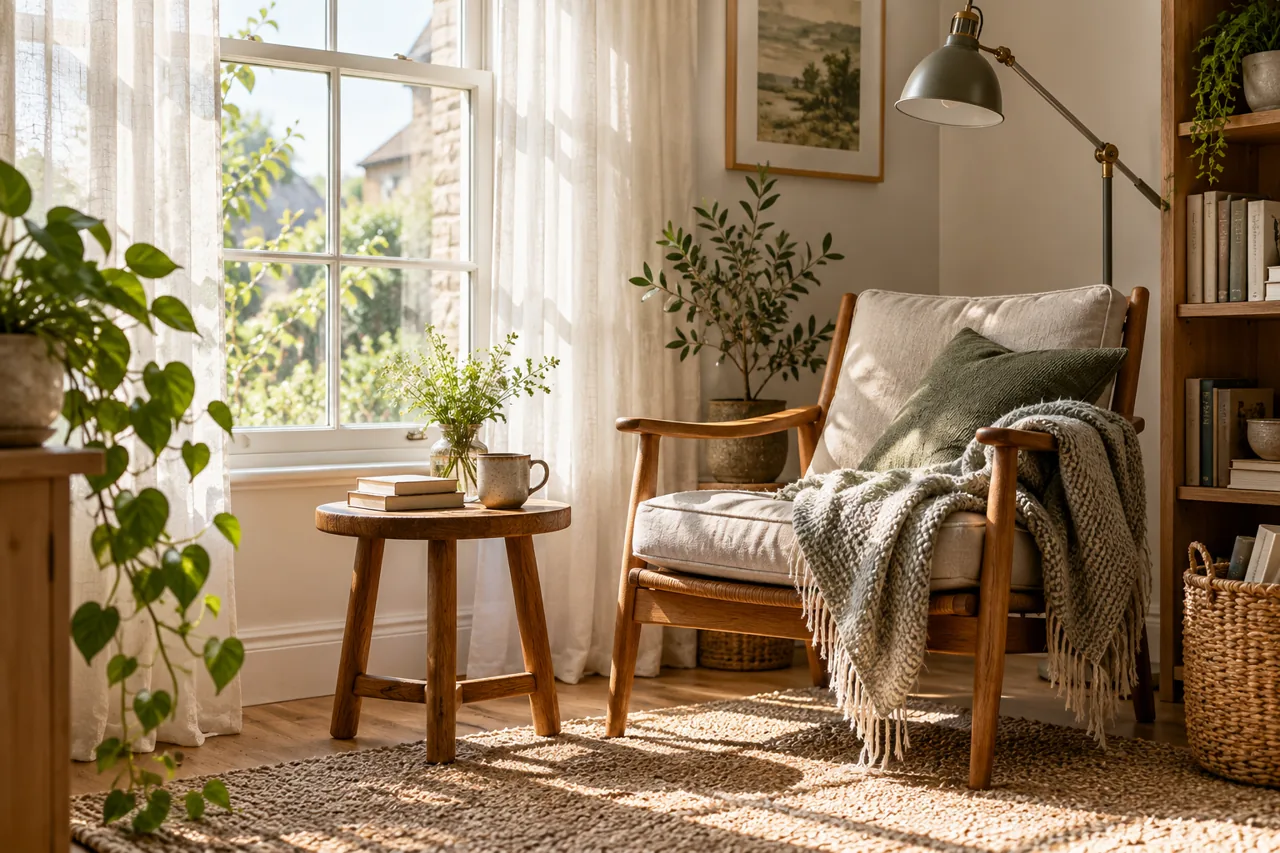
Avoid combining every Mediterranean reference in one room: blue shutters, terracotta walls, heavy beams, patterned tile and rope accessories can compete. Choose a few qualities that suit the architecture and climate. A sunlit photograph does not show insulation, privacy or cleaning demands, so evaluate those separately. Prefer comfortable furniture and genuine material information over an artificially aged finish with no practical benefit.
A Simple Step-by-Step Decorating Plan
First, define the atmosphere you want in three words. Second, measure the room and decide what furniture stays. Third, choose a limited palette inspired by sun-washed white, terracotta, sandy beige and sea blue. Fourth, identify one focal point, such as a sofa, dining table or artwork. Fifth, introduce appropriate materials such as limewashed walls, rustic wood, woven textiles and ceramic tile. Sixth, improve lighting and storage before buying additional décor. Seventh, add a few personal accessories and photograph the room again. Wait several days before deciding what else is needed. This gradual approach reduces unnecessary purchases and helps the finished space feel coherent.
Frequently Asked Questions
Can mediterranean interior design work in a small apartment? Yes. Use appropriately scaled furniture, a limited palette and efficient storage. Do I need to renovate? Usually not. Textiles, lighting, artwork and furniture arrangement can make a meaningful difference. Should all furniture match? No. Repeated colors, materials and compatible proportions can create cohesion without identical pieces. How do I keep the room practical? Preserve clear walkways, useful surfaces, durable finishes and accessible storage. Where should I start? Begin with the room’s layout and the pieces you already own before purchasing new décor.
Final Thoughts
Mediterranean interior design can inspire a home with a distinctive atmosphere, but the most important decisions are personal and practical. Choose a few defining elements, use them consistently, and allow enough space for comfort and daily life. For a broader comparison of styles, explore our interior design aesthetics guide. For additional architecture and decorating inspiration, see Architectural Digest.