

Does attic insulation help in winter? Yes. When the rooms below are warm and the attic above is cold, insulation slows heat flow through the ceiling. Sealing gaps at the same boundary also helps keep heated indoor air from leaking into the attic. Together, these improvements can make rooms below the attic more comfortable when the existing ceiling is thin, patchy or leaky.
If only one room is cold, check what makes that room different. A drafty attic hatch, a gap above the exterior wall or poor airflow from the heating system can each produce a different pattern.
For materials, R-values and attic-floor or roofline options, see our Attic & Roof Insulation guide.
How attic insulation helps in winter
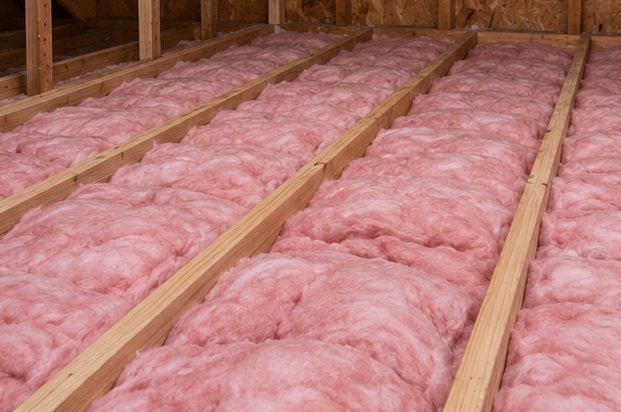
Heat moves from warmer areas toward colder ones. An upstairs ceiling below a cold vented attic can lose heat through drywall and framing. Indoor air can also escape through gaps around the hatch, wiring or plumbing. As a building loses air through openings high up, outdoor air can enter elsewhere. That can contribute to drafts you feel away from the attic.
An insulated ceiling can stay warmer on the room side. That can make a room feel more comfortable even at the same thermostat setting. Compare rooms facing similar outdoor conditions. A large window or an uninsulated wall may account for cold surfaces in a room whose ceiling is already well protected.
Read the clues in a cold upstairs
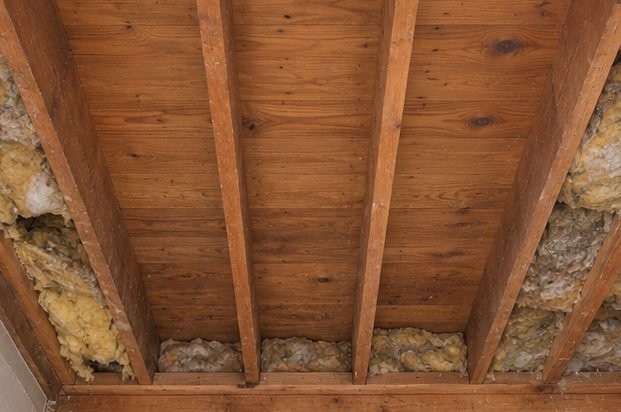
If the entire top floor feels cooler than downstairs, ask whether the attic floor has continuous coverage over those rooms. Compare the ceiling near the hatch, eaves and above a cold hallway. From a stable point, look for visible framing, bare patches and insulation pushed aside by previous work. If you cannot see those areas safely, ask an assessor to check them.
If one bedroom gets cold overnight, note whether its door is normally closed and how much warm air reaches it. A room over a garage, one with exterior walls on three sides or one at the end of a long duct can lose heat differently from the other bedrooms. A ceiling upgrade may still help. Identifying the strongest clue first can prevent you from paying to fix the wrong surface.
Pair winter insulation with air sealing
A vented attic usually belongs outside the heated enclosure, which puts the boundary at the ceiling. Ask the installer to check openings at the hatch and frame, plumbing penetrations, partition walls and dropped ceilings while those surfaces are accessible. Have them identify any fixtures and flues that need specific materials or clearance before insulation covers nearby surfaces.
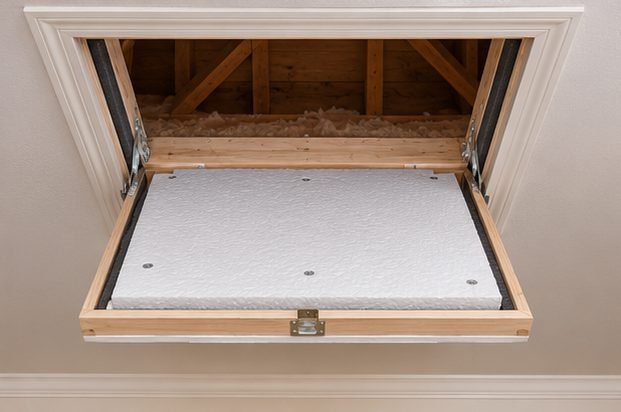
A tight-fitting, insulated hatch matters because the surrounding insulation cannot help much with air moving through an opening. Ask the technician to examine the entire assembly if you have pull-down stairs or a knee-wall door. Take photos as work progresses, especially in places that will be hard to see under loose fill.
Frost, condensation and ice dams need diagnosis
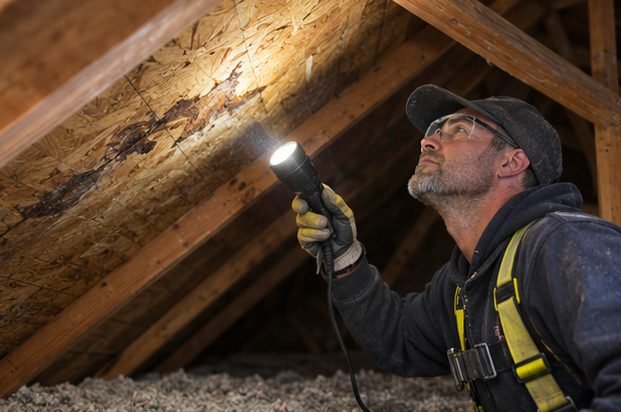
Frost or stains on sheathing can have more than one cause. Moisture from bathrooms or other indoor sources may be entering the attic. A roof leak may also wet sheathing or insulation. Confirm where exhaust ducts end. Have water entry evaluated before adding new insulation or changing the attic ventilation.
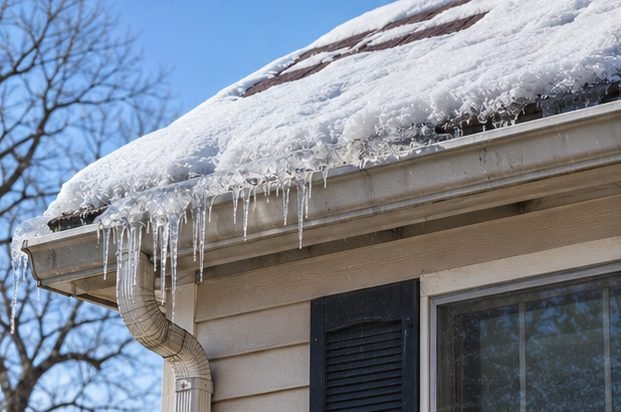
Ice dams can form when snow melts on a warmer roof area and refreezes near the colder edge. Improving the ceiling insulation and sealing leaks into a vented attic can help reduce one source of roof warming. Roof shape, drainage, sunshine and outdoor temperatures also affect what happens. Have a roofer assess recurring ice or leaks and stay off icy surfaces.
Does attic insulation help more in summer or winter?
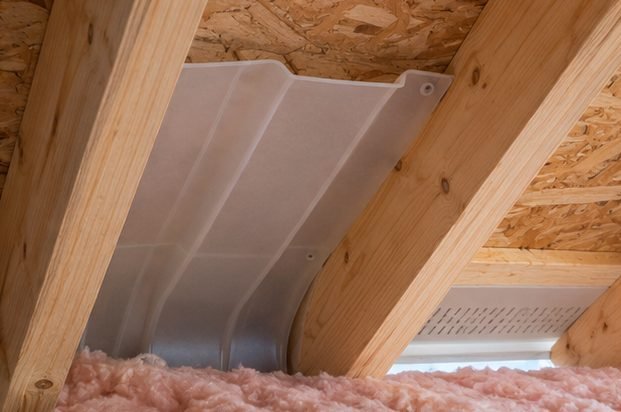
Start with the season that creates the bigger comfort or energy problem for your home. In a cold climate with sustained heating and thin ceiling insulation, winter benefits can be more noticeable. In a hot, sunny climate with long cooling seasons, resistance to heat entering through the ceiling may matter more. A home with similar demands in both seasons can benefit in both.
Even in the same ZIP code, two houses can see different results. One may lose heat through a leaky access hatch and bare joist bays. Another may have a well-sealed ceiling and poorly performing ducts. An estimate based only on outdoors temperature or attic depth cannot explain both. Use an assessment when the likely savings matter for a large project decision.
Pick a winter upgrade you can verify
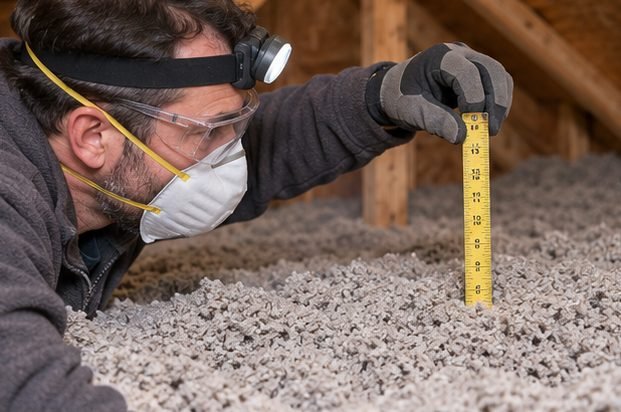
Check the recommended insulation level for your climate and condition, then have the installer measure the existing layer and identify the material. Include low areas and the perimeter. Ask for a written target and the product details. The package coverage chart, installed depth and job photos give you different ways to check the same scope.
Agree on what happens if the installer finds damp insulation, unclear clearances or suspected vermiculite. That lets the installer address problems before they are hidden. Keep the original estimate, photos and any diagnostic results together so you can compare options if one room still needs work later.
Does attic insulation help in winter after an upgrade?

Use a room thermometer in the same location before and after. Compare nights with similar outdoor temperatures and thermostat schedules. Notice whether the room loses heat more slowly or whether the ceiling side of the room feels less cold. If you compare monthly bills, remember that heating usage also changes with weather and household behavior. Similar-weather observations are better for understanding a change in one room.
If you want to know whether attic insulation helps in winter in your home, check whether comfort changes on comparable nights. If the room is still cold, compare it with a room served by the same heating system. A difference that appears only when the door closes suggests an airflow investigation. A surface that stays cold along an exterior wall suggests looking at the wall assembly or adjacent spaces. Record when and where you notice the problem before requesting a follow-up.
For supporting guidance, see U.S. Department of Energy’s guide to air sealing existing attics.
For a winter upgrade, start with why attic insulation matters, then check when to stop adding attic insulation before buying more material.
For related guidance, see Floor and Wall Insulation.
Frequently asked questions
Should a vented attic feel warmer after insulation?
The rooms below can feel warmer while the vented attic stays cold. The ceiling assembly reduces heat reaching the attic, and outdoor air still moves through the designed vent paths.
Can attic insulation help with drafts?
Air sealing closes the openings that cause drafts. Include sealing in the attic upgrade so the insulation and air barrier work together.
When should I call a professional?
Arrange qualified help for unsafe access, suspected vermiculite, active leaks, unclear hot-surface clearances, electrical issues or attic combustion equipment affected by the work.