

Coastal Cottage Interior Design offers ideas for combining distinctive materials, colors and furniture with everyday comfort. Explore its defining features and learn practical ways to adapt the look to your home.
What Is Coastal Cottage Interior Design?
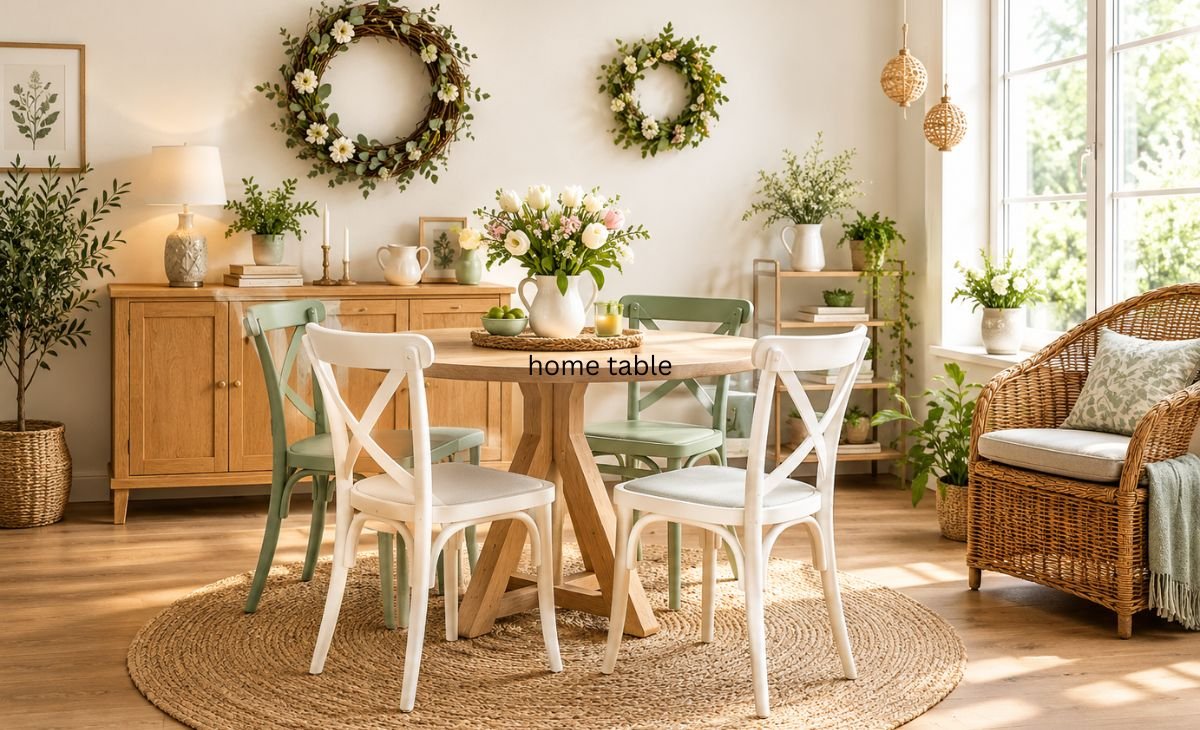
Coastal cottage interior design combines the charm of a compact, lived-in cottage with breezy colors, natural textures and practical seaside-inspired details. Unlike a sleek coastal modern room, it welcomes vintage furniture, simple cabinetry, cozy textiles and a little imperfection. A cottage need not be located on the shore: the approach works in small suburban houses and apartments as well. Think painted wooden furniture, cotton curtains, woven baskets and a comfortable sofa with a washable cover. The goal is to make the most of modest rooms, not to fill them with beach signs or decorative anchors. Good storage, easy cleaning and durable materials are central to the style.
Coastal Cottage Colors: White, Blue and Weathered Wood
Start with warm white or cream for walls, then add muted blue, sea-glass green, sand and weathered wood. Pale colors help compact rooms feel open, but too much bright white can seem stark. Balance painted surfaces with natural timber and soft woven textiles. For a subtle coastal reference, repeat blue in a cushion, framed landscape and ceramic bowl. Avoid using strong turquoise on every wall or buying matching beach-themed accessories. Test paint samples against existing floors and cabinets; natural light and warm bulbs can change undertones. A limited palette helps older furniture pieces feel connected even when they are not from the same set.
Cottage-Friendly Materials and Finishes
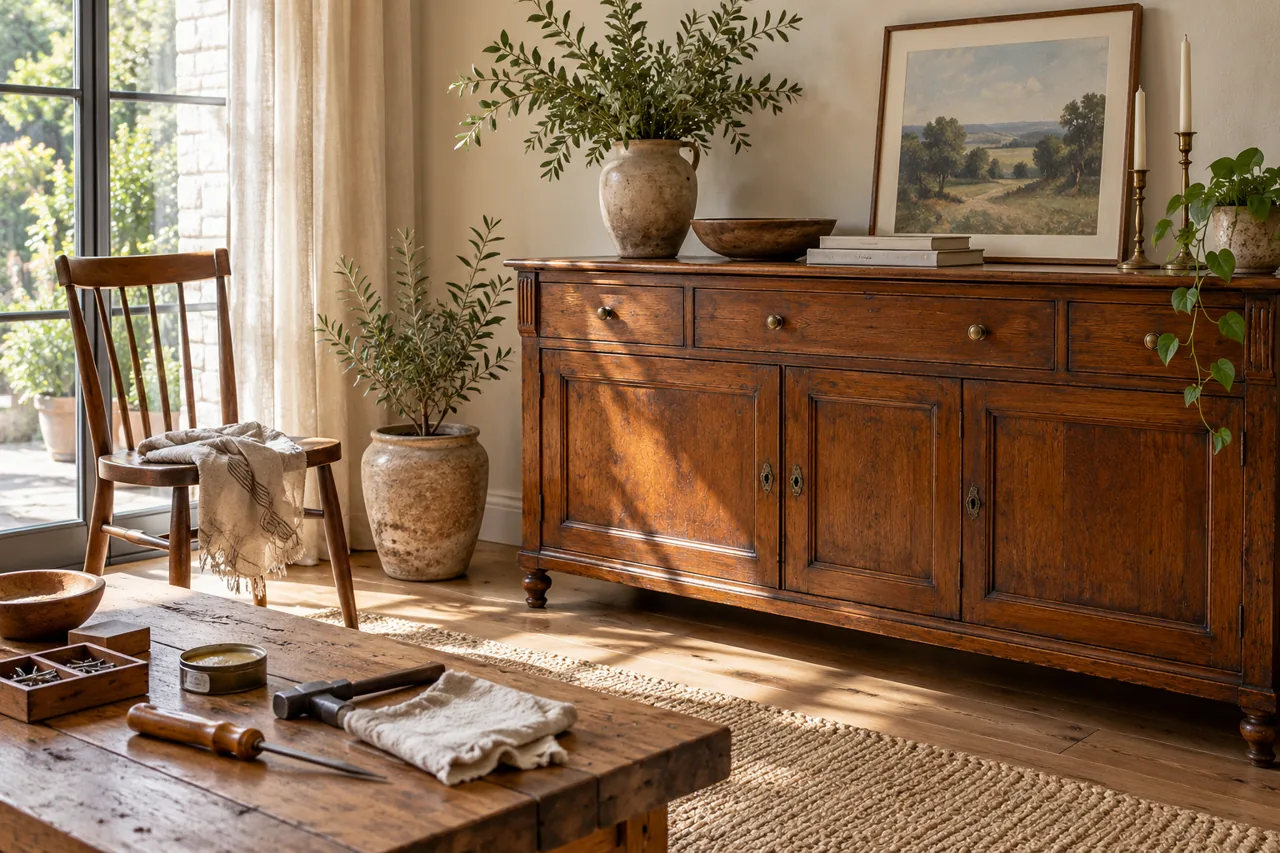
Painted timber, beadboard-style paneling, cotton, linen blends, woven rugs, ceramic and simple metal hardware suit coastal cottage rooms. Choose finishes that can withstand daily wear and are easy to clean. If you live near salt air, select suitable corrosion-resistant hardware and maintain painted surfaces. In kitchens and bathrooms, moisture resistance matters more than decorative authenticity. An existing wooden dresser can be repainted or refinished if it is structurally sound. Pair smoother painted furniture with textured baskets or rugs for warmth. Do not cover every wall in paneling; one modest feature can communicate cottage character without making the room busy.
Furniture for Small Coastal Cottage Rooms
Choose compact, comfortable furniture with familiar shapes: a loveseat, slipcovered chair, narrow side table, painted dresser or simple wooden dining table. Oversized sectional sofas may block movement in a small cottage, so measure carefully. Furniture with storage, such as an ottoman or sideboard, can keep blankets and supplies organized. Mix secondhand and newer pieces by repeating one paint color or wood tone. Keep routes to windows and doors clear, especially in rooms with unusual cottage layouts. A smaller room can feel welcoming with a few well-chosen pieces rather than many tiny decorative tables. Prioritize comfort and flexibility over strict matching.
Coastal Cottage Living Room Ideas
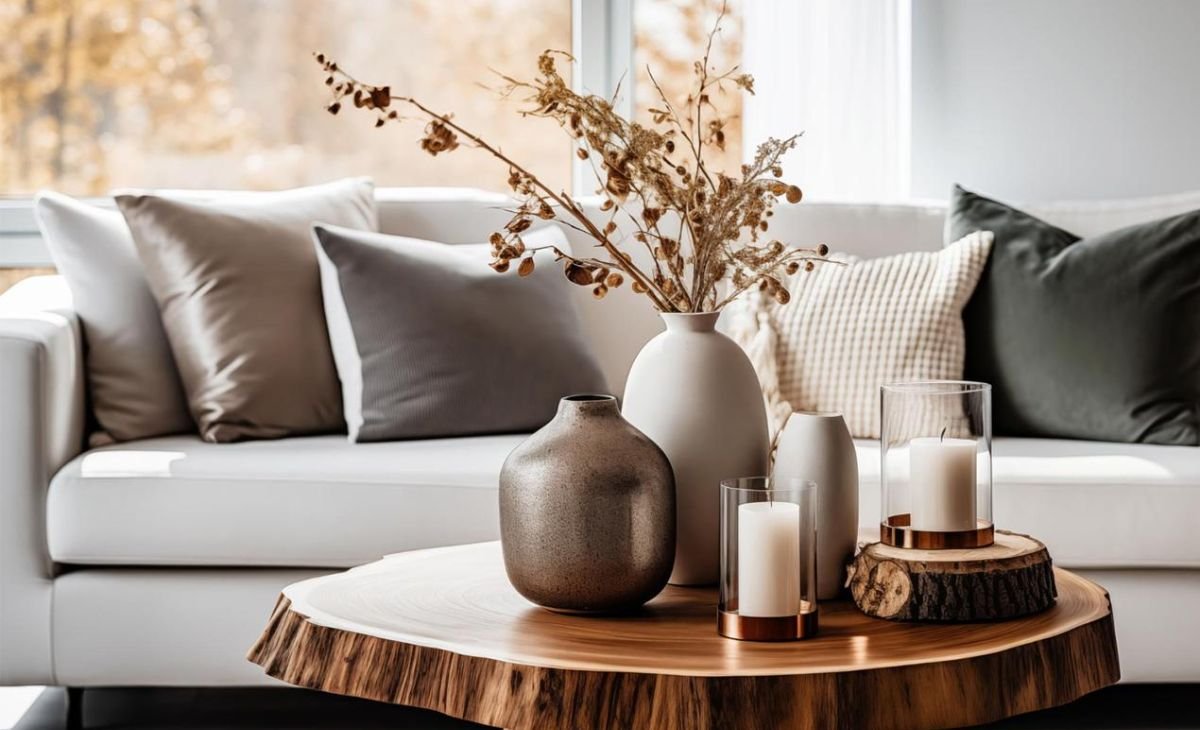
Use a comfortable cream or pale blue sofa as the anchor, then add a wooden coffee table and a textured rug. A small painted bookcase can hold books and baskets, while a lamp near the sofa makes reading easy. Light-filtering curtains can soften windows without blocking daylight. Choose one framed seascape or landscape if it has personal meaning, but avoid covering every surface with nautical motifs. In a small living room, use a storage ottoman instead of a bulky coffee table. Keep textiles washable where possible. Coastal cottage rooms should feel cozy enough for daily life and bright enough to remain cheerful on cloudy days.
Coastal Cottage Bedroom Ideas
A cottage bedroom can feel charming with a simple painted bed frame, cotton quilt, wooden bedside table and a muted blue accent. Keep bedding comfortable and practical rather than layering too many decorative pillows. If storage is limited, use under-bed drawers or a compact dresser. A small wall-mounted reading light can free up bedside space. Choose curtains or blinds for appropriate privacy and light control. A vintage mirror or framed landscape can add character without overwhelming a narrow room. In a guest bedroom, leave accessible hooks, a small lamp and a clear surface for belongings. The best cottage bedrooms are relaxed and easy to use.
Coastal Cottage Kitchen and Dining Ideas
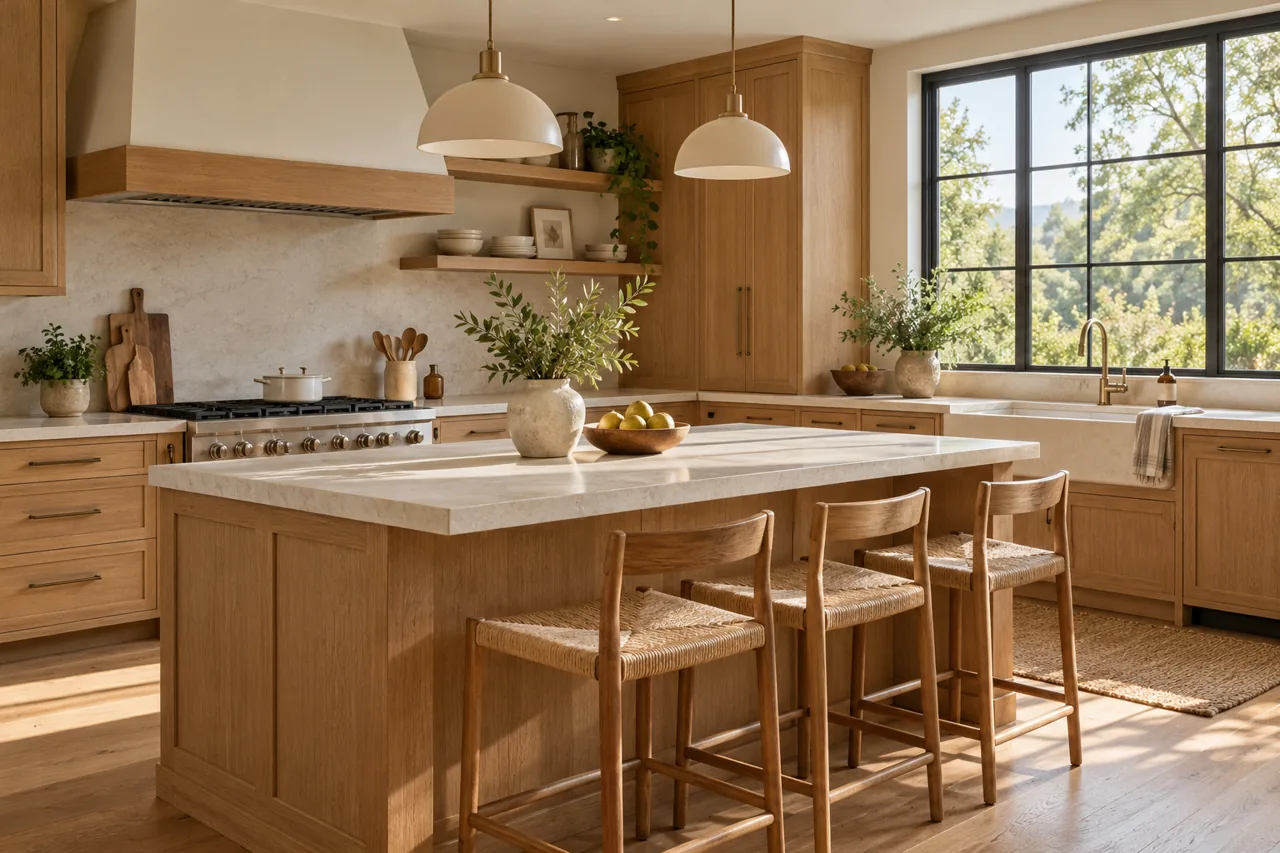
Coastal cottage kitchens often favor simple cabinet fronts, painted wood, warm hardware and useful open shelves. You can introduce the look through cabinet handles, a washable runner or wooden stools without replacing working cabinetry. Keep worktops clear and prioritize adequate task lighting and ventilation. A small round dining table may improve circulation in a compact kitchen, while mismatched chairs can feel charming when they share a paint color. Use baskets only where they provide useful storage and are easy to clean. If the home is humid, choose materials and finishes that tolerate moisture. Practicality is part of the cottage character.
Coastal Cottage Lighting and Daylight
Use natural daylight wherever possible, but do not sacrifice privacy or sun control for a bright photograph. Light curtains, adjustable shades and a simple mirror can help distribute available light. At night, layer ceiling light with table lamps and focused task lighting in the kitchen. Ceramic, woven or painted-metal fixtures can complement cottage materials. Choose bulbs appropriate to reading and cooking rather than making every lamp dim. In older cottages, have unsafe or damaged wiring assessed by a qualified electrician before installing fixtures. Warm evening light and a few textured surfaces create a welcoming atmosphere without expensive decorative lighting.
Beadboard, Artwork and Cottage Accessories
A modest section of beadboard-style paneling, framed artwork, ceramics or a vintage wooden mirror can add cottage personality. Avoid turning the room into a souvenir shop with signs, anchors and shell decorations everywhere. A few personal photographs, books and locally made pottery are often more meaningful. Use wall hooks and baskets where they genuinely solve storage problems. If you want a gallery wall, repeat a frame finish or accent color to create order. Painted shelves can display a small collection without crowding the room. Decorative details should enhance the architecture and daily function, not overwhelm them.
Small Coastal Cottage Decorating Ideas
Compact rooms benefit from multipurpose furniture, clear floor space and a limited palette. Try a narrow console, a loveseat with visible legs and a storage basket for throws. Wall-mounted shelves can hold books while keeping the floor open. In a studio apartment, a rug or small cabinet can define a seating zone without building a partition. Choose curtains that sit neatly around windows and avoid furniture that blocks natural light. A single weathered wood piece can establish cottage character. Measure every doorway and circulation route before purchasing furniture. Cozy should not mean crowded; practical organization creates the welcoming feeling.
Coastal Cottage Decorating on a Budget
Start by cleaning, decluttering and rearranging the furniture you already own. Paint a sound secondhand dresser, change cabinet handles or add a simple cotton throw to introduce cottage character. Shop for durable used wooden tables rather than fragile novelty decor. A framed landscape or small ceramic vase can provide a subtle coastal accent. Use baskets for actual storage needs instead of buying them only for styling. If you rent, choose reversible changes such as textiles, lamps and removable art. Spend on comfortable seating and good lighting before decorative accessories. Gradual updates often look more natural than buying a complete matching collection.
Coastal Cottage Mistakes to Avoid
A common mistake is equating coastal cottage with an overload of nautical signs, rope accents and shell prints. A few subtle references are more convincing. Another is using oversized furniture in compact rooms, which can block circulation. Avoid delicate materials in kitchens, bathrooms or humid environments. Too much painted white can look flat, so add natural wood, woven textiles and gentle color contrast. Do not fill every shelf with decorative objects; leave storage for everyday use. Finally, do not confuse coastal cottage with a large, polished beach house. Its appeal lies in comfort, modest scale and relaxed personal character.
Coastal Cottage Room Styling Checklist
First, measure the room and identify where storage is lacking. Second, choose a warm neutral base with a soft blue or green accent. Third, arrange compact comfortable furniture to preserve circulation. Fourth, add one or two natural materials, such as a wooden table and cotton rug. Fifth, improve daylight and layer lamps for evening use. Sixth, organize belongings in accessible cabinets or baskets. Seventh, add a few personal pieces or artwork. Finally, assess durability and maintenance, particularly in humid locations. A functional cottage room is more successful than one designed only to look charming.
Coastal Cottage Interior Design FAQs
What defines coastal cottage style? Cozy furniture, light colors, practical storage and simple natural materials. Do I need to live by the sea? No. The aesthetic works in many locations. What is the best wall color? Warm white, cream and soft blue are flexible choices. Can I use secondhand furniture? Yes, if the pieces are stable and in good condition. How does it differ from coastal grandma style? Coastal cottage emphasizes compact cottage rooms and practical architectural charm, while coastal grandma is a broader relaxed classic decorating mood.
Final Thoughts
Coastal cottage interior design is about making modest spaces feel bright, comfortable and personal. Choose practical furniture, washable textiles, natural textures and subtle color before adding themed accessories. You can create the look with secondhand pieces and small improvements. For a softer classic interpretation, see our coastal grandma style guide. Explore other approaches in our interior design aesthetics pillar. For additional design references, visit Architectural Digest.