

Classic European Style Interior Design offers ideas for combining distinctive materials, colors and furniture with everyday comfort. Explore its defining features and learn practical ways to adapt the look to your home.
What Defines This Interior Design Style?
Classic European Style Interior Design brings together balanced furniture, timeless architectural details and collected art. The most useful way to approach the style is to understand its visual language and then adapt that language to your own home. A successful room does not need to reproduce a historical building or a professionally staged photograph. It needs comfortable furniture, accessible storage, clear circulation and lighting suited to everyday life. Begin by identifying what you genuinely appreciate about the look. It might be a color combination, a characteristic material or a particular furniture shape. Choose a few elements that work with your existing architecture rather than changing everything at once.
Signature Colors and a Practical Palette
A palette inspired by this look can include ivory, taupe, muted blue and walnut. Choose a main background color, one supporting tone and a restrained accent rather than using every shade equally. Test samples beside your flooring and furniture during both daytime and evening hours. Light changes how colors appear, and a shade that looks balanced online may feel too cool or saturated in your home. Repeat the accent in two or three places to make the room coherent. A rug, cushion and piece of art can connect the palette without making the space look overly coordinated. If the room is compact, prioritize contrast and clarity rather than simply painting everything white.
Materials, Finishes and Texture
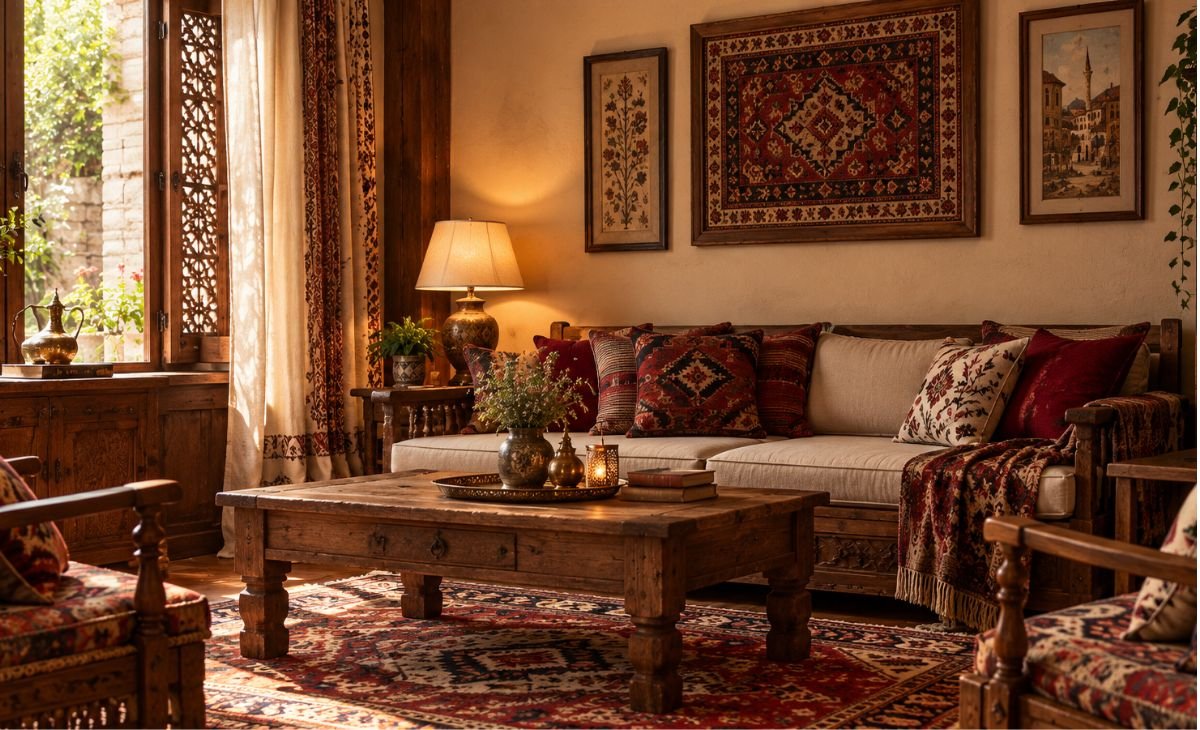
Characteristic materials include moldings, wood, stone and tailored fabrics. Mixing finishes can add depth, but selecting too many at once makes a room feel disjointed. Choose two primary materials and let other textures play a supporting role. A smooth table can look inviting beside a woven rug, while matte ceramics can soften reflective metal or glass. Consider how materials will perform in your climate and routine. Kitchens require easy-clean finishes, bathrooms need moisture-resistant surfaces, and busy living rooms benefit from durable textiles. Secondhand and reused materials can be appropriate if they are safe, sound and suitable for their intended purpose.
Furniture Shapes and Arrangement
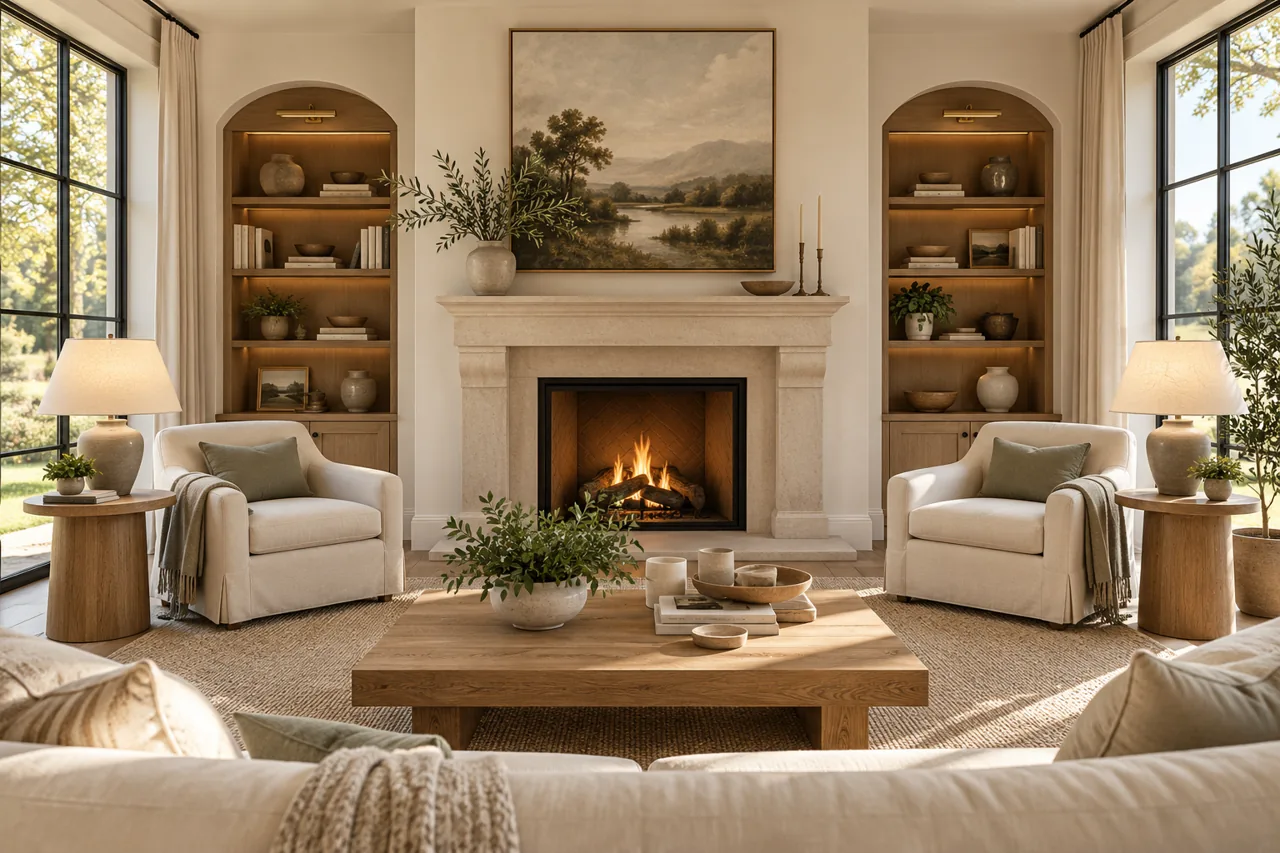
Choose a clear seating arrangement for a classic European-inspired room before selecting decorative finishes. A tailored sofa, one timber table and a pair of chairs can provide structure without requiring a matching suite. Leave space around a fireplace or major artwork so its proportions remain legible. An elegant-looking chair should still support a comfortable sitting position and fit the table or room where it will be used.
Living Room Design Ideas
In a living room, introduce balanced furniture, timeless architectural details and collected art through a few clear decisions. Anchor the seating area with a suitable rug, then use cushions, artwork and lighting to express the palette. A distinctive side table or armchair may be enough to establish the mood. Position seats so people can talk comfortably and reach a surface for drinks or books. Use a combination of overhead and lower-level lighting, especially if the room serves multiple purposes. Closed storage can hide everyday items without sacrificing style. Leave some empty wall and floor space so your favorite design features are easy to appreciate.
Bedroom Design Ideas
A classic European-inspired bedroom can centre on a simply upholstered headboard with related lamps and calm bedding. Add character through a modest pattern, a timber chest or one framed artwork rather than a complete ornate furniture set. Keep the wardrobe route clear and choose curtains for light control as well as appearance. Matching finishes are less important than a balanced relationship between the room’s major pieces.
Kitchen and Dining Room Inspiration
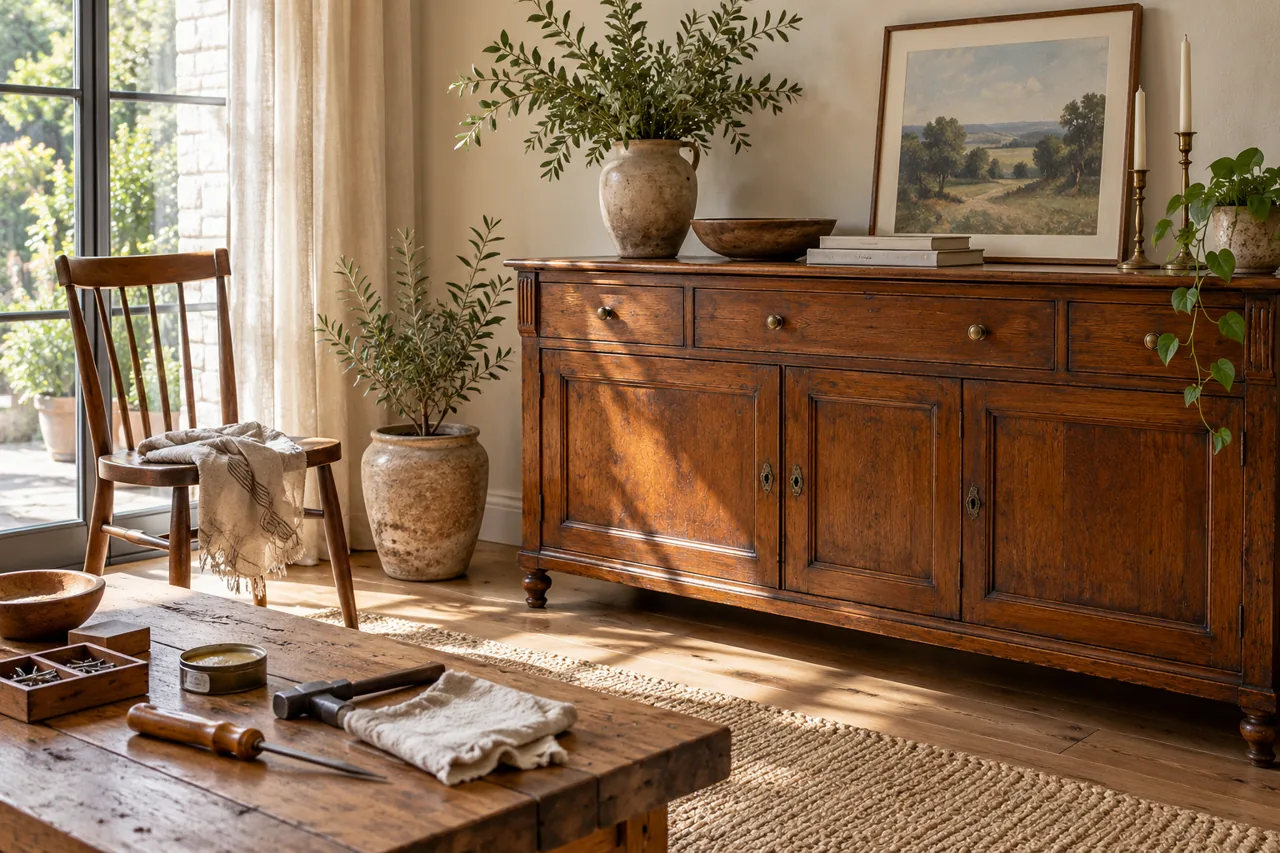
A classic European-inspired dining space can use a well-scaled table, comfortable chairs and a sideboard with room to open its doors. In a kitchen, orderly cabinet fronts and restrained hardware can carry the idea without decorative clutter. Choose stone or stone-look surfaces by their care requirements, not by a generic luxury label. Keep one display area for ceramics rather than making every work surface ornamental.
Lighting and Atmosphere
Light influences the appearance of moldings, wood, stone and tailored fabrics. Use ambient lighting for general visibility, task lighting for reading or cooking, and accent lighting to highlight artwork or architectural details. Natural light can make colors feel lively, while warmer evening lamps often create a more relaxed atmosphere. Choose fixtures based on the size of the room and the amount of light they provide, not only their shape. Avoid glare on screens and mirrors. If you have a dark corner, a well-positioned floor lamp may improve the room more than another decorative accessory. Lighting is part of function, not simply finishing décor.
Wall Decor and Personal Accessories
Let one larger artwork or mirror establish the scale of a classic European-inspired display. Smaller objects can support it through related colours or materials instead of competing for attention. Include a personal photograph, contemporary print or inherited ceramic so the room reflects its occupants. Confirm provenance before making historical claims about a piece, and use fixings suitable for the mirror’s real weight.
Ideas for Small Rooms and Apartments
A small space can still communicate classic european character. Choose furniture with dimensions that leave usable pathways and consider pieces that serve more than one purpose. A storage ottoman, wall-mounted shelf or compact side table can reduce clutter. Rather than adding many small decorative objects, select one distinctive element such as an artwork, lamp or patterned textile. Repeat a few colors throughout the room to connect the arrangement. Mirrors can reflect light when positioned thoughtfully, but they should not create distracting glare. The objective is to preserve comfort while making a clear stylistic statement.
Budget-Friendly Ways to Get Started
For a classic European-inspired room, invest effort in proportions before adding expensive-looking accessories. Rehang existing curtains at a suitable height, regroup artwork and assess the scale of your rug. One sound secondhand timber piece may offer more value than several decorative reproductions. Choose the reference you prefer instead of buying a mixture of vaguely old-world items that need competing colours and finishes.
Common Decorating Mistakes
Avoid treating classic European design as permission to combine every ornate object you find. Mixed periods and references need a connecting palette and a clear hierarchy. False architectural details can look awkward when their scale ignores the existing room. Keep comfortable modern pieces where useful, check the condition of older furniture, and avoid claims of authenticity that the seller or maker cannot support.
Step-by-Step Styling Checklist
First, identify the three features you like most about classic european style interior design. Second, select a palette inspired by ivory, taupe, muted blue and walnut. Third, measure the room and decide which existing furniture to keep. Fourth, choose one focal point. Fifth, add suitable materials such as moldings, wood, stone and tailored fabrics through furniture or textiles. Sixth, plan storage and lighting before decorative extras. Seventh, add artwork and personal objects gradually. Finally, live with the room for several days and observe what feels awkward or unnecessary. Small adjustments to layout often improve the result more than buying another item.
Frequently Asked Questions
Is classic European design one historical style? No; the label covers several traditions, so be specific about your references. Can the room include modern furniture? Yes, when scale and material relate to the rest of the scheme. Are antiques necessary? No: sound construction, comfortable seating and carefully judged proportions matter more than age. Treat a reproduction as a design choice, not as a verified historic object.
Classic European Interior Design: A Room-by-Room Approach
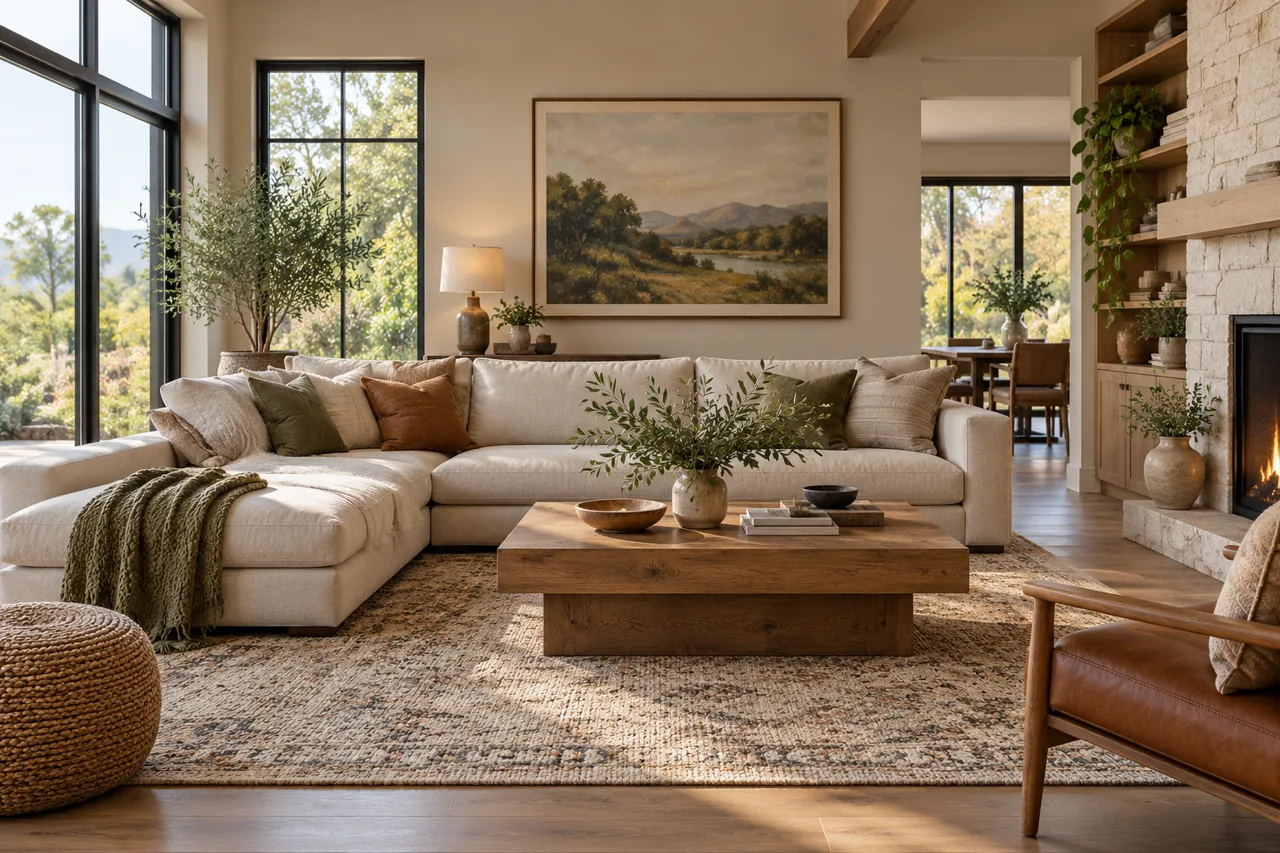
Classic European interiors are not a single historical style. French, Italian, British and other regional traditions differ, but many elegant contemporary interpretations share balanced furniture arrangements, thoughtful proportions, natural-looking materials and layered details. Rather than mixing every period feature into one room, choose a clear direction and build around pieces you can comfortably use.
Living room: focus on proportion and balance
Begin with a sofa that fits the room and position accent chairs to support conversation. A traditional-looking rug can visually connect the seating group, while a framed mirror or artwork creates a focal point. Matching every object is unnecessary: repeating a timber tone or metal finish across a few pieces usually creates enough consistency. Keep a clear path between doors and seating.
Bedroom: layer texture, not clutter
Try an upholstered or timber headboard, softly patterned bedding and bedside lamps with warm light. A restrained palette of cream, taupe, muted blue or olive helps decorative shapes feel calm. If the room is small, choose slim bedside tables and avoid oversized furniture simply because it looks grand in a photograph.
Dining room: let one piece lead
A solid dining table, a vintage-style sideboard or a pendant with a classic silhouette can set the tone. Measure chair pull-out space before adding furniture. Combine one expressive feature with simpler supporting pieces so the room feels collected over time rather than like a showroom set.
Affordable Ways to Get a Classic European Look
- Reuse existing timber furniture and refresh hardware where appropriate.
- Look for secondhand mirrors, frames and side tables with good proportions.
- Use washable curtains and comfortable upholstery in timeless colors.
- Choose one decorative motif instead of adding molding, patterned wallpaper and ornate furniture all at once.
- Prioritize lighting, storage and circulation before purely decorative purchases.
Classic European Style: Build a Cohesive Room on a Budget
Classic European is a broad label covering many historical traditions. For a cohesive interpretation, select one reference period or region and repeat a small number of materials and shapes. Begin with a well-sized sofa, practical lighting and an appropriate rug; add a vintage-style mirror or framed print afterward. Secondhand furniture can offer character, but inspect stability and upholstery before purchase. Avoid buying elaborate molding or large chandeliers before checking room proportions.
Final Thoughts
Classic European Style Interior Design offers a useful set of ideas for shaping a room with character and comfort. Focus on a few recognizable elements, then adapt them to your own needs. Thoughtful layout, durable materials and layered lighting are more important than following a label perfectly. For a broader comparison of decorating approaches, visit our interior design aesthetics guide. For additional design journalism and visual references, explore Architectural Digest.