
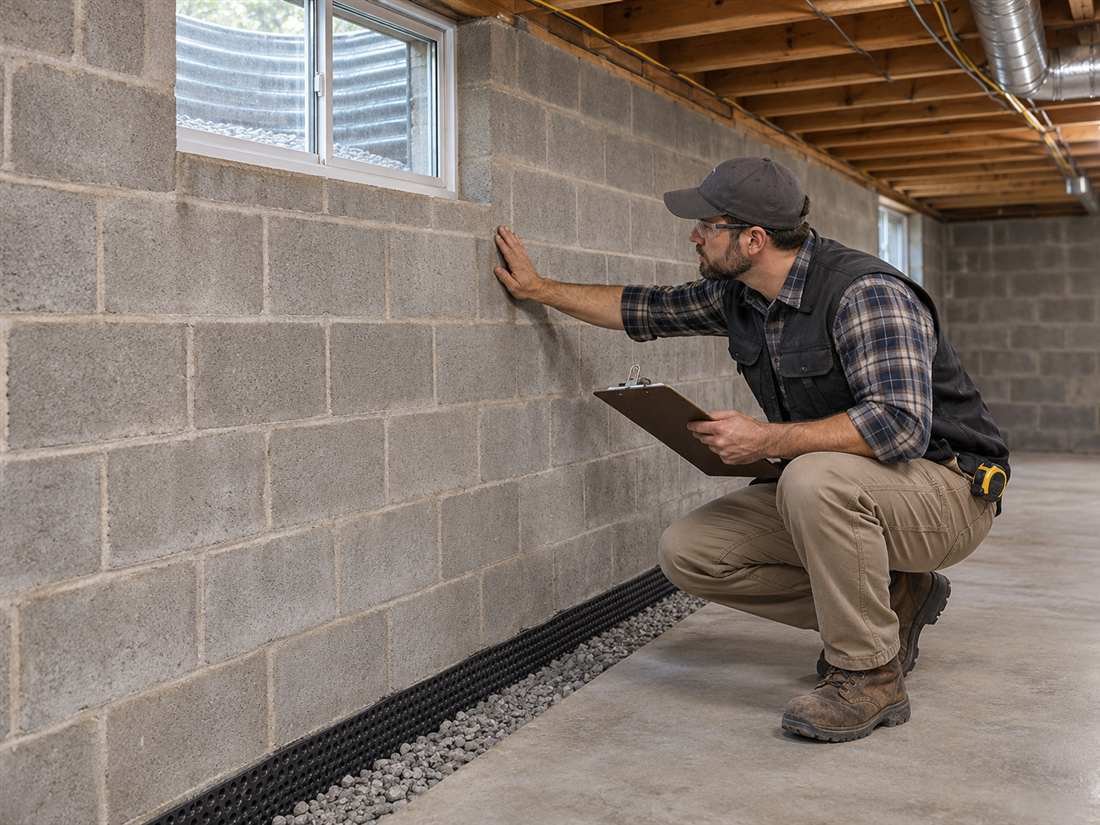

Foam insulation for block walls works best when you match the material to the wall and address water entry first.
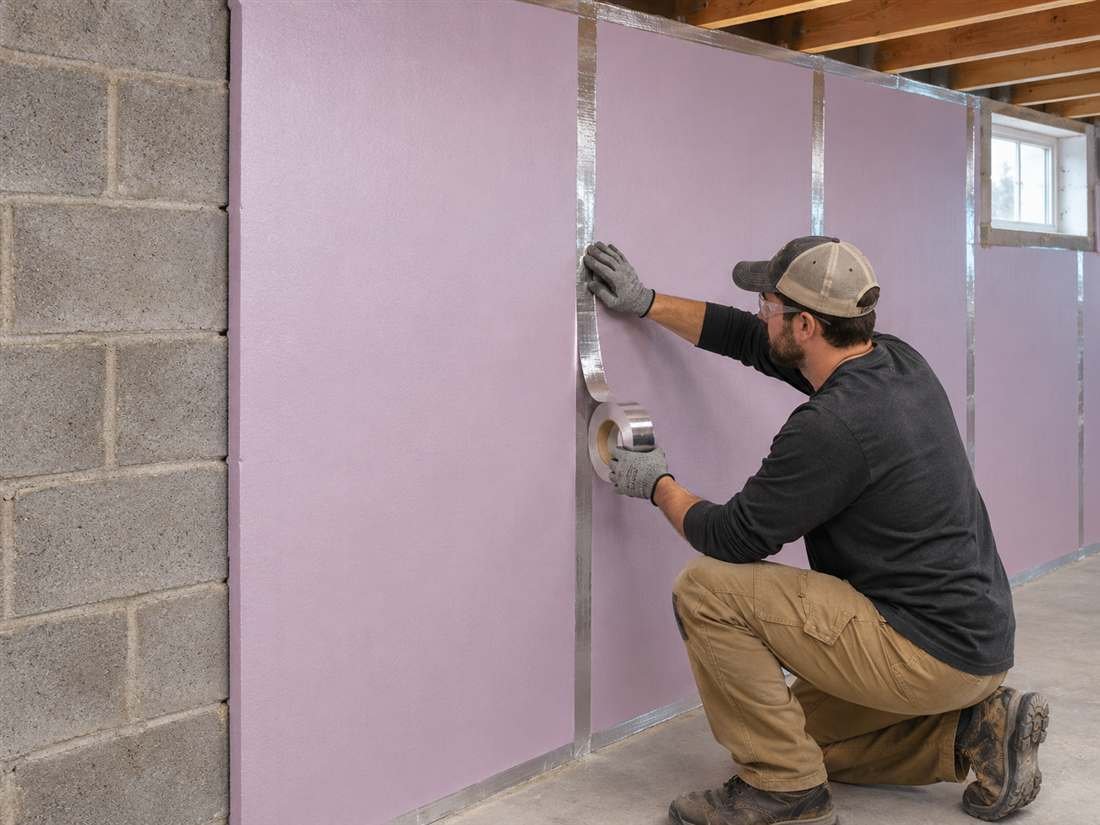
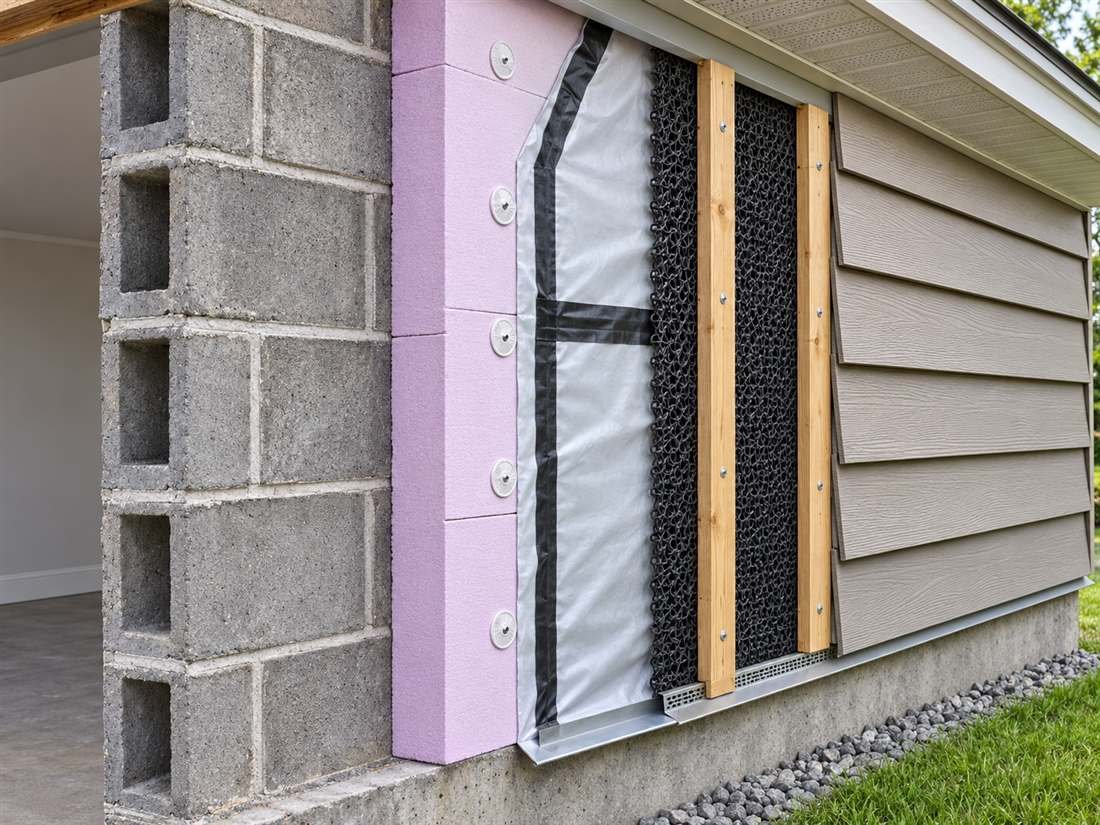
For flat, accessible concrete block, start by comparing continuous rigid foam boards. Professionally applied closed-cell spray foam can suit uneven masonry. Core-fill foam is an option when neither wall face is practical to cover, although heat can still pass through the solid block webs.
Why concrete block walls need continuous insulation
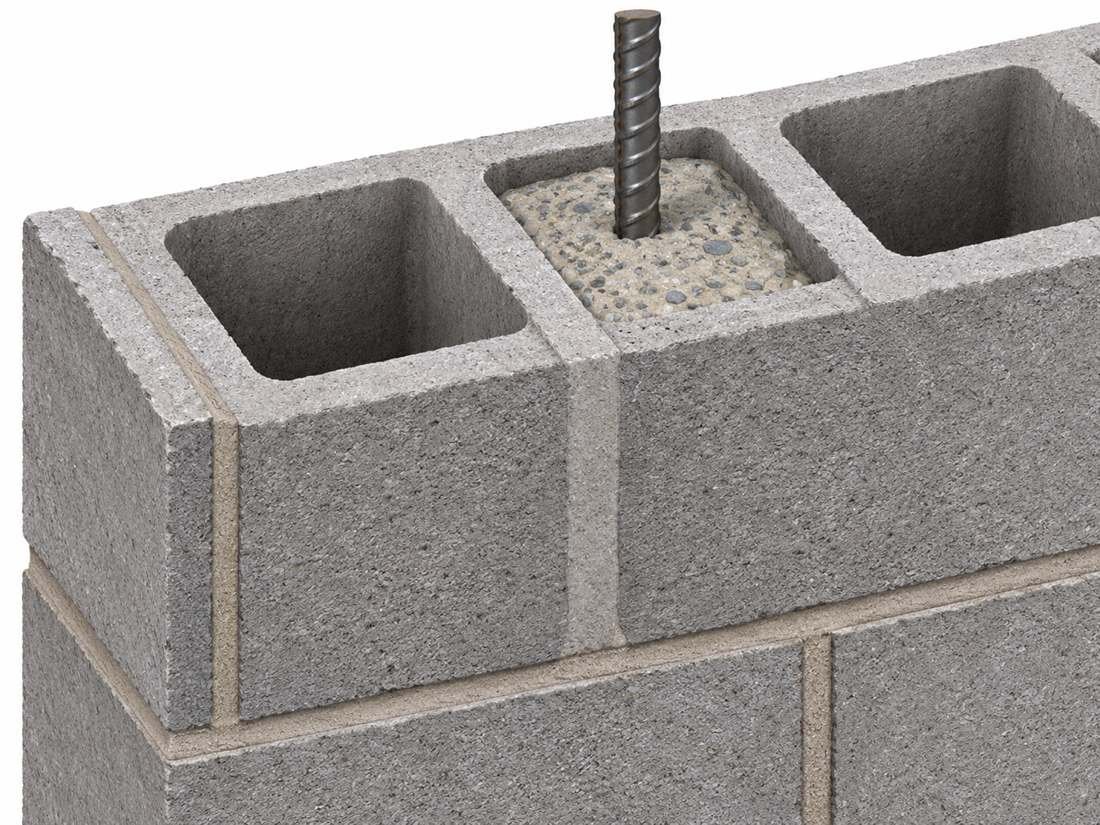
Concrete masonry units, or CMUs, have solid webs that connect the faces of each block. Heat can flow through those webs even when the hollow cores contain insulation. A continuous layer across the wall face covers the webs as well as the cores. Compare whole-wall performance when evaluating core fill against a surface system.
Check moisture before you choose foam
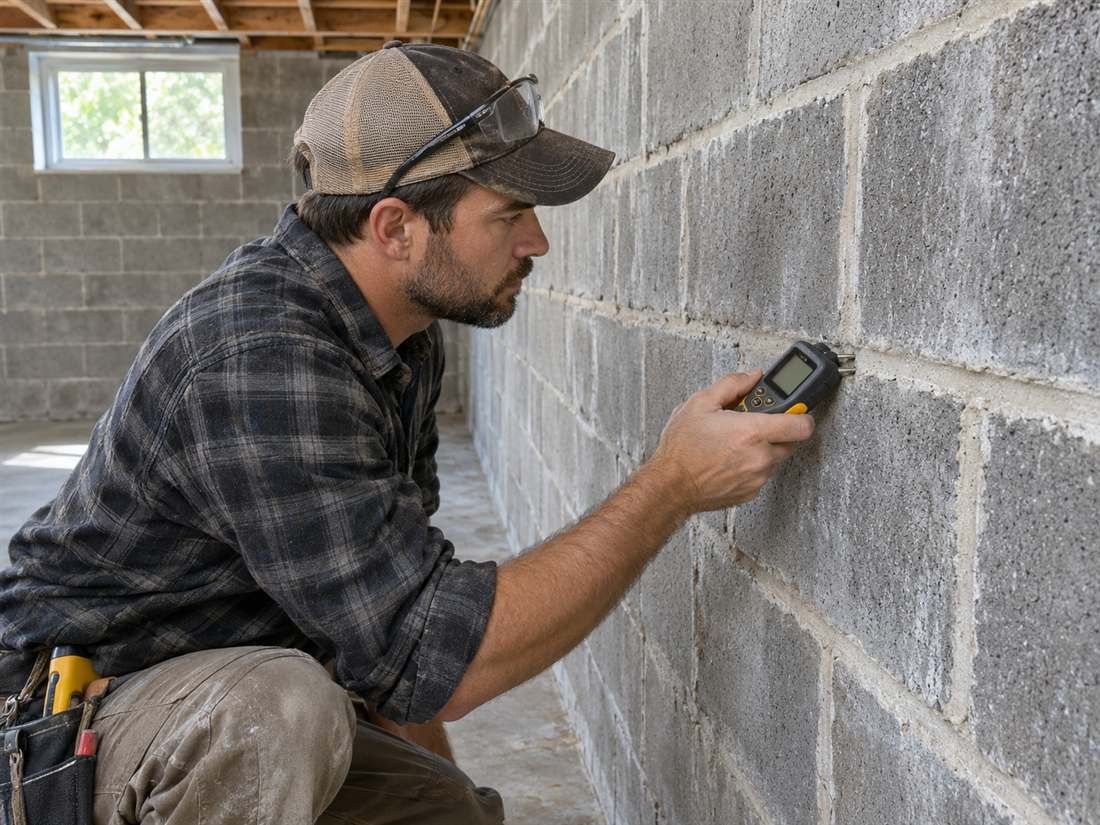
Indoor humidity can condense on cold masonry. Rain and groundwater can also wet the wall from outside. A well-detailed foam system can help manage air movement and condensation, while water entry needs its own repair. Inspect after heavy rain and check the wall-floor joint, windows, downspouts and grading. Have recurring seepage, significant cracks or wall movement assessed before enclosing the wall.
Compare three types of foam insulation for block walls
Match the material to your wall access, surface condition and finish plans.
Closed-cell spray foam
Professionally installed closed-cell spray polyurethane foam can follow recessed joints and irregular masonry. Ask for the exact product, its rated thickness, substrate requirements and the required protective finish. Have the installer explain ventilation and safe re-entry in writing. Keep occupants and unprotected workers out during application and follow the product-specific re-entry guidance. Below grade, confirm that the complete assembly suits the moisture conditions and allows appropriate drying.
Rigid foam board
EPS, XPS and polyiso are rigid foam choices. Select a board approved for the intended location and check moisture exposure, vapor permeance, facer type and compatible fasteners or sealants. Foil facers can restrict inward drying. Confirm how seams, edges and transitions will be sealed as part of the wall assembly.
Core-fill injection foam
An installer can inject foam into accessible hollow block cells when surface insulation is impractical. Ask how they identify grouted cells and obstructions, verify fill coverage and patch holes. Request assembly-level R-value or U-factor data that accounts for the block webs.
What R-value should you choose?
For preliminary comparisons, common reference values are about R-5 per inch for XPS, R-6 per inch for rigid polyiso, and R-6.5 per inch for closed-cell spray polyurethane foam. EPS varies by product. Use the manufacturer’s published rating for the installed thickness. For example, two inches of board rated R-5 per inch gives that insulation layer nominal R-10. Confirm the locally adopted code, climate zone and applicable wall type with the building department. Above-grade mass walls and below-grade basement walls may have different requirements.
How to install rigid foam on block walls
For wall-wide spray foam and core fill, use a qualified installer. For a rigid board project, use the following sequence to plan the work.
1. Check the wall and prepare the surface
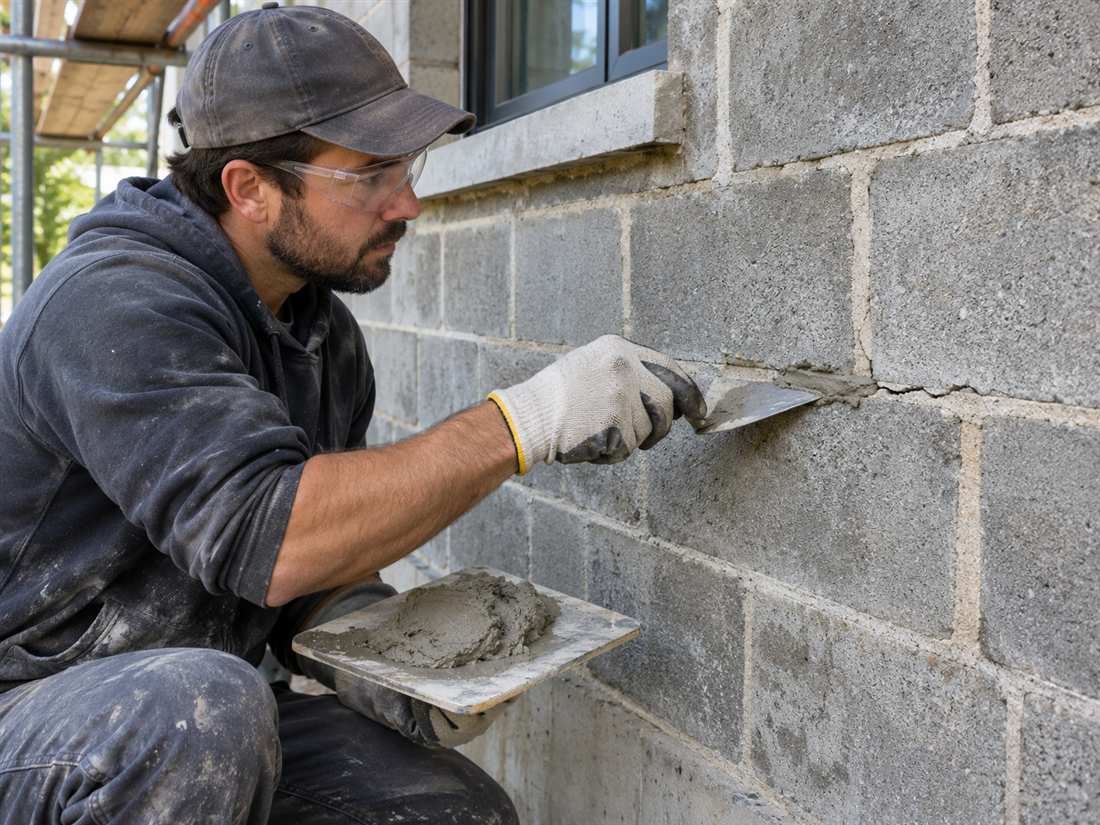
Fix active water entry first. Remove loose material and follow the board system’s substrate requirements. Persistent white deposits can point to moisture moving through the masonry. Find the cause before finishing the wall.
2. Measure, cut and attach the boards
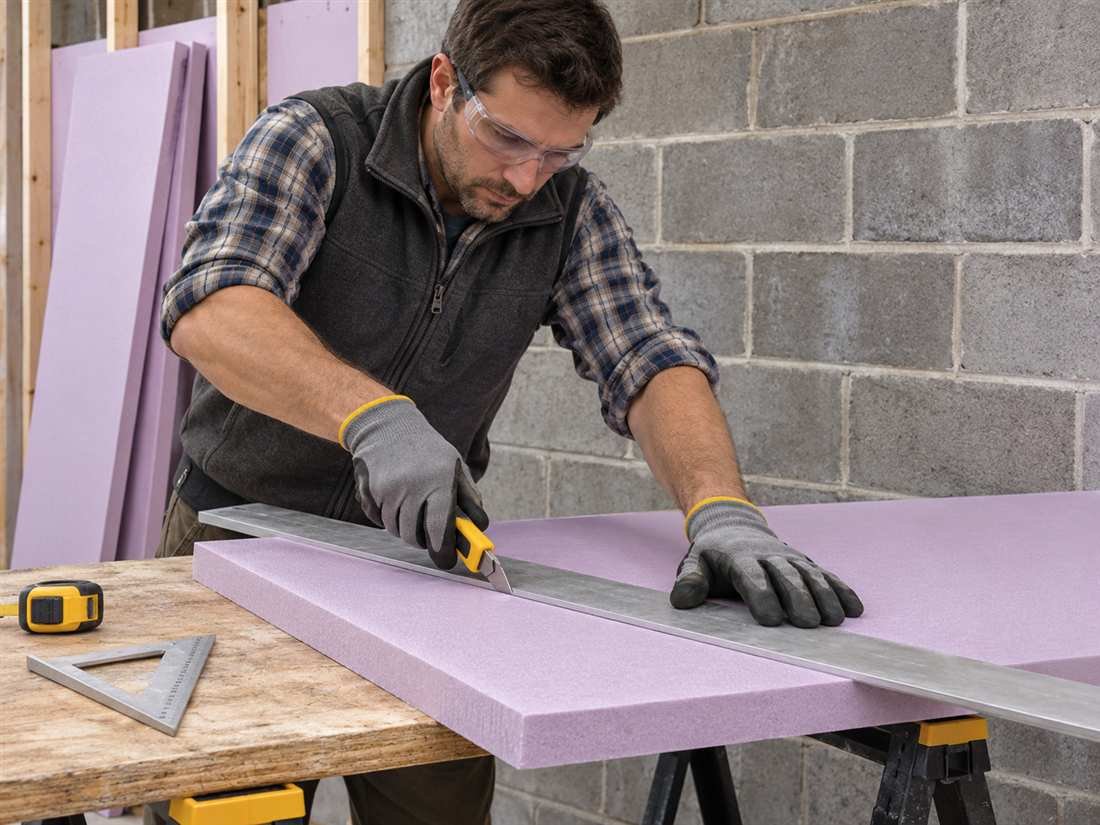
Dry-fit around corners, windows and pipes. Use the compatible adhesive or fasteners specified for your system. Confirm how furring and the finish will attach before the boards go up.
3. Seal seams and transitions
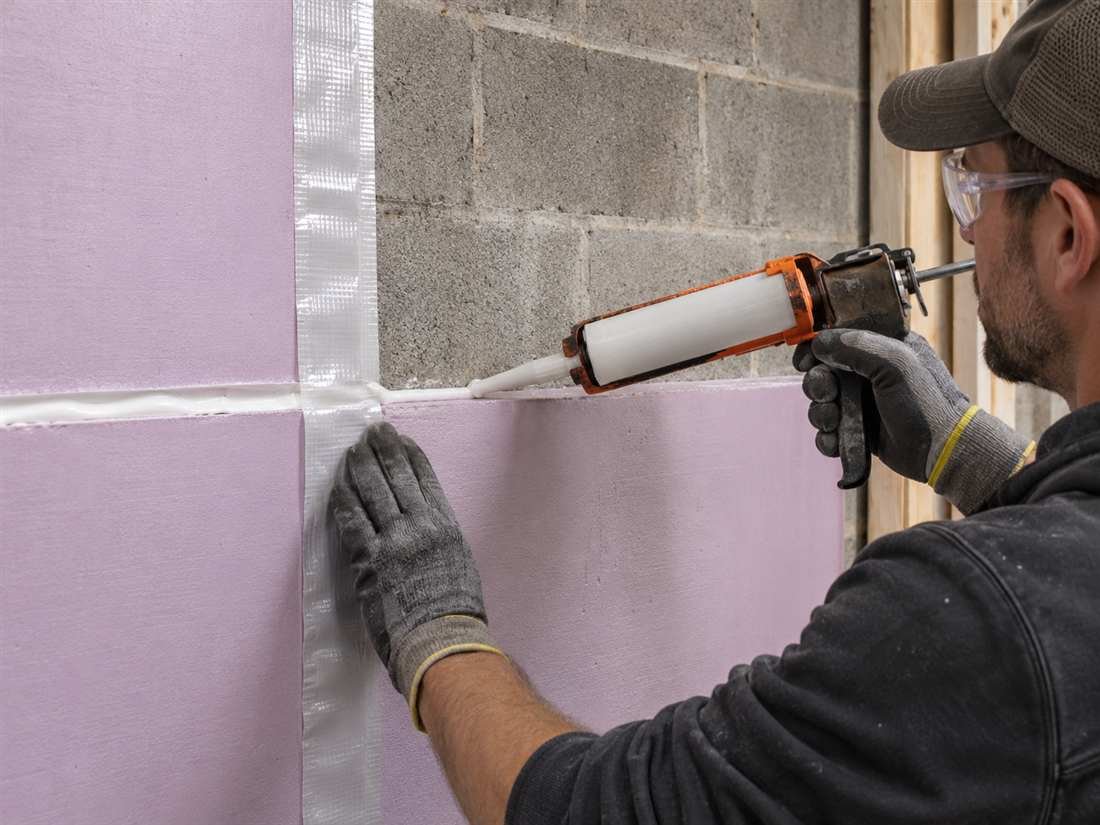
Follow the specified method for sealing board seams, edges and service penetrations. Check the transition at the rim joist and any offsets in the foundation. Inspect and photograph the work before covering it.
4. Install the required protective finish
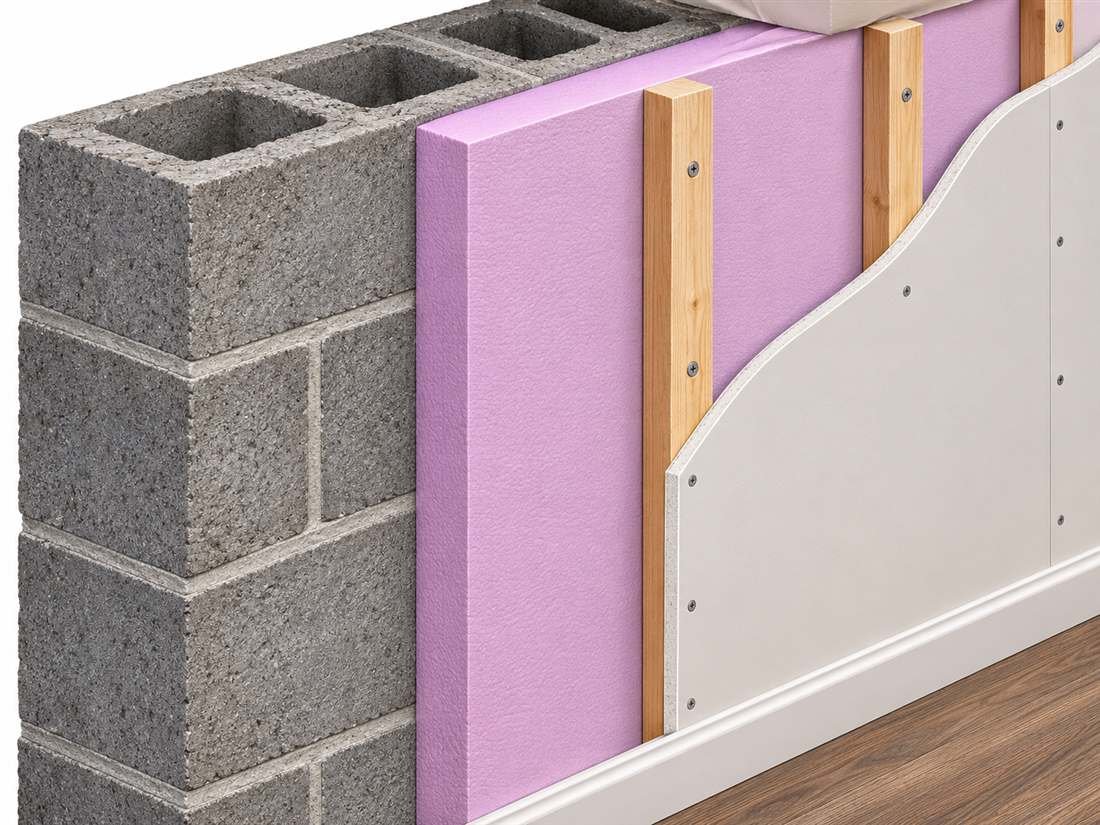
Confirm the thermal barrier required for the foam assembly. Half-inch gypsum wallboard is a common option. A coating or alternative finish must be approved for the specific assembly and allowed by the local code.
How much does foam insulation for block walls cost?
Compare itemized quotes for the same wall area and thermal target. Check whether preparation, sealing, furring, protective finish and moisture repairs are included. For injection foam, ask about patching access holes. If the project includes exterior work, check excavation, drainage and finish restoration. As a calculation example, $2,400 divided by 600 square feet is $4 per square foot. Use actual local quotes for your budget.
For related guidance, see Insulating Concrete Block Walls in Florida.
Frequently asked questions
For a broader comparison of masonry wall assemblies, see our cinder block and CMU wall insulation guide. For foundation assembly details, see the Building America guide to insulated basements.
Can you spray foam directly onto concrete block walls?
Yes, when the product is approved for masonry and the surface meets its requirements. Address leaks first and confirm the protective finish.
Will foam prevent condensation on block walls?
It can reduce condensation if the assembly controls indoor air contact with cold masonry and provides sufficient thermal resistance for the conditions. Dampness that follows rain or appears at the floor joint warrants a water-entry check.
Is board or spray foam better for a cinder block wall?
Board is a practical starting point for a flat, accessible wall. Professionally applied closed-cell spray foam can suit uneven walls with many obstructions. Compare both as complete systems.
Is it worth filling concrete block cores with foam?
It may make sense if the cores are accessible and surface insulation is impractical. Continuous insulation can also reduce heat flow through the solid webs when you can cover a wall face.
For a wider look at insulation materials and installation methods, see our wall insulation guide.