

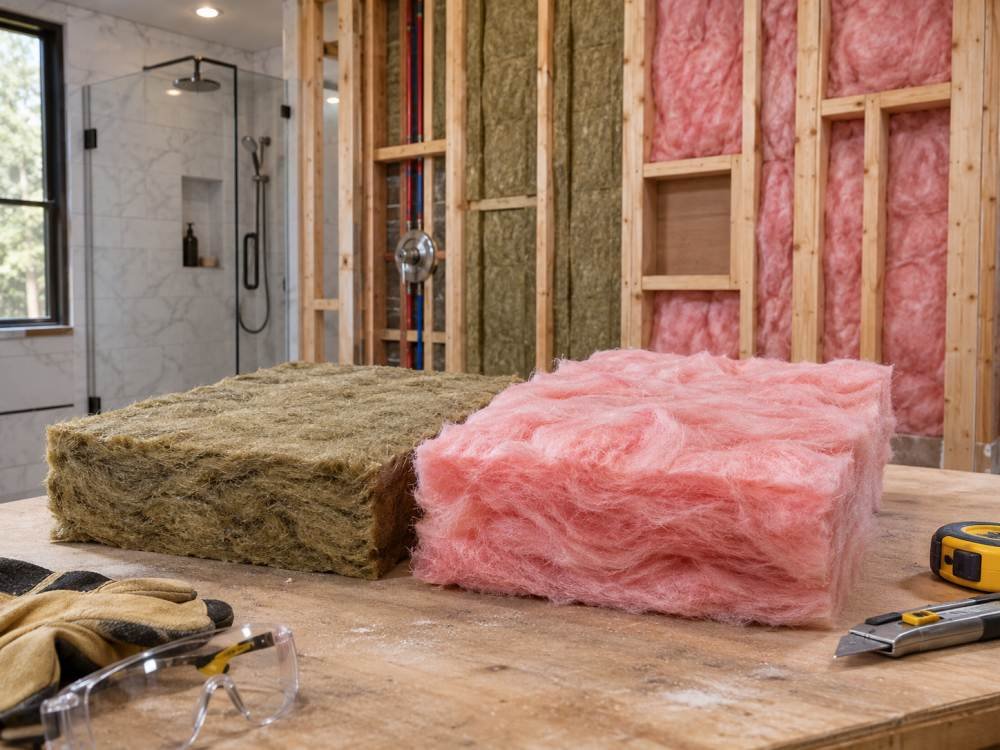
Rockwool insulation for 2×6 walls is available as a 5½-inch Comfortbatt R-23 stone wool batt in the United States.

Before buying it, check your actual cavity depth and stud spacing. Those measurements tell you whether the batt will fit and which package width you need.
Which Rockwool batt fits a 2×6 wall?
A standard modern 2×6 wood stud is normally 5½ inches deep. ROCKWOOL lists its R-23 Comfortbatt at that thickness, with separate widths for studs spaced 16 or 24 inches on center. On-center spacing means the distance from the center of one stud to the center of the next. A tape measurement between the inside faces of two studs gives you the opening width instead.
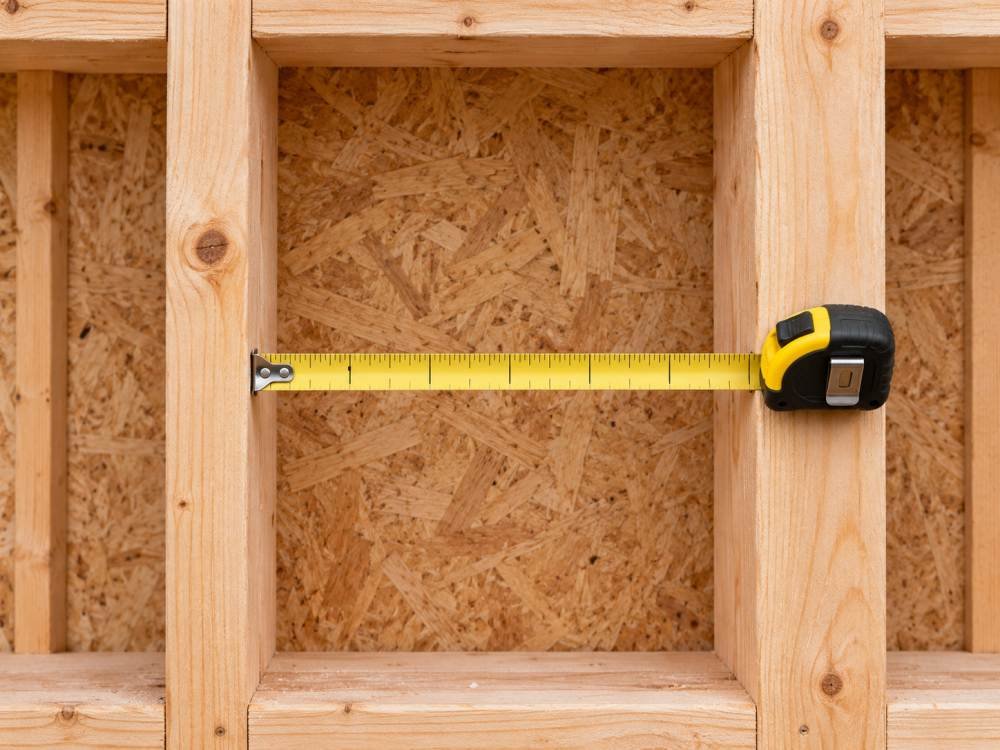
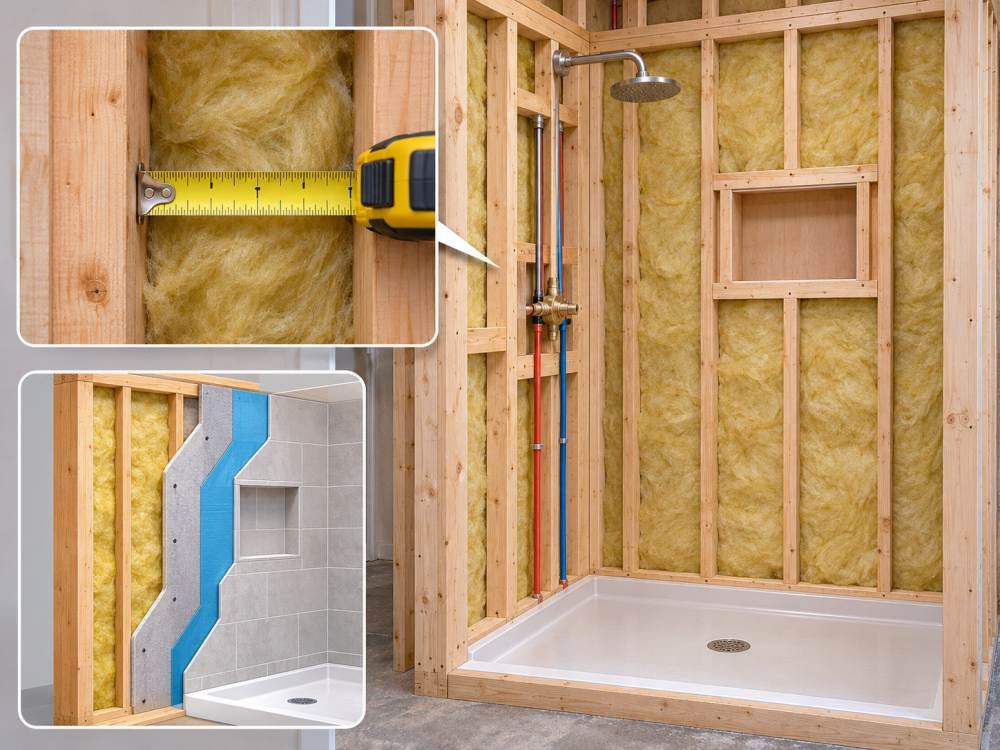
For 16-inch-on-center wood framing, the manufacturer lists a batt width of 15¼ inches. For 24-inch-on-center framing, it lists a 23-inch batt. The slight difference between typical cavity width and batt width helps the product fit snugly. Measure several bays, especially near corners, doors and windows, where framing can vary.
When does R-23 make sense?
R-23 is the labeled thermal resistance of the batt at its specified thickness. It’s a useful comparison when you’re choosing between thermal products for a 5½-inch cavity. If you’re shopping for a 2×6 exterior wall, look for a product with a stated thermal R-value and check its application in the manufacturer’s literature. An acoustic batt marketed for interior partitions serves a different purchasing need.
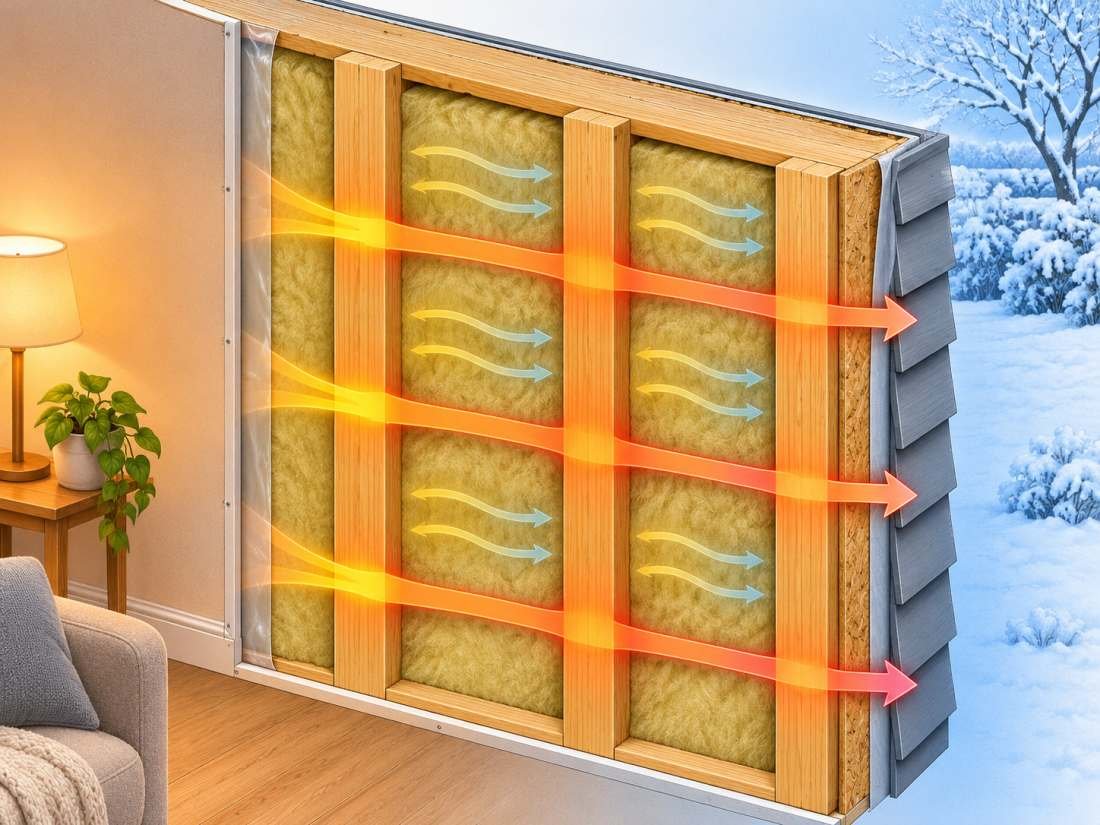
Studs, headers and other framing interrupt the insulated cavities. That means an exterior wall with R-23 batts has a whole-wall R-value different from the number on the bag. If you’re planning a permitted project, have the full wall design checked against your local requirements before buying materials. The official ROCKWOOL Comfortbatt product page contains product information and installation resources.
How many packs should you buy?
Start with the area of the open stud bays. You can measure each opening or take the wall area and account for windows, doors and other areas that won’t be filled with batts. Divide the area to be insulated by the square footage printed on the package, then round up. Allow extra material for unusual bays and cuts you’ll be unable to reuse.
For example, if your measured open cavities total 320 square feet and your chosen pack covers 39.8 square feet, the calculation is 320 ÷ 39.8, or just over eight packs. Nine is the starting order quantity before you account for project-specific waste. If the pack you buy covers 37.5 square feet, run the calculation again using that coverage.
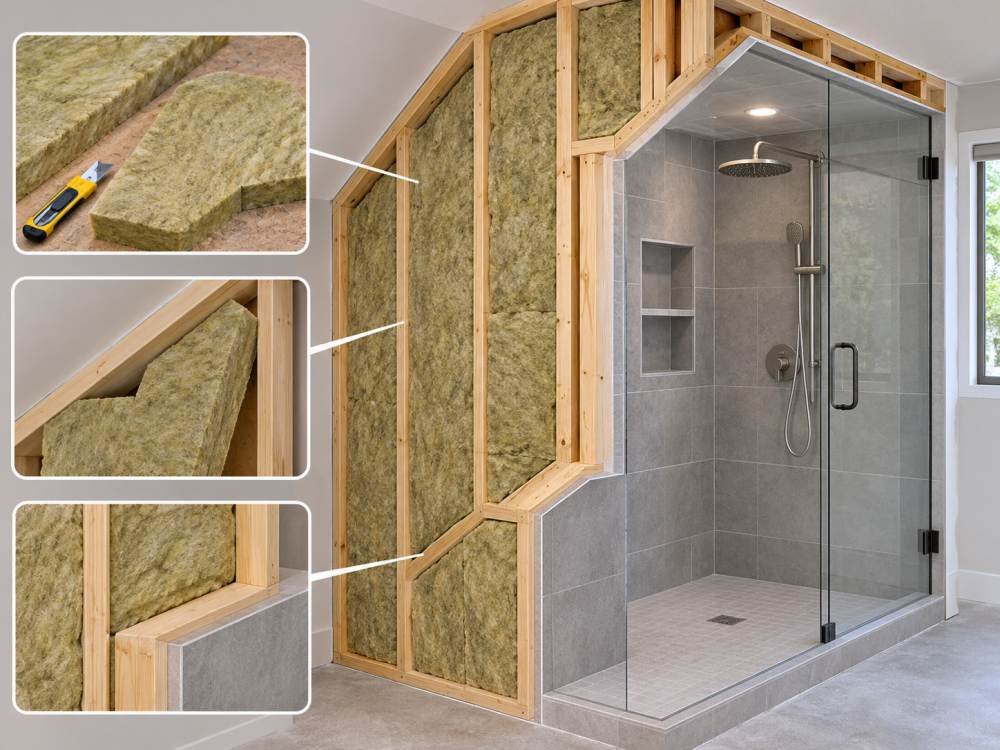
What should you check before closing the wall?
Inspect the bays for gaps around wires, electrical boxes and blocking. Cut pieces to fit the shape of the open cavity, following the manufacturer’s instructions and using the specified protective equipment. A batt should fill its intended area without bunching or leaving channels along the studs. Correct water entry or other moisture damage before covering a wall. Ask the project professional to confirm details around heat sources and any rated assemblies.
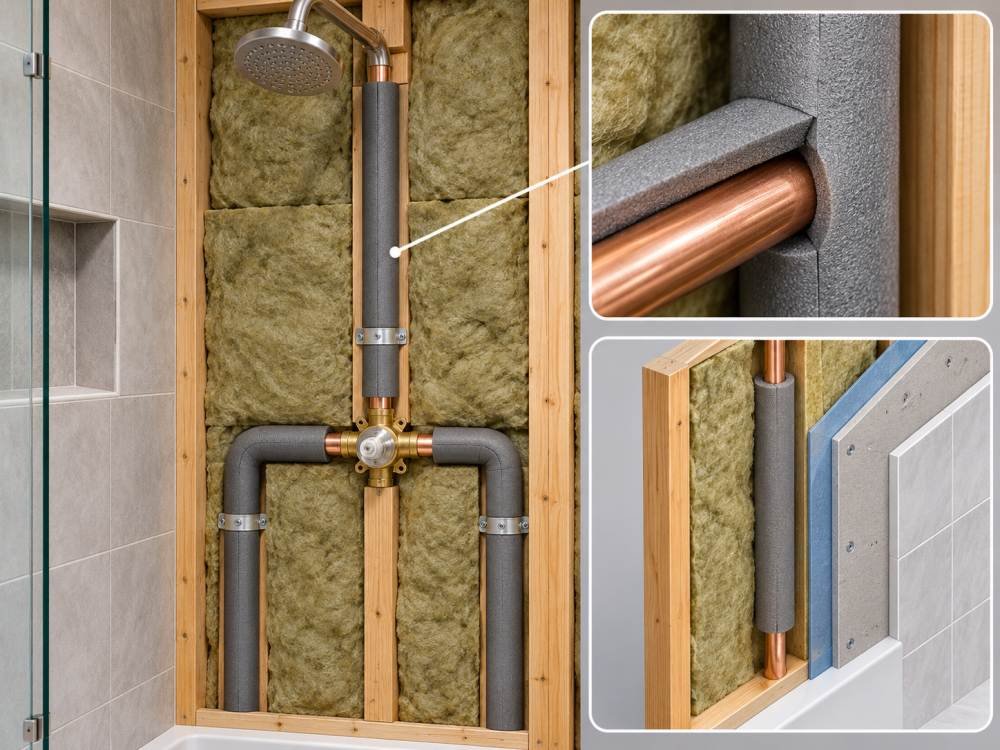
If you’re weighing fiberglass or other products for the same wall, see the wall insulation materials comparison.
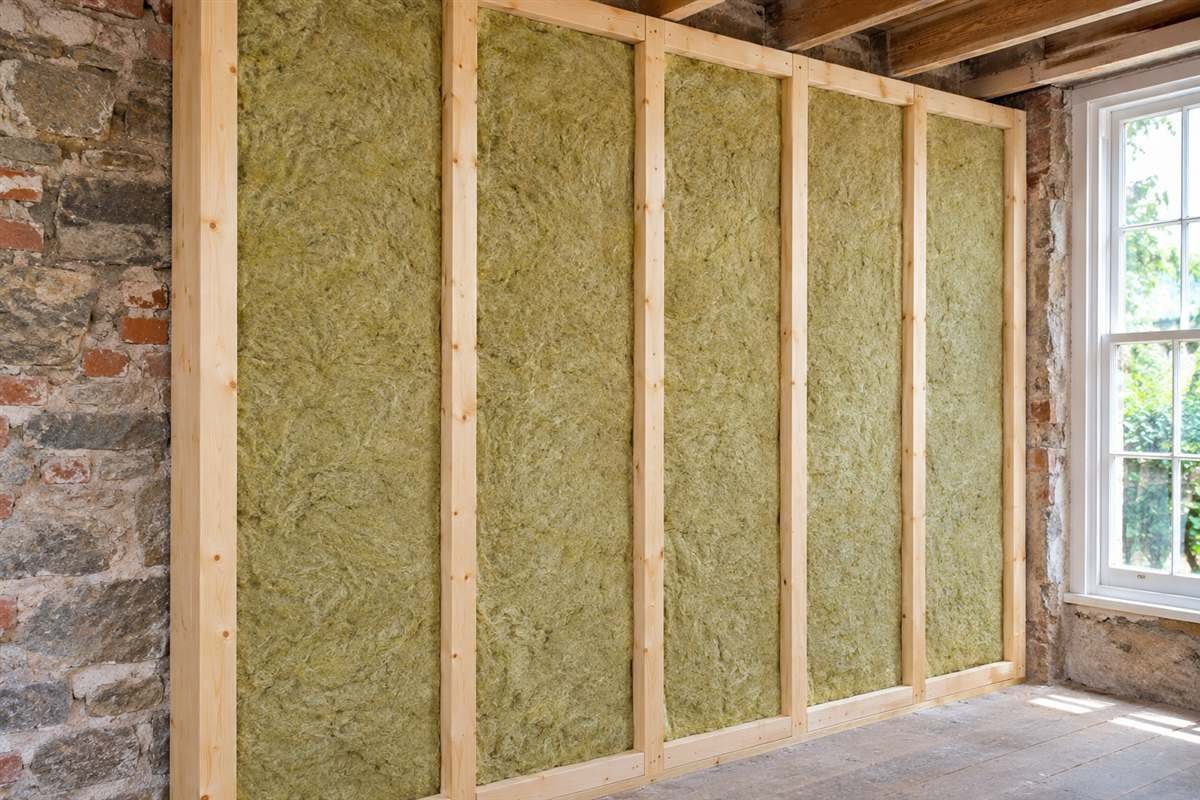
For related guidance, see Insulation for 2×8 Walls.
Frequently asked questions
Can I use the same batt in every 2×6 bay?
Use the package sized for the regular framing spacing, then measure and cut pieces for irregular openings. Older walls and bays around windows often need individual measurements.
Can I compress a thicker batt to get a higher R-value?
Choose the product rated for your installed cavity depth. Compressing a thicker batt changes its thermal performance and makes its full-thickness label unsuitable for comparing the finished installation.
Does R-23 Comfortbatt replace an air barrier?
The wall still needs its designed air-control layer. Seal the assembly using details appropriate for the project, then use the batt to provide thermal resistance in the cavity.
To compare mineral wool with other wall insulation materials, read our wall insulation guide.