

Zen Interior Design offers ideas for combining distinctive materials, colors and furniture with everyday comfort. Explore its defining features and learn practical ways to adapt the look to your home.
What Defines This Interior Design Style?
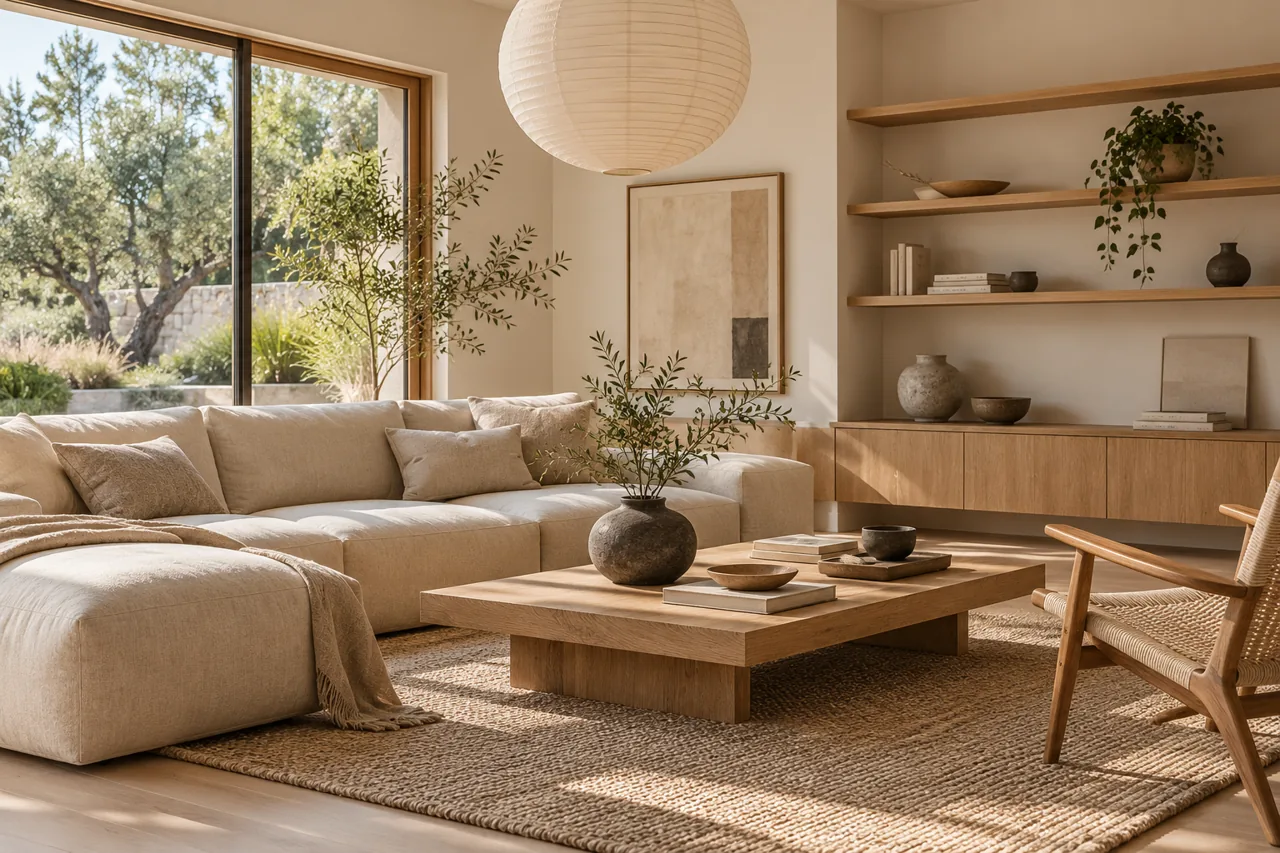
Zen is a Buddhist tradition, not simply a decorating trend. The phrase ‘Zen interior design’ is commonly used in home media for calm, uncluttered rooms influenced by Japanese aesthetics, natural materials and mindful use of space. It is more accurate to describe a room as Zen-inspired than to claim that beige furniture alone represents Zen practice. In a contemporary home, this look emphasizes a deliberate layout, few useful objects, visual breathing room and comfortable everyday routines. Start by removing items that block circulation, then choose furniture that supports how you live. A simple space can still feel warm and personal through wood grain, natural textiles, meaningful artwork and balanced light.
Signature Colors and a Practical Palette
Begin with warm white, soft gray, sand, pale oak and muted earth tones. Add a restrained accent such as charcoal, moss green or dark brown if the room needs contrast. Avoid choosing every surface in the same beige shade: texture and tonal differences prevent a flat appearance. Test paint samples in daylight and under your evening lamps, since cool white can feel harsh and yellow lighting can change gray undertones. If you already own darker furniture, balance it with a light rug or linen curtains rather than replacing everything. The most effective palette is quiet enough to support relaxation while still reflecting your personal preferences.
Materials, Finishes and Texture
Wood, cotton, linen, wool, ceramic, stone and woven fibers are useful materials for a Zen-inspired home. Select durable finishes that match your household’s cleaning needs. A light wooden table, linen cushion and handmade ceramic bowl can offer enough visual texture without adding clutter. Smooth plaster beside a woven rug creates contrast, while too many small accessories can make surfaces feel busy. Choose indoor plants based on available light and care requirements rather than using plants as decoration alone. Avoid assuming every Japanese object is a generic Zen accessory; consider the actual craft, meaning and provenance of pieces you display.
Furniture Shapes and Arrangement
Use furniture with clear shapes, comfortable proportions and enough storage to keep everyday items organized. Low-profile tables and seating can contribute to a grounded appearance, but they are not practical for everyone. Select seat heights that work for household members and guests. Arrange a sofa and chair for conversation or reading, then leave unobstructed walking paths. Closed storage can conceal cords, chargers and supplies without making the room feel empty. A simple wood coffee table may be more effective than several decorative stands. Good scale, comfort and circulation matter more than buying a matching minimalist set.
Living Room Design Ideas
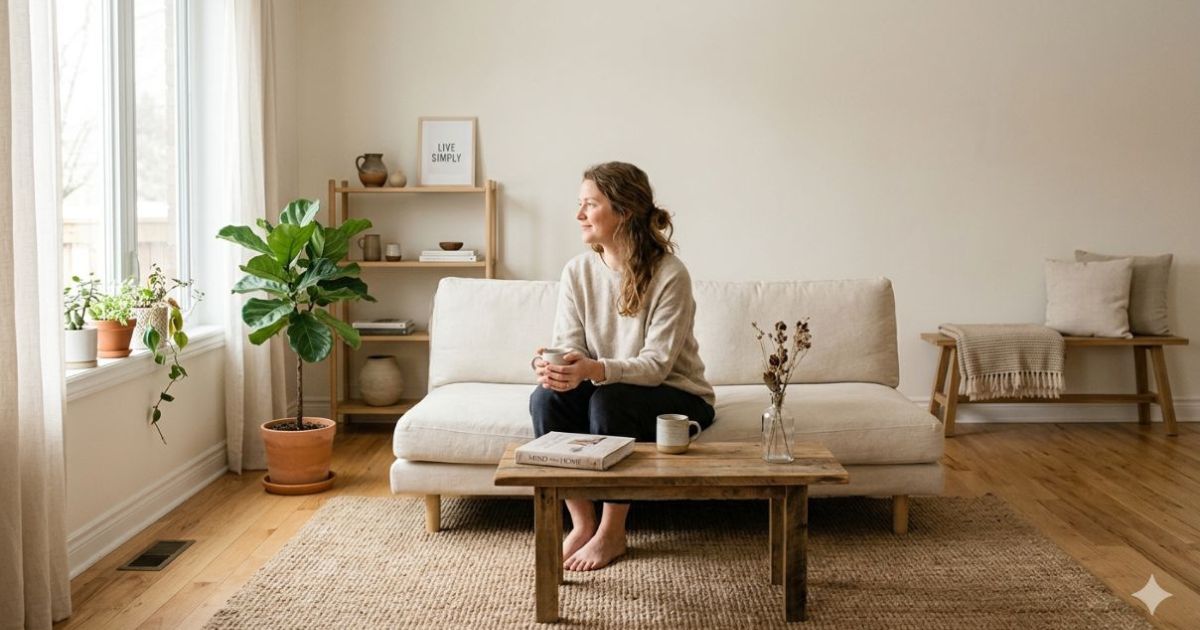
A Zen-inspired living room might feature a pale wood table, neutral sofa, natural fiber rug and one piece of meaningful artwork. Allow daylight to reach the seating area while using curtains or shades for privacy and glare control. Add a reading lamp and soft evening light instead of relying only on a bright ceiling fixture. Keep remote controls and cables in accessible storage. If you enjoy plants, one healthy plant in an appropriate spot can be more calming than a crowded collection. Arrange furniture so the room can support both quiet reading and ordinary family conversation. The result should feel useful and welcoming, not staged or empty.
Bedroom Design Ideas
For a calm bedroom, focus first on a supportive mattress, adequate ventilation, comfortable bedding and control over light. A simple wooden bed, soft neutral linens and a small bedside table can create a restrained atmosphere. Keep pathways around the bed clear and avoid piling decorations on every surface. Use warm bedside lamps that are bright enough for reading but dimmable for evening relaxation. If the room is small, closed storage or under-bed drawers can reduce visual clutter. You do not need floor-level sleeping arrangements or cultural props to make a room peaceful. Comfort and a manageable daily routine should guide the design.
Kitchen and Dining Room Inspiration
A Zen-inspired kitchen can keep preparation surfaces clear while placing frequently used tools within easy reach. Closed storage helps when open shelves create visual noise, but organisation should remain practical rather than performative. Use a simple bowl or a modest timber accent where it will not interfere with food handling. In a dining area, prioritise comfortable seating and a table surface that is easy to maintain.
Lighting and Atmosphere
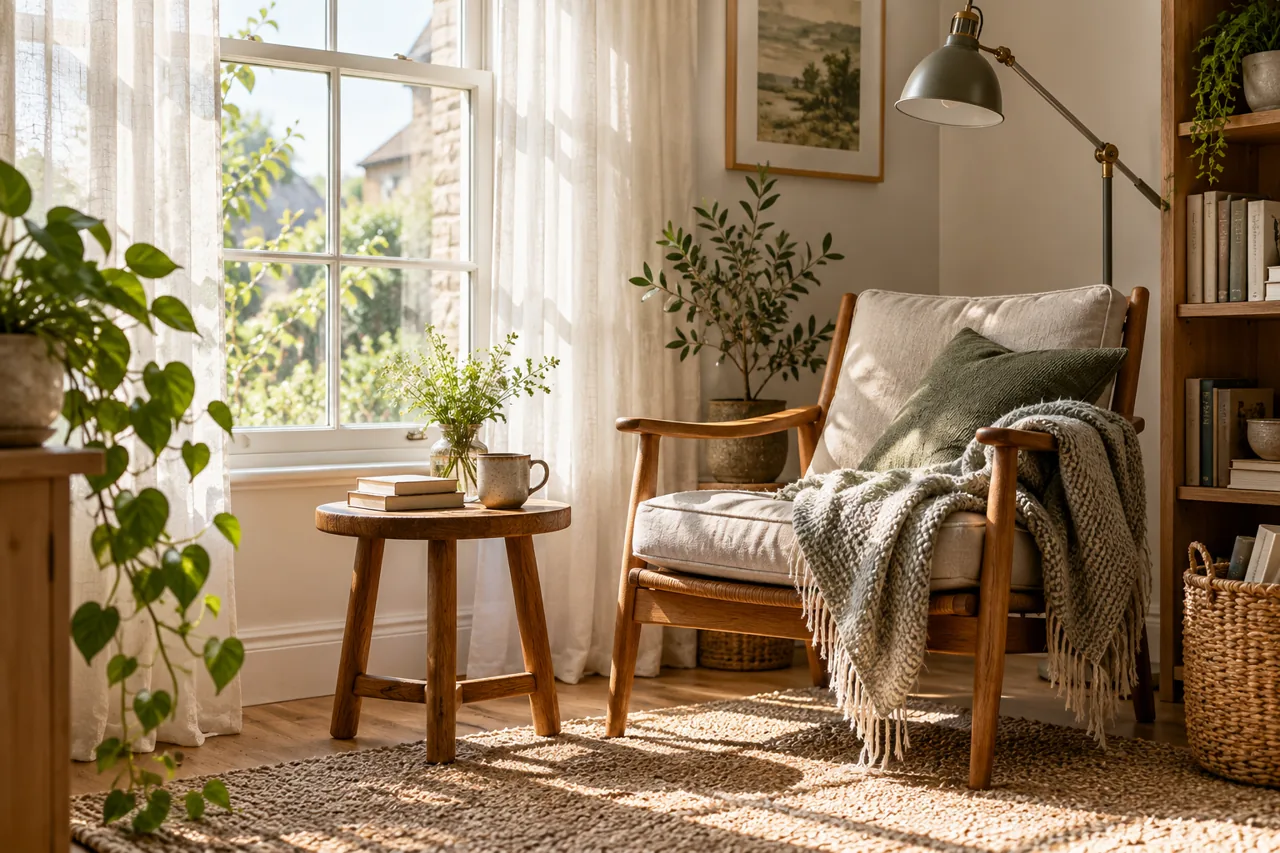
Natural light can make neutral materials feel warmer, but bright windows may also cause glare or reduce privacy. Use translucent curtains, adjustable shades and a combination of ambient and task lighting. A warm lamp beside a chair can make a quiet corner more inviting. Avoid excessive candles near fabric or unattended open flames; battery-powered lighting can provide a similar glow. Matte surfaces reduce harsh reflections, and soft textiles help absorb sound. Consider how the room feels at different times of day rather than styling only for photographs. Good lighting should support reading, conversation, work and rest without becoming a visual distraction.
Wall Decor and Personal Accessories
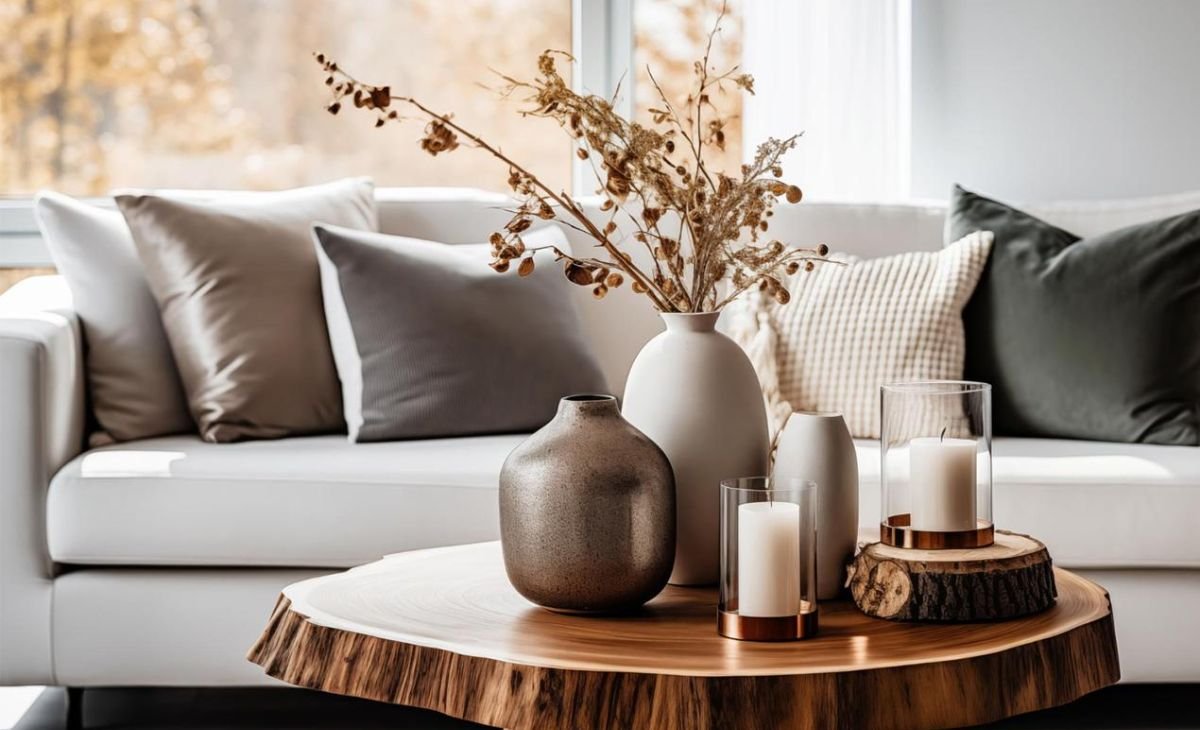
Select a few Zen-inspired accessories for their form, texture and personal meaning. A plain ceramic bowl or a single branch arrangement can provide a focal point without a dense display. Leave space around it and keep frequently used surfaces useful. Avoid assigning spiritual benefits to an object or mixing religious symbols casually; a quiet domestic scheme can stand on its own design choices.
Ideas for Small Rooms and Apartments
A small space can still communicate zen-inspired character. Choose furniture with dimensions that leave usable pathways and consider pieces that serve more than one purpose. A storage ottoman, wall-mounted shelf or compact side table can reduce clutter. Rather than adding many small decorative objects, select one distinctive element such as an artwork, lamp or patterned textile. Repeat a few colors throughout the room to connect the arrangement. Mirrors can reflect light when positioned thoughtfully, but they should not create distracting glare. The objective is to preserve comfort while making a clear stylistic statement.
Budget-Friendly Ways to Get Started
A Zen-inspired refresh can start by reducing friction in the room: remove an unused chair, organise bedside cables and give daily belongings a defined home. Keep comfortable furniture and add only what improves use. A washable neutral textile or a simple lamp may be enough. Avoid treating incense, statues or decorative stones as required purchases; a calmer arrangement depends more on thoughtful space and upkeep.
Common Decorating Mistakes
One common mistake is treating Zen as a shopping list of bamboo, stones, Buddha statues and Japanese-looking accessories. That can turn a living tradition into superficial decoration. Another is removing so much furniture that the room becomes uncomfortable or impractical. Do not sacrifice storage, adequate task light or supportive seating for an empty aesthetic. Too many identical pale surfaces can look sterile, while delicate materials may be difficult to maintain. Start with circulation, clutter control, light and natural texture; then choose a few personal details. A genuinely restful room is shaped by the people who use it, not by a rigid visual formula.
Step-by-Step Styling Checklist
First, identify the three features you like most about zen interior design. Second, select a palette inspired by warm white, stone, moss and soft brown. Third, measure the room and decide which existing furniture to keep. Fourth, choose one focal point. Fifth, add suitable materials such as wood, linen, bamboo-inspired accents and natural stone through furniture or textiles. Sixth, plan storage and lighting before decorative extras. Seventh, add artwork and personal objects gradually. Finally, live with the room for several days and observe what feels awkward or unnecessary. Small adjustments to layout often improve the result more than buying another item.
Frequently Asked Questions
Does a Zen-inspired room have to be white? No: subdued natural tones can also make a quiet background. Must you sit on the floor? Choose seating that supports the people using the room. Are spiritual objects necessary? No; do not use religious symbols as generic decoration without understanding their context. Begin with useful space, gentle light and a small number of personally meaningful items.
Final Thoughts
Zen Interior Design offers a useful set of ideas for shaping a room with character and comfort. Focus on a few recognizable elements, then adapt them to your own needs. Thoughtful layout, durable materials and layered lighting are more important than following a label perfectly. For a broader comparison of decorating approaches, visit our interior design aesthetics guide. For additional design journalism and visual references, explore Architectural Digest.