

Introduction
Household waste continues to grow as people consume more packaged products, disposable items, and fast-moving goods. However, small daily habits and smart green living ideas can significantly reduce the amount of trash sent to landfills. In many homes, food scraps, plastic packaging, paper products, and unused items create unnecessary waste.
Learning practical ways to reduce household waste helps families save money and protect natural resources. Moreover, sustainable habits improve home organization and encourage mindful living. Many eco-friendly changes are simple, affordable, and easy to maintain.
Today, more households use reusable containers, compost bins, refill stations, and sustainable cleaning products to reduce waste naturally. As awareness grows, people also focus on reducing single-use plastics and unnecessary consumption.
Understanding Household Waste and Why It Matters
Household waste includes everything people throw away from daily activities. Common examples include plastic bottles, food packaging, paper towels, spoiled food, old clothes, and broken electronics. Unfortunately, many of these materials end up in landfills or oceans.
Reducing waste matters because landfills produce greenhouse gases and pollute the environment. Additionally, excessive waste increases energy consumption during manufacturing and transportation. Therefore, reducing waste helps conserve water, energy, and raw materials.
Many governments and environmental organizations now encourage waste reduction through recycling programs, composting initiatives, and zero-waste campaigns. Concepts like the circular economy and sustainable living continue to influence households worldwide.
Common Sources of Household Waste
Several household habits contribute to unnecessary waste every day. Identifying these areas makes it easier to create sustainable changes.
Common waste sources include:
- Food waste from spoiled groceries
- Plastic packaging from online shopping
- Disposable kitchen products
- Fast fashion clothing
- Single-use water bottles
- Junk mail and paper waste
- Excessive cleaning product containers
Reducing these items gradually creates a noticeable difference over time.
The Connection Between Waste and Sustainable Living
Waste reduction supports a more sustainable lifestyle because it lowers environmental impact. Additionally, sustainable homes often use fewer resources and spend less money on disposable products.
Many families now adopt eco-conscious practices such as:
- Buying reusable kitchen products
- Choosing glass or stainless steel containers
- Supporting eco-friendly brands
- Repairing items instead of replacing them
- Donating unused household goods
These habits encourage responsible consumption while reducing landfill waste.
Smart Ways to Reduce Household Waste Daily
Simple habits often create the biggest long-term impact. Instead of making drastic lifestyle changes overnight, households can focus on small improvements that fit naturally into daily routines.
Reduce Food Waste Through Better Meal Planning
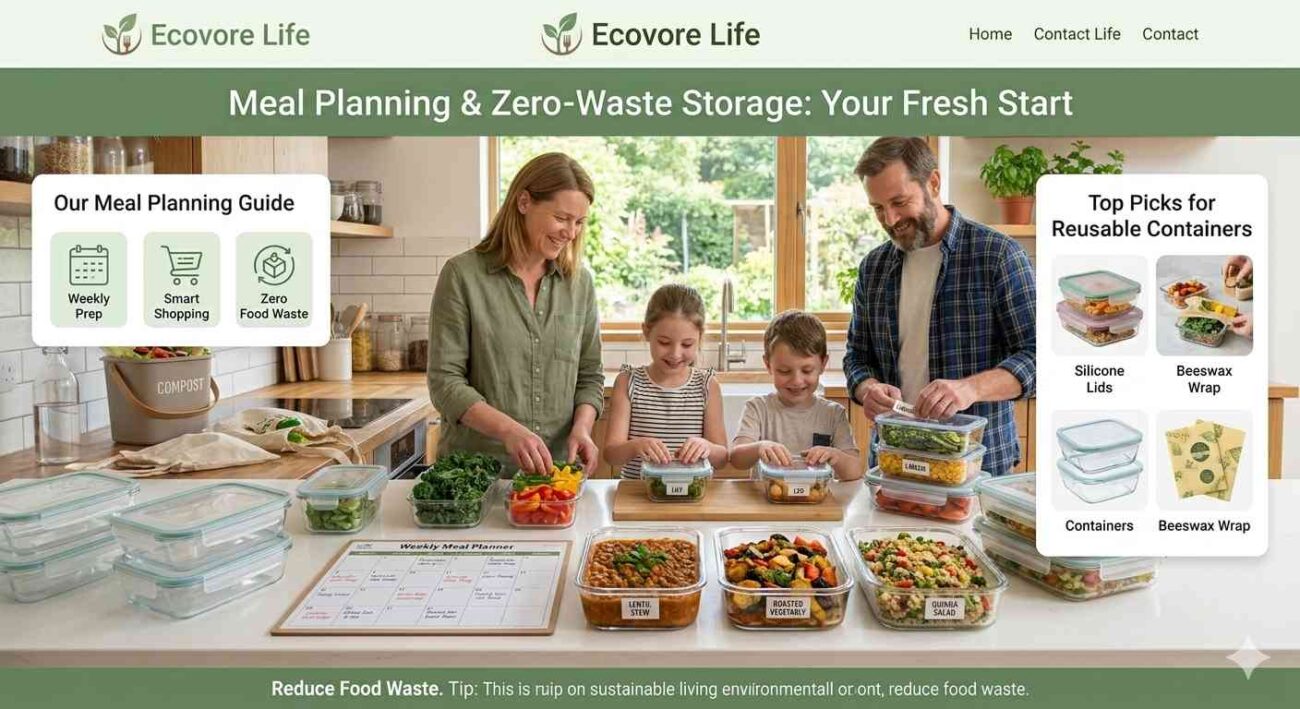
Food waste remains one of the largest household waste categories worldwide. Fortunately, better planning can significantly reduce unnecessary food disposal.
Helpful strategies include:
- Create weekly meal plans
- Buy only necessary groceries
- Store leftovers properly
- Freeze extra food before it spoils
- Use older ingredients first
Additionally, labeling containers with dates helps households track freshness more effectively.
Many sustainable living experts recommend using reusable silicone bags and glass storage containers because they preserve food longer than disposable packaging.
Start Composting Kitchen Scraps
Composting transforms food scraps into nutrient-rich soil instead of sending waste to landfills. Fruit peels, coffee grounds, eggshells, and vegetable scraps work well in compost systems.
Popular composting options include:
- Backyard compost bins
- Countertop compost containers
- Vermicomposting with worms
- Community compost programs
Composting also improves garden soil naturally without chemical fertilizers.
Example of Compostable Household Items
Examples of compost-friendly materials include:
- Banana peels
- Tea bags
- Dry leaves
- Coffee grounds
- Paper napkins
- Vegetable scraps
However, avoid adding oily foods, meat, or plastic-coated paper.
Replace Disposable Products With Reusable Alternatives
Disposable products create constant household waste. Therefore, replacing them with reusable items significantly lowers trash production over time.
Reusable products also reduce long-term spending because households buy replacements less frequently.
Use Reusable Kitchen and Dining Products
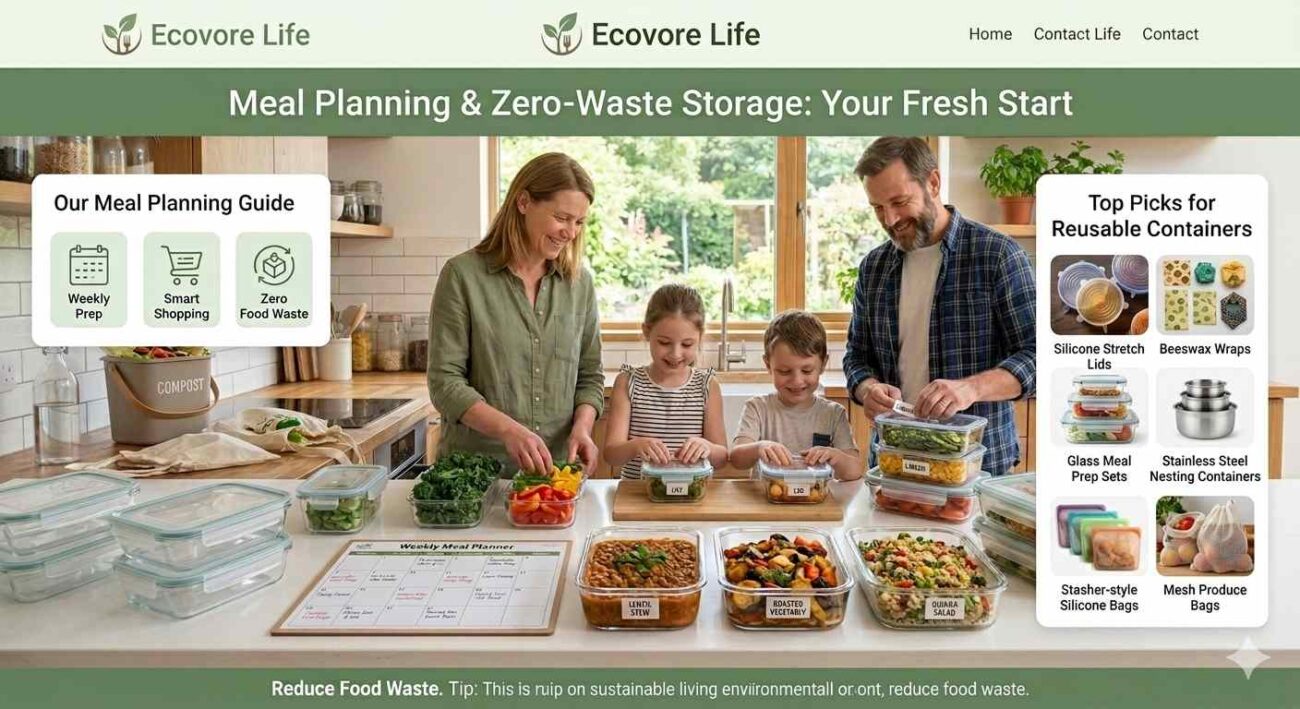
Many kitchens rely heavily on disposable products like paper towels, plastic wrap, and single-use cutlery. Fortunately, reusable alternatives work just as well.
Popular reusable items include:
- Cloth napkins
- Beeswax wraps
- Stainless steel straws
- Refillable water bottles
- Reusable shopping bags
- Silicone food storage bags
Brands like IKEA and Stasher now offer eco-friendly storage solutions designed for low-waste households.
Switch to Refillable Cleaning Products
Traditional cleaning products generate large amounts of plastic waste. However, refillable systems reduce packaging and support sustainable consumption.
Eco-friendly companies such as Blueland and Seventh Generation provide refill tablets and reusable cleaning bottles.
Additionally, homemade cleaning solutions using vinegar, baking soda, and lemon reduce chemical exposure while lowering packaging waste.
Reduce Plastic Waste Around the Home
Plastic remains one of the biggest environmental challenges today. Although recycling helps, reducing plastic use remains more effective.
Many households unknowingly accumulate plastic through food packaging, bottled drinks, toiletries, and shipping materials.
Buy Products With Minimal Packaging
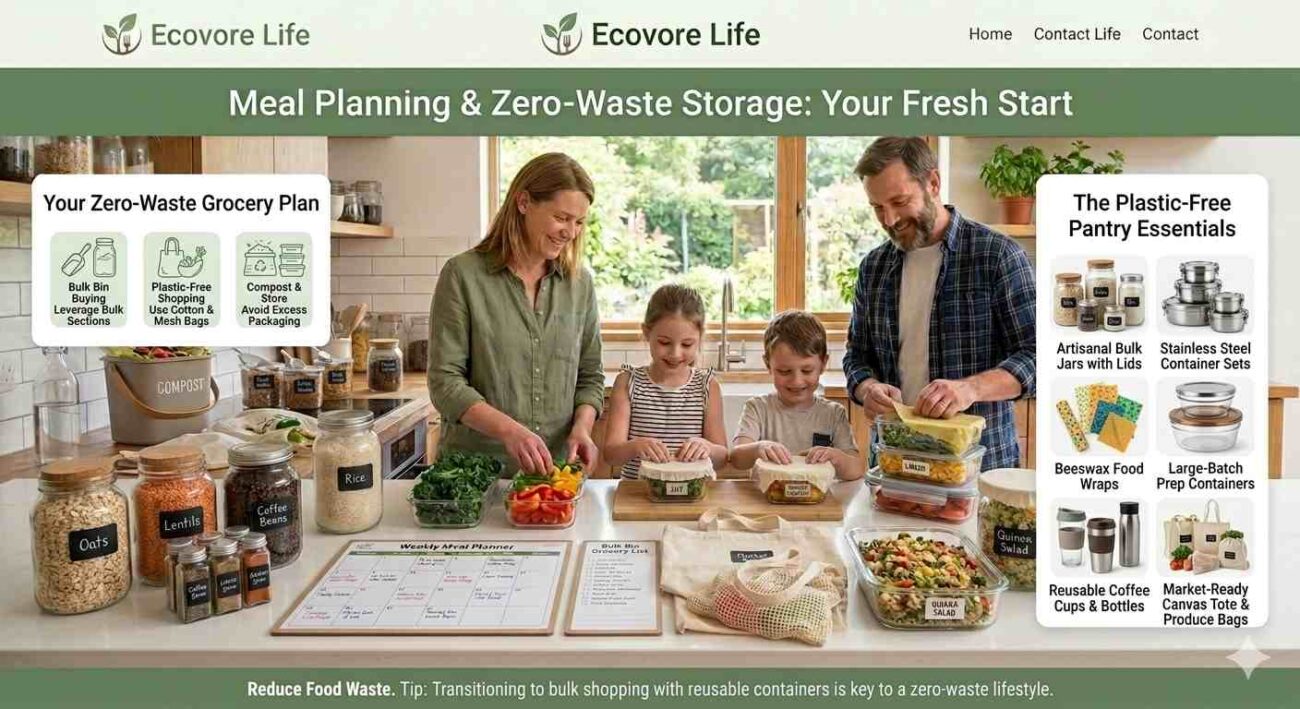
Choosing products with less packaging helps reduce waste immediately. Bulk shopping also limits plastic consumption because larger quantities use fewer containers.
Helpful shopping habits include:
- Buying loose fruits and vegetables
- Choosing cardboard packaging
- Using refill stations
- Carrying reusable produce bags
- Avoiding individually wrapped items
Many zero-waste stores now encourage customers to bring reusable containers for dry foods and household products.
Avoid Single-Use Plastic Bottles
Single-use plastic bottles contribute heavily to landfill pollution and ocean waste. Instead, households can use water filters and refillable bottles.
Popular reusable bottle brands include Hydro Flask and Stanley. These insulated bottles also help maintain drink temperature longer.
Moreover, filtered tap water often costs far less than bottled water over time. Recycle Properly and Responsibly
Recycling helps reduce landfill waste when done correctly. However, contamination often limits recycling efficiency.
Understanding local recycling rules improves results and prevents recyclable materials from ending up in trash facilities.
Learn Local Recycling Guidelines
Different cities accept different materials. Therefore, households should check local recycling regulations regularly.
Most recycling programs accept:
- Cardboard
- Aluminum cans
- Glass bottles
- Certain plastics
- Paper products
However, greasy pizza boxes, plastic bags, and food-contaminated containers may not qualify.
For reliable recycling guidance, visit United States Environmental Protection Agency.
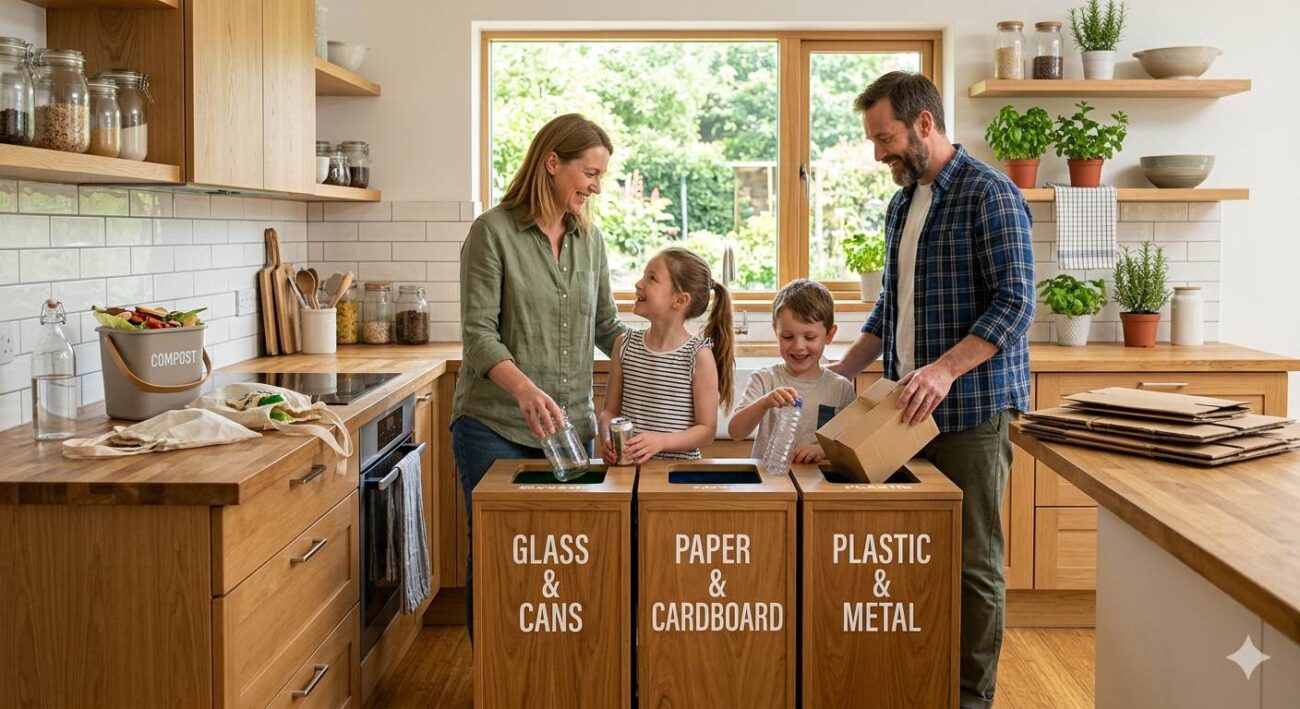
Create a Home Recycling System
A simple sorting system encourages consistent recycling habits. Many households use separate labeled bins for:
- Paper
- Plastic
- Glass
- Compost
- General waste
Additionally, placing recycling bins in convenient areas increases participation from all family members.
Buy Less and Choose Higher-Quality Products
Overconsumption creates unnecessary waste. Therefore, buying fewer but higher-quality items often reduces clutter and landfill contributions.
Minimalist living and intentional purchasing have become increasingly popular because they support sustainability and financial savings.
void Impulse Buying
Impulse purchases often become unused household clutter. Instead, households can adopt mindful shopping habits.
Helpful strategies include:
- Waiting 24 hours before buying non-essential items
- Making shopping lists
- Avoiding trend-driven purchases
- Comparing product durability
- Choosing repairable products
This approach reduces waste while improving budgeting.
Donate, Repair, or Repurpose Old Items
Many household items still hold value even after they are no longer needed. Donating or repairing products extends their lifespan and reduces landfill waste.
Useful options include:
- Donating clothes to local charities
- Repairing small appliances
- Repurposing glass jars for storage
- Turning old towels into cleaning cloths
Organizations like Goodwill Industries International help redistribute reusable household items to communities in need.
Teach Children Sustainable Waste Habits
Children learn environmental habits from daily routines at home. Therefore, involving them in recycling and waste reduction encourages lifelong sustainable behavior.
Simple activities include:
- Sorting recyclables
- Composting food scraps
- Using reusable lunch containers
- Turning off unnecessary lights
- Participating in donation drives
Additionally, educational books and eco-friendly activities help children understand environmental responsibility naturally.
Benefits of Reducing Household Waste
Reducing household waste provides environmental, financial, and personal benefits. Many people initially focus on sustainability but later discover additional lifestyle improvements.
Major benefits include:
- Lower household expenses
- Reduced clutter
- Cleaner living spaces
- Less environmental pollution
- Improved resource conservation
- Better long-term sustainability habits
Moreover, sustainable living often encourages healthier consumption patterns and greater appreciation for essential products.
For environmental education and recycling guidance:
Frequently Asked Questions
What is the easiest way to reduce household waste?
The easiest way involves replacing disposable products with reusable alternatives. Additionally, meal planning and proper recycling reduce waste quickly without major lifestyle changes.
How does composting reduce household waste?
Composting diverts food scraps from landfills and converts organic waste into nutrient-rich soil. Therefore, it reduces garbage volume naturally.
Can reducing waste save money?
Yes. Reusable products, mindful shopping, and reduced food waste help households spend less over time while improving sustainability. Conclusion
Reducing household waste does not require perfection. Instead, consistent small habits create meaningful long-term environmental impact. Households can begin by reducing food waste, replacing disposable products, recycling responsibly, and making smarter purchasing decisions.
Over time, these sustainable choices lower expenses, reduce clutter, and support healthier living environments. Moreover, eco-conscious habits encourage future generations to value responsible consumption and environmental protection.
Start with one small change today. Even simple actions can create a cleaner, greener, and more sustainable home for the future.