

A Complete Guide by Mintpaldecor
Your home should be a place where you feel comfortable, relaxed, and inspired. The right interior design choices can make your rooms look brighter, feel more spacious, and reflect your personal style. You do not always need expensive furniture or a complete renovation to create a beautiful living space. Sometimes, small changes to lighting, mirrors, colours, ceilings, and doors can make a noticeable difference.
At Mintpaldecor, we share practical interior design tips and home decorating ideas to help homeowners and renters improve their living spaces. Whether you prefer a modern interior, traditional decoration, or a combination of both, this guide will help you make thoughtful choices that balance beauty, comfort, and functionality.
1. Use Natural Light to Brighten Your Home
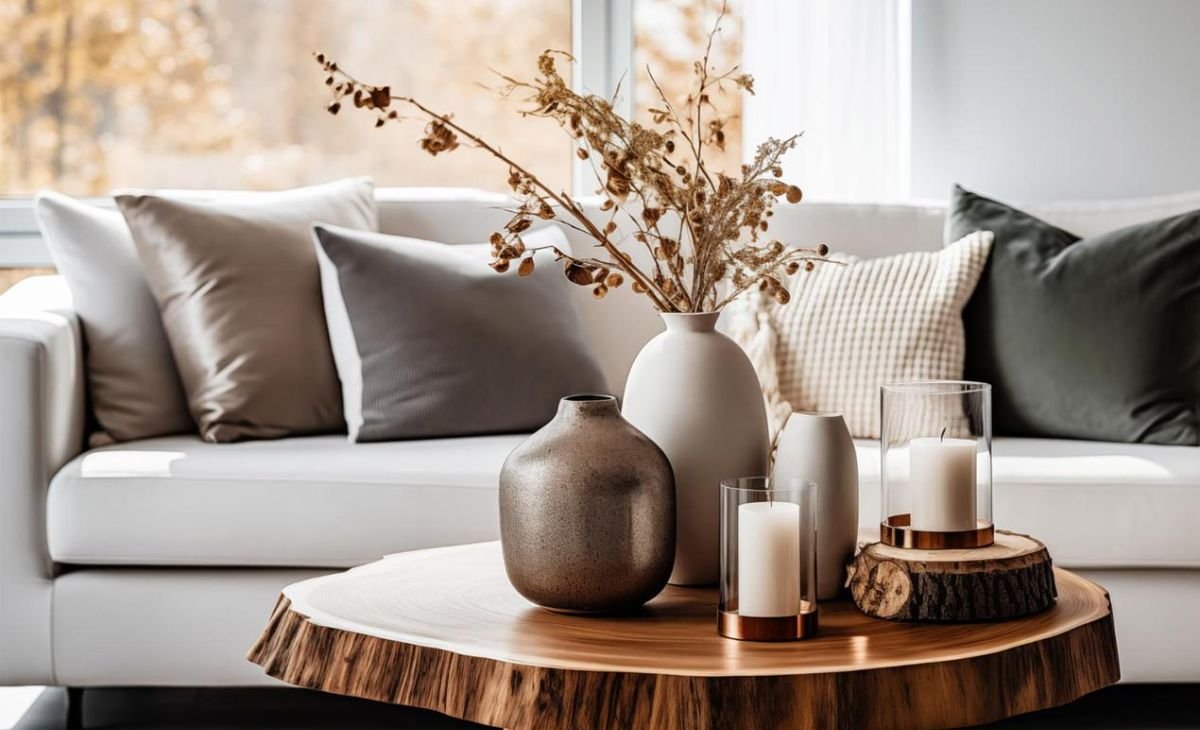
Natural light is one of the simplest ways to make an interior feel welcoming. Sunlight can highlight furniture, bring out wall colors, and make a room appear more open. It can also reduce the need for artificial lighting during the day, depending on the room and the amount of sunlight available.
To make better use of daylight, keep windows clean and avoid placing large furniture directly in front of them. Light-coloured walls, simple window treatments, and carefully positioned mirrors can also help distribute light throughout a room.
Practical Ways to Increase Natural Light
Here are some easy ways to make your home brighter:
- Choose lightweight curtains: Sheer or light-coloured curtains allow daylight to enter while maintaining some privacy.
- Keep windows clear: Remove unnecessary objects, bulky decorations, and furniture that block the light.
- Use light wall colours: White, cream, soft beige, and pale grey can help reflect light around a room.
- Position mirrors strategically: Place a mirror where it can reflect daylight from a window into a darker area.
- Avoid excessive decoration: Too many objects can make a room feel crowded and reduce the sense of openness.
- Control direct sunlight: Use blinds, shades, or suitable curtains when sunlight creates excessive glare or heat.
When planning a new home or renovation, consider window placement and the direction of sunlight. The U.S. Department of Energy explains how thoughtful daylighting design can improve natural illumination while helping manage heat and energy use.
2. Enhance Your Interior with Mirrors
Mirrors are useful decorative elements that can make rooms appear brighter and more spacious. They reflect light and create a sense of depth, making them particularly helpful in small apartments, narrow hallways, and compact living rooms.
You can use mirrors in almost any room, including bedrooms, bathrooms, dining areas, and entrance halls. A large wall mirror can become a focal point, while several smaller mirrors can create an attractive decorative arrangement.
How to Decorate with Mirrors
For the best results, consider these ideas:
- Place a mirror opposite or beside a window to reflect natural light.
- Use a full-length mirror in a bedroom or dressing area.
- Choose a round mirror to soften a room with many straight lines.
- Add a framed mirror above a console table or fireplace.
- Select a simple, frameless mirror for a clean, modern interior.
However, avoid placing mirrors where they reflect clutter, harsh sunlight, or an unattractive view. The goal is to improve the room’s appearance, not simply to add more reflective surfaces.
3. Combine Traditional and Modern Decoration
Traditional and modern interior design can work beautifully together. Traditional decor often includes detailed woodwork, classic furniture, patterned textiles, and decorative accessories. Modern interiors usually emphasize clean lines, practical furniture, simple shapes, and uncluttered spaces.
Combining these styles allows you to create a home that feels distinctive without appearing old-fashioned or overly contemporary.
How to Balance Traditional and Modern Styles
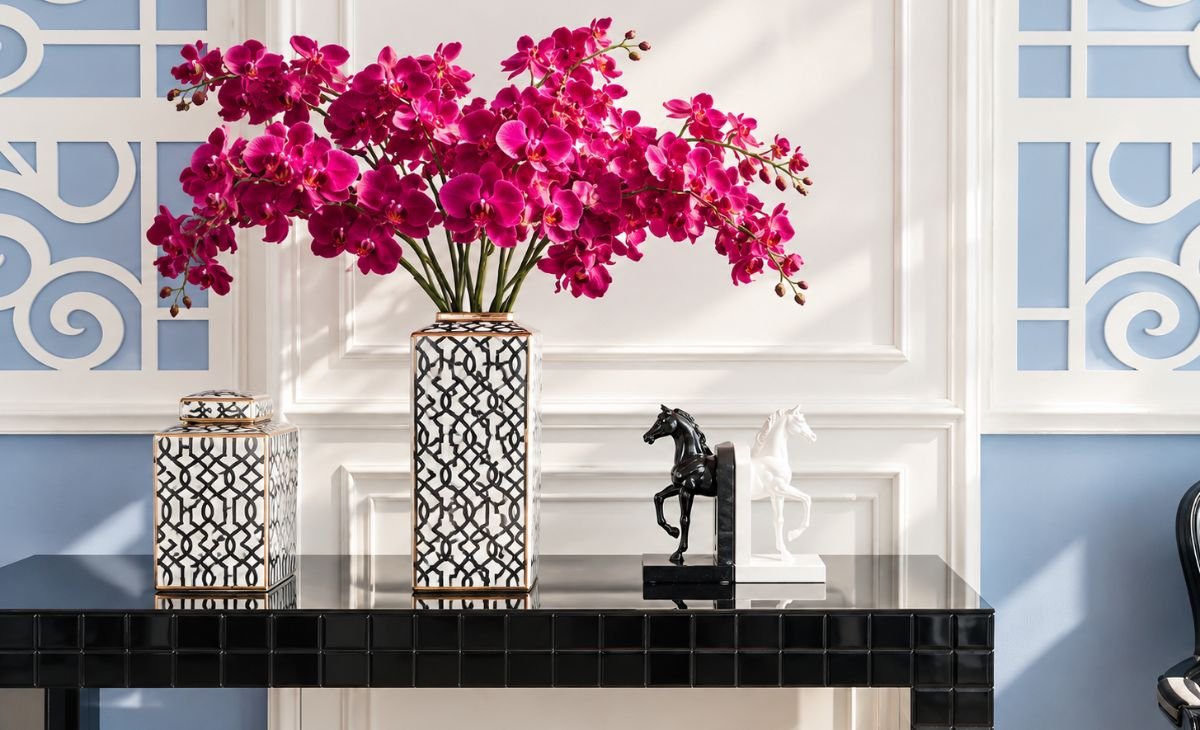
The key is to create a consistent visual theme rather than mixing everything randomly.
For example, you could pair a traditional wooden coffee table with a modern sofa, use contemporary pendant lights above a classic dining table, or display traditional decorative pottery on a minimalist shelf.
Try these practical tips:
- Choose a consistent colour palette. Use two or three main colours to connect different styles.
- Mix materials thoughtfully. Wood, metal, glass, cotton, and natural stone can complement one another.
- Balance detailed and simple pieces. If your furniture has intricate patterns, keep nearby accessories relatively understated.
- Repeat design elements. Similar colours, finishes, or shapes help the room feel coordinated.
- Leave some empty space. Avoid filling every surface with decorative objects.
A successful combination should feel intentional and comfortable. You do not need to follow one style strictly; choose pieces that work together and suit your lifestyle.
4. Choose a Ceiling Design That Complements Your Room
Ceilings are often overlooked during home decoration, yet they can influence the overall appearance of a room. A well-designed ceiling can complement your furniture, improve the lighting arrangement, and create a polished finish.
The best ceiling design depends on your room’s size, ceiling height, budget, and preferred interior style. Simple designs are often suitable for smaller rooms, while larger spaces may accommodate more elaborate details.
Common Types of Ceiling Designs
Here are several ceiling styles to consider:
- Flat ceiling: A simple, traditional option that works with almost any interior.
- False ceiling: A secondary ceiling installed below the original ceiling, often used to conceal wiring and incorporate lighting.
- Coffered ceiling: Features recessed panels that add depth and architectural detail.
- Tray ceiling: Includes a central section that sits higher than the surrounding ceiling.
- Wooden ceiling: Uses wood or wood-look finishes to introduce warmth and texture.
- Suspended ceiling: A secondary ceiling system commonly used in commercial spaces and some residential interiors.
- Gypsum ceiling: Uses gypsum boards to create smooth surfaces and decorative shapes.
- Shed ceiling: Follows a single sloping roofline.
- Cove ceiling: Incorporates a recessed edge that can accommodate indirect lighting.
- POP ceiling: Uses plaster of Paris for decorative ceiling details and molded designs.
How to Choose the Right Ceiling Design
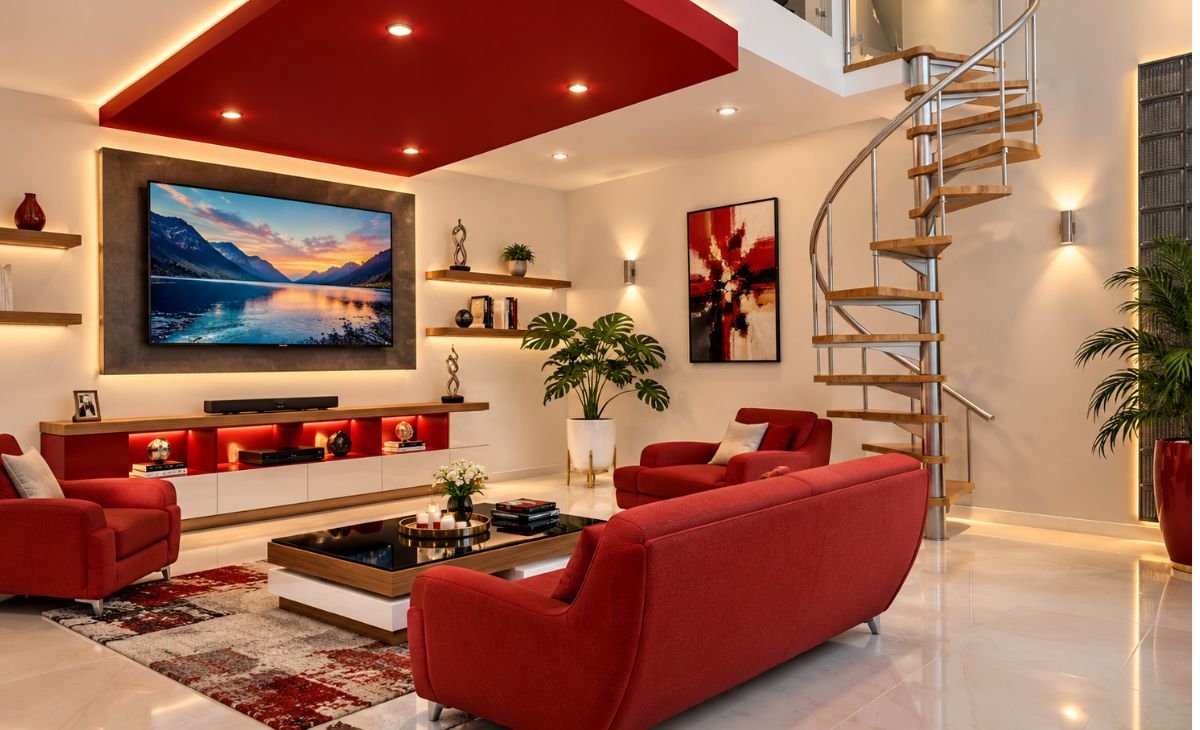
Consider the room before choosing a style. A low ceiling can feel even lower when covered with bulky decorative features, while an elaborate design may overwhelm a small bedroom.
For many homes, a clean ceiling with carefully positioned recessed lights or subtle indirect lighting creates an attractive result. Before installing a false ceiling, consider maintenance access, ventilation, electrical safety, and the effect on ceiling height.
5. Use Sliding Doors to Save Space
Sliding doors are a practical choice for modern homes, especially where traditional hinged doors require too much clearance. Instead of swinging into a room, sliding doors move along a track, making them useful for compact bedrooms, wardrobes, bathrooms, and selected living areas.
Depending on the design, sliding doors can also create a connection between indoor and outdoor spaces. Glass panels allow light to pass through, while wooden or solid-panel designs offer more privacy.
Benefits of Sliding Doors
1. Save floor space: Sliding doors do not need the same swing clearance as hinged doors, which can make furniture placement easier.
2. Create a modern appearance: Their clean lines work well with contemporary interiors.
3. Allow more natural light: Glass sliding doors can brighten a room when their placement and orientation are suitable.
4. Offer different design options: You can choose wood, glass, aluminum-framed glass, or other materials according to your needs.
5. Support flexible layouts: Sliding partitions can help separate selected areas without requiring a conventional swinging door.
What Materials Are Used for Sliding Doors?
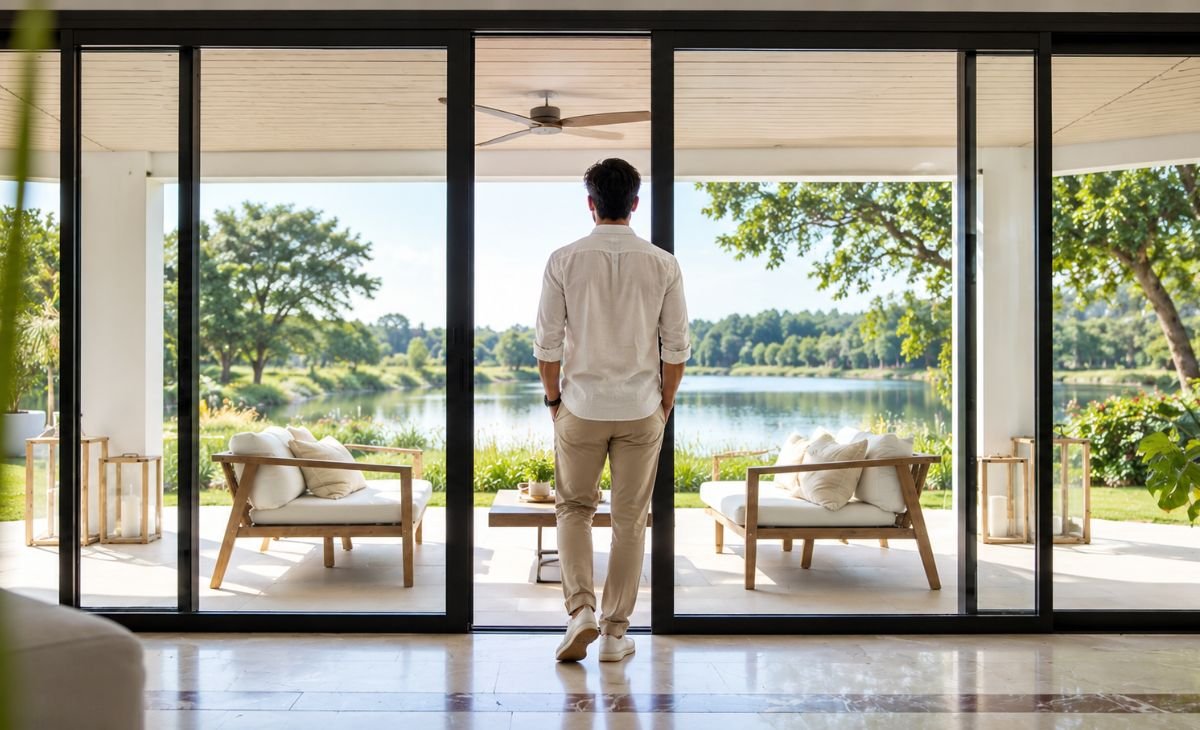
Common options include wood, tempered glass, aluminum-framed glass, and steel-framed designs. Each material has different advantages in terms of appearance, durability, insulation, maintenance, and cost.
Before choosing a sliding door, check the available wall space, track quality, installation requirements, and locking system. Glass doors should use suitable safety glazing, especially in locations where people may accidentally walk into the panels. Also consider privacy, sound insulation, and accessibility before deciding where to install them.
6. Choose the Right Ceiling Color
Ceiling color can influence how a room feels. Light colors are popular because they often make a space feel airy and can help reflect available light. White is a versatile choice, but warm white, cream, pale beige, and soft gray can also work beautifully.
Your ceiling does not always need to be white. A carefully selected darker shade can create a cosy atmosphere in a room with sufficient height and suitable lighting.
Tips for Selecting a Ceiling Colour
- Match the ceiling colour with your wall colours and flooring.
- Use lighter shades when you want a simple, open appearance.
- Consider warm undertones if your room has warm wood or beige furniture.
- Test a small paint sample under daylight and artificial lighting before painting the entire ceiling.
- Coordinate the ceiling with your lighting fixtures and overall decorating style.
Remember that lighting can change how paint appears throughout the day. Test your chosen colour in the actual room instead of relying entirely on a colour chart.
7. Avoid Common Home Decorating Mistakes
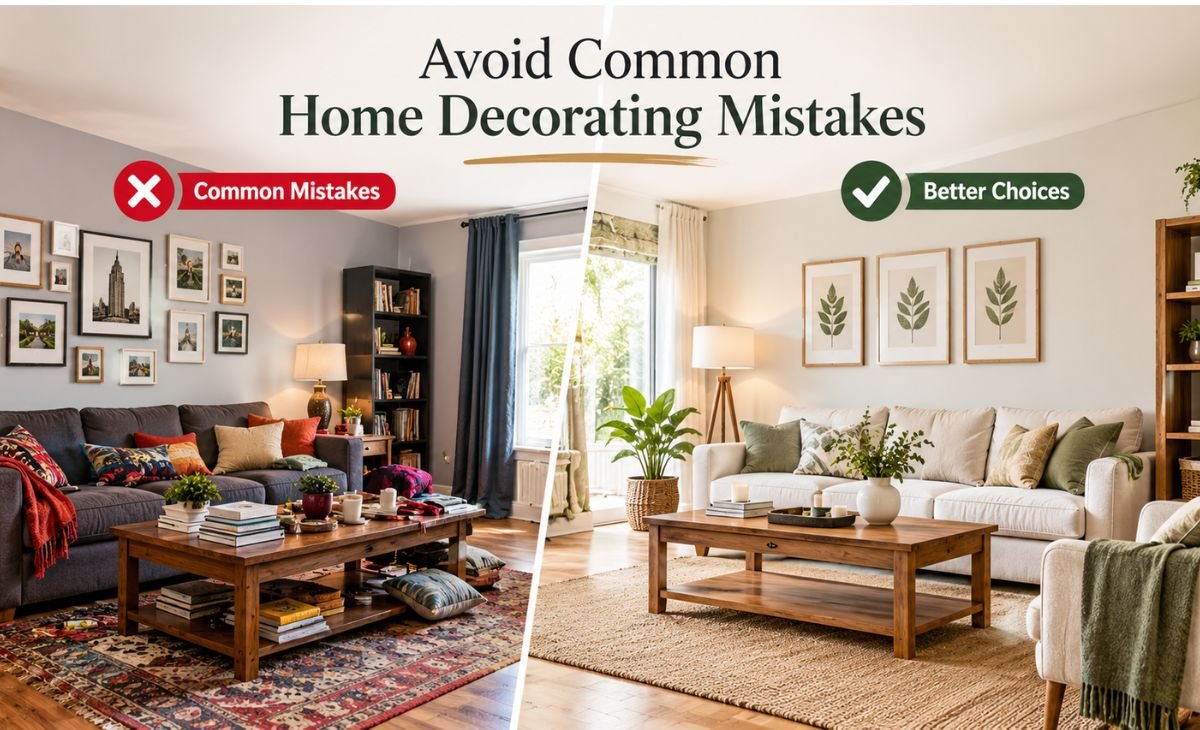
Even attractive furniture and expensive finishes may not produce a successful interior if the overall design lacks balance. A few simple precautions can help you avoid common problems.
- Overdecorating: Too many accessories can make a room look busy. Keep the pieces you love and remove unnecessary clutter.
- Ignoring room proportions: Large furniture can overwhelm a small room, while very small pieces may look lost in a spacious area.
- Using too many colors: Choose a coordinated palette and introduce additional colors through cushions, artwork, plants, and accessories.
- Blocking windows: Avoid placing tall furniture where it prevents daylight from entering.
- Following trends blindly: Select designs that fit your budget, daily routine, and long-term preferences.
- Ignoring practical needs: Consider cleaning, storage, durability, privacy, and safety alongside appearance.
The best interior design is not necessarily the most expensive. It is the design that makes your home comfortable, functional, and visually appealing.
Frequently Asked Questions
1. How can I make a small home look bigger?
Use light colors, mirrors, practical storage, appropriately sized furniture, and clear walkways. Keep windows unobstructed and avoid excessive decorations. Sliding doors can also help save floor space where a hinged door would interfere with furniture.
2. Which ceiling design is best for a modern home?
A simple flat ceiling or a subtle false ceiling with well-planned lighting can work well in many modern homes. The right choice depends on ceiling height, room size, budget, and maintenance requirements.
3. How can I combine traditional and modern interior design?
Start with a consistent color palette, then combine a few traditional pieces with modern furniture and lighting. Repeat colors or materials throughout the room to create a connected look, and leave enough open space to prevent visual clutter.
Conclusion
Creating a beautiful home begins with thoughtful choices that balance appearance and practicality. Natural light can brighten your rooms, mirrors can create a sense of space, and a balanced combination of traditional and modern decor can give your interior a distinctive character. Suitable ceiling designs, coordinated colors, and well-planned sliding doors can further improve the look and functionality of your home.
You do not need to change everything at once. Start with one room, identify what needs improvement, and make changes that suit your budget and lifestyle.
Mintpaldecor aims to help readers discover useful interior design tips, home decorating ideas, and practical inspiration for everyday living. Explore our other home decor guides to find more ways to make your living space feel comfortable, organized, and uniquely yours.
3 thoughts on “Interior Design Tips for Decorating Your Home: A Complete Guide by Mintpaldecor”