

Styrofoam walls can mean two very different things: rigid boards that insulate a wall, or lightweight panels that decorate its surface. Both may use foam, but their jobs differ. Before buying, decide whether you want a warmer room, a textured accent wall, or less noise.
This guide explains polystyrene wall panels, EPS and XPS insulation, installation planning, and decorative tiles. It also shows why thickness, moisture control and fire protection matter. For the wider picture, start with our wall insulation guide.
What Are Styrofoam Walls?

People often use “styrofoam walls” as a general name for walls covered with polystyrene foam. However, Styrofoam™ is a trademark for DuPont’s extruded polystyrene insulation. Expanded polystyrene, or EPS, is a separate type of foam. Packaging foam and decorative tiles are not automatically suitable substitutes for building insulation.
In a home, polystyrene usually appears as a board within a larger wall system. For example, a designer may specify continuous foam outside the framing or against the inside face of a masonry wall. Drywall, cladding, flashing and other layers complete that system.
By contrast, thin patterned panels mainly change the room’s appearance. A brick texture can look attractive, but appearance alone says nothing about insulation performance. Therefore, check the exact material, intended use and test information before comparing products.
Polystyrene Wall Panels: Insulation or Decoration?
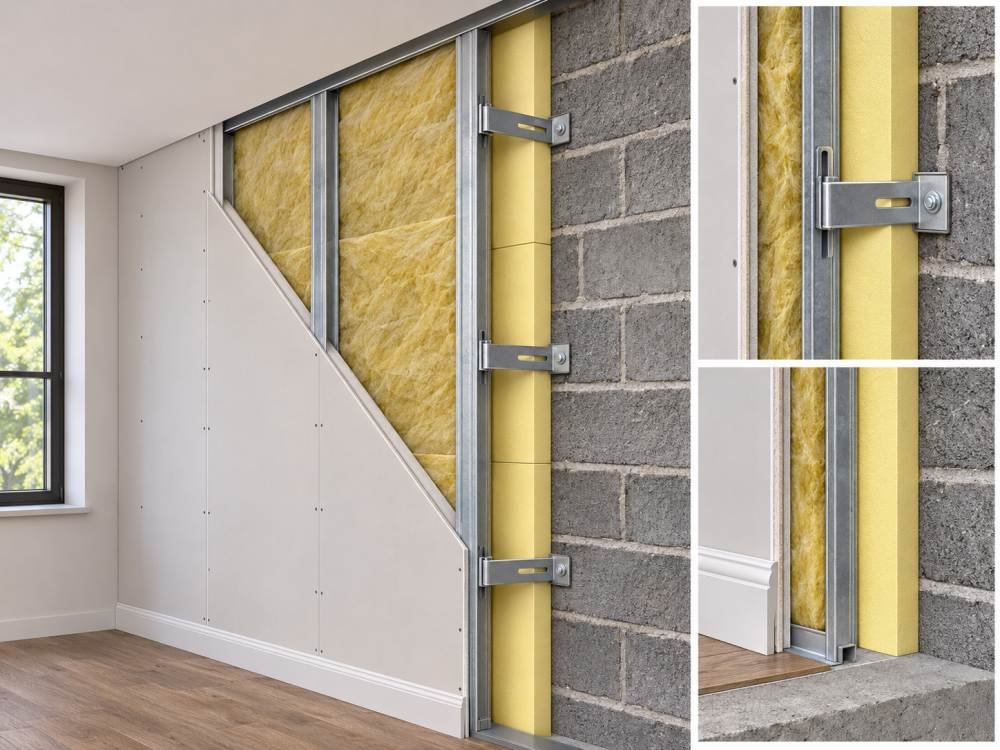
The simplest way to compare products is to look at their stated purpose. Insulation boards should provide a declared thermal resistance at a stated thickness. Decorative panels should explain where and how you can use the finished surface. Some specialist systems combine functions, but the documentation must support those claims.
| Product | Main purpose | What to check |
|---|---|---|
| EPS foam board insulation | Reduce heat flow through a designed wall assembly | Declared R-value, thickness, density and approved use |
| Extruded polystyrene (XPS) panels | Rigid thermal insulation for specified applications | Thermal performance, moisture properties and installation requirements |
| 3D faux brick wall tiles | Create a decorative textured finish | Material, fire classification, surface preparation and location limits |
| Peel and stick foam wall tiles | Provide an adhesive decorative covering | Adhesive suitability, substrate condition and removal limitations |
| Acoustic foam panels | Absorb sound within a room when tested for that purpose | Sound absorption data and fire performance |
For example, a homeowner with cold external walls needs a thermal upgrade. Buying decorative tiles because they feel warm to the touch may leave the main heat loss unchanged. Likewise, a home office with echo needs an acoustic assessment rather than a thermal insulation label.
EPS Foam Board Insulation vs. XPS Panels
Expanded polystyrene: EPS
EPS consists of expanded beads formed into boards. Standard white boards have a visible bead texture, while other products use additives or different finishes. EPS foam board insulation comes in several grades, so a board designed for one application may not suit another.
As a general reference, the Building America Solution Center lists typical EPS thermal resistance at about R-3.8 to R-4.4 per inch. However, the chosen product’s declared value takes priority. Density, formulation and test conditions can affect performance.
EPS may suit a project where cost and the wall’s drying strategy favor it. Nevertheless, compare complete systems. A lower board price can lose its advantage if the assembly needs costly changes to trim, fixings or finishes.
Extruded polystyrene: XPS
XPS has a more uniform cellular structure. Extruded polystyrene (XPS) panels commonly provide around R-5 per inch as a general reference, although product values vary. They also differ from EPS in their moisture and vapor properties.
However, low water absorption does not make a whole wall waterproof. Rain can still enter through poorly detailed windows, joints and penetrations. As a result, an exterior XPS layer still needs a coordinated water-management design.
Do not choose EPS or XPS by board color. Instead, read the label and technical sheet. Our wall insulation materials comparison can help you compare rigid boards with other insulation options.
How Much Insulation Do Styrofoam Walls Provide?
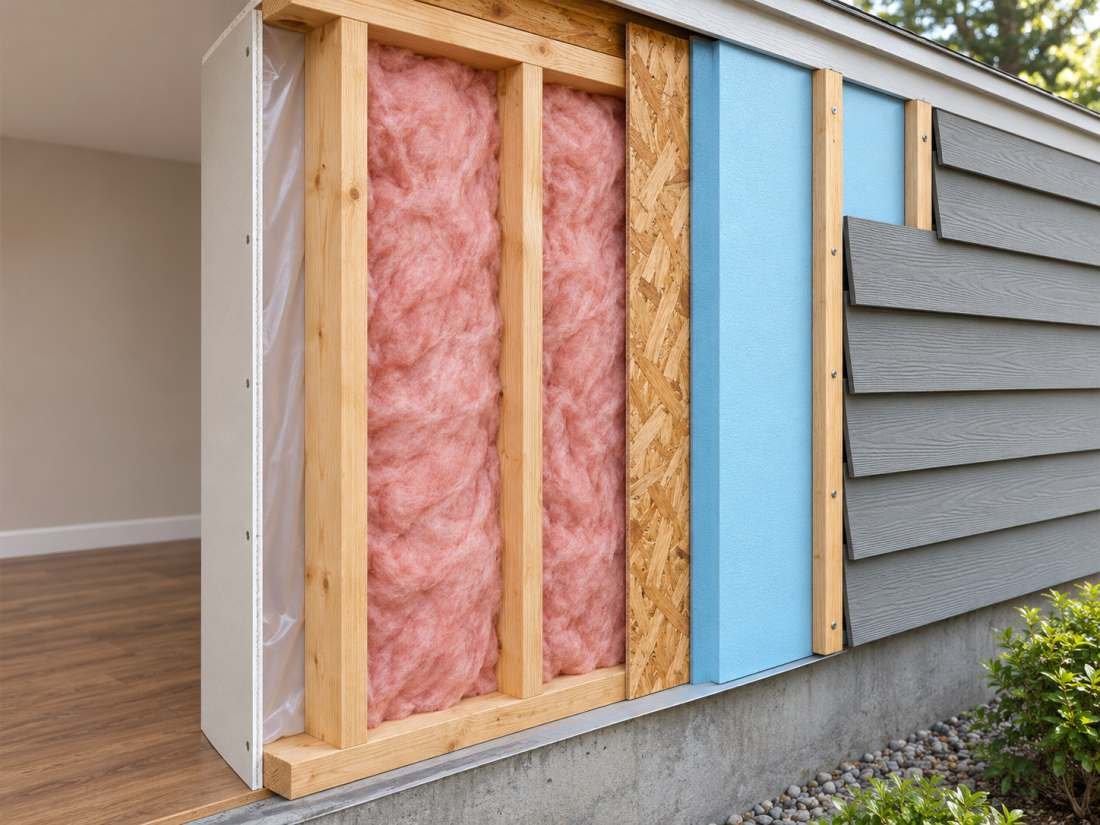
Thickness matters because the board’s R-value increases with its specified thickness. For a simple illustration, a product rated R-5 per inch would provide about R-10 at two inches. However, this calculation describes that insulation layer, not the finished wall’s overall rating.
Studs, fasteners, gaps and junctions affect actual heat flow. In addition, air leakage can reduce comfort even when the insulation layer has a useful R-value. Therefore, assess insulation and air sealing together.
A continuous layer across the framing can reduce thermal bridging through studs. Boards fitted only between studs leave those framing paths in place. For this reason, placement may matter as much as the headline R-value.
Thin decorative tiles deserve a separate comparison. Unless their manufacturer supplies a tested R-value at the installed thickness, treat their thermal benefit as unverified. A decorative covering should not count toward an insulation target without suitable evidence.
Rigid Foam Board Sheathing on Exterior Walls
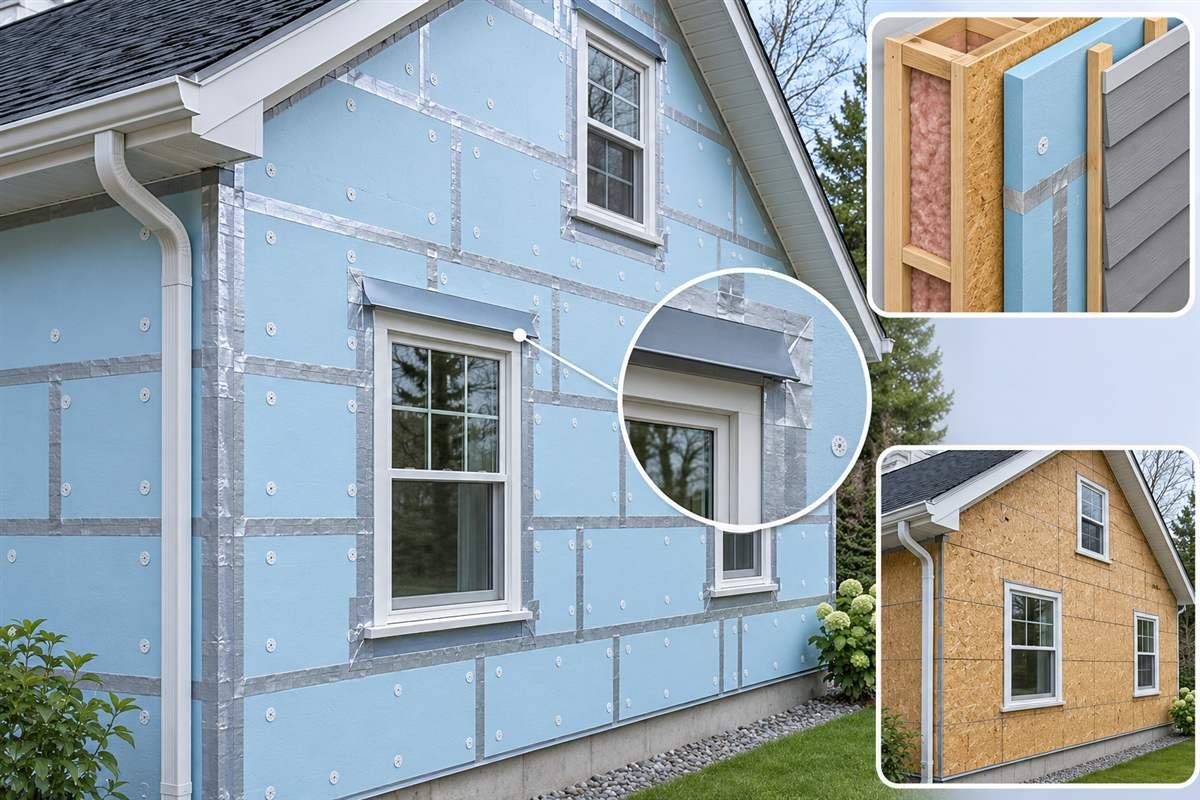
Rigid foam board sheathing can add a continuous thermal layer outside a framed wall. This approach often becomes practical during siding replacement, when workers can access the outer wall layers. However, the design must account for the extra depth around windows, doors and roof edges.
First, establish which layer manages rainwater. Next, coordinate window flashing, penetrations and drainage with that layer. Depending on the approved system, the water-control layer may sit in a different position relative to the foam.
Also, confirm the cladding attachment design. Thick boards can change fastener length and may require furring or other supporting details. Ordinary foam board does not automatically replace structural sheathing or wall bracing.
Finally, protect the foam with the specified exterior finish. An exposed board is an unfinished construction layer unless a particular system expressly allows that condition. Read our exterior wall insulation guide for the broader retrofit choices.
Using Styrofoam in Walls from the Inside
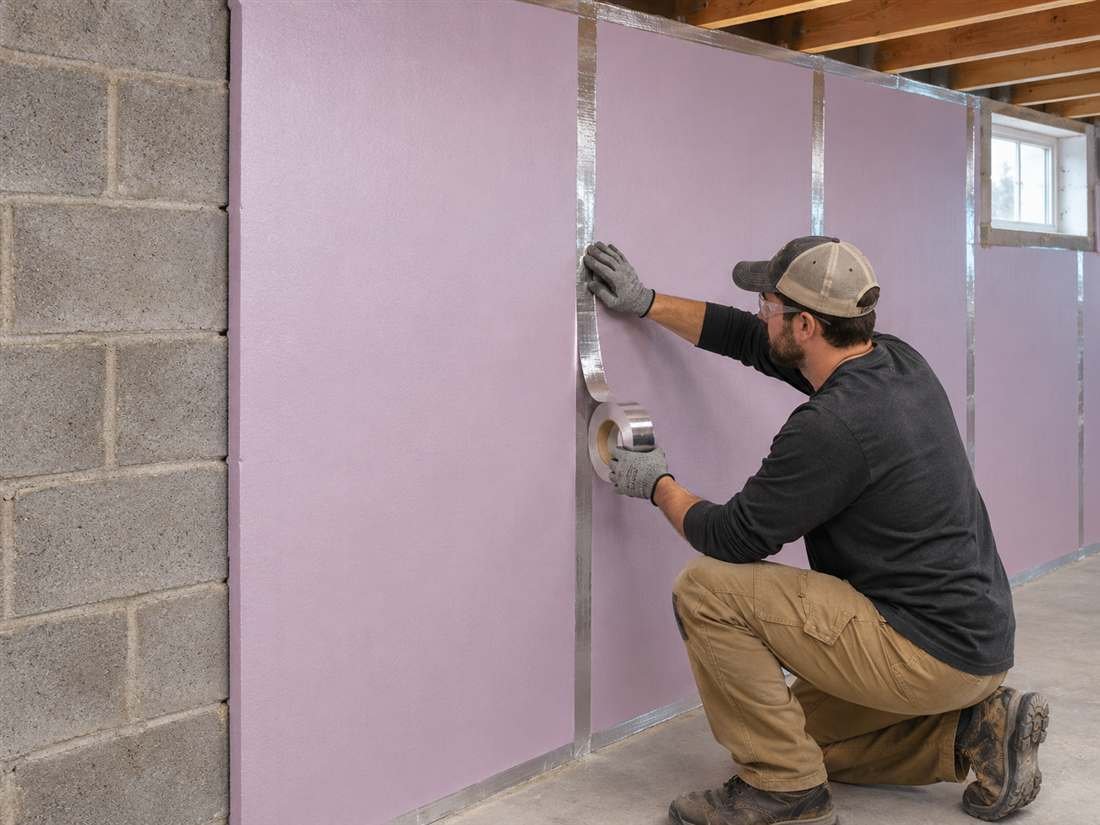
Interior thermal wall insulation can help when exterior access is difficult. However, adding insulation inside changes the temperature and drying behavior of the existing wall. A dry-looking surface alone does not prove that the assembly is ready.
Before covering masonry, investigate damp patches, leaking gutters, rain entry and moisture from the ground where relevant. Repair the cause first. Otherwise, new foam and finishes may conceal an active problem.
Then, review how the full assembly will dry. Board thickness, facings, existing paint and additional vapor-control layers all matter. Avoid adding polyethylene automatically, because the right approach depends on climate and construction.
Interior boards also reduce usable room space. Include the foam, fixings, service space and finish when measuring that loss. For a fuller planning checklist, see our internal solid wall insulation guide.
3D Faux Brick Wall Tiles and Decorative Cladding
3D faux brick wall tiles offer a textured look without the weight of masonry. Other polystyrene wall panels may imitate stone, timber or geometric patterns. As lightweight decorative wall cladding, these products can suit an accent wall when their approved use matches the room.
However, decorative foam products vary in material. Some peel-and-stick tiles use polyethylene or another foam rather than polystyrene. Therefore, confirm the composition instead of assuming every soft panel is EPS or XPS.
Check sample panels in the room before ordering a full set. Side lighting can emphasize joints, repeated patterns and surface shine. Also, compare the panel depth with outlet covers, skirting boards and door trim.
Peel and stick foam wall tiles: practical limits
Peel and stick foam wall tiles depend on the bond between adhesive and substrate. Dusty plaster, loose paint and damp surfaces can weaken that bond. Consequently, preparation matters as much as the tile itself.
Check whether the adhesive suits the wall finish and whether removal may damage it. Renters should also confirm permission before covering a wall. A “removable” description does not guarantee clean removal from every painted surface.
Keep panels away from heat sources unless the product has explicit approval for the intended location. Likewise, do not assume a wipe-clean surface makes the panel a shower lining or waterproofing system. Follow the product’s location limits.
Do Soundproofing Foam Wall Panels Block Noise?
Search results often group thermal boards with “soundproofing foam wall panels.” However, sound absorption and sound isolation solve different problems. Absorption reduces reflected sound within a room. Isolation reduces sound passing between spaces.
Some acoustic foams can absorb sound when their design and test data support that use. Decorative polystyrene tiles do not automatically provide the same result. Nor does adding rigid thermal foam alone guarantee quieter conversations through a shared wall.
For room-to-room noise, assess the complete wall assembly, gaps, doors and sound paths around the partition. Ask for an assembly sound rating when comparing systems. Our guide to interior insulation and sound explains the distinction in more detail.
Planning a Polystyrene Wall Insulation Installation
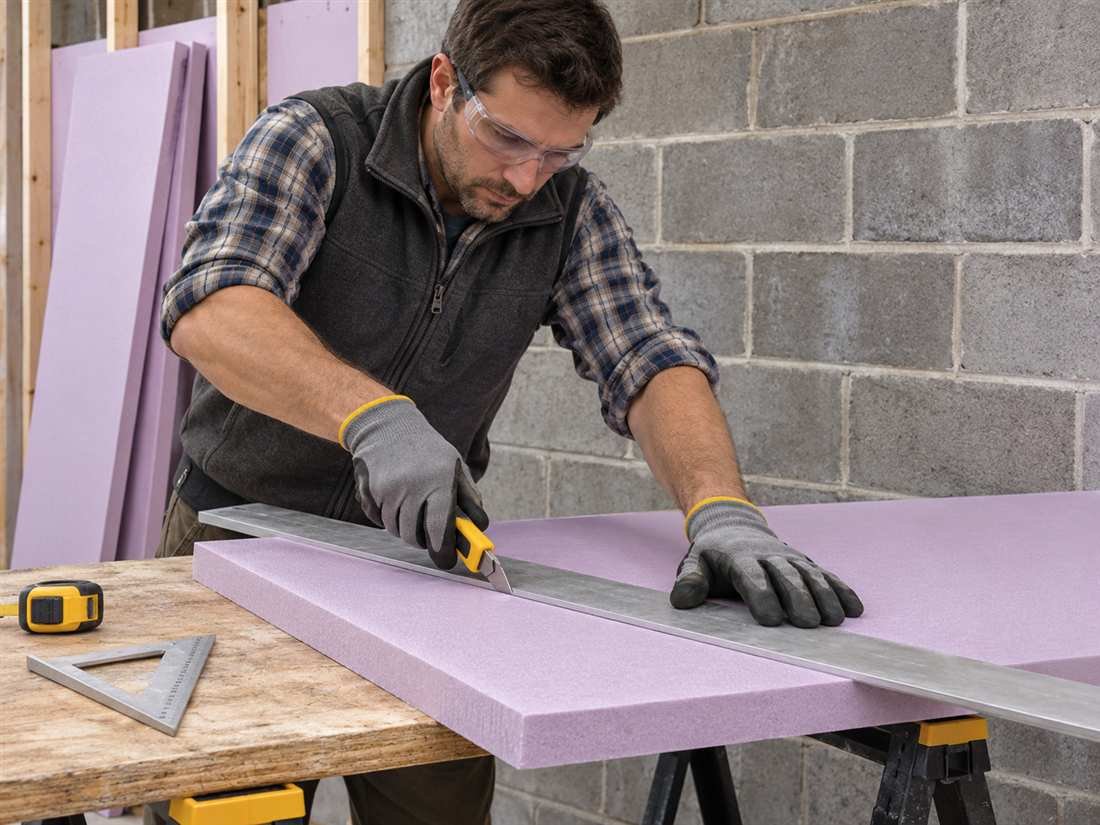
1. Define the result you need
Start with one clear goal: thermal comfort, decoration or acoustic improvement. Then select a product intended for that goal. If the room has several problems, plan separate measures rather than expecting a single thin panel to solve everything.
2. Inspect the wall and measure the space
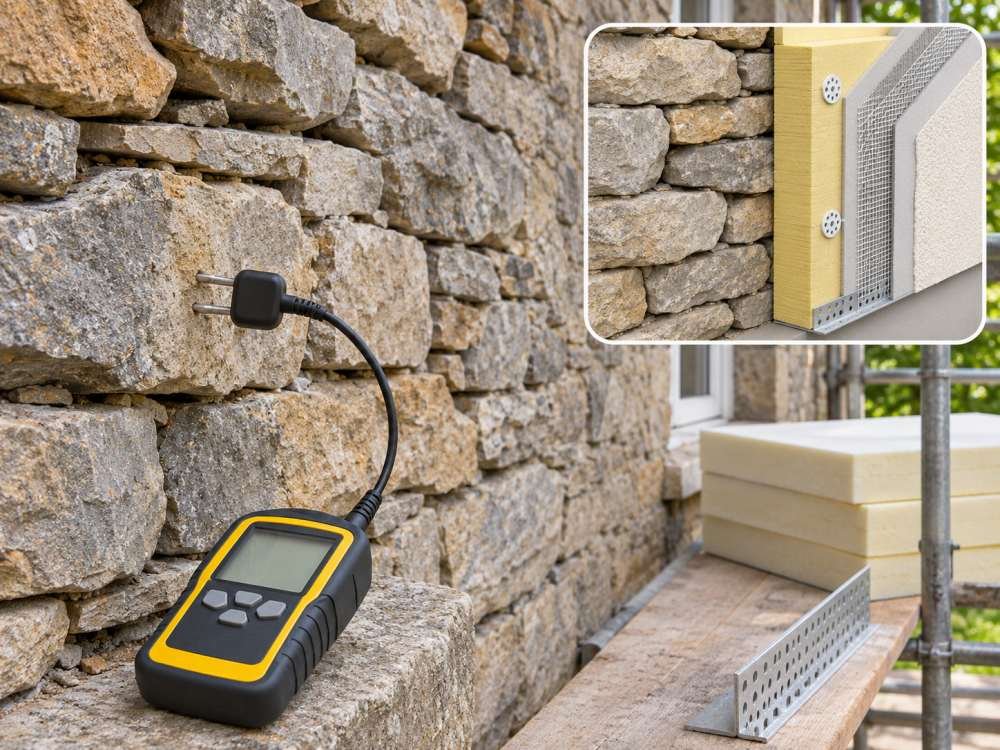
Check for damp, damaged surfaces and uneven areas before ordering. Next, measure openings, corners and trim details. For an insulation project, include service locations and the depth of the finished system in the plan.
3. Choose the complete assembly
Specify board type, thickness, attachment, air-sealing details and protective covering together. Also, check the manufacturer’s requirements and local approvals. At windows and floor edges, draw the transitions so the insulation does not stop at awkward gaps.
4. Use compatible materials
Some solvents can damage polystyrene. Therefore, use adhesives, sealants and tapes that the system manufacturer approves for the exact board and substrate. Do not assume a general construction adhesive is suitable simply because it bonds other materials.
5. Detail joints and penetrations
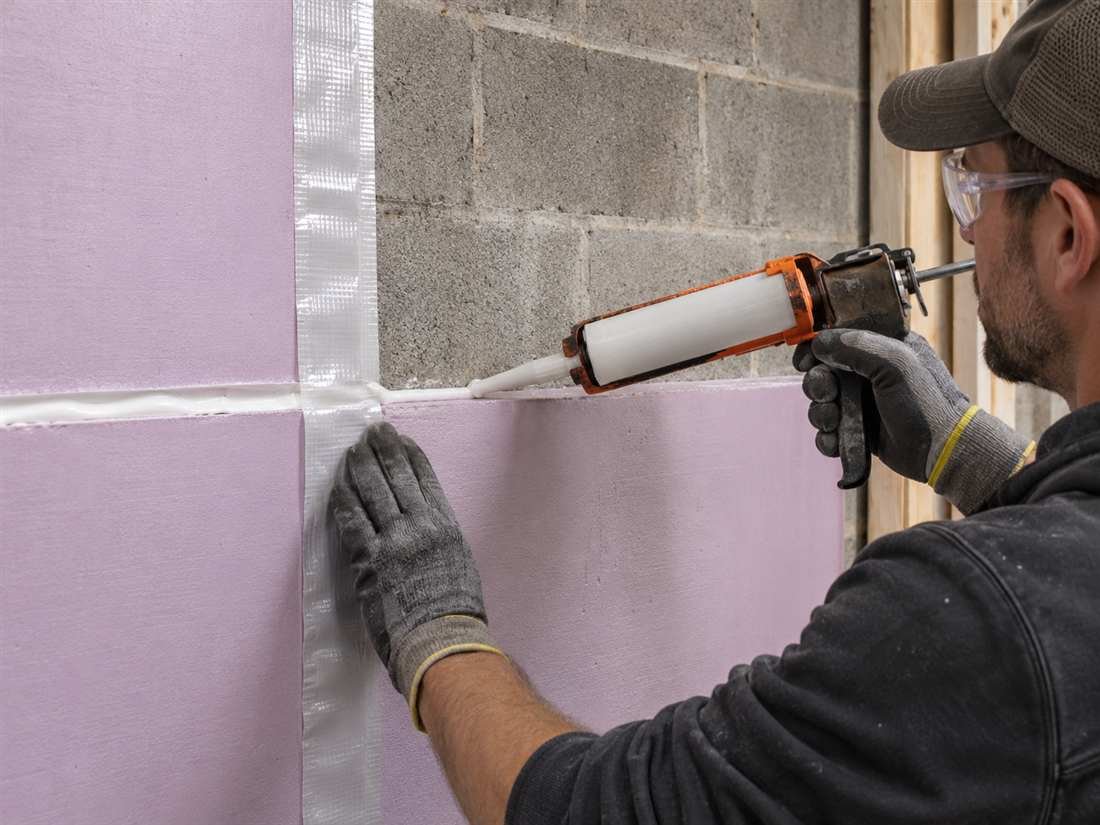
Fit boards to the planned layout and treat joints as the approved system requires. However, taped board seams alone do not prove the whole wall is airtight. Connections at floors, ceilings and openings also need attention.
6. Complete protection and inspection
Install the specified thermal barrier or other approved protection before treating the job as finished. Then inspect edges, fixings and transitions. Where local rules require an inspection, arrange it before the relevant work becomes concealed.
Fire Protection, Moisture and Everyday Durability
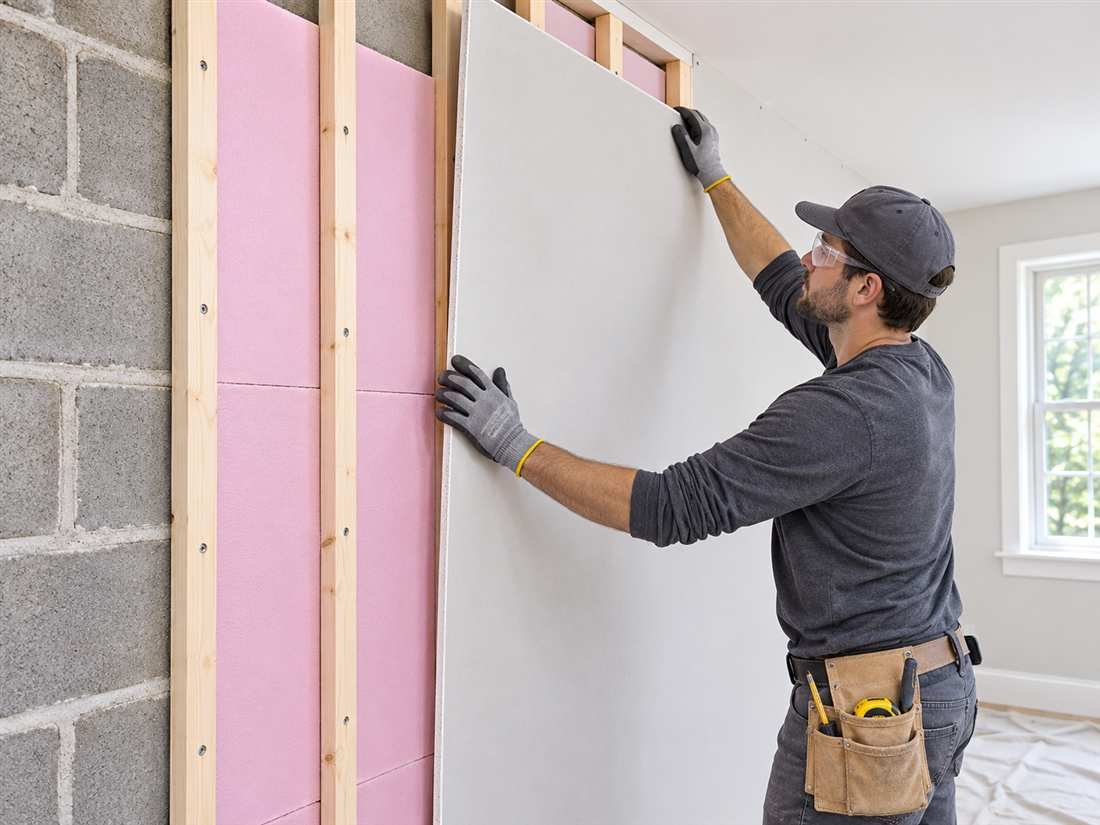
Polystyrene is a foam plastic that needs appropriate fire protection in building assemblies. In many interior applications, an approved thermal barrier such as specified gypsum board covers the insulation. However, exact requirements depend on the product, assembly and adopted local code.
A fire classification for a decorative tile is not automatically permission to leave any foam board exposed. Likewise, paint does not turn an ordinary board into an approved protected wall system. Ask for documentation that covers the intended installation.
Moisture also needs a complete-wall approach. Foam can resist some moisture movement while joints, flashing or adjacent materials still allow leaks. Therefore, fix water entry and assess drying before adding layers.
For daily use, consider impact damage and mounting loads. Lightweight panels can dent, and foam alone is not a reliable fixing point for heavy shelves. Attach fixtures to suitable structure using a detail that preserves the wall’s control layers.
Cost and Environmental Factors to Compare
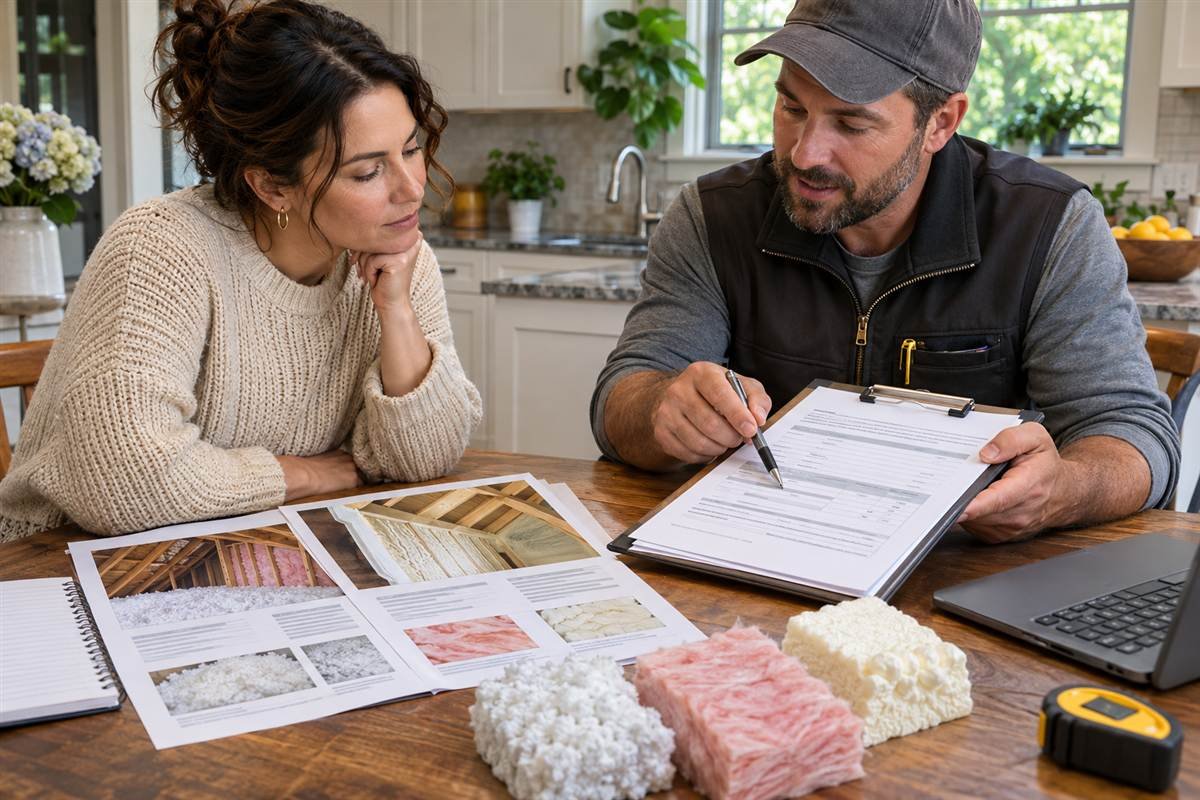
Compare quotations for the same finished scope. Include boards, compatible tapes, fixings, trim, protective finishes, labor and repairs. Otherwise, a cheap material quote may hide a much larger completed project cost.
For decorative work, compare cost per covered square foot after allowing for cuts and pattern matching. For thermal work, compare the required assembly performance. Avoid choosing solely by the price of one panel.
Polystyrene is plastic, so waste and disposal deserve planning. Ask suppliers about suitable offcut collection or local recycling routes before buying. Acceptance varies, and construction foam should not automatically go into household packaging recycling.
Also, compare current environmental product declarations when available. Manufacturing methods and formulations differ. A broad “eco-friendly” label gives less useful information than a product-specific declaration and a realistic estimate of the project’s energy benefit.
Checklist Before Buying Styrofoam Walls Products
- Is the goal insulation, decoration or acoustic treatment?
- Which material does the panel actually contain?
- Does the supplier provide a declared R-value at the chosen thickness?
- Is the exact product suitable for this wall and room?
- What fire protection does the complete installation require?
- How will the wall manage rainwater and dry after the upgrade?
- Are the adhesive, tapes, fixings and finish compatible?
- Does the total quote include trim, repairs and protective coverings?
Frequently Asked Questions
Can you use styrofoam in walls for insulation?
Yes, suitable EPS or XPS insulation boards can form part of a designed wall assembly. However, select a building insulation product with documented performance. Packaging foam and decorative tiles are not automatic replacements.
Is EPS the same as Styrofoam?
No. EPS means expanded polystyrene. Styrofoam™ is a brand of extruded polystyrene, or XPS. People often use the brand name loosely, so check the product label before buying.
Can polystyrene wall panels stay exposed indoors?
Do not assume they can. Ordinary insulation boards commonly need an approved protective covering. Decorative products have their own installation conditions, so confirm the exact product’s approval for the intended use.
Will peel-and-stick brick tiles make a cold room warm?
Do not rely on that result without a declared thermal rating. Thin decorative tiles mainly change appearance. Instead, investigate the wall’s insulation, air leakage and moisture condition when warmth is the goal.
Are polystyrene panels waterproof?
Some boards have useful moisture resistance, but that does not make a complete wall waterproof. Joints, openings, finishes and flashing must also suit the application. Decorative tiles should not replace shower waterproofing.
Are foam tiles good for soundproofing?
Not automatically. A tested acoustic panel may reduce echo, but stopping noise between rooms requires a suitable wall assembly. Look for relevant sound test data rather than relying on the word “foam.”
Choosing the Right Styrofoam Walls System
Styrofoam walls work best when the product matches the job. For thermal insulation, compare specified EPS and XPS boards within a complete wall design. For decoration, compare finish quality, location limits and adhesive requirements.
Above all, plan moisture control and fire protection before installation. A well-chosen system should improve the room without creating hidden problems. Start with the wall’s condition, check the documentation and compare the full installed scope.
Technical reference: The Building America Solution Center’s typical insulation R-values provides general EPS and XPS comparisons. Use the selected product’s current data for an actual design.
For related guidance, see Joints, facing, exterior wall insulation panels and Foam Wall Insulation.