

The best answer to “what can I recycle at home?” begins with your city or hauler, not a generic list. U.S. curbside programs differ in the materials they collect and how they want them prepared. A container accepted in one town may be rejected in another. Use this guide to build a reliable household sorting routine, then verify each item with your local program. For a bigger waste-prevention plan, visit 20 practical ways to reduce waste at home.

Why recycling rules vary by community
Recycling programs have different equipment, contracts, collection routes, and markets for recovered materials. That means a broad national list cannot tell you exactly what your local cart accepts. The U.S. EPA’s standardized materials page names common categories and collection methods, but it specifically tells residents to confirm acceptance with their community curbside or drop-off program. Start with your city, county, waste hauler, or official recycling lookup—not an old social-media graphic.
The chasing-arrows symbol or a number on plastic is not a promise that the item belongs in your curbside bin. A symbol may identify material type, while local programs decide what they collect and can process. When in doubt, pause and check the municipal guide. One rejected item can contaminate a load or create problems at sorting facilities, so accurate sorting matters more than filling the cart quickly.
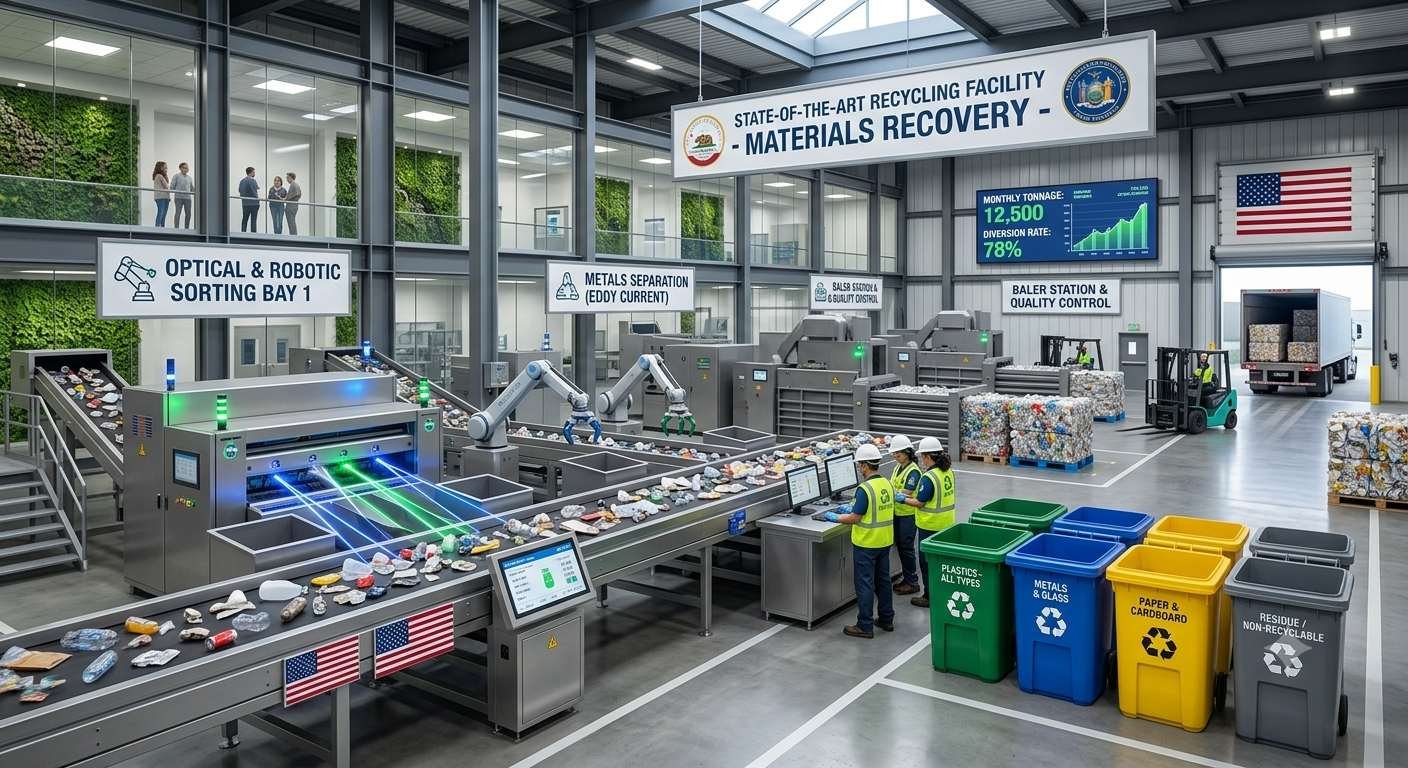
A simple way to sort household recyclables
- Find the current accepted-material list for your exact address or municipality.
- Empty containers and keep accepted items reasonably clean and dry, following local directions.
- Place items loose in the cart unless your program explicitly instructs otherwise.
- Keep food, liquids, cords, plastic bags, and hazardous materials out unless specifically accepted.
- Use separate drop-off programs for electronics, batteries, paint, chemicals, textiles, and other special items.
For a national reference, review the EPA’s standardized terms for materials accepted by municipal recycling programs. It covers categories such as paper, plastics, metals, glass, organics, textiles, and household hazardous waste, while emphasizing that local acceptance must be confirmed.
What may go in a curbside recycling cart
Commonly collected material groups include paper and corrugated cardboard, metal cans, glass containers, and certain plastic bottles or tubs. The word “certain” matters: some programs take a narrow range of containers, while others accept more. Keep corrugated boxes clean and dry, flatten them only as requested, and remove packaging materials that the local guide says to separate. For plastic containers, follow the program’s shape and item examples rather than relying only on a number.
Your local rules should answer whether to include lids, cartons, mail, shredded paper, food-soiled cardboard, and glass. Some cities collect a material curbside but require a different preparation method; some route special items to a drop-off location. If a guide is unclear, call the hauler or municipal recycling coordinator. A quick check can prevent the recurring mistake of “wish-cycling”—putting an item in the bin because it seems recyclable, not because the program accepts it.

What should stay out of the curbside bin
Do not put plastic shopping bags, bagged recyclables, cords, hoses, clothing, food, liquids, batteries, electronics, or chemical containers in a curbside cart unless the local instructions specifically permit them. Flexible film can tangle in sorting equipment; cords and hoses can wrap around machinery; hazardous items need separate handling. Many communities direct plastic bags to store drop-off collection rather than curbside bins. Local rules decide, so use the official guide for each material.
Never pour remaining liquid or paint into a recycling cart, and do not place rechargeable batteries loose in household recycling. Batteries and household chemicals can create fire or worker-safety hazards and usually require designated collection. For disposal routes, see the EPA’s household reduce, reuse, and recycling guidance and follow your local department’s current instructions.
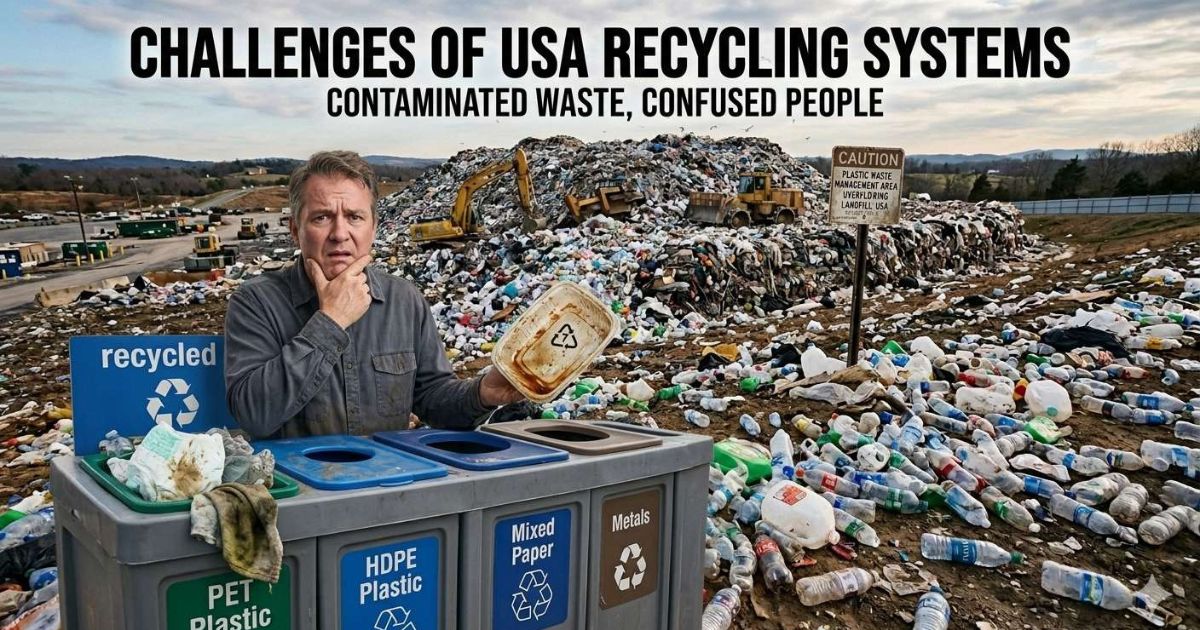
How to set up a low-confusion home recycling station
Place the recycling container beside the trash or near the spot where packaging is opened. Add a short list copied from the local program, not a generic list from another city. If several household members share the bin, include examples of the accepted containers, cardboard preparation, and special items that need drop-off. Keep a small box for batteries or electronics only if it is stored safely and clearly labeled for a planned trip to an appropriate collection site.
Review the list when you move or your city changes providers. Program pages may update accepted materials, collection frequency, or cart instructions, and an address-level lookup can prevent confusing neighboring towns’ rules. If your municipality offers a recycling hotline or app, save it. If there is no curbside option for a material, look for an official transfer station or retailer collection that clearly names that item.
Quick troubleshooting for common items
- Pizza boxes: check whether clean sections can be recycled and how greasy sections should be handled.
- Cartons and cups: confirm the exact product type because acceptance can vary.
- Glass: check color, lid, and collection instructions; some programs use drop-off only.
- Plastic film: keep it out of the cart unless your local program accepts it; search for a verified store drop-off.
- Clothing and textiles: use a textile reuse or collection route, not curbside recycling unless explicitly accepted.
Frequently asked questions
What can go in curbside recycling? Follow your municipality’s current accepted list for your service address. Paper, metal, glass, and some plastic containers are common categories, but the exact items differ.
Should recyclables be rinsed? Follow local instructions. Empty containers and remove significant food residue; the program may ask for a quick rinse, but avoid wasting water on an elaborate wash.
Are recycling symbols enough to decide? No. Check the local program because a material code does not guarantee curbside acceptance.
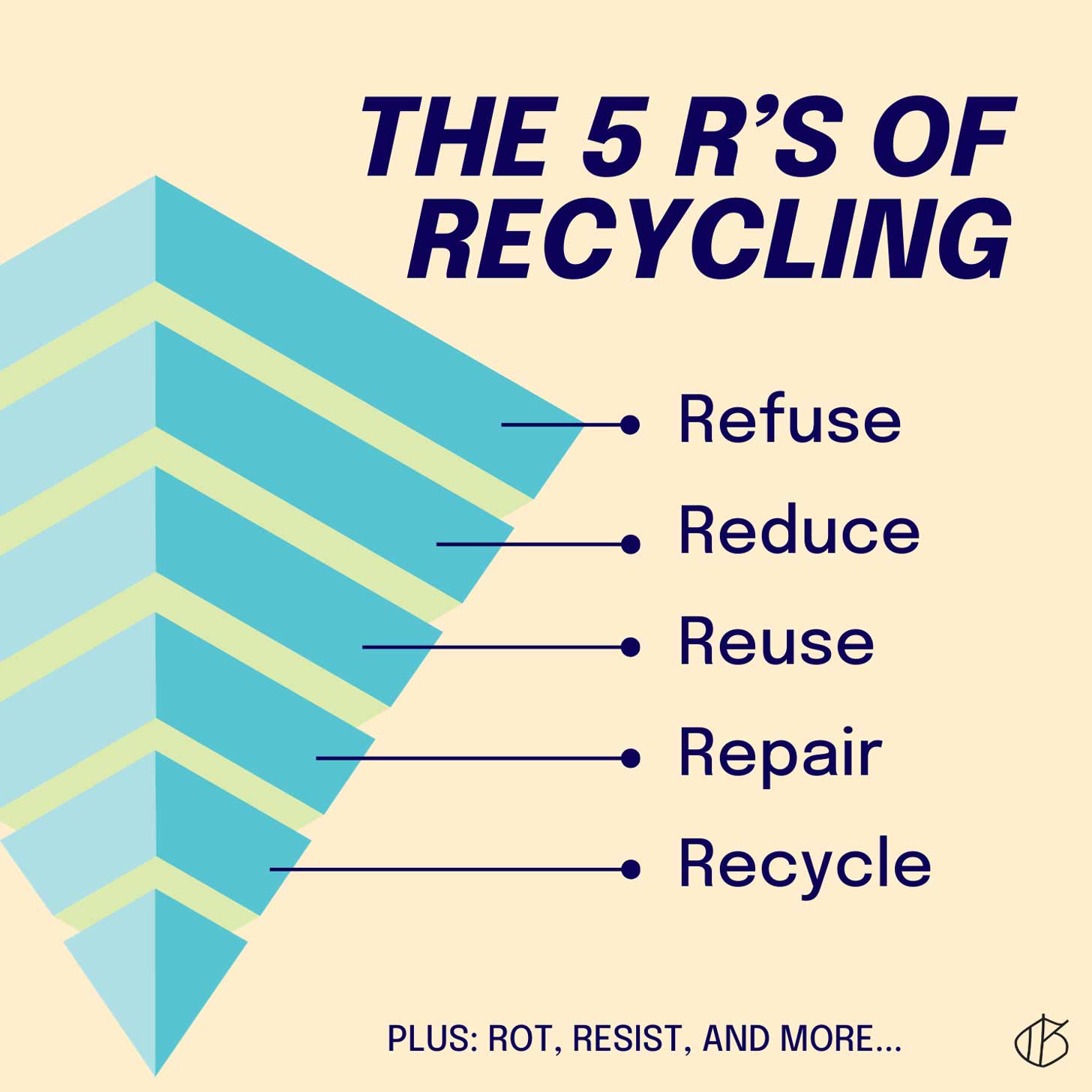
The most dependable household recycling habit is to use one current local guide and check unfamiliar items before tossing them in. Keep accepted recyclables empty, prepared as requested, and separate from bags, food, batteries, and other materials the program excludes. Correct sorting works alongside reduction and reuse—the broader principles in 20 practical ways to reduce waste at home—to keep preventable waste out of the trash.