

Moving creates a short burst of packaging, unwanted furniture, and last-minute decisions. A good plan for how to move with less waste starts before boxes arrive: decide what is worth moving, find a second use for items you are leaving, and choose packing materials you can reuse or recycle locally. The aim is a safer, simpler move—not perfection. Add these steps to your household plan in 20 practical ways to reduce waste at home.
Start with an inventory, not a stack of boxes
Walk through the home room by room and make a keep, sell, donate, repair, and recycle list. Begin several weeks ahead if possible, because organizations may have specific donation hours and some items need special handling. Measure large furniture against the new room plan and doorways before paying to move it. Avoid transporting items you already know will not fit or serve a purpose. A shorter inventory often means fewer boxes, less lifting, and less time unpacking.
Set a deadline for decisions so the move does not become a rushed dumping exercise. List usable furniture and appliances with accurate condition details, arrange a local pickup where available, and confirm that a charity accepts the item before loading it into a car. For broken or unsafe items, ask the local waste department about bulky-item collection, repair programs, or recycling. Keep hazardous household products out of ordinary donation boxes and follow community disposal instructions.
Choose moving boxes you can use again
First ask friends, neighbors, local groups, or your moving company whether clean, sturdy boxes can be borrowed or returned. Reusable plastic totes can work well when rented or borrowed, especially if there is a clear return arrangement. If you buy cardboard boxes, choose sizes that can be lifted safely and use sturdy boxes for heavier items. Reject wet, crushed, musty, or pest-damaged boxes; reused material is useful only when it protects your belongings and home.
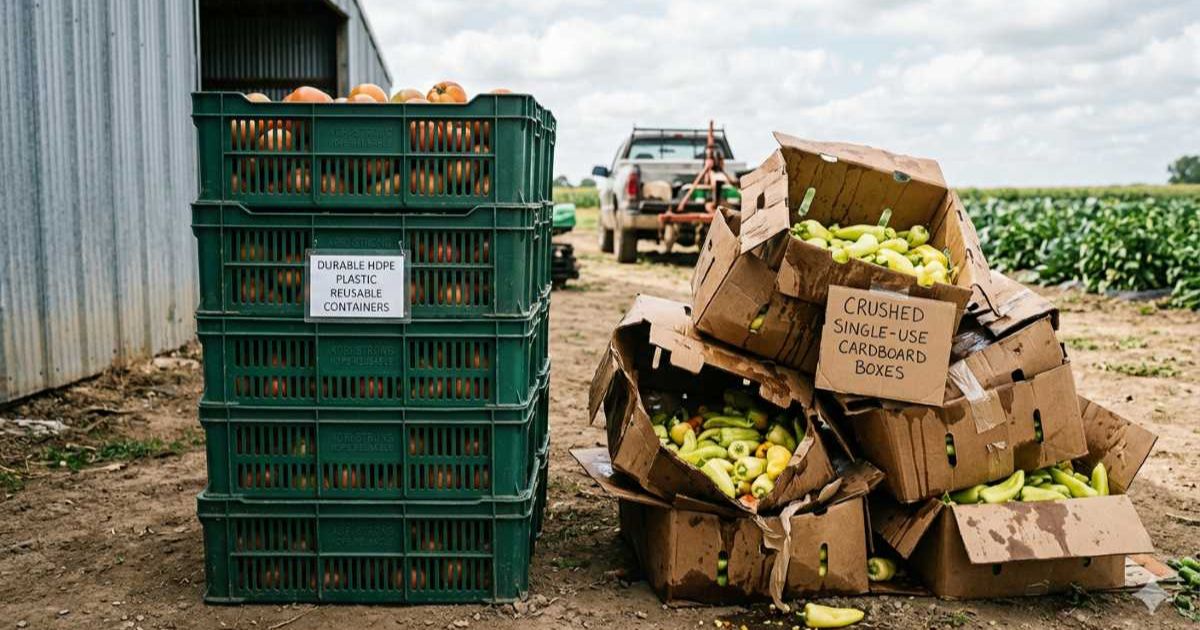
The EPA’s home moving tips suggest using old newspapers for fragile items, selecting boxes with recycled content, and recycling packaging after a move. The page also notes that some organizations offer places to drop off unused boxes so others can reuse them. Read the EPA’s Moving & Cleaning waste-reduction tips, then check current local options because locations and accepted materials can change.
Pack with what you already own
- Use towels, sheets, and clean clothing to cushion appropriate household items.
- Use small boxes for heavy books and label fragile items clearly.
- Keep original protective packaging for electronics if it is still available and intact.
- Borrow or rent specialty crates for dishes, wardrobe items, or equipment when a return option exists.
- Use paper or recyclable cushioning only when needed; do not overwrap every item.
Donate responsibly before moving
Donation is not a substitute for planning. Contact the receiving organization and ask about condition requirements, pickup limits, and current hours. Keep clean, usable clothing and linens separate from furniture, electronics, and household goods so a recipient can sort quickly. If an item has a safety recall, missing critical parts, mold, or major damage, do not present it as a donation. Search for a repair or recycling route instead.
For items that cannot be donated, use the municipality’s waste and recycling directory. Paint, cleaners, automotive fluids, batteries, and similar products may require household hazardous-waste instructions rather than curbside disposal. The EPA advises residents to look for community hazardous-waste collection days for items they will not take. Do not pour liquids into a drain or leave chemical containers at an unstaffed donation point.

What to do with boxes after moving
Unpack in stages and flatten clean, dry cardboard promptly. Ask your new hauler or local government whether curbside collection accepts boxes and whether they need to be flattened, bundled, or taken to a drop-off site. Remove plastic tape and packing material when the local program requests it. Keep cardboard dry and free from food or oil. Reusable totes, wardrobe boxes, and sturdy cartons can be returned to the lender or offered to another household only if clean and structurally sound.
Some packing products look alike but are made from different materials. Separate paper, corrugated cardboard, plastic film, foam, and reusable containers according to your community’s instructions. Never assume curbside recycling accepts all packaging just because it has a resin code or a recycling symbol. If a material is not accepted, use a store drop-off or specialty program only when the site confirms it takes that exact packaging.
A practical low-waste moving timeline
- Three to four weeks before: inventory belongings, book donation pickups, and find box borrowing or rental options.
- One to two weeks before: pack rarely used items, label boxes by room, and arrange special disposal for regulated products.
- Moving day: keep a small reuse kit, reusable water bottles, and essential supplies out of packed boxes.
- After the move: return borrowed crates, flatten dry cardboard, and offer sound boxes to neighbors or a reuse group.
Frequently asked questions
Are reusable plastic moving boxes better than cardboard? It depends on distance, availability, cost, and whether the boxes will be returned or used repeatedly. Borrowed or rented totes can avoid single-use packaging when a return route is convenient; recycled-content cardboard can also be practical and recyclable where accepted.
Can I donate everything I no longer want? No. Donation groups set limits and need items in usable condition. Confirm acceptance before delivery and use municipal services for damaged or restricted materials.
Can I recycle moving boxes curbside? Many communities accept clean, dry corrugated cardboard, but instructions vary. Confirm local rules and prepare boxes as requested.
A lower-waste move is mostly a series of early, specific decisions: move fewer things, reuse safe boxes and household textiles, donate only what will be accepted, and check local disposal rules. These habits reduce the number of last-minute purchases and help keep usable goods in circulation.